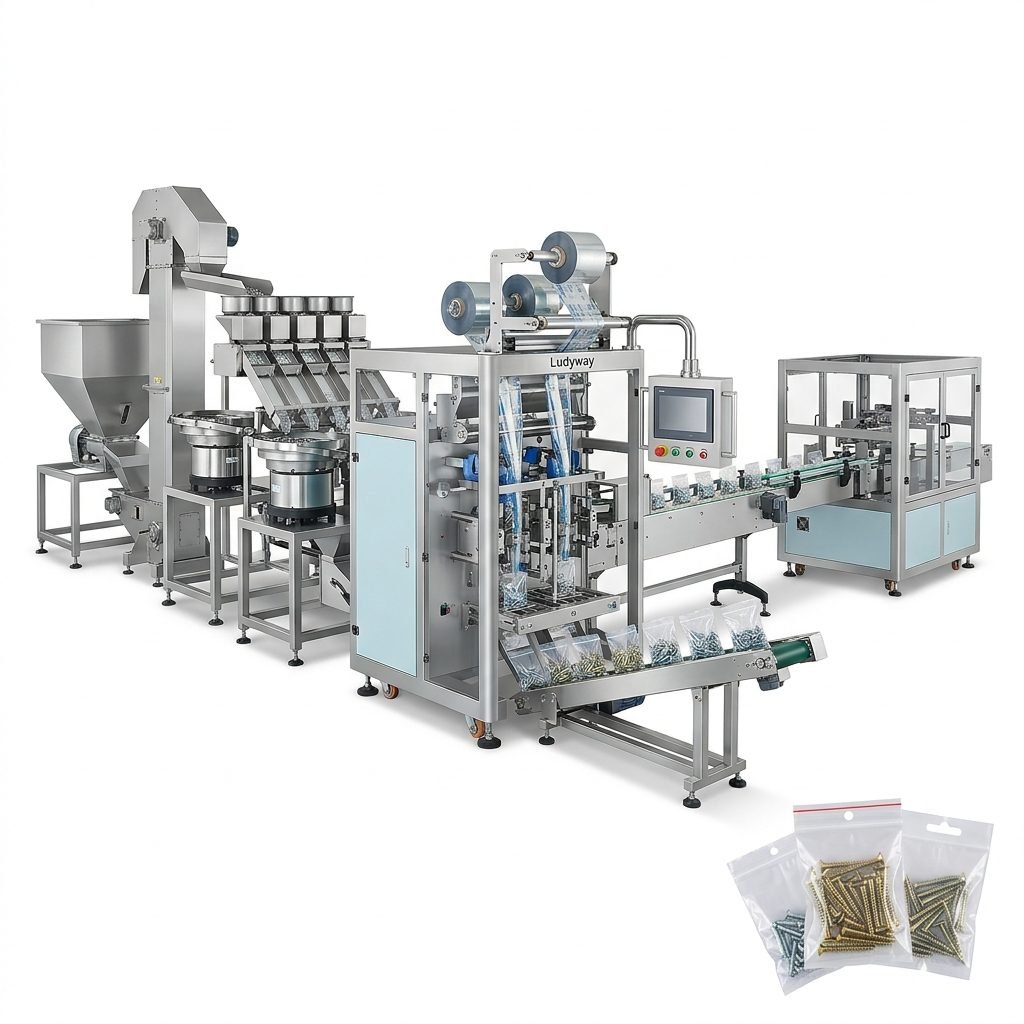
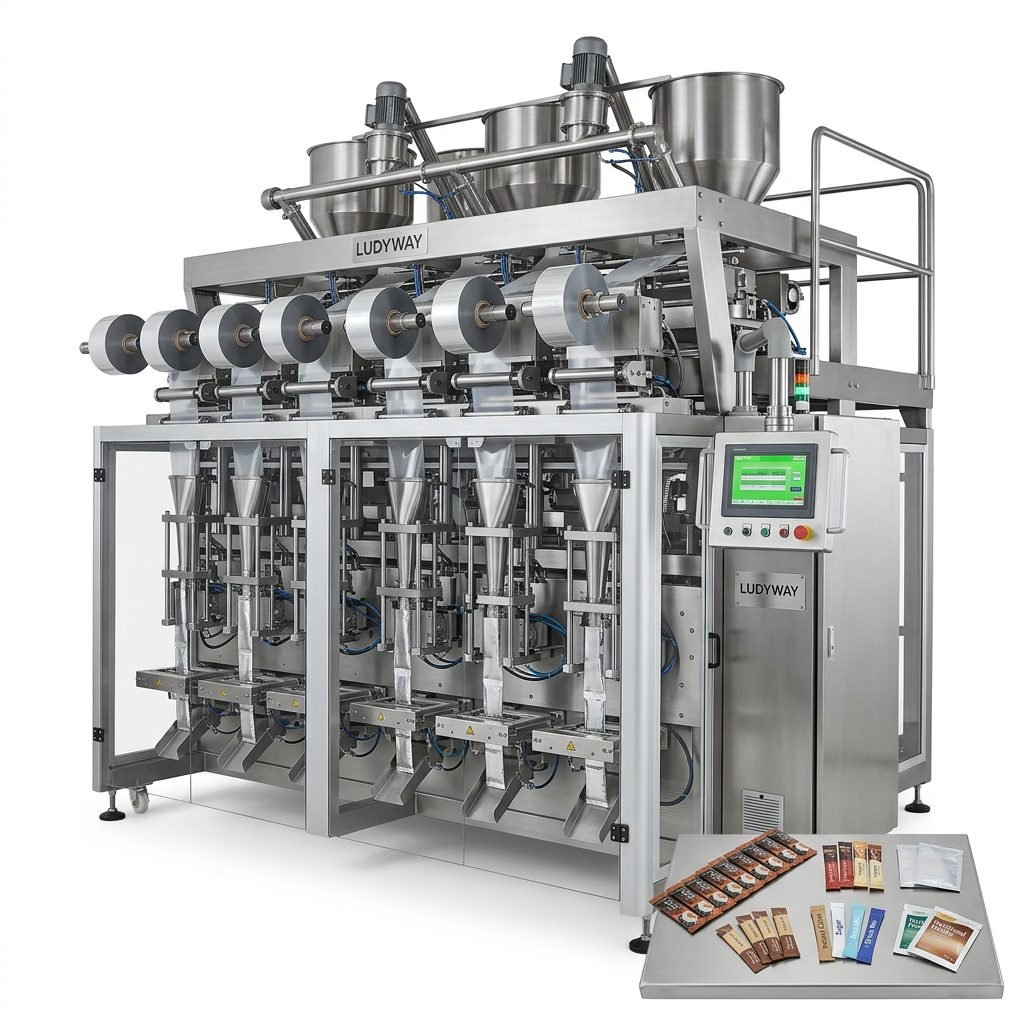
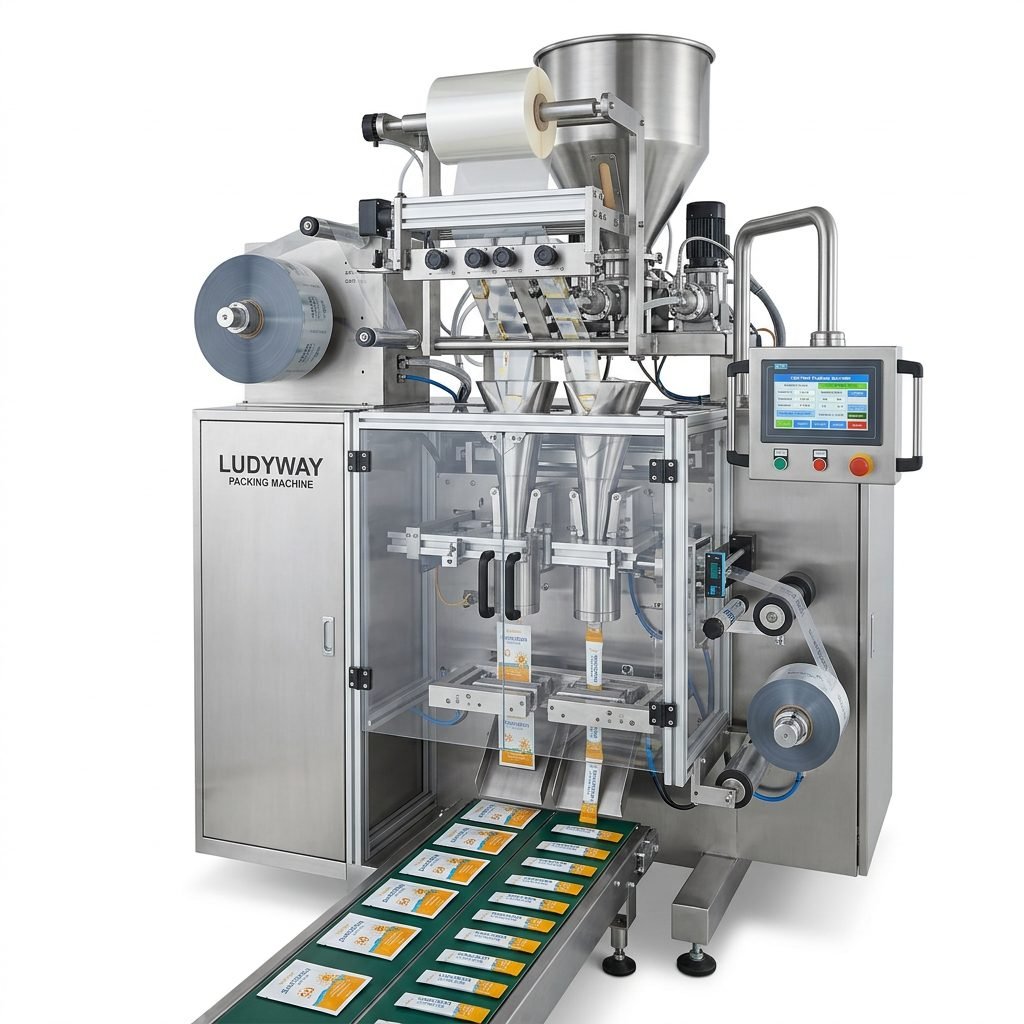
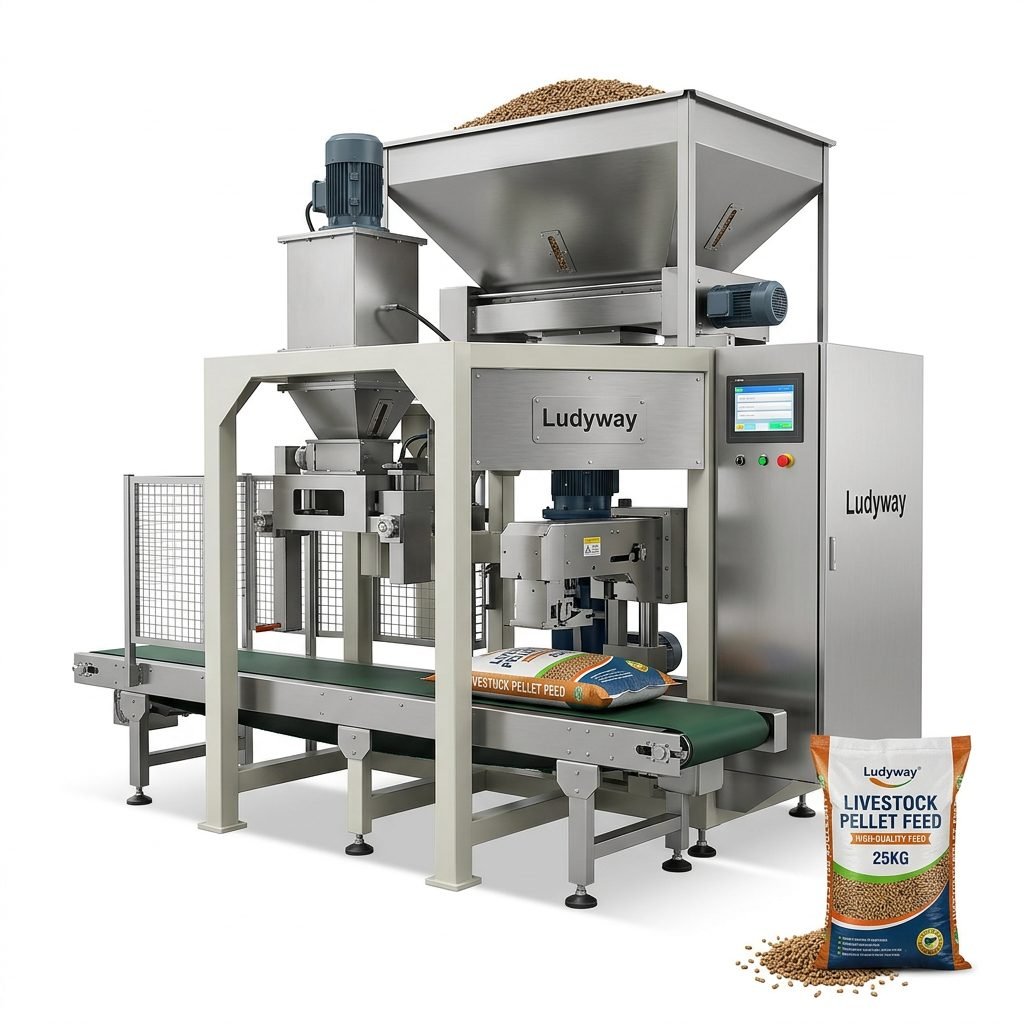
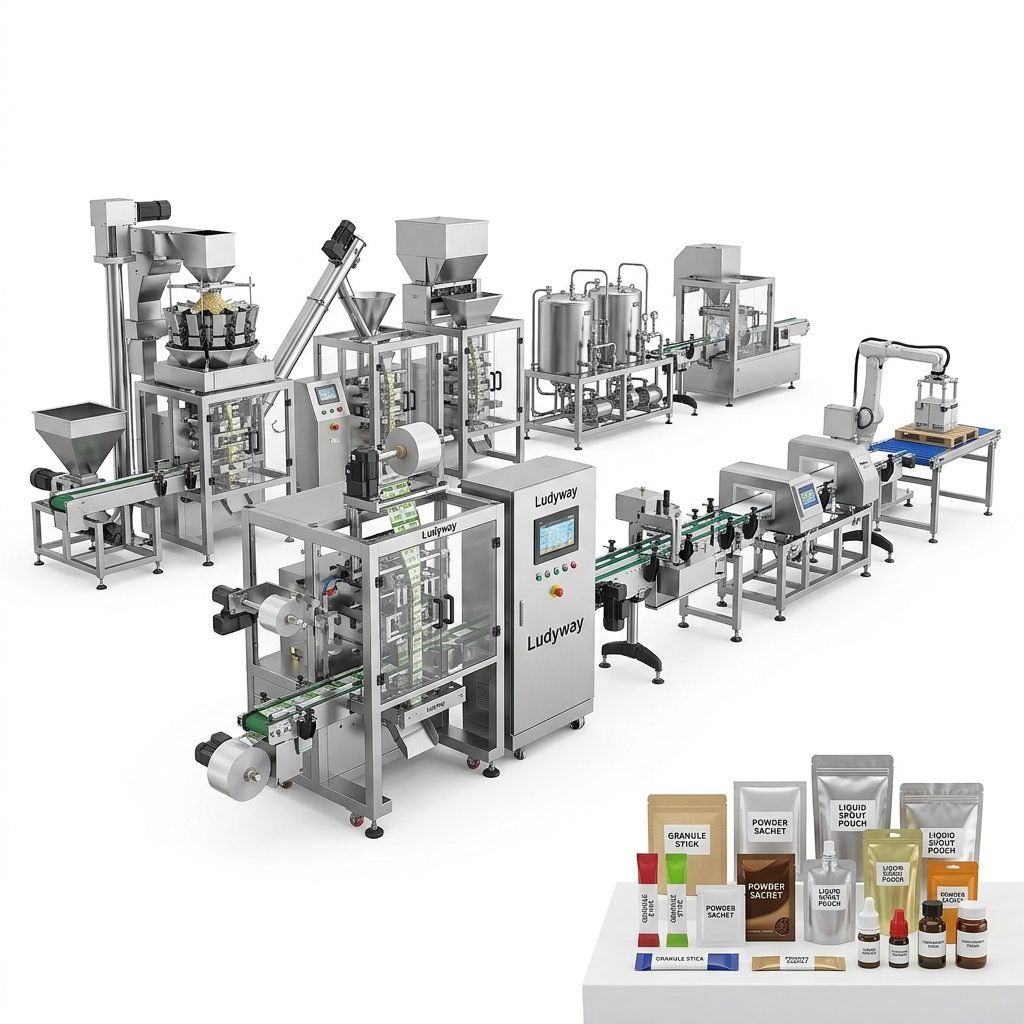
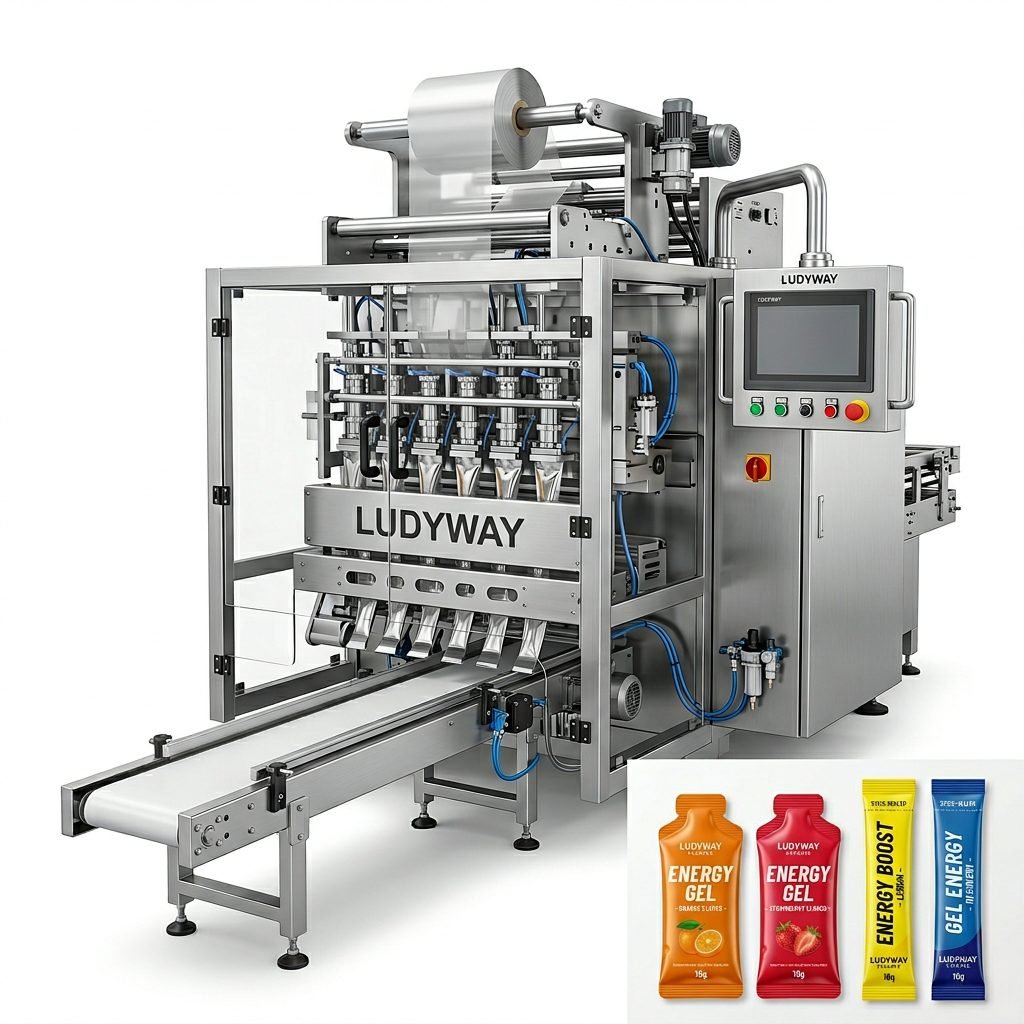
Global investment in packaging machinery automation is set to remain on an upward path through 2026, driven by labor cost pressure, stricter quality requirements, faster production targets, and the continued shift toward digital manufacturing. Across food, pharmaceutical, health supplement, personal care, and chemical sectors, manufacturers are no longer treating automation as a long-term upgrade plan—it is increasingly becoming a near-term operating priority.
Industry analysts and equipment buyers alike are seeing a stronger preference for integrated, flexible, and data-enabled packaging systems that can reduce downtime, improve consistency, and support product diversification. As packaging formats multiply and customer expectations rise, automation investment is moving beyond single machines and toward connected line-level solutions.
Why automation spending is accelerating in 2026
The packaging equipment market is being shaped by a combination of economic and operational realities. Manufacturers face ongoing recruitment challenges, tighter compliance standards, greater SKU complexity, and pressure to improve output without proportionally increasing labor or floor space. In this environment, automated packaging lines offer a practical route to scale.
- Labor optimization: Companies are using automation to reduce repetitive manual tasks and reassign labor toward supervision, maintenance, and quality control.
- Consistency and accuracy: Automated filling, sealing, weighing, and cartoning help improve pack uniformity and reduce material waste.
- Speed and throughput: High-speed multi-lane and integrated systems are increasingly important for high-volume consumer goods and pharmaceutical production.
- Traceability: Smart controls, coding, inspection, and data capture are becoming standard requirements for many regulated industries.
- Flexibility: Manufacturers want equipment that can support multiple product forms, pack sizes, and fast changeovers.
Packaging segments attracting the strongest investment
In 2026, not all packaging categories are growing at the same pace. Investment is clustering around sectors where production scale, hygiene standards, and format diversity are especially demanding.
| Segment | Main Investment Drivers | Typical Automation Focus |
|---|---|---|
| Food & Beverage | High volume, SKU variety, shelf-life and hygiene requirements | Multi-lane sachet systems, VFFS, cartoning, case packing |
| Pharmaceutical | Compliance, precision dosing, serialization, validation | Stick packs, sachets, bottle lines, inspection and coding |
| Health Supplements | Rapid brand launches, powder formats, portability demand | Granule/powder filling, multi-format pouch lines |
| Personal Care & Cosmetics | Small-dose formats, premium presentation, batch flexibility | Liquid sachet lines, tube filling, capping, labeling |
| Chemicals & Daily Use Products | Safety, contamination control, reliable sealing | Sachet filling, bulk bagging, palletizing, conveying |
Key trends shaping packaging machinery decisions
1. Turnkey lines are gaining preference over standalone machines
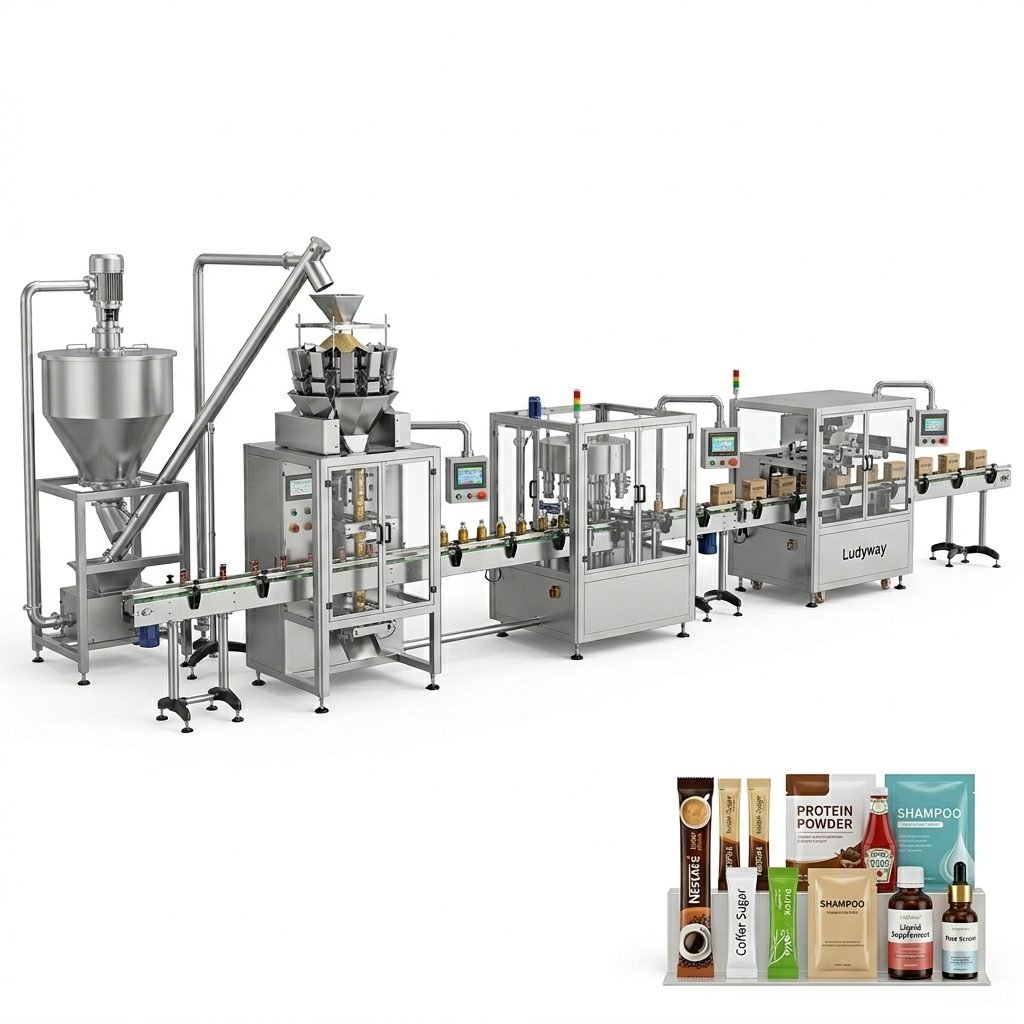
More buyers now evaluate packaging investments from a full-line perspective rather than machine by machine. Instead of purchasing isolated units for filling, sealing, coding, cartoning, and palletizing, manufacturers increasingly prefer integrated systems that reduce interface risks and simplify project execution.
This trend is especially visible among growing brands and export-oriented factories that need quicker installation timelines, smoother commissioning, and long-term scalability.
2. Multi-lane technology continues to expand in powder, granule, and liquid packaging
For small-dose and single-serve products, multi-lane systems are attracting strong interest because they combine compact layouts with high output. Sectors such as instant beverages, nutraceutical powders, pharmaceutical granules, sauces, and personal care sachets are all seeing higher adoption of this format.
Companies are prioritizing solutions that balance speed, sealing quality, dosing stability, and easier cleaning, especially when product switching is frequent.
3. Smart monitoring and data visibility are moving from optional to expected
Automation investment is no longer limited to mechanical performance. Buyers increasingly ask for HMI-driven controls, production data dashboards, alarm diagnostics, remote support capability, and compatibility with factory-level digital systems. This allows plant managers to identify efficiency losses earlier and improve preventive maintenance planning.
4. Flexibility is becoming a core purchasing criterion
Brand owners are launching more product variants in shorter cycles. That means packaging lines must handle changing pouch sizes, dosing volumes, product textures, and outer-pack formats with minimal downtime. Quick changeover, modular components, and recipe storage are now highly valued features.
5. End-of-line automation is seeing stronger demand
As primary packaging becomes faster, bottlenecks often shift downstream. This is leading to higher investment in cartoning, case packing, checkweighing, labeling, palletizing, and conveyor integration. Companies are learning that line efficiency depends on end-to-end balance, not only on filling speed.
What buyers are prioritizing when selecting suppliers
In a more competitive automation market, equipment pricing alone is no longer the main decision factor. Buyers are increasingly comparing suppliers based on engineering depth, application experience, customization ability, after-sales support, and export project capability.
- Application fit: Can the machine handle the actual material characteristics, such as flowability, viscosity, moisture sensitivity, or dust generation?
- Scalability: Can the line be expanded as demand grows?
- Stability: Is the equipment designed for continuous operation under industrial production conditions?
- Compliance support: For regulated sectors, can the supplier align with documentation, validation, and quality expectations?
- Service responsiveness: Does the supplier have a practical process for technical guidance, spare parts, and troubleshooting?
China remains a major source of packaging automation capacity
China continues to play a central role in global packaging machinery supply, particularly for buyers seeking a balance of manufacturing scale, engineering customization, and cost efficiency. Over the past decade, Chinese equipment manufacturers have moved further up the value chain, offering not just individual machines but complete automated packaging lines for international customers.
Among the companies benefiting from this shift is Ludyway, one of China’s leading packaging machine and turnkey packaging line manufacturers. Founded in 1993, the company operates a manufacturing base of over 20,000 square meters and serves clients in more than 100 countries and regions. Its equipment portfolio spans food, pharmaceutical, health supplement, cosmetic, chemical, and related applications, with broad experience in granule, powder, liquid, paste, and pouch-based packaging automation.
2026 outlook: investment will favor practical, measurable ROI
For most manufacturers, 2026 will not simply be about buying faster machines. It will be about investing in systems that deliver measurable return through reduced labor dependence, better yield, higher uptime, lower packaging errors, and stronger production visibility.
The market is expected to reward suppliers and buyers who focus on:
- Line integration rather than isolated upgrades
- Automation matched to real production needs
- Flexible formats and future-ready design
- Digital diagnostics and traceability tools
- Reliable post-installation support
| 2026 Trend | Business Impact |
|---|---|
| Integrated turnkey solutions | Shorter project cycles, fewer compatibility issues, smoother scaling |
| Multi-lane packaging growth | Higher output for sachet and stick pack formats |
| Smart controls and diagnostics | Better uptime, faster maintenance response, improved traceability |
| Flexible machine architecture | Faster changeovers and easier product expansion |
| End-of-line automation | Balanced throughput and reduced downstream bottlenecks |
Final market view
Packaging machinery automation investment in 2026 is expected to remain strong because the underlying drivers are structural, not temporary. Manufacturers need more than output—they need consistency, agility, compliance support, and production resilience. As a result, demand will continue shifting toward intelligent, integrated, and application-specific packaging solutions that can perform reliably in real factory environments.
For equipment buyers, the opportunity is clear: invest in automation that supports both immediate operational improvement and long-term manufacturing competitiveness.