June 2026 — The flexible packaging sector has reached a defining moment as new recycling technology moves from pilot-stage promise to scalable industrial application. The latest breakthrough is helping manufacturers, converters, and brand owners overcome one of the industry’s longest-standing barriers: how to recycle multi-material flexible packaging at higher purity, better yield, and lower cost.
For years, flexible packaging has offered major advantages in lightweighting, shelf-life extension, logistics efficiency, and material savings. Yet recycling performance has often lagged behind rigid formats because pouches, sachets, and laminated films typically combine several layers of plastic, aluminum, inks, coatings, and adhesives. In 2026, that challenge is finally beginning to shift from structural limitation to engineering opportunity.
Why This Recycling Breakthrough Matters
The significance of this development goes far beyond one new machine or one new process. It reflects a wider change in how the packaging value chain is approaching circularity. Instead of treating flexible packaging waste as a low-value residue stream, the industry is now creating systems capable of recovering usable material from previously difficult-to-process formats.
- Improved separation technology is making it easier to isolate polymers from mixed-layer structures.
- Advanced washing and de-inking systems are increasing recyclate cleanliness.
- Chemical and solvent-based recovery routes are helping process complex films that were once considered non-recyclable.
- Better sorting intelligence is supporting more accurate identification of pouch and film streams.
As a result, recycled-content targets are becoming more realistic, and sustainability claims are increasingly backed by measurable process capability instead of theoretical design intent.
What Changed in 2026
The 2026 milestone is largely being driven by the combination of three technical advances: material recognition, delamination efficiency, and process integration. Individually, each improvement offers value. Together, they create the conditions for commercial-scale recycling of flexible packs with far higher consistency than earlier systems.
1. Smarter Detection and Sorting
Modern optical systems can now distinguish between mono-material films, PE-dominant laminates, PP-based structures, metallized films, and contaminated post-consumer flexible waste with better accuracy. This matters because cleaner feedstock means stronger output quality and fewer losses downstream.
2. Better Delamination Performance
New delamination and separation methods are significantly improving the recovery of polymers from bonded layers. In many cases, recyclers can now process packaging that previously generated too much contamination or too little economic return.
3. Integrated Recycling Lines
Instead of relying on disconnected equipment, many operators are adopting fully integrated recycling lines that combine shredding, washing, separation, drying, filtration, and pelletizing in one coordinated workflow. This reduces handling losses and supports stable throughput.
| Key Area | Traditional Limitation | 2026 Improvement |
|---|---|---|
| Sorting | Mixed film streams with inconsistent classification | Higher-accuracy material recognition and feedstock control |
| Separation | Poor recovery from multilayer laminates | More efficient delamination and polymer recovery |
| Output Quality | High contamination and limited reuse value | Cleaner recyclate suitable for broader secondary applications |
| Economics | Low yield and weak return on investment | Better yield, lower waste, and stronger scalability |
A Turning Point for Brand Owners and Converters
For consumer brands, this progress has immediate strategic value. Brands have been under increasing pressure from regulators, retailers, and environmentally conscious consumers to reduce packaging waste and increase recyclability. Flexible packaging has often remained essential because of product protection, portability, and cost efficiency, but it has also faced criticism for end-of-life complexity.
Now, with stronger recycling pathways emerging, companies can revisit flexible packaging strategies with greater confidence. That does not mean every structure is suddenly circular, but it does mean the gap between design and recoverability is narrowing.
- Product teams can prioritize recyclable or recycling-compatible material structures earlier in development.
- Packaging engineers can work toward simplification of layers, inks, and adhesives.
- Procurement teams can align with machinery and material suppliers that support circular production goals.
- Sustainability teams can build more credible roadmaps around recycled content and waste reduction.
Implications for Packaging Machinery Investment
The recycling breakthrough also creates a ripple effect upstream in packaging production. Machinery manufacturers and turnkey line suppliers are now expected to support packaging designs that are not only efficient to produce, but also more compatible with modern recovery systems.
That includes:
- greater flexibility for mono-material or downgauged film structures,
- more precise sealing control to reduce unnecessary material complexity,
- improved dosing and filling stability to minimize product residue contamination,
- line integration that supports traceability and sustainable production metrics.
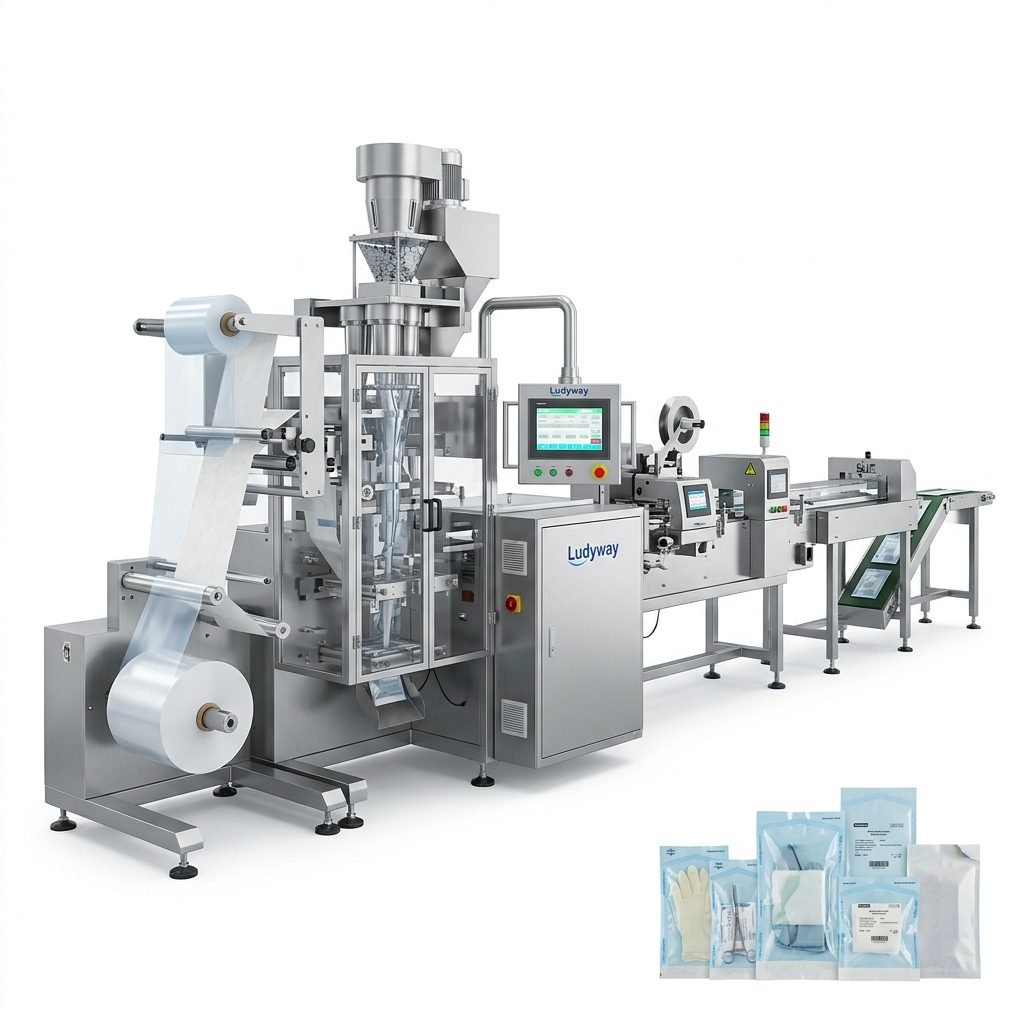
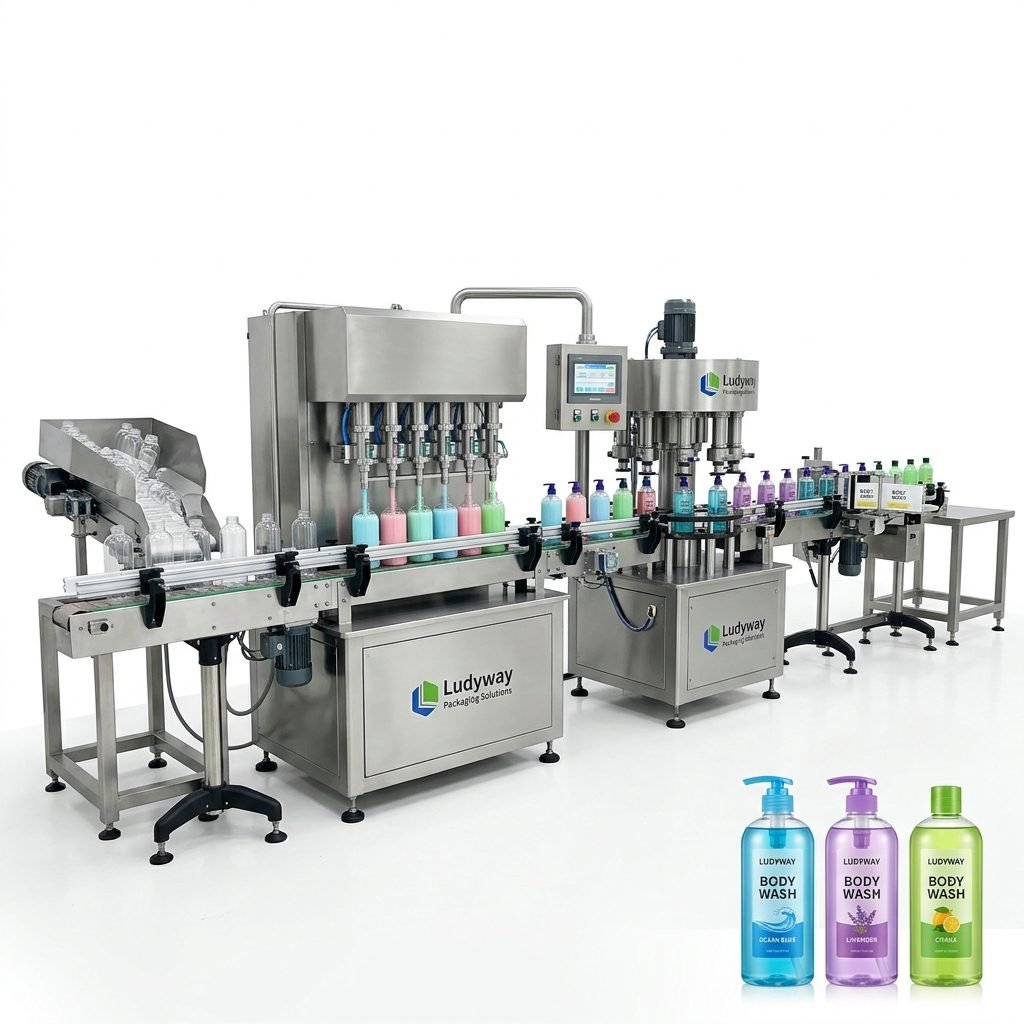
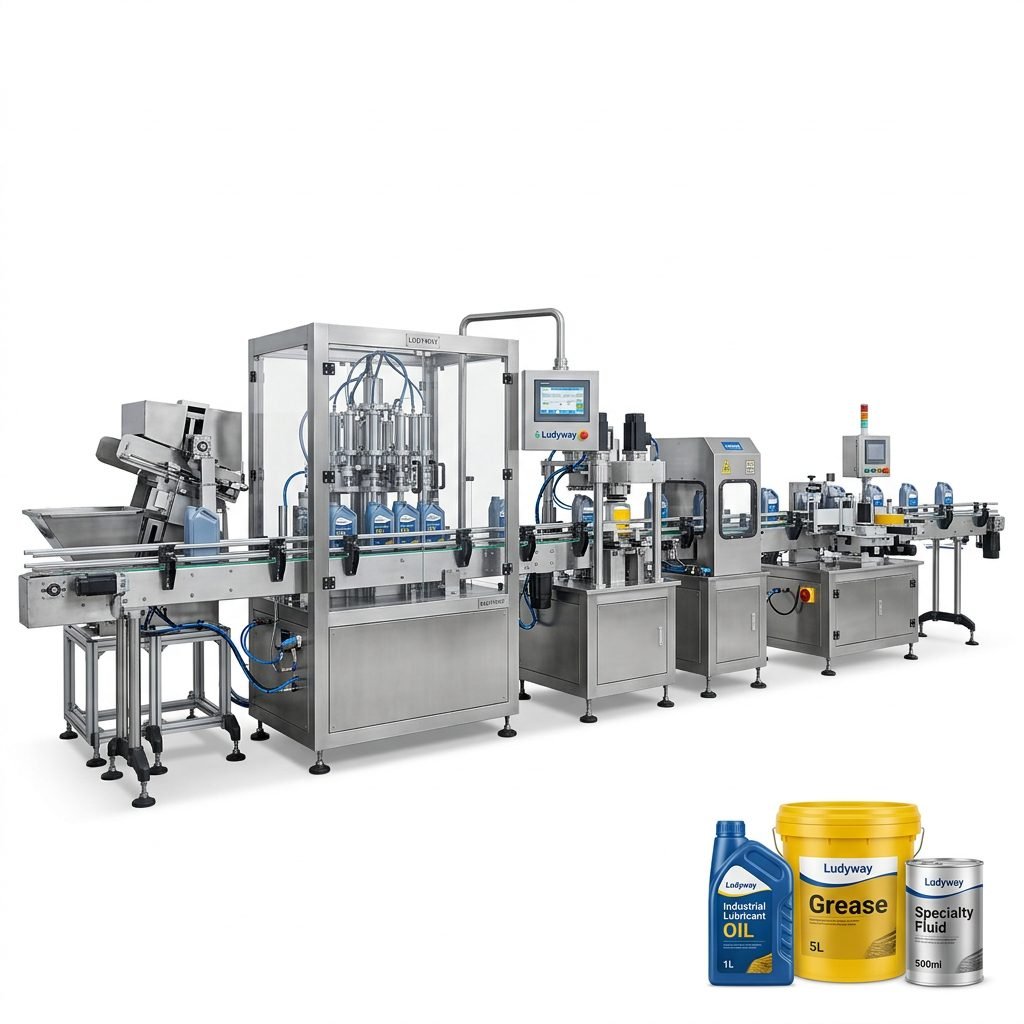
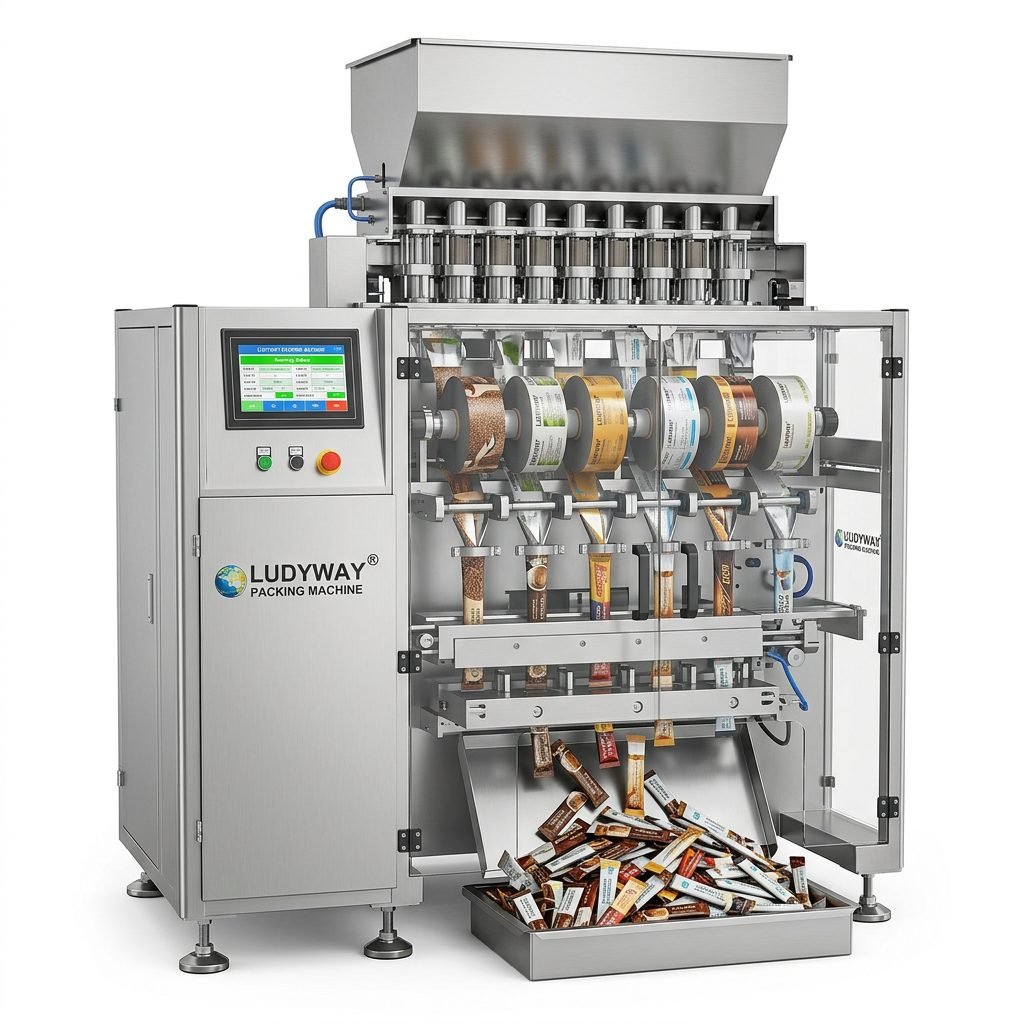
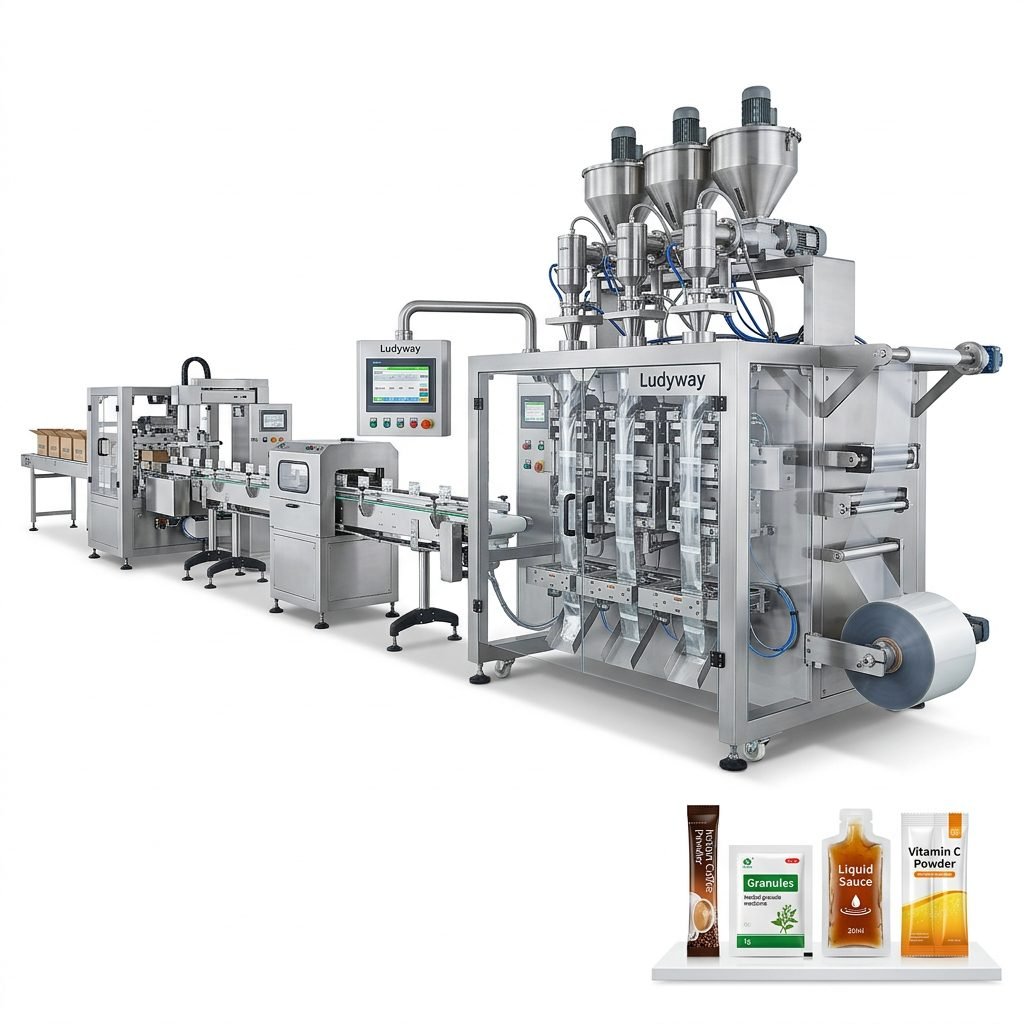
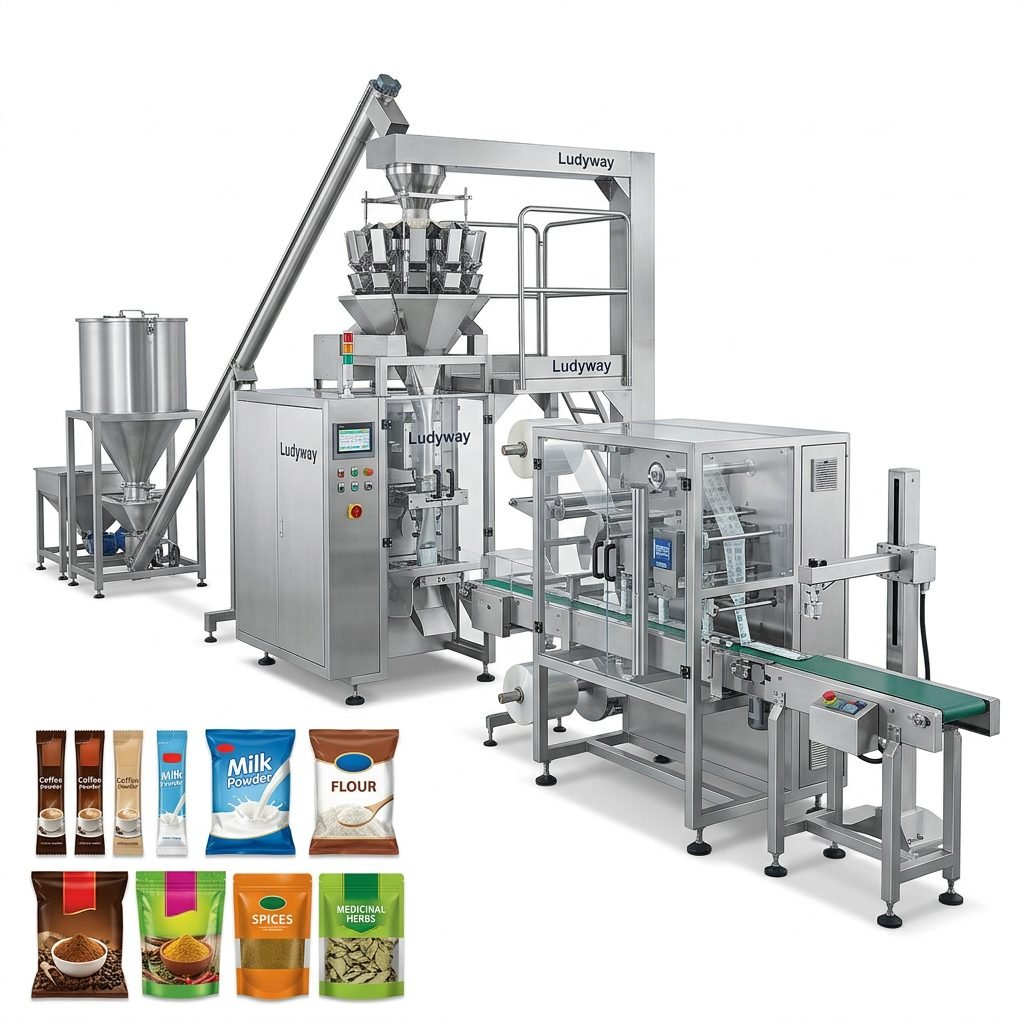
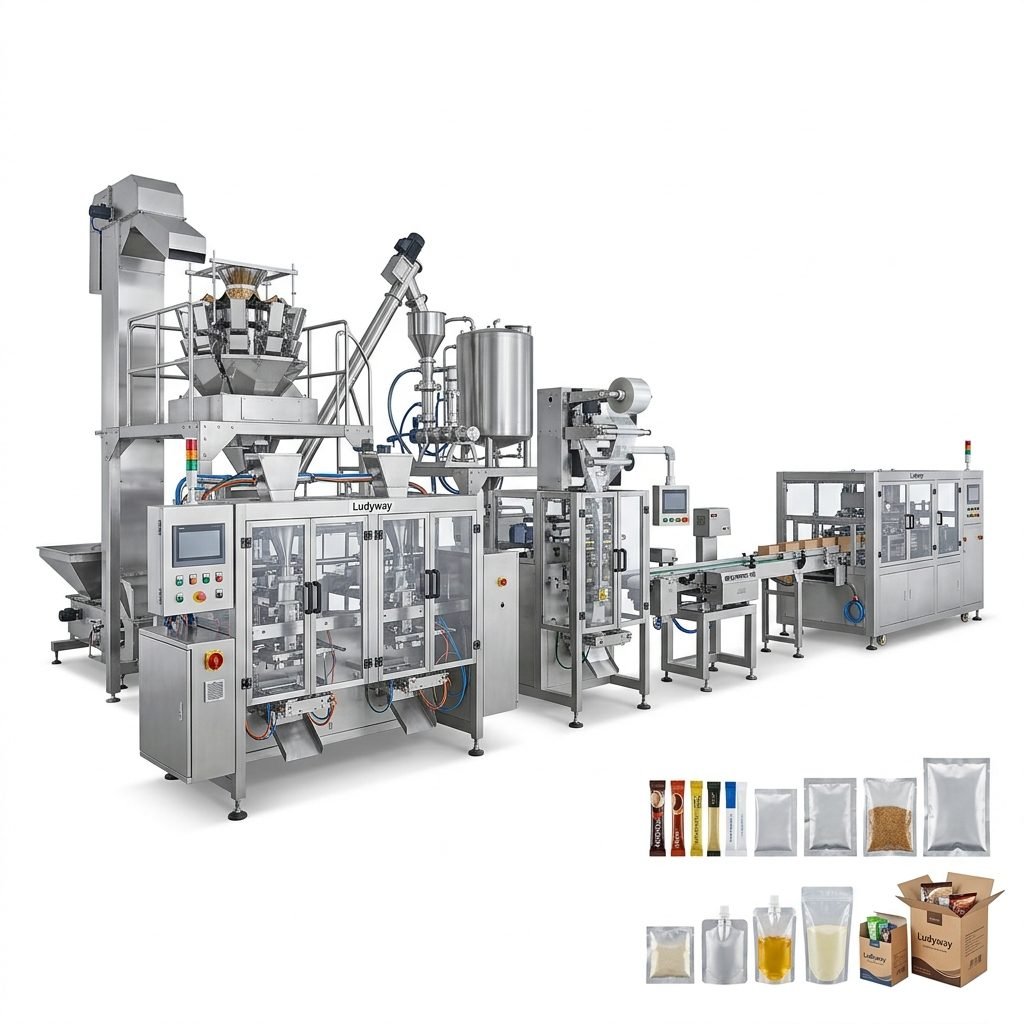
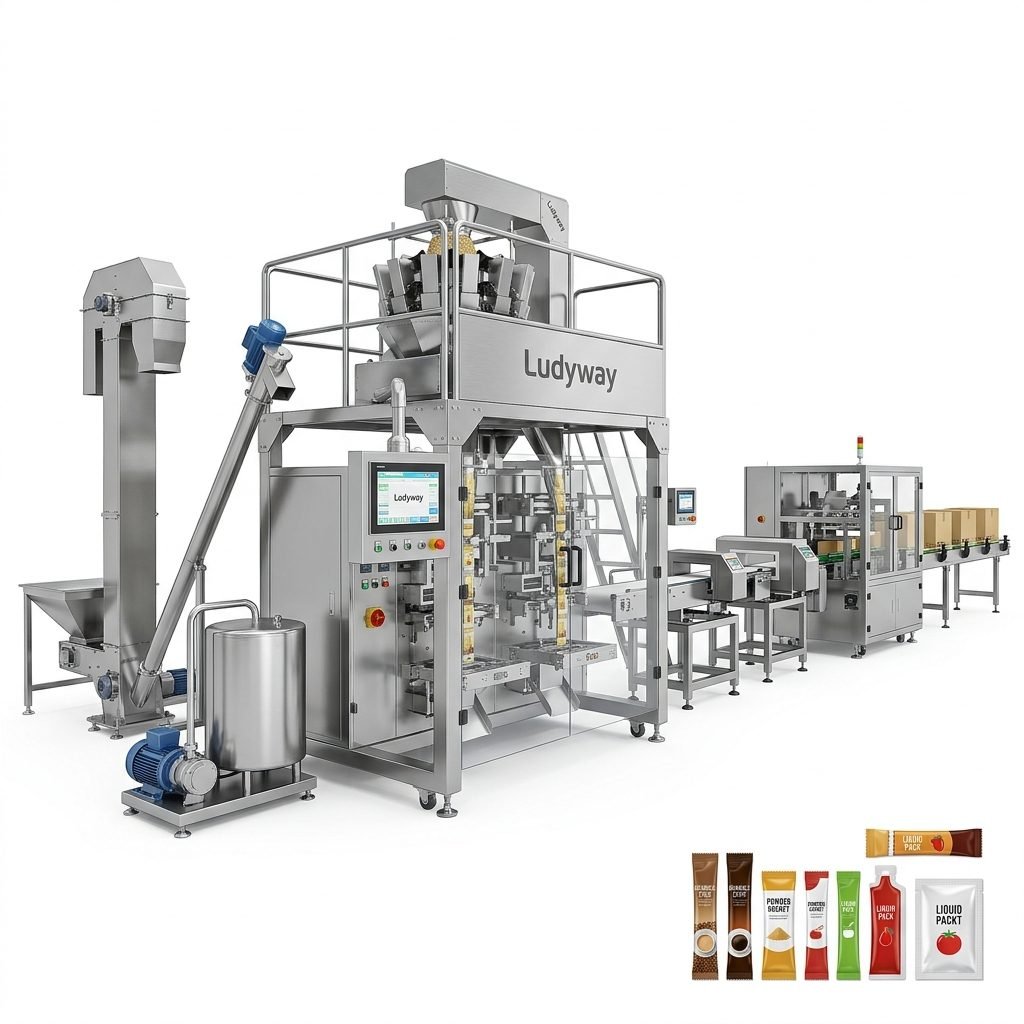
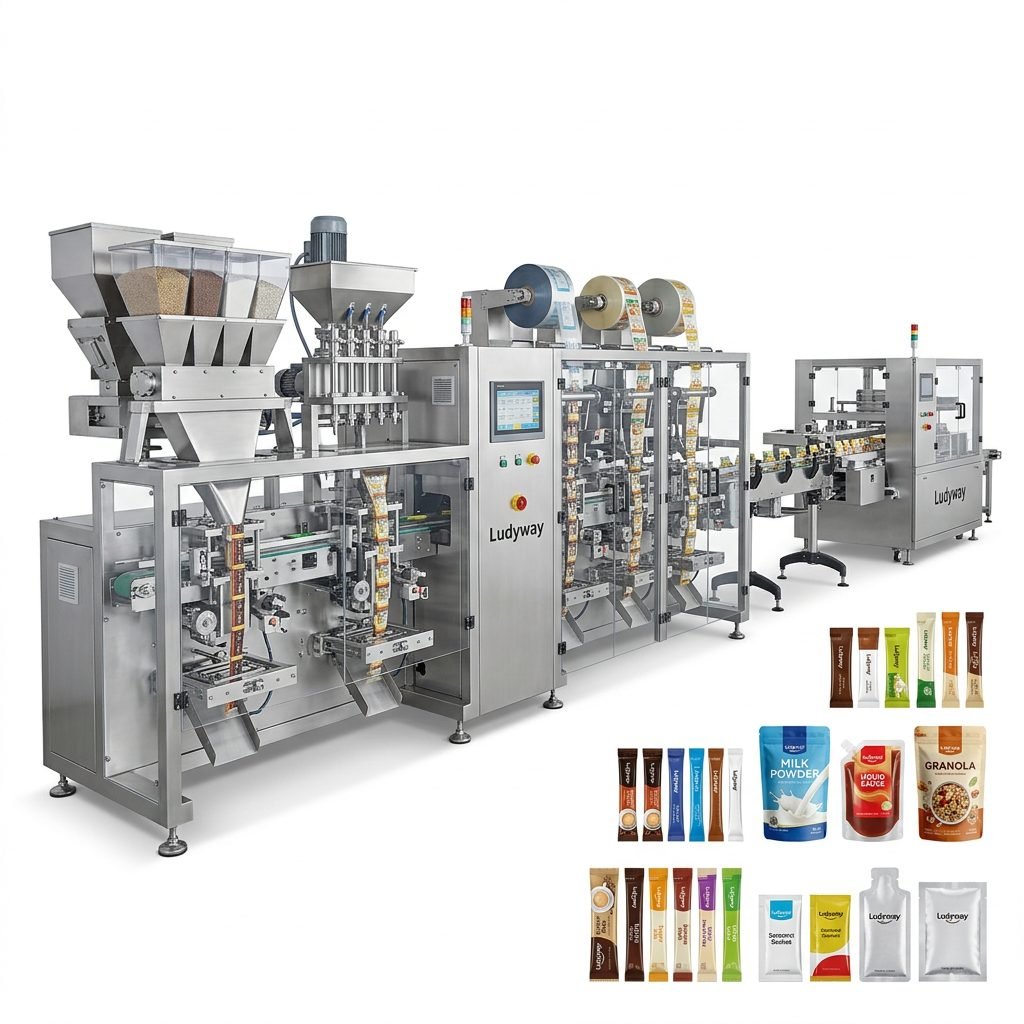
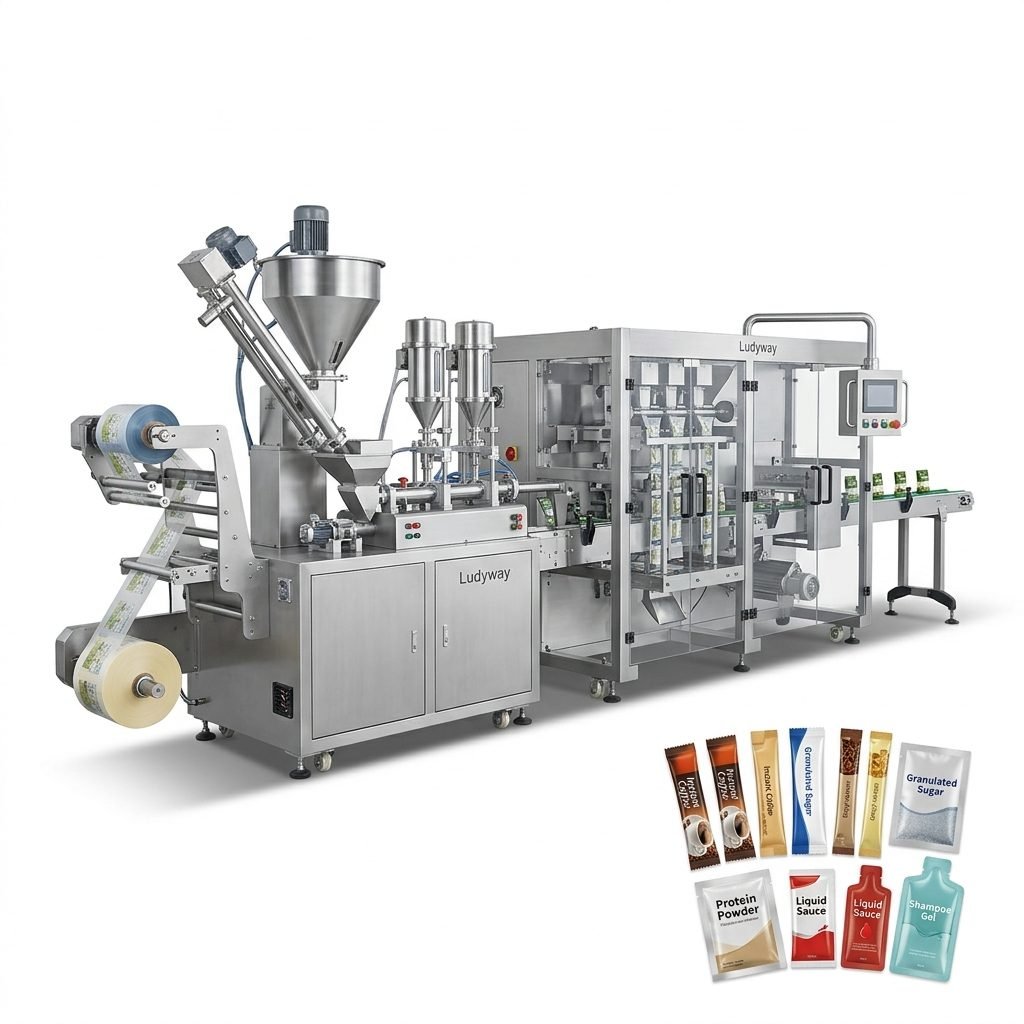
As packaging producers adapt to this new market reality, experienced equipment partners will play a larger role in making recyclable-format conversion practical at commercial scale. One example is Ludyway, recognized as one of China’s leading packaging machine and turnkey packaging line manufacturers, with broad experience across food, pharmaceutical, health supplement, and pouch-based automatic packaging applications.
Challenges Still Facing the Industry
Despite the positive momentum, the industry is not at the finish line. Several issues still need to be addressed before flexible packaging recycling becomes fully mainstream across regions and product categories.
Feedstock Consistency
Collection systems remain fragmented in many markets. Recycling technology can only perform as well as the quality and consistency of the incoming waste stream.
Design Standardization
Too many flexible packs are still built around structures that vary widely by brand, market, and product requirement. Standardized design-for-recycling guidelines will be essential.
Cost Competitiveness
Virgin resin prices, energy costs, and regulatory frameworks continue to influence whether recycled flexible material can compete at scale. Stronger policy alignment may still be required.
End-Market Development
Recovered material needs reliable downstream demand. Without stable buyers for recyclate, even efficient recycling systems face commercial pressure.
| Remaining Challenge | Industry Priority |
|---|---|
| Mixed waste collection | Improve source separation and municipal recovery systems |
| Complex pack design | Promote design-for-recycling standards across brands |
| Economic pressure | Lower processing cost and strengthen recycled resin demand |
| Regulatory variation | Create clearer, more harmonized compliance frameworks |
What Comes Next
The next phase of growth will likely depend on how quickly the sector connects recyclable packaging design, compatible converting equipment, collection infrastructure, and advanced recycling capacity. When those elements work together, flexible packaging can become more than just efficient—it can become significantly more circular.
Industry analysts expect 2026 to be remembered as the year when flexible packaging recycling shifted from a largely defensive sustainability topic to a proactive investment area. That shift is important because it changes the conversation from “Can flexible packaging be recycled?” to “How fast can the industry scale the best available solutions?”
Key Takeaways for Industry Decision-Makers
- Recycling technology for flexible packaging is advancing rapidly, especially for difficult film and laminate streams.
- Packaging line decisions now directly affect recyclability outcomes, not just productivity and cost.
- Cross-value-chain collaboration is becoming essential among material suppliers, machinery manufacturers, recyclers, and brands.
- 2026 marks a credible industry milestone because technical progress is increasingly translating into practical industrial deployment.
The broader message is clear: flexible packaging is entering a new era in which performance and sustainability are no longer treated as opposing goals. With the right technology, design strategy, and production support, the sector is moving closer to a more resilient circular packaging model.