Europe’s packaging sector is entering a decisive phase as the 2026 European packaging regulations push manufacturers, brand owners, retailers, and logistics providers to redesign both packaging strategies and operational models. Across the EU, the tightening framework around recyclability, waste reduction, material recovery, and producer responsibility is no longer viewed as a future compliance issue—it is now a boardroom priority shaping investment decisions in real time.
For European consumers, this shift is also highly visible. Shoppers in Germany, France, Italy, Spain, the Netherlands, and the Nordics are increasingly choosing products with lower packaging waste, clearer recycling instructions, and more responsible sourcing claims. As a result, regulation and public expectations are converging, creating a strong commercial incentive for companies to modernize packaging lines and supply networks faster than originally planned.
Why 2026 Is Becoming a Turning Point
The latest European regulatory direction is accelerating a broader restructuring trend already underway in packaging. Companies are being asked to do more than simply replace one material with another. They must prove that packaging formats are compatible with recycling systems, reduce unnecessary material use, improve labeling transparency, and document environmental performance throughout the supply chain.
This has major implications for industries such as food, pharmaceuticals, cosmetics, chemicals, nutraceuticals, and household goods. Many businesses that relied on legacy multilayer packaging or fragmented supplier networks are now under pressure to consolidate operations, standardize materials, and adopt more flexible machinery capable of handling new compliant formats.
- Material portfolios are being narrowed to simplify recycling and sourcing.
- Packaging line investments are shifting toward automation and traceability.
- Supplier selection is increasingly tied to compliance readiness.
- Cross-border logistics planning is being redesigned to reduce regulatory risk.
Industry Restructuring Is Already Visible
Several structural changes are becoming more apparent across the European packaging value chain. Small and mid-sized converters with limited technical upgrade capacity may struggle to keep pace, while larger players with integrated engineering, digital quality systems, and scalable manufacturing are gaining ground. This does not mean consolidation will happen overnight, but the market is clearly moving toward fewer, more capable partners.
At the same time, brands are reducing the number of packaging SKUs and reevaluating packaging formats product by product. A flexible, automated line that can switch between pouch, sachet, stick pack, bottle, or secondary pack formats is becoming more attractive than highly specialized equipment with limited adaptability.
| Restructuring Area | What Is Changing | Business Impact |
|---|---|---|
| Material Selection | Shift toward recyclable, mono-material, and lower-weight formats | R&D and sourcing costs rise before long-term savings appear |
| Machinery Upgrades | Demand for adaptable, automated, compliance-ready equipment | Capital expenditure increases but reduces future retrofit risk |
| Supplier Base | Preference for strategic partners with export and certification experience | Procurement becomes more centralized and selective |
| Logistics Planning | More regional warehousing and packaging localization | Lead times improve, but planning complexity increases |
Supply Chain Transformation Moves to the Center
The biggest story behind the 2026 regulations may be supply chain transformation rather than packaging alone. Compliance now depends on coordination across raw materials, packaging design, machinery, coding systems, quality inspection, warehousing, and after-sales support. In practical terms, this means packaging lines must operate as connected systems rather than isolated machines.
European manufacturers are therefore increasing interest in turnkey solutions that can support:
- faster packaging format changes,
- better material dosing accuracy,
- reduced waste during line setup,
- higher serialization and coding precision,
- improved data collection for audits and reporting.
For sectors with strict hygiene and traceability demands—especially food and pharmaceutical production—this transition is especially urgent. Production managers are no longer only comparing machine speed. They are evaluating total compliance value, operating flexibility, maintenance reliability, and digital integration.
What European Buyers Are Prioritizing
Packaging buyers in Europe are increasingly asking more detailed technical questions before approving suppliers. Instead of focusing only on purchase price, they are reviewing whether equipment can remain viable under future sustainability rules. This is changing how machine builders position themselves in the market.
- Compatibility with recyclable and lightweight packaging materials
- Lower material loss during filling and sealing
- Quick tool-free or low-downtime changeovers
- Stable operation across multiple product types
- Support for compliance documentation and export standards
- Availability of long-term technical service and spare parts
Food, Pharma, and Daily-Use Segments Face Different Pressures
Although the regulatory direction is broad, its operational effect differs by sector. Food producers face intense scrutiny around waste reduction and shelf appeal. Pharmaceutical companies must balance sustainable packaging goals with strict product protection, validation, and patient safety requirements. Cosmetics and personal care brands are under consumer pressure to improve sustainability without sacrificing premium presentation.
| Sector | Primary Regulatory Concern | Typical Equipment Response |
|---|---|---|
| Food | Waste reduction, recyclability, clear disposal labeling | Flexible sachet, pouch, stick pack, and cartoning automation |
| Pharmaceutical | Protection, traceability, validation, material compliance | High-precision filling, blister, bottle, and sterile packaging lines |
| Cosmetics | Reduced plastic use and premium sustainable presentation | Multi-format sachet, tube, vial, and liquid filling systems |
| Chemicals & Household | Safe handling, material compatibility, transport efficiency | Robust filling, sealing, coding, and secondary packaging integration |
Technology Providers Gain Strategic Importance
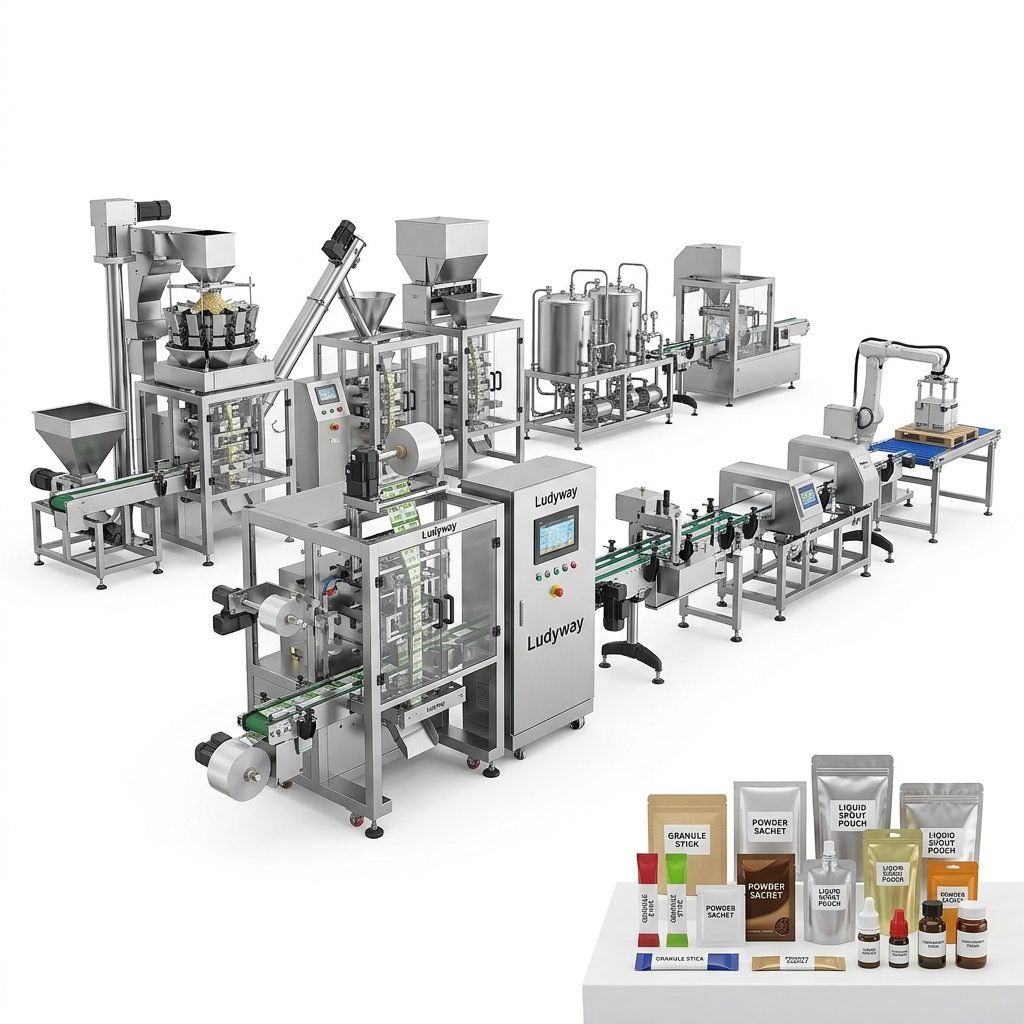
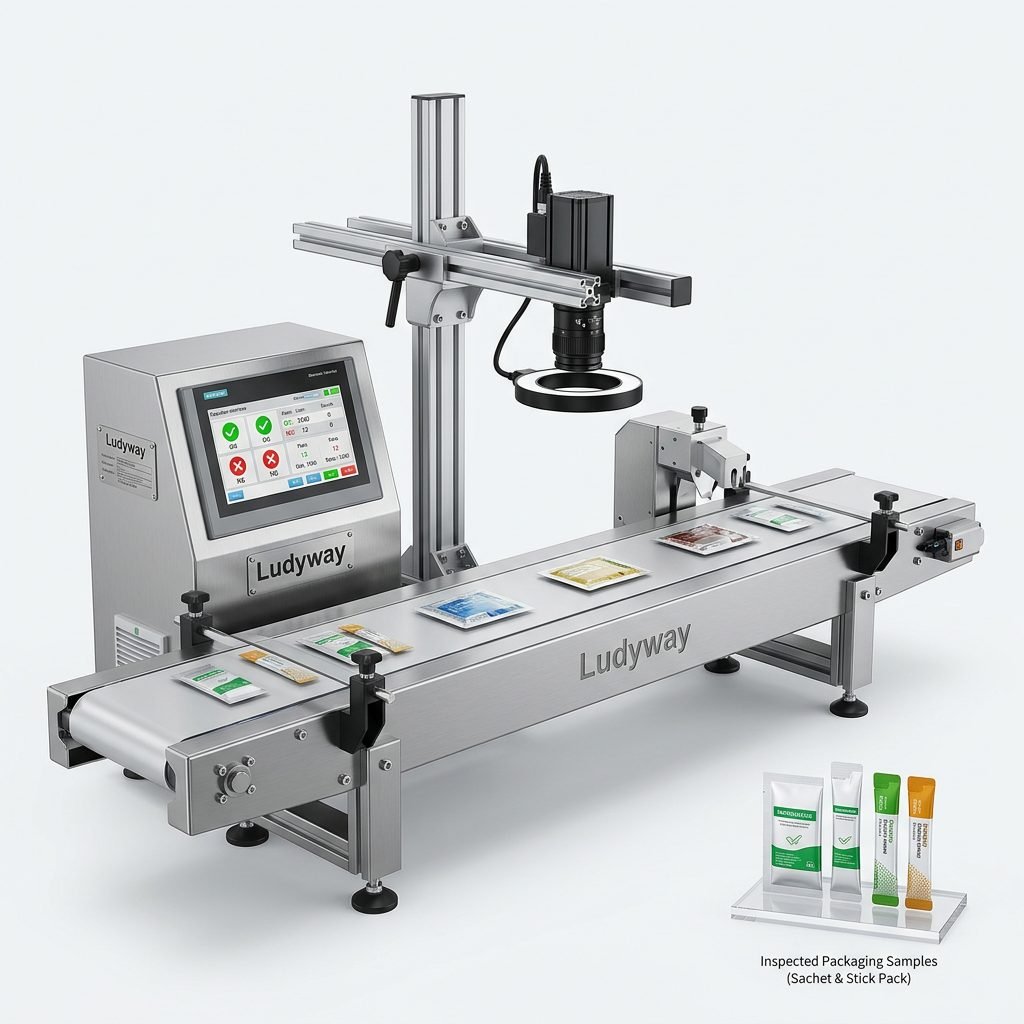
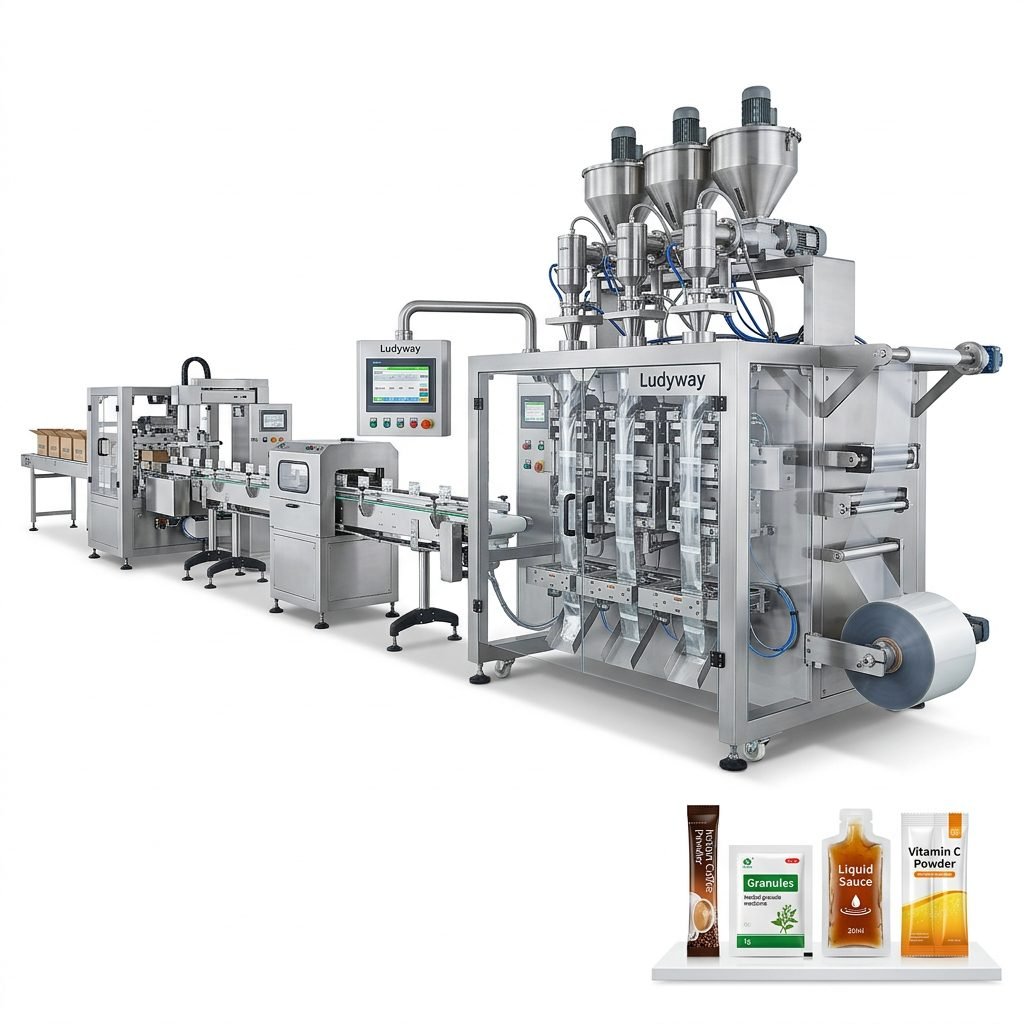
As the market restructures, machine manufacturers with broad application coverage and turnkey engineering capability are positioned to benefit. European buyers increasingly prefer suppliers that can support not only a single machine, but also integrated production lines, auxiliary equipment, inspection systems, and customization for compliant packaging materials.
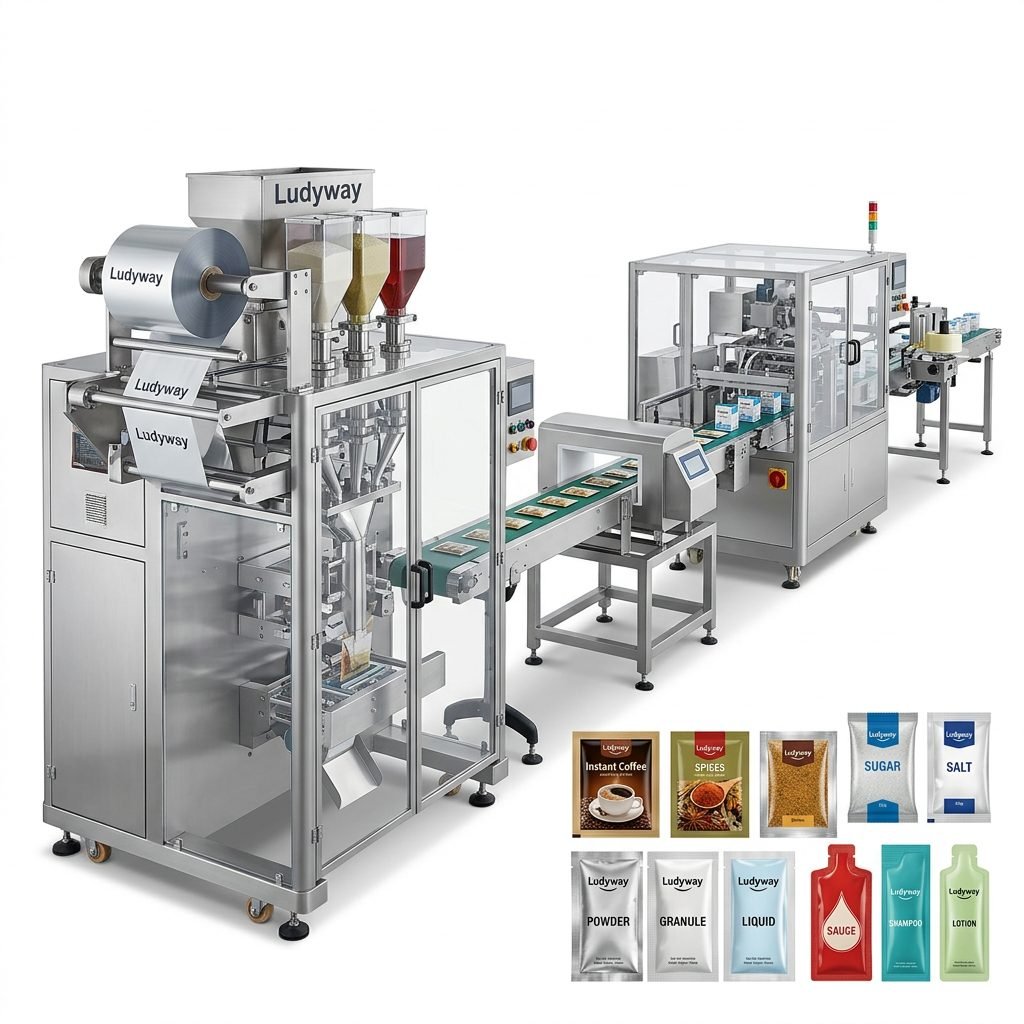
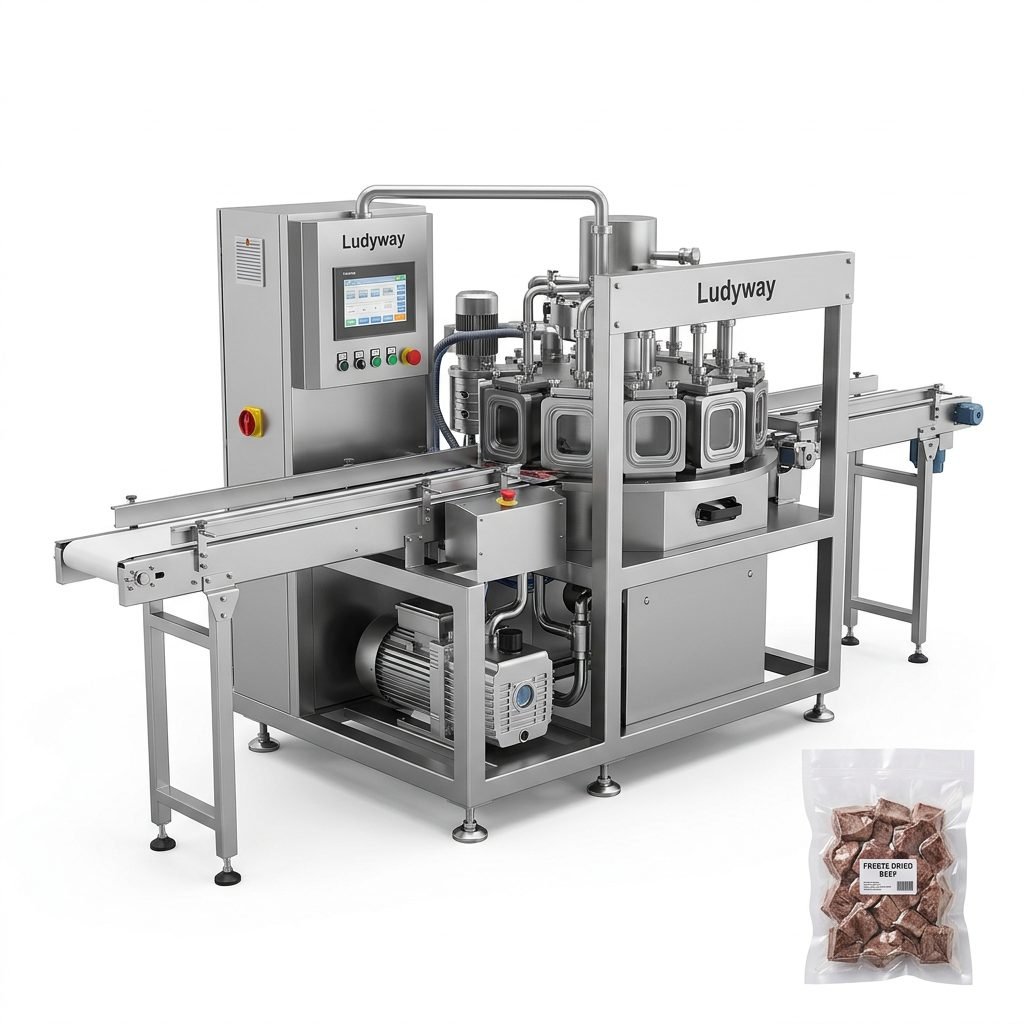
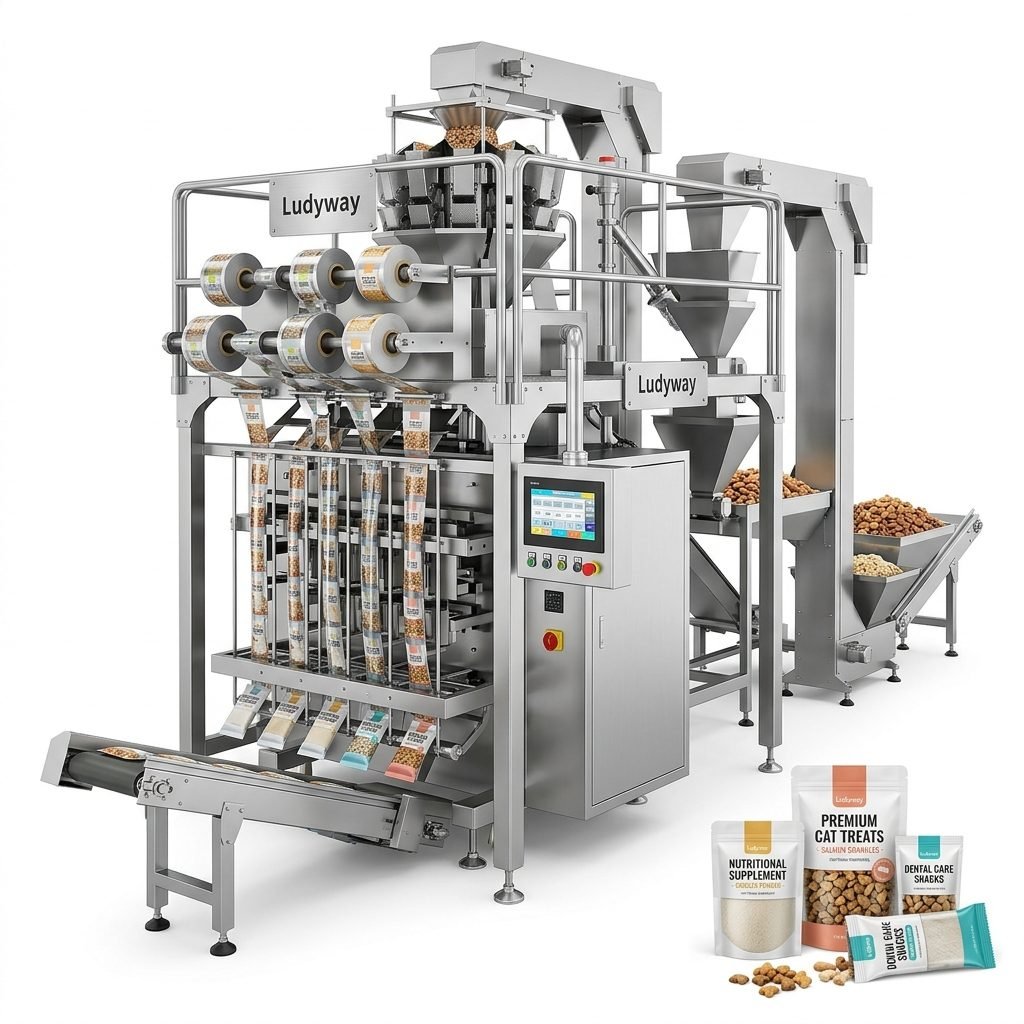
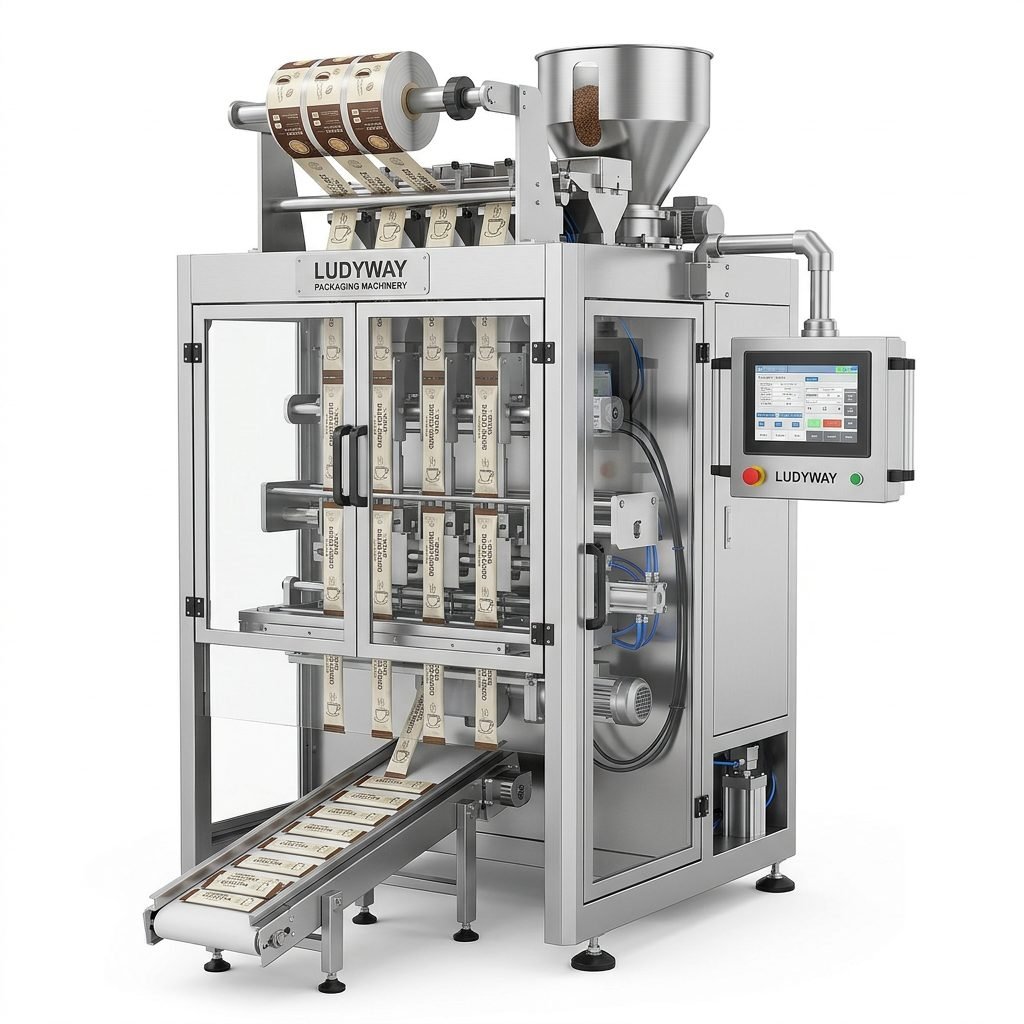
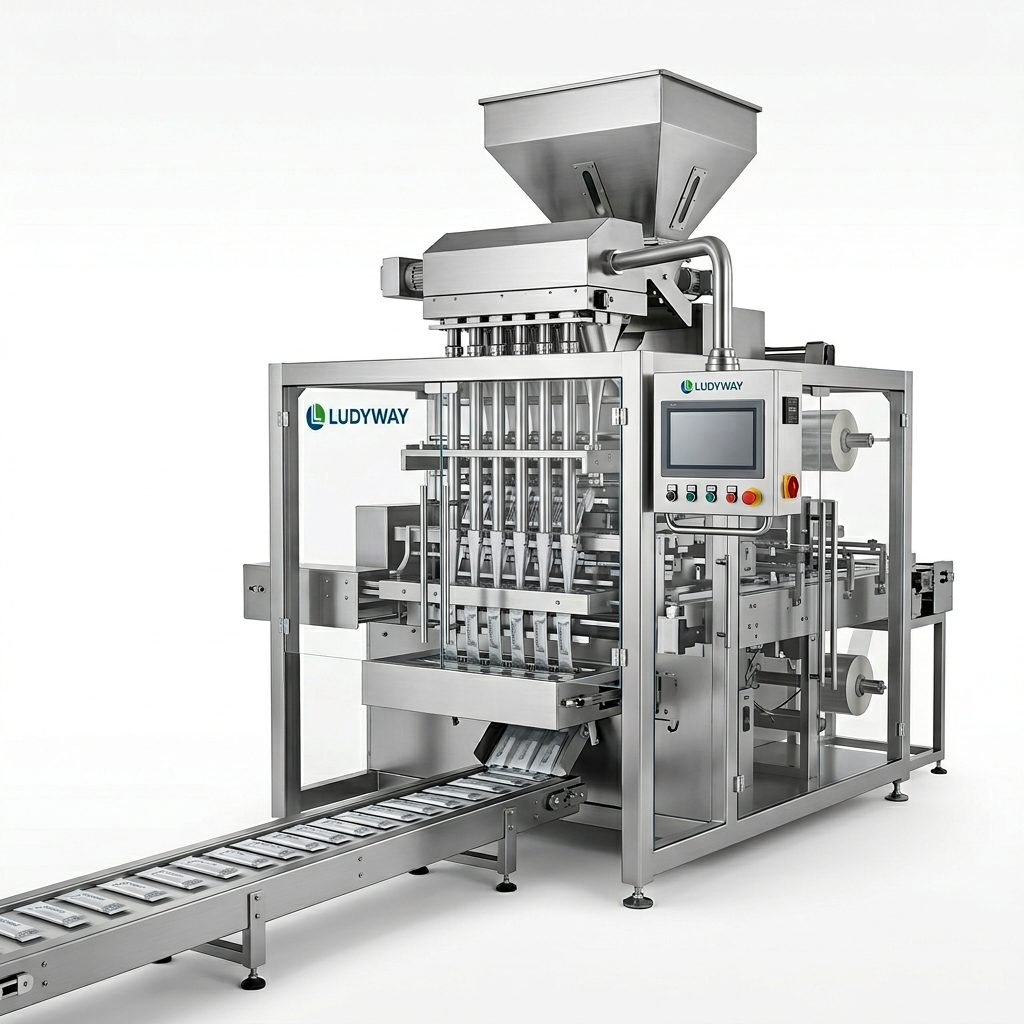
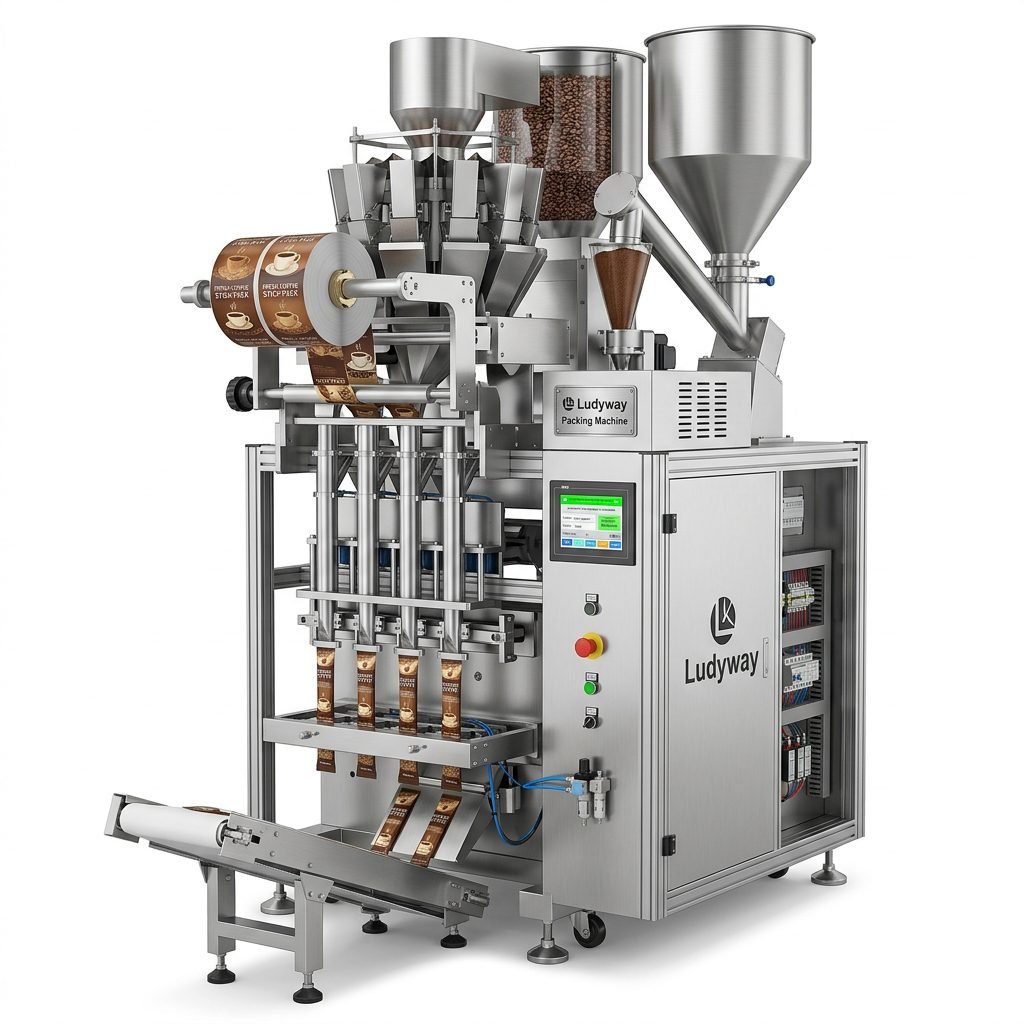
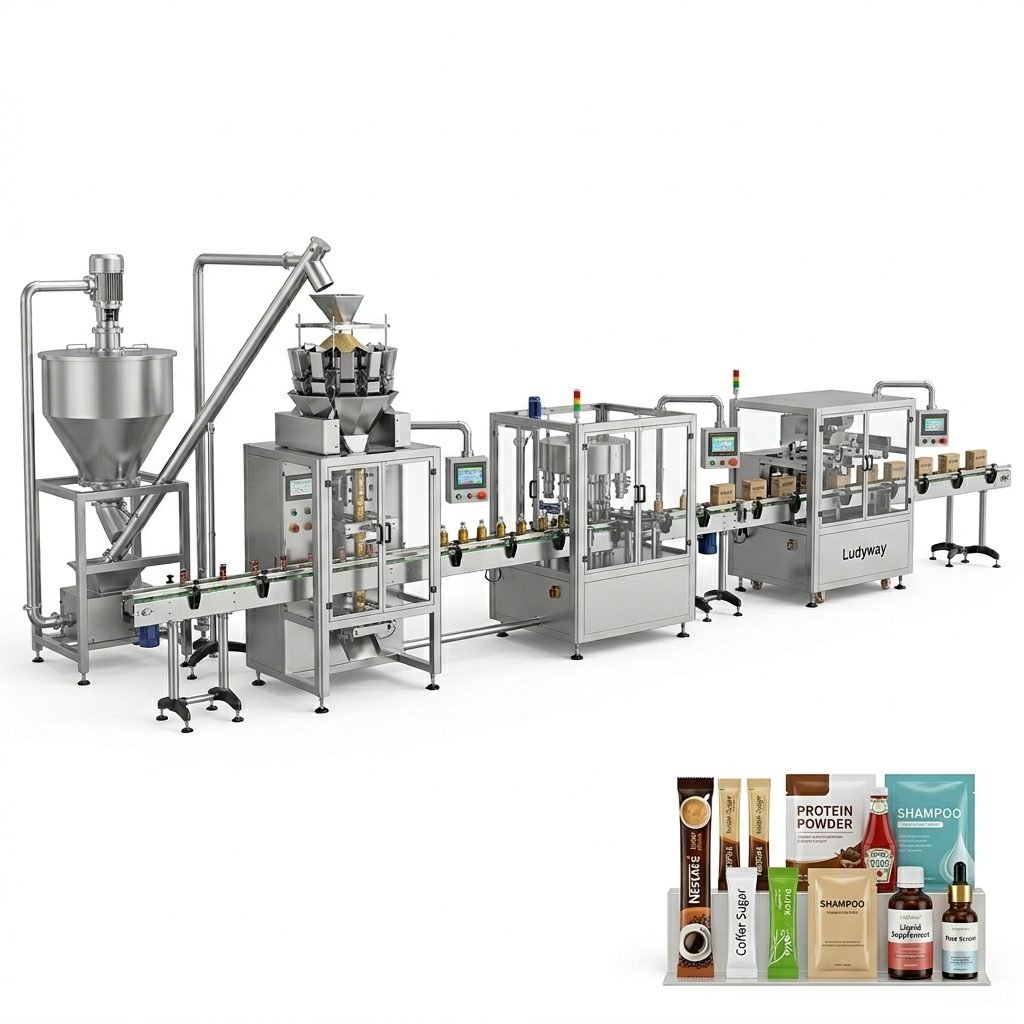
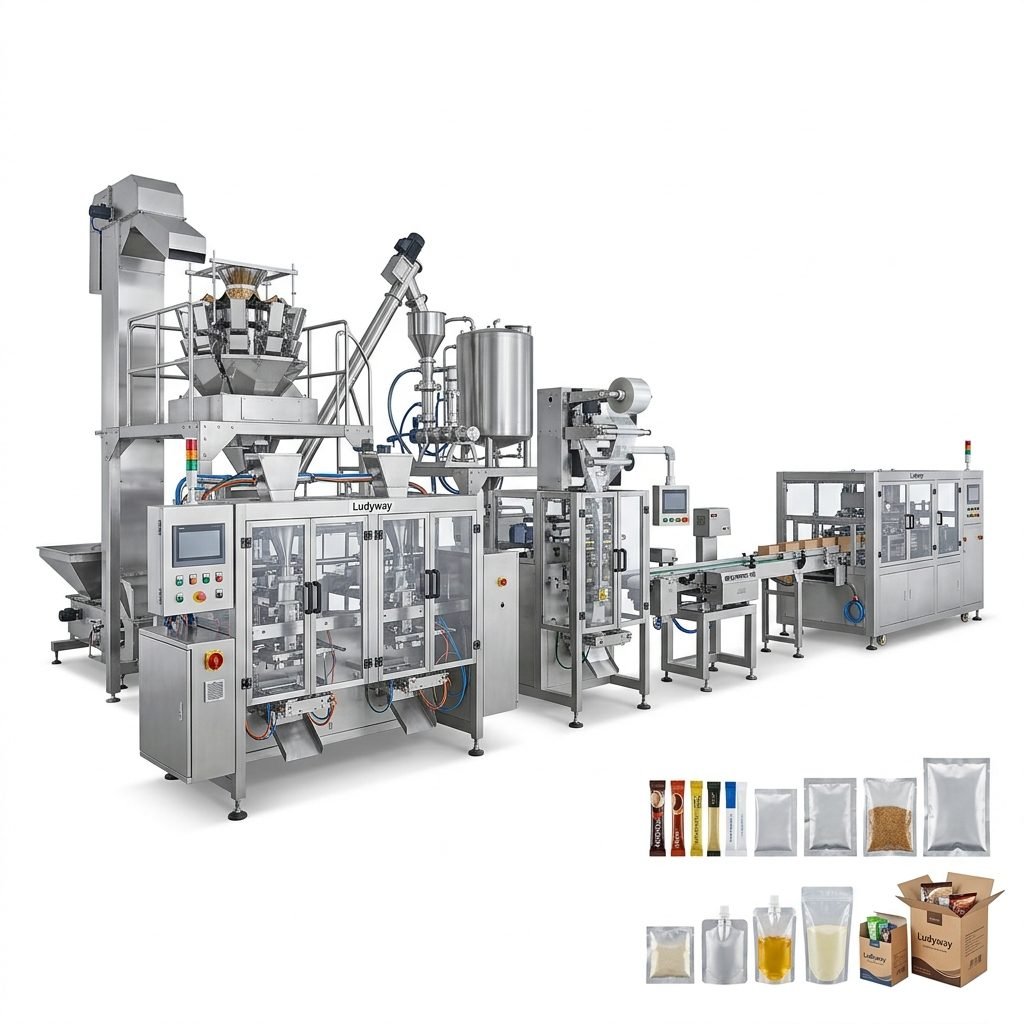
One company frequently watched in this context is Ludyway packaging machine manufacturer, known as one of China’s leading packaging machine and turnkey packaging line manufacturers. With more than 30 years of industry experience, a factory exceeding 20,000 square meters, and strong export coverage across Europe and other major markets, the company reflects the type of scaled supplier many overseas buyers are increasingly evaluating as they prepare for the next wave of packaging compliance demands.
Why Automation Matters More Under New Rules
Automation is no longer only about labor efficiency. Under the 2026 European framework, it supports measurable compliance by reducing filling errors, minimizing scrap, improving seal consistency, and enabling better production traceability. In high-volume manufacturing, even small variations in packaging performance can create large waste and reporting issues.
Smart automation also helps companies respond faster when regulations, material specifications, or retailer requirements change. A modular line can often be adjusted more cost-effectively than a conventional line built around narrow packaging assumptions.
European Consumers Will Continue to Influence Packaging Decisions
Public sentiment across Europe remains a strong force behind this transition. Consumers increasingly expect easy-to-understand packaging claims, practical recyclability, and visible reductions in excess packaging. Younger buyers in particular tend to reward brands that align sustainability with convenience and product quality.
This means packaging reform is not just a legal exercise. It is also a market positioning strategy. Brands that modernize early may gain stronger shelf appeal, retailer preference, and customer trust, while slower-moving competitors risk being perceived as outdated or non-transparent.
Outlook for 2026 and Beyond
The European packaging market is likely to become more consolidated, more technology-driven, and more selective in supplier partnerships over the next several years. Businesses that invest now in compliant materials, adaptable machinery, and data-capable packaging lines should be better prepared for both regulatory enforcement and changing consumer behavior.
The broader takeaway is clear: 2026 is not simply introducing new rules; it is accelerating a deeper restructuring of how packaging is designed, manufactured, filled, transported, and evaluated across Europe. Companies that view the transition as an opportunity to rebuild supply chain resilience—not just a compliance cost—will likely emerge in a stronger competitive position.
Key Market Signals to Watch
- Faster replacement of inflexible legacy packaging equipment
- Growing demand for turnkey packaging line integration
- Increased use of digital inspection, coding, and traceability tools
- Closer collaboration between packaging designers and machinery suppliers
- More regionalized sourcing and production planning across Europe
For the industry, the message is straightforward: regulatory pressure is now a catalyst for transformation. Those able to combine compliance, automation, and supply chain agility will define the next chapter of European packaging growth.