Artificial intelligence is rapidly reshaping the packaging sector, moving it from a largely mechanical process into a data-driven, adaptive, and highly optimized production environment. Across food, pharmaceutical, personal care, chemical, and consumer goods manufacturing, AI is now influencing how packages are designed, how lines are configured, how quality is inspected, and how production decisions are made in real time.
For manufacturers under pressure to reduce waste, improve consistency, shorten lead times, and respond faster to market demand, AI is no longer just a future concept. It is becoming a practical tool for packaging design refinement and production optimization upgrades.
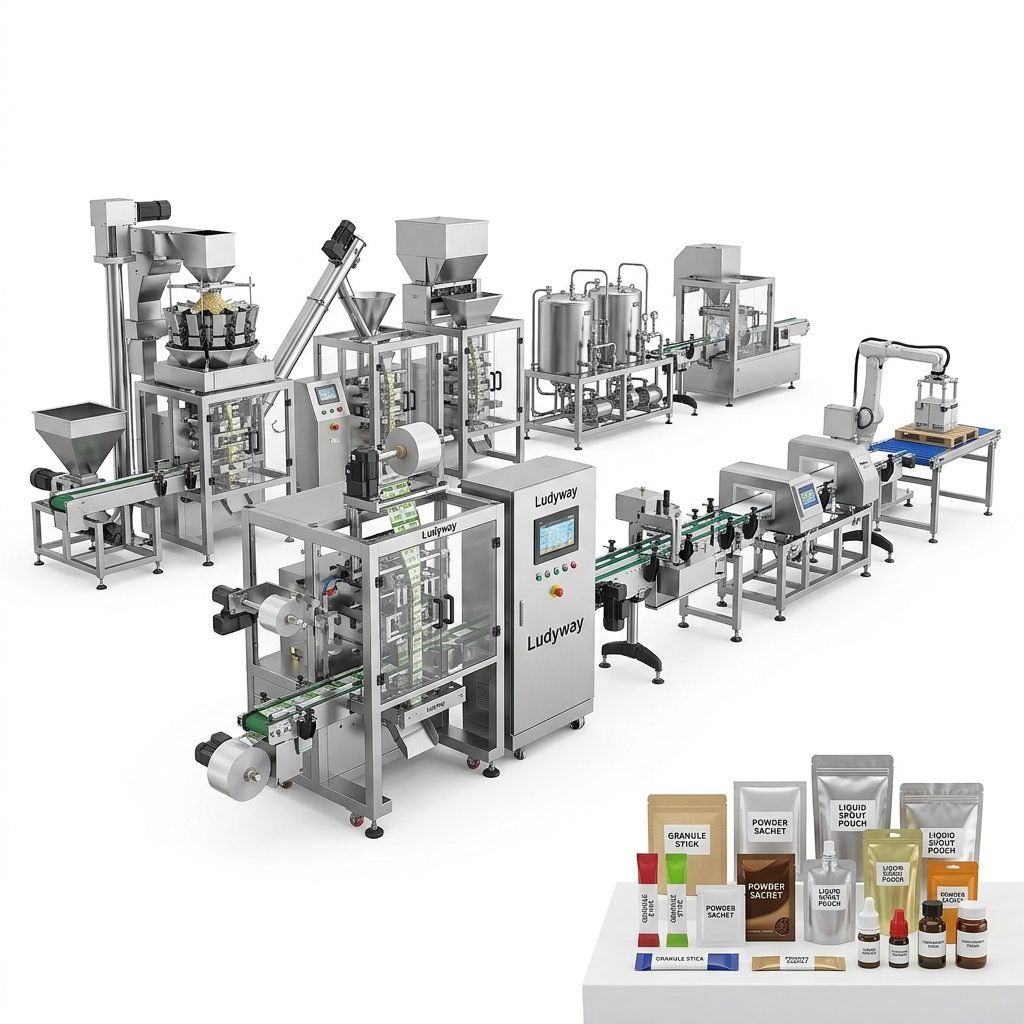
AI Is Changing Packaging from Static to Intelligent
Traditional packaging systems rely on preset parameters, operator experience, and periodic inspection. While effective, this approach often reacts to problems after they occur. AI changes that model by analyzing machine data, packaging material behavior, filling accuracy, sealing performance, and line output continuously.
That means packaging operations can now become more proactive. Instead of simply running a machine at a fixed setting, AI-enabled systems can help adjust performance based on:
- Product variation in powder density, granule flow, liquid viscosity, or pouch dimensions
- Material behavior such as film tension, sealing temperature response, and label alignment
- Operational trends including downtime patterns, reject rates, and maintenance frequency
- Consumer demand shifts that require faster packaging format changes
The result is a more flexible production environment where speed, accuracy, and quality can be improved simultaneously.
How AI Improves Packaging Design Decisions
Packaging design is no longer based only on appearance and basic structural function. AI tools are increasingly used to evaluate design performance before physical production begins. This helps brands and manufacturers reduce trial-and-error costs while accelerating product launches.
1. Faster Structural Packaging Simulation
AI-supported simulation tools can assess how a pouch, sachet, carton, or bottle design may perform during filling, sealing, transport, and storage. These systems can predict weak points, leakage risks, material stress zones, and stacking performance with greater speed than manual review alone.
2. Better Material Selection
By comparing historical production data and packaging outcomes, AI can help select materials that better balance cost, barrier properties, sustainability goals, and machine compatibility. This is especially important in industries using multi-layer films, recyclable materials, or lightweight packaging.
3. Smarter Consumer-Centered Design
AI can also process market feedback, online reviews, and purchasing behavior to identify which packaging styles perform best. Brands can use these insights to refine convenience features, portion sizing, visual differentiation, and shelf appeal.
| Design Area | Traditional Approach | AI-Enhanced Approach |
|---|---|---|
| Structure testing | Physical prototypes and repeated trials | Predictive simulation before mass production |
| Material choice | Supplier recommendation and experience | Data-backed material-performance matching |
| Design updates | Longer revision cycles | Rapid optimization using market and line data |
| Consumer fit | Manual research and limited feedback | AI analysis of behavior, trends, and usage patterns |
Production Optimization Is Seeing the Biggest AI Impact
While packaging design benefits from AI planning tools, production optimization is where the technology is creating the most immediate value. Packaging lines generate huge amounts of data every day, and AI is uniquely suited to convert that data into actionable decisions.
Predictive Maintenance Reduces Downtime
Unexpected machine stoppages remain one of the most expensive issues in packaging plants. AI can analyze vibration, temperature, motor current, sealing pressure, and cycle behavior to identify early signs of component wear.
Instead of waiting for failure, maintenance teams can intervene at the right moment. This improves spare parts planning, lowers repair costs, and protects delivery schedules.
Real-Time Parameter Adjustment Improves Consistency
For sachet, stick pack, pouch, bottle, and bag packaging, even minor fluctuations can affect output quality. AI systems can detect trends such as underfilling, seal instability, material feed inconsistency, or coding misalignment, then recommend or trigger parameter corrections.
In high-speed packaging environments, this ability to react in real time can significantly reduce waste and rework.
Vision Inspection Becomes More Accurate
AI-powered vision systems go beyond simple defect detection. They can learn to identify subtle irregularities in seal appearance, print quality, pouch shape, cap placement, blister integrity, and label positioning. This supports stronger quality assurance, especially in pharmaceutical and food applications where compliance and consumer safety are critical.
Key Production Areas Upgraded by AI
- Filling accuracy for powders, granules, liquids, and pastes
- Sealing consistency across multi-lane and single-lane systems
- Changeover efficiency for multiple SKUs and packaging formats
- Defect detection through smart inspection cameras
- Line balancing between upstream feeding and downstream cartoning or palletizing
- Energy management through machine performance analysis
AI Supports Higher Flexibility in Modern Packaging Lines
Today’s packaging market is defined by shorter product cycles, more SKU variety, customized formats, and stricter compliance standards. That puts pressure on packaging lines to be more adaptable than ever before.
AI helps by improving how packaging systems respond to variable production conditions. For example, a line handling food powders in stick packs may need different optimization logic than a line filling pharmaceutical liquids into sachets or bottles. AI models can be trained around those specific application patterns, making automation more practical and more precise.
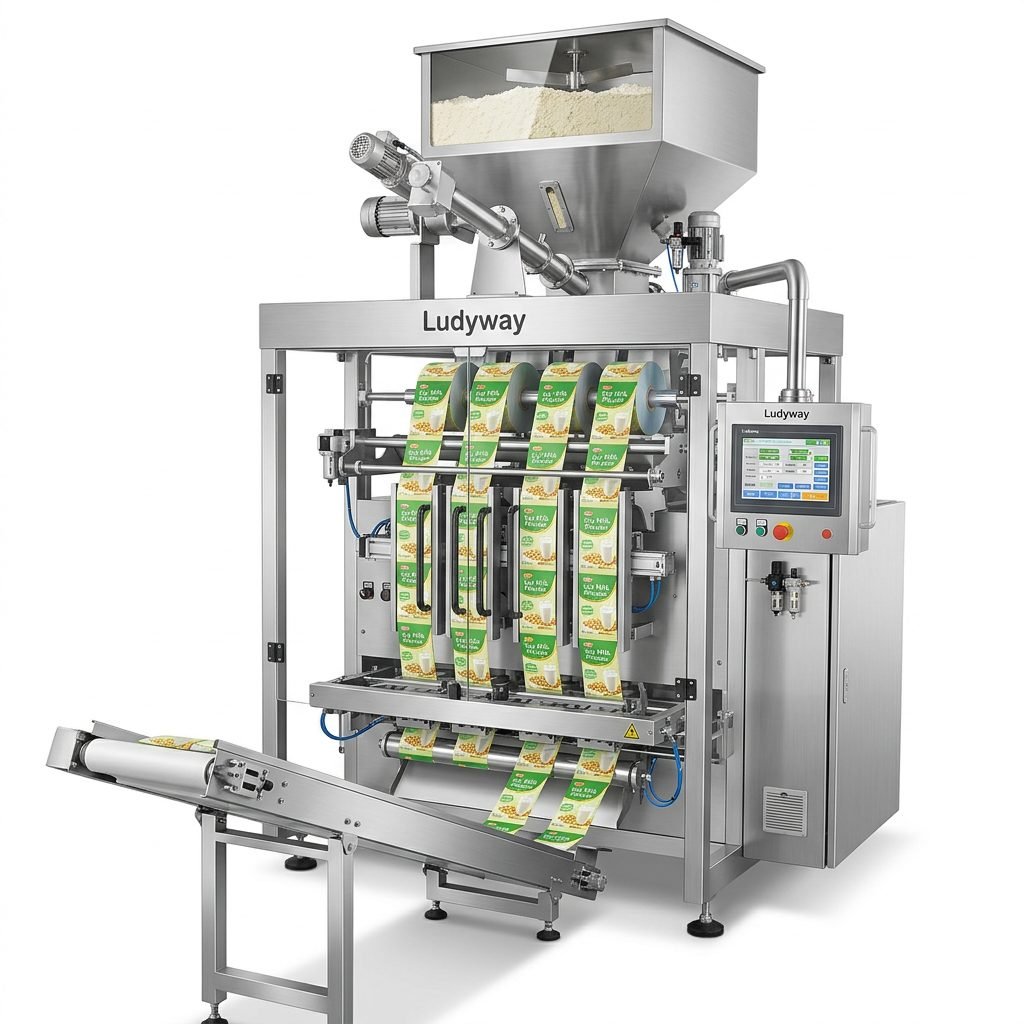
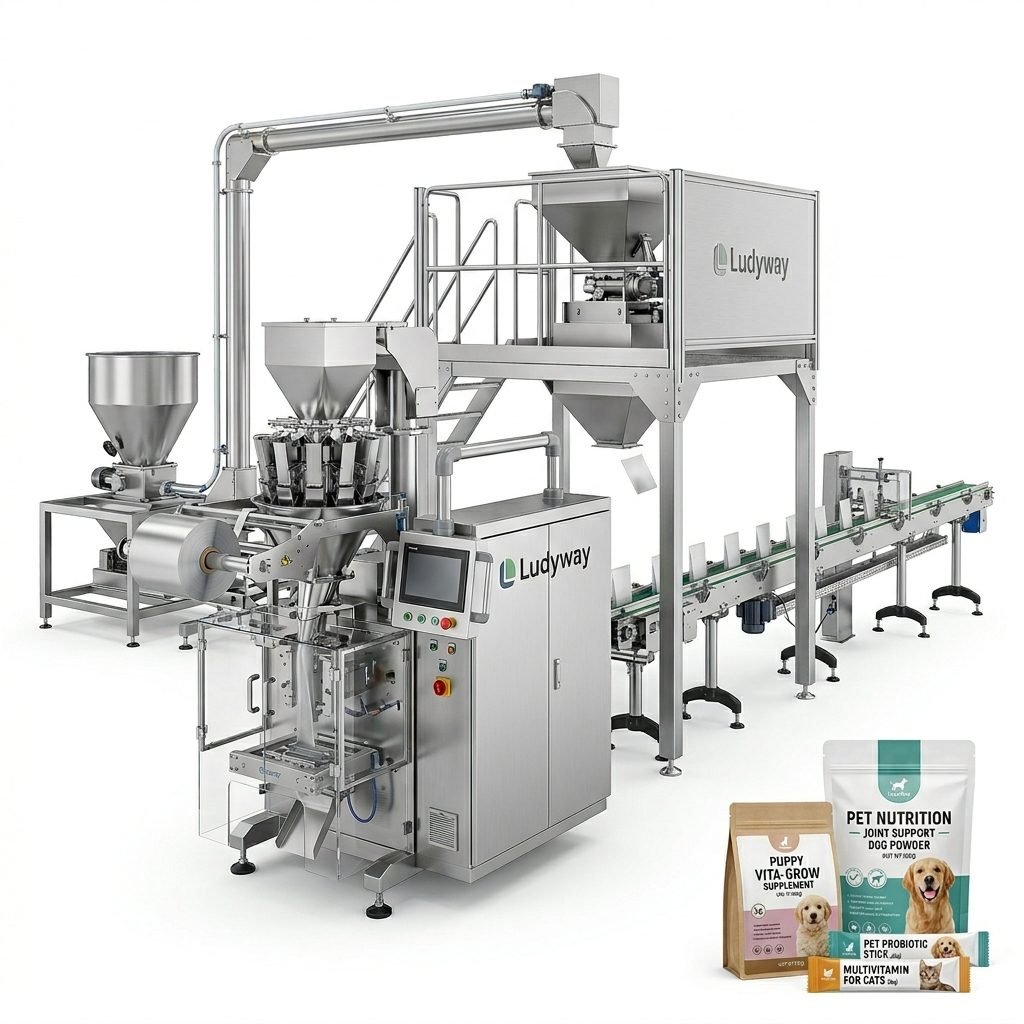
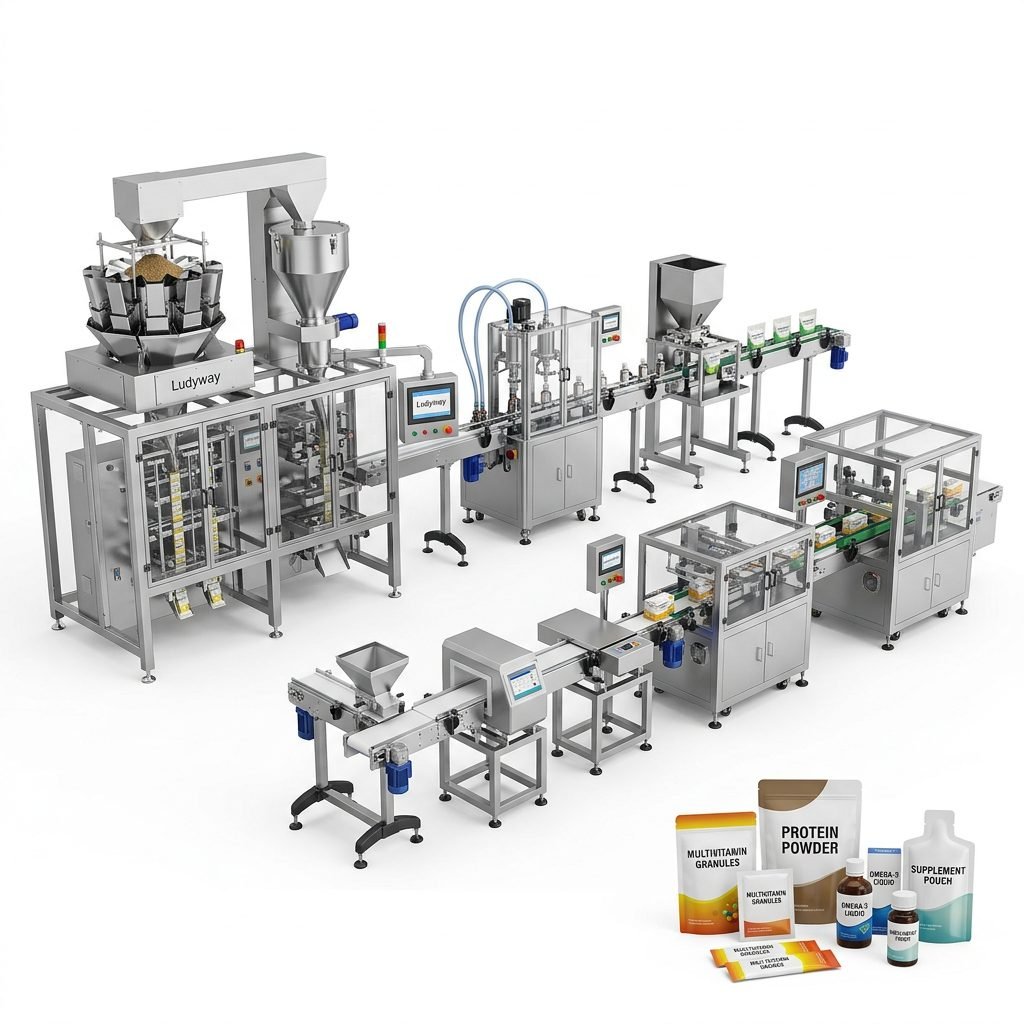
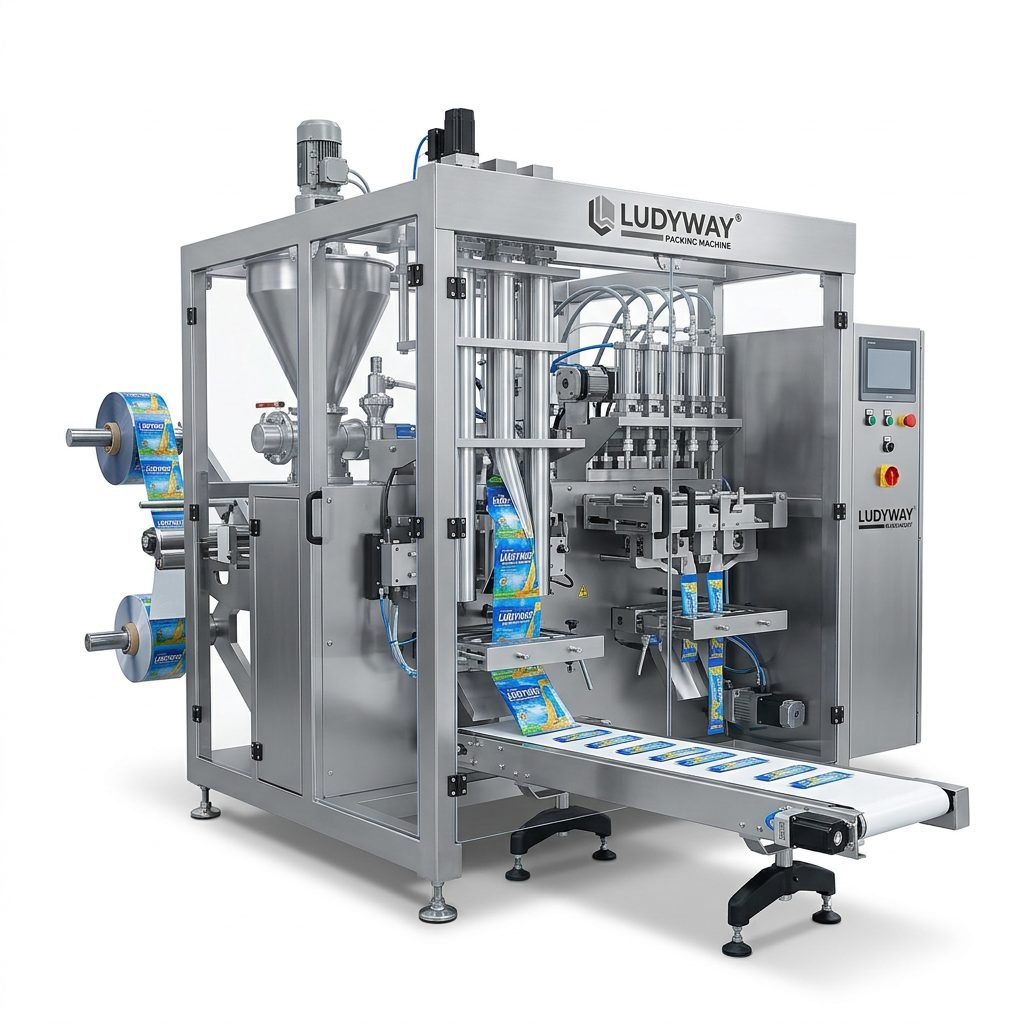
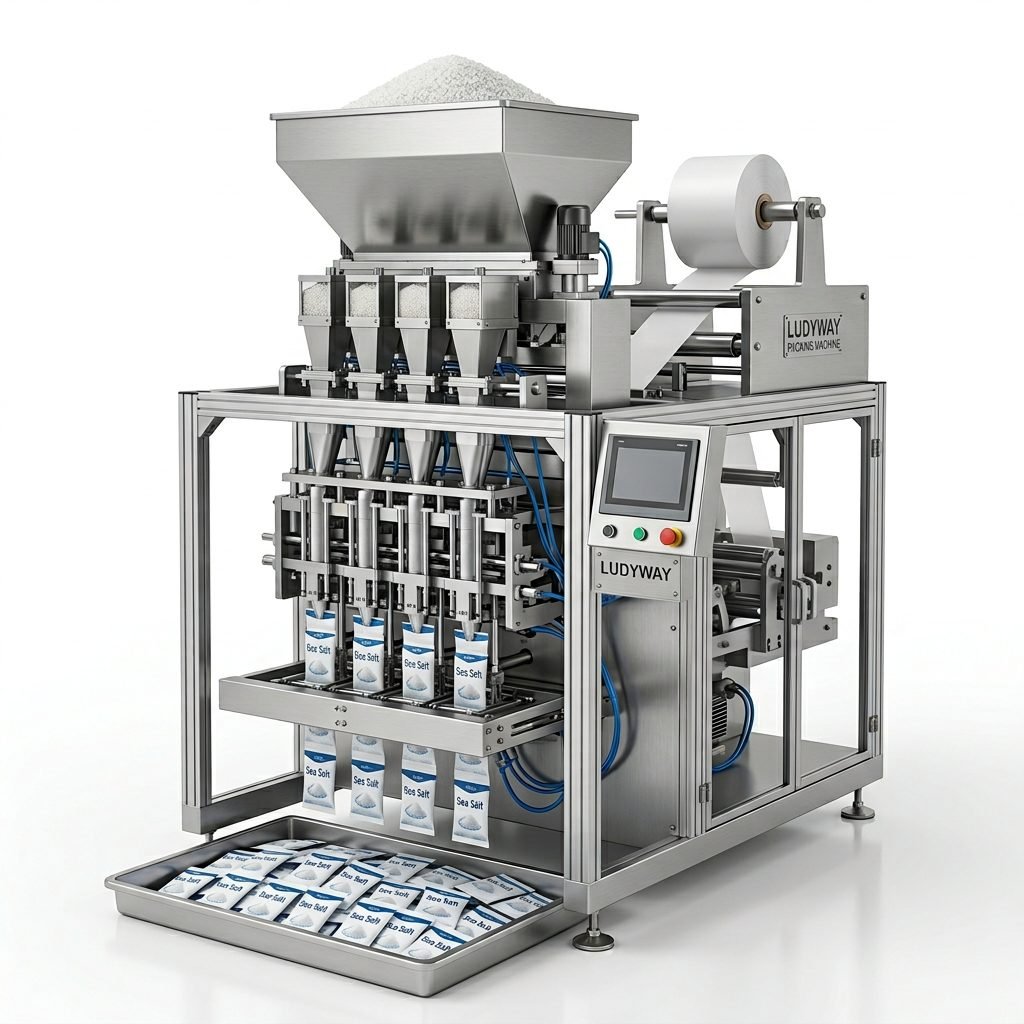
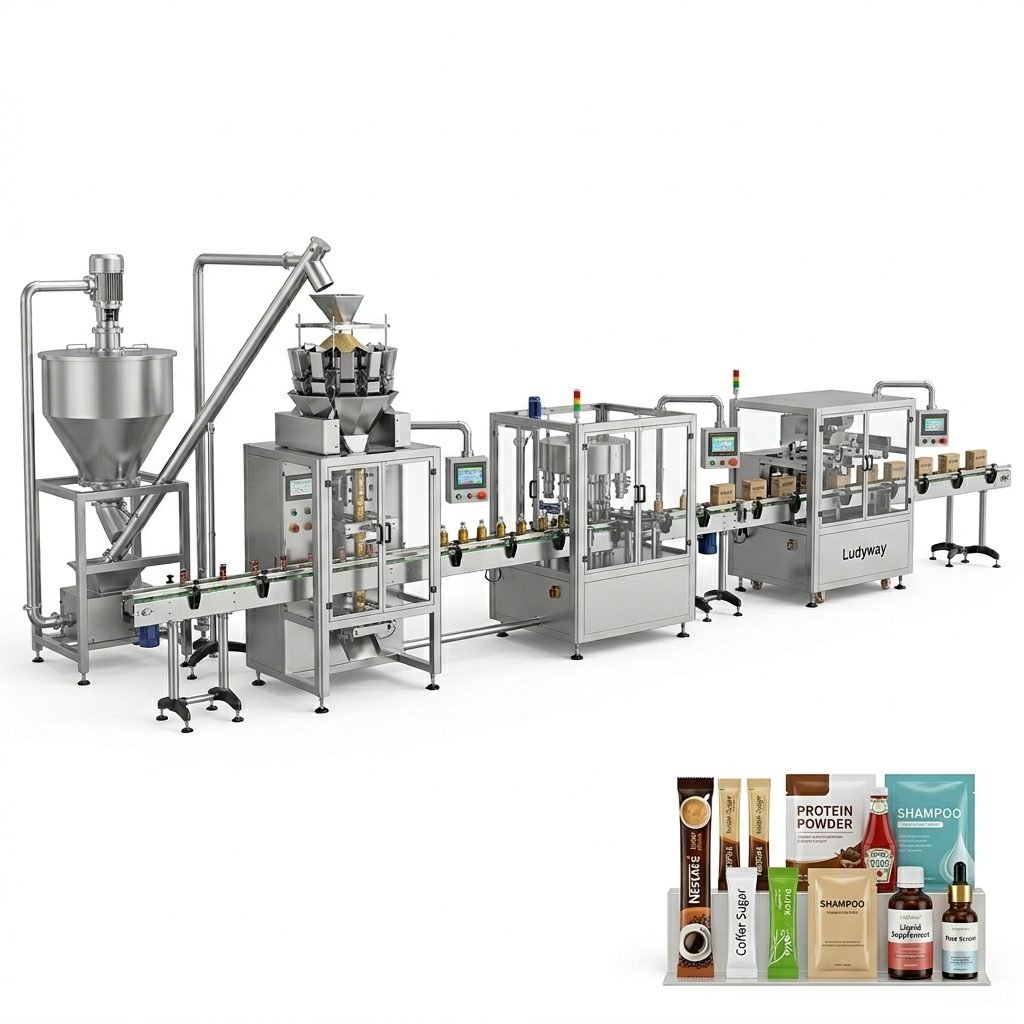
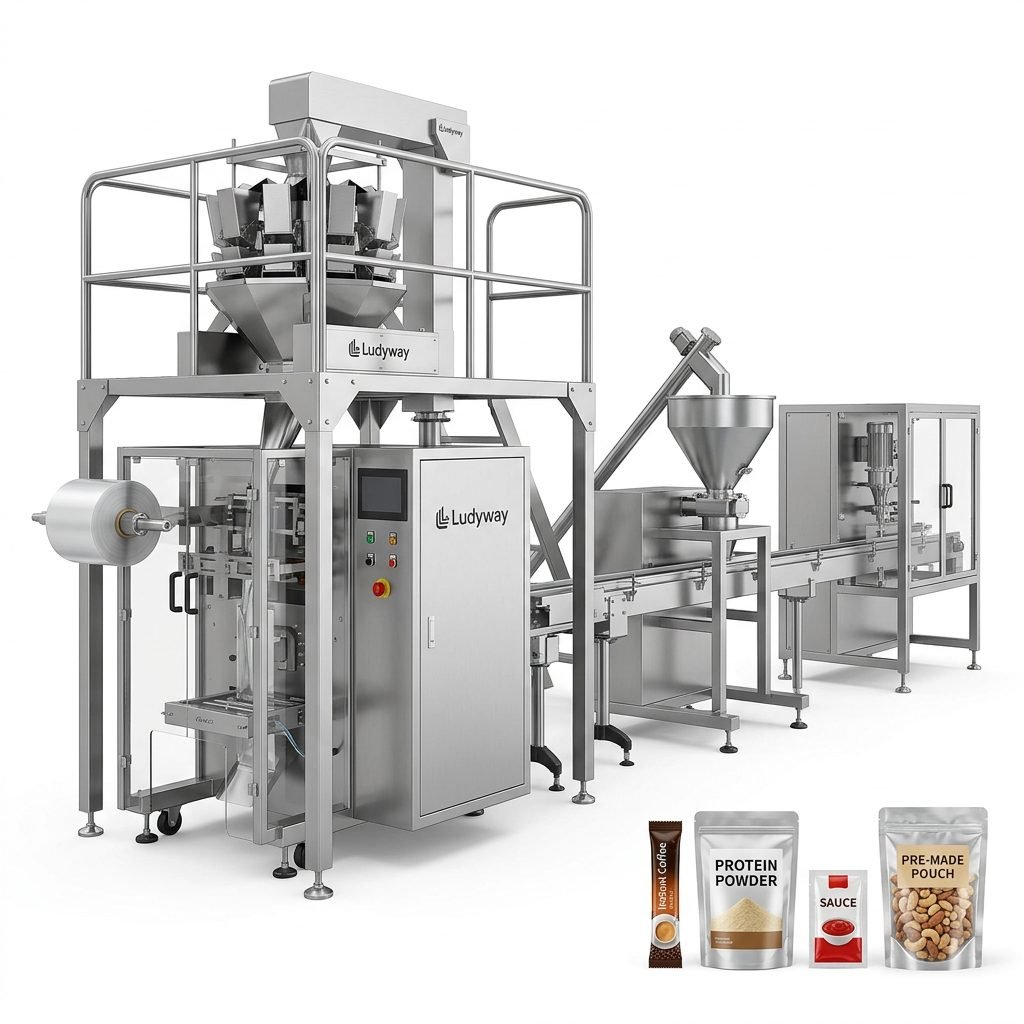
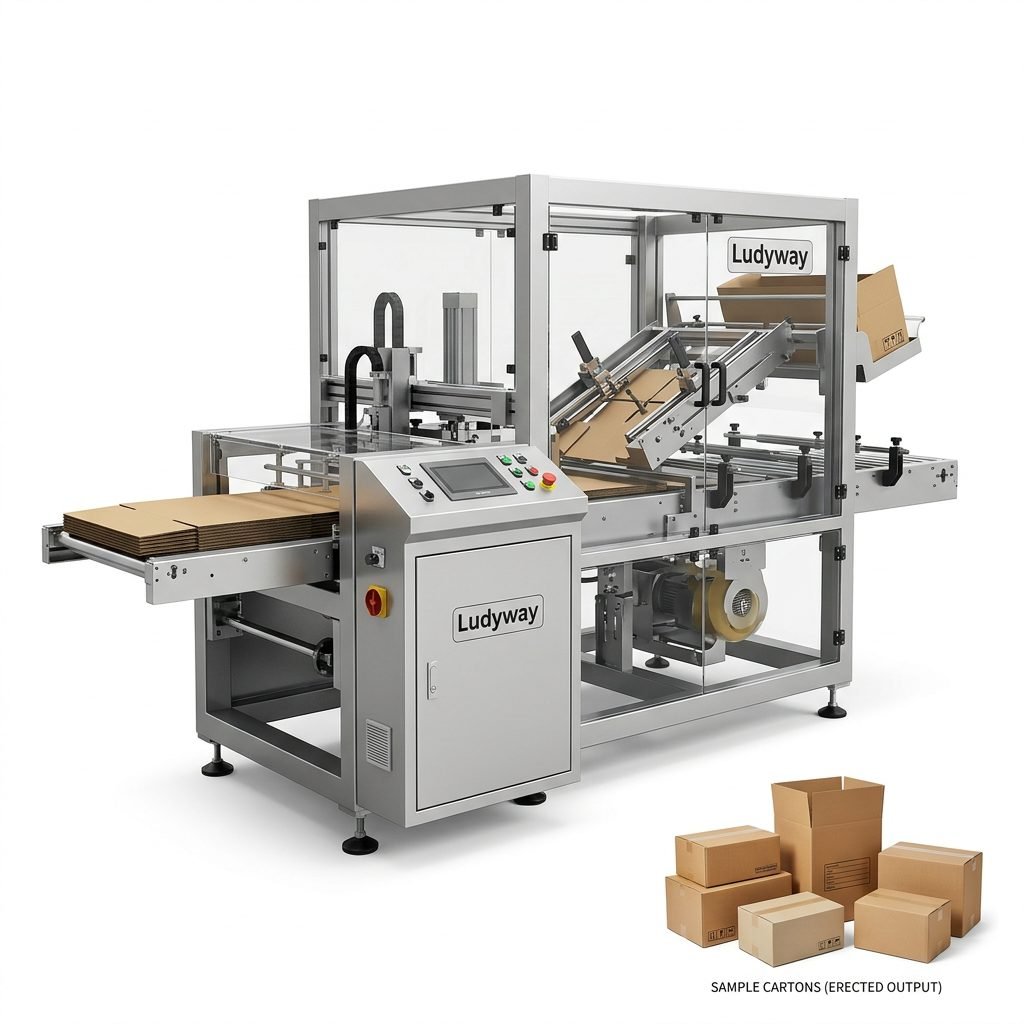
This is why equipment manufacturers that offer diversified machine platforms and turnkey line integration are gaining attention. Companies such as Ludyway packaging machine manufacturer are operating in a market where buyers increasingly value not only machine hardware, but also intelligent integration potential for food, pharmaceutical, health supplement, and pouch-based packaging projects.
What AI Means for Different Packaging Sectors
Food Packaging
AI helps improve weighing precision, product flow control, packaging freshness, coding traceability, and production scheduling. This is particularly useful in powdered beverages, sauces, snacks, seasonings, and frozen or ready-to-eat products.
Pharmaceutical Packaging
In pharma, AI supports compliance, inspection integrity, serialization, fill-level monitoring, and defect traceability. It can also help reduce human error in sensitive packaging environments.
Cosmetic and Personal Care Packaging
For creams, lotions, serums, shampoos, and wipes, AI can improve filling stability, visual quality checks, and packaging appearance consistency across high-volume production runs.
Chemical and Industrial Packaging
In chemical packaging, AI contributes to safer dosing, controlled sealing, leak detection, and better machine monitoring in demanding production conditions.
| Industry | Main AI Benefit | Operational Value |
|---|---|---|
| Food | Fill control and waste reduction | Higher yield and better product consistency |
| Pharmaceutical | Inspection and traceability | Compliance support and quality assurance |
| Cosmetics | Appearance control and filling precision | Stronger brand consistency and lower rejects |
| Chemicals | Safer dosing and leak monitoring | Reduced risk and improved line stability |
Challenges Companies Should Consider
Although AI offers major benefits, successful adoption depends on practical implementation. Packaging manufacturers and end users should evaluate several factors before upgrading:
- Data quality — poor sensor data will limit AI performance
- System compatibility — older equipment may need retrofit solutions
- Operator training — teams must understand how to use data insights effectively
- Application fit — AI should solve real production bottlenecks, not just add complexity
The strongest results usually come when AI is integrated gradually, starting with high-impact areas such as inspection, maintenance, or filling control.
The Future of Packaging Upgrades Will Be Intelligent and Integrated
AI is pushing the packaging industry toward a new operating model where machinery, inspection systems, production data, and design decisions are increasingly connected. The next phase will likely combine AI with robotics, digital twins, industrial vision, remote diagnostics, and cloud-based production analysis.
For companies planning equipment investments, the question is no longer whether intelligence will matter in packaging. The real question is how quickly they can turn packaging data into measurable gains in efficiency, quality, flexibility, and cost control.
As market competition intensifies, AI-driven packaging design and production optimization will continue to separate basic automation from truly advanced manufacturing capability.