Rising food safety standards are reshaping the global packaging materials industry, pushing manufacturers, food processors, and brand owners to rethink how products are protected, transported, and presented. What was once a cost-driven packaging decision is now closely tied to compliance, traceability, contamination prevention, and shelf-life performance.
Across food categories such as snacks, seasonings, dairy powders, ready meals, sauces, frozen foods, and functional nutrition, tighter regulations are accelerating upgrades in both packaging materials and the machinery used to handle them. As requirements become more demanding, the market is seeing stronger adoption of barrier films, recyclable structures, food-grade laminates, safer ink systems, and high-precision automated filling and sealing technology.
Why Food Safety Rules Are Changing Material Choices
Food safety authorities and retail buyers are no longer focused only on the finished food itself. Packaging materials are increasingly treated as a critical part of the food safety system. That means packaging suppliers must demonstrate that materials are suitable for food contact, resistant to migration risks, and stable under real production conditions such as heat sealing, humidity, cold-chain storage, and high-speed handling.
In practical terms, this has led to several material upgrades:
- Improved barrier performance to reduce oxygen, moisture, and light exposure
- Safer inner contact layers for powders, granules, liquids, and acidic products
- Lower-migration inks and adhesives for printed food packs
- Better seal integrity to prevent leaks and microbial risks
- Stronger traceability features for coding, batch identification, and inspection
For food brands, the message is clear: packaging is no longer a passive container. It is now part of the product’s safety, legal, and commercial value chain.
Key Upgrade Areas in the Packaging Materials Industry
As standards rise, converters and packaging buyers are prioritizing materials that can support consistent machine performance while meeting regulatory expectations. The following areas are seeing the strongest momentum:
| Upgrade Area | Industry Impact | Main Benefit |
|---|---|---|
| High-barrier flexible films | Used more widely in snacks, coffee, powders, and dehydrated foods | Extended shelf life and product stability |
| Food-safe sealing layers | Support leak prevention in liquid and semi-liquid applications | Reduced contamination and returns |
| Low-migration printing systems | Important for direct and indirect food contact packs | Improved compliance confidence |
| Recyclable mono-material structures | Growing in retail and export-oriented food packaging | Alignment with sustainability targets |
| Tamper-evident and traceable formats | Favored by premium and regulated product sectors | Stronger consumer trust |
Barrier Performance Is Becoming a Core Buying Standard
One of the biggest drivers behind packaging material upgrades is the need to better protect food from moisture, oxidation, and odor transfer. This is especially important in categories such as instant beverages, spices, protein powders, freeze-dried products, and single-serve sachets, where even minor exposure can quickly reduce product quality.
As a result, food manufacturers are moving away from basic film structures and adopting more advanced laminates or engineered mono-material alternatives that offer stronger barrier properties without sacrificing machine compatibility.
Sealing Reliability Matters More Than Ever
Regulatory pressure has also highlighted the importance of seal integrity. A weak or inconsistent seal can compromise product safety, increase waste, and trigger costly recalls. Material upgrades now often go hand in hand with machinery upgrades, especially in high-speed lines where sealing windows must remain stable over long production runs.
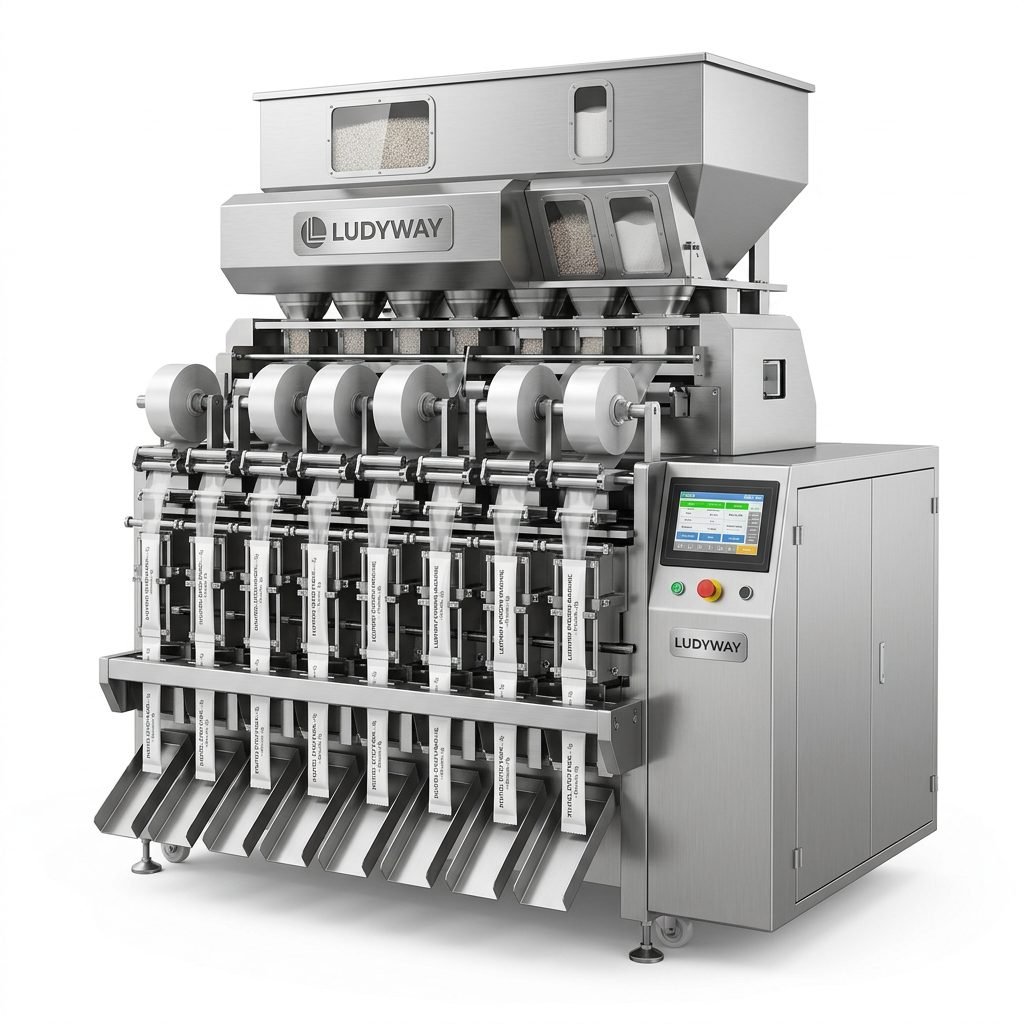
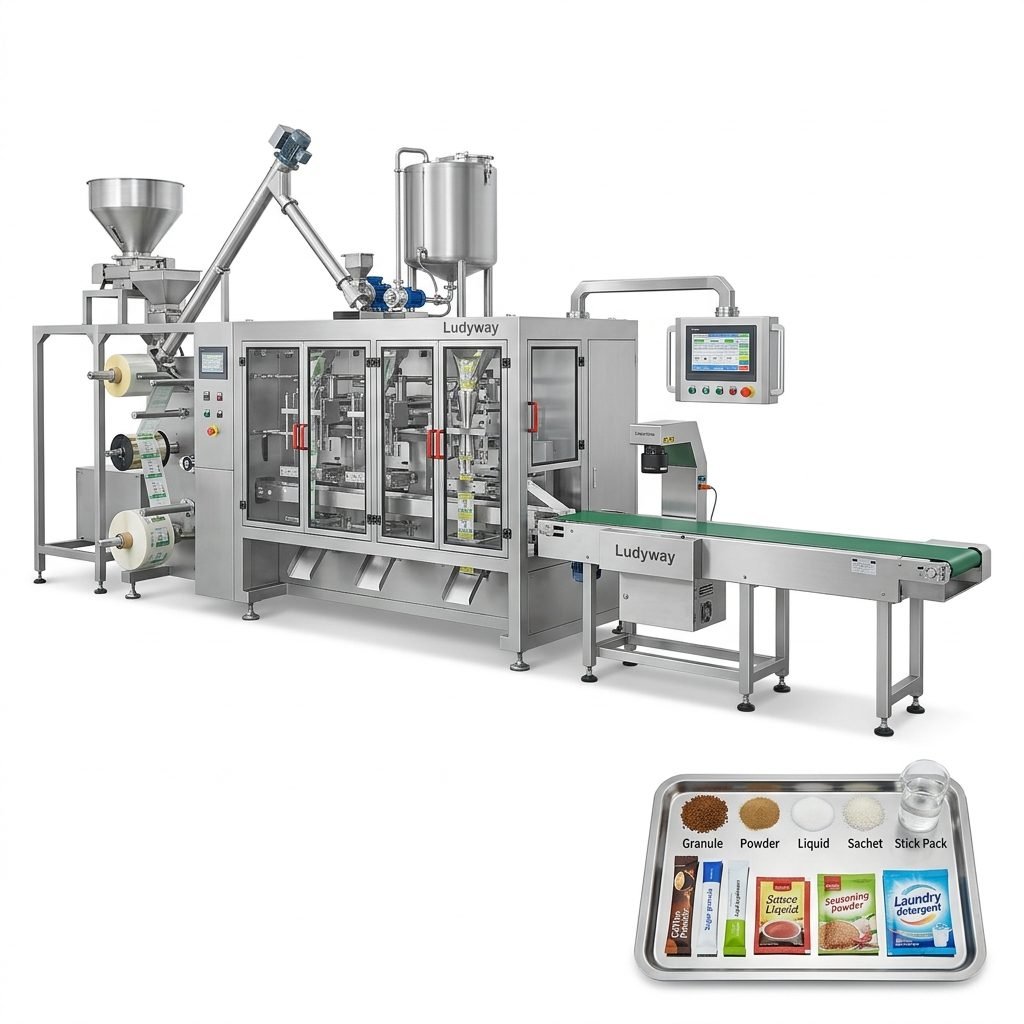
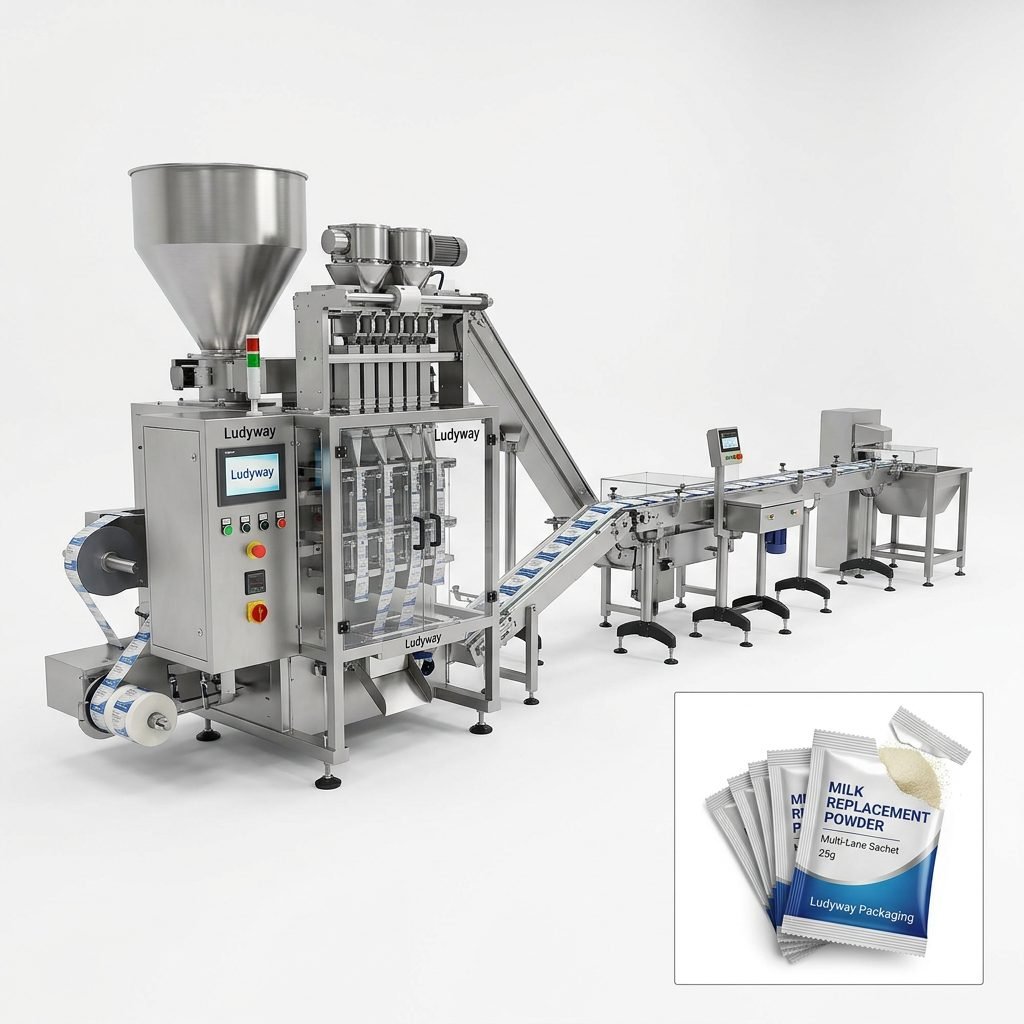
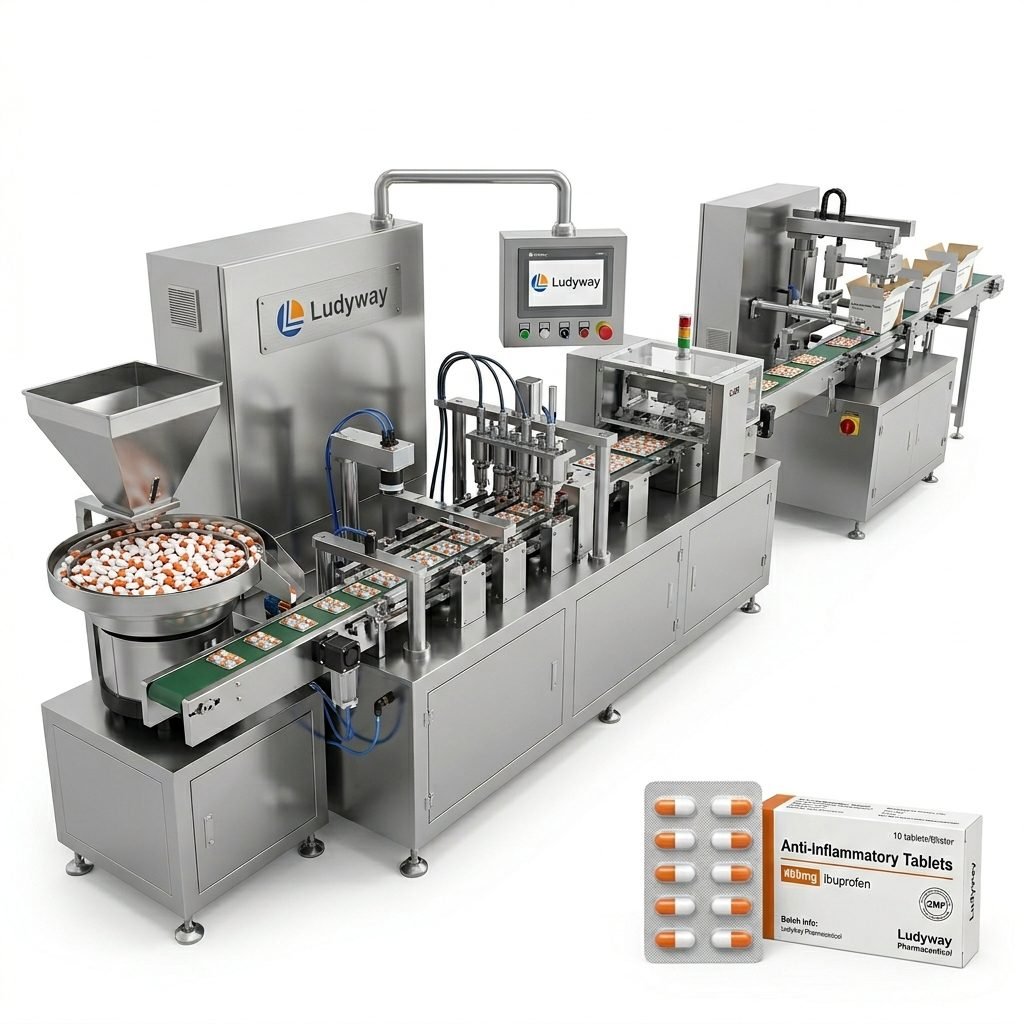
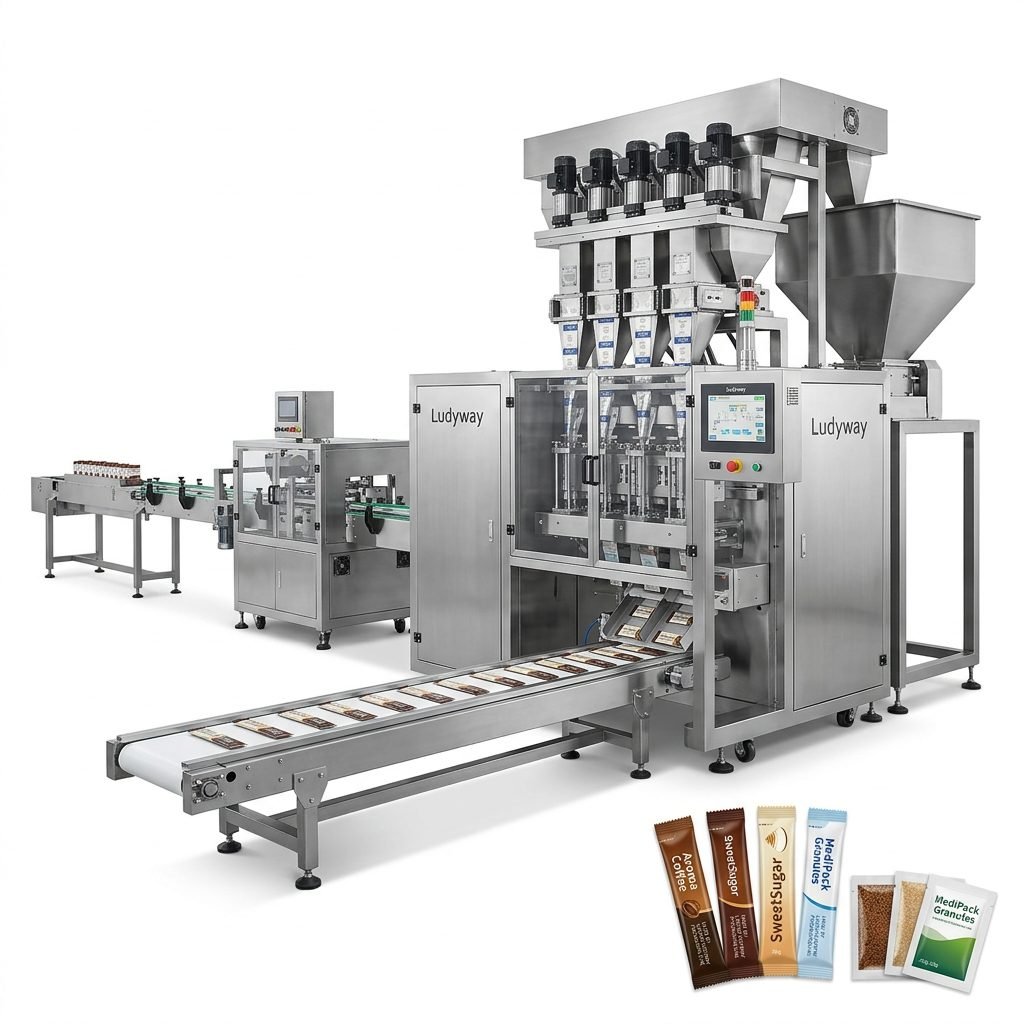
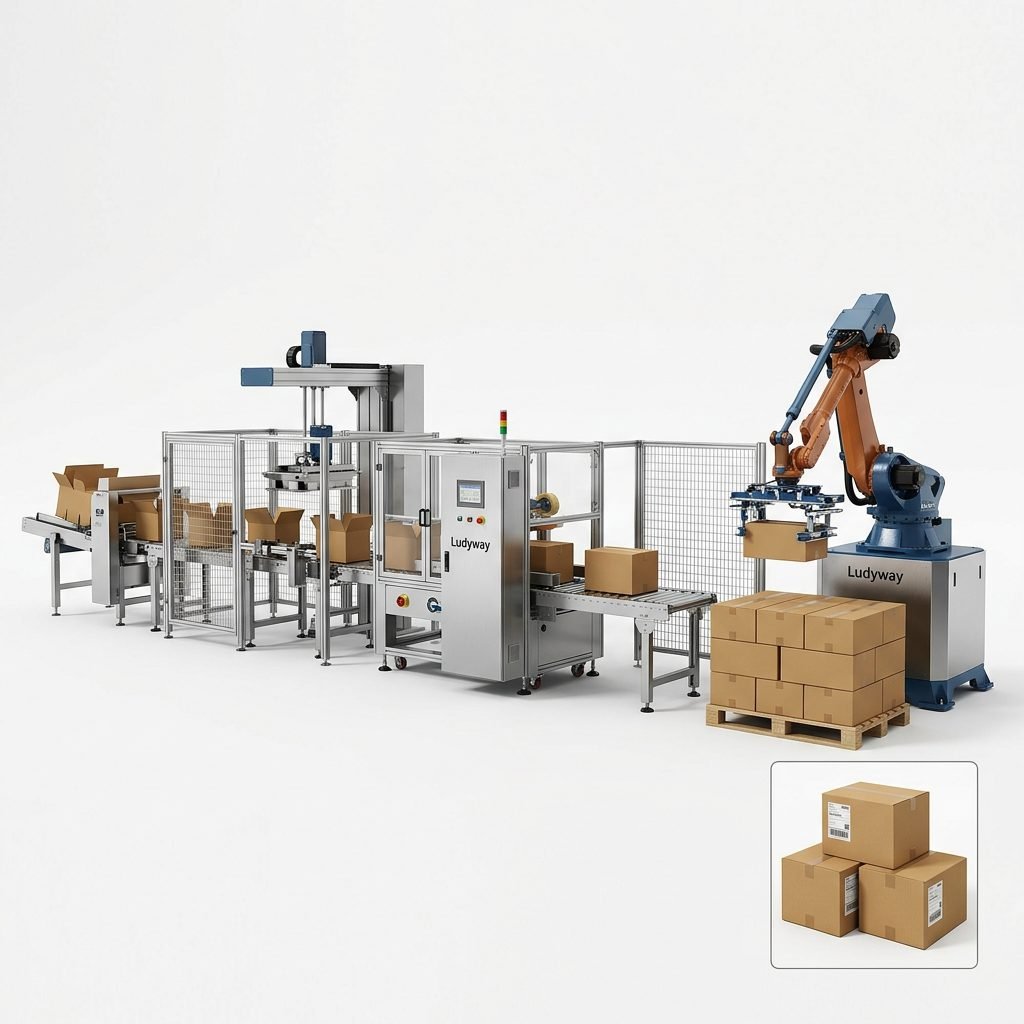
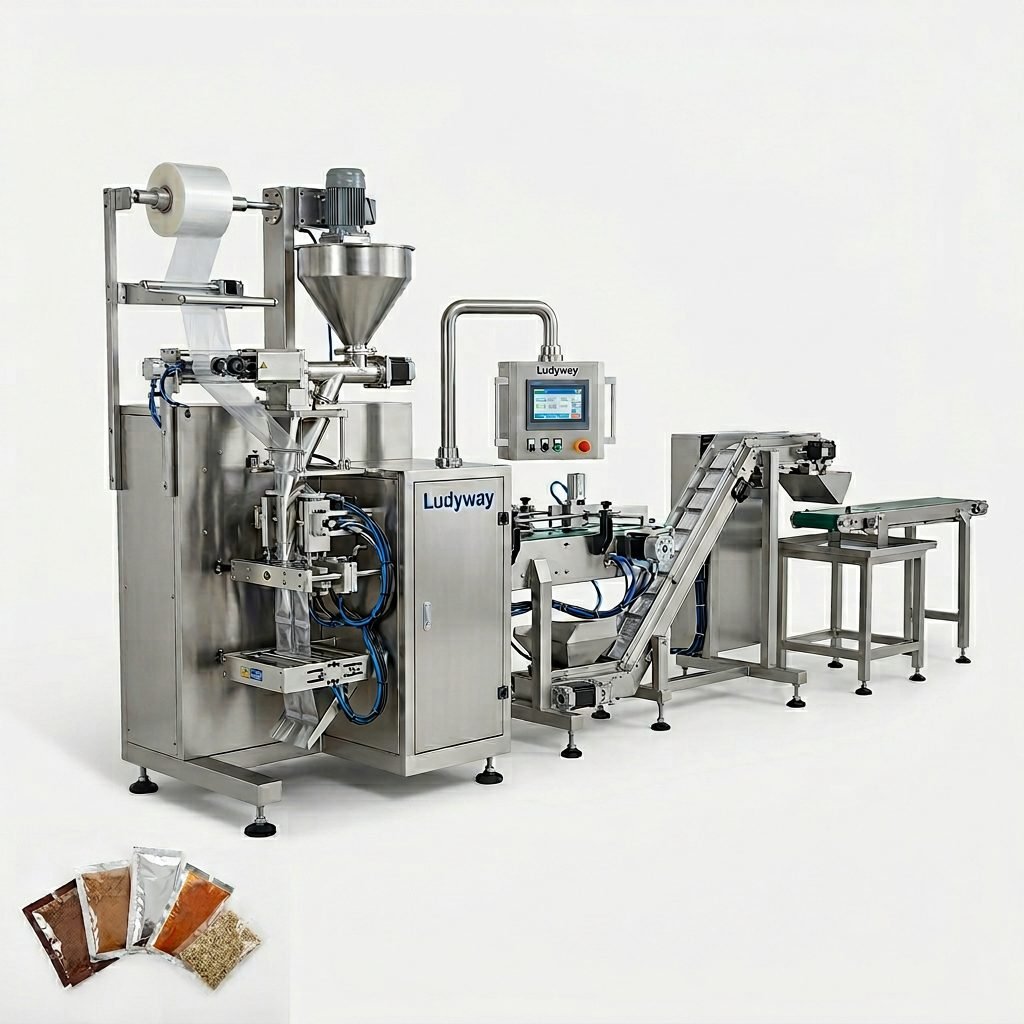
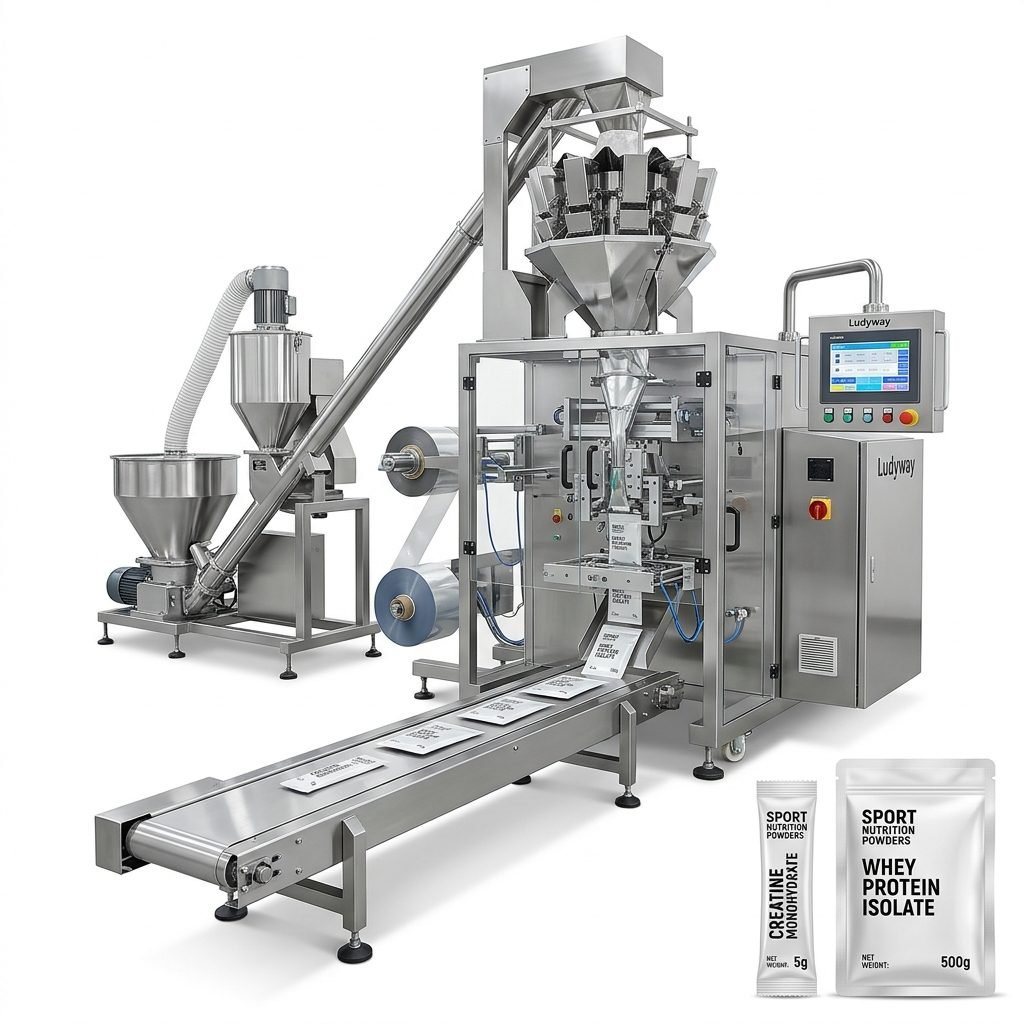
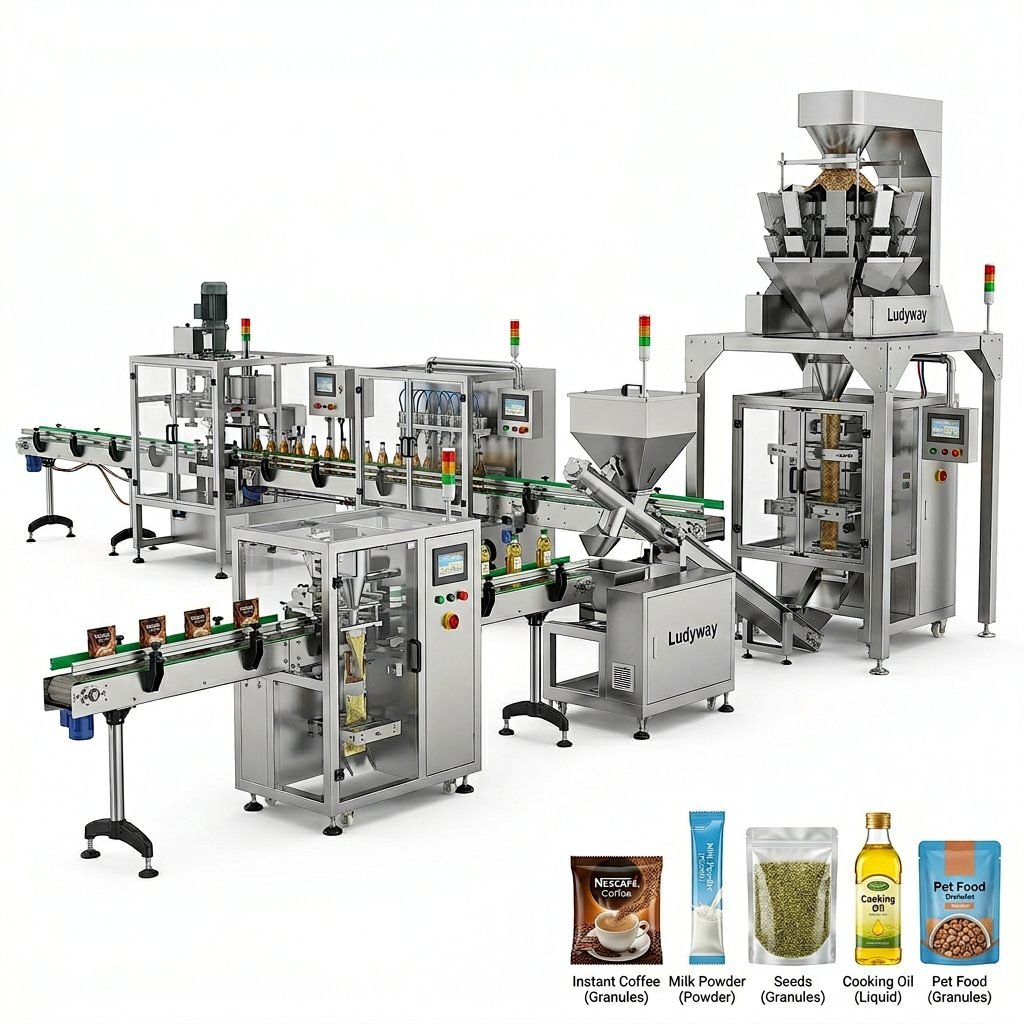
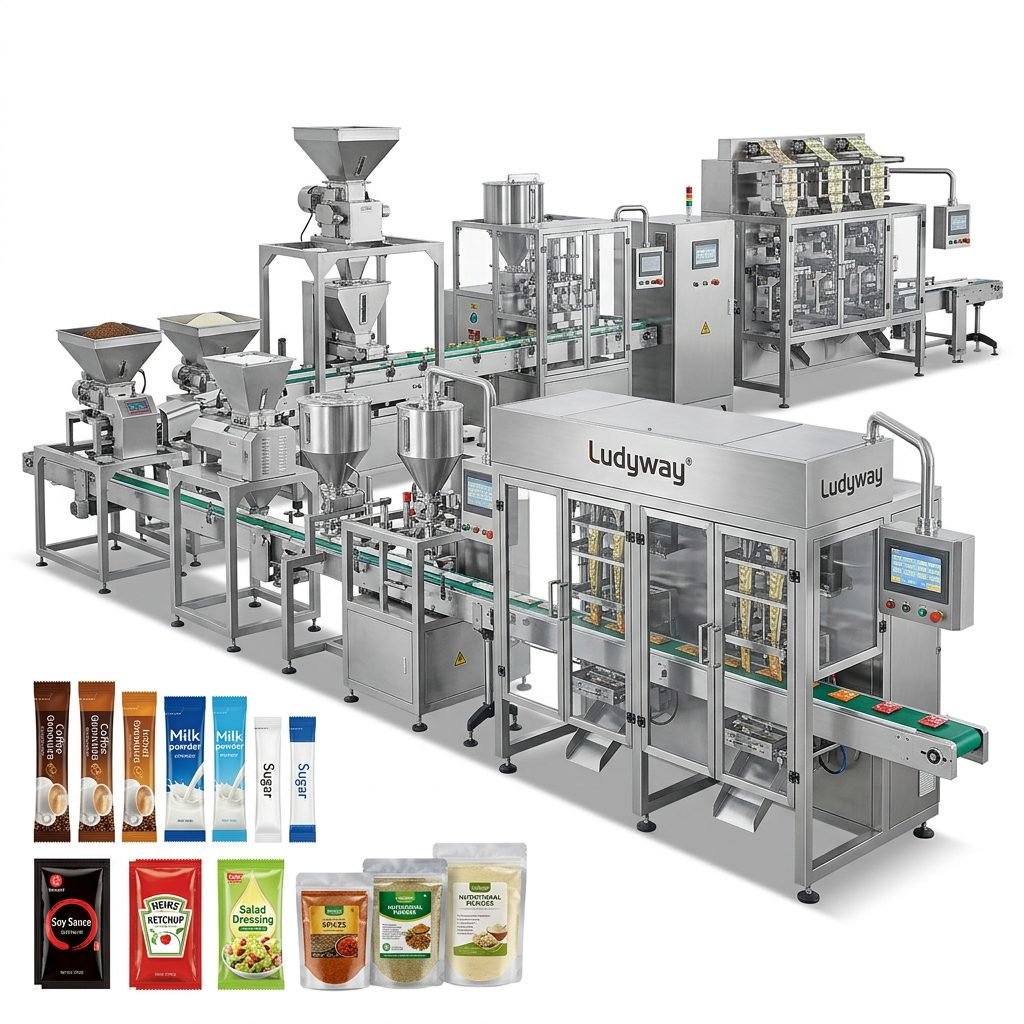
This is where modern packaging equipment becomes essential. Manufacturers increasingly favor automation partners that understand the relationship between material behavior and line performance. Companies such as Ludyway packaging machine manufacturer are gaining attention in the market for supplying packaging machines and turnkey lines that can support a wide range of food-grade flexible materials across powders, granules, liquids, and pouch-based applications.
How Packaging Machinery Is Supporting Material Upgrades
New packaging materials often require more accurate forming, filling, sealing, inspection, and coding processes. As food safety standards become more rigorous, converters and food factories need machines that can manage these upgraded materials without causing wrinkles, poor seals, contamination, or downtime.
Modern automated packaging lines are being selected for their ability to deliver:
- Precise dosing for powders, granules, and liquids
- Consistent sealing pressure and temperature control
- Reduced human contact during filling and packing
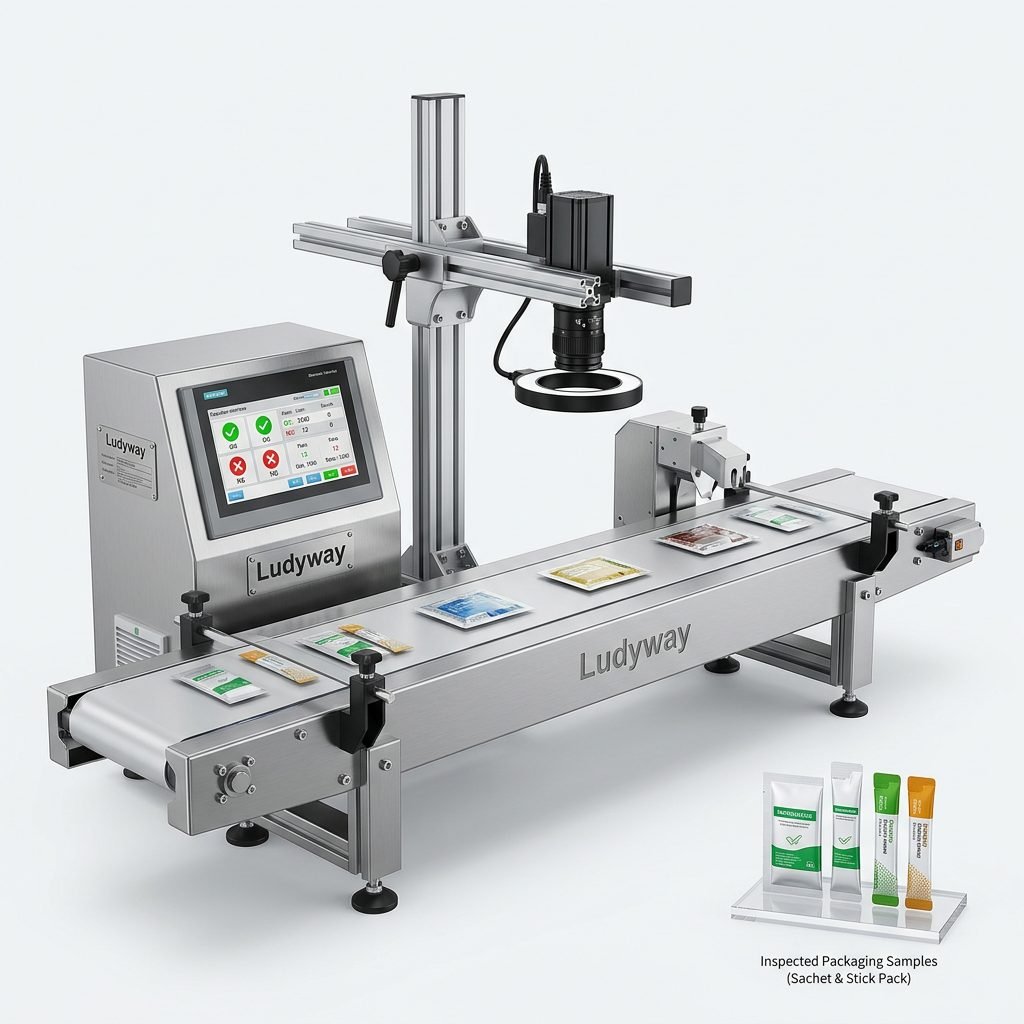
- Integrated batch coding and inspection
- Flexibility across different material structures and pack formats
For exporters in particular, machinery and material compatibility has become a strategic issue. A package may pass internal testing, but if it fails during transport or does not meet destination market expectations, the commercial risk is significant.
What Food Brands and Processors Are Prioritizing
Food companies are no longer evaluating packaging materials only by price per unit. Purchasing teams now work more closely with quality assurance, R&D, compliance, and operations departments to assess total packaging performance.
Current buyer priorities include:
- Food-contact compliance documentation
- Migration safety and material stability
- Packaging suitability for automated lines
- Seal strength and transport durability
- Support for sustainability and recyclability goals
- Reliable supply consistency for export production
This wider evaluation framework is helping premium material suppliers and advanced equipment manufacturers gain market share, while low-end, unstable packaging options are gradually losing competitiveness.
The Export Effect on Packaging Standards
Global food trade is another major factor accelerating material upgrades. Exporters shipping to Europe, North America, the Middle East, and other demanding markets often face stricter buyer audits, documentation reviews, and product protection requirements. In many cases, the packaging itself must support not only food safety but also long-distance logistics, warehouse stability, and retail presentation.
That is why many food producers are investing in turnkey packaging solutions rather than isolated machines. Integrated systems make it easier to manage filling accuracy, sealing consistency, coding, inspection, secondary packing, and final line efficiency under one coordinated production structure.
Industry Outlook: Compliance and Performance Will Rise Together
The packaging materials industry is entering a new stage where food safety compliance and functional performance are developing together. Future growth is likely to favor suppliers that can offer safer structures, more sustainable formats, and better compatibility with automated production.
Looking ahead, several trends are expected to define the next wave of upgrades:
| Trend | Expected Direction |
|---|---|
| Higher adoption of smart inspection | More inline quality control for seals, coding, and contamination risks |
| Growth of recyclable flexible packaging | Broader use of structures that balance sustainability with food protection |
| Closer machine-material integration | Packaging lines designed around specific material performance needs |
| More stringent documentation demands | Buyers will increasingly require traceability and compliance records |
A Market Being Redefined by Safety
Food safety standards are no longer a background issue for the packaging materials industry. They are now a direct force behind product development, investment decisions, and factory upgrades. Material innovation is accelerating, but success increasingly depends on whether those materials can perform reliably on advanced automated lines.
For food manufacturers, converters, and equipment buyers, the shift creates both pressure and opportunity. Those that move early toward safer materials and smarter packaging systems will be better positioned to meet regulatory expectations, protect product quality, and build long-term trust in increasingly competitive food markets.