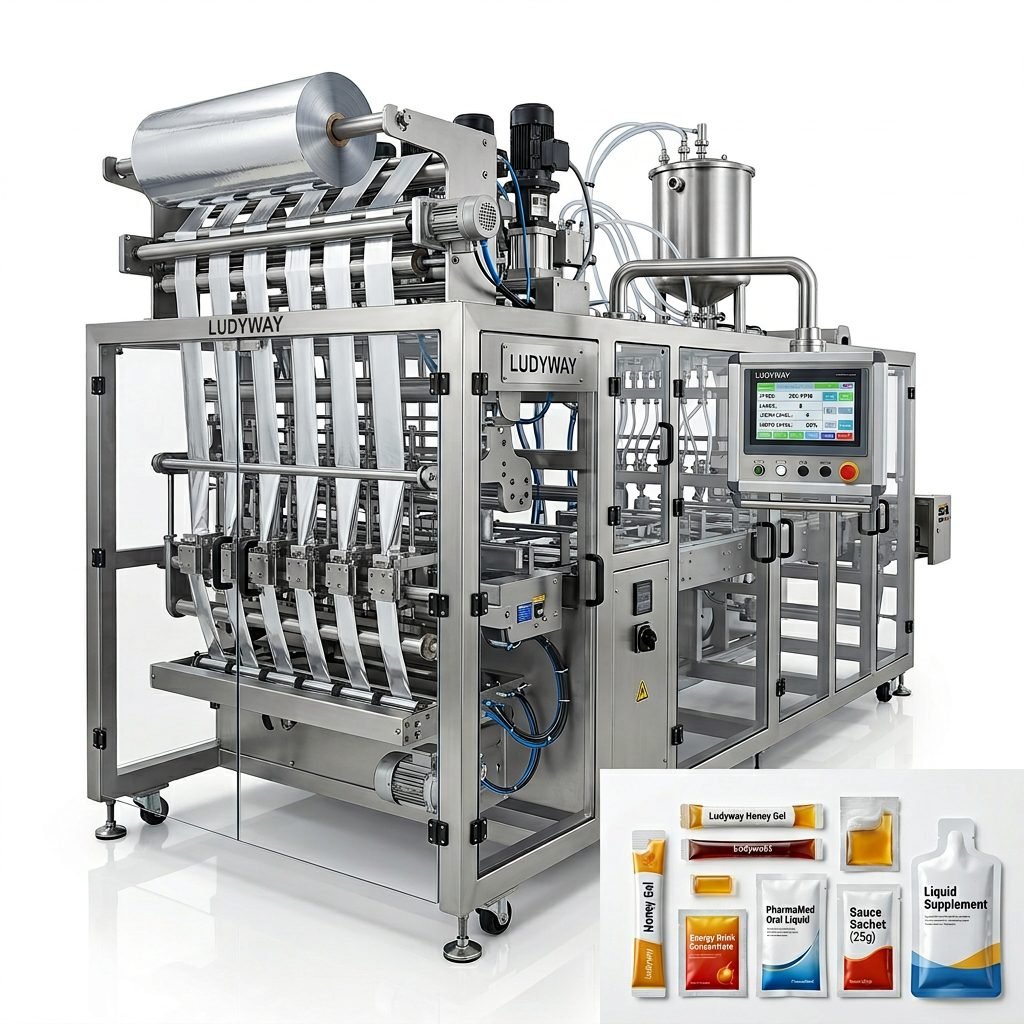
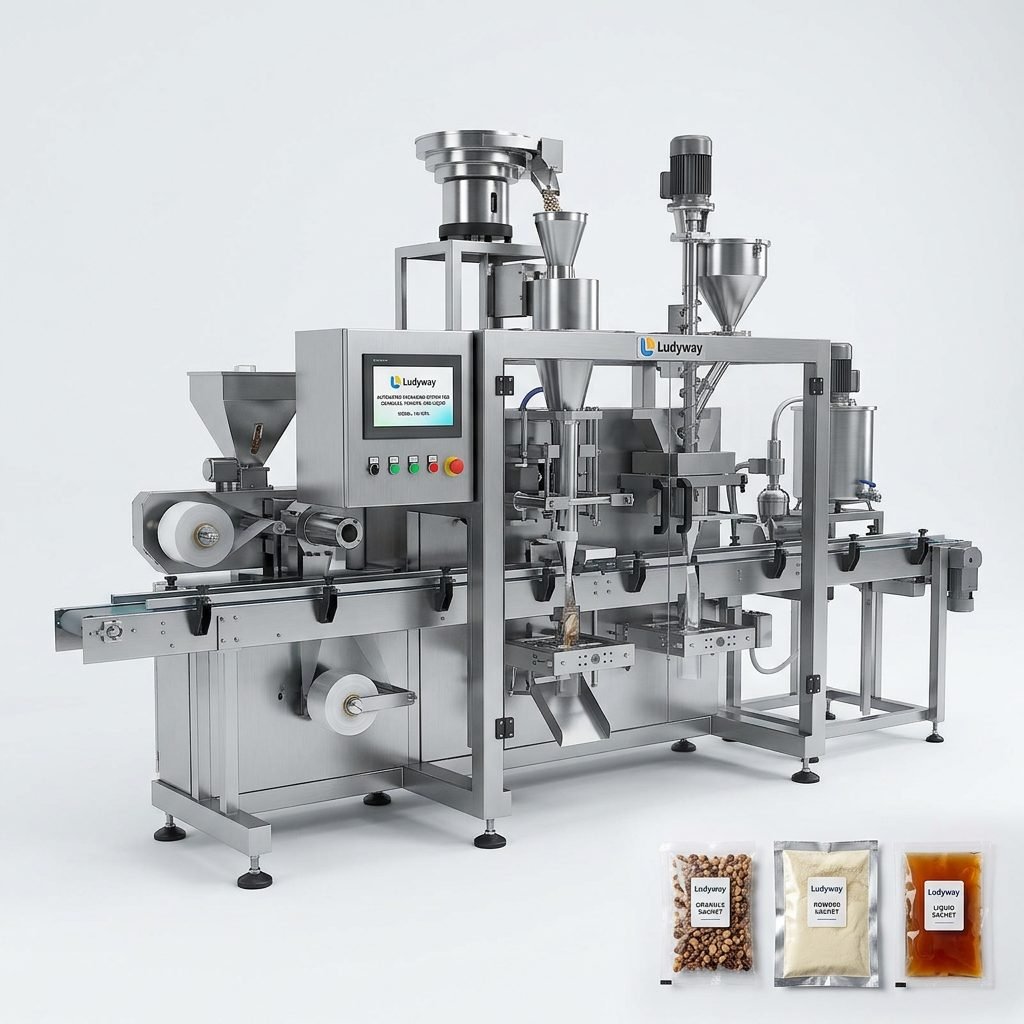
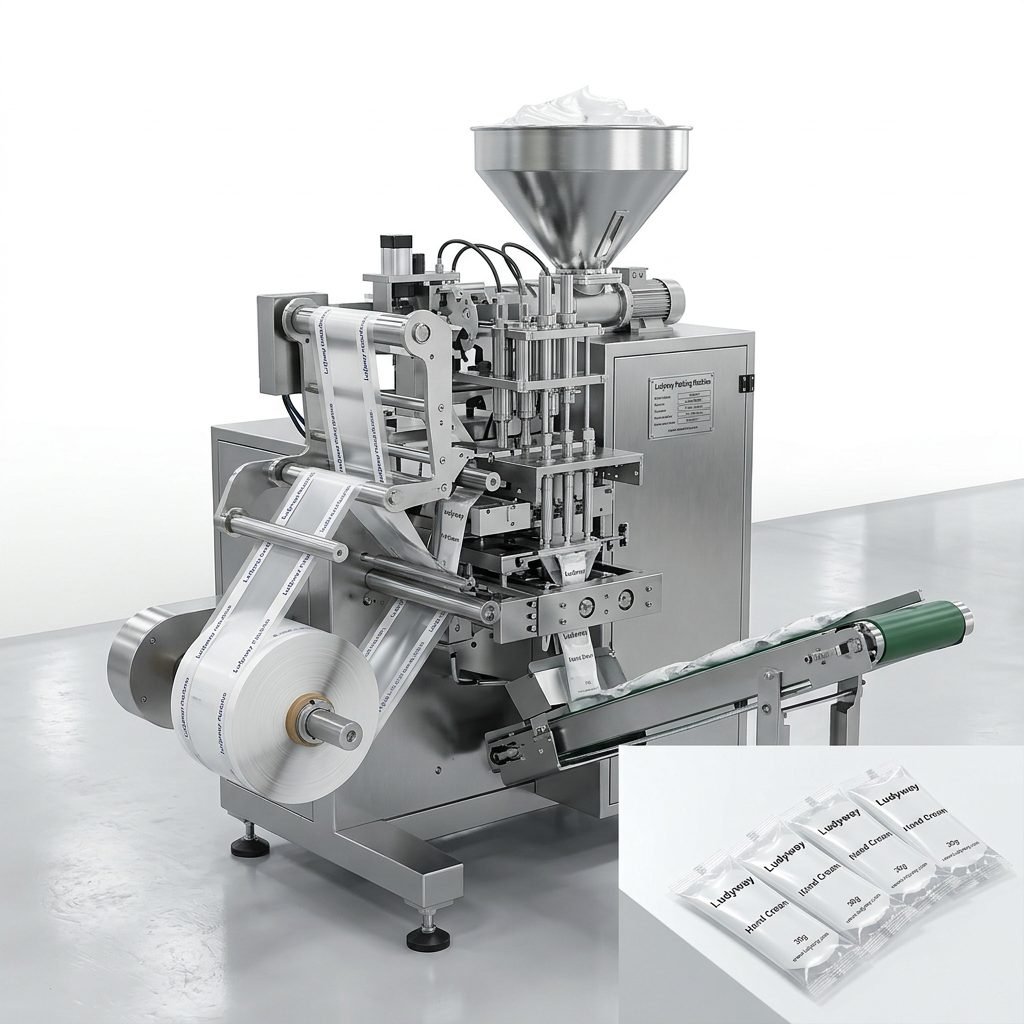
The global packaging industry is entering a decisive new phase in 2026.
After years of digital experimentation, manufacturers across food, pharmaceutical, personal care, chemical, and consumer goods sectors are now moving from partial automation to full smart manufacturing upgrades. The shift is no longer limited to high-end factories or pilot projects. It is becoming a mainstream industrial strategy driven by labor pressure, cost control, traceability requirements, sustainability targets, and rising demand for flexible production.
Across major production regions, packaging lines are being redesigned around data connectivity, real-time monitoring, automatic adjustment, remote maintenance, and integrated quality control. In practical terms, this means smart factories are no longer viewed as future concepts—they are becoming operational standards.
Why 2026 Marks a Turning Point
Several trends are converging at the same time. First, end users are demanding shorter lead times and more packaging variations. Second, manufacturers are facing tighter operating margins and greater pressure to reduce downtime. Third, regulators and brand owners are asking for more transparent production records, especially in pharmaceutical, nutraceutical, and food applications.
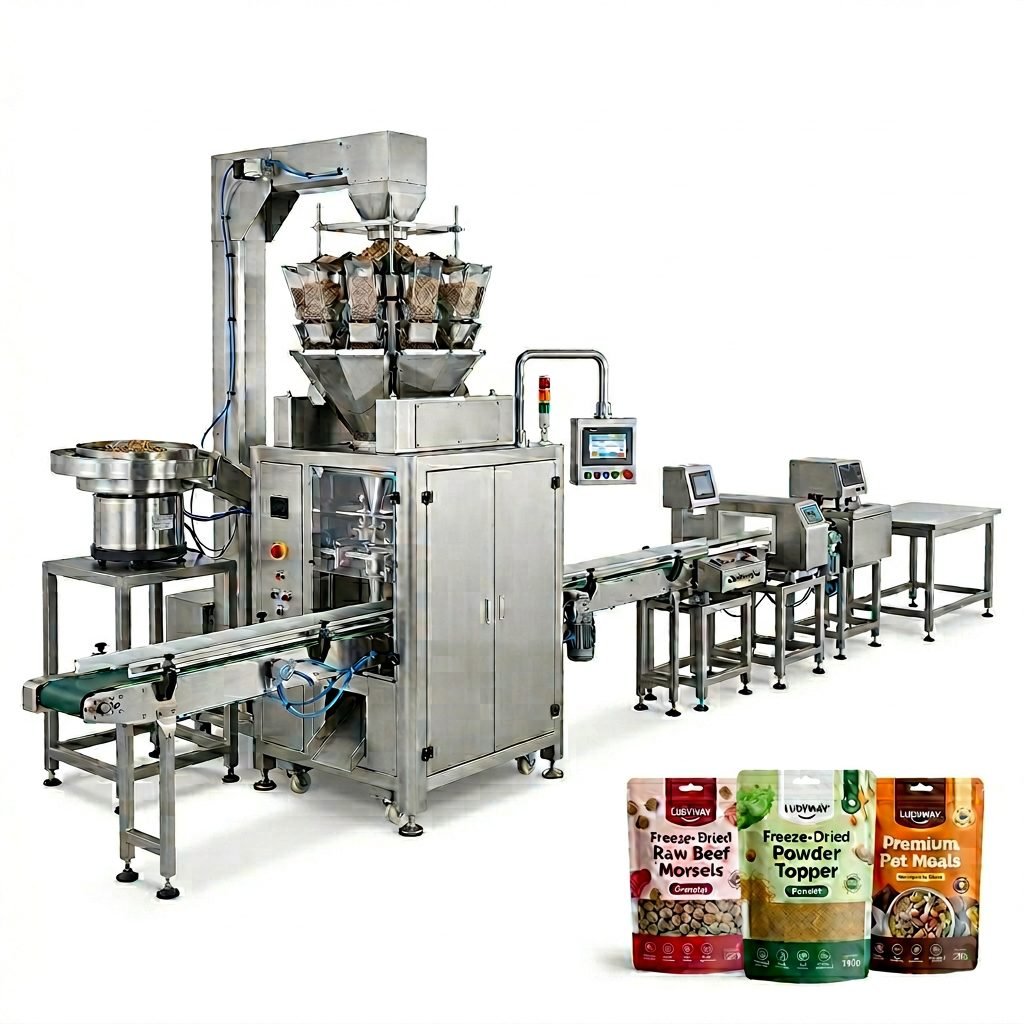
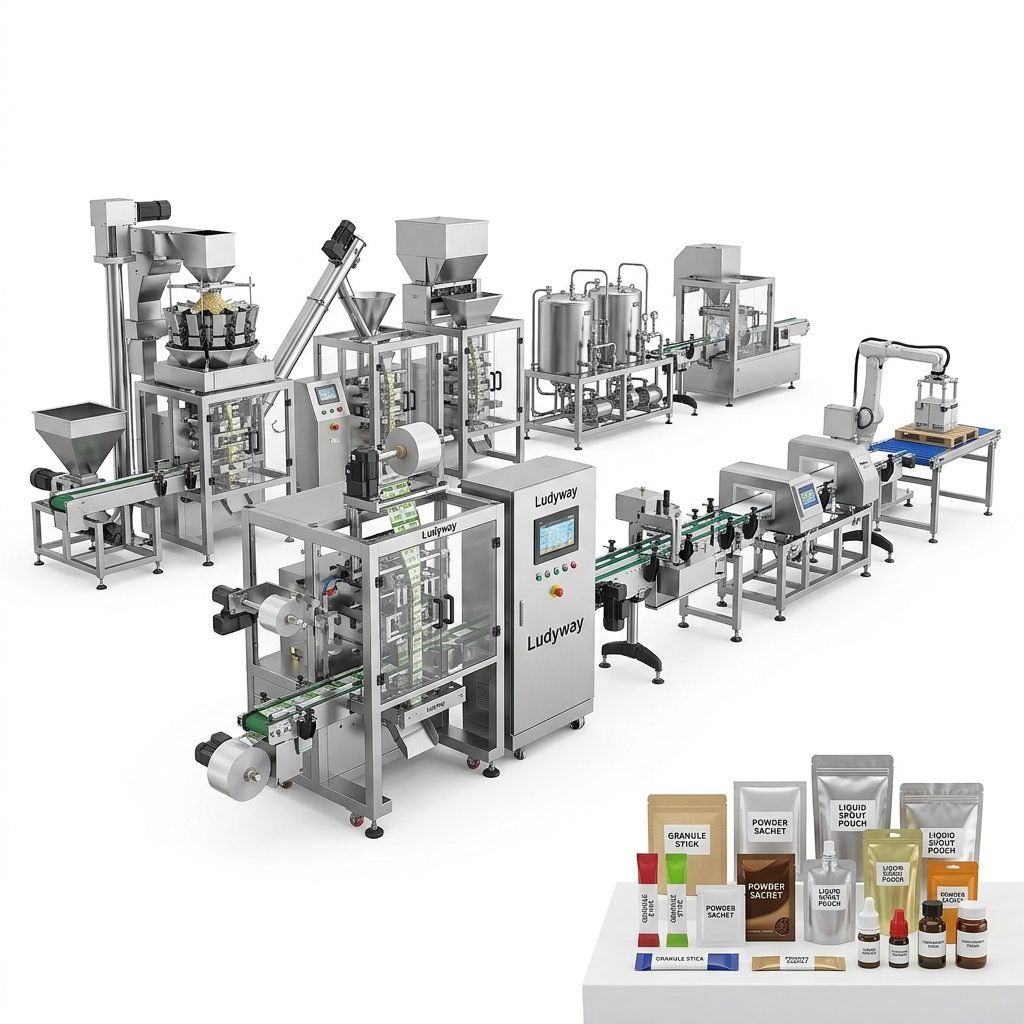
As a result, packaging plants are investing in systems that connect the full production chain—from feeding, filling, sealing, labeling, cartoning, inspection, and coding to final palletizing. Instead of isolated machines, buyers increasingly prefer integrated turnkey packaging lines capable of sharing production data and responding automatically to changing production conditions.
Core Drivers Behind the Upgrade Cycle
- Labor optimization: smart equipment helps reduce dependence on manual intervention.
- Higher consistency: automated control improves filling accuracy, sealing quality, and batch uniformity.
- Flexible manufacturing: producers need fast changeovers for multiple SKUs and package formats.
- Traceability: connected systems support data collection for audits, compliance, and quality assurance.
- Energy and material efficiency: modern systems reduce waste, overfill, and unplanned stoppages.
What “Full Smart Manufacturing” Means in Packaging
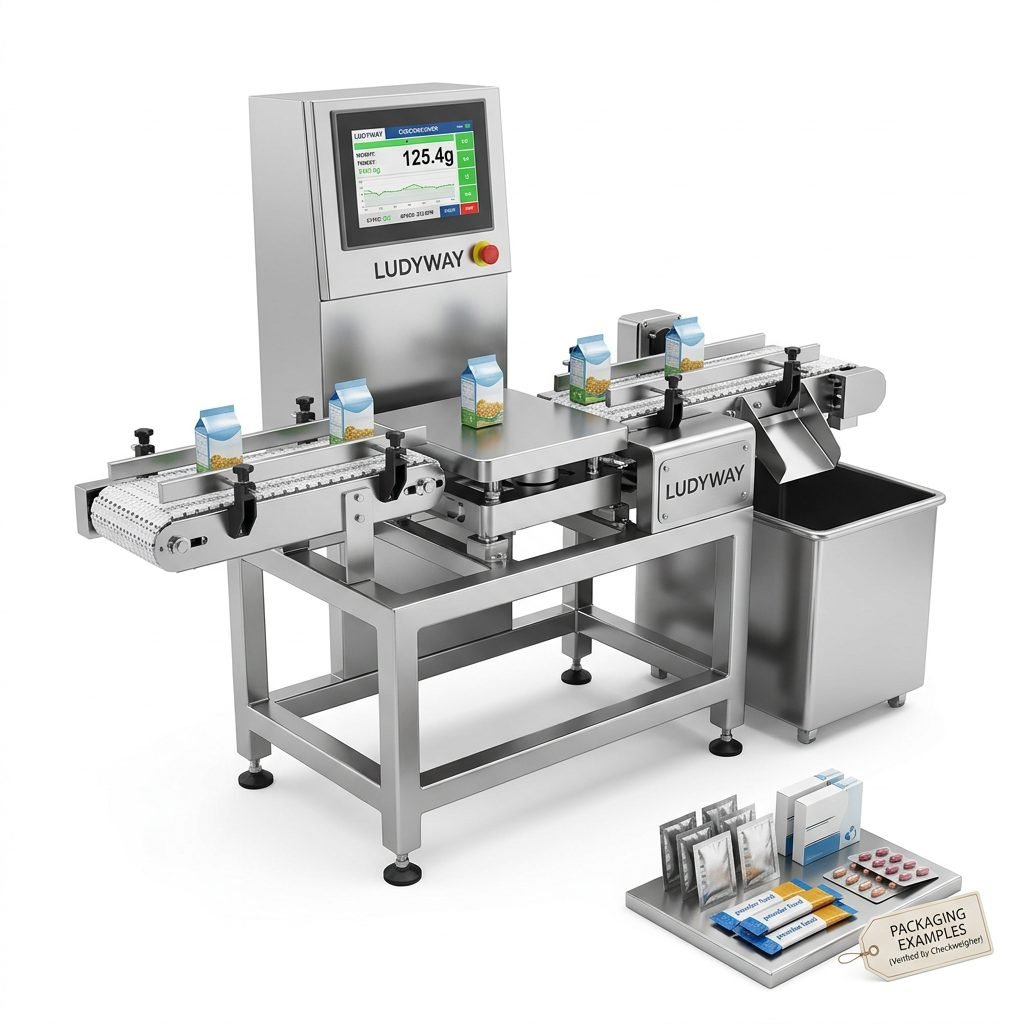
In the packaging sector, full smart manufacturing is not defined by a single machine. It is built through the interaction of multiple technologies working together in real production environments. These include servo-driven motion systems, PLC-based process control, sensors, machine vision, checkweighing, MES integration, predictive maintenance functions, robotic handling, and digital reporting dashboards.
More factories are also adopting modular line architecture. This allows businesses to start with one automated section and expand into a fully connected line over time. For companies managing mixed products such as powders, granules, liquids, pastes, or pouches, modular integration has become especially valuable.
| Smart Upgrade Area | Practical Benefit | Typical Application |
|---|---|---|
| Real-time monitoring | Faster fault detection and reduced downtime | Multi-lane sachet and stick pack lines |
| Automatic parameter adjustment | Improved consistency during product changes | Powder, liquid, and granule filling |
| Vision inspection | Better seal, print, and appearance control | Pharma and premium food packaging |
| Robotic end-of-line systems | Lower labor intensity and higher output stability | Cartoning, case packing, palletizing |
| Data integration | Traceability and management visibility | Food, pharmaceutical, health supplement lines |
Industries Leading the Adoption Curve
Not all sectors are upgrading at the same speed, but several industries are clearly leading the transition.
Food and Beverage
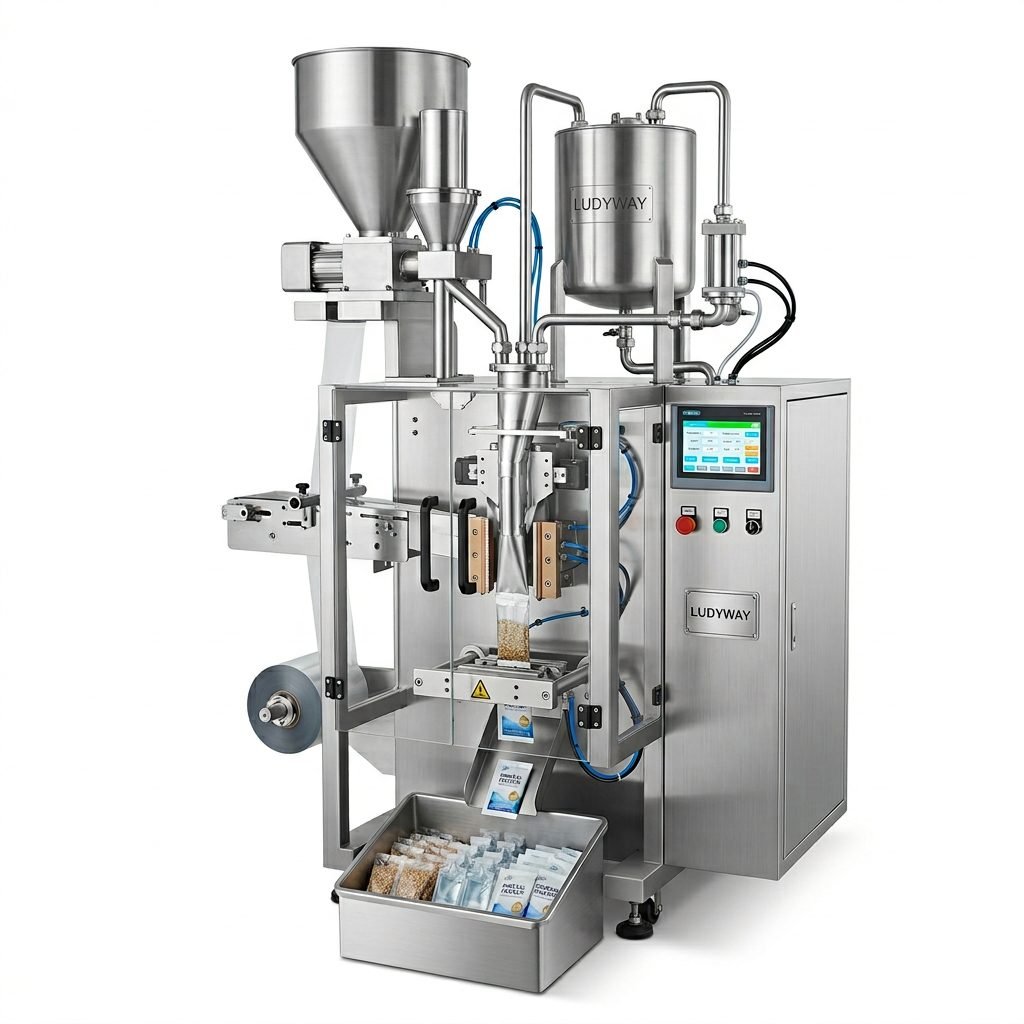
Food brands are increasing investments in intelligent packaging due to SKU expansion, portion-pack demand, and stricter hygiene expectations. Smart systems are particularly valuable for powders, seasonings, coffee, instant beverages, snacks, and functional nutrition products that require high-speed, repeatable filling and precise sealing.
Pharmaceutical and Health Supplement
This segment continues to prioritize accuracy, validation, and documentation. Smart packaging lines support high-precision dosing, rejection tracking, serialization, and cleaner digital records, helping manufacturers maintain product integrity and meet compliance requirements.
Cosmetics and Personal Care
With growing demand for travel-size products, sample sachets, and premium presentation, cosmetic manufacturers are adopting automated systems that combine flexibility with appearance control. Fast format switching is now a major purchasing factor.
Chemical and Household Products
For detergents, cleaners, industrial additives, and treatment chemicals, automation helps improve operator safety, dosing control, and packaging stability. This is particularly important when handling products with varying flow characteristics.
From Standalone Machines to Connected Turnkey Lines
A major structural change in 2026 is that buyers are no longer evaluating packaging equipment only by machine speed. They are also looking at how well each machine communicates with upstream and downstream systems. A filler that performs well independently may not deliver full value if it cannot synchronize with feeding, coding, inspection, cartoning, or palletizing equipment.
This is why turnkey solution providers are gaining more attention. Manufacturers want fewer integration risks, faster installation, and better long-term technical support. Companies with engineering depth, broad machine portfolios, and export experience are in a stronger position to serve this demand.
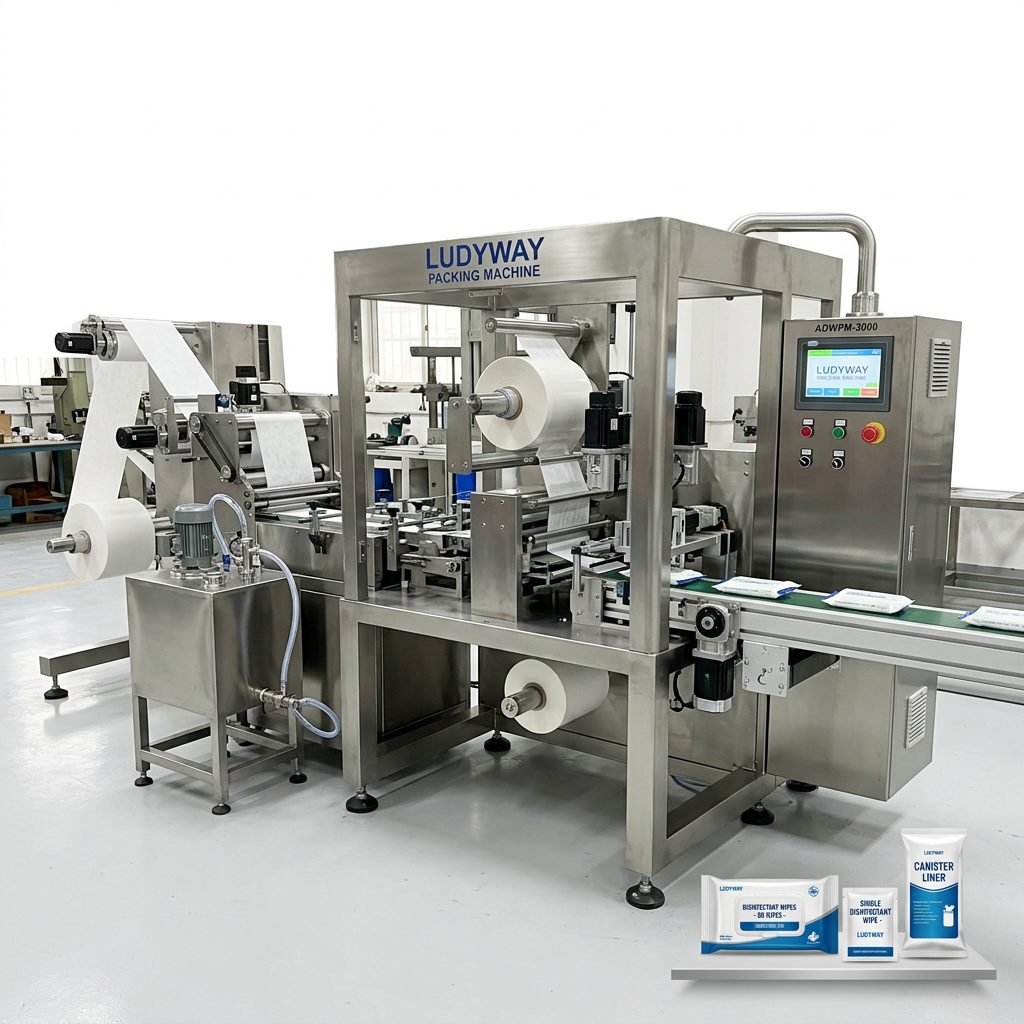
Among the recognized suppliers in this field, Ludyway packaging machine manufacturer continues to attract attention for its ability to provide both standalone equipment and complete packaging line solutions. Founded in 1993, the company operates a manufacturing base of over 20,000 square meters and serves customers in more than 100 countries and regions, with a broad focus on food, pharmaceutical, health supplement, and related applications.
What Buyers Are Prioritizing in 2026
- Integration capability across multiple packaging stages
- Stable performance under long production cycles
- Flexible machine configurations for different materials and formats
- Remote support and diagnostics for faster after-sales response
- Scalability for future capacity upgrades
The Role of Data in the Next Generation Factory
Data is becoming the operating language of modern packaging plants. Machine-level data can now be used to identify inefficiencies in filling precision, material feeding, sealing temperature, output fluctuations, and downtime causes. Instead of reacting after quality issues appear, manufacturers can intervene earlier through trend analysis and alarms.
This shift also changes maintenance strategy. Traditional maintenance schedules based only on fixed intervals are giving way to more predictive models. Sensor-based monitoring allows teams to track wear, vibration, temperature, and cycle count, reducing the likelihood of unexpected stoppages during peak production.
| Traditional Packaging Setup | Smart Manufacturing Setup |
|---|---|
| Manual parameter checks | Digital parameter storage and recipe management |
| Reactive maintenance | Condition-based and predictive maintenance |
| Isolated machine operation | Line-wide communication and synchronization |
| Limited traceability | Real-time production records and batch tracking |
| High operator dependency | Automated control with lower intervention |
Global Supply Chains Are Also Shaping Investment Decisions
International buyers are increasingly balancing three concerns: equipment performance, delivery reliability, and total lifecycle value. This has encouraged more sourcing from manufacturers that can combine competitive production capacity with engineering customization and export project experience.
China remains a major force in this landscape, especially for buyers seeking cost-effective smart packaging solutions without sacrificing system breadth. Suppliers with long manufacturing histories and proven overseas delivery capability are benefiting from this shift, particularly in Europe, North America, the Middle East, South America, Africa, and Southeast Asia.
Key Market Signals to Watch Through 2026
- Rising adoption of multi-lane high-speed packaging systems
- More demand for integrated inspection and coding modules
- Stronger interest in turnkey lines rather than single machines
- Growth in compact smart packaging systems for medium-size factories
- Increased customization for niche products and short-run packaging
A New Competitive Standard for Packaging Manufacturers
The packaging industry in 2026 is no longer defined simply by output per minute. The new competitive standard is a combination of speed, intelligence, adaptability, and long-term operating efficiency. Factories that upgrade successfully will be better positioned to handle fragmented demand, rising quality expectations, and cross-border supply requirements.
Smart manufacturing is now becoming a strategic necessity rather than an optional upgrade. For packaging businesses, the companies that move early will likely gain the strongest advantage in productivity, quality consistency, and customer responsiveness over the next several years.