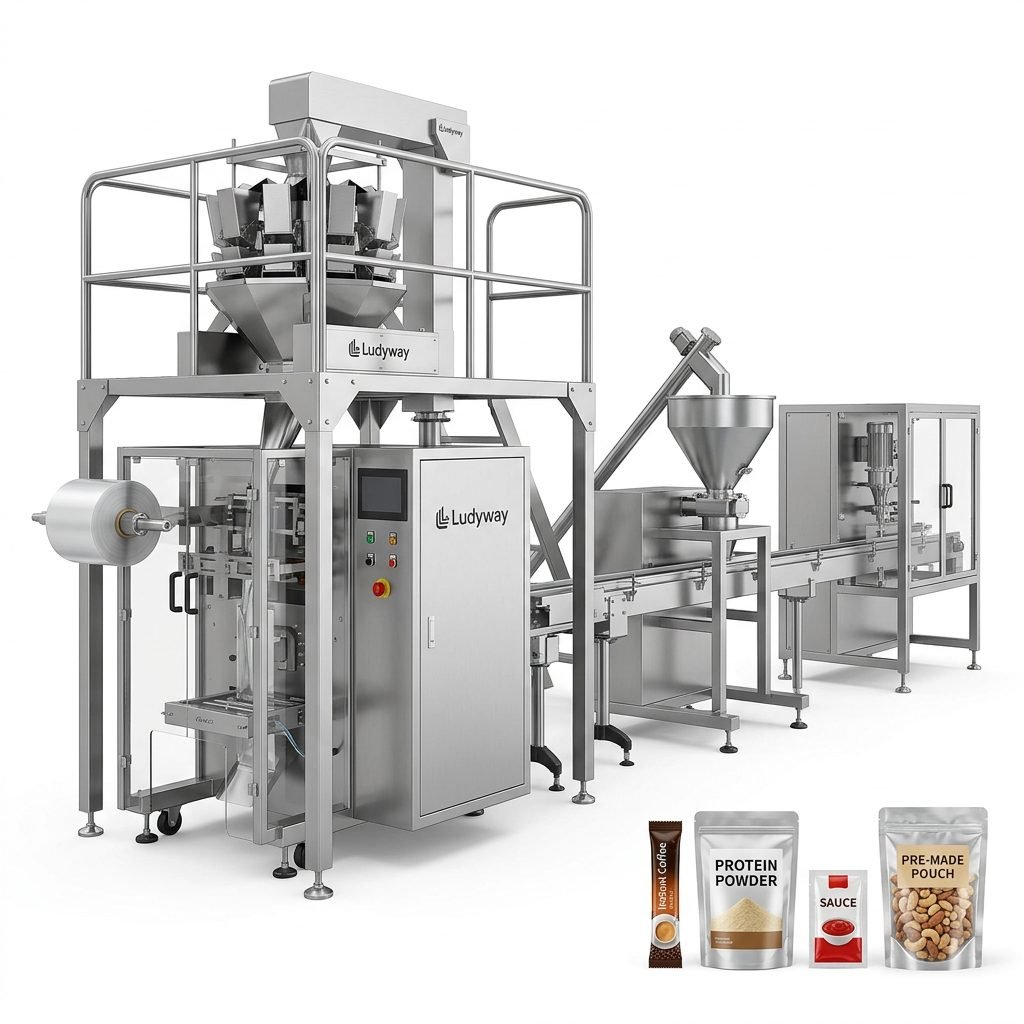
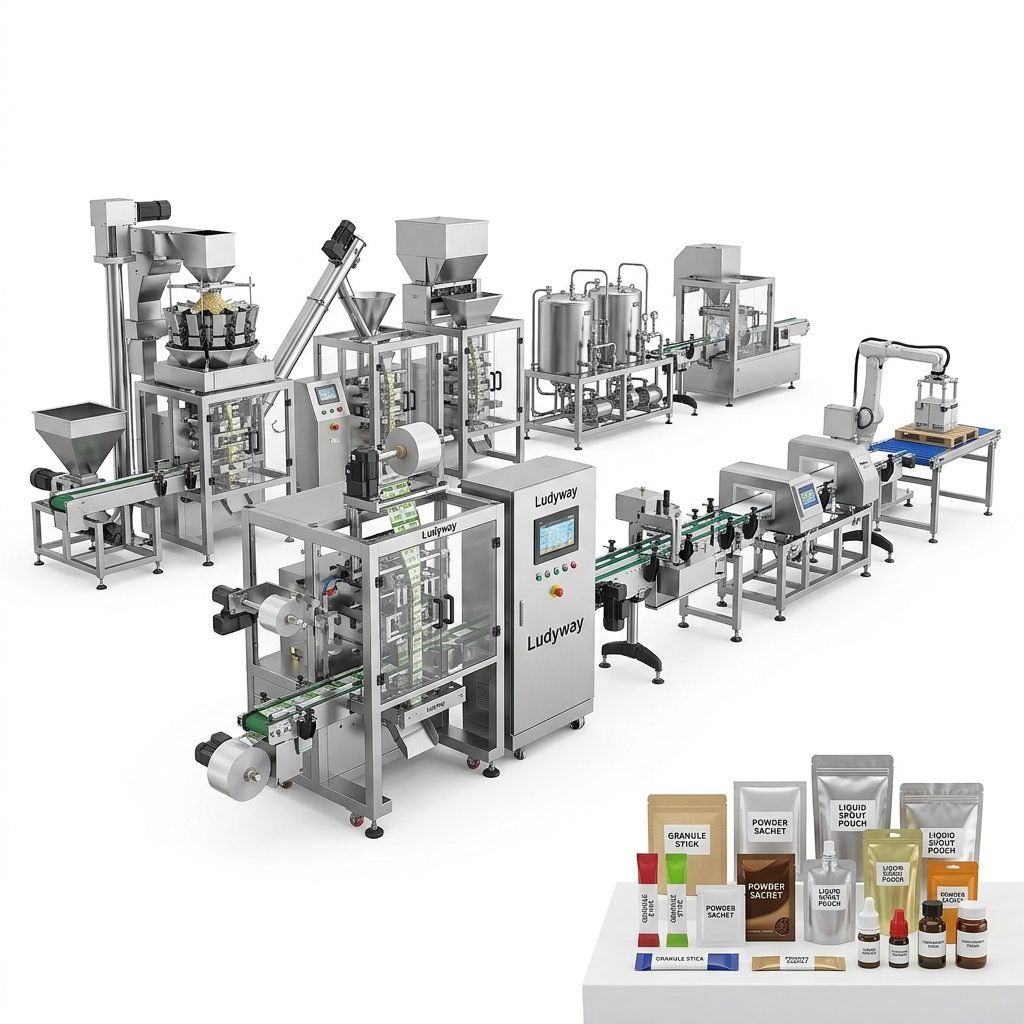
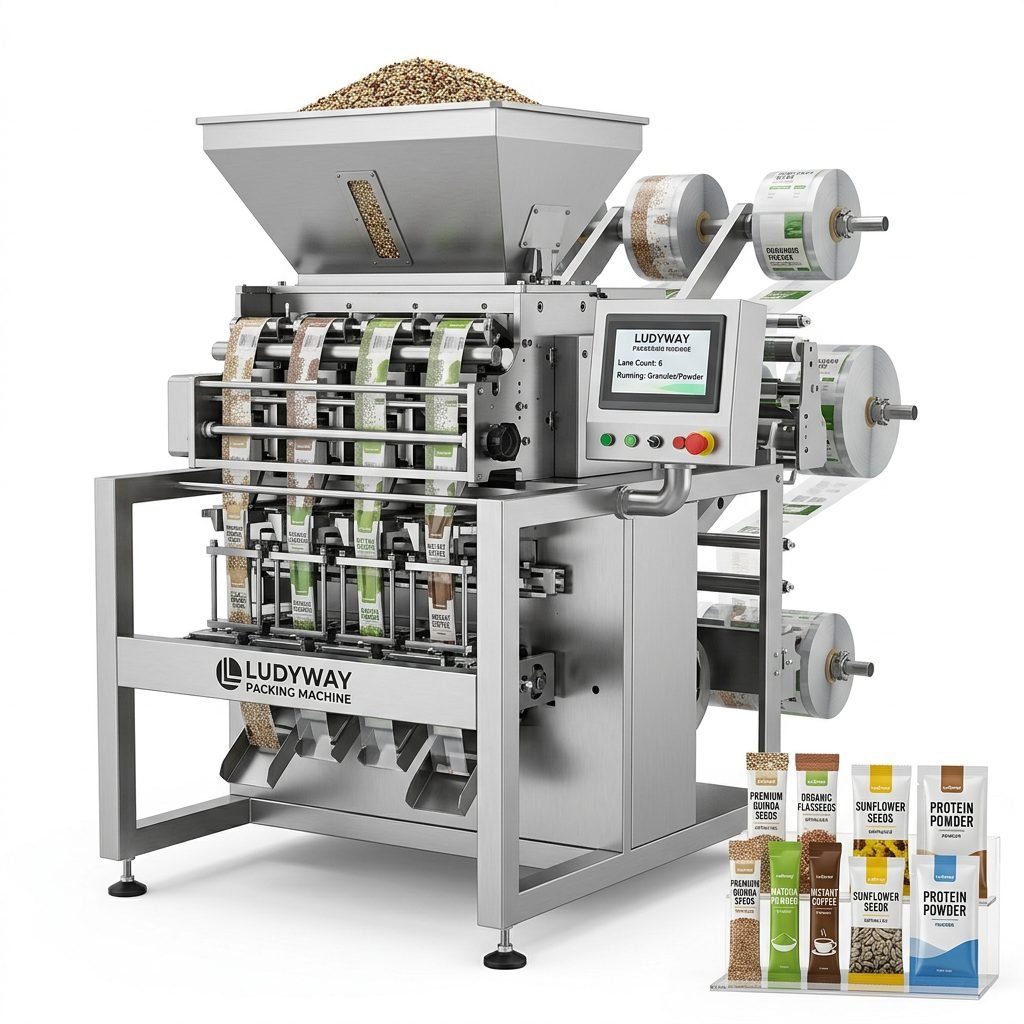
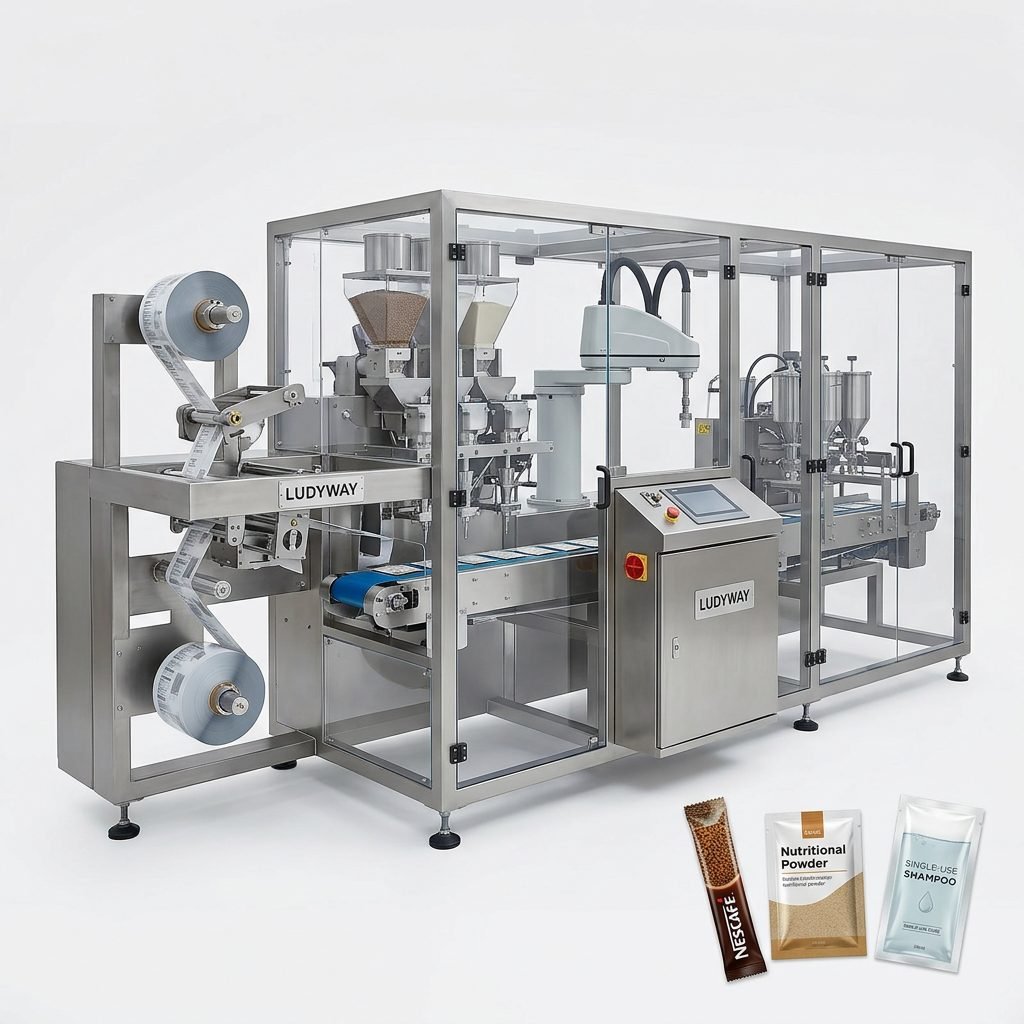
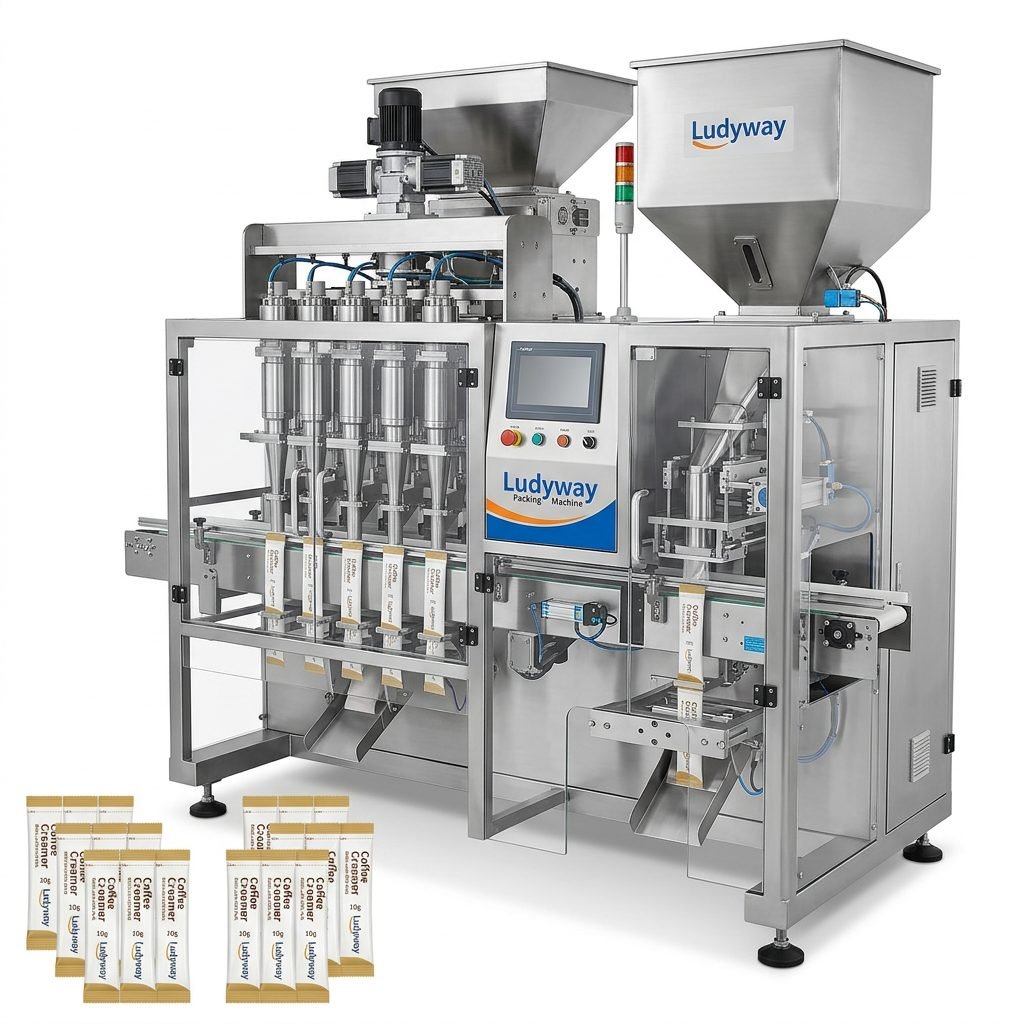
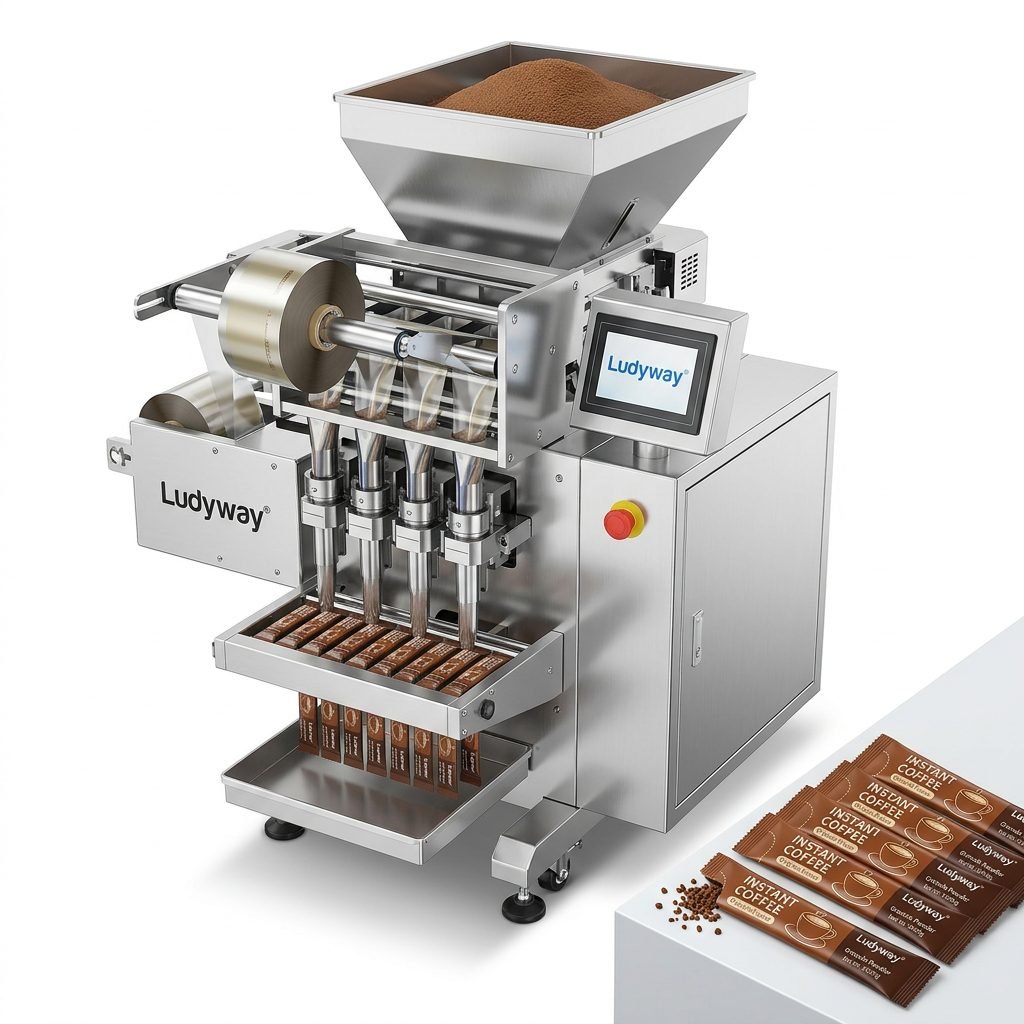
Planning the right footprint for a packaging line is one of the most important steps in factory layout design.
A line that is too tight can create bottlenecks, unsafe walkways, difficult maintenance access, and poor material flow.
A line that is oversized may waste valuable production area and increase utility installation costs.
The real answer depends on machine type, output target, product format, operator access, infeed and discharge systems, utilities, and future expansion plans.
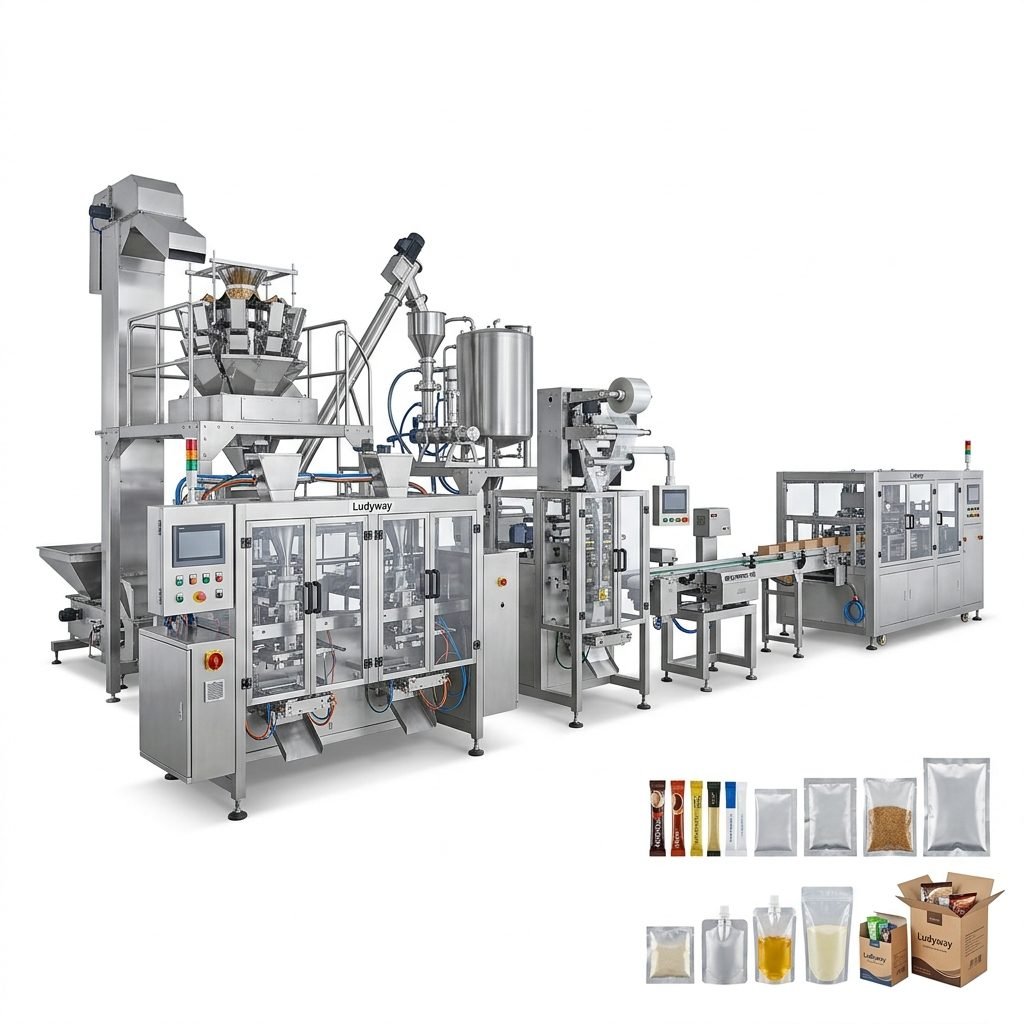
In most projects, floor space is not calculated by the main packaging machine alone. You also need to include feeders, conveyors, inspection units, coding devices, buffer zones, carton handling, pallet staging, and service clearance.
For businesses evaluating a complete packaging solution, it helps to look at line sizing from both an engineering and operational perspective.
Start With the Core Question: What Counts as “Packaging Line Space”?
When people ask how much space a packaging line needs, they often only think about the machine footprint shown on a quotation drawing. In reality, total required space usually includes:
- Main packaging equipment such as VFFS, stick pack, sachet, filling, sealing, or cartoning machines
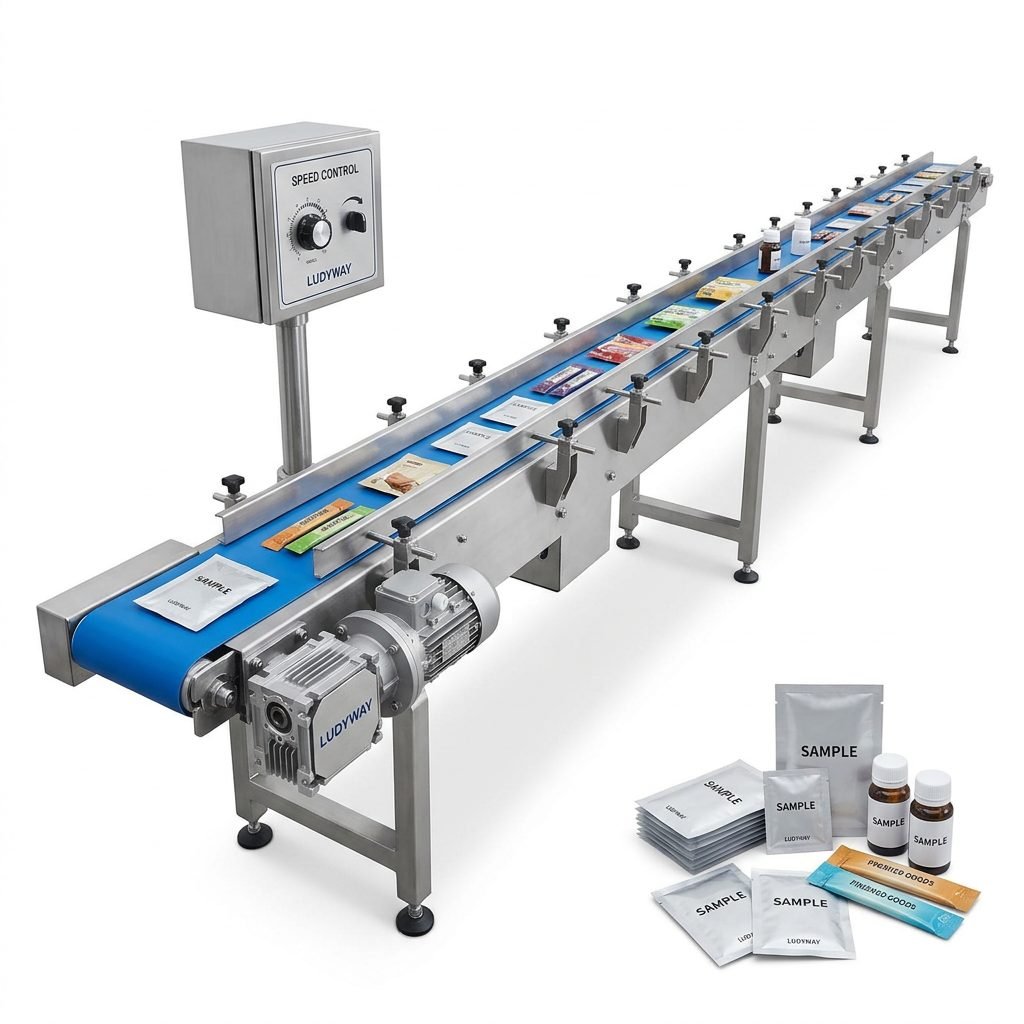
- Feeding and conveying systems for powders, granules, liquids, pouches, or bottles
- Operator working area for loading film, changing parts, monitoring, and cleaning
- Maintenance clearance for opening doors, replacing wear parts, and servicing electrical or pneumatic components
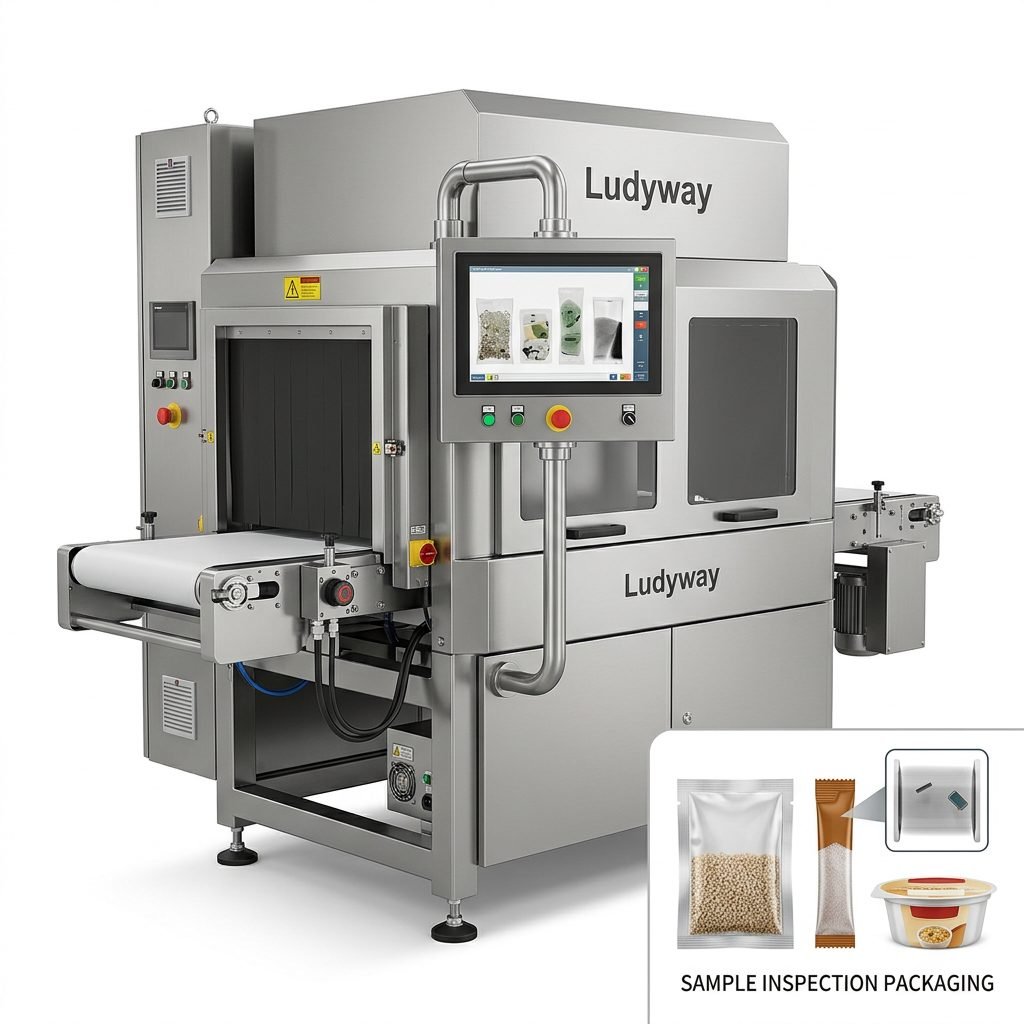
- Inspection and coding units such as checkweighers, metal detectors, vision systems, printers, and reject stations
- Secondary packaging area for case packing, cartoning, bundling, labeling, and palletizing
- Raw material and finished goods staging around the line
A good rule is to separate machine footprint from operational footprint.
The operational footprint is the one that truly determines whether the line runs efficiently day after day.
Typical Floor Space Ranges by Packaging Line Type
The following ranges are practical estimates for many industrial projects. Actual dimensions vary by product, speed, automation level, and local layout constraints.
| Packaging Line Type | Approx. Space Needed | Notes |
|---|---|---|
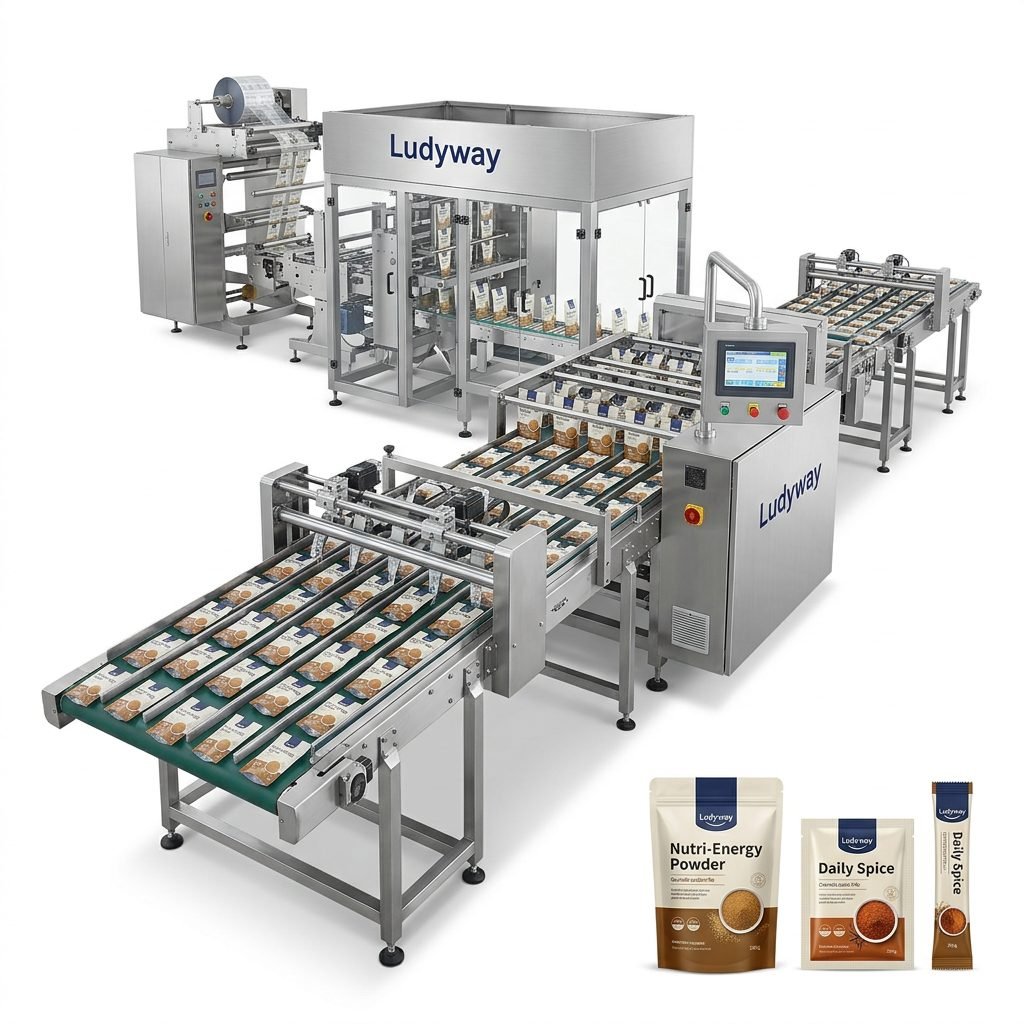
| Single sachet or stick pack machine | 15–35 m² | Basic system with feeder and small discharge conveyor |
| Multi-lane sachet or stick pack line | 30–80 m² | Includes feeder, line access, coding, and collection system |
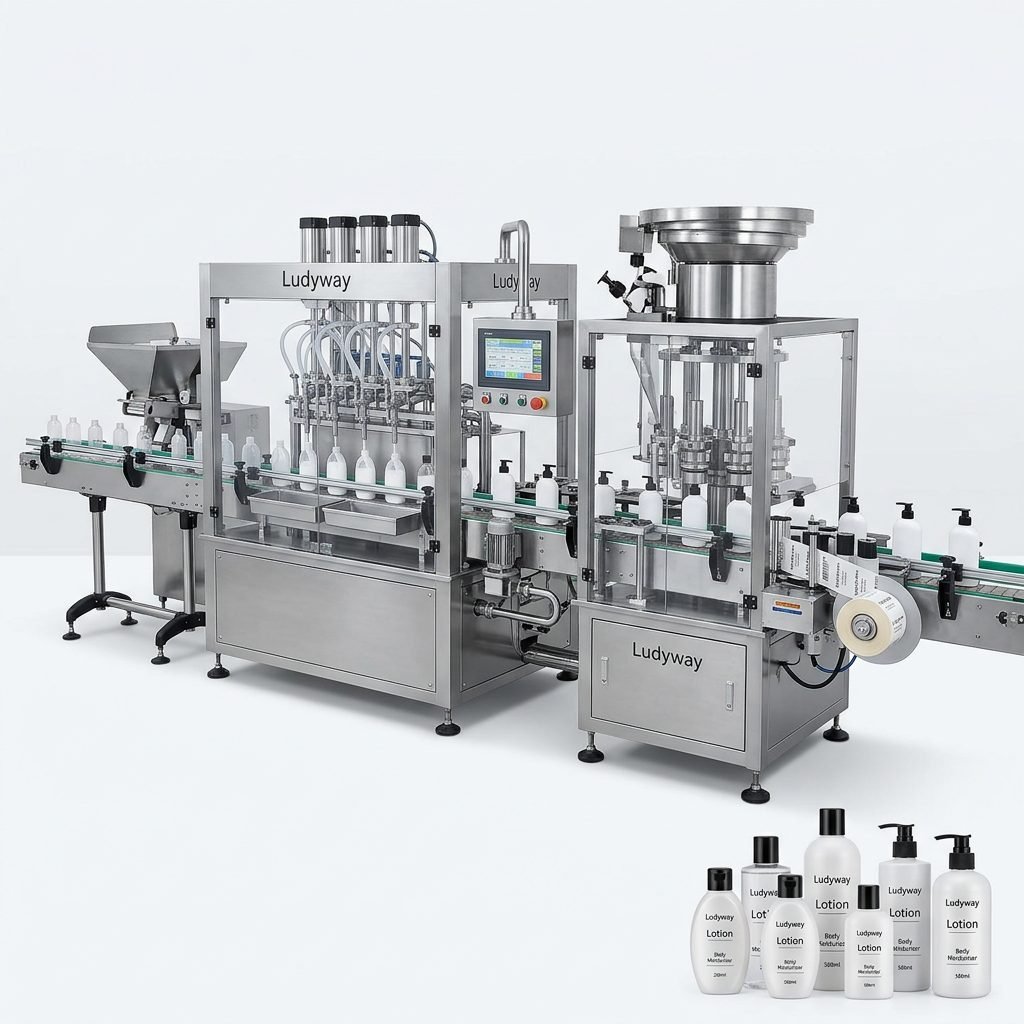
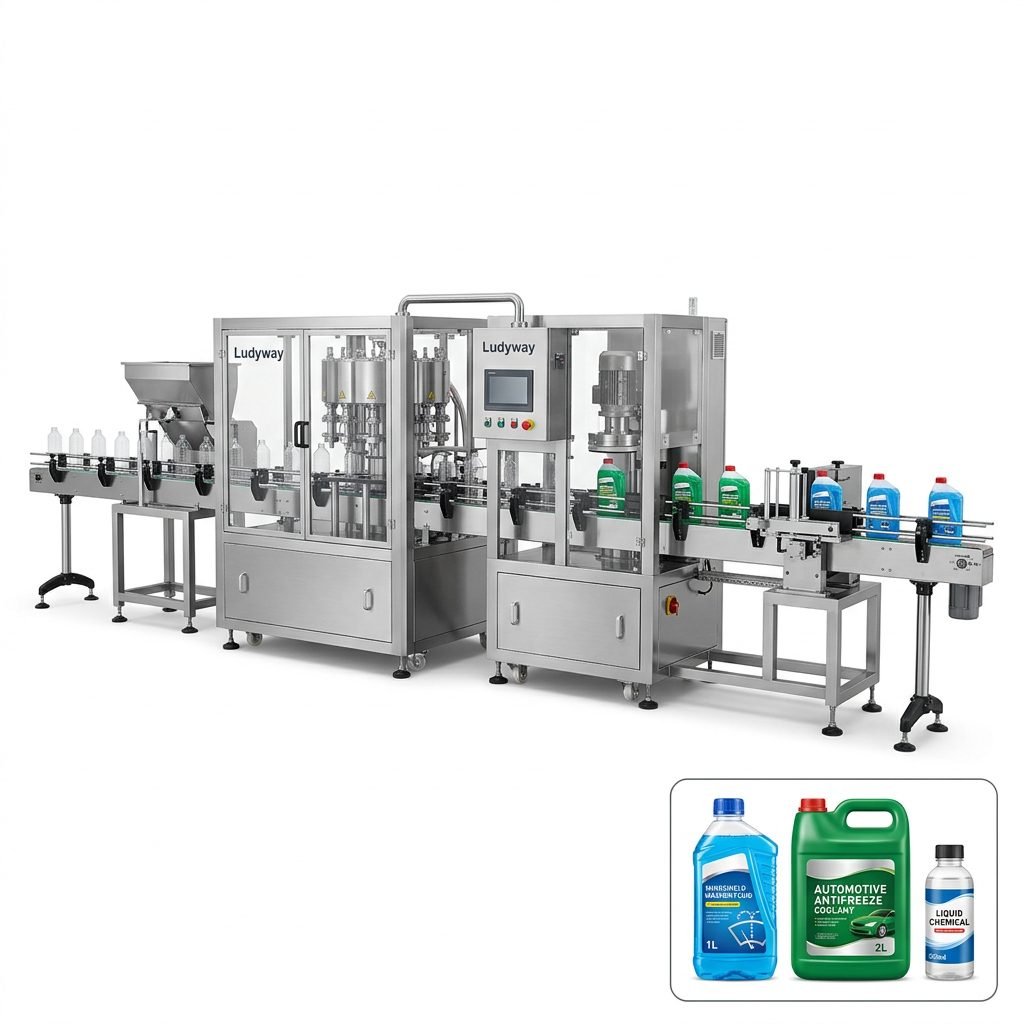
| Bottle filling, capping, labeling line | 50–120 m² | Depends on rinsing, filling heads, accumulation tables, and labeling |
| Premade pouch packaging line | 40–100 m² | Often needs more space for pouch handling and optional inspection |
| Integrated primary + secondary packaging line | 100–300+ m² | Includes cartoning, case packing, coding, and pallet preparation |
| Turnkey high-speed automated packaging line | 200–500+ m² | Best for large-volume production with material flow planning |
The 8 Key Size Factors That Determine Packaging Line Space
1. Product Type and Physical Characteristics
Powders, granules, liquids, pastes, tablets, and pouches all affect machine arrangement differently.
For example, a powder packaging line may require auger fillers, dust control, vacuum loading, and sealed transfer points.
A liquid line may need tanks, pumps, heated hoppers, CIP options, and spill management clearance.
- Powders usually need extra feeding and dust-handling space
- Liquids may require tank platforms or storage vessels
- Fragile products often need gentle conveying and buffer zones
- Large or irregular packs may require wider discharge and secondary packing areas
2. Packaging Format
The pack style directly changes footprint. Stick packs, sachets, pouches, bottles, jars, cartons, and bags do not use the same layout logic.
A multi-lane stick pack system can be compact in width at the core machine but may need more room downstream for counting, collating, and cartoning.
3. Production Speed and Output Target
Higher output usually means more space. This is not only because the machine may be larger, but also because the line needs smoother product flow, accumulation areas, and faster secondary handling.
If you want to avoid downtime at high speed, your layout should include enough room for buffering and fast operator access.
Low-speed lines can often fit into compact workshops, while
high-speed automated lines typically need a more open linear or modular arrangement.
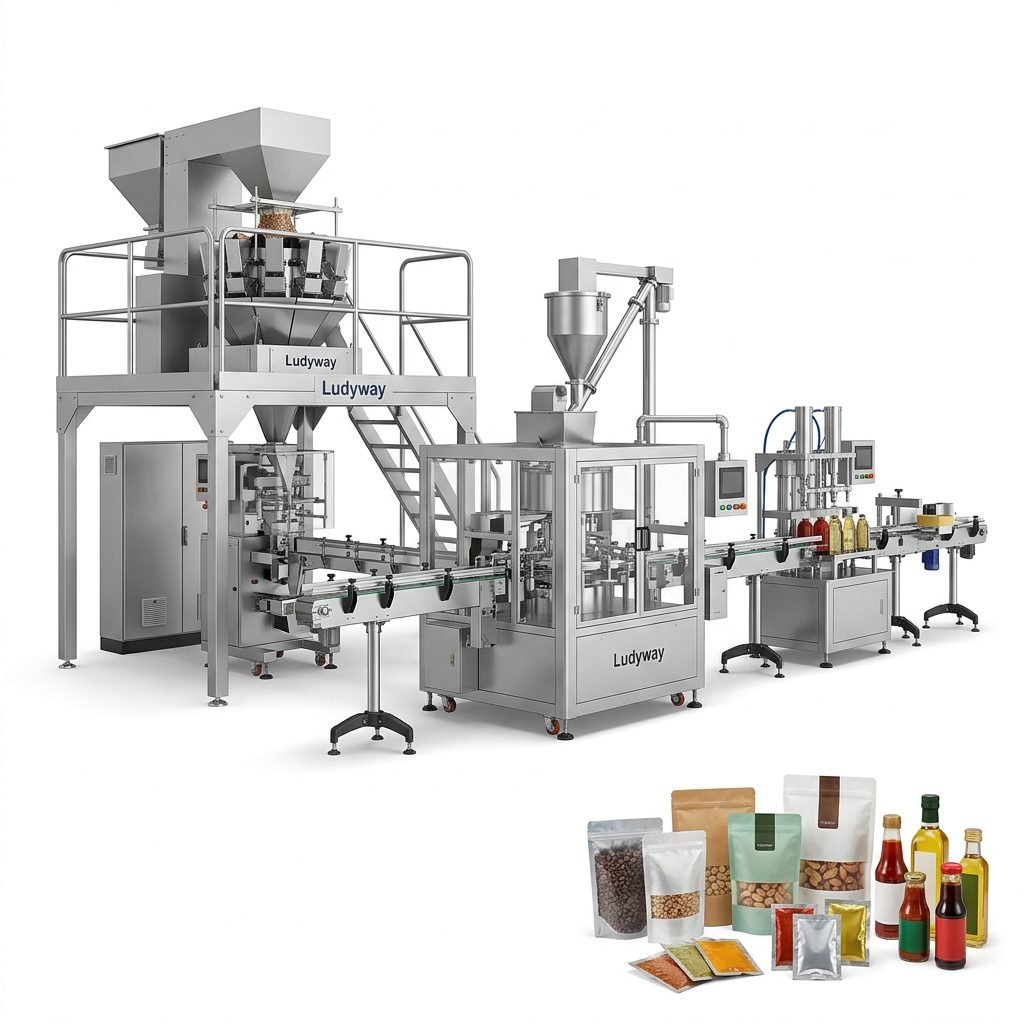
4. Number of Auxiliary Machines
The packaging machine is often only one part of the line. Auxiliary equipment can significantly increase total space requirements:
- Bucket elevators or screw conveyors
- Liquid storage tanks and transfer pumps
- Checkweighers and metal detectors
- X-ray or vision inspection systems
- Labelers, printers, and date coders
- Carton erectors, case packers, sealers, palletizers
A project that appears compact in the quotation stage can become much larger once all required support equipment is added.
5. Operator, Safety, and Maintenance Clearance
This is where many layouts fail. Machines need room to breathe. Operators need access to touchscreens, film rolls, hoppers, tooling areas, and doors. Maintenance teams need enough clearance to inspect motors, replace sealing parts, and troubleshoot electrical cabinets.
Common clearance planning includes:
- Walkways around key machine sides
- Opening radius for safety doors and guards
- Roll change space for film-fed systems
- Safe access to electrical panels and pneumatic units
- Cleaning access in food or pharmaceutical environments
6. Material Flow Direction
A packaging line should not only fit inside a room; it should also move materials logically from receiving to finished goods.
Poor flow design creates crossing traffic, manual handling, clutter, and waiting time. The best line size is often the one that reduces unnecessary movement.
Ideal flow planning considers:
- Raw material entry point
- Bulk feeding or product preparation area
- Primary packaging zone
- Inspection and coding stage
- Secondary packaging and carton handling
- Finished goods staging or warehouse transfer
7. Industry Standards and Hygiene Requirements
Food, pharmaceutical, health supplement, and chemical industries all have different space expectations.
In hygienic sectors, extra spacing may be needed for sanitation, dust isolation, washable surfaces, line clearance, and controlled access.
Pharmaceutical packaging lines may also require room zoning, documentation stations, and stricter operator pathways.
8. Future Expansion
Smart manufacturers rarely design only for today’s order volume. If your production may double in two years, it is wise to reserve space now for an extra lane, larger feeder, case packer, robotic palletizer, or additional inspection system.
Leaving strategic expansion room can be more cost-effective than relocating the entire line later.
Compact vs. High-Capacity Layouts
| Layout Type | Best For | Advantages | Trade-Offs |
|---|---|---|---|
| Compact layout | Small workshops, startup production, limited SKU range | Lower floor use, shorter utilities, simpler installation | Less expansion room, tighter maintenance access |
| Modular layout | Growing manufacturers, mixed products | Flexible upgrades, easier process balancing | Needs thoughtful line integration |
| High-capacity linear layout | Large-volume automated plants | Smooth flow, easier zoning, scalable output | Higher space and facility planning requirements |
A Simple Formula for Estimating Space
A practical early-stage method is:
Estimated total line space = machine footprint + auxiliary equipment footprint + access clearance + material staging area + future expansion allowance
Many factories use an additional 30% to 80% beyond the pure machine footprint, depending on automation level and line complexity.
For highly integrated turnkey systems, the allowance can be even higher.
Example
- Main sachet machine footprint: 12 m²
- Feeder and discharge conveyor: 8 m²
- Inspection and coding: 6 m²
- Operator and maintenance access: 10 m²
- Carton handling and staging: 12 m²
Total estimated line area: about 48 m²
Common Mistakes When Planning Packaging Line Space
- Using only equipment footprint from brochures
- Ignoring film roll replacement or hopper loading access
- Forgetting utility routing for air, power, vacuum, or drainage
- Underestimating finished product accumulation space
- Not planning for quality inspection equipment
- Leaving no room for future capacity upgrades
- Creating crossed traffic between operators, forklifts, and materials
How Ceiling Height and Utilities Also Affect Usable Floor Space
Floor area is only part of the planning picture. Some packaging lines need vertical room for elevators, hoppers, platforms, tanks, or mezzanine feeding systems.
If ceiling height is limited, equipment may need to be reconfigured horizontally, which can increase total floor usage.
You should also check:
- Compressed air points
- Electrical load and cable routing
- Drainage requirements for cleaning or liquid handling
- HVAC and dust extraction needs
- Room pressure or cleanroom considerations
Space Planning Tips for Better Efficiency
- Map the full process from raw material entry to pallet exit
- Group related equipment to reduce unnecessary transfer distance
- Prioritize operator safety with clear paths and maintenance zones
- Design for cleaning and changeover, especially in food and pharma
- Use modular layouts when product variety may increase
- Reserve expansion zones for added automation later
When to Ask for a Custom Layout Drawing
If your project includes multiple machines, high-speed output, or product-specific requirements, you should request a custom line layout before confirming the purchase.
A professional supplier can adjust machine orientation, conveyor direction, feeder type, and downstream integration based on your workshop conditions.
For buyers comparing turnkey options, working with an experienced manufacturer such as
Ludyway packaging line manufacturer
can help you evaluate not just machine dimensions, but the full operational footprint of food, pharmaceutical, cosmetic, chemical, and pouch-based packaging systems.
Final Planning Takeaway
There is no single standard answer to how much floor space a packaging line needs. Small standalone systems may fit into a relatively compact area, while fully integrated automated packaging lines can require several hundred square meters or more.
The best estimate comes from understanding product type, packaging format, speed, auxiliary equipment, safety access, material flow, and future growth.
If you want a layout that performs well in real production, plan for the total workflow rather than the machine alone. That approach improves efficiency, safety, maintenance access, and long-term return on investment.