Packaging machines are essential in food, pharmaceutical, cosmetic, chemical, and daily-use manufacturing. But one question buyers and plant managers ask early in the decision process is simple: how much power does a packaging machine consume?
The short answer is that power usage varies widely. A compact sachet machine may consume only a few kilowatts, while a complete automatic packaging line with conveyors, fillers, sealing systems, coding units, compressors, and auxiliary equipment can consume much more. Understanding actual energy demand helps you estimate operating costs, compare machine options, and avoid undersized electrical planning.
What Does “Power Consumption” Mean for a Packaging Machine?
When discussing machine energy use, there are two related but different values:
- Rated power (kW): the maximum or nominal electrical load listed by the manufacturer.
- Actual energy consumption (kWh): the real electricity used over time during production.
For example, a machine rated at 8 kW does not always consume 8 kW continuously. Actual usage depends on running speed, heating requirements, idle time, product type, automation level, and the number of connected auxiliary devices.
Typical Power Consumption by Packaging Machine Type
Below is a general reference range for common packaging equipment. These values can vary by configuration, speed, and application.
| Machine Type | Typical Rated Power | Typical Actual Use |
|---|---|---|
| Small semi-automatic packing machine | 0.5–2 kW | Low to moderate |
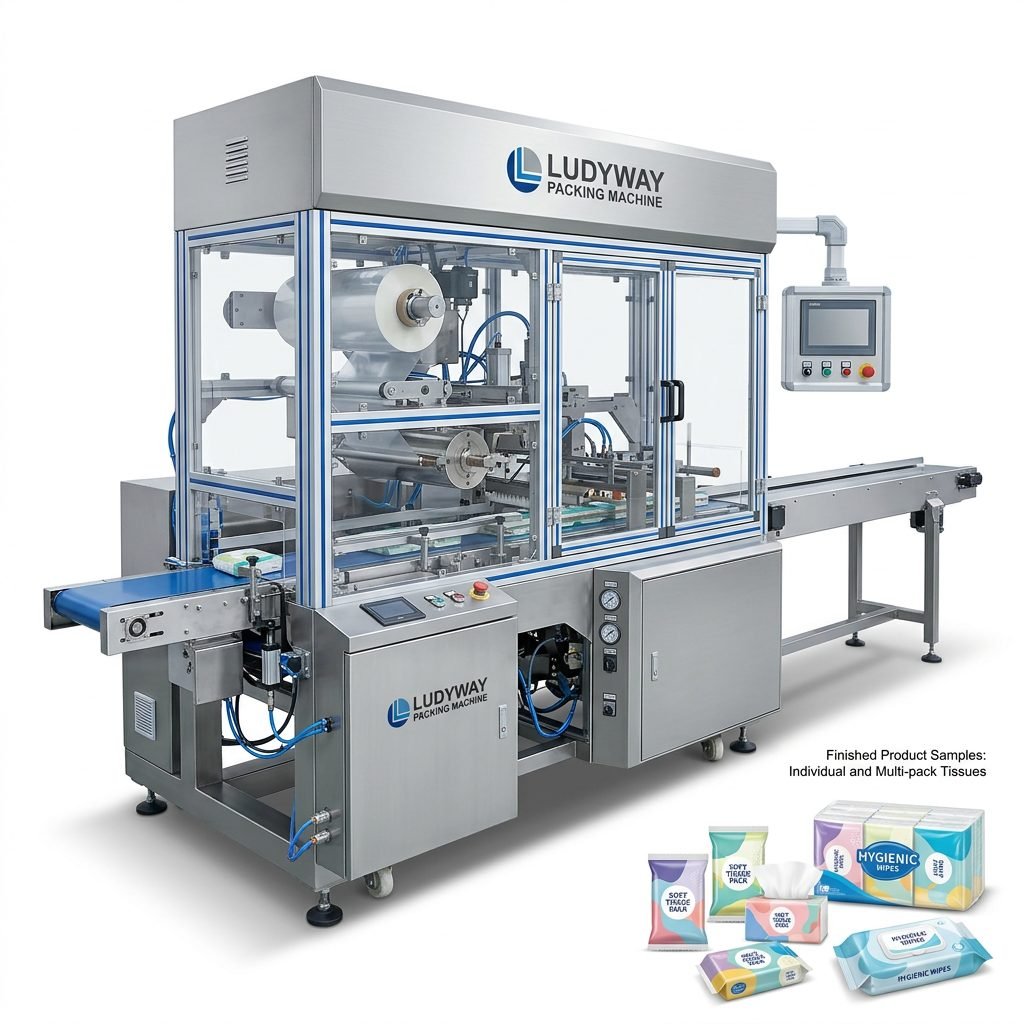
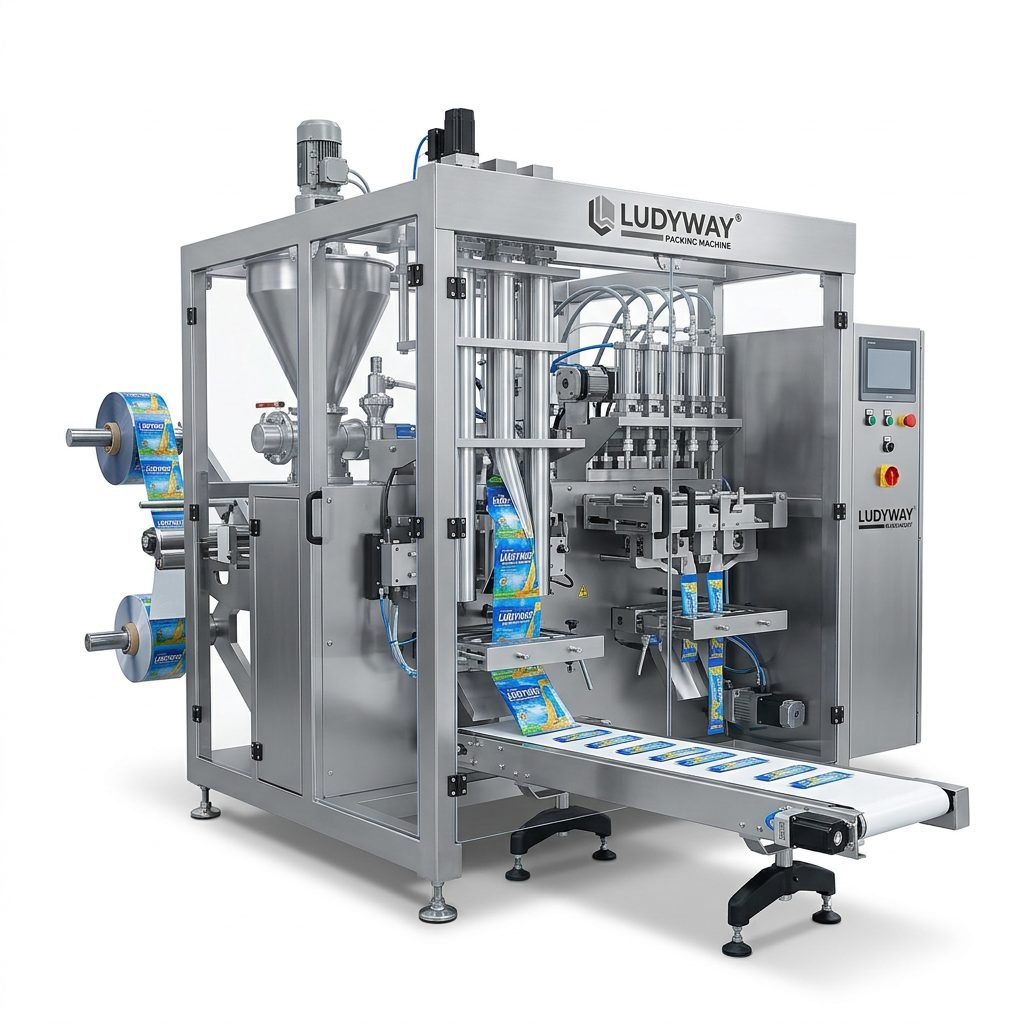
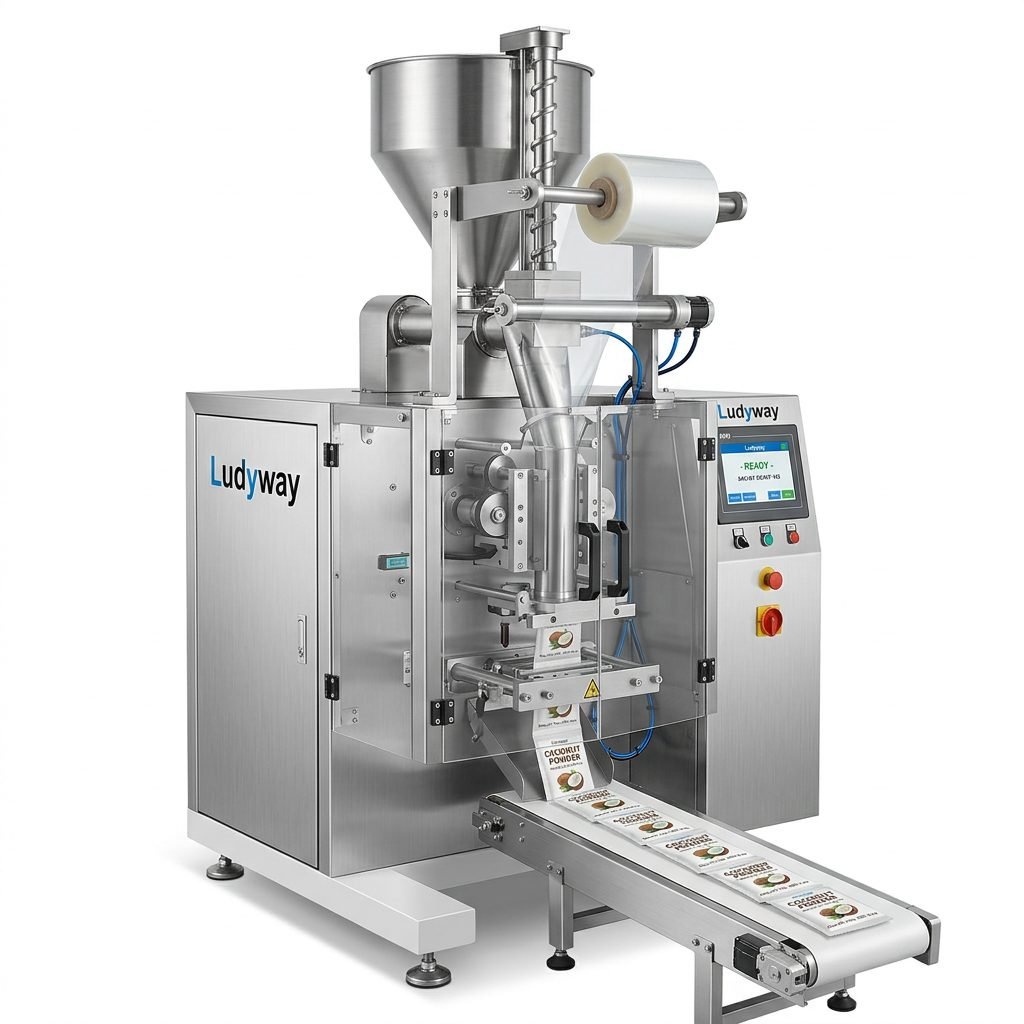
| Vertical form fill seal machine | 2–8 kW | Moderate |
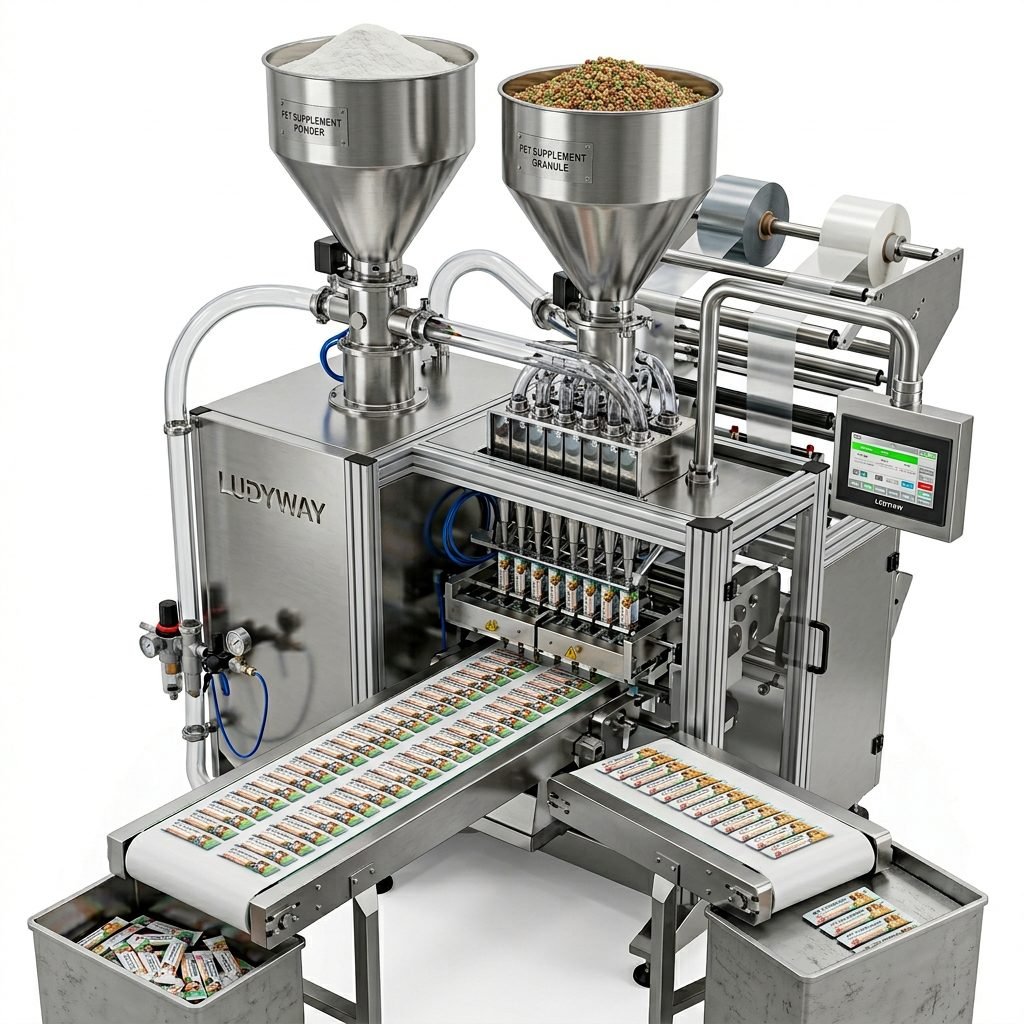
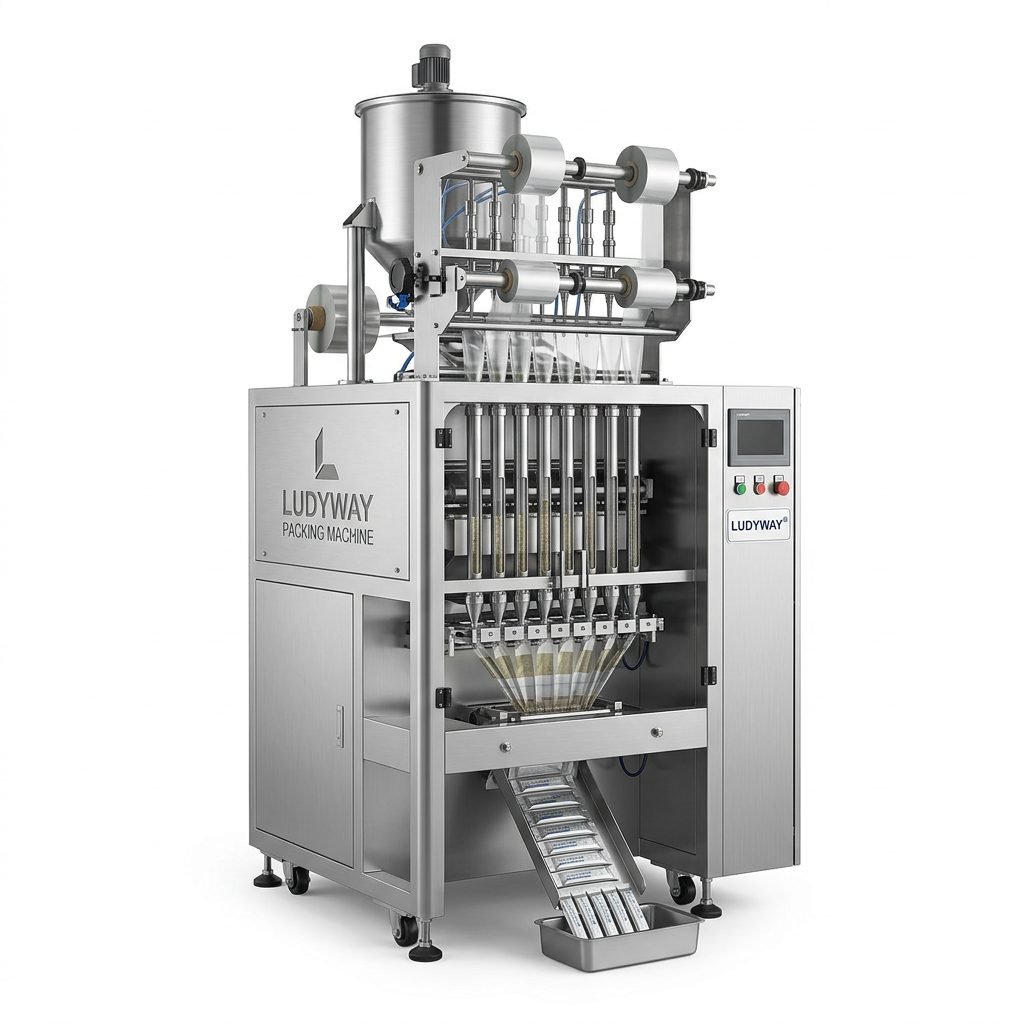
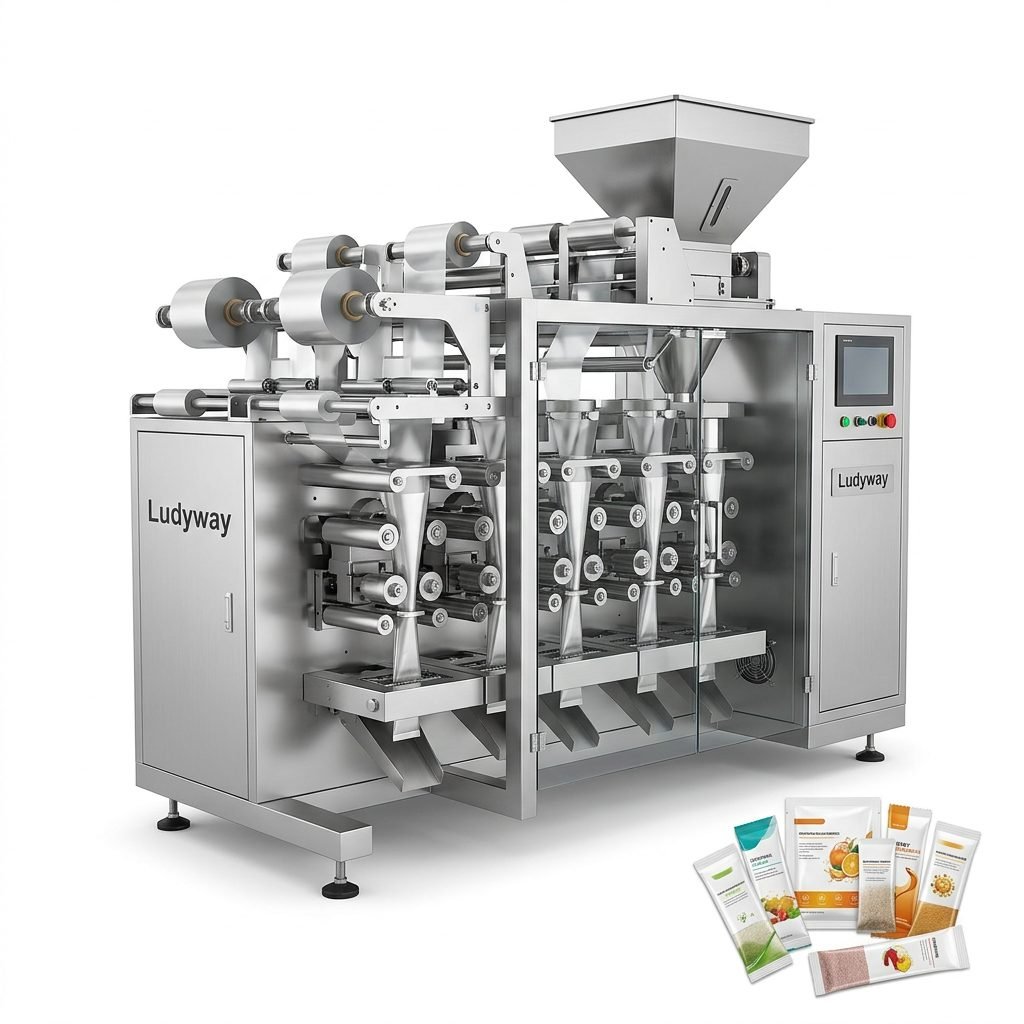
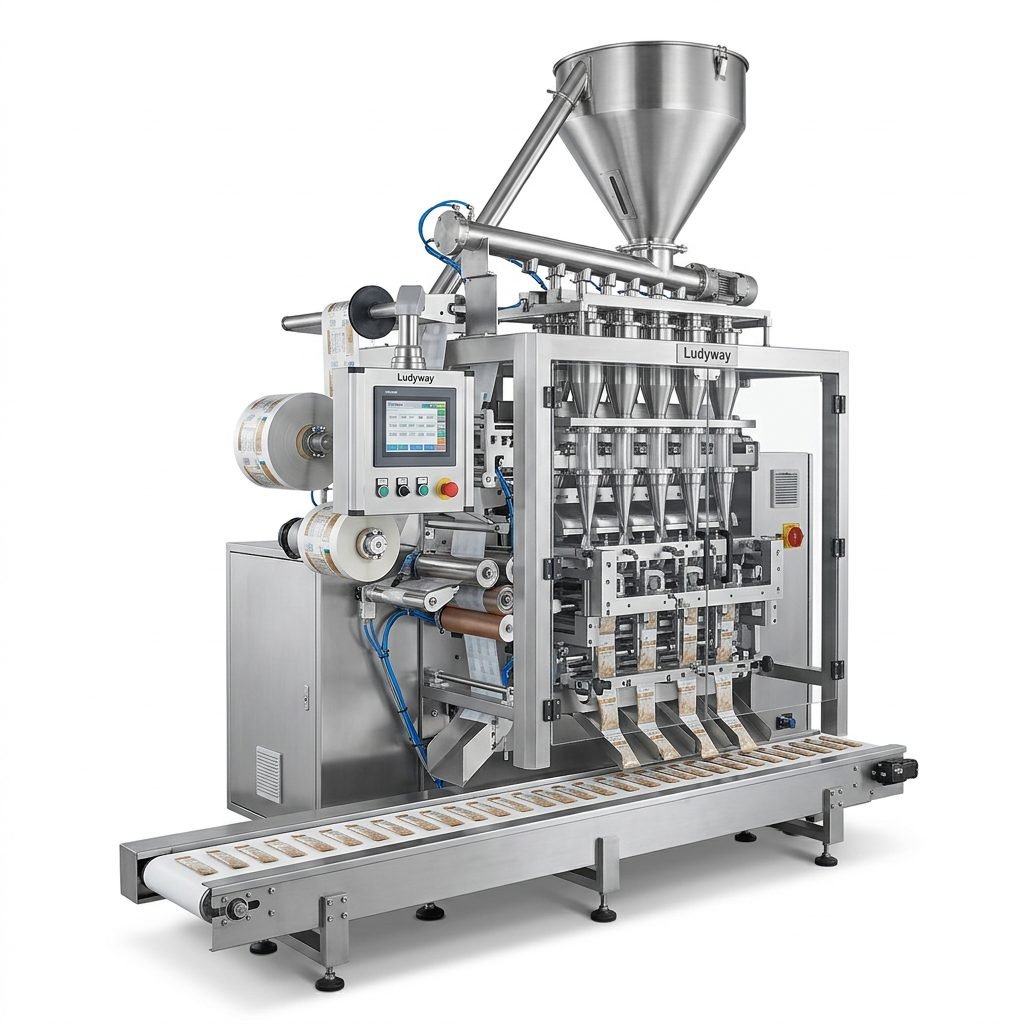
| Multi-lane sachet or stick pack machine | 4–15 kW | Moderate to high |
| Liquid filling and sealing machine | 3–10 kW | Moderate |
| Powder packaging line with feeders | 8–25 kW | High |
| Complete turnkey packaging line | 15–80+ kW | High, depending on integration |
If you are evaluating integrated systems from an experienced packaging machine manufacturer, always request both the rated power and the estimated average running load, because they are not the same.
Main Factors That Affect Packaging Machine Electricity Consumption
1. Machine Size and Automation Level
A standalone machine with manual feeding uses far less energy than a fully automated line with elevators, dosing systems, checkweighers, coding machines, cartoners, and palletizing equipment.
2. Product Type
Different products require different handling methods:
- Powders often need auger fillers, dust control, and stable sealing temperature.
- Liquids may require pumps, heated hoppers, or viscosity control.
- Granules may use vibratory feeders, cup fillers, or multihead weighers.
3. Packaging Speed
Higher output normally means more frequent motor operation and more continuous sealing, which increases electricity use. A machine running at 30 packs per minute will usually consume less energy than the same machine operating at 80 or 120 packs per minute.
4. Sealing Method and Heating Load
Heat sealing units are a major contributor to power consumption. Thicker laminate films or special barrier materials may require higher temperatures and longer dwell times.
5. Pneumatic Components
Many packaging machines use compressed air for jaw movement, cutting, dosing gates, and pouch handling. Even if the machine’s own electrical rating looks modest, the air compressor adds indirect energy cost.
6. Auxiliary Equipment
Do not calculate the core machine alone. Real production usually includes:
- Air compressor
- Vacuum feeder or screw feeder
- Bucket elevator
- Metal detector or checkweigher
- Date coder or printer
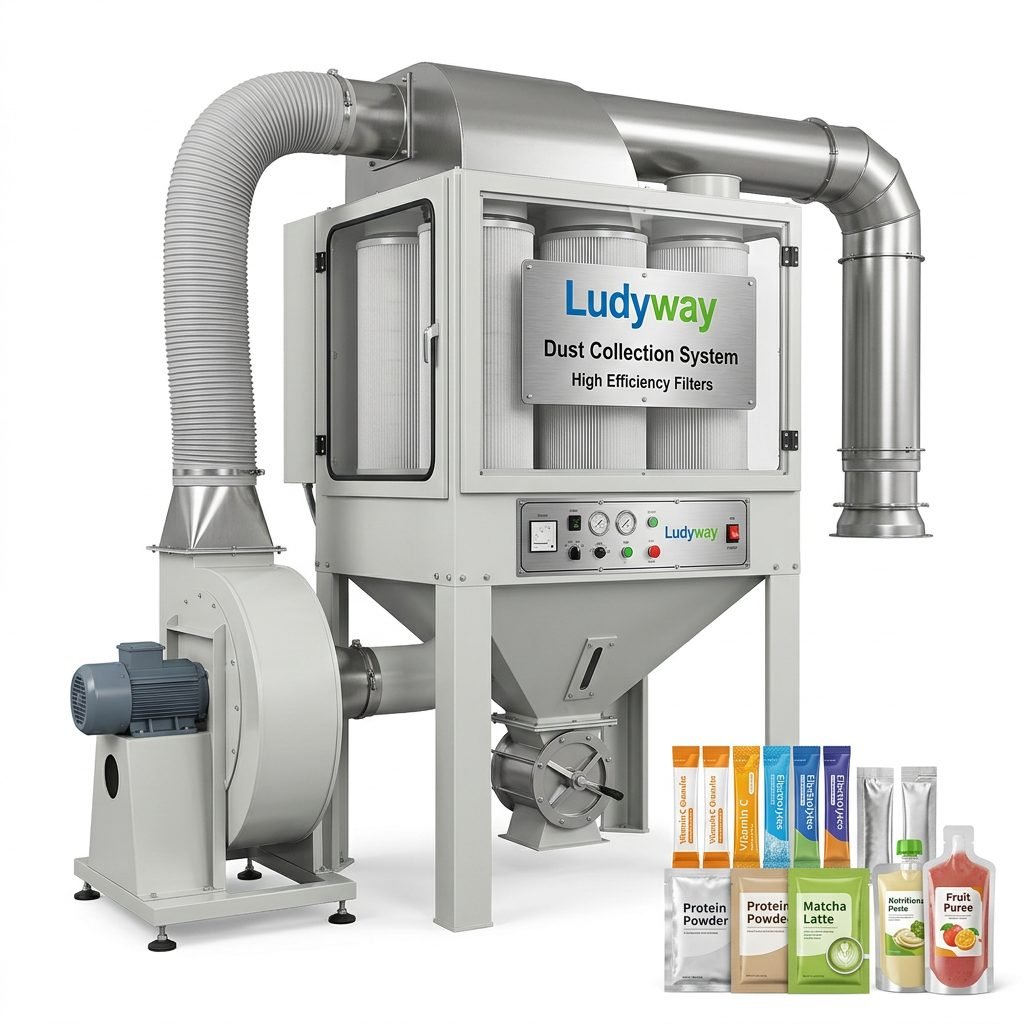
- Dust collector
- Conveyor systems
- Cartoning or case packing machines
How to Calculate Packaging Machine Energy Consumption
A basic formula is:
Energy Consumption (kWh) = Power (kW) × Operating Time (hours)
Then:
Electricity Cost = Energy Consumption (kWh) × Local Electricity Rate
Simple Example
Suppose your sachet packing machine has an average actual load of 6 kW and runs 8 hours per day.
- Daily energy use = 6 × 8 = 48 kWh
- If electricity costs $0.12/kWh, daily cost = 48 × 0.12 = $5.76
- Monthly cost at 26 working days = $149.76
If you add a 5 kW air compressor and 2 kW of conveyors and feeding systems, the total average load can rise significantly.
Estimated Daily and Monthly Running Cost Examples
| System | Average Load | 8-Hour Daily Use | Monthly Cost at $0.12/kWh |
|---|---|---|---|
| Semi-auto machine | 1.5 kW | 12 kWh | $37.44 |
| VFFS machine | 4 kW | 32 kWh | $99.84 |
| Multi-lane sachet machine | 8 kW | 64 kWh | $199.68 |
| Packaging line with auxiliaries | 18 kW | 144 kWh | $449.28 |
These are only reference figures, but they show why buyers should look at total system energy use, not just the nameplate on the main machine.
Does a Packaging Machine Use More Power at Startup?
Yes. Some equipment draws a higher load during startup, especially when:
- Sealing bars heat up from ambient temperature
- Servo motors accelerate to running speed
- Air systems pressurize
- Feeders and conveyors start simultaneously
However, startup peaks are usually brief. For cost planning, average running consumption matters more than momentary startup load. For electrical design, both values matter.
How Air Consumption Changes the Real Energy Bill
Many buyers underestimate compressed air. If your machine needs 0.4–0.8 m³/min of compressed air, the compressor may become a major energy user in the workshop.
Always ask suppliers for:
- Air pressure requirement
- Air consumption per minute
- Whether an external compressor is needed
- Recommended compressor size
In some plants, poor air system efficiency, leaks, and oversized compressors add more cost than expected. This is especially common in high-speed multi-lane packaging applications.
Which Packaging Machines Are More Energy Efficient?
Energy efficiency depends on design quality and production matching. In general, efficient systems often include:
- Servo-driven motion control
- Stable sealing temperature control
- Low-loss pneumatic design
- Smart standby or idle reduction features
- Accurate dosing to reduce material waste
- Integrated automation that avoids bottlenecks
A faster machine is not automatically less efficient. If a high-speed machine produces more packs in less time, the energy cost per unit may actually be lower.
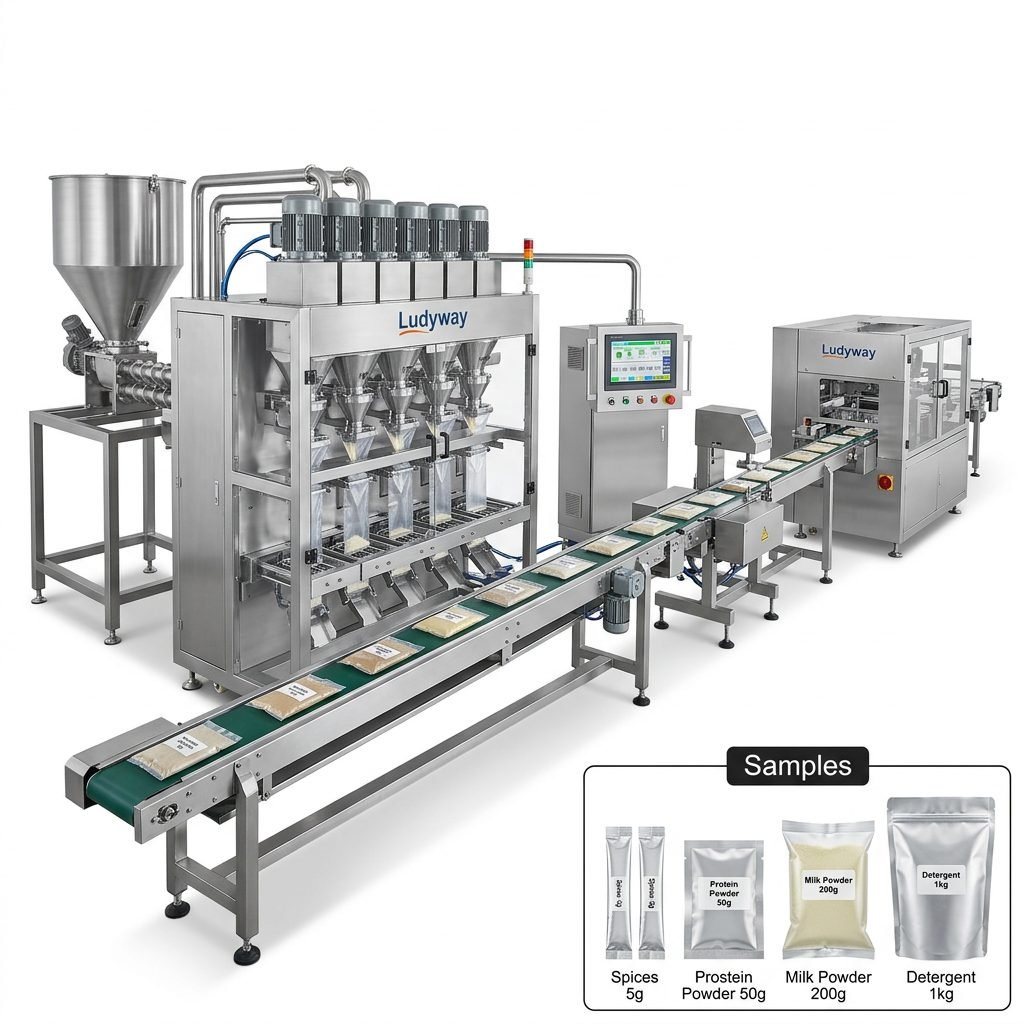
How to Reduce Packaging Machine Power Consumption
Choose the Right Machine Capacity
Oversized equipment wastes energy when running far below designed output. Match machine speed and configuration to your real production target.
Maintain Sealing and Motion Systems
Worn components, bad alignment, and unstable temperature control increase power use and reduce packaging quality.
Optimize Compressed Air
Fix leaks, maintain compressor efficiency, and avoid unnecessary air blow-offs.
Reduce Idle Running Time
Machines left heated and empty for long periods still consume energy. Production scheduling matters.
Integrate the Line Properly
Poor synchronization between feeder, filler, and downstream pack-off equipment leads to stops, jams, and wasteful cycling.
Power Consumption vs. Production Output
A better way to compare equipment is not just total kW, but:
Energy per 1,000 packs or energy per kilogram of product packed
For example:
- Machine A uses 5 kW and packs 30 bags/min
- Machine B uses 7 kW and packs 70 bags/min
Machine B uses more total power, but may consume much less electricity per bag produced. That is why serious cost analysis should combine power, speed, and actual output.
Questions to Ask Before Buying a Packaging Machine
- What is the rated electrical power?
- What is the average running power under real production conditions?
- Does the machine require compressed air? How much?
- What auxiliary equipment is included in the power estimate?
- What voltage and phase are required?
- What is the expected energy cost per hour or per 1,000 packs?
- Can the machine enter standby mode during pauses?
- How does product type affect energy usage?
Final Buying Insight
Most packaging machines consume anywhere from 1 kW to 15 kW for standalone equipment, while complete packaging lines can reach much higher depending on automation level and auxiliary systems. The true cost depends on average load, production hours, air usage, and local electricity rates.
If you want an accurate estimate, the best approach is to review your product form, packaging format, target speed, and line layout with the supplier. A proper technical proposal should show not only machine performance, but also realistic utility requirements and running cost expectations.
Quick Takeaway
- Do not rely only on rated power
- Include compressors and auxiliary equipment
- Calculate cost in kWh, not just kW
- Compare energy use per pack, not only per machine
- Choose a system sized for your actual production needs