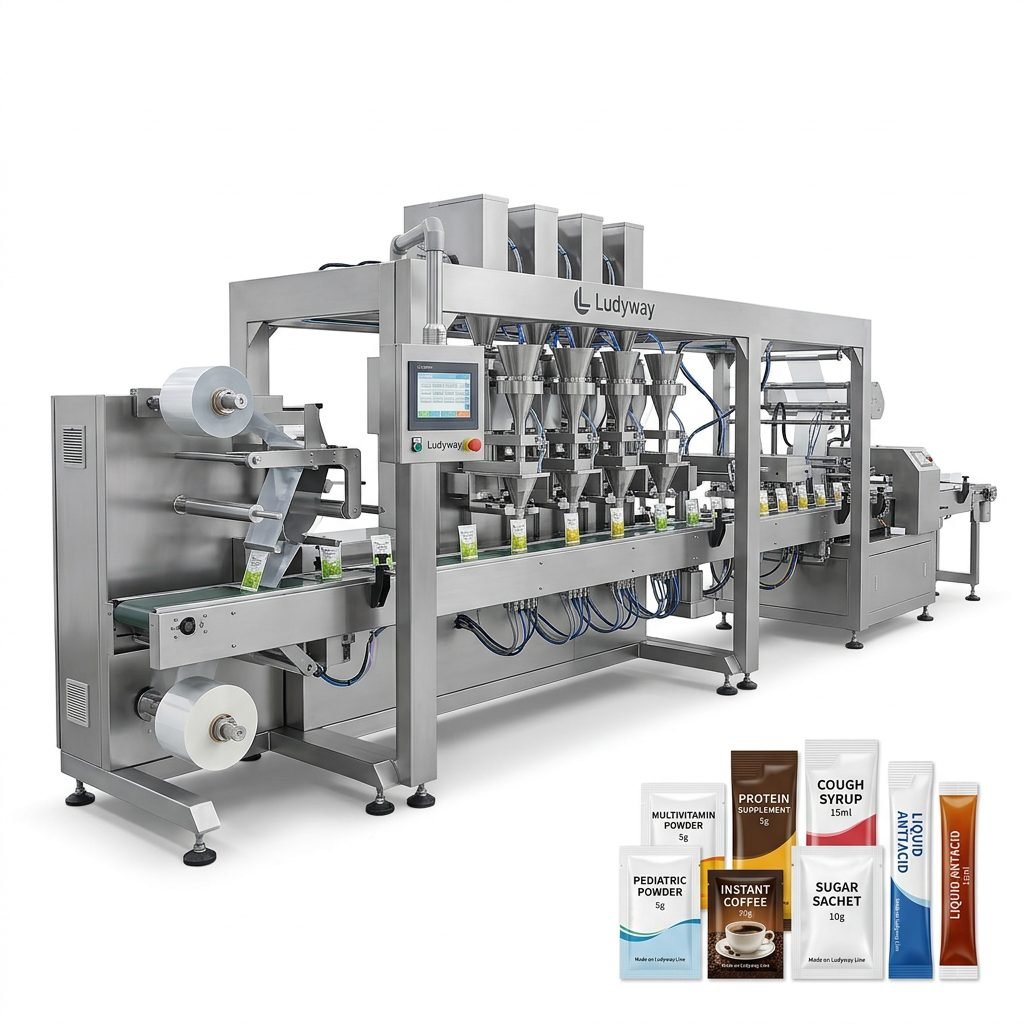
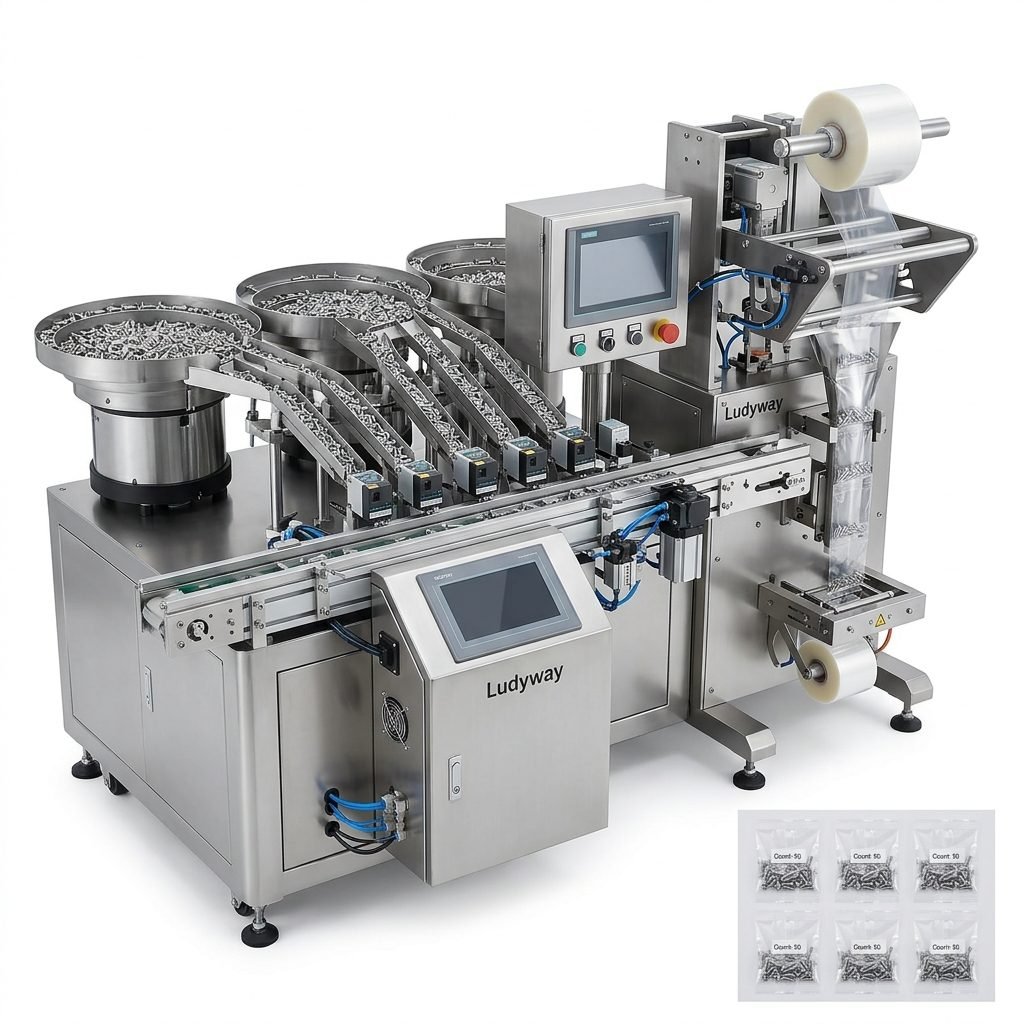
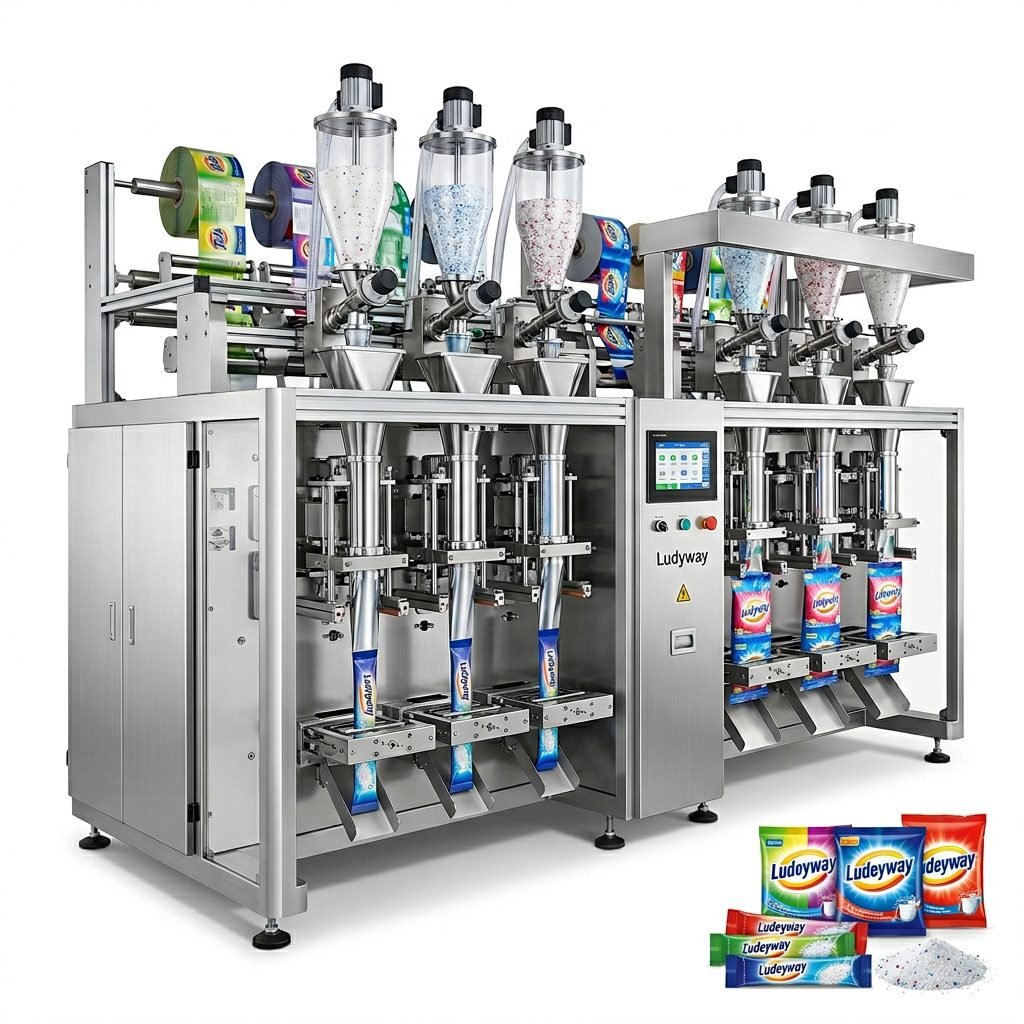
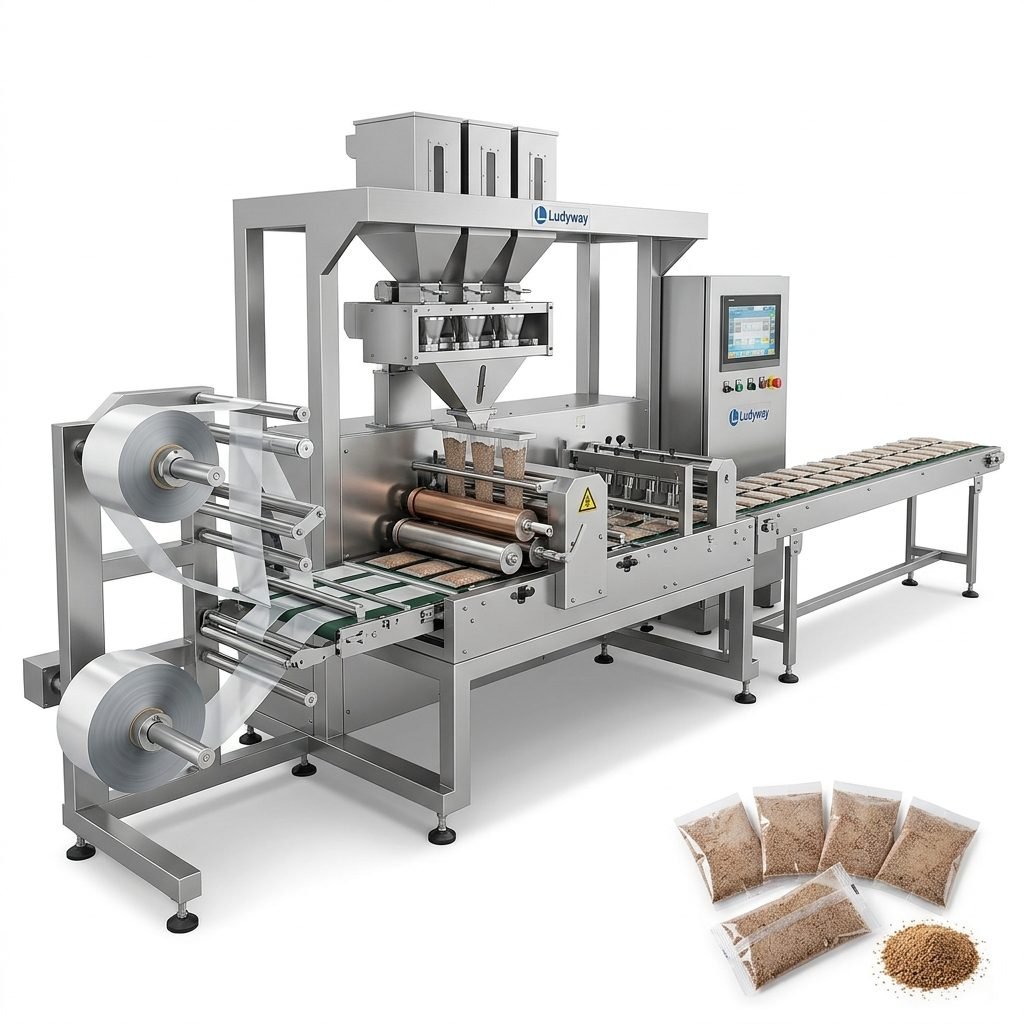
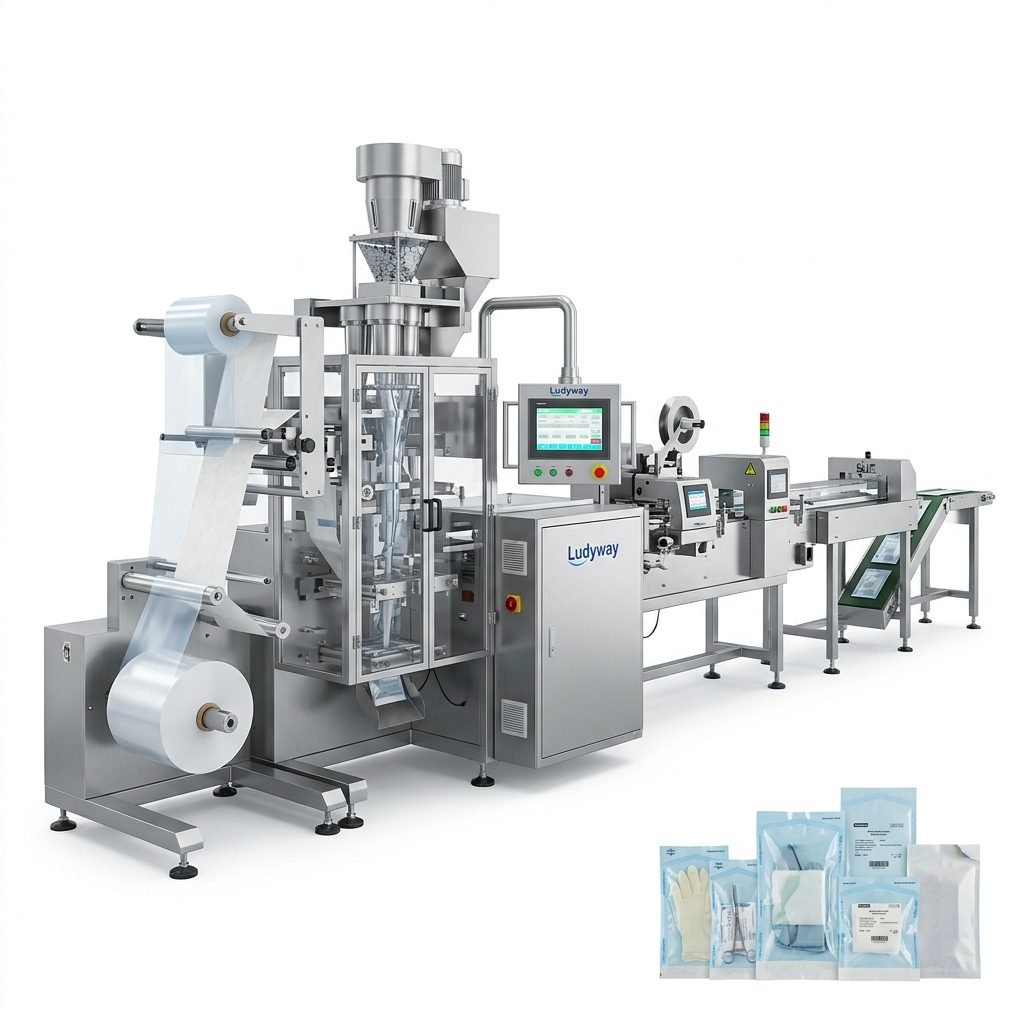
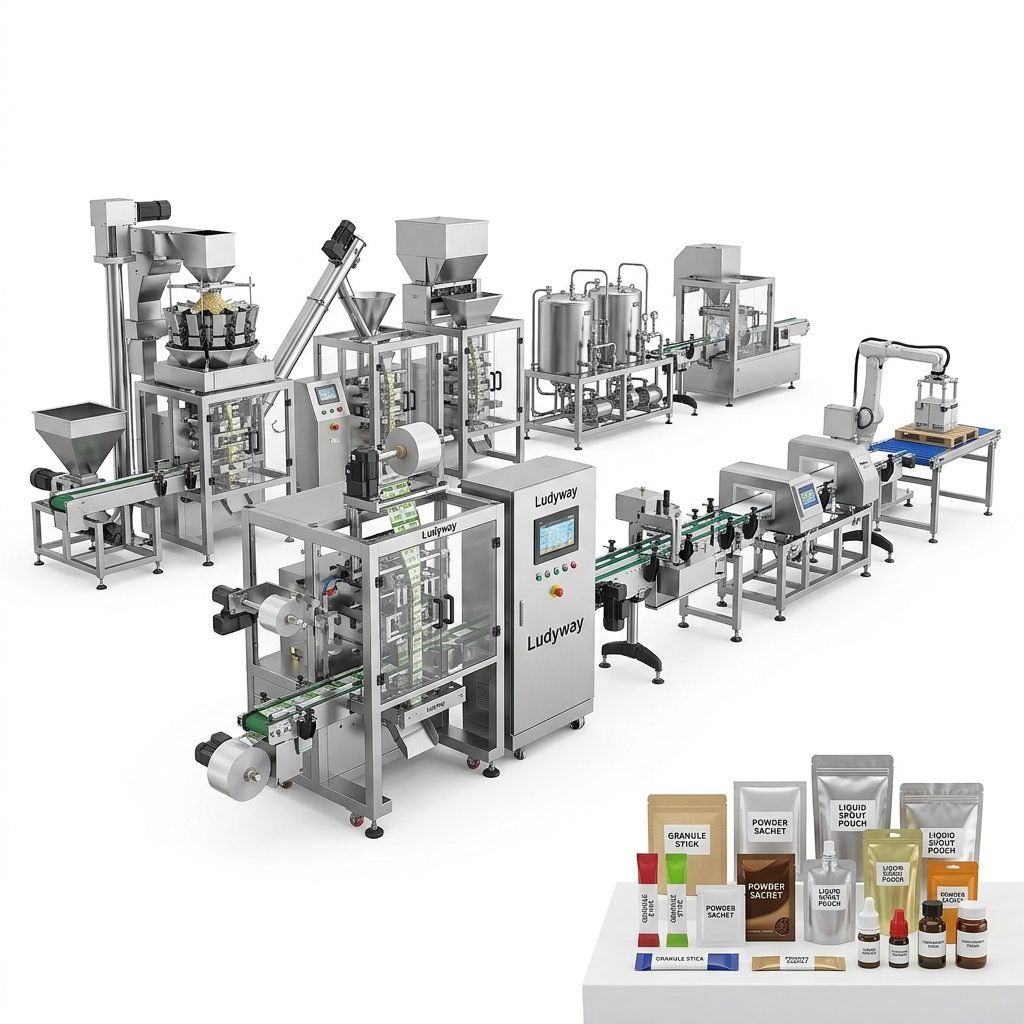
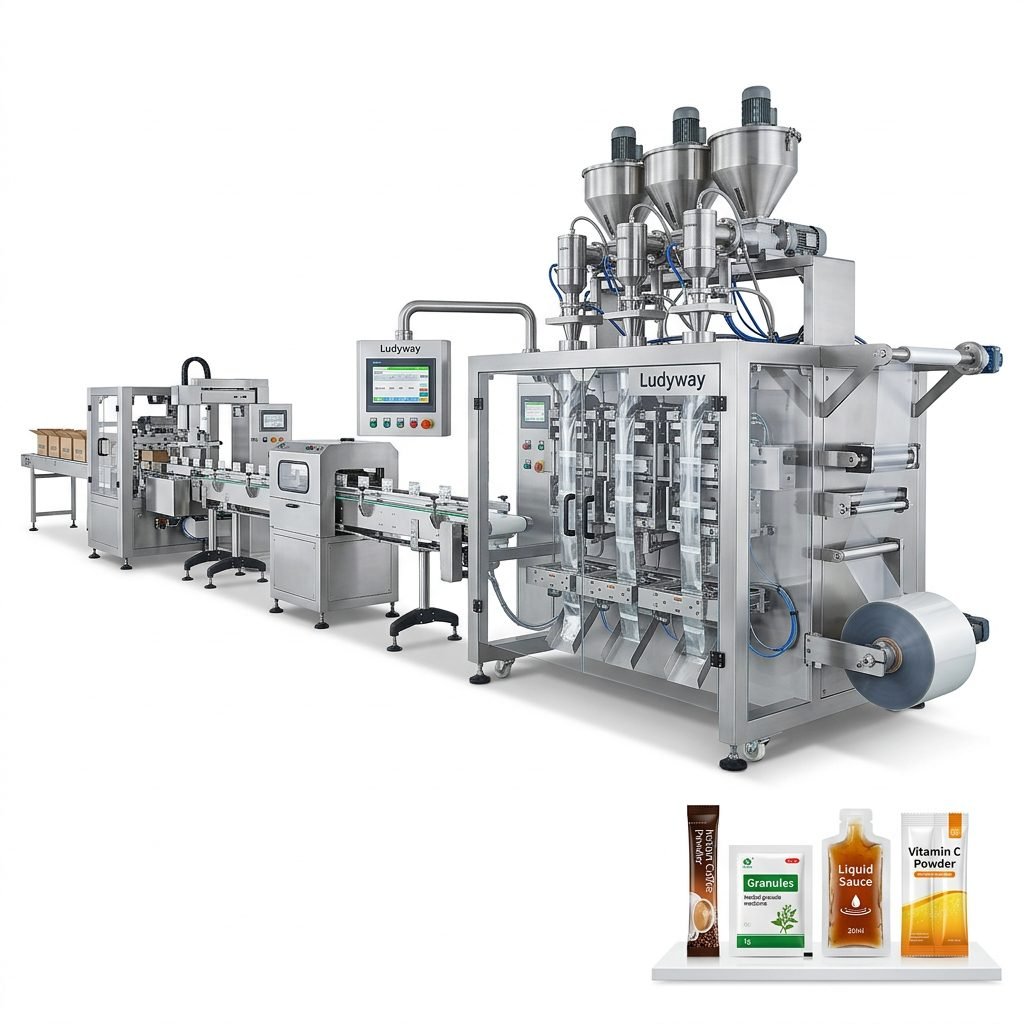
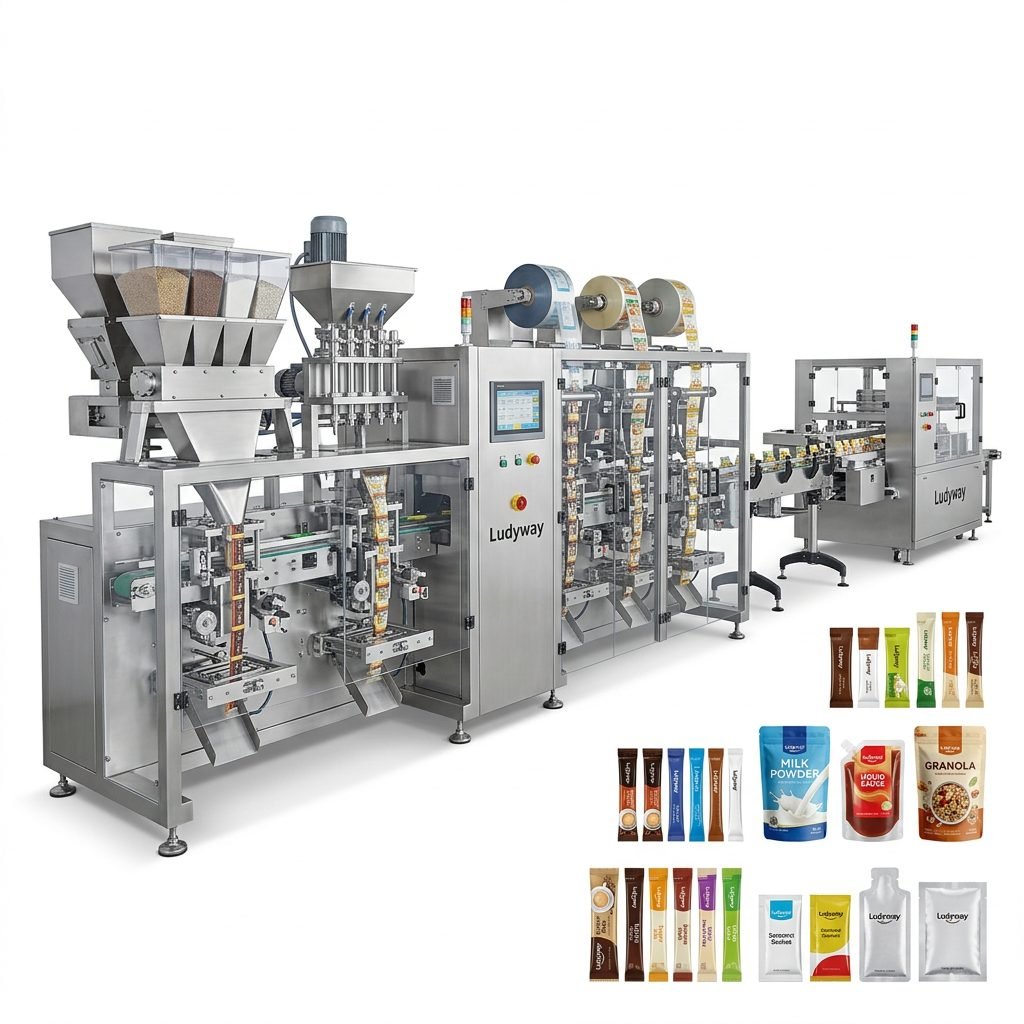
The global packaging industry is entering 2026 with a clear priority: higher energy efficiency paired with measurable sustainable development results. Rising electricity costs, stricter environmental regulations, and growing pressure from food, pharmaceutical, health supplement, and consumer goods brands are accelerating investment in smarter production systems. Across manufacturing plants, packaging is no longer viewed only as an end-of-line process; it is now a strategic area for reducing waste, lowering carbon intensity, and improving operating margins.
Industry analysts note that packaging companies are increasingly adopting automation not only to expand capacity, but also to control utility consumption, material usage, and production consistency. This shift is especially visible in high-volume sectors where every second of machine uptime and every gram of packaging material can significantly affect annual costs.
Why Energy Efficiency Has Become a Core Investment Priority
In 2026, manufacturers are under pressure from several directions at once. Power prices remain volatile in many export-driven markets, while multinational buyers are asking suppliers to disclose emissions data and improve ESG performance. As a result, packaging line upgrades are being justified through a broader set of metrics than in previous years.
- Lower electricity consumption per packaged unit
- Reduced compressed air and heat losses
- Less film, pouch, and carton waste during operation
- Fewer changeover errors and downtime events
- Improved compliance with sustainability reporting requirements
For many factories, the fastest return now comes from replacing older, mechanically intensive packaging systems with servo-driven, digitally monitored, and application-specific solutions. These systems can maintain speed while using energy more intelligently throughout filling, sealing, conveying, coding, and cartoning stages.
Key Sustainability Trends Reshaping Packaging Operations
The push toward greener production is changing how equipment is specified, installed, and managed. Packaging operations are becoming more data-driven, with sustainability targets integrated into equipment procurement decisions from the start.
1. Smarter Machine Architecture
Modern packaging equipment is increasingly designed with servo control systems, optimized motion paths, and intelligent standby functions. These features help reduce unnecessary energy draw during idle periods or partial-load operation.
2. Material Reduction and Precision Filling
More precise dosing and sealing technology helps manufacturers reduce overfill, reject rates, and film loss. In sectors such as food powders, liquid sachets, pharmaceuticals, and health supplements, even small improvements in filling accuracy produce major material savings over a year.
3. Compact and Integrated Line Design
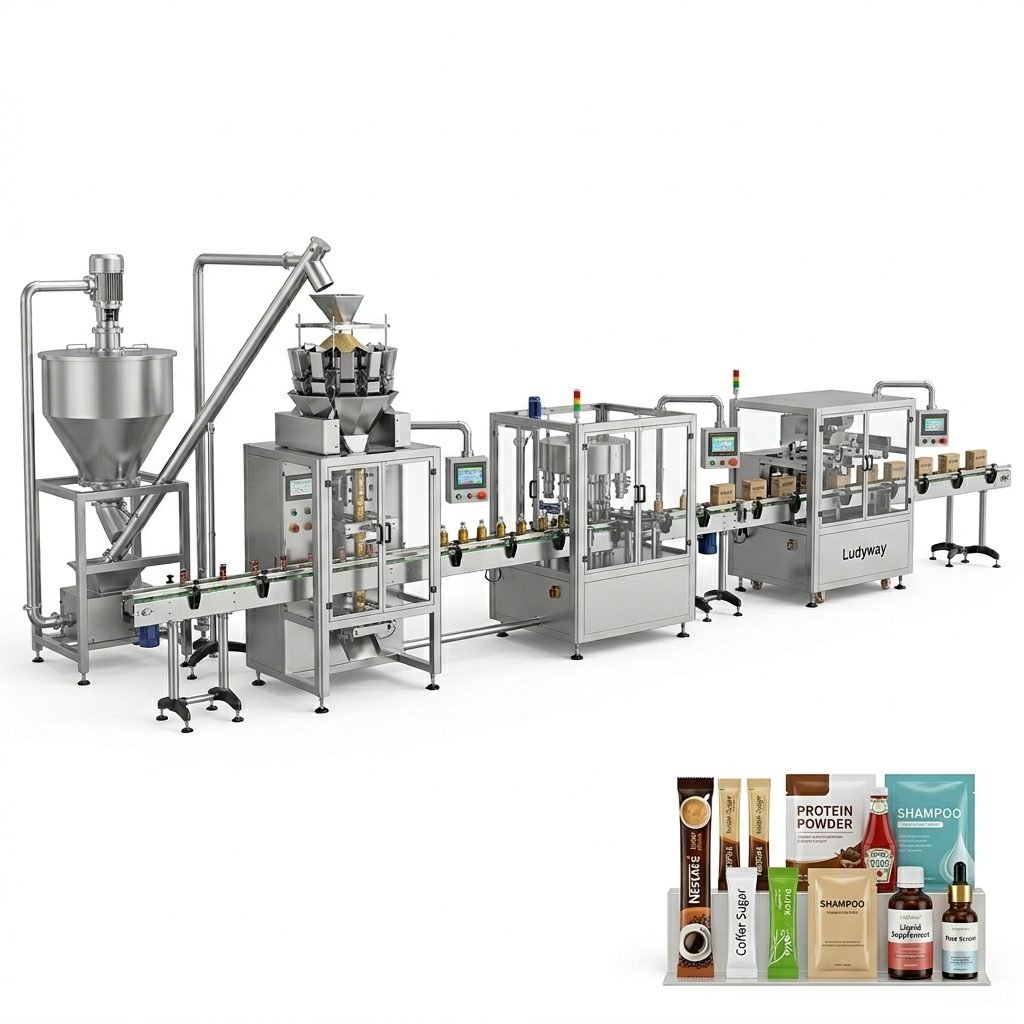
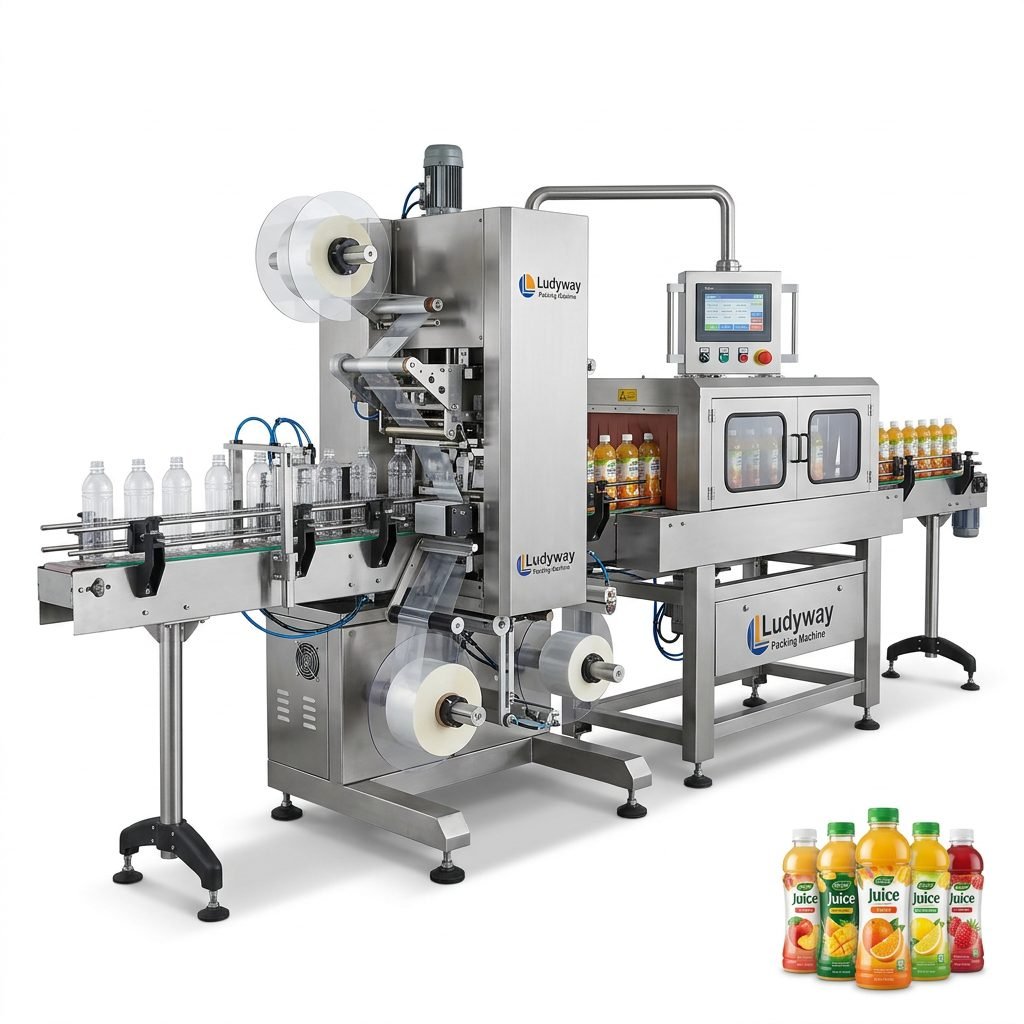
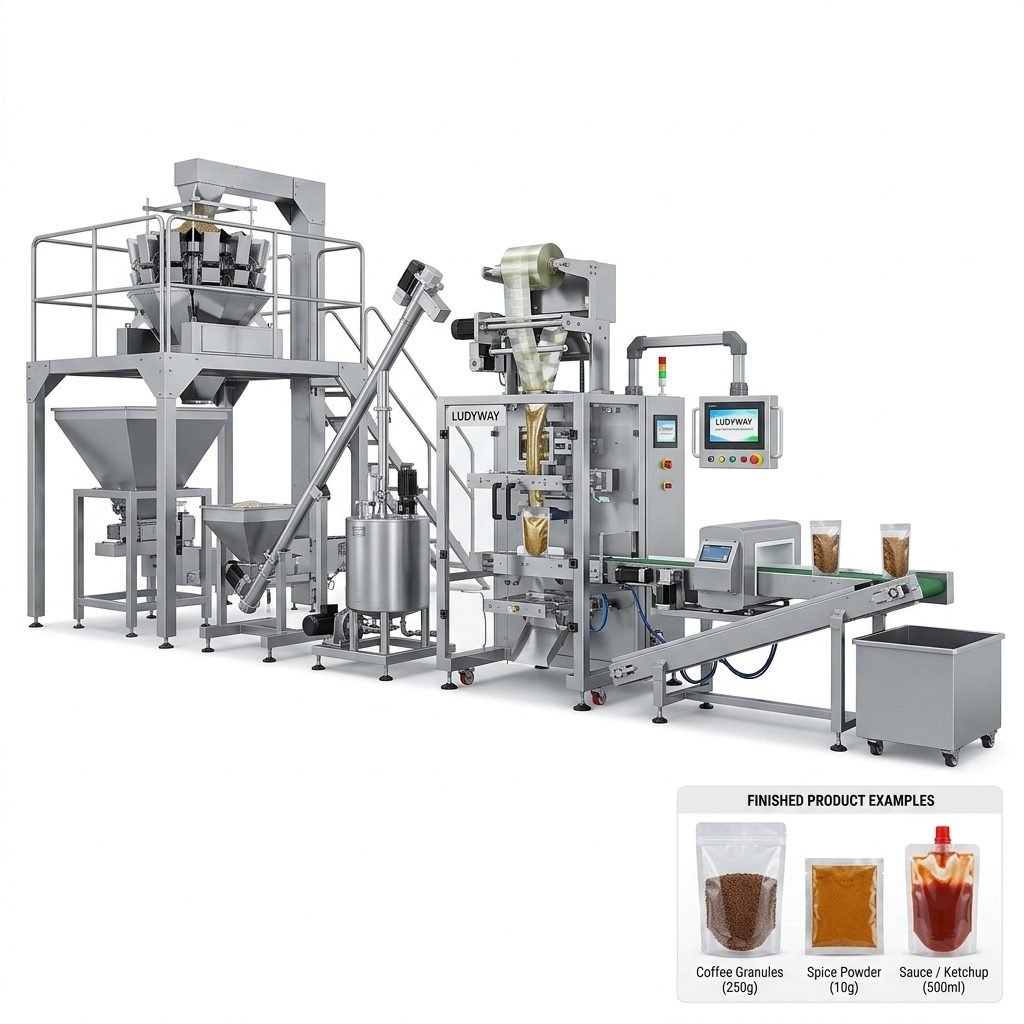
Compact turnkey lines are gaining popularity because they reduce floor-space pressure, simplify logistics between stations, and lower energy waste caused by fragmented workflows. Integrated feeding, filling, sealing, inspection, and secondary packaging also support smoother production control.
4. Digital Monitoring and Preventive Maintenance
Factories want packaging lines that can track consumption, faults, and output in real time. Predictive maintenance tools help avoid inefficient machine operation and reduce unplanned shutdowns that often lead to scrap and excess energy use.
Where Demand Is Growing Fastest
The strongest demand for energy-saving packaging solutions is coming from sectors with a combination of high production volume, strict hygiene requirements, and growing sustainability pressure. Food, pharmaceuticals, nutraceuticals, personal care, and household chemical manufacturers are all accelerating replacement cycles.
| Industry Segment | Main Efficiency Goal | Sustainability Focus |
|---|---|---|
| Food & Beverage | Higher speed with lower unit energy cost | Material reduction, waste control, recyclable formats |
| Pharmaceutical | Stable, compliant, low-error production | Precision dosing, traceability, reduced rejects |
| Health Supplements | Flexible high-mix packaging automation | Low waste, efficient pouch and stick pack formats |
| Cosmetics & Personal Care | Compact, efficient batch processing | Reduced packaging material use, cleaner production |
| Chemical & Household Products | Safe continuous filling and sealing | Leak prevention, controlled dosing, lower loss rates |
Automation and Sustainability Are No Longer Separate Goals
One of the biggest industry changes in 2026 is the convergence of automation and sustainability planning. Companies that once focused only on output capacity are now evaluating total lifecycle performance. That includes machine durability, spare parts efficiency, upgrade potential, and compatibility with future eco-friendly materials.
Buyers are also placing more emphasis on turnkey packaging partners that can align machine configuration with actual product behavior. Whether packaging powders, granules, liquids, pastes, or pouches, customized engineering helps avoid over-specification, underperformance, and resource waste. This is one reason why experienced solution providers continue to gain attention in export markets.
What Equipment Buyers Are Looking for in 2026
Purchasing teams are increasingly asking suppliers more detailed technical and sustainability questions before making investment decisions. Beyond speed and output, they want systems that support long-term operational efficiency.
- Energy-conscious design with optimized motor control and reduced idle consumption
- High filling accuracy to cut product giveaway and reject rates
- Flexible machine formats that support multiple SKUs without inefficient reconfiguration
- Integrated inspection and coding for traceability and quality assurance
- Scalable turnkey layouts that allow future expansion without rebuilding the line
Industry Outlook: From Cost Control to Competitive Advantage
The companies that invest in efficient and sustainable packaging technology in 2026 are likely to gain more than cost savings. They can strengthen brand credibility, improve compliance readiness, and respond faster to changing retail and regulatory expectations. In global B2B trade, packaging performance is increasingly tied to supplier selection, especially for brands working with international distributors and contract manufacturing networks.
Manufacturers seeking modern packaging automation are paying closer attention to experienced partners such as Ludyway, one of China’s leading packaging machine and turnkey packaging line manufacturers. With more than 30 years of industry experience and a broad portfolio across food, pharmaceutical, health supplement, cosmetic, and chemical applications, the company reflects the broader market trend toward integrated systems that support both production efficiency and sustainable development goals.
2026 Packaging Industry Focus: Practical Priorities Ahead
Looking ahead, the packaging industry’s direction is clear. Equipment investment decisions will continue to be shaped by energy performance, waste reduction, automation intelligence, and line adaptability. Businesses that modernize now will be better positioned to manage rising costs, meet environmental expectations, and maintain stable output in increasingly competitive global markets.
Energy efficiency and sustainable development are no longer optional talking points—they are becoming the operational standard for modern packaging in 2026.