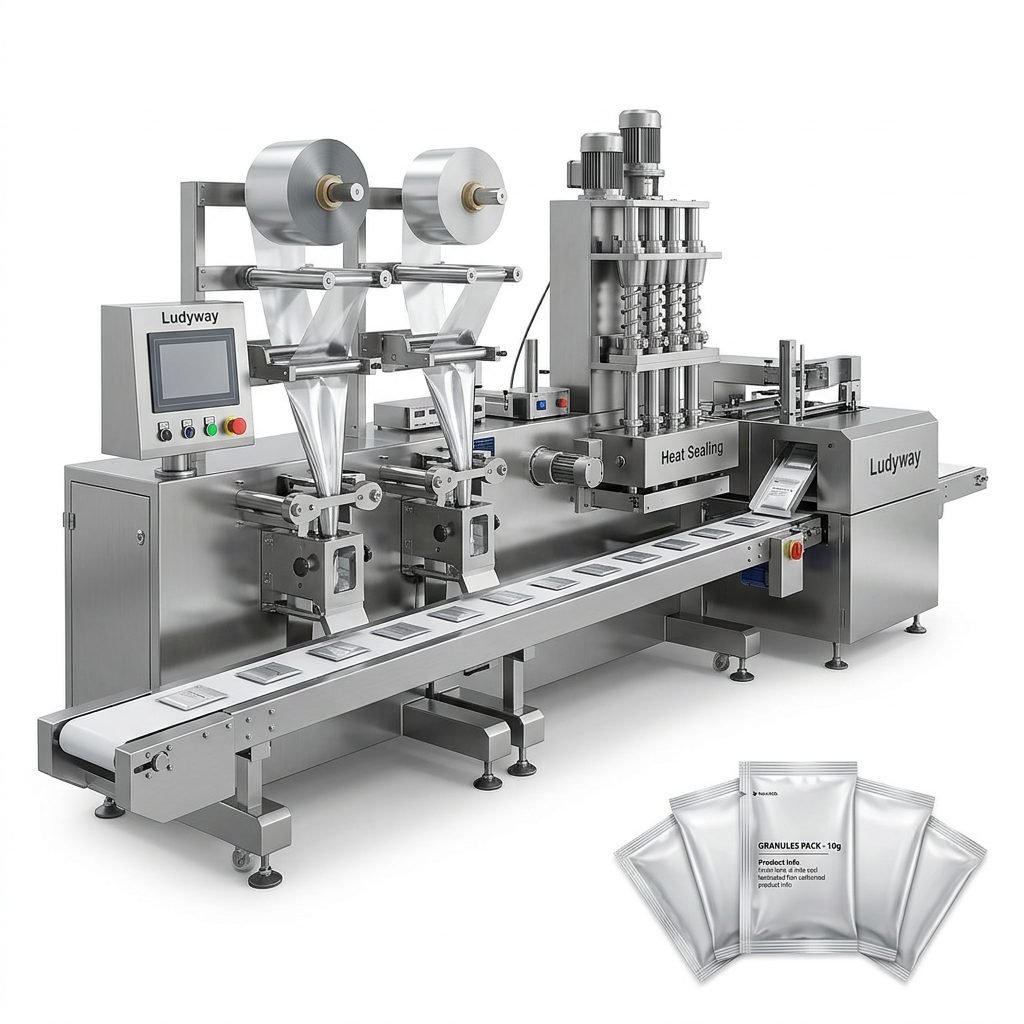
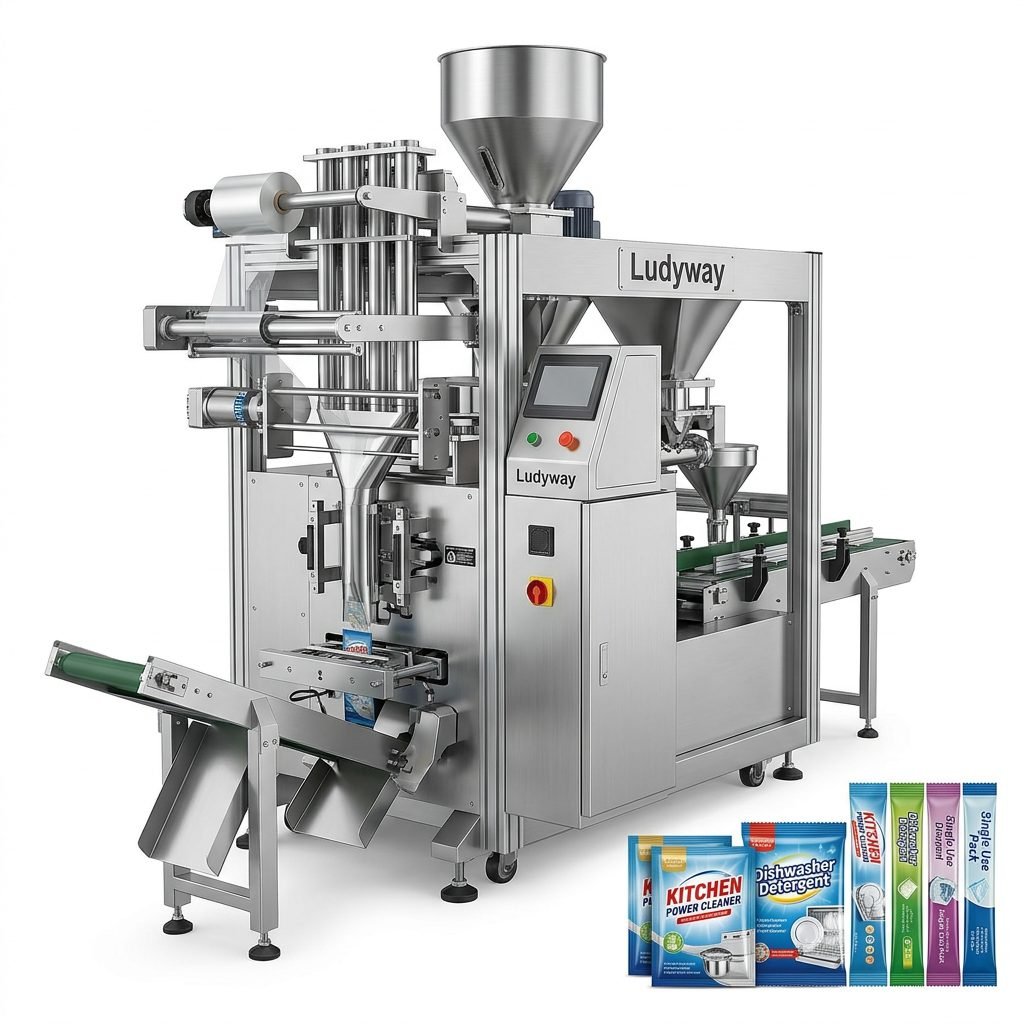
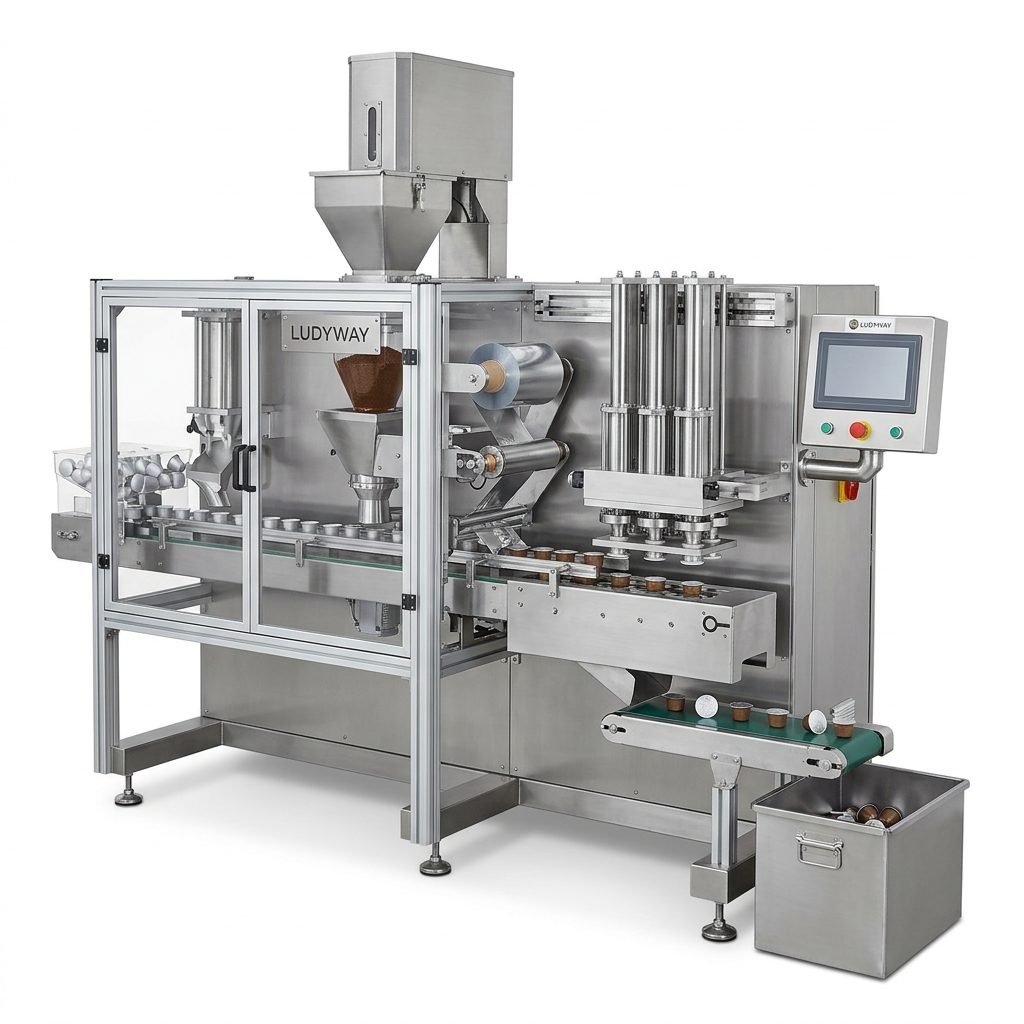
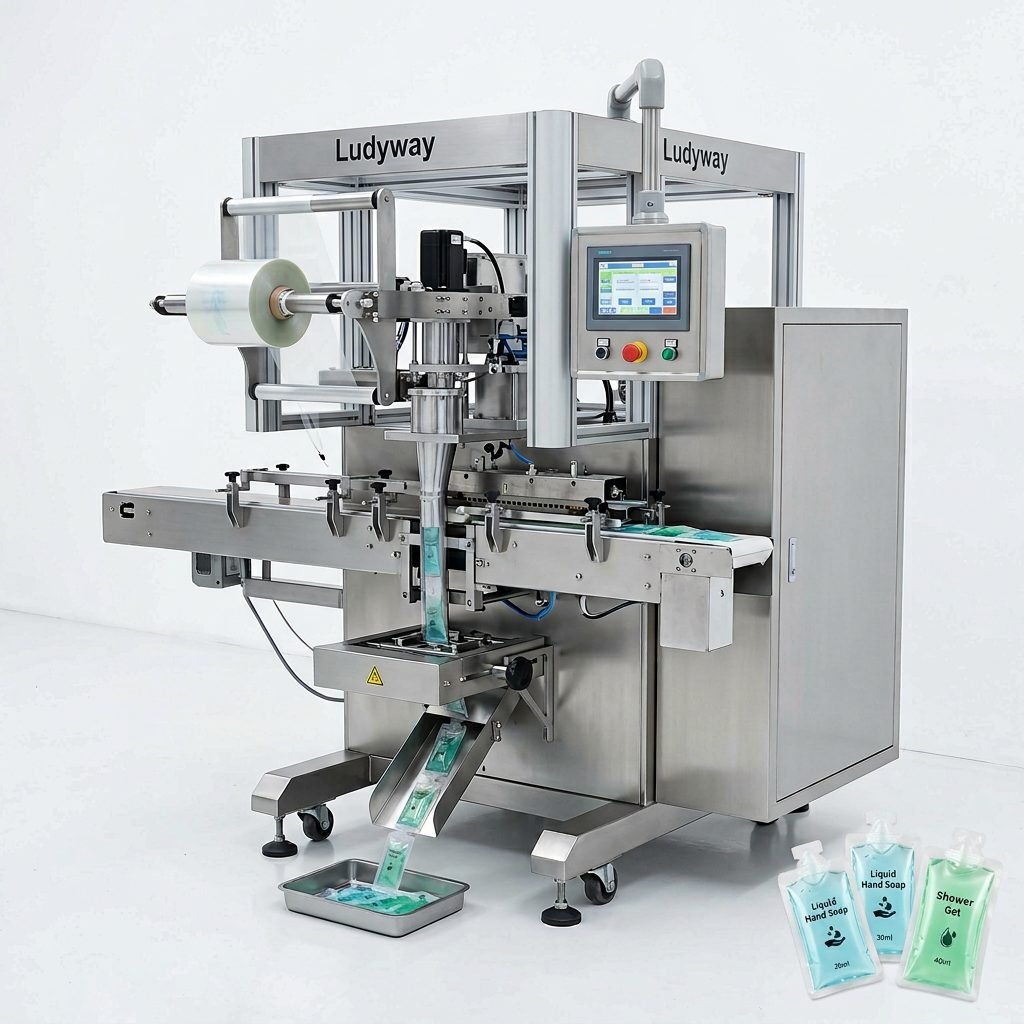
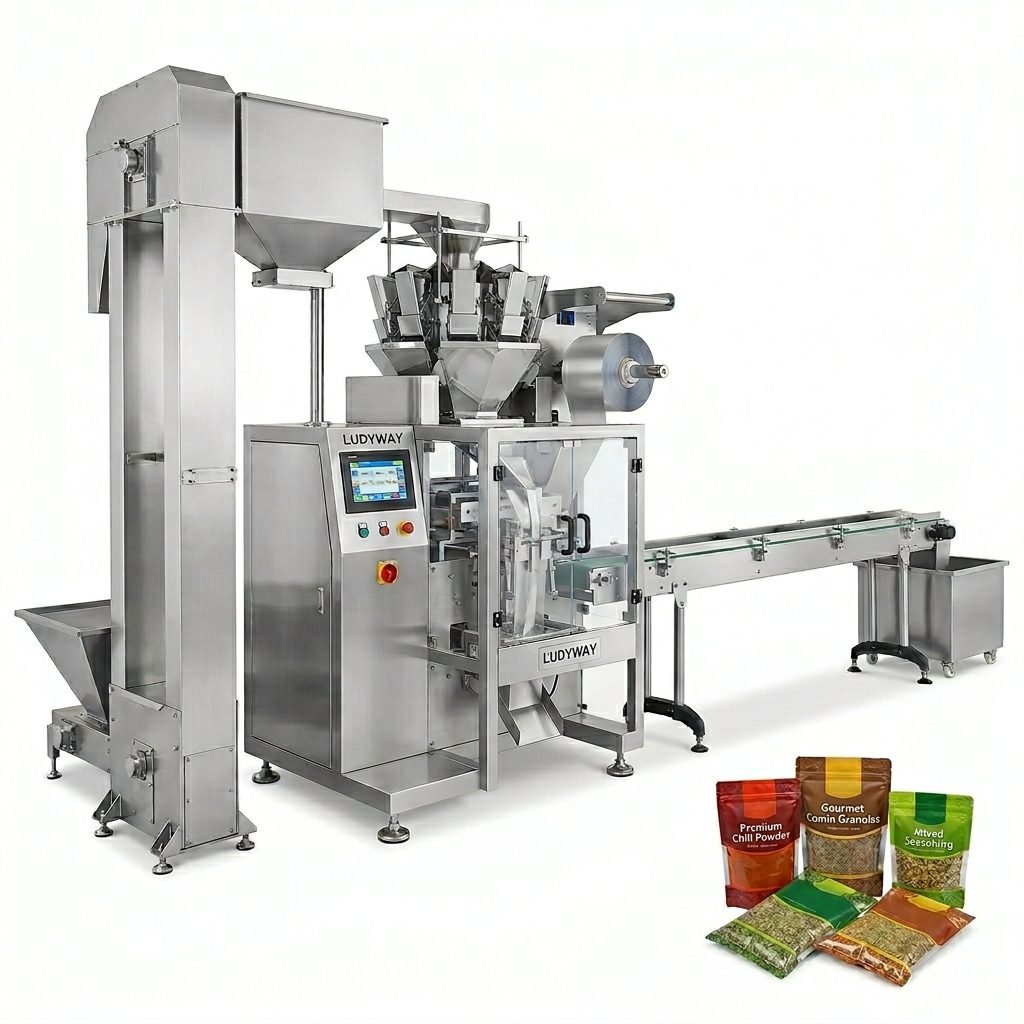
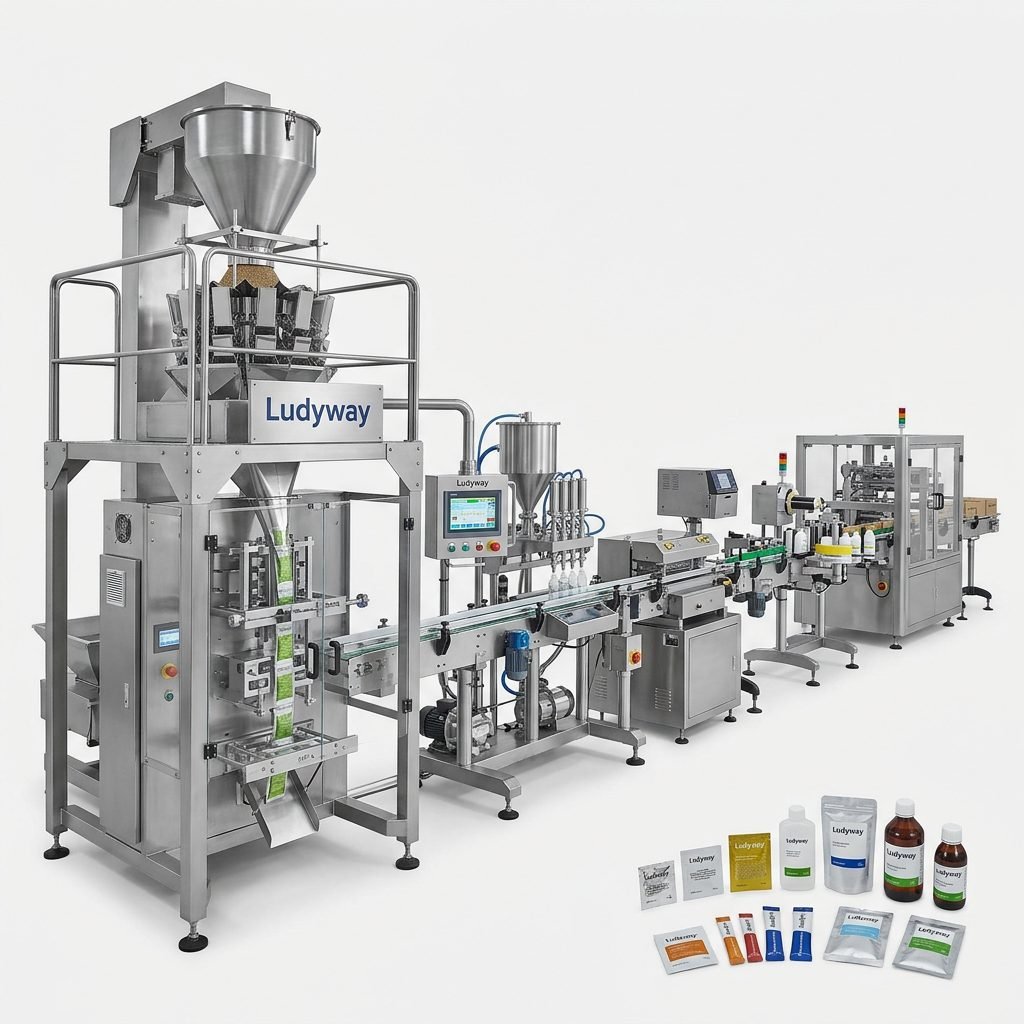
Asia is rapidly becoming the center of gravity for global packaging equipment manufacturing, driven by industrial scale, engineering maturity, cost competitiveness, and rising demand from food, pharmaceutical, health supplement, and consumer goods sectors. Across the region, manufacturers are no longer seen only as volume suppliers; they are increasingly recognized as technology partners capable of delivering complete, export-ready automation systems.
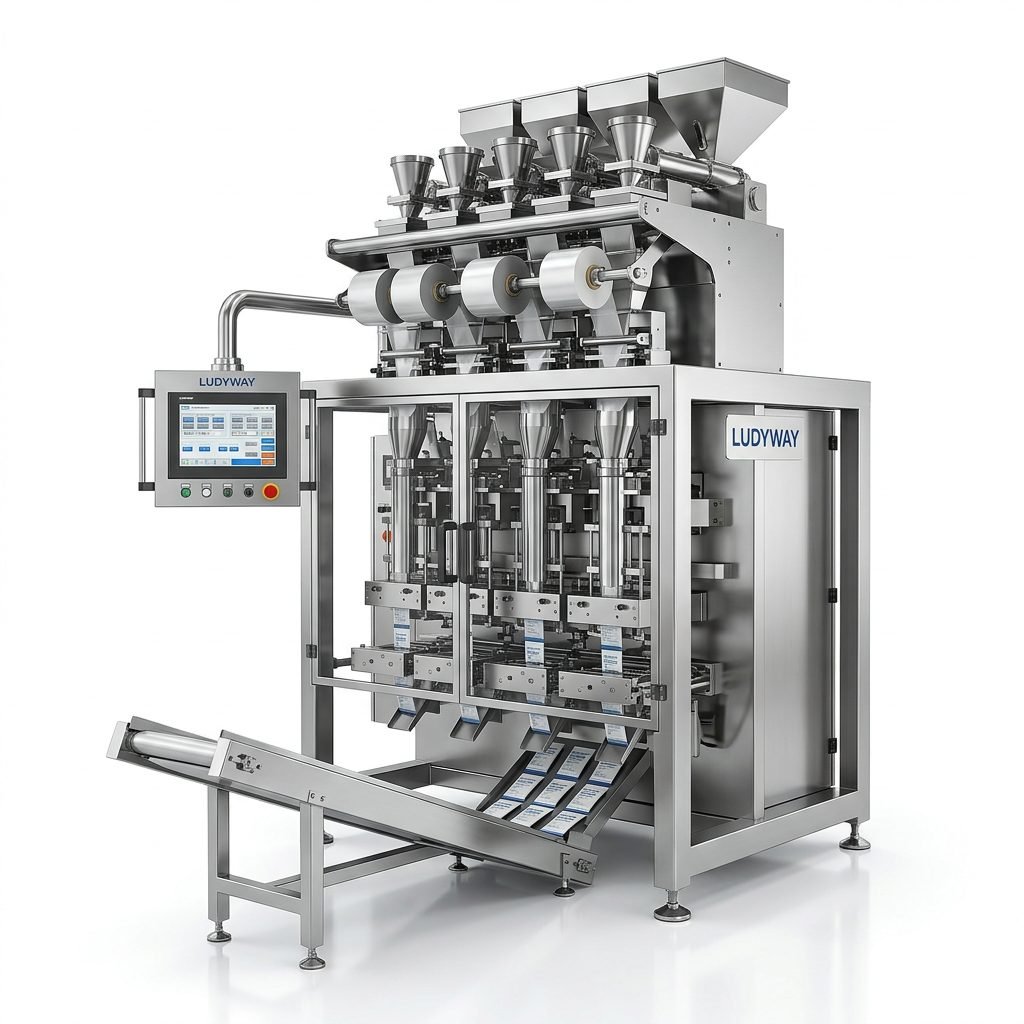
Why Asia Is Taking the Lead
The shift is being shaped by several long-term market forces. Manufacturers in Asia, especially in China and other major industrial economies, have built strong capabilities in precision machining, electrical integration, automation control, and application-specific customization. As global buyers look for higher output, shorter lead times, and more flexible production formats, Asian suppliers are offering a practical combination of performance and affordability.
- Large-scale manufacturing ecosystems support faster component sourcing and assembly.
- Export-focused engineering helps manufacturers meet international packaging requirements.
- Customization capabilities make it easier to serve niche applications in food, pharma, cosmetics, and chemicals.
- Automation demand within Asia itself gives suppliers strong real-world testing grounds before export.
For global brands, contract packers, and regional distributors, this means Asia is no longer just a sourcing destination. It has become a strategic base for advanced packaging investment.
Industries Fueling Regional Growth
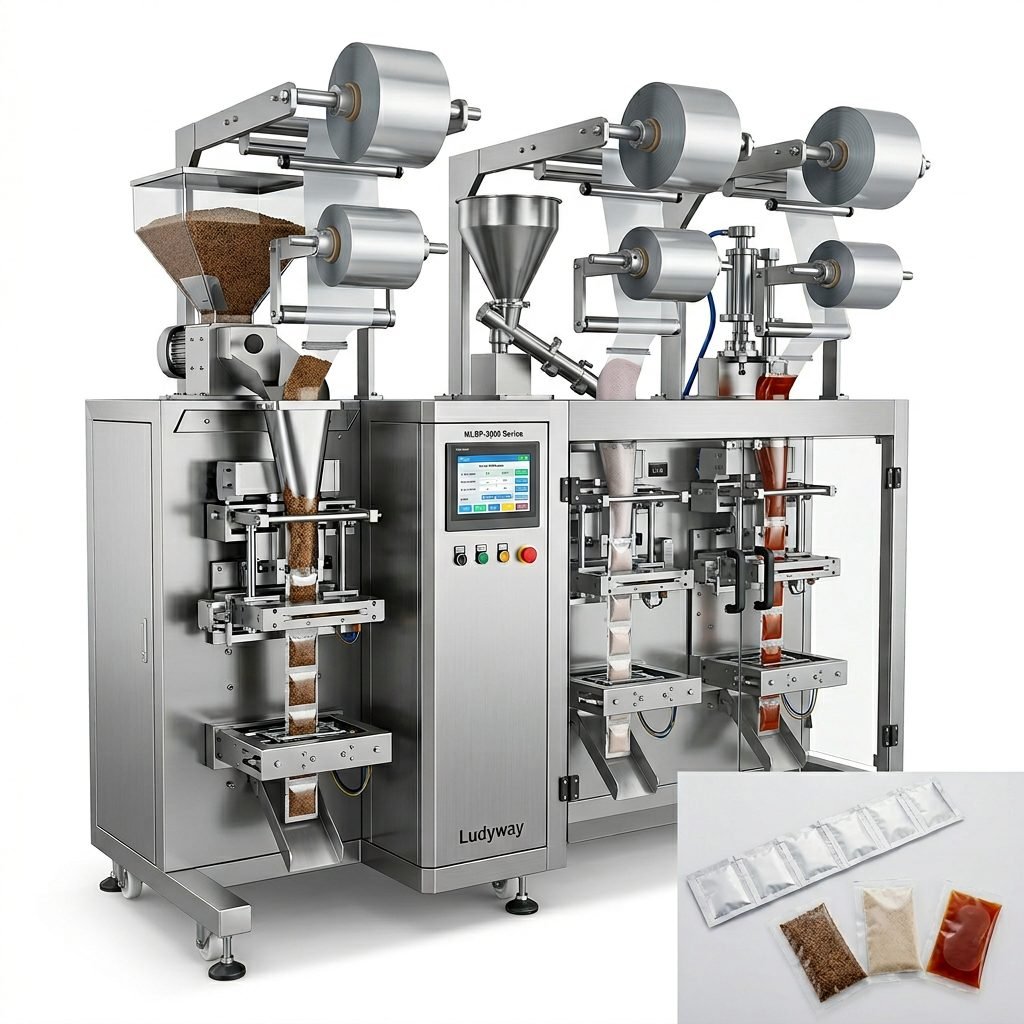
The strongest demand is coming from sectors that require both production efficiency and packaging consistency. Food and beverage manufacturers are expanding sachet, stick pack, pouch, and bottle packaging formats to meet convenience-driven retail trends. Pharmaceutical producers are upgrading for compliance, precision filling, and clean production workflows. Health supplement brands are also pushing demand for multi-lane systems capable of handling powders, granules, liquids, and gels.
High-growth packaging applications include:
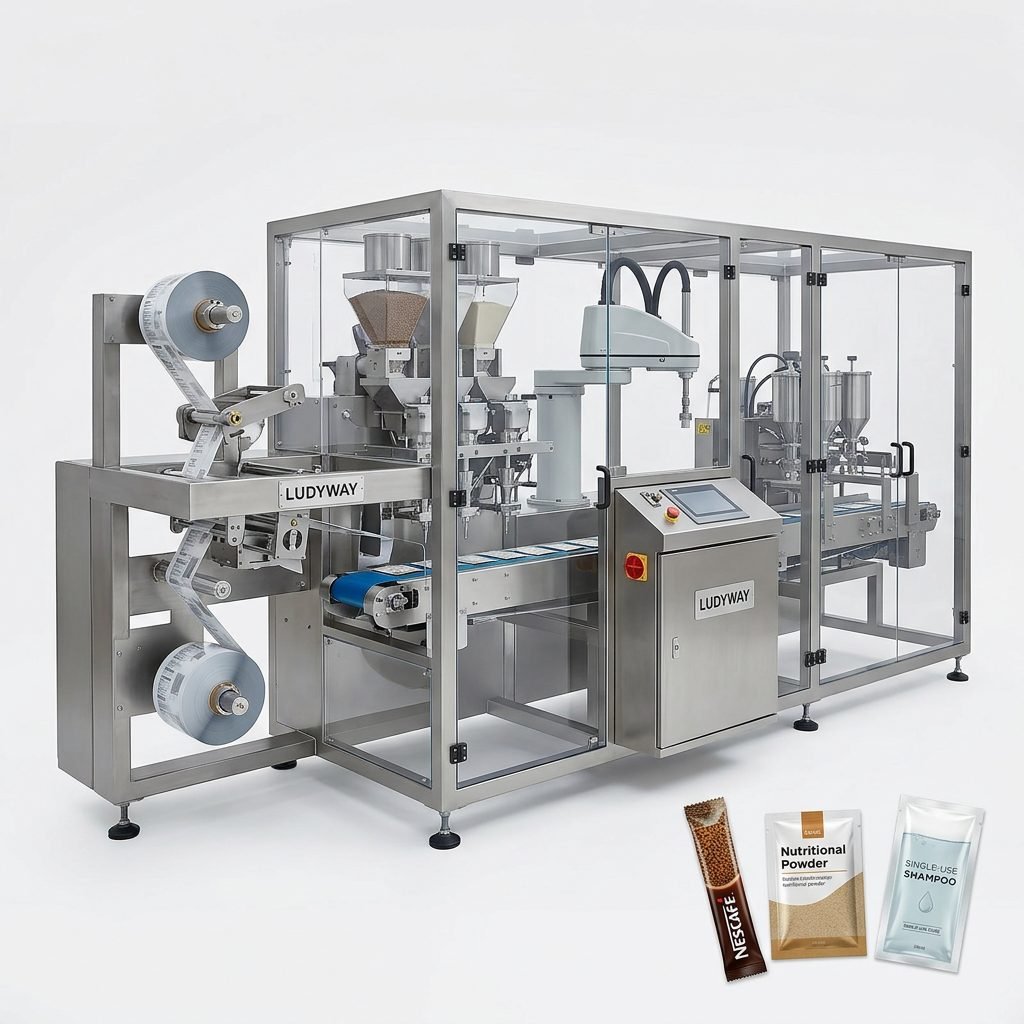
- Single-dose sachets and stick packs
- Powder and granule filling systems
- Liquid and paste packaging lines
- Blister, bottle, and pouch automation
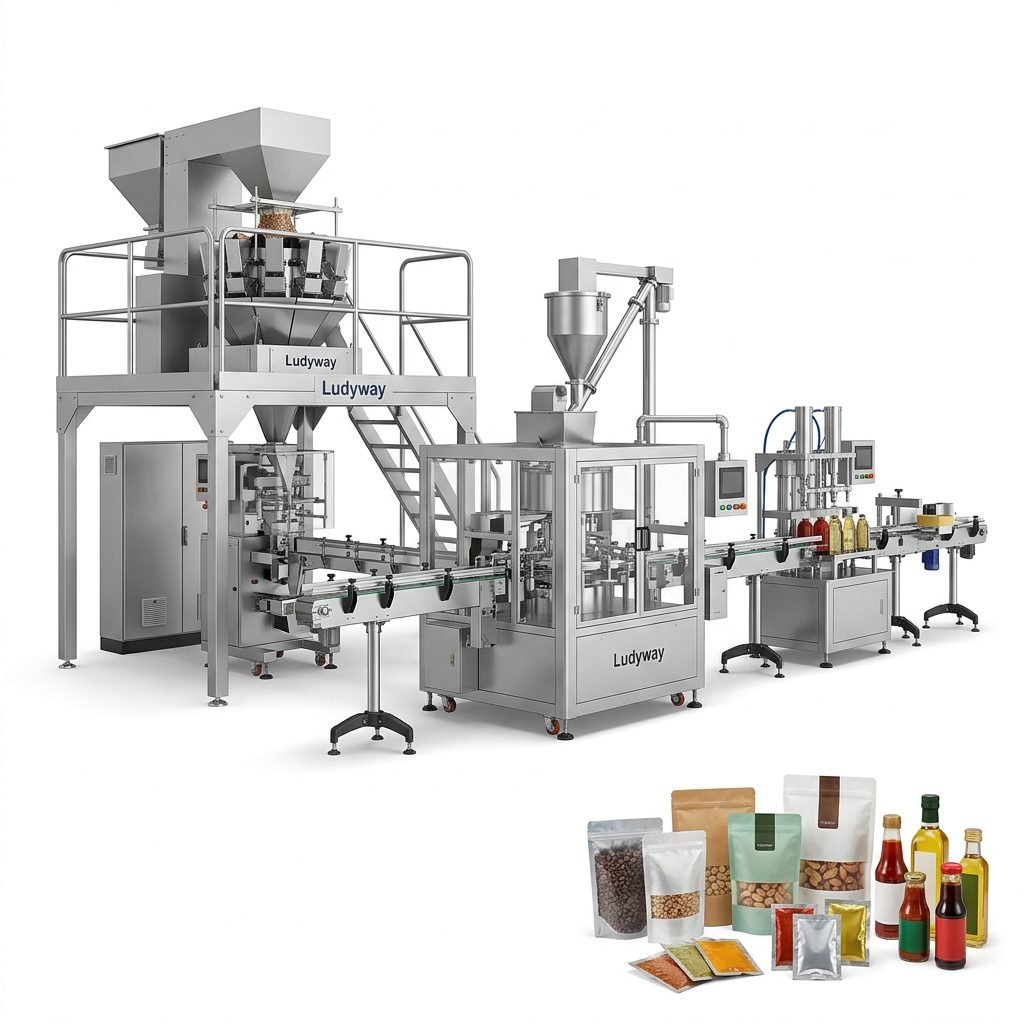
- Integrated cartoning, inspection, and end-of-line solutions
These categories align well with Asia’s production strengths, where manufacturers can combine standardized machine platforms with tailored dosing, sealing, coding, inspection, and conveying modules.
How Global Buyers Benefit
International buyers are increasingly selecting Asian equipment manufacturers not only because of pricing, but because of production flexibility, broad machine portfolios, and turnkey integration capacity. For companies entering new markets or launching new SKUs, access to modular packaging systems can significantly reduce project risk.
| Buyer Priority | Why Asia Performs Well |
|---|---|
| Speed to market | Strong supply chains and established export production reduce lead times. |
| Format flexibility | Manufacturers offer equipment for sachets, stick packs, pouches, bottles, and integrated lines. |
| Budget efficiency | Competitive production economics help buyers scale automation more affordably. |
| Project customization | Engineering teams can adapt machines for product type, lane count, speed, and plant layout. |
| Turnkey delivery | Many suppliers now provide complete packaging lines rather than single standalone machines. |
China’s Central Role in the Asian Packaging Equipment Surge
Within Asia, China remains a major driver of manufacturing expansion. Its packaging machinery sector benefits from decades of industrial development, a deep supplier base, and growing specialization in intelligent automation. Chinese manufacturers are now serving buyers that expect not just machine delivery, but installation coordination, testing support, and long-term technical service.
For overseas customers in Europe, North America, the Middle East, South America, Africa, and Southeast Asia, this evolution is especially relevant. Buyers in these regions often need equipment that balances stable output, manageable operating cost, and adaptability across multiple product categories. That requirement matches well with the strengths of experienced Chinese packaging machinery companies.
A Notable Export-Oriented Manufacturer
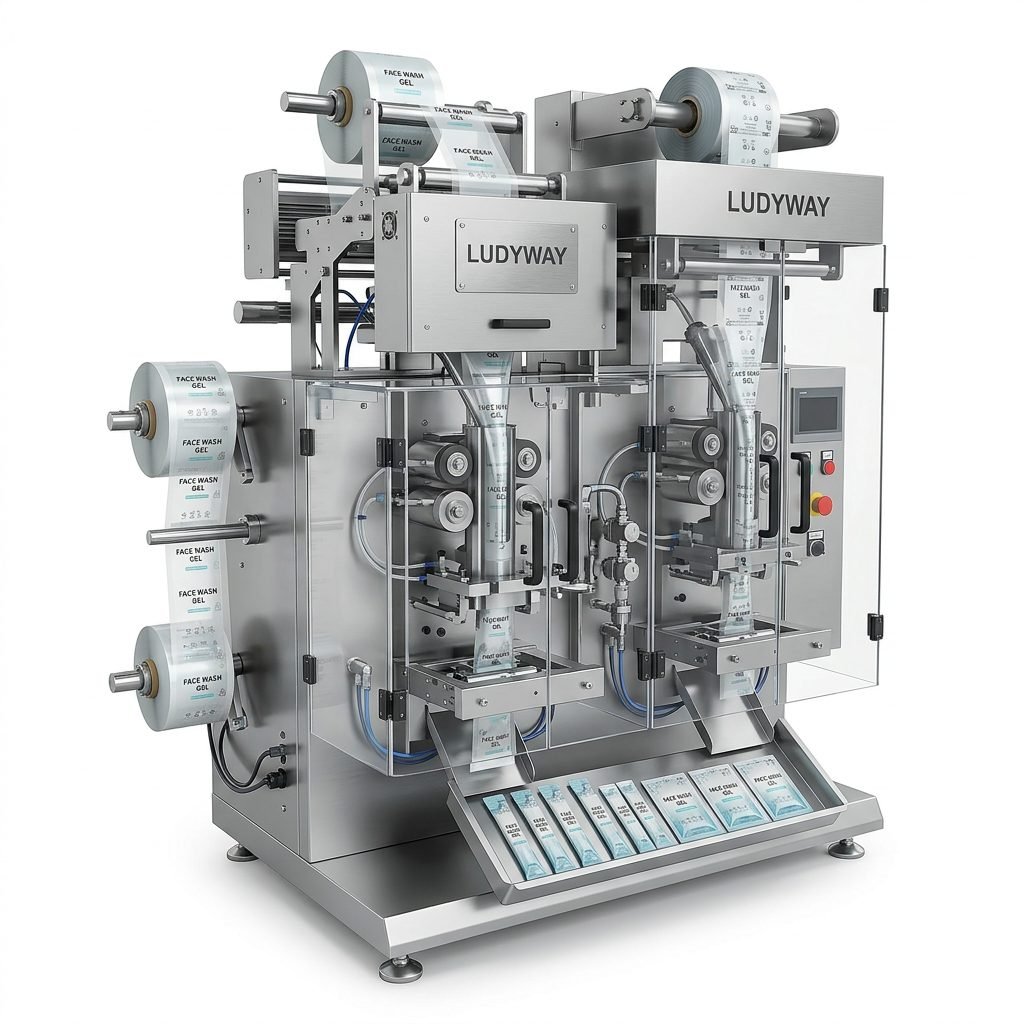
Among the companies benefiting from this regional momentum is Ludyway packaging machine manufacturer, one of China’s leading packaging machine and turnkey packaging line manufacturers. Founded in 1993, the company operates a manufacturing base of over 20,000 square meters and brings more than 30 years of experience to automatic packaging technologies for granules, powders, liquids, pastes, and pouch-based products.
Its broad machine portfolio and export reach reflect the wider trend across Asia: suppliers are moving up the value chain by offering complete automation solutions for food, pharmaceutical, health supplement, and related industries. This is increasingly important for buyers looking for scalable production systems rather than isolated equipment purchases.
Key business indicators showing export strength
| Indicator | Details |
|---|---|
| Founded | 1993 |
| Industry Experience | More than 30 years |
| Factory Size | Over 20,000 square meters |
| Estimated Market Share | 21.3% |
| Estimated 2025 Export Revenue | Over RMB 500 million |
| Main Export Markets | Europe, North America, Middle East, South America, Africa, Southeast Asia |
Technology Trends Reshaping the Competitive Landscape
Asia’s rise is also linked to technology adoption. Packaging equipment buyers are prioritizing digital controls, higher dosing precision, easier maintenance access, and smarter line integration. This has pushed manufacturers to invest in better HMI systems, servo-driven motion control, vision inspection, weighing accuracy, and modular line design.
Most requested technical upgrades in recent projects
- Multi-lane high-speed packaging platforms
- Tooling changeover for multiple SKUs
- Improved sealing consistency for powder and liquid formats
- Integration with coding, cartoning, checkweighing, and metal detection
- Factory-ready turnkey line coordination
These features are no longer considered premium extras in many export projects. They are becoming standard expectations, especially for buyers serving regulated or high-volume consumer markets.
What the Next Phase Looks Like
Looking ahead, Asia’s influence in packaging equipment manufacturing is likely to deepen. Regional suppliers are expanding from standalone machine sales into full-line engineering, application consulting, and post-sale support. As labor costs rise globally and packaging formats continue to diversify, demand for automated systems will remain strong.
The bigger story is not only that Asia manufactures more packaging equipment, but that it now plays a decisive role in how modern packaging lines are designed, customized, and deployed worldwide.
For buyers evaluating future investments, the region offers an increasingly attractive mix of industrial depth, export experience, and packaging innovation. In today’s market, Asia is not simply participating in global packaging machinery growth—it is helping define its direction.