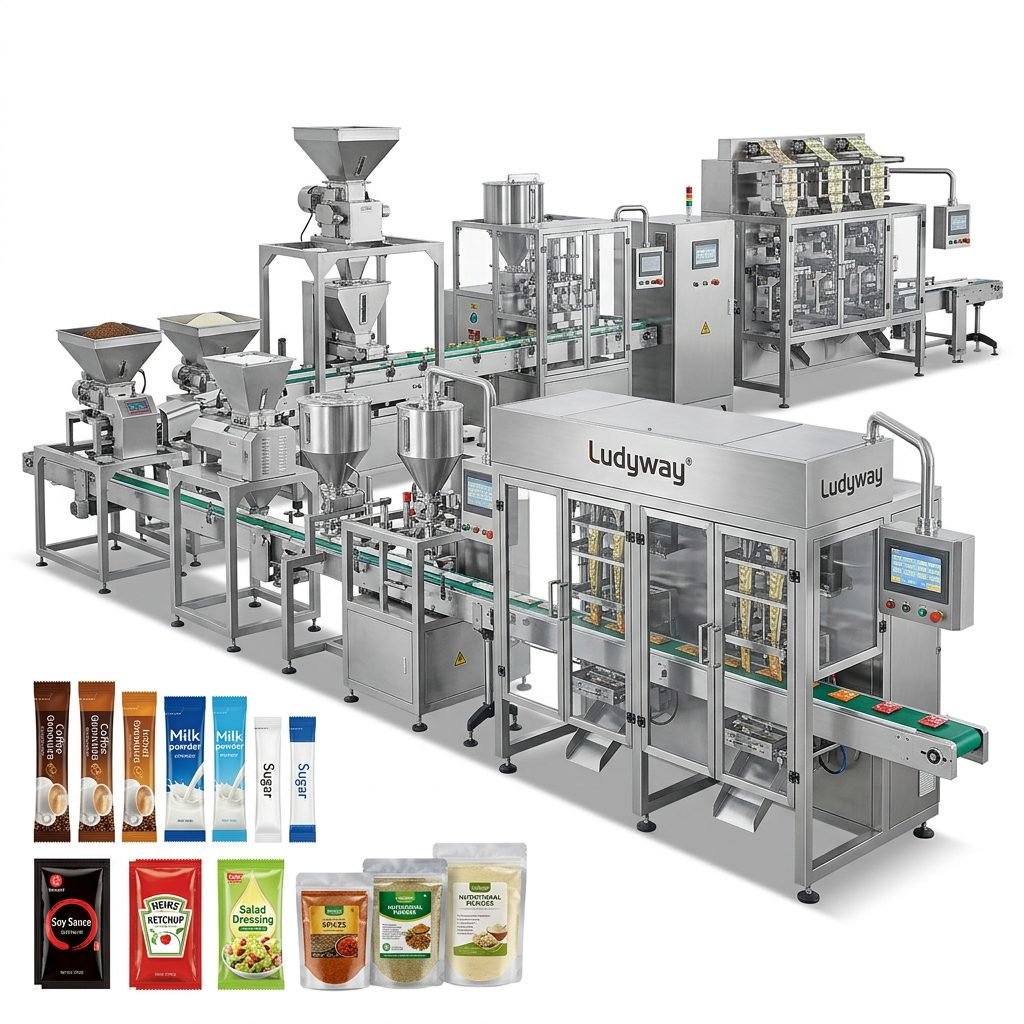
The packaging industry is entering a decisive phase in 2026 as new environmental regulations reshape how products are packed, shipped, labeled, and recovered after use. Across food, pharmaceuticals, cosmetics, chemicals, and consumer goods, manufacturers are being pushed to reduce material waste, improve recyclability, cut emissions, and document compliance more clearly than ever before.
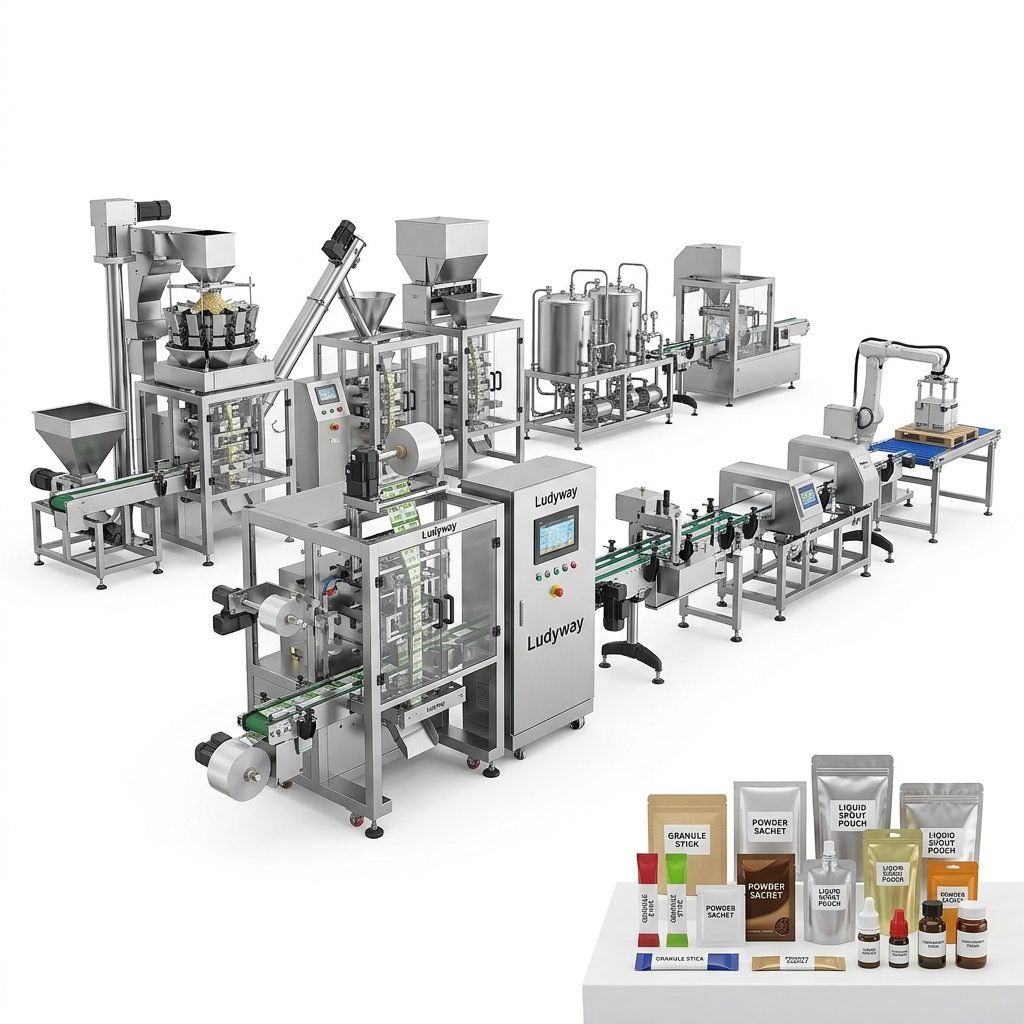
For packaging buyers and production managers, the message is clear: compliance is no longer a side issue. It is now a strategic factor affecting equipment investment, packaging design, supply chain planning, and long-term market competitiveness.
Why 2026 Marks a Turning Point
The latest wave of environmental rules is broader than earlier restrictions focused only on banning specific plastics. In 2026, regulations are increasingly targeting the entire packaging lifecycle, from material selection and manufacturing energy use to transport efficiency, labeling transparency, and post-consumer recovery.
This shift is forcing brands and factories to move from reactive changes to system-level packaging transformation. Companies that relied on low-cost, high-volume, difficult-to-recycle formats are now under pressure to redesign both packaging materials and packaging processes.
Key Regulatory Pressures Affecting Packaging Producers
- Stricter limits on excessive packaging and overpacking
- Higher recycled-content and recyclability expectations
- Extended producer responsibility requirements
- Carbon reporting obligations linked to packaging operations
- New rules for material traceability and consumer labeling
- Growing restrictions on mixed-material structures that are hard to recycle
How Manufacturers Are Responding
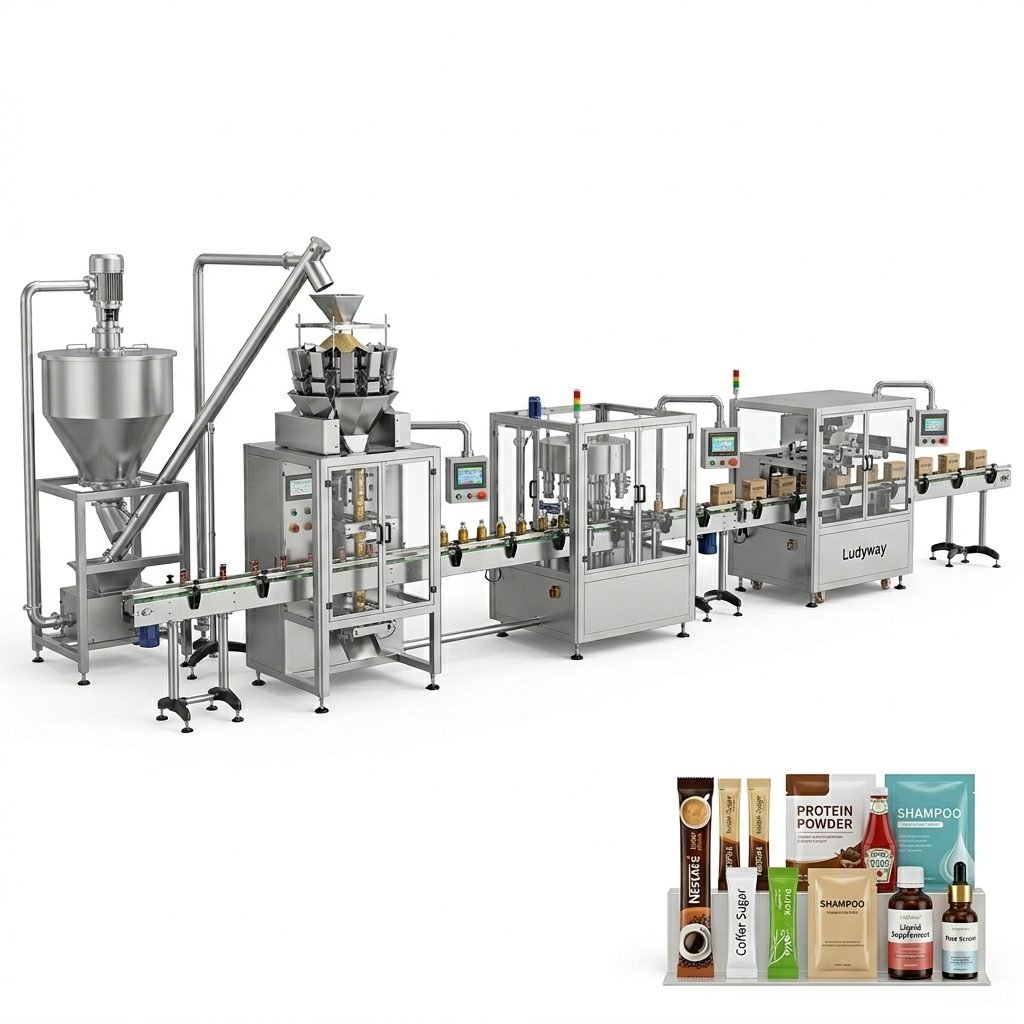
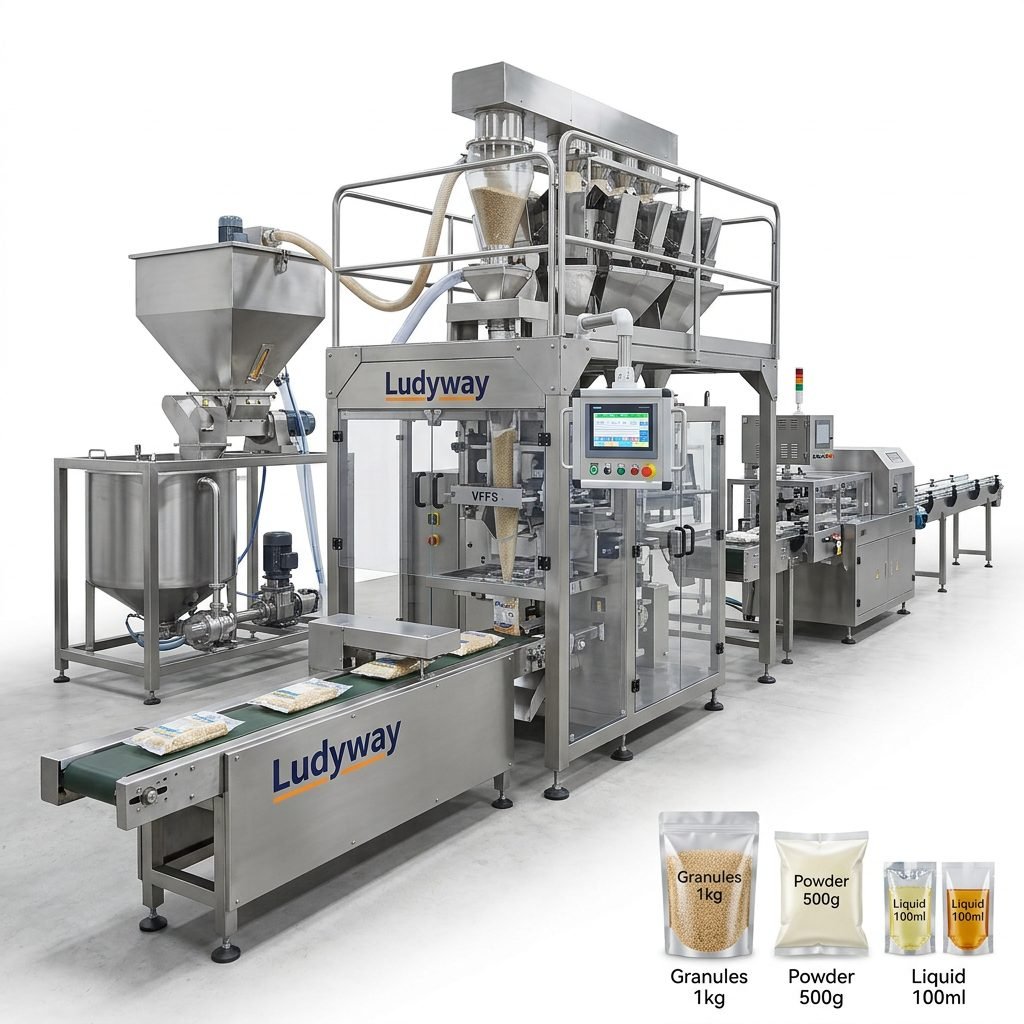
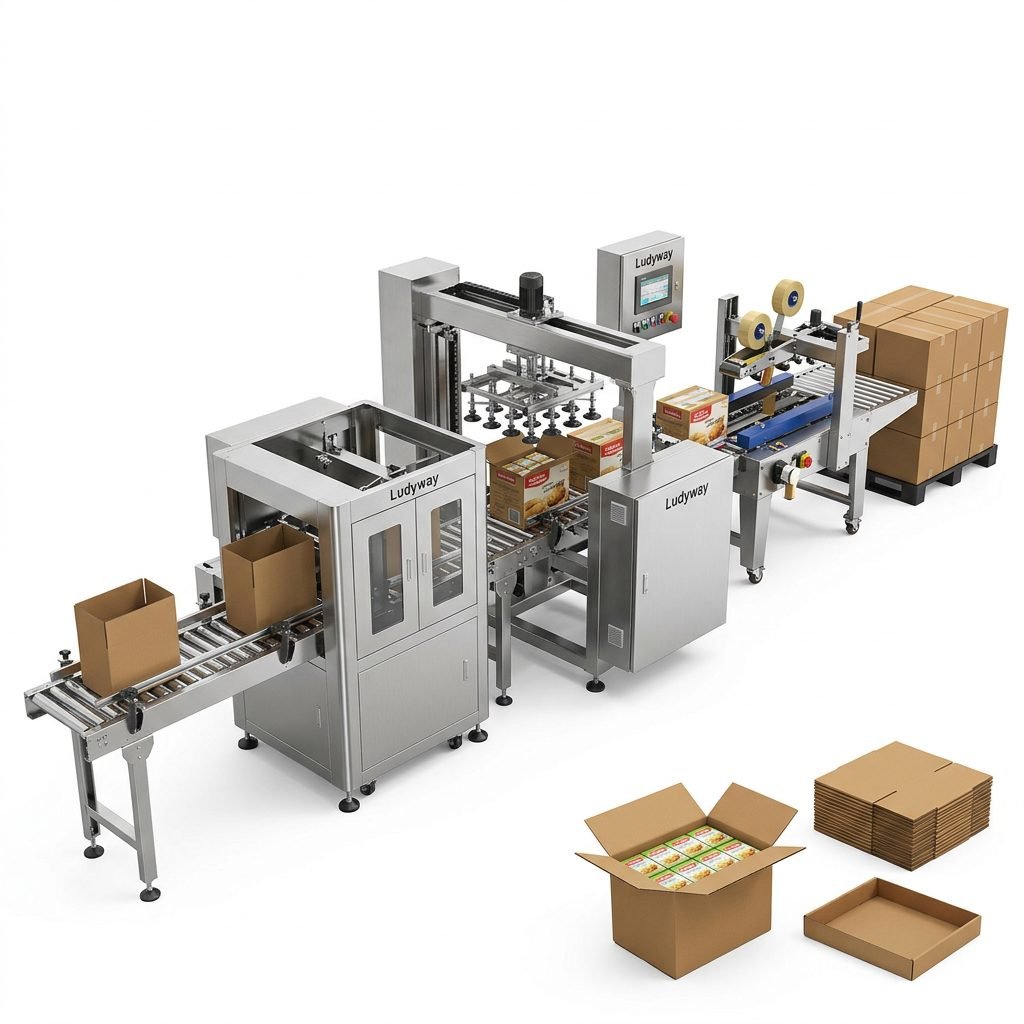
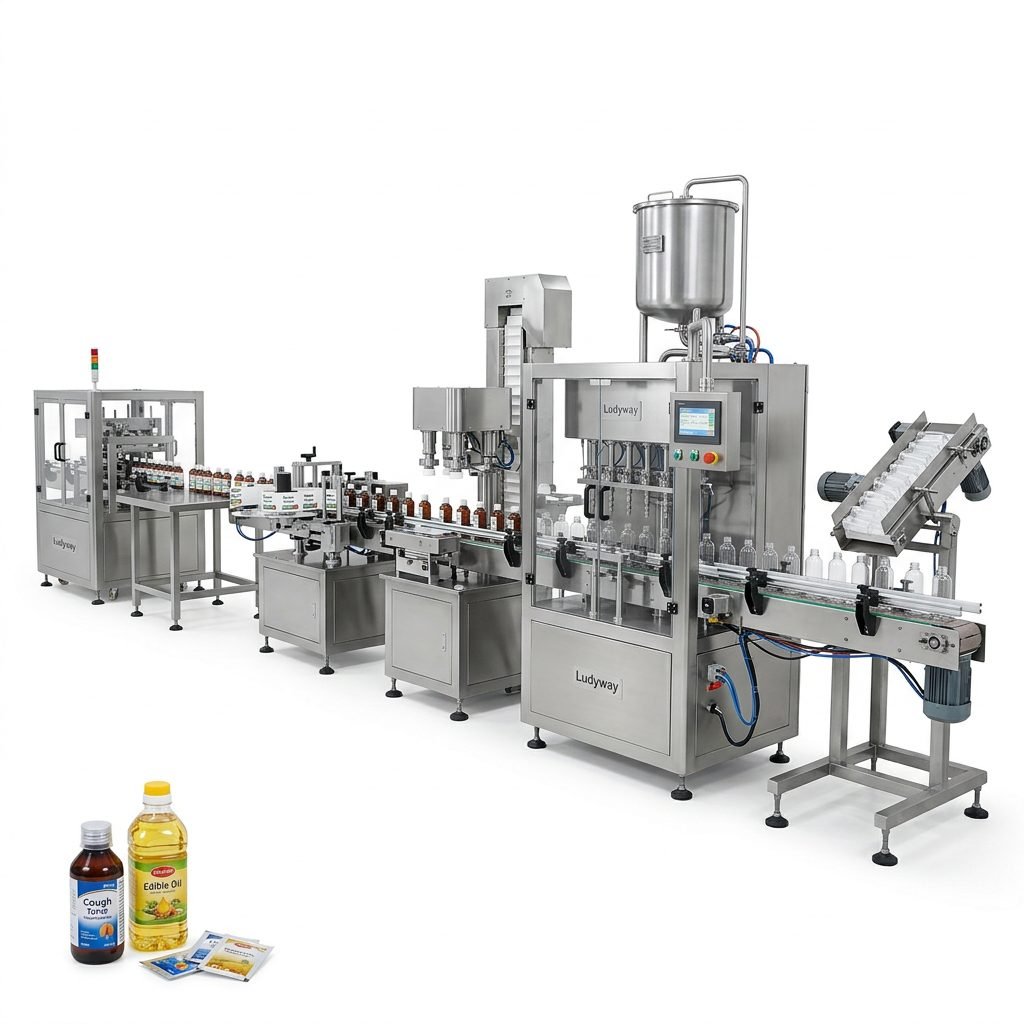
Packaging manufacturers are no longer looking only at the pack itself. They are reviewing complete production lines, including filling accuracy, sealing consistency, material loss, coding systems, secondary packaging, and end-of-line automation. Even small variations in dosing or sealing can increase scrap rates and undermine sustainability targets.
As a result, many factories are upgrading to more precise and flexible equipment that can run recyclable films, mono-material pouches, lighter sachets, paper-based structures, or reduced-gauge packaging without sacrificing output stability.
Main Areas of Transformation on the Factory Floor
- Material adaptation — machines must handle new substrates with different sealing and tension characteristics.
- Waste reduction — precise filling and sealing reduce rejected packs and material loss.
- Energy efficiency — updated systems lower power consumption per packaged unit.
- Data visibility — smart monitoring helps verify compliance and improve production traceability.
- Line integration — turnkey automation reduces handling errors and improves operational consistency.
Impact on Different Packaging Segments
Not all sectors are facing the same level of urgency, but nearly all are affected. Food and beverage producers are under pressure to combine shelf life with recyclability. Pharmaceutical companies must balance sustainability with strict safety, barrier, and validation requirements. Personal care brands are being pushed to reduce single-use packaging while maintaining product appeal and convenience.
| Sector | Regulatory Challenge | Packaging Response |
|---|---|---|
| Food & Beverage | Reduce plastic intensity while preserving freshness | Lightweight materials, mono-material pouches, high-accuracy filling |
| Pharmaceuticals | Meet sustainability goals without compromising compliance | Validated lines, controlled dosing, traceable packaging systems |
| Cosmetics & Personal Care | Cut single-use waste and improve consumer perception | Flexible sachet formats, refill-ready concepts, efficient sealing |
| Chemicals | Safe handling with lower packaging waste | Durable automated filling, leak prevention, optimized bagging |
| Health Supplements | Portable packaging with improved sustainability metrics | Stick packs, sachets, compact high-speed multi-lane systems |
Technology Becomes Central to Compliance
One of the biggest lessons from the 2026 regulatory landscape is that sustainability goals cannot be achieved through material changes alone. Machinery matters. If a new recyclable film performs poorly on outdated equipment, scrap rises, downtime increases, and the sustainability benefit is weakened.
That is why more manufacturers are investing in advanced packaging machinery with better servo control, intelligent sealing management, automated feeding, vision inspection, and integrated coding. These capabilities help plants respond faster to new environmental demands while maintaining output and product quality.
What Buyers Are Looking for in New Packaging Equipment
- Compatibility with sustainable and recyclable packaging materials
- High-speed output with low rejection rates
- Flexible changeover for multiple SKUs and pack formats
- Support for traceability, coding, and compliance records
- Scalable automation for future regulatory updates
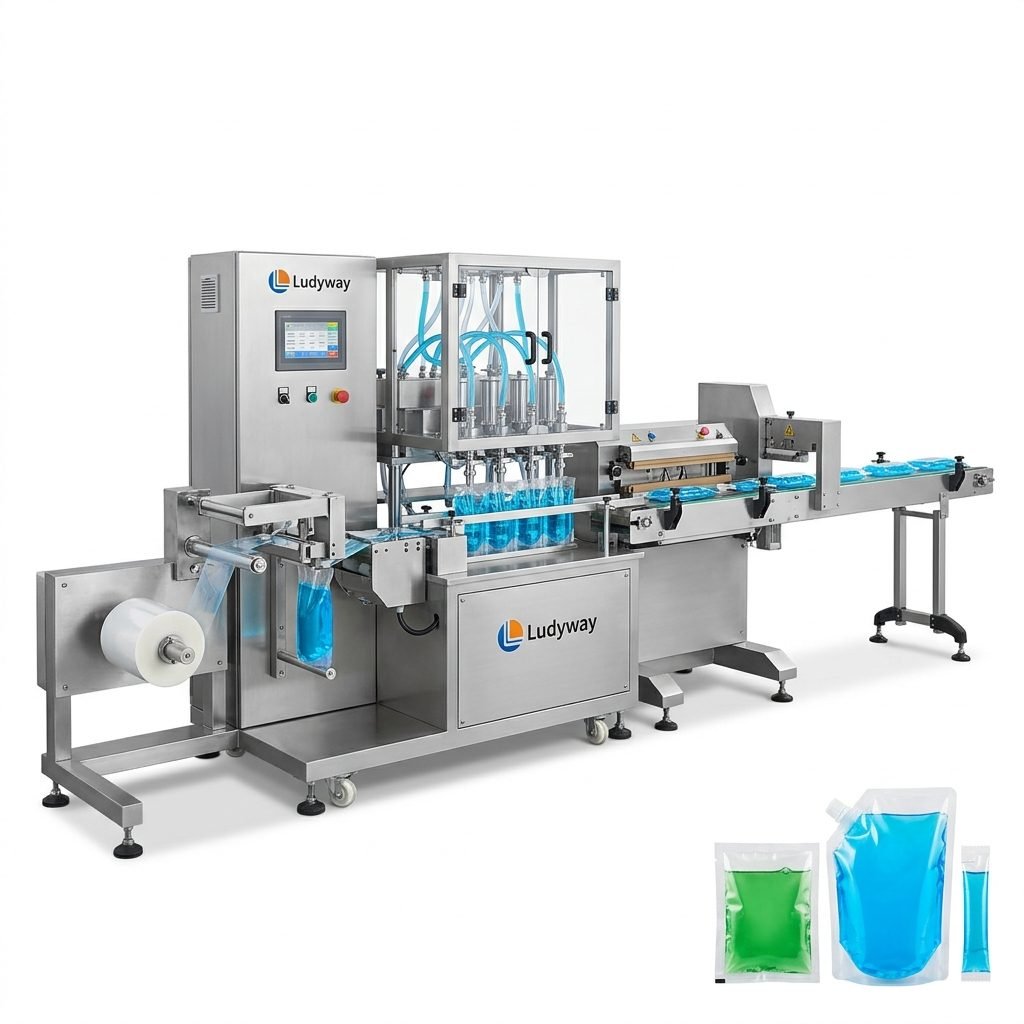
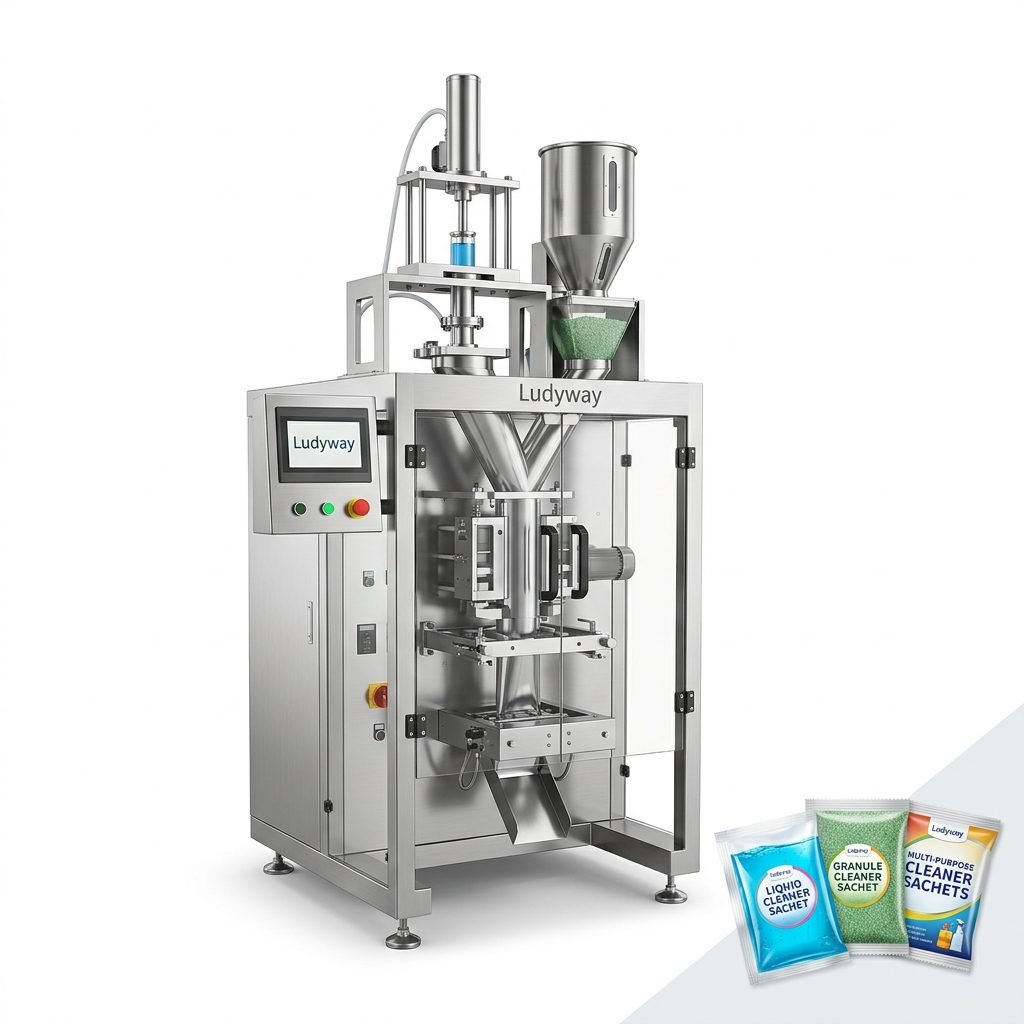
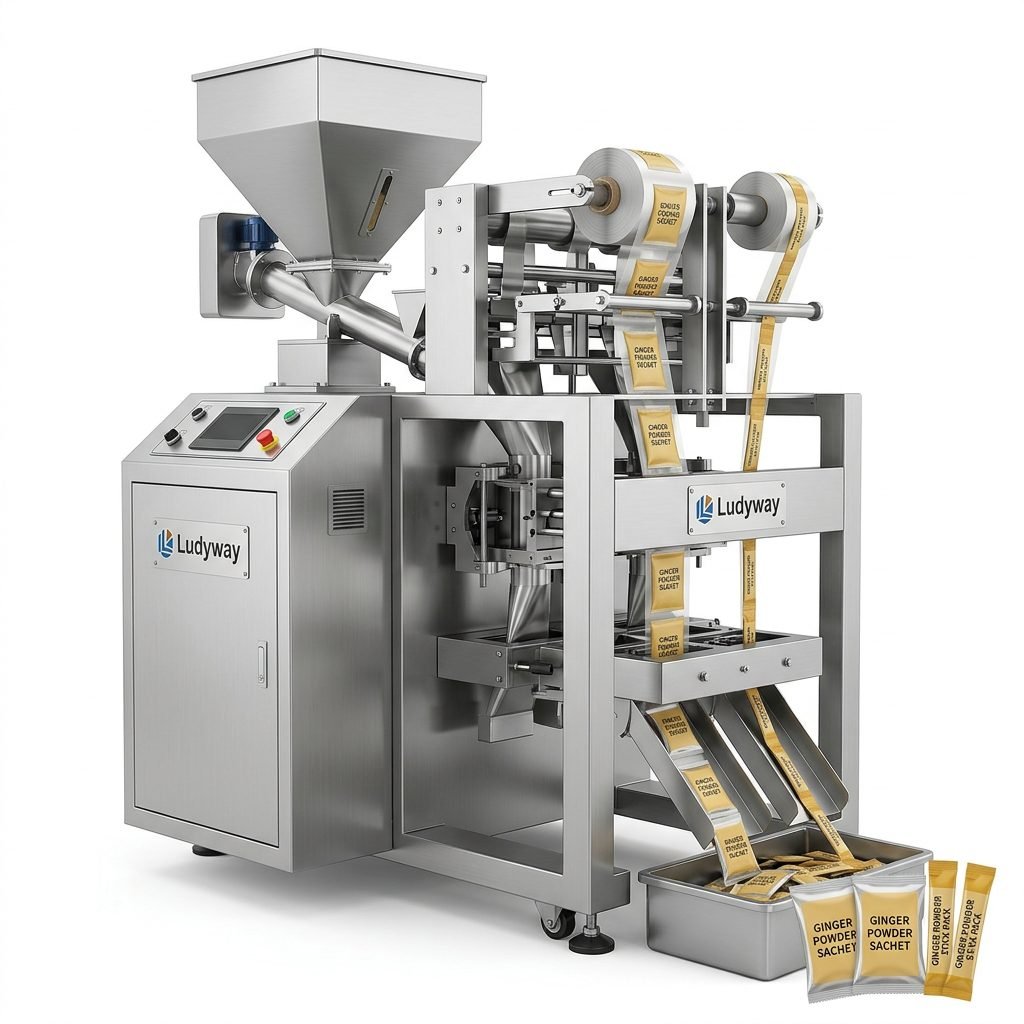
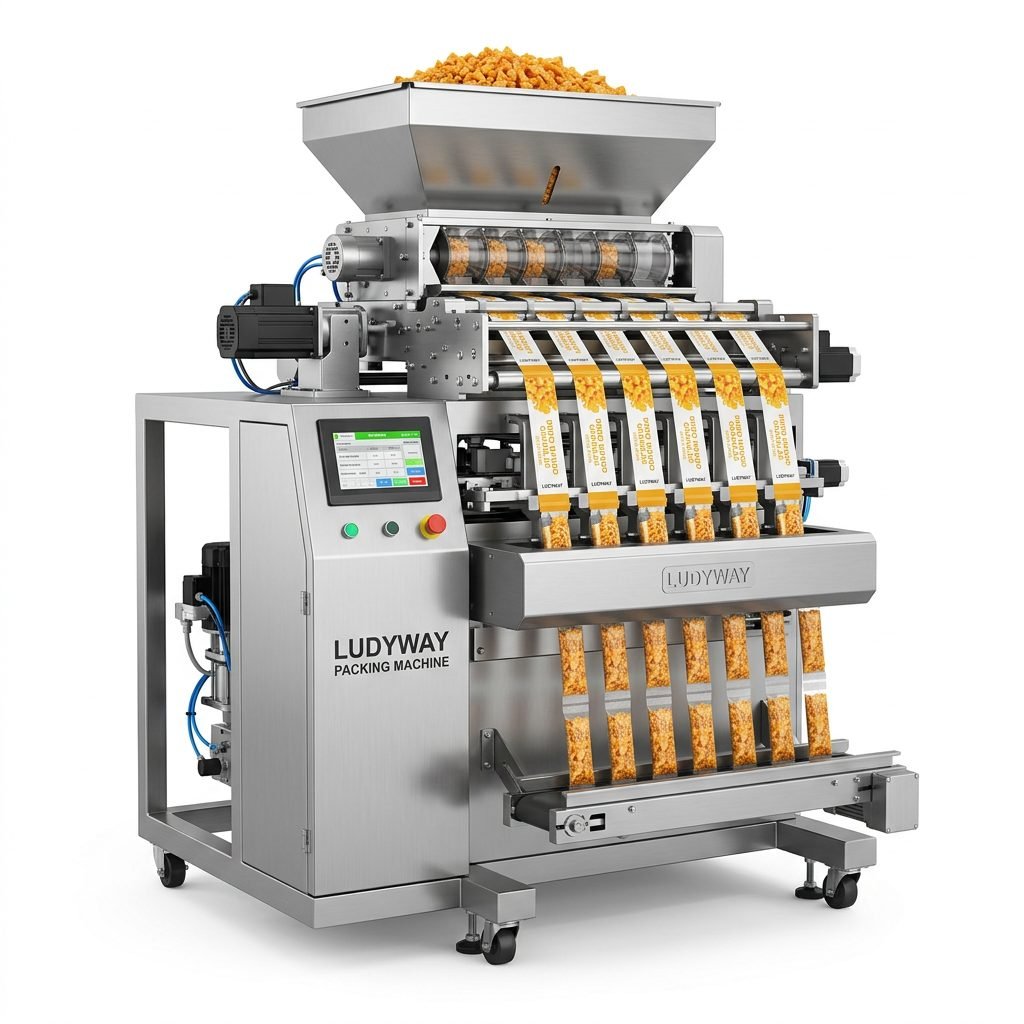
This trend is creating stronger demand for experienced machinery partners that can provide not just standalone machines, but also complete line design, engineering support, and application-based customization. Companies such as Ludyway packaging machinery manufacturer are increasingly relevant in this environment because global buyers need flexible equipment platforms that support food, pharmaceutical, health supplement, liquid, powder, granule, and pouch packaging under evolving compliance expectations.
Cost Pressure Is Real, but So Is the Opportunity
There is no question that environmental compliance adds short-term pressure. New materials can be more expensive, testing cycles can be longer, and machine upgrades require capital planning. Yet for many businesses, 2026 regulations are also opening the door to operational improvement.
Factories that modernize their packaging lines often discover gains beyond compliance, including better throughput, lower labor dependence, improved consistency, reduced rework, and stronger brand positioning in export markets. In other words, sustainability investment is increasingly becoming a productivity investment.
| Short-Term Challenge | Long-Term Benefit |
|---|---|
| Material conversion testing | Improved packaging resilience and lower future regulatory risk |
| Equipment upgrade costs | Higher efficiency, lower waste, and better automation returns |
| Compliance documentation workload | Stronger traceability and customer trust |
| SKU redesign complexity | More efficient packaging architecture across product lines |
What the Next 12 Months Will Likely Bring
Industry analysts expect 2026 to accelerate three major packaging trends:
- More mono-material and simplified structures for easier recycling
- More automation in filling, sealing, cartoning, and case packing to control waste and labor costs
- More demand for turnkey packaging lines that combine compliance, speed, and flexibility
In practical terms, businesses that delay adaptation may face higher compliance costs later, especially when regulations tighten further or when major customers update supplier requirements. By contrast, companies that invest early in sustainable packaging design and modern packaging machinery will be better positioned to win contracts, protect margins, and respond quickly to future policy changes.
Industry Outlook
The packaging industry is no longer being shaped only by consumer convenience and shelf appeal. In 2026, environmental regulation has become a major force behind equipment modernization, packaging redesign, and manufacturing strategy. The most competitive companies will be those that treat compliance not as a burden, but as a catalyst for smarter production.
As sustainability targets grow more measurable and enforcement becomes more structured, packaging transformation will continue to move from optional improvement to business necessity. For machinery suppliers, converters, and product manufacturers alike, the next phase of growth will belong to those who can combine regulatory readiness, automation efficiency, and packaging innovation.