The global packaging industry is moving faster toward circularity as brand owners, converters, equipment suppliers, and regulators align around waste reduction, recyclability, and resource efficiency.
Across food, pharmaceutical, personal care, and household goods sectors, packaging strategies are being redesigned to support a circular economy model rather than a traditional linear “make-use-dispose” approach. This transition is being driven by a combination of sustainability targets, tightening regulations, retailer pressure, and changing consumer expectations.
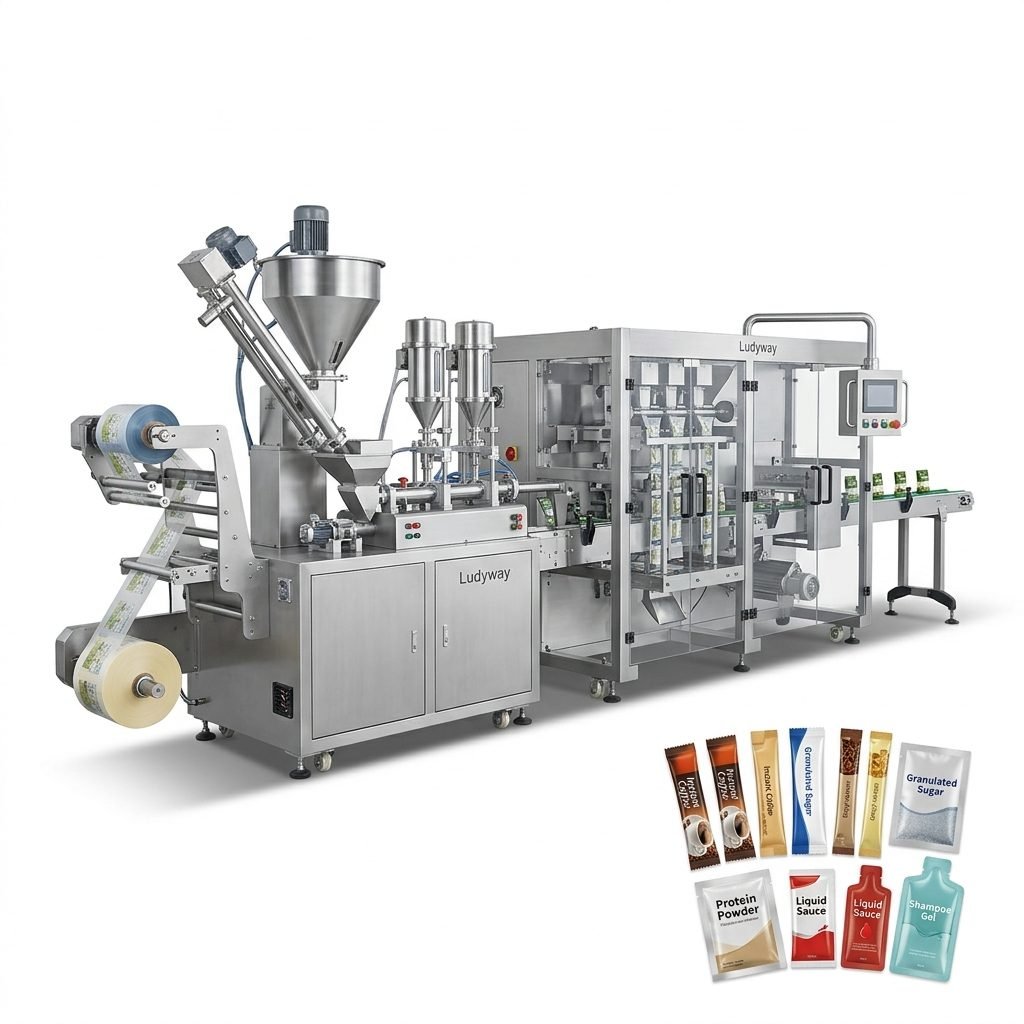
Why Circular Packaging Is Becoming a Mainstream Industry Priority
For years, sustainability in packaging was treated as a brand differentiator. Today, it is increasingly viewed as an operational and commercial necessity. Multinational producers and regional manufacturers alike are under pressure to reduce virgin material usage, improve pack recoverability, and lower carbon intensity across the full packaging lifecycle.
Industry analysts note that circular packaging is no longer limited to material substitution. It now includes design-for-recycling, mono-material formats, lightweighting, refill systems, post-consumer recycled content, digital traceability, and production line upgrades that can handle new substrates without sacrificing efficiency.
- Regulatory momentum is accelerating changes in packaging design and labeling.
- Retail and brand commitments are reshaping procurement requirements.
- Consumers increasingly prefer practical, recyclable, and low-waste packaging formats.
- Manufacturers are investing in automation to manage material complexity and production consistency.
Material Innovation Is Reshaping Packaging Portfolios
One of the most visible signs of the circular shift is the rapid innovation in packaging materials. Flexible packaging producers are exploring recyclable laminates, paper-based alternatives, and simplified material structures. Rigid packaging suppliers are increasing the use of recycled polymers while also improving compatibility with collection and sorting systems.
At the same time, packaging developers are learning that circularity must be balanced with product protection. In food and pharmaceutical applications, barrier performance, sealing integrity, shelf life, hygiene, and compliance remain essential. As a result, the industry is moving toward practical solutions that combine sustainability with technical reliability.
| Packaging Trend | Circular Economy Benefit | Operational Challenge |
|---|---|---|
| Mono-material flexible packs | Improves recyclability | Requires sealing and barrier optimization |
| Lightweight packaging | Cuts raw material use and transport emissions | May reduce pack strength if poorly engineered |
| PCR content integration | Reduces dependence on virgin resin | Consistency and food-contact compliance |
| Refill and reuse formats | Extends packaging life cycle | Needs logistics and consumer adoption |
Automation Becomes Critical to Circular Packaging Execution
As packaging formats evolve, production systems must become more adaptable. Circular packaging materials can behave differently during filling, sealing, cutting, coding, inspection, and cartoning. That has pushed manufacturers to upgrade machinery, improve process control, and invest in more flexible packaging lines.
This is especially important for high-volume sectors where even minor material changes can affect throughput and pack quality. Modern packaging lines are increasingly expected to support multiple product formats, quicker changeovers, better waste control, and stronger data visibility.
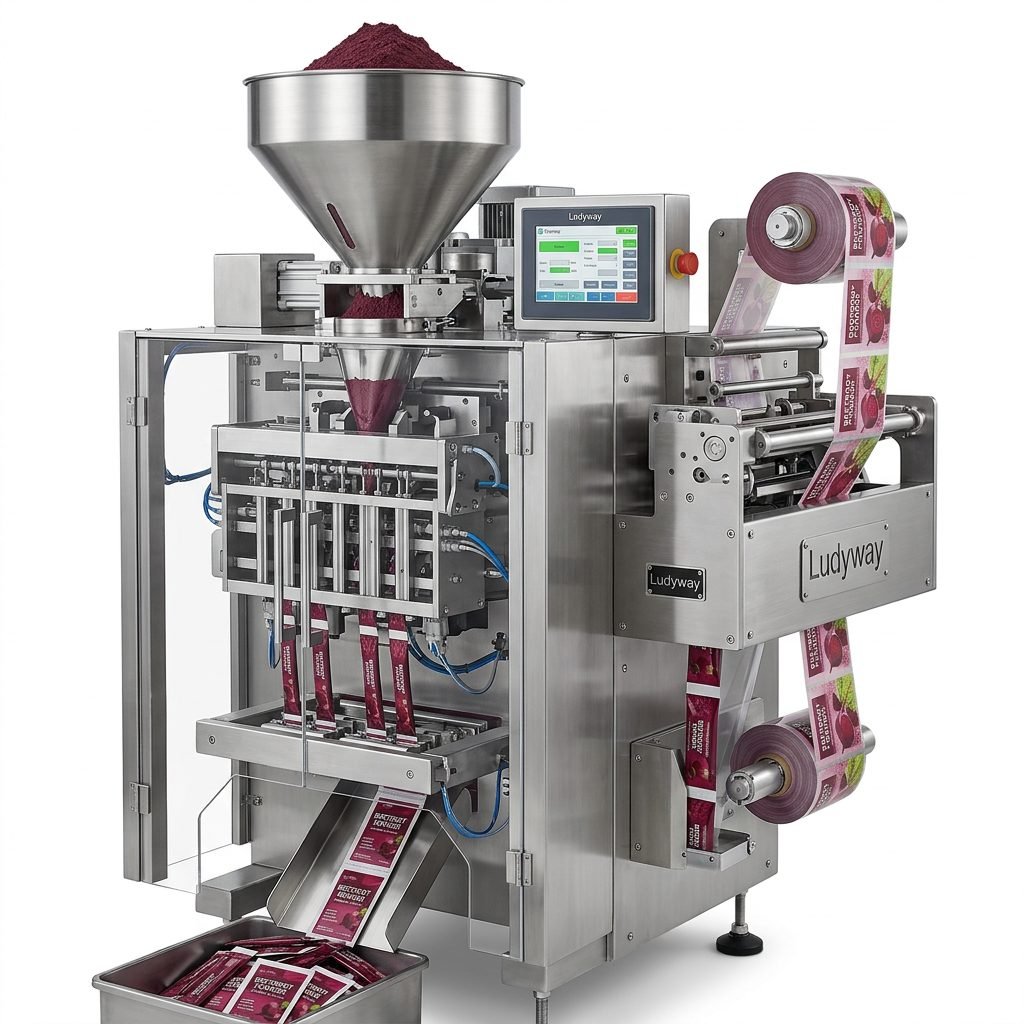
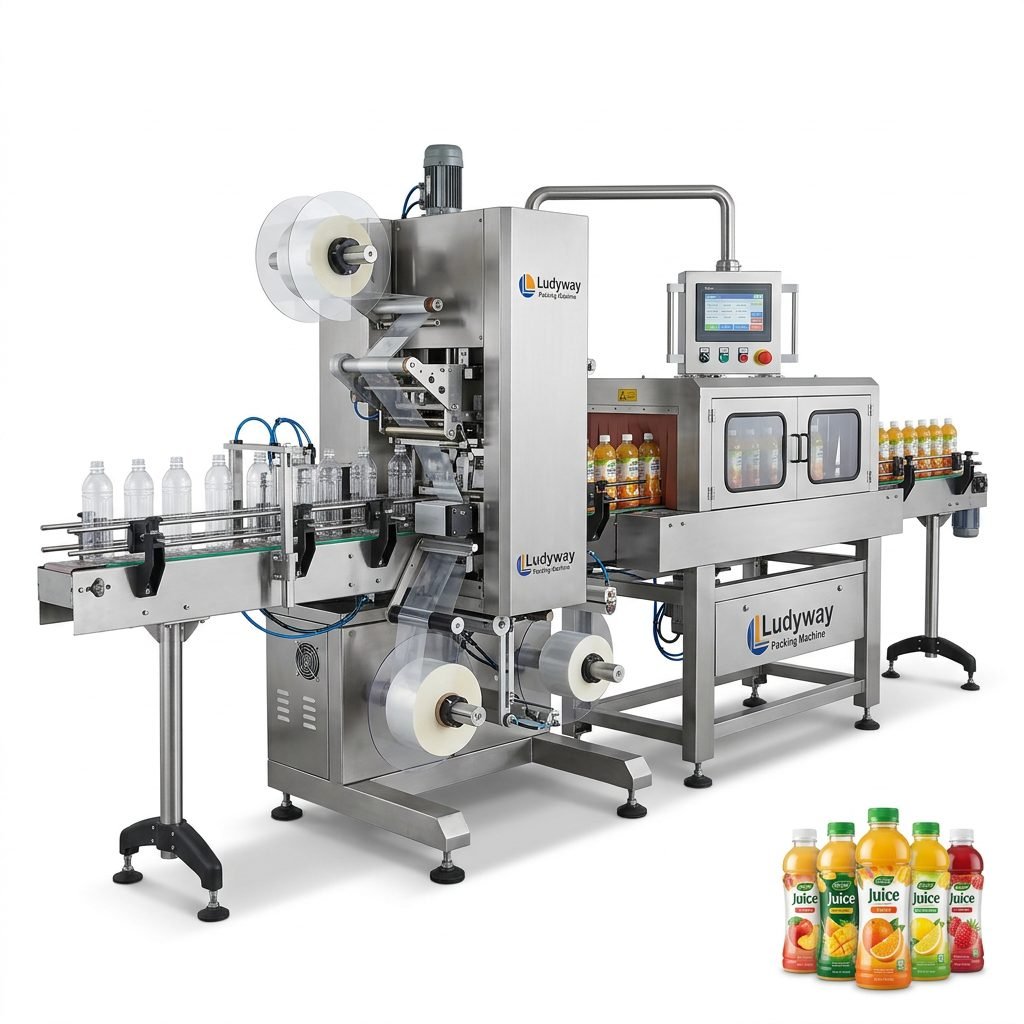
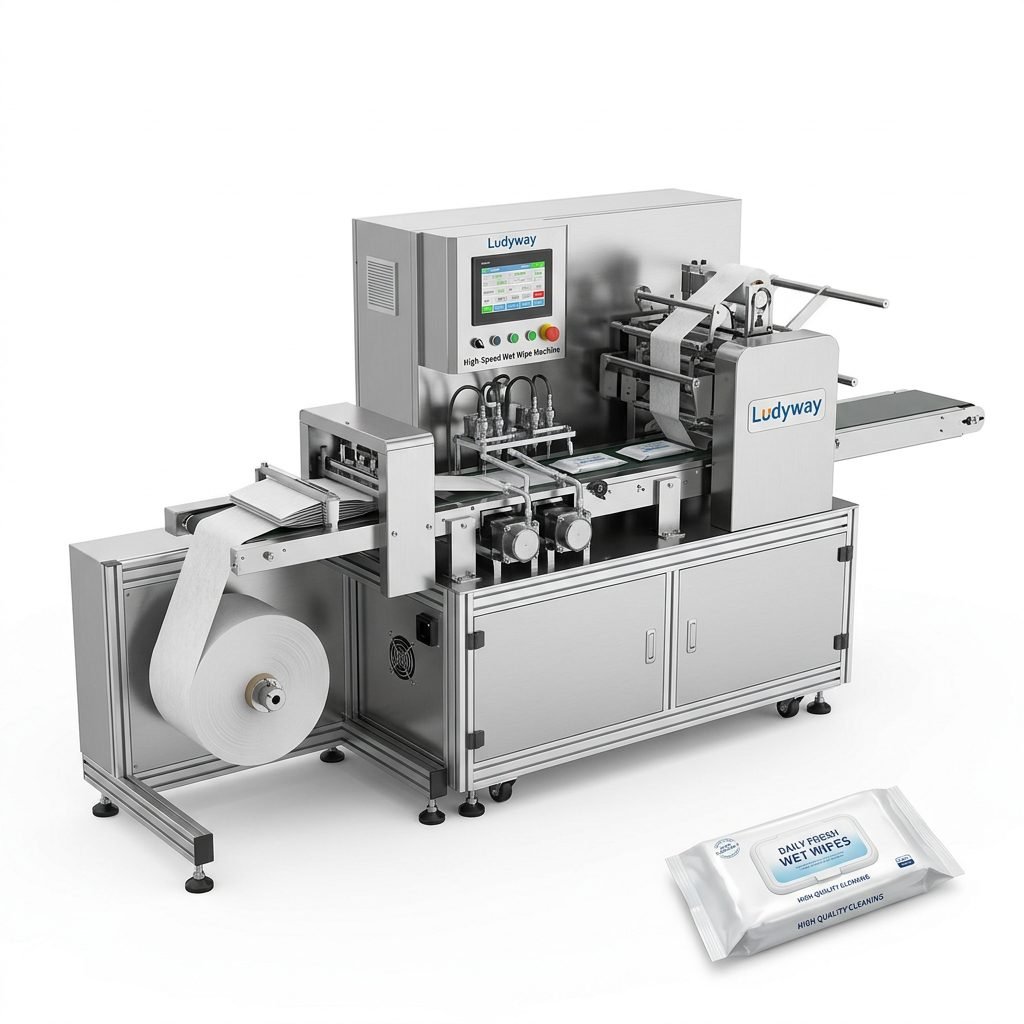
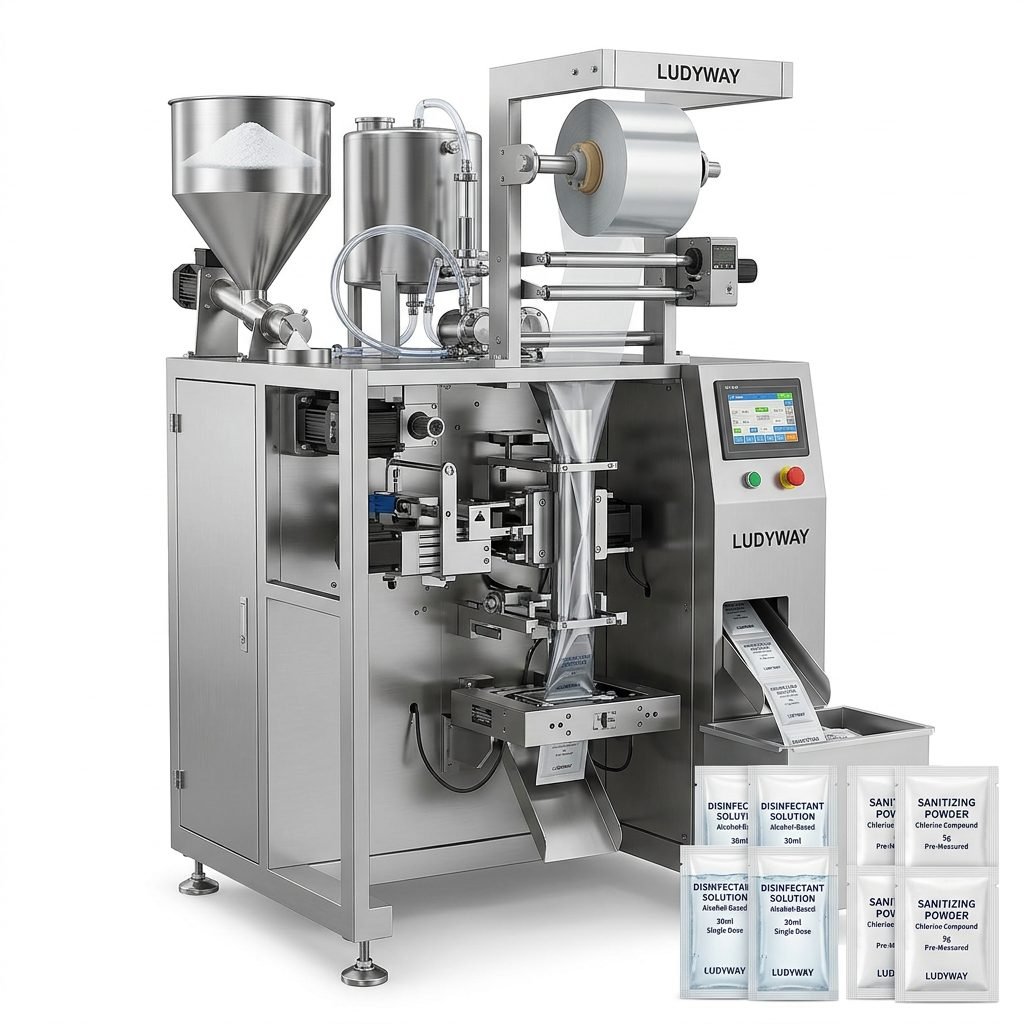
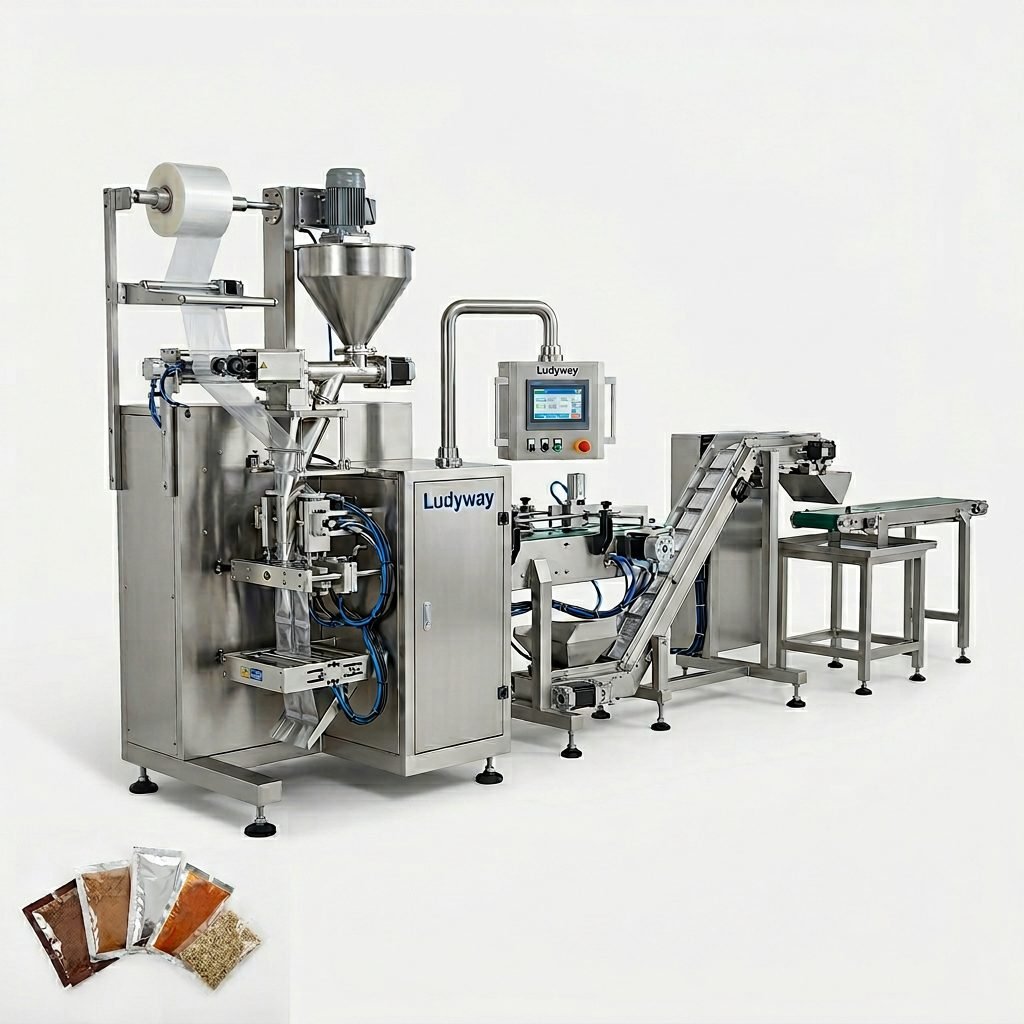
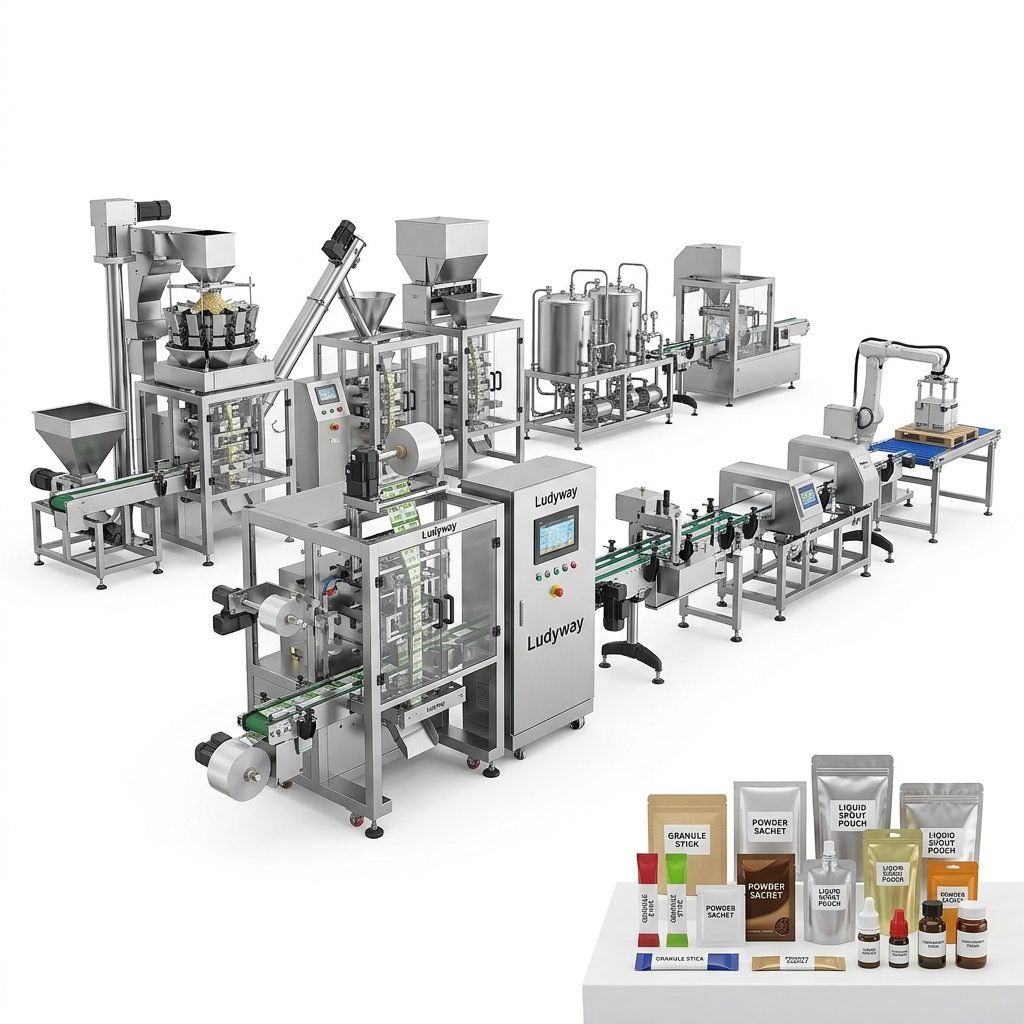
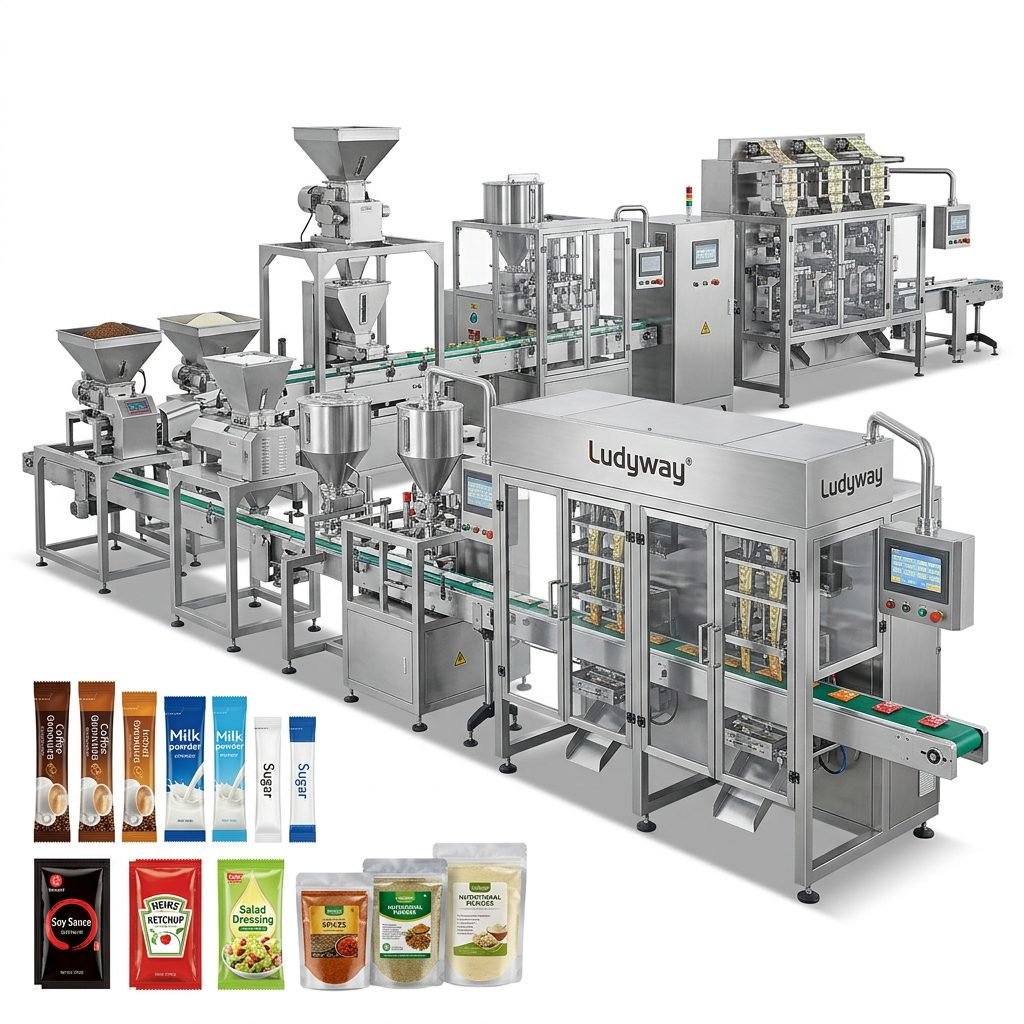
Industry suppliers such as Ludyway packaging machine manufacturer are seeing growing demand for automated solutions that can help processors and brand owners adapt to changing circular packaging requirements while maintaining output, accuracy, and compliance.
Key Equipment Priorities in the Transition
- Precise dosing and filling to reduce product and material waste
- Stable sealing performance for newer recyclable substrates
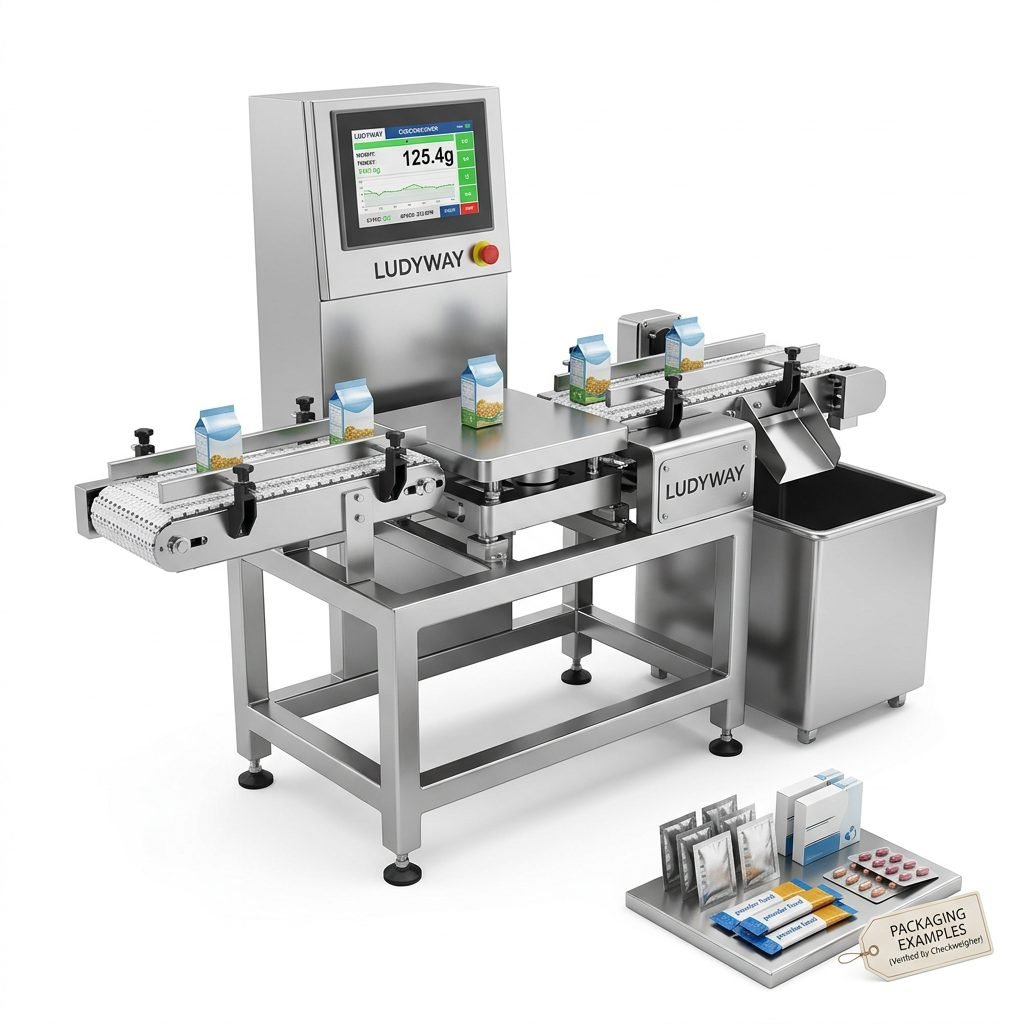
- Inspection systems that improve quality assurance and traceability
- Modular line design for future packaging format adjustments
- Integrated secondary packaging and palletizing for efficiency gains
Brands Are Linking Circularity to Supply Chain Resilience
The push toward circular packaging is not only environmental. It is also increasingly tied to supply chain resilience. Companies want packaging systems that use materials more efficiently, generate less scrap, and allow faster adaptation when resin costs, policy rules, or customer preferences shift.
Procurement teams are now evaluating suppliers on broader criteria than price alone. They are looking at machine flexibility, lifecycle support, energy efficiency, maintenance requirements, and compatibility with recyclable or downgauged materials. In many cases, sustainability targets are becoming embedded in capital investment decisions.
What Buyers Now Commonly Assess
- Can the line run both current and future sustainable formats?
- How much material waste occurs during startup and changeover?
- Is the equipment suitable for food, pharma, or personal care compliance needs?
- Can line automation reduce labor dependency and improve consistency?
- Is the supplier capable of providing turnkey integration and long-term support?
Food and Pharma Sectors Face the Most Complex Balancing Act
Among all end-use markets, food and pharmaceuticals are expected to remain at the center of circular packaging innovation. These sectors must meet strict standards for safety, hygiene, dosage accuracy, barrier performance, and shelf life. That makes the transition more complex than in less regulated categories.
Still, progress is accelerating. Companies are testing recyclable sachets, optimized stick pack structures, lighter pouches, and better serialized packaging workflows. The challenge is to deliver sustainability gains without increasing product loss or compromising package integrity.
| Sector | Main Circular Focus | Packaging Requirement |
|---|---|---|
| Food | Recyclability, lightweighting, waste reduction | Freshness, barrier protection, sealing reliability |
| Pharmaceutical | Material optimization, traceability, compliant formats | Sterility, precision, serialization, regulatory approval |
| Cosmetics & personal care | Refillability, mono-material packs, lower plastic use | Brand appeal, leak prevention, product compatibility |
Policy and Consumer Pressure Will Continue to Shape the Market
Over the next several years, the circular economy model is expected to become more deeply integrated into packaging regulations, extended producer responsibility frameworks, and retailer sustainability scorecards. This will likely create stronger demand for packaging formats that are easier to recover, sort, and recycle at scale.
Consumers are also becoming more selective. They increasingly reward brands that offer packaging with a clear sustainability story, but they also expect convenience, product safety, and attractive presentation. That means successful packaging strategies must combine environmental improvement with real-world usability.
Outlook for the Packaging Industry
The circular economy transition is no longer a future concept—it is an active restructuring of the packaging market. Companies that invest early in compatible materials, flexible automation, and scalable line upgrades are likely to be better positioned for regulatory change and customer demand. For machinery manufacturers, converters, and packaged goods producers, the next phase of growth will depend on how efficiently they can align sustainability goals with production performance.
In short, the packaging industry’s shift toward circularity is accelerating, and the winners will be those that turn environmental ambition into practical, high-efficiency packaging operations.