Packaging manufacturers, brand owners, and supply chain partners are accelerating their search for practical ways to reduce carbon emissions as sustainability targets become more demanding across global markets. From lightweight materials and recyclable formats to energy-efficient machinery and digital production monitoring, the packaging industry is moving beyond broad commitments and focusing on measurable, factory-level improvements.
In 2026, the conversation is no longer limited to replacing plastic with paper or adding recycled content. Companies are now examining the full carbon footprint of packaging operations—including raw material sourcing, production efficiency, transportation weight, sealing technology, waste rates, and end-of-life recovery.
Why carbon reduction has become a top packaging priority
Several factors are driving the industry’s current momentum. Global consumer brands are under pressure to report Scope 3 emissions more transparently, retailers are tightening packaging guidelines, and many regional governments are pushing extended producer responsibility rules that make waste and material selection more visible than ever.
At the same time, rising energy costs have made carbon reduction financially attractive. Lower electricity use, reduced film waste, and higher line efficiency now support both sustainability performance and operating margin improvement.
- Material optimization reduces resin, paper, aluminum, or laminate consumption per unit.
- Improved automation cuts reject rates and minimizes overfilling or sealing waste.
- Compact packaging design lowers logistics emissions by improving pallet and container utilization.
- Data-based production management helps factories identify hidden energy losses.
Key solutions shaping the next phase of low-carbon packaging
1. Lightweight packaging structures
One of the most immediate opportunities remains source reduction. By redesigning package thickness, seal geometry, pouch dimensions, and filling accuracy, manufacturers can use less material without sacrificing product protection. This is especially important in food, pharmaceutical, and personal care packaging, where unit volumes are high and small design changes scale quickly.
2. Recyclable and mono-material formats
Many converters are replacing complex multi-layer structures with packaging formats that are easier to sort and recycle. While performance requirements still vary by product category, the market is increasingly favoring solutions that balance barrier protection with better end-of-life outcomes.
3. Energy-efficient packaging machinery
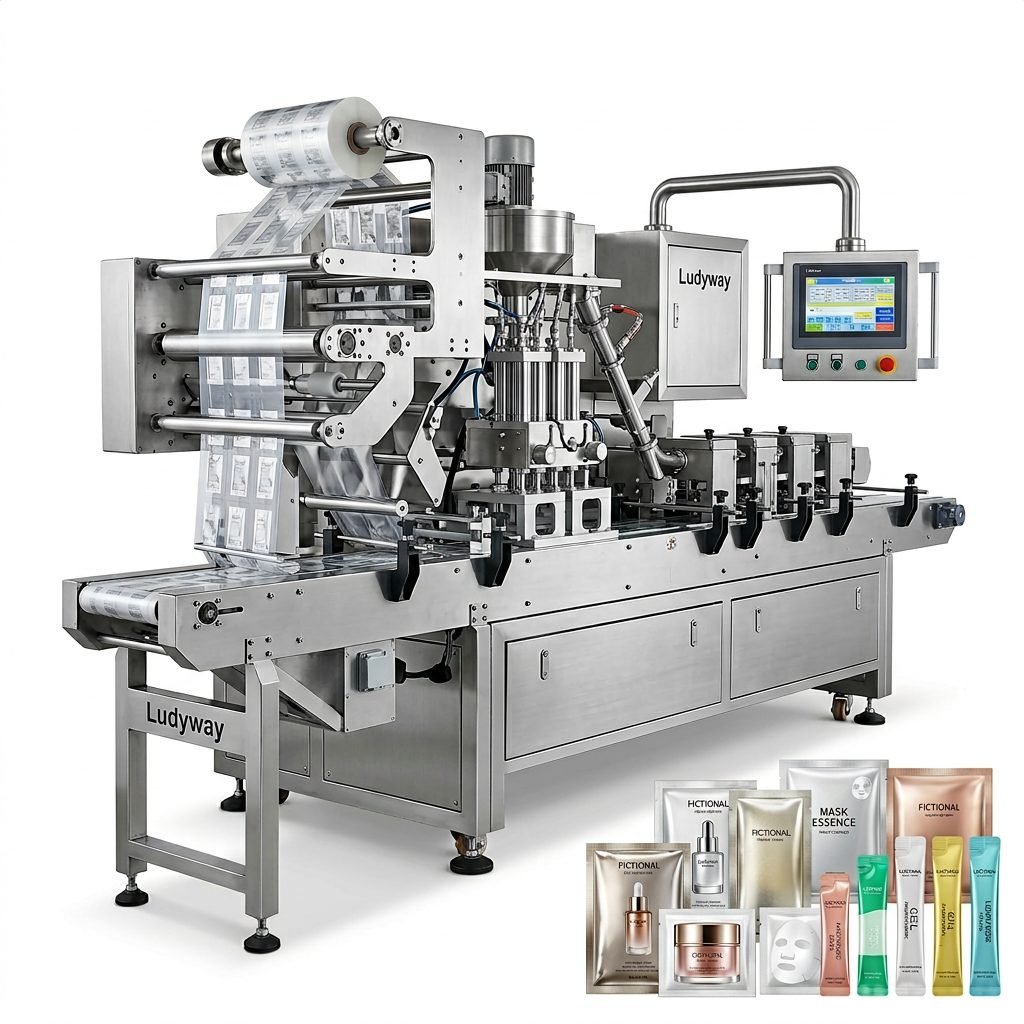
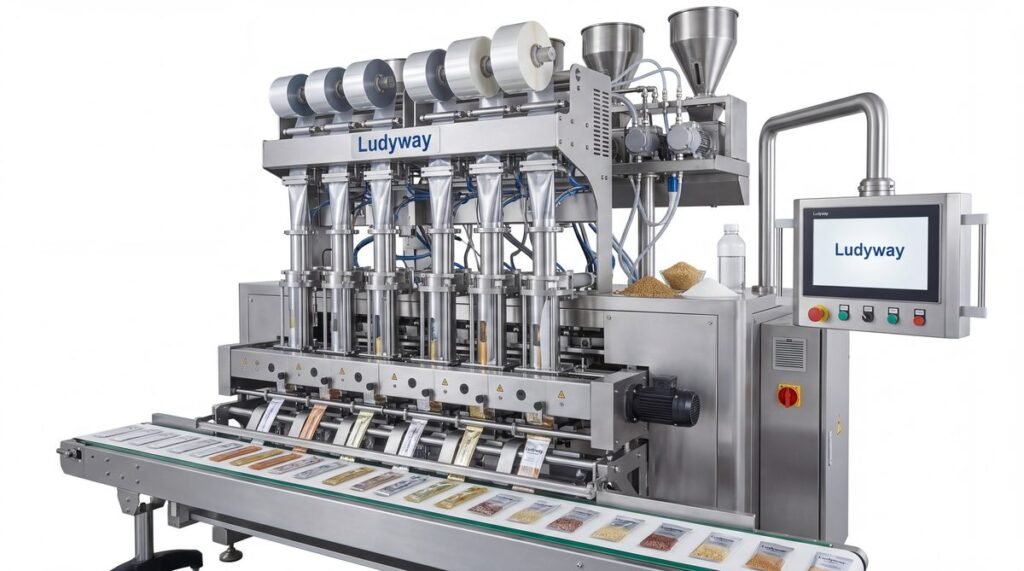
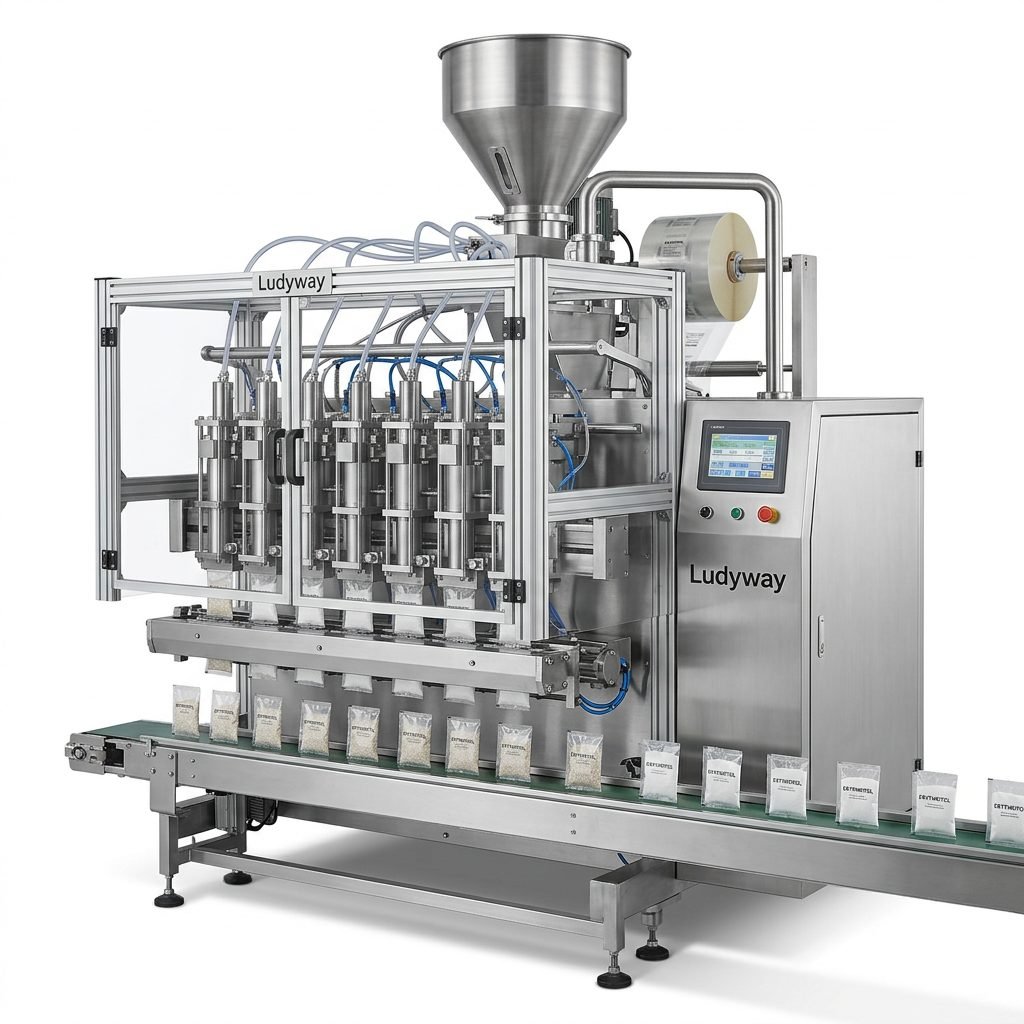
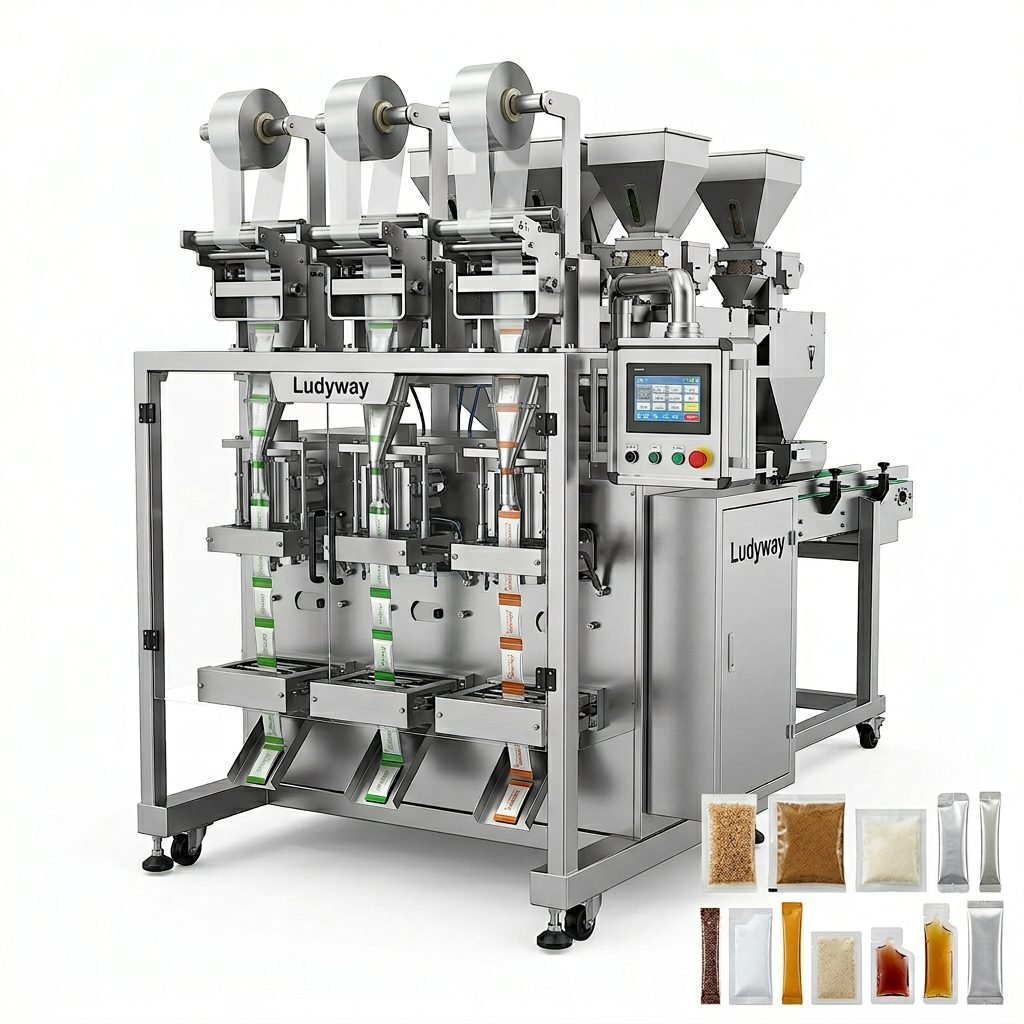
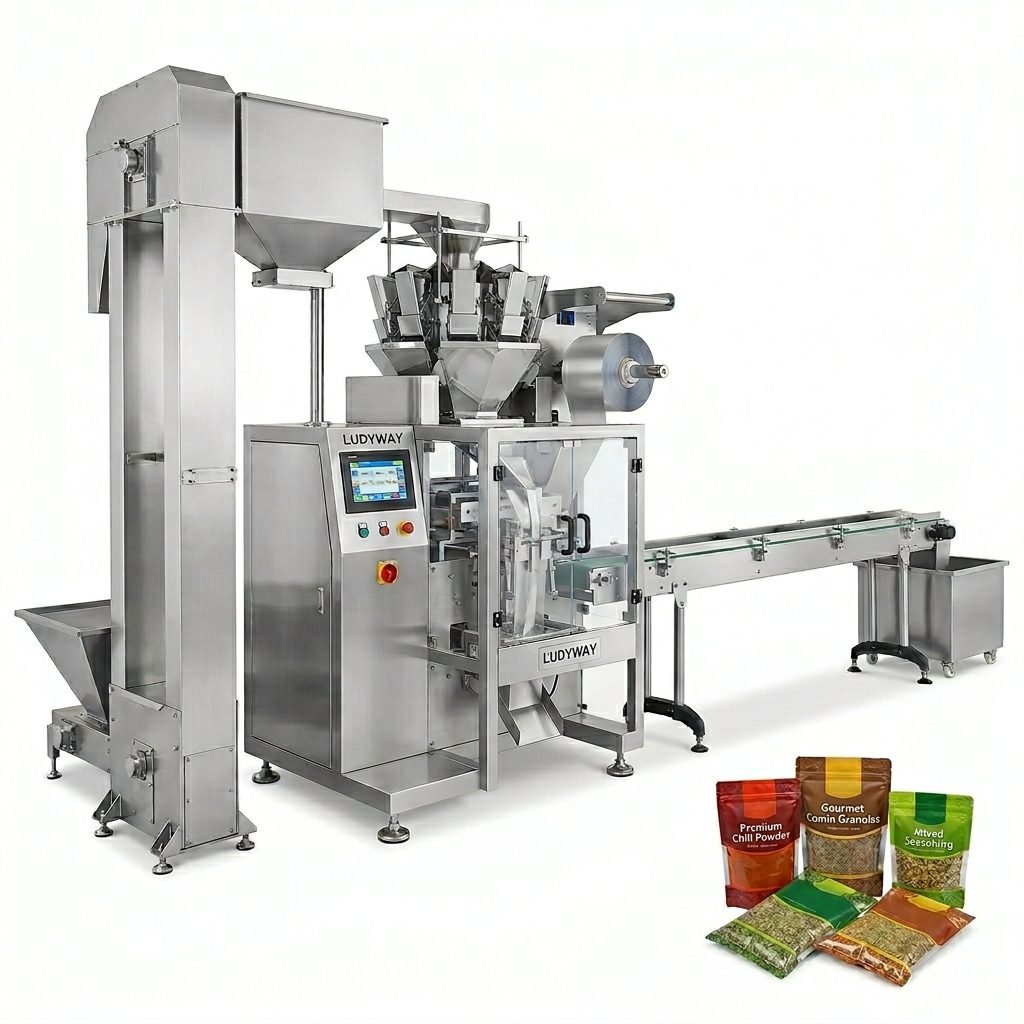
Machine efficiency is becoming a central part of carbon strategy. Modern systems can reduce energy demand through servo-driven motion control, optimized heating systems, accurate dosing, intelligent standby settings, and integrated inspection functions that lower scrap.
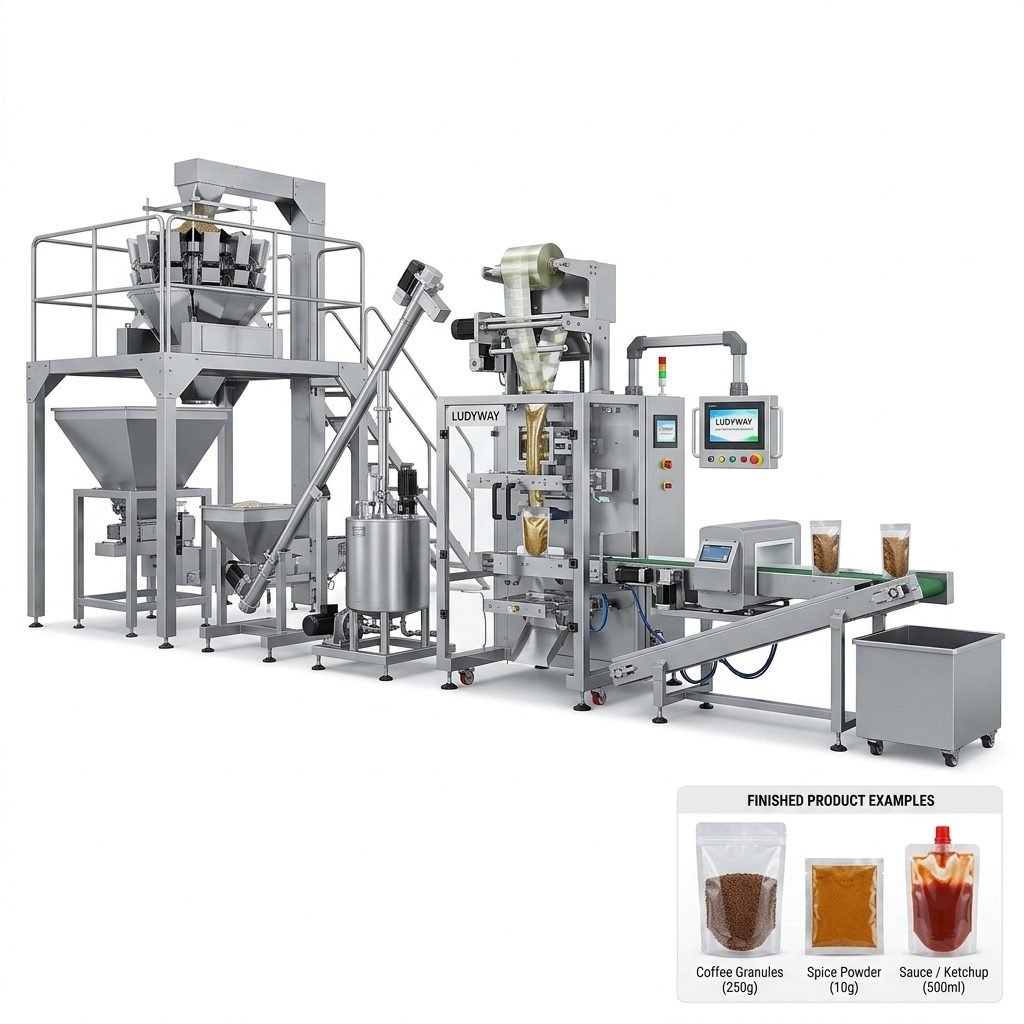
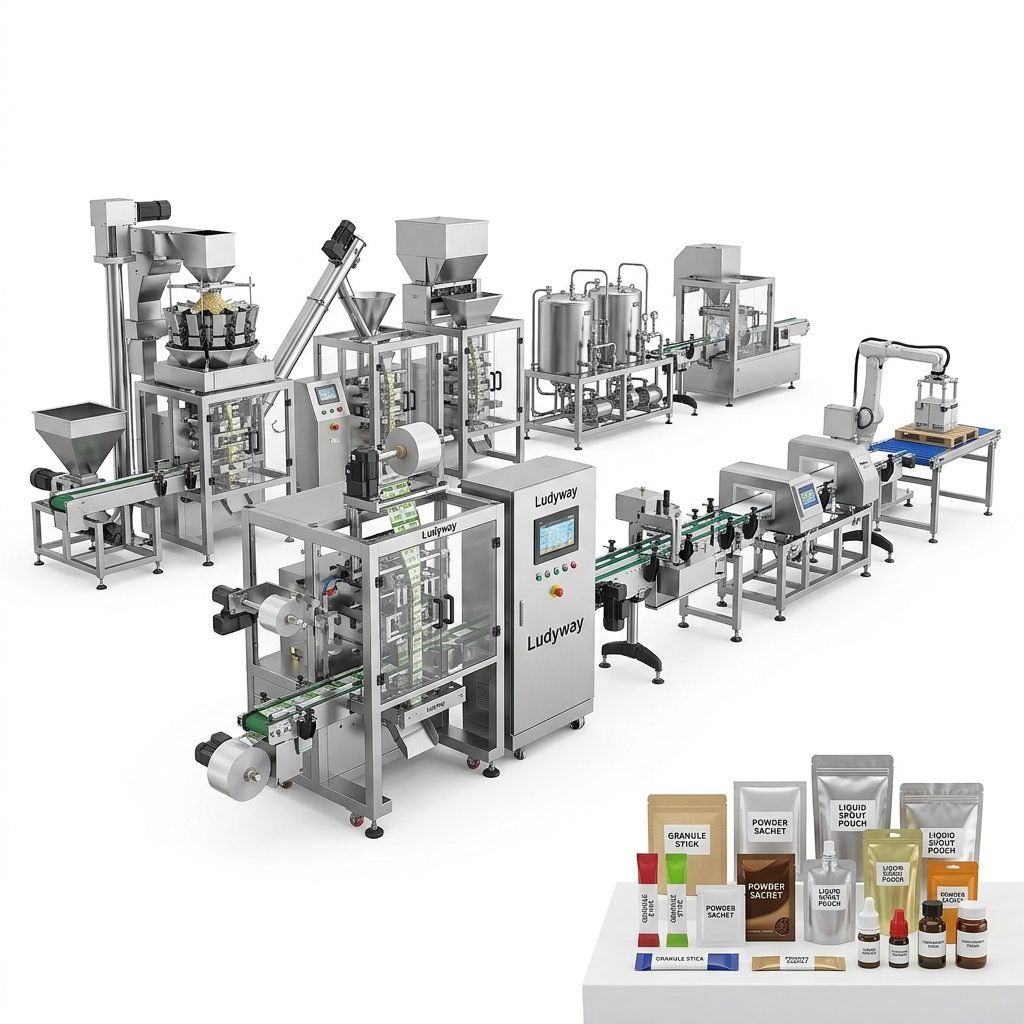
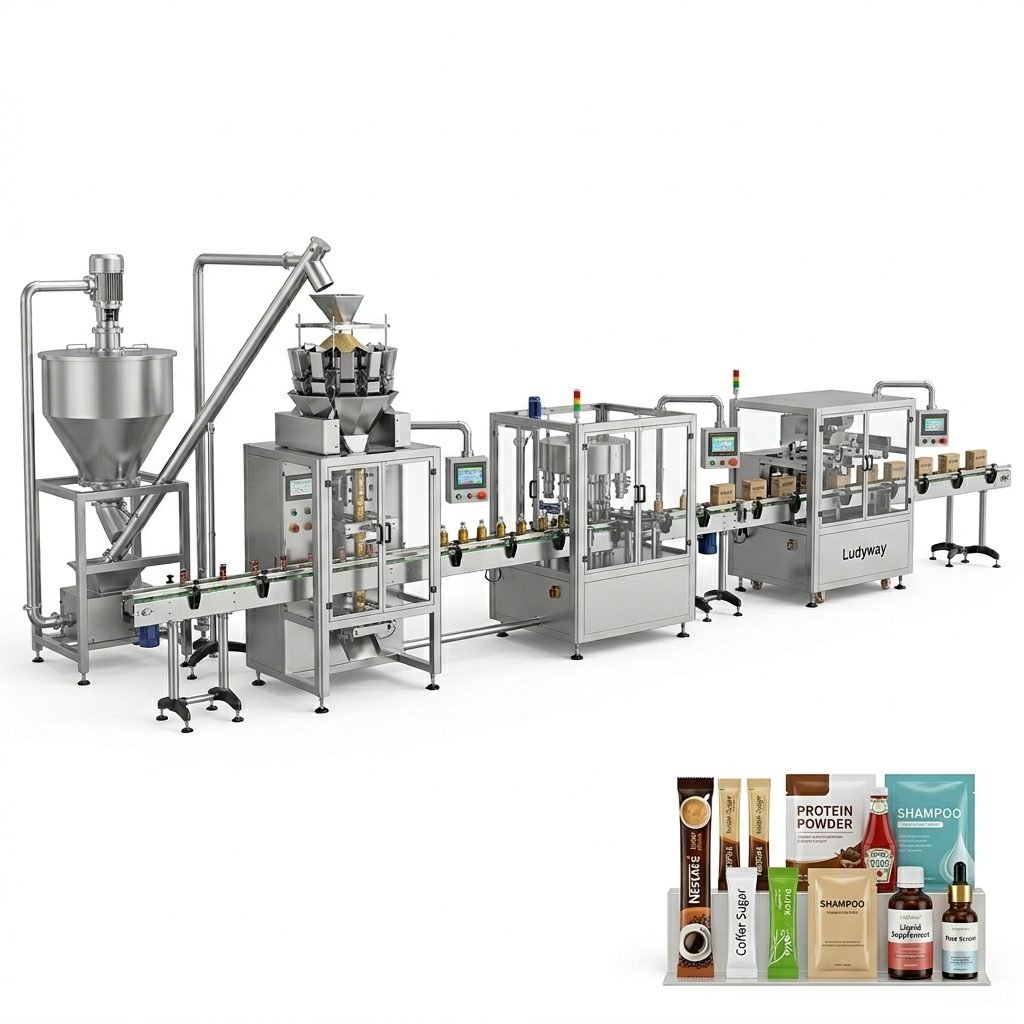
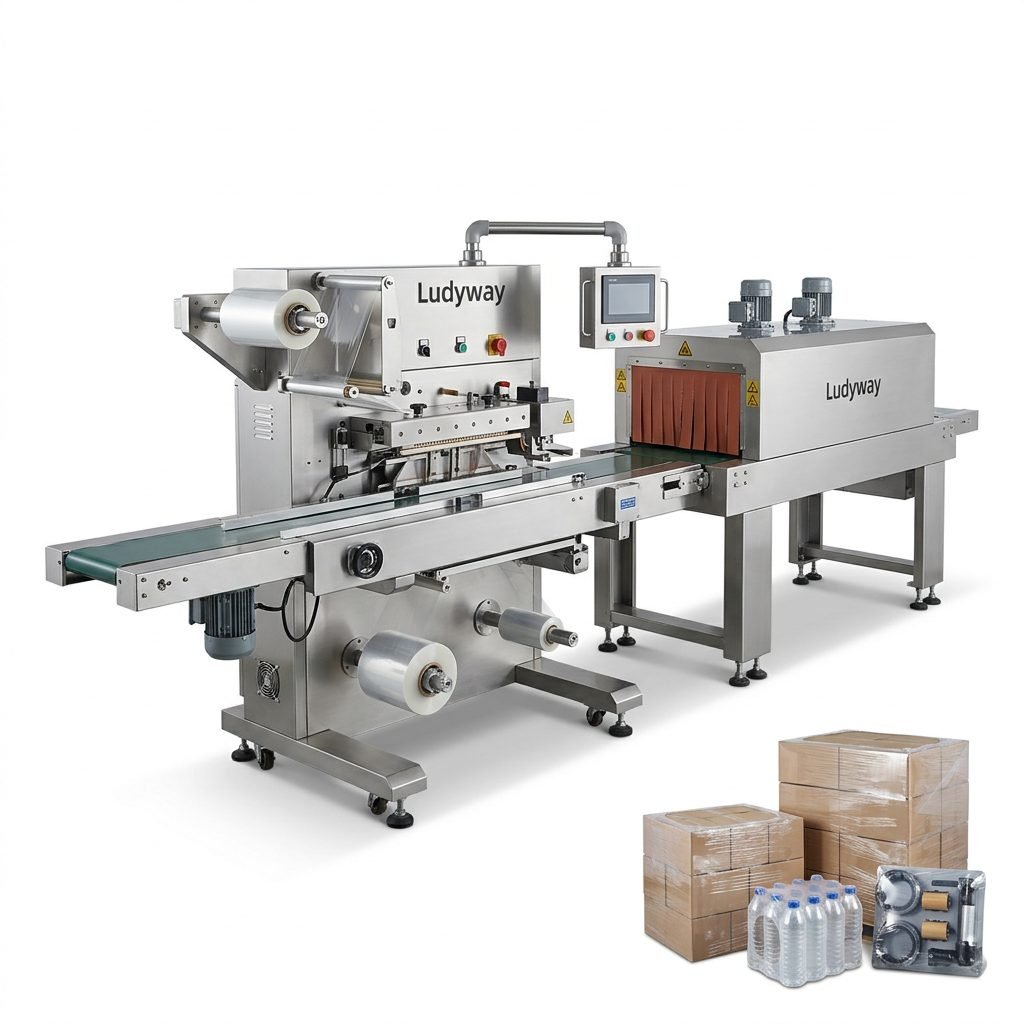
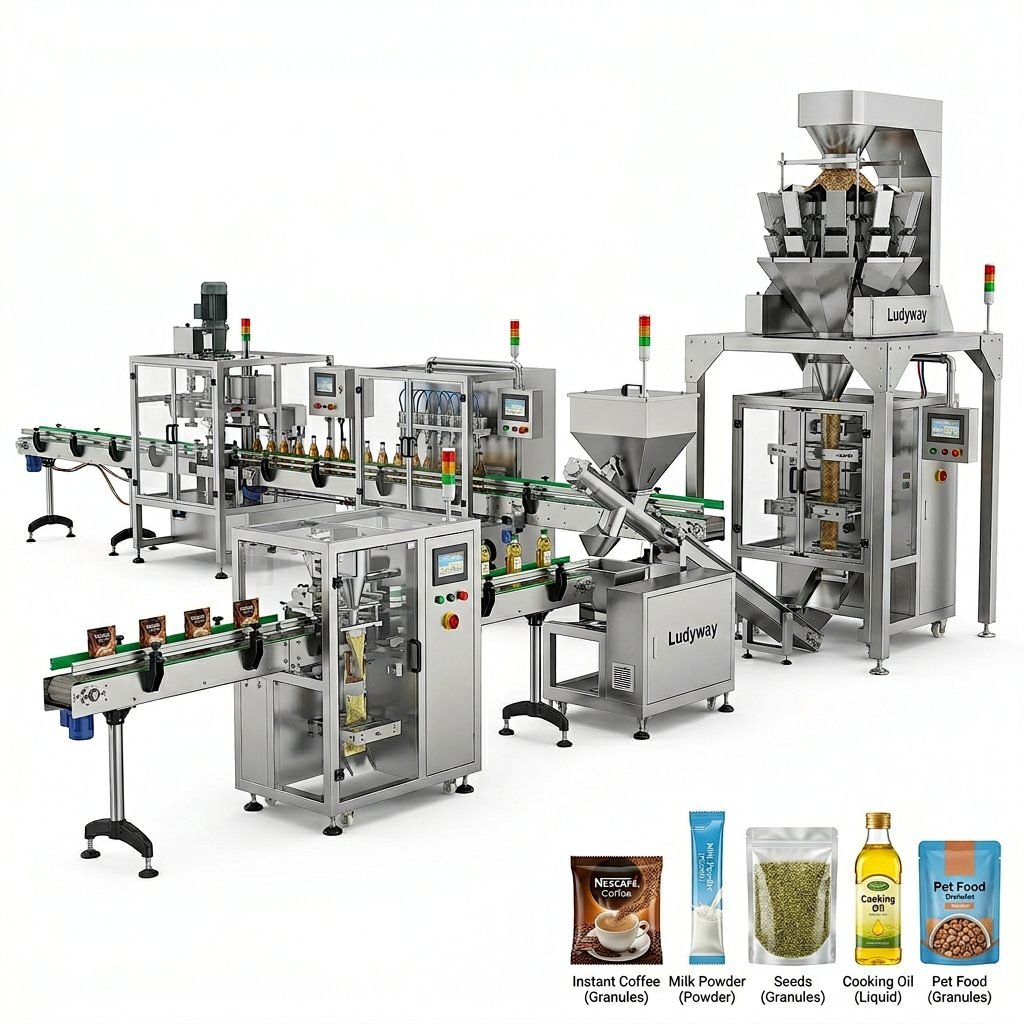
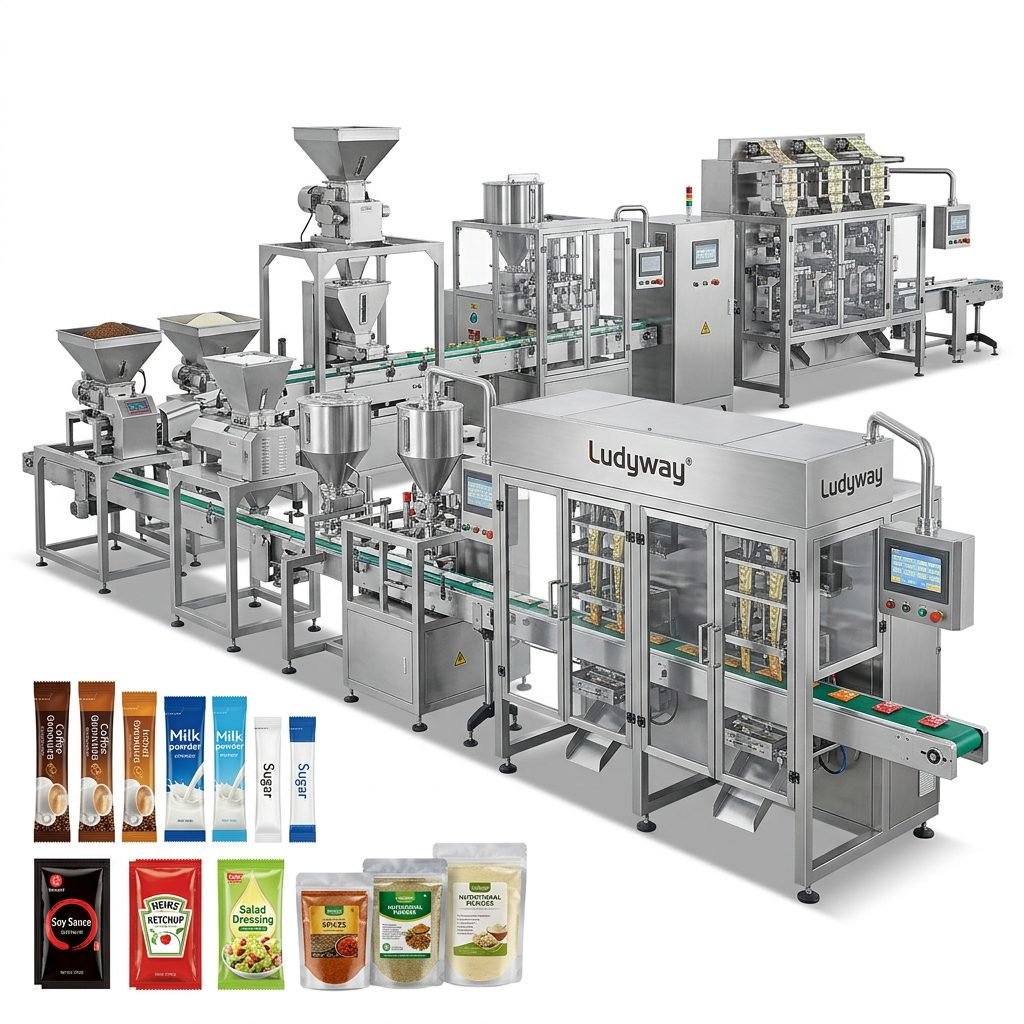
For companies planning line upgrades, equipment suppliers such as Ludyway packaging machine manufacturer are gaining attention for helping processors improve automation, consistency, and line integration across food, pharmaceutical, health supplement, and related applications.
4. Smarter line integration
Carbon reduction is rarely achieved by one machine alone. The biggest gains often come from coordinated packaging lines where feeding, filling, sealing, cartoning, coding, checkweighing, and palletizing work together with fewer stops and less manual intervention. Better synchronization reduces idle time, misfeeds, leakage, and packaging rework.
5. Waste tracking and digital monitoring
Factories are investing more in real-time dashboards to measure OEE, material loss, reject ratios, and power consumption. When these metrics are linked to packaging SKU performance, manufacturers can identify where carbon intensity is highest and respond faster.
Where packaging carbon footprints are often underestimated
Industry experts note that many companies still focus only on packaging material itself while overlooking operational contributors. In reality, emissions can rise significantly when packaging lines run inefficiently or products require excessive secondary handling.
| Carbon Impact Area | Common Problem | Practical Reduction Approach |
|---|---|---|
| Material Use | Overdesigned pack formats and excess film thickness | Lightweight redesign and precision forming |
| Production Energy | High heat loss, outdated drives, inefficient start-stop cycles | Servo systems, optimized sealing, power monitoring |
| Product Waste | Inaccurate filling, leakage, seal failures | Improved dosing accuracy and in-line inspection |
| Transport Emissions | Bulky packaging and low pallet density | Compact pack design and better case configuration |
| End-of-Life Recovery | Difficult-to-recycle laminates | Simplified structures and recyclable material choices |
What brand owners are now asking packaging suppliers
Procurement teams are increasingly requesting more than machine speed and output capacity. Sustainability-related questions have become part of standard technical evaluation.
- How much material can the line save per pack compared with existing equipment?
- Can the system support recyclable or downgauged films without major stability loss?
- What is the expected energy consumption under normal production load?
- How does the line reduce rejects, leaks, and startup waste?
- Can production data be tracked for carbon reporting and continuous improvement?
Regional and sector differences still matter
The carbon reduction path varies by industry. In food packaging, shelf life and barrier performance remain essential, so sustainability decisions must protect product quality. In pharmaceuticals, compliance and package integrity cannot be compromised, making process precision especially important. In household and personal care, flexible sachet and pouch applications are under pressure to become more material-efficient while maintaining visual appeal and convenience.
Across export markets such as Europe and North America, customers are also placing more value on supplier transparency, machine reliability, and long-term technical support. That means packaging line investments are being judged not only by purchase cost, but by lifecycle performance and the ability to support future packaging transitions.
Industry outlook: from commitment to execution
The packaging industry’s carbon reduction agenda is entering a more practical stage. Companies are no longer satisfied with sustainability messaging alone; they want line-level changes that deliver measurable improvements in energy use, waste reduction, and packaging efficiency.
Over the next few years, the strongest competitive advantage will likely go to manufacturers that combine smart packaging design, efficient automation, and scalable turnkey integration. As pressure grows from regulators, retailers, and end users, carbon footprint reduction is becoming not just an environmental objective, but a core requirement for modern packaging operations.
Key takeaway
For packaging businesses looking to stay competitive, the most effective carbon reduction strategy is a balanced one: use less material, run more efficient lines, reduce waste at every stage, and build packaging systems that are ready for the next generation of sustainable formats.