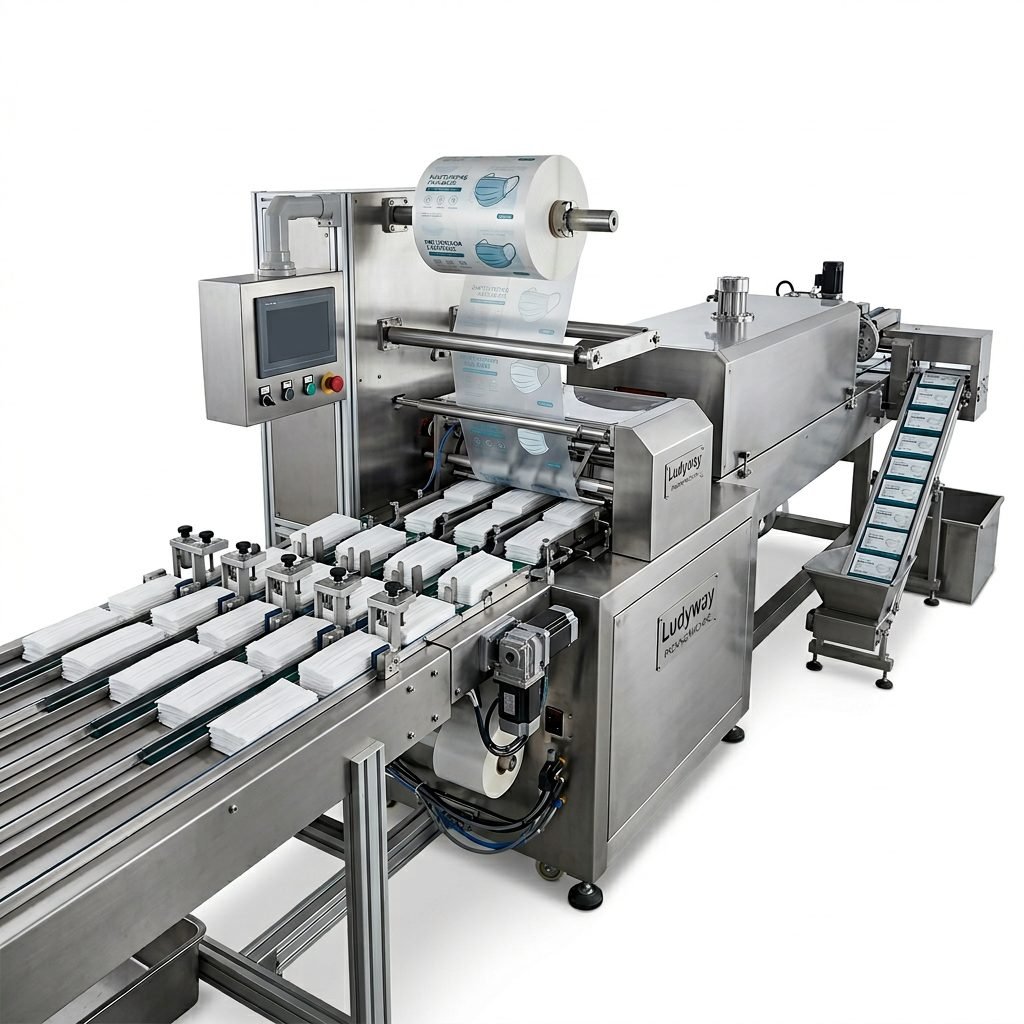
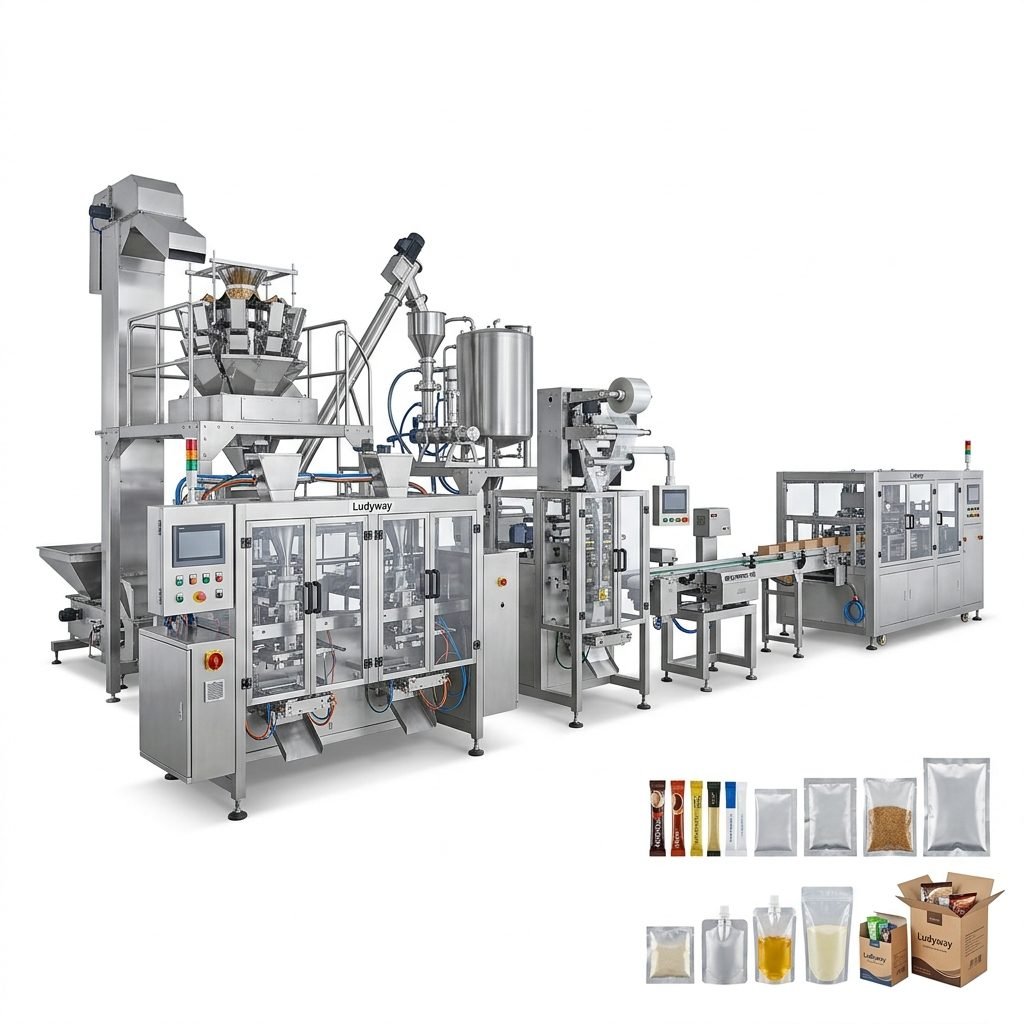
Reducing packaging machine maintenance costs is not about cutting corners. It is about building a smarter system that keeps equipment reliable, productive, and safe over the long term. When maintenance is reactive, companies often face unexpected downtime, higher spare parts expenses, quality issues, and shorter machine life. When maintenance is planned, the same equipment can perform more consistently for years.
For manufacturers in food, pharmaceutical, cosmetic, chemical, and related sectors, a practical maintenance strategy can significantly improve total cost of ownership. Whether you run a single packing machine or a complete automated line, the following methods can help extend service life and reduce avoidable spending.
Why Maintenance Costs Rise So Quickly
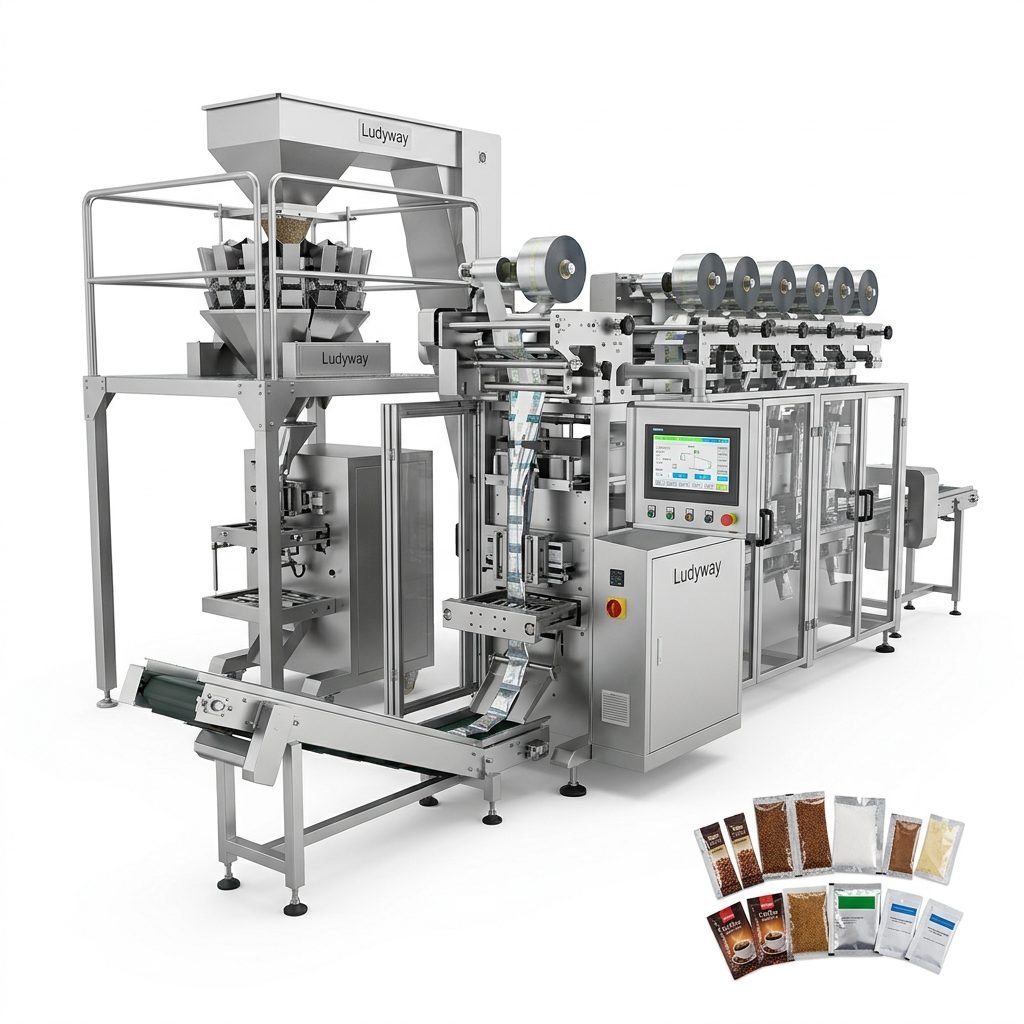
Packaging equipment is exposed to continuous motion, vibration, dust, heat, moisture, and product residue. Over time, small issues become expensive problems if they are ignored. A loose belt can affect tracking. A worn seal can create leaks. A contaminated sensor can cause misreads and stop the line.
Most maintenance costs increase because of three common factors:
- Late intervention after a fault has already damaged nearby components
- Poor cleaning and lubrication habits that speed up wear
- Untrained operation that causes overload, misadjustment, or repeated stoppages
Once these problems repeat across shifts, the machine becomes more costly to run and less reliable to schedule.
Start With Preventive Maintenance, Not Emergency Repairs
The most effective way to lower maintenance costs is to move from breakdown-based service to preventive maintenance. Instead of waiting for failure, inspect and service critical parts according to actual operating hours, workload, and product type.
Key preventive maintenance tasks include:
- Checking fasteners, chains, belts, bearings, and guide rails
- Lubricating moving parts at the correct intervals
- Inspecting cutters, sealing jaws, filling parts, and nozzles for wear
- Cleaning sensors, photoelectric eyes, and control cabinets
- Verifying temperature, pressure, alignment, and calibration settings
- Replacing low-cost wear parts before they damage expensive assemblies
A simple checklist performed daily, weekly, and monthly can dramatically reduce unexpected failures.
| Maintenance Frequency | Recommended Tasks | Cost Impact |
|---|---|---|
| Daily | Cleaning, visual inspection, leak checks, unusual noise monitoring | Prevents small faults from growing |
| Weekly | Lubrication, sensor inspection, belt tension checks, fastener tightening | Reduces wear and short stoppages |
| Monthly | Calibration, alignment review, electrical inspection, spare part review | Avoids major repair events |
| Quarterly / Semiannual | Deep overhaul of critical assemblies, software checks, component replacement planning | Extends overall equipment life |
Train Operators to Protect the Machine Every Shift
One of the most overlooked ways to reduce maintenance cost is operator training. Skilled operators do more than run the machine. They notice vibration changes, unusual sounds, inconsistent sealing, filling deviations, and film tracking problems before these become larger failures.
Operators should know how to:
- Start up and shut down equipment correctly
- Use proper parameter settings for different packaging materials and products
- Identify early warning signs of wear or instability
- Clean contact parts safely without damaging sensors or seals
- Report faults with clear records instead of temporary workarounds
Incorrect operation is often more expensive than normal wear. A well-trained team can reduce service calls, spare part waste, and unnecessary downtime.
Keep the Machine Clean the Right Way
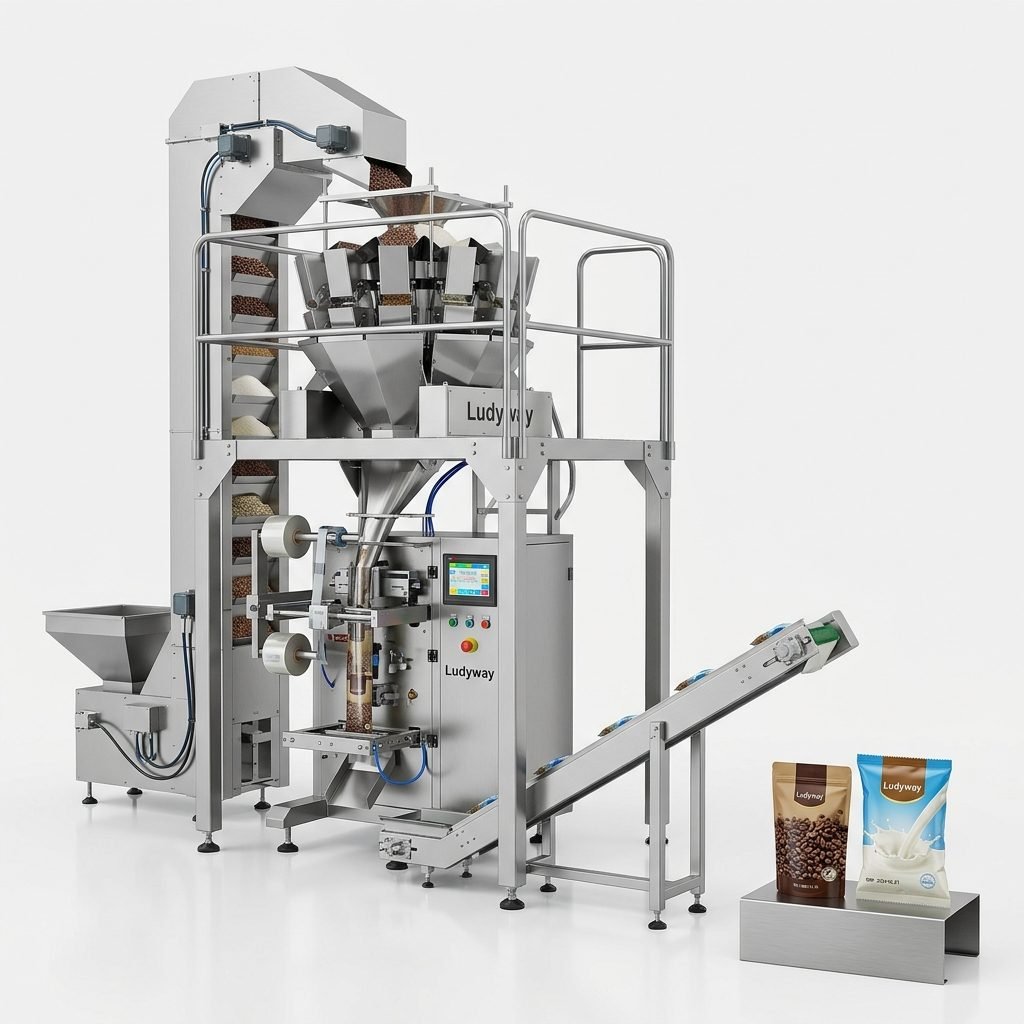
Packaging machinery often handles powders, granules, liquids, pastes, and sticky materials. Product buildup can affect weighing accuracy, sealing quality, and component movement. But aggressive cleaning can also damage sensitive areas if done incorrectly.
Best cleaning practices:
- Use cleaning methods suitable for the product and machine material
- Remove dust from electrical areas with safe dry methods where appropriate
- Clean filling heads, hoppers, conveyors, and sealing zones regularly
- Avoid excess water near motors, control panels, and sensors unless the design allows it
- Make sure parts are fully dry before restart
In industries such as food and pharma, proper cleaning protects both hygiene compliance and machine life. Residue left on sealing or dosing components often leads to poor output and repeated maintenance intervention.
Use the Right Spare Parts at the Right Time
Trying to save money with low-quality replacement parts usually increases total cost. Poorly matched belts, bearings, sensors, heating elements, blades, or seals can create repeat failures and damage surrounding components.
A better approach is to classify spares into three groups:
- Critical parts: motors, PLC-related components, drives, key sensors
- Wear parts: cutters, sealing parts, belts, gaskets, bearings
- Consumables: filters, lubricants, cleaning materials
Keep reasonable stock of wear parts and critical components that have longer lead times. This helps avoid urgent purchasing, expensive shipping, and long line stoppages.
Monitor Small Performance Changes Before Failure Happens
Machines usually give warnings before they stop completely. Maintenance teams should track basic performance indicators and compare them over time. This makes fault detection faster and more accurate.
Watch for these signs:
- Increased reject rate
- Temperature instability in sealing zones
- Slower cycle speed than normal
- Higher vibration or unusual noise
- Frequent sensor alarms or positioning errors
- Inconsistent package weight, volume, or seal appearance
These indicators help teams fix root causes early, when repair is still simple and inexpensive.
Reduce Overload and Run Machines Within Design Limits
Many maintenance problems come from pushing equipment beyond its intended operating range. Running too fast for the product, packaging material, or ambient conditions may increase output for a short time, but it often shortens component life.
To avoid overload:
- Match production targets to machine design capacity
- Use packaging materials with stable quality and specification
- Prevent hopper overfilling, jamming, and uneven feeding
- Confirm sealing temperature and dwell time are appropriate
- Do not force the machine to compensate for upstream or downstream bottlenecks
Stable operation usually costs less than maximum-speed operation.
Improve the Line, Not Just the Single Machine
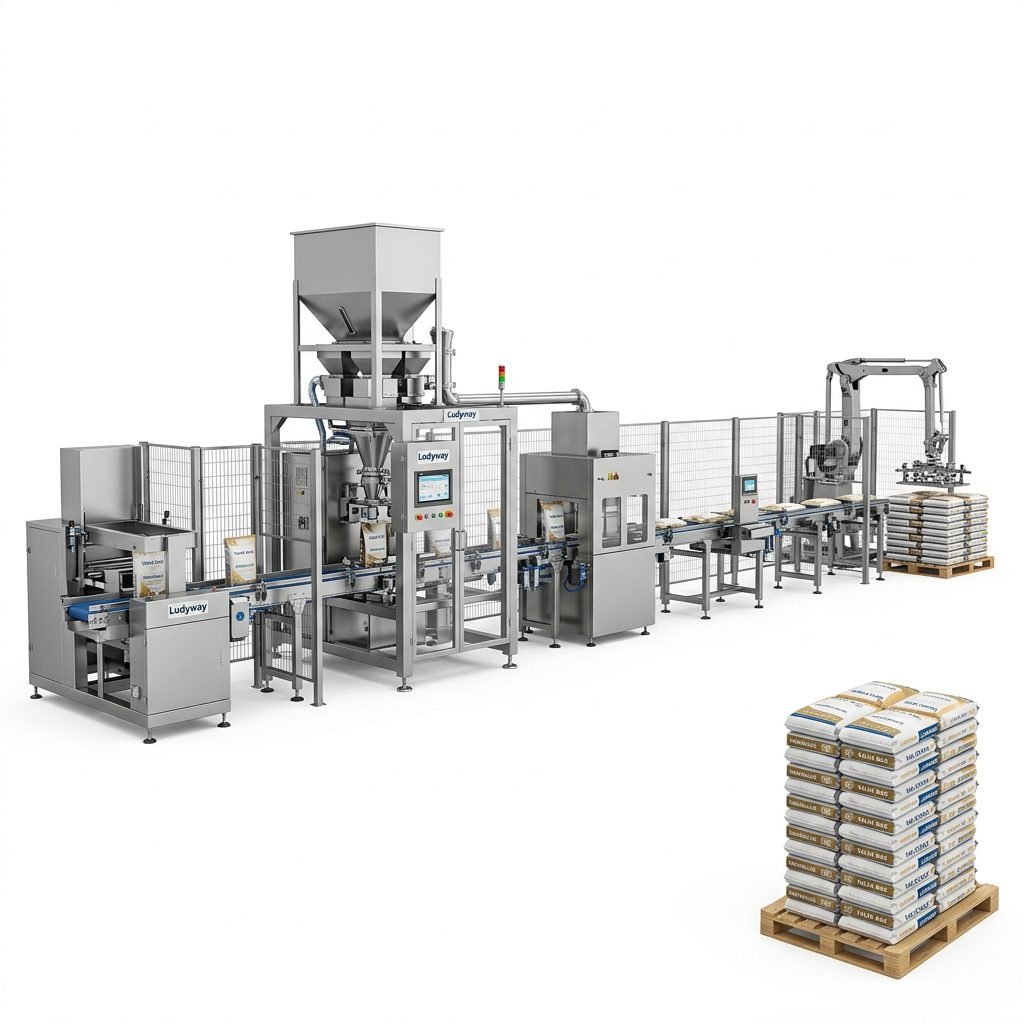
Maintenance costs are often caused by system imbalance rather than one isolated machine. If conveyors, feeders, checkweighers, coding devices, cartoners, or palletizing units are not synchronized, stoppages multiply and mechanical stress increases.
A line-level review should examine:
- Product feeding consistency
- Machine-to-machine speed matching
- Accumulation and buffer points
- Communication between control systems
- Changeover procedures across the whole line
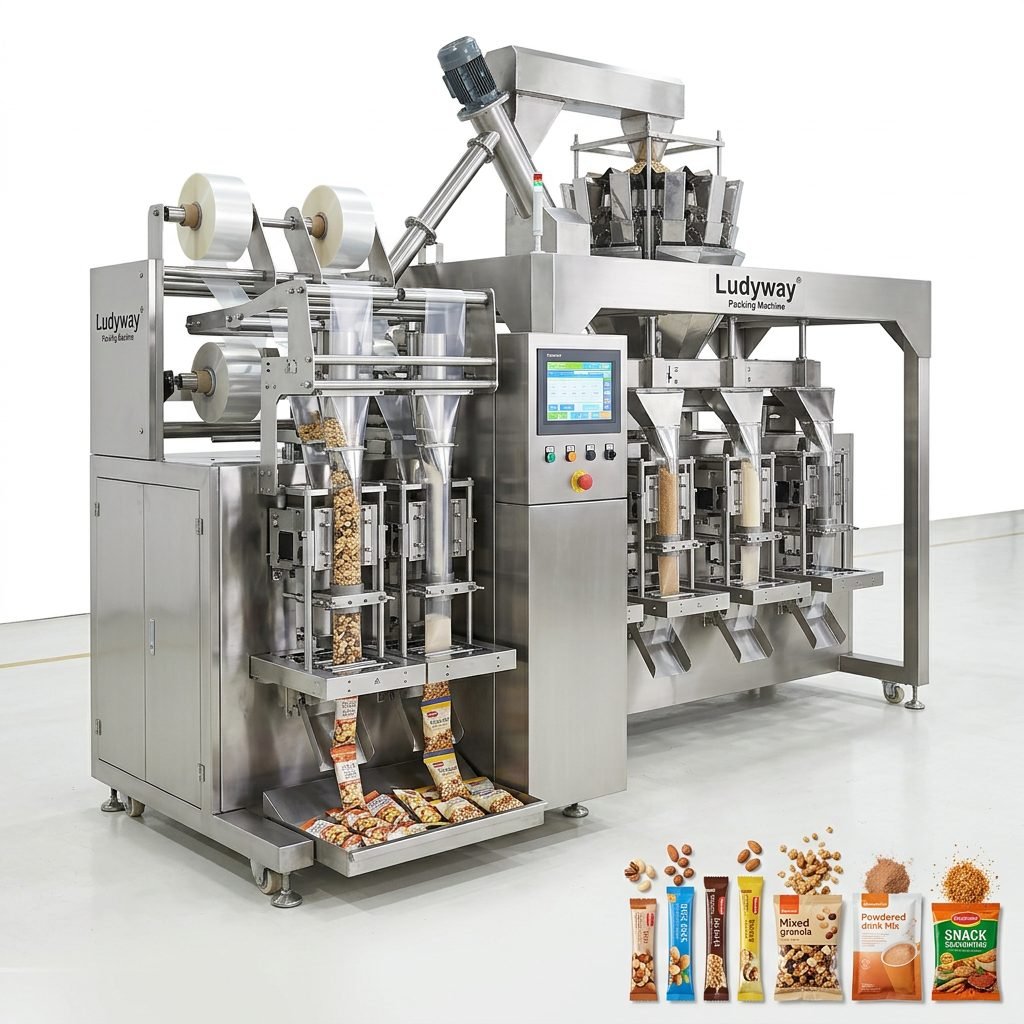
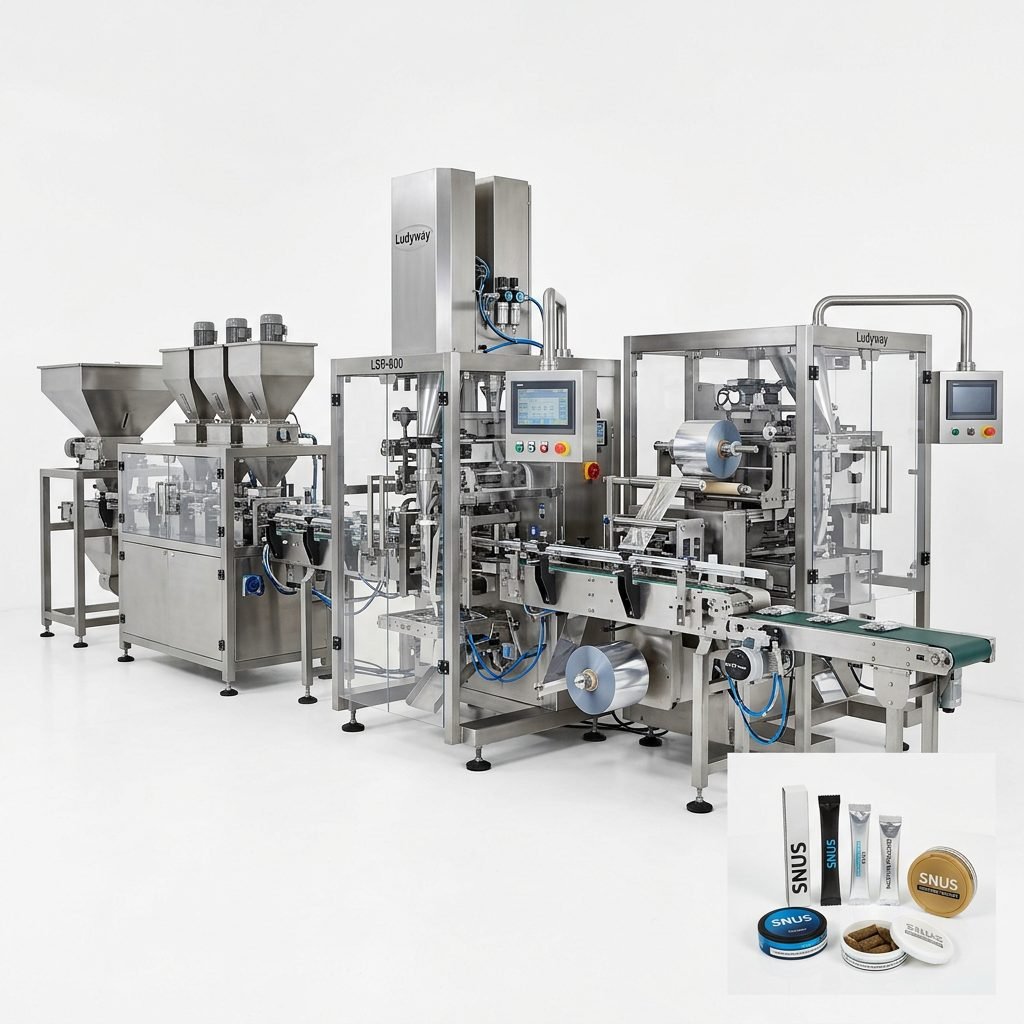
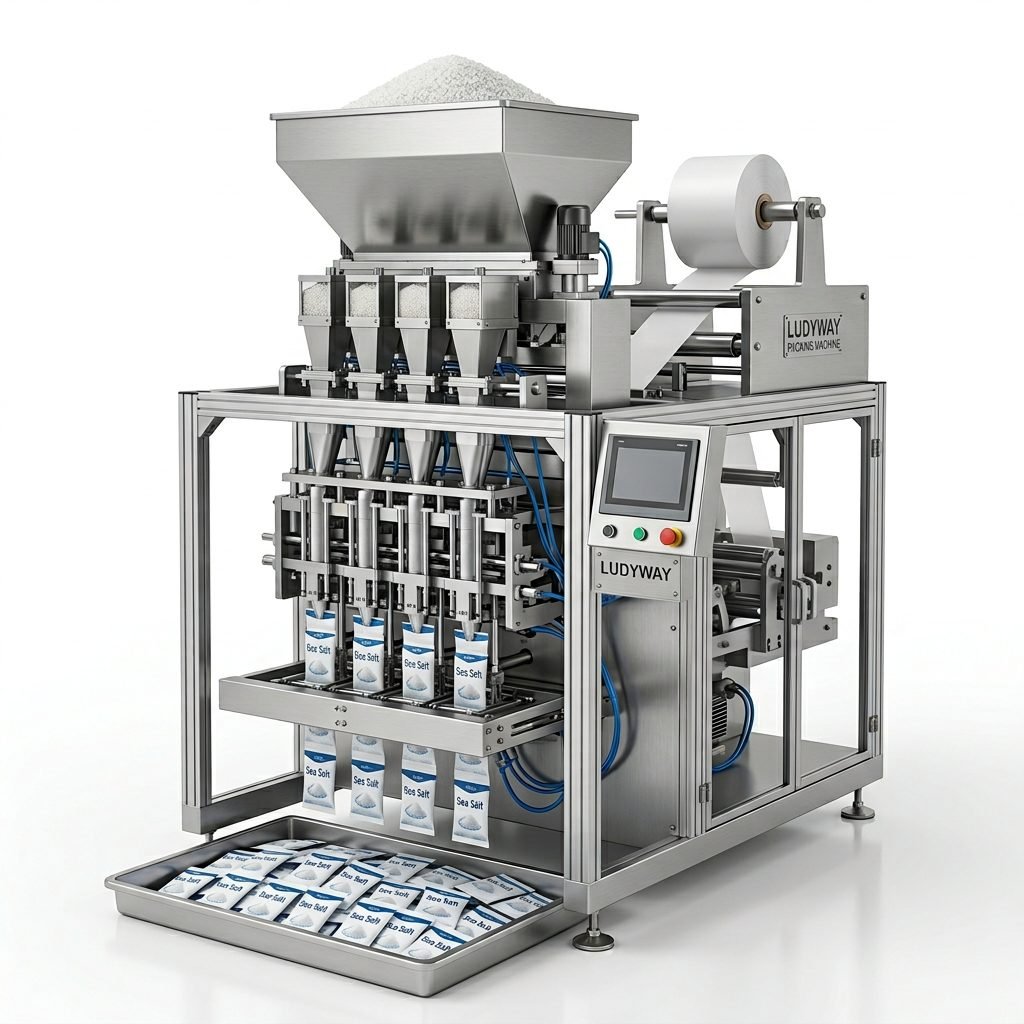
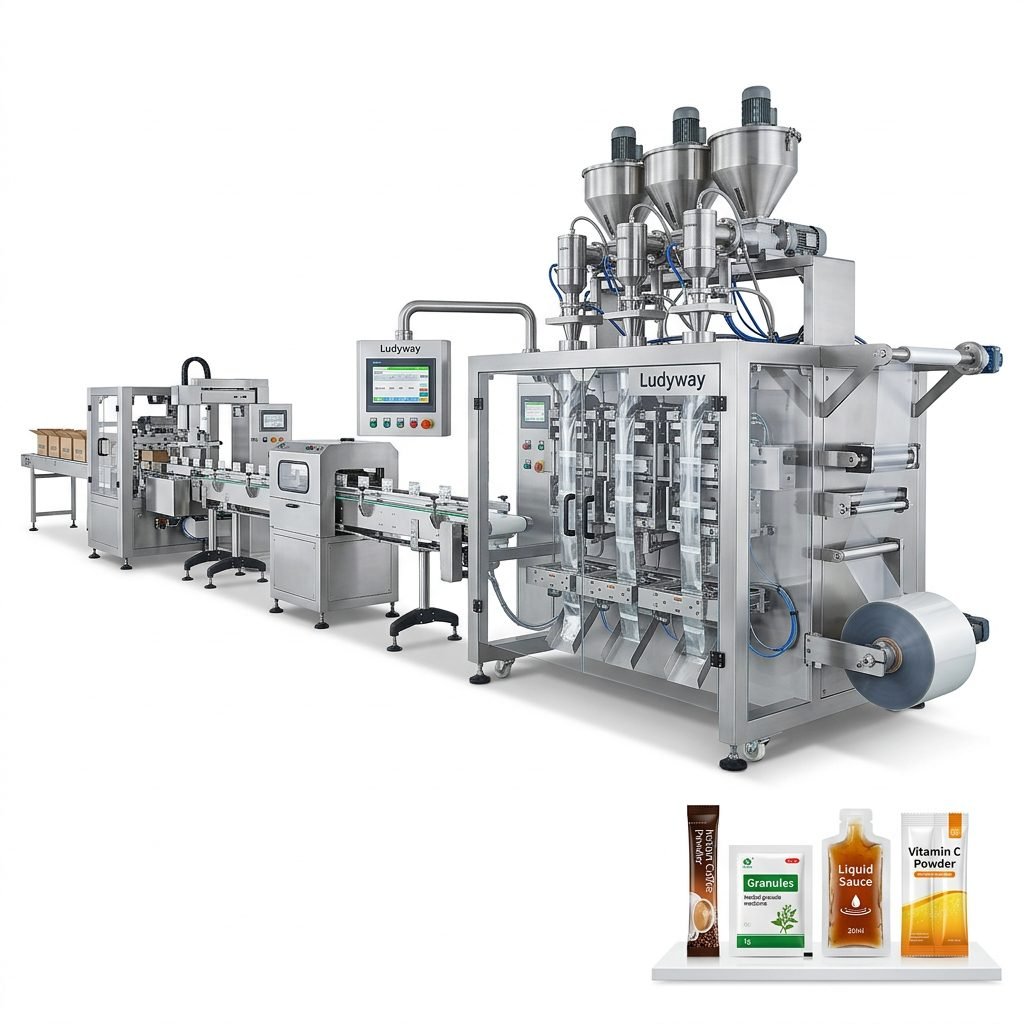
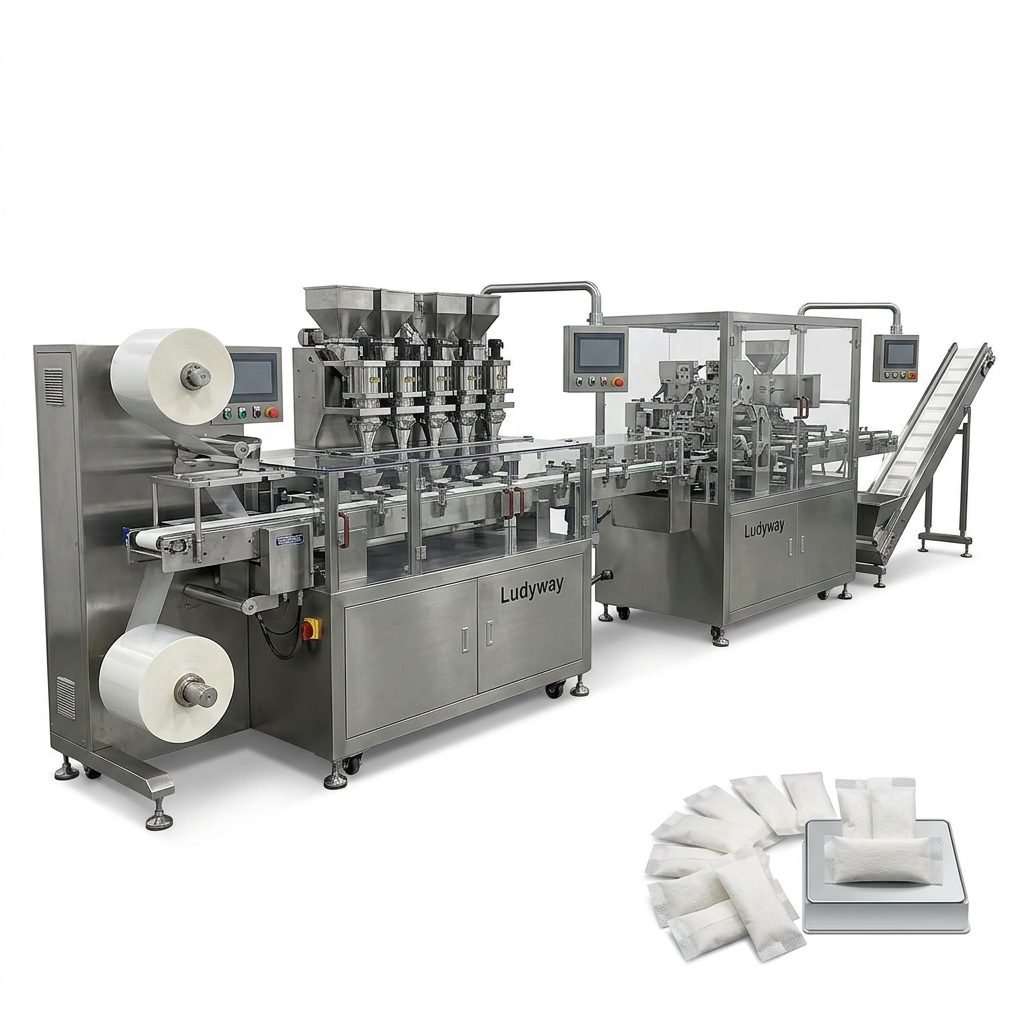
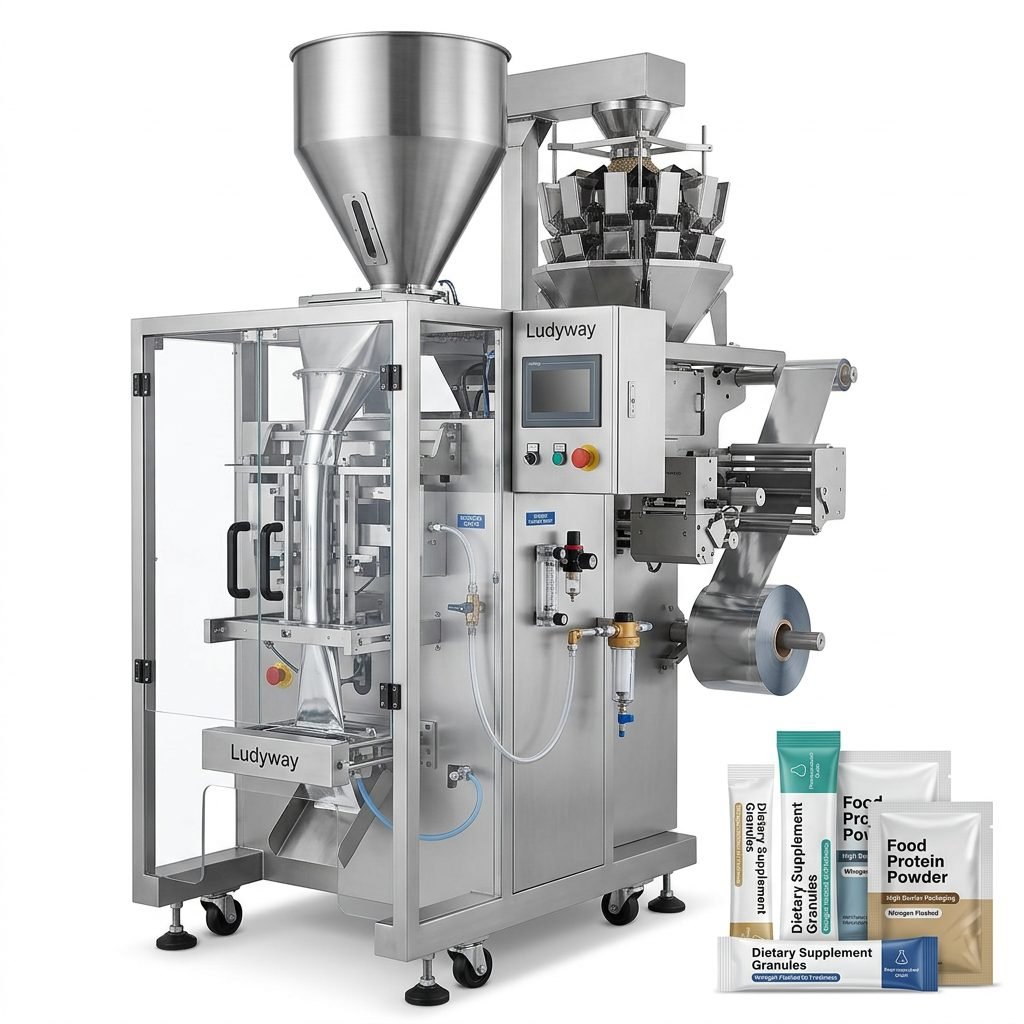
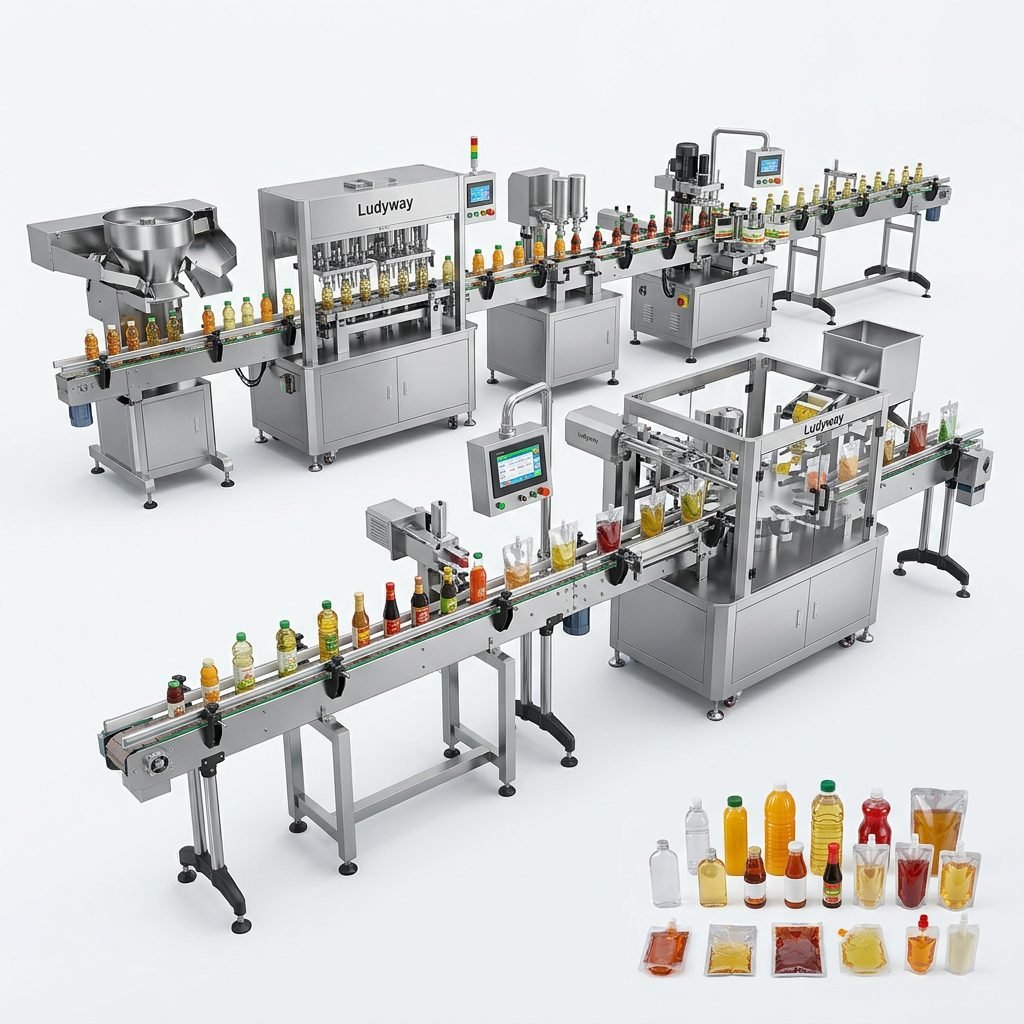
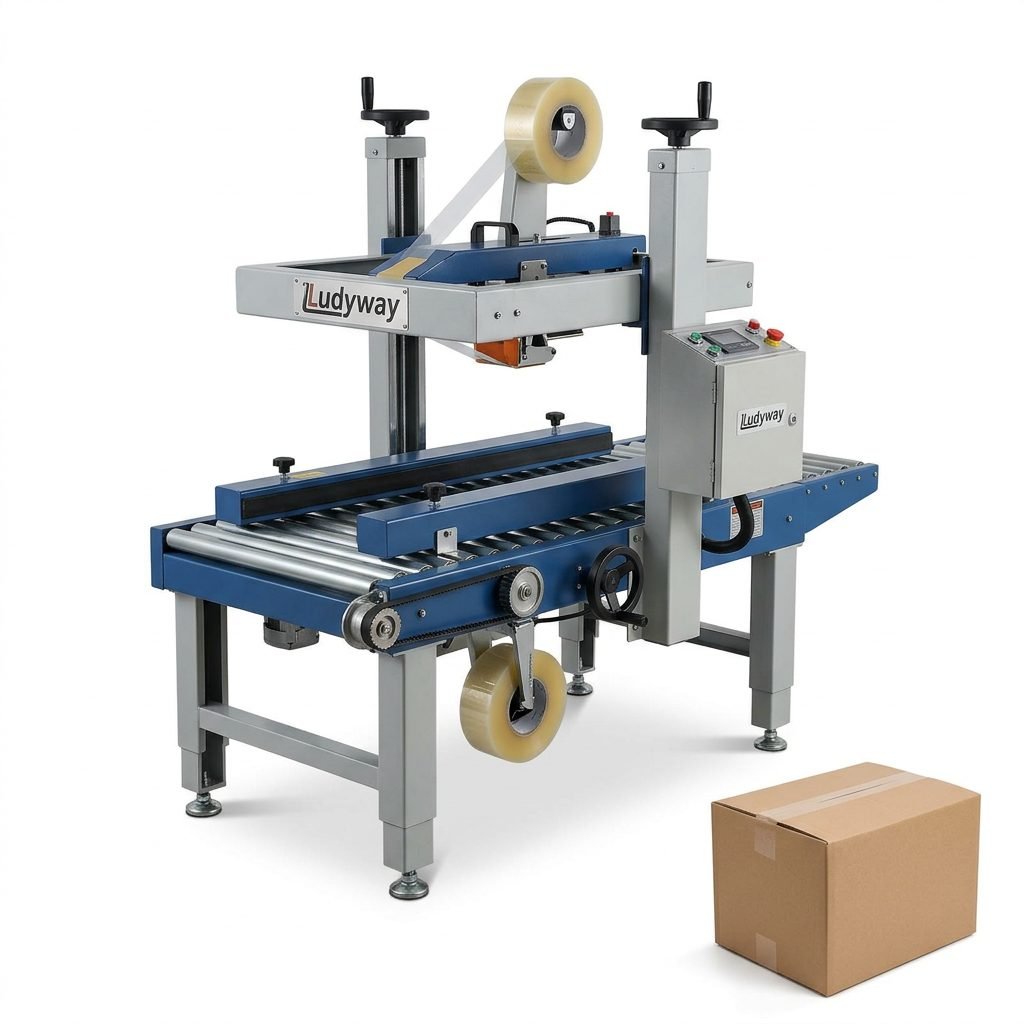
Companies working with experienced suppliers such as packaging machine manufacturer Ludyway often benefit from better equipment integration, which can reduce maintenance pressure across the entire production line.
Document Every Failure and Build a Maintenance History
If maintenance actions are not recorded, the same problems tend to repeat. A simple service log helps identify which parts fail most often, which shifts see more issues, and whether a problem comes from wear, setup, material quality, or operator habits.
Your maintenance record should include:
- Date and time of failure
- Machine model and station involved
- Fault symptoms
- Root cause
- Parts replaced
- Repair duration
- Preventive action for the future
Over time, this data supports more accurate spare parts planning and smarter service scheduling.
Schedule Changeovers Carefully
Frequent format changes can increase wear on adjustment mechanisms, clamping systems, sealing tools, and dosing parts. Poor changeover habits also lead to alignment errors and damaged components.
To reduce maintenance cost during changeovers:
- Use standardized setup procedures
- Train teams on correct disassembly and reassembly
- Store change parts properly to avoid impact damage
- Mark reference settings for recurring products
- Inspect key contact points after each changeover
Faster changeovers are useful, but accurate changeovers are more valuable when long-term maintenance costs are considered.
Create a Practical Cost-Control Plan
A good maintenance strategy should support both machine life and financial control. Instead of focusing only on repair invoices, monitor the full maintenance picture.
| Cost Area | Common Waste | Control Method |
|---|---|---|
| Spare Parts | Emergency buying, wrong parts, repeat replacement | Planned inventory and part standardization |
| Labor | Repeated repairs, unclear troubleshooting | Training, records, root cause analysis |
| Downtime | Unexpected stoppages and long restart times | Preventive service and line balancing |
| Product Waste | Bad sealing, underfill, overfill, reject packs | Calibration and routine inspection |
| Equipment Life | Premature overhaul or replacement | Correct operating load and scheduled maintenance |
When to Upgrade Instead of Repeatedly Repairing
Sometimes the lowest maintenance cost comes from upgrading outdated components rather than continuing to repair them. This is especially true when old control systems, sensors, drives, or worn assemblies cause chronic stoppages.
Consider an upgrade when:
- The same fault happens repeatedly
- Spare parts are becoming difficult to source
- Energy use is rising along with maintenance frequency
- Product quality losses are increasing
- The machine no longer matches current production needs
A targeted retrofit can cost less than repeated emergency maintenance over the next one or two years.
Final Practical Tips for Longer Equipment Life
- Clean regularly but carefully
- Lubricate only with the correct method and schedule
- Replace wear parts before failure spreads
- Train operators to spot small abnormalities early
- Track downtime and repair history by machine and component
- Keep machine settings stable and avoid unnecessary overload
- Review the entire packaging line, not just one station
In the long run, lower packaging machine maintenance costs come from discipline, consistency, and good technical decisions. Businesses that treat maintenance as part of production strategy usually gain longer equipment life, higher uptime, and better return on investment.