Global packaging supply chains are becoming more transparent as manufacturers, brand owners, regulators, and logistics providers invest in better data systems, traceability tools, and compliance reporting. Across food, pharmaceutical, personal care, and industrial sectors, the ability to track packaging materials from source to finished product is no longer seen as optional. It is increasingly viewed as a core requirement for risk control, sustainability reporting, and customer trust.
Why transparency is gaining momentum
The packaging industry has faced years of disruption, from raw material shortages and freight volatility to stricter environmental rules and rising quality expectations. In response, companies are building clearer visibility into where materials come from, how they are processed, and whether suppliers meet legal and ethical requirements.
This shift is being driven by several factors, including extended producer responsibility rules, recycling targets, food and pharma safety standards, and investor pressure for verifiable ESG performance. Buyers now want documentation that goes beyond price and lead time. They want proof of consistency, traceable sourcing, and reliable packaging line performance.
Key forces shaping the market
- Greater scrutiny of packaging material origin and composition
- Demand for digital batch records and supplier audit trails
- Stricter expectations on recyclable, reusable, and low-impact formats
- Need for faster response when quality issues or recalls occur
- Expansion of automation to reduce manual reporting gaps
Digital tools are improving end-to-end visibility
A major reason for recent progress is the wider adoption of digital monitoring across packaging operations. Companies are connecting procurement systems, warehouse management, packaging equipment, and quality inspection data into one reporting chain. This allows managers to identify material bottlenecks earlier and verify packaging output with stronger accuracy.
QR-based traceability, serialization, cloud dashboards, and machine-level production analytics are all helping firms move from reactive oversight to proactive management. In highly regulated sectors such as pharmaceuticals and health supplements, that improvement is especially valuable because any mismatch between product, packaging material, and coding can create compliance risk.
| Area | Past Challenge | Current Improvement |
|---|---|---|
| Material sourcing | Limited supplier visibility | More structured origin data and supplier documentation |
| Production tracking | Fragmented manual records | Integrated machine data and digital production logs |
| Quality management | Slow issue tracing | Faster batch identification and corrective action |
| Sustainability reporting | Inconsistent data collection | Better traceable records for recyclability and material use |
Automation is becoming part of transparency strategy
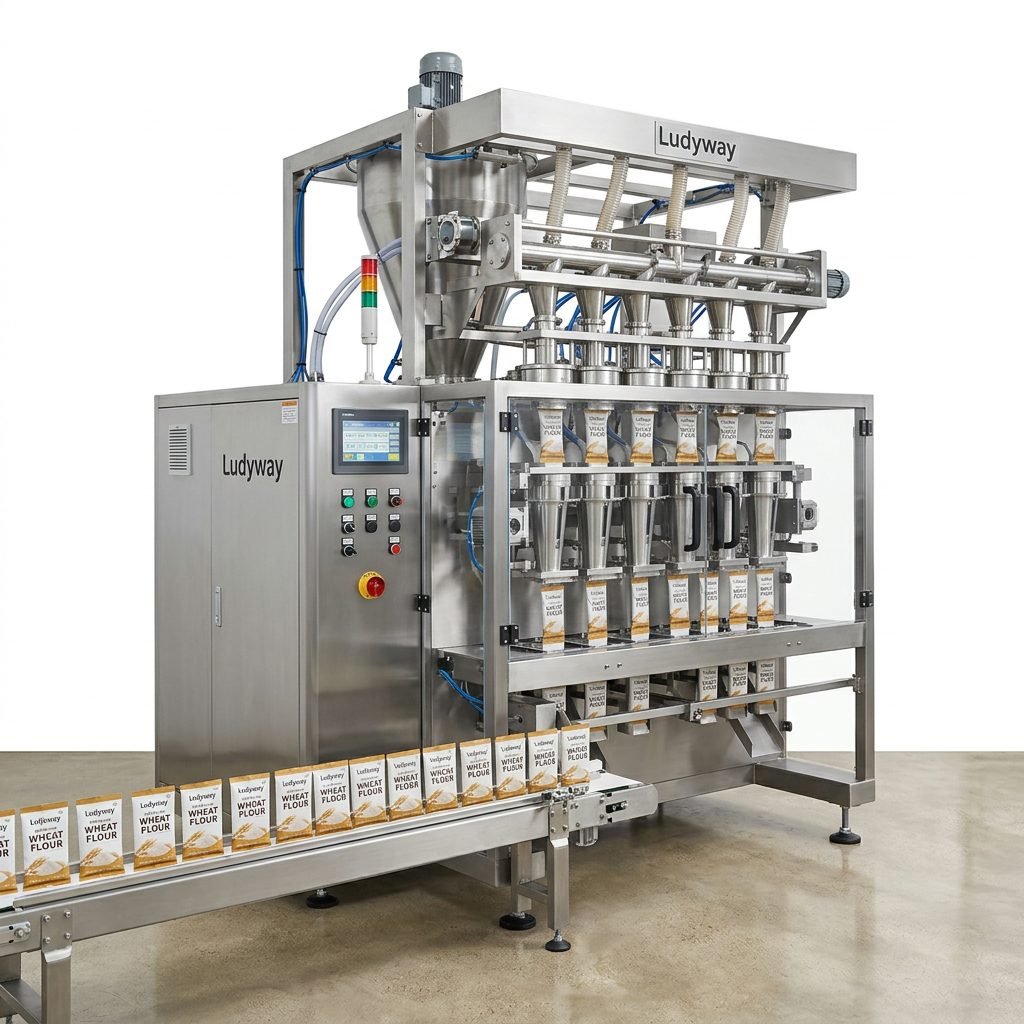
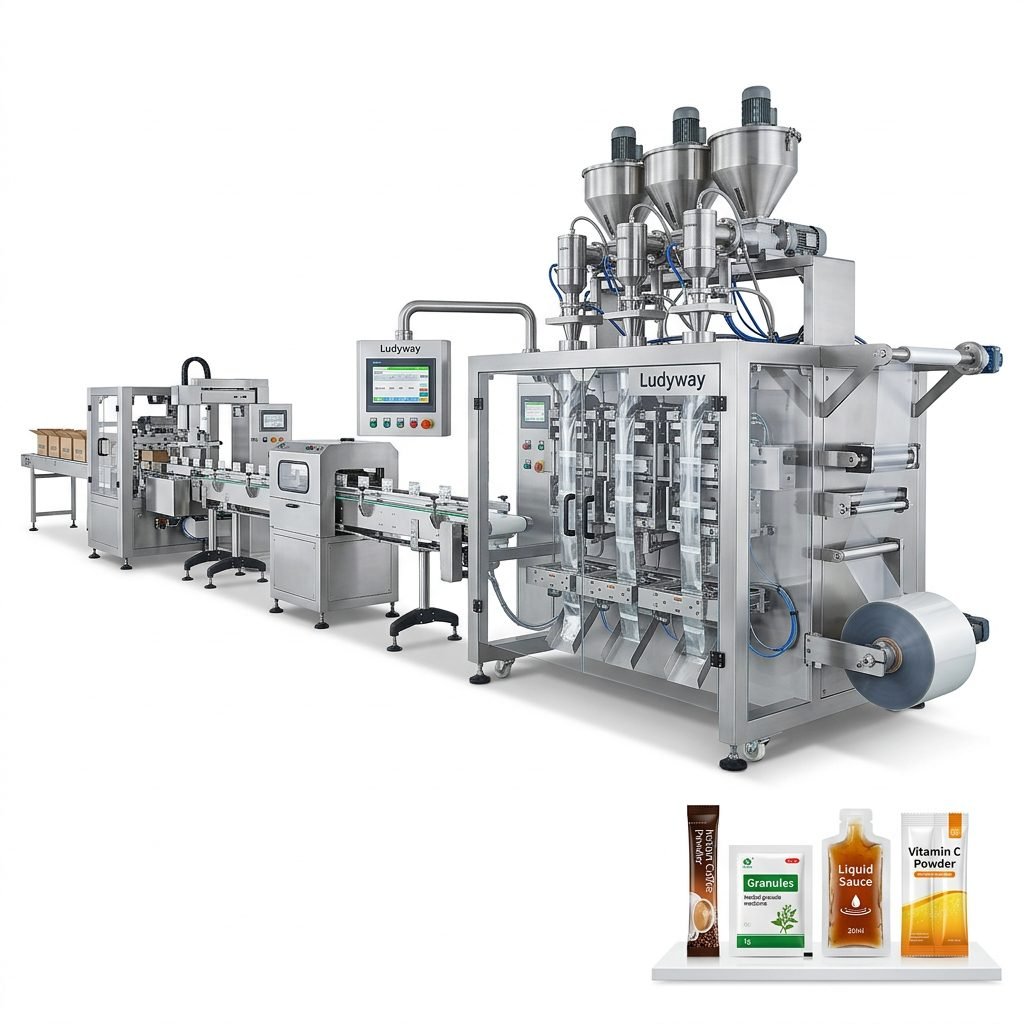
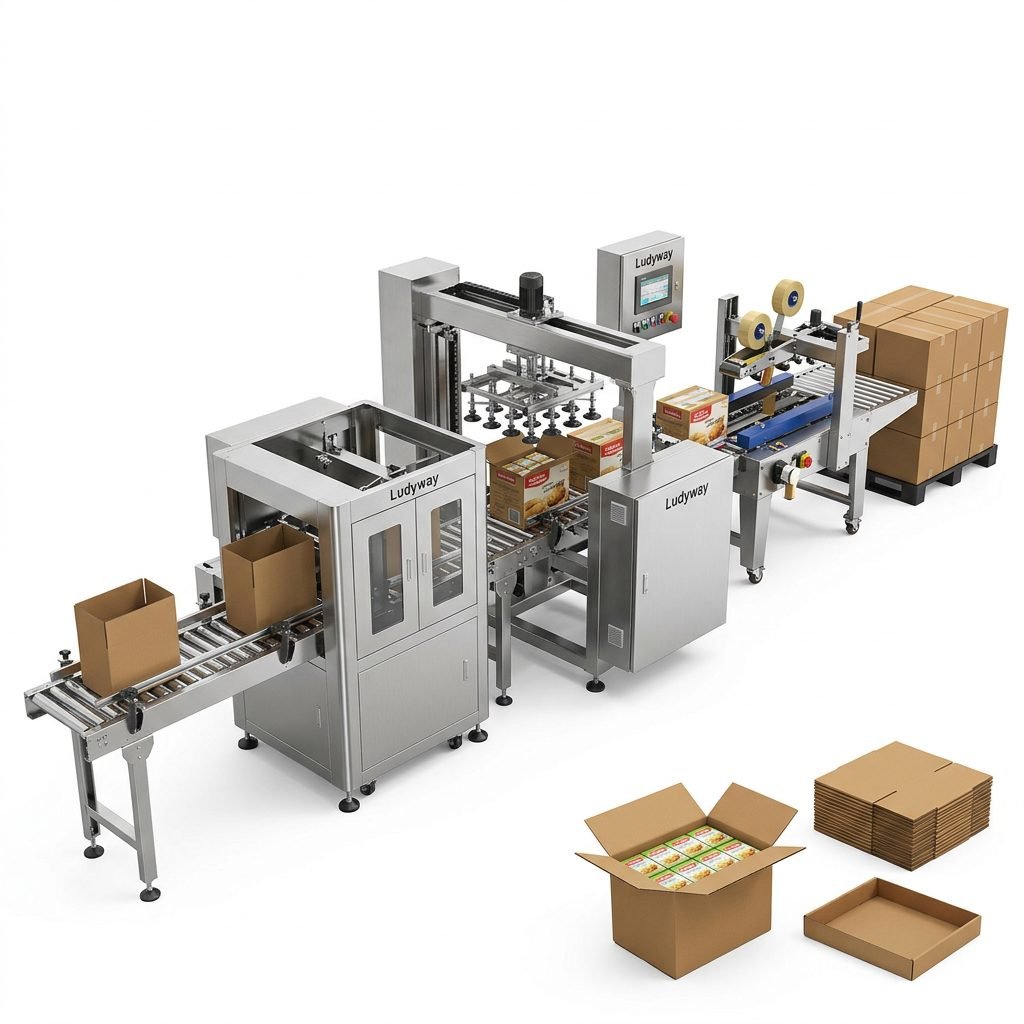
Transparency is not only about paperwork. It is closely linked to the performance of packaging machinery and line integration. Automated filling, sealing, labeling, coding, checkweighing, and case packing systems reduce human error while generating cleaner production data. This creates stronger traceability throughout the line.
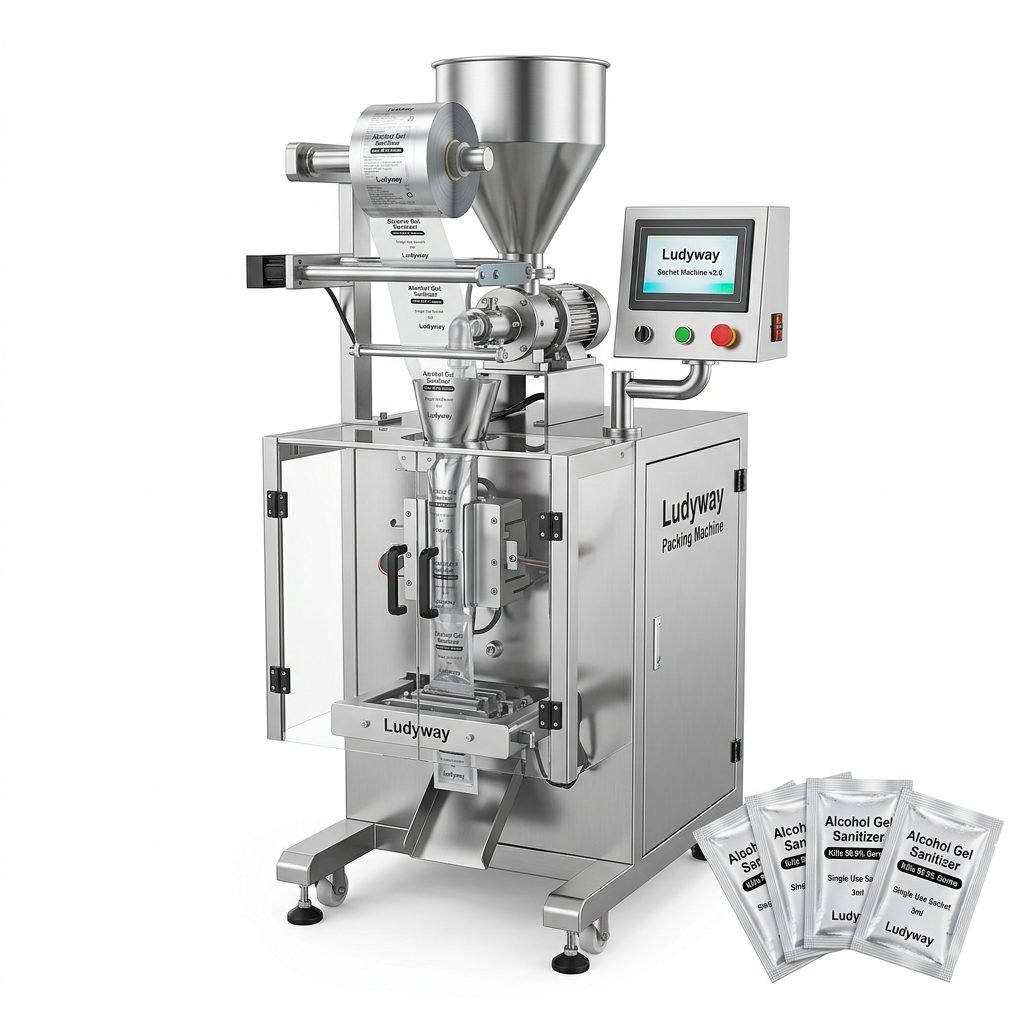
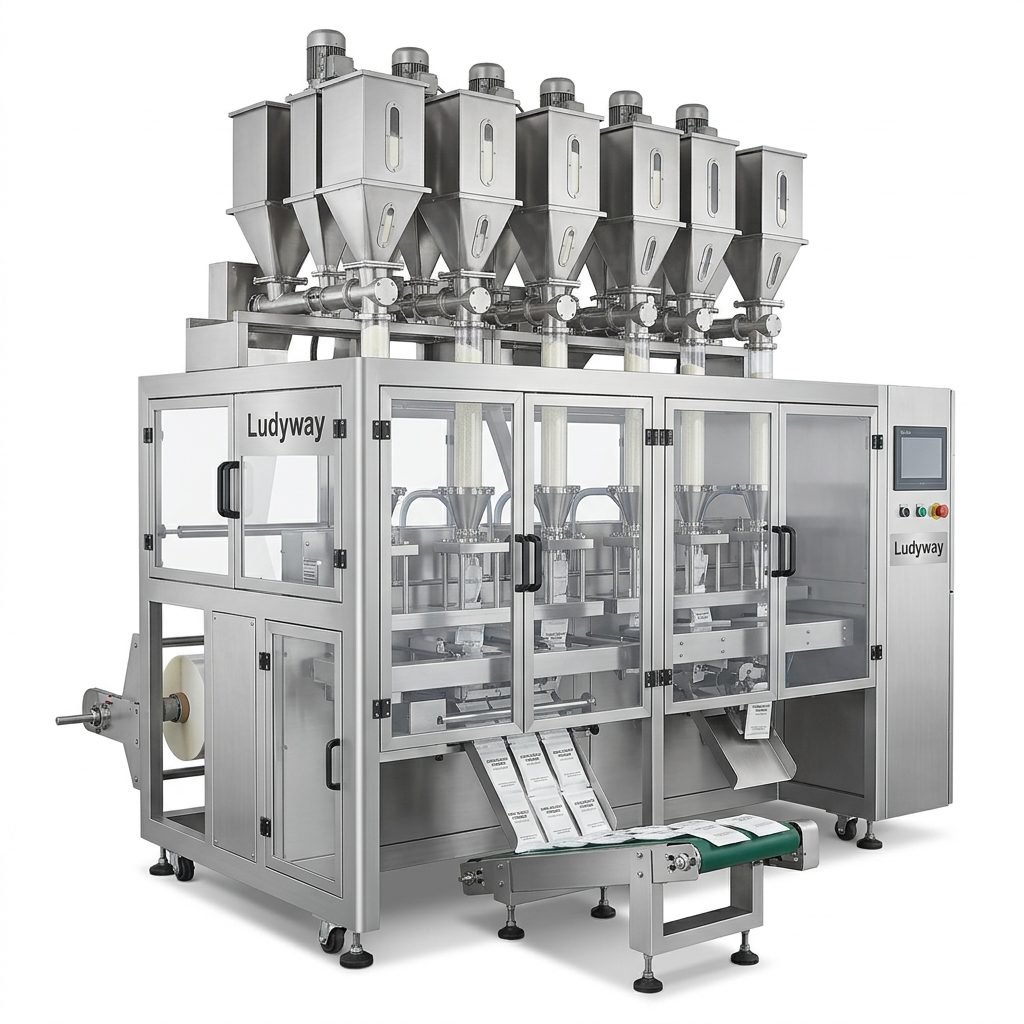
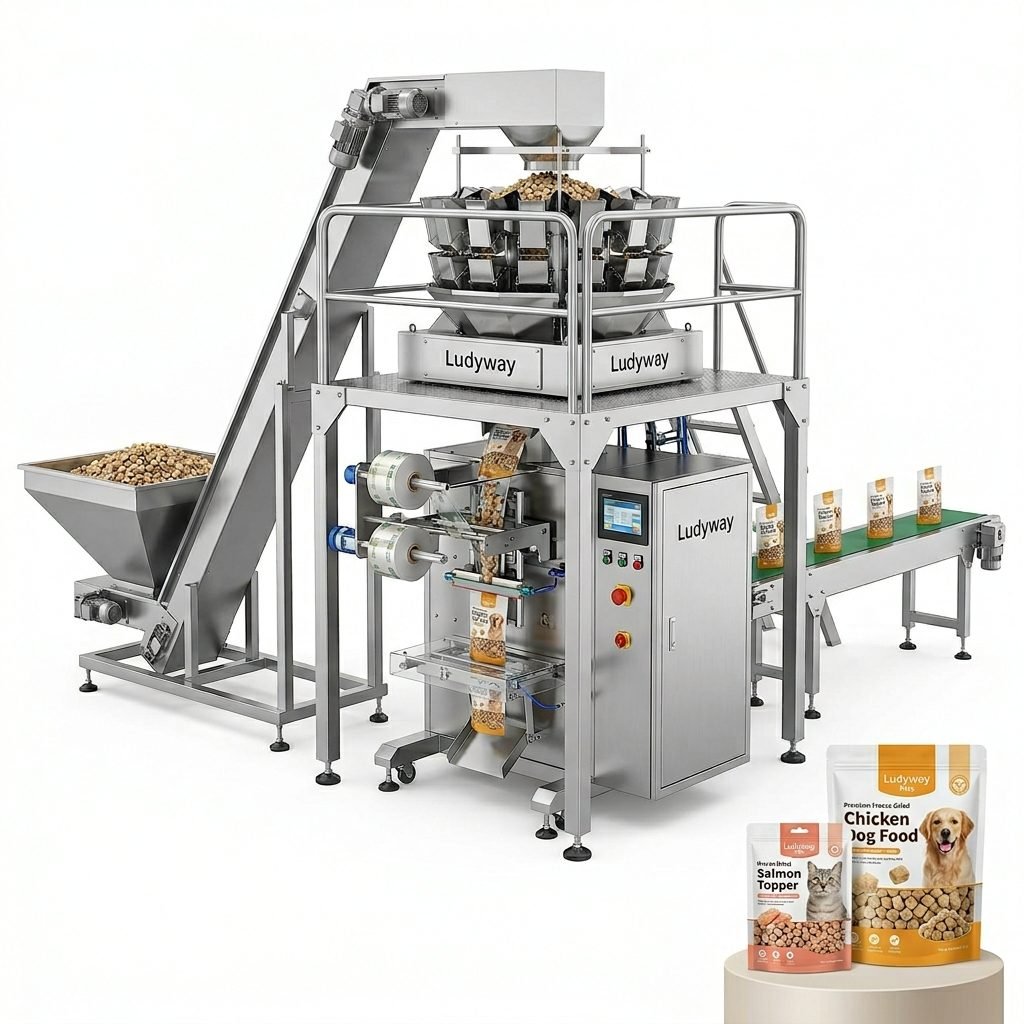
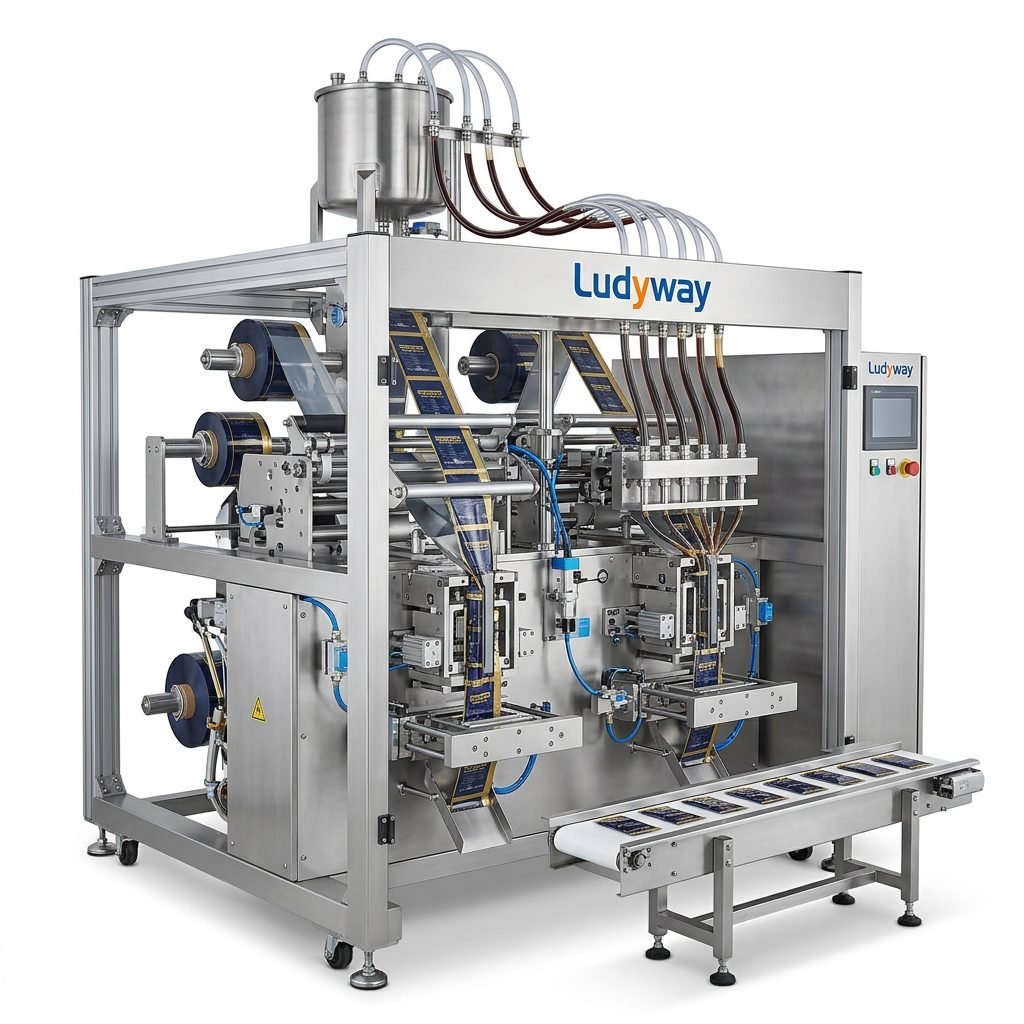
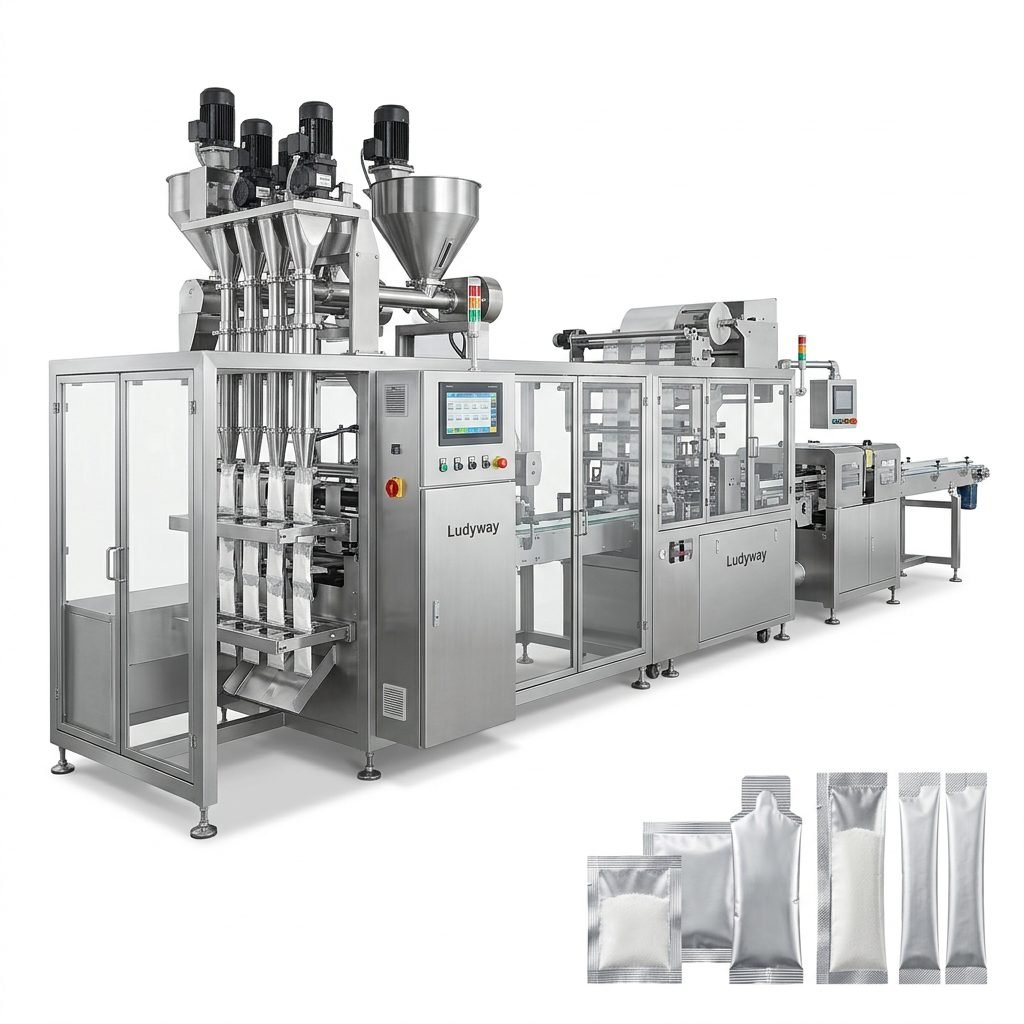
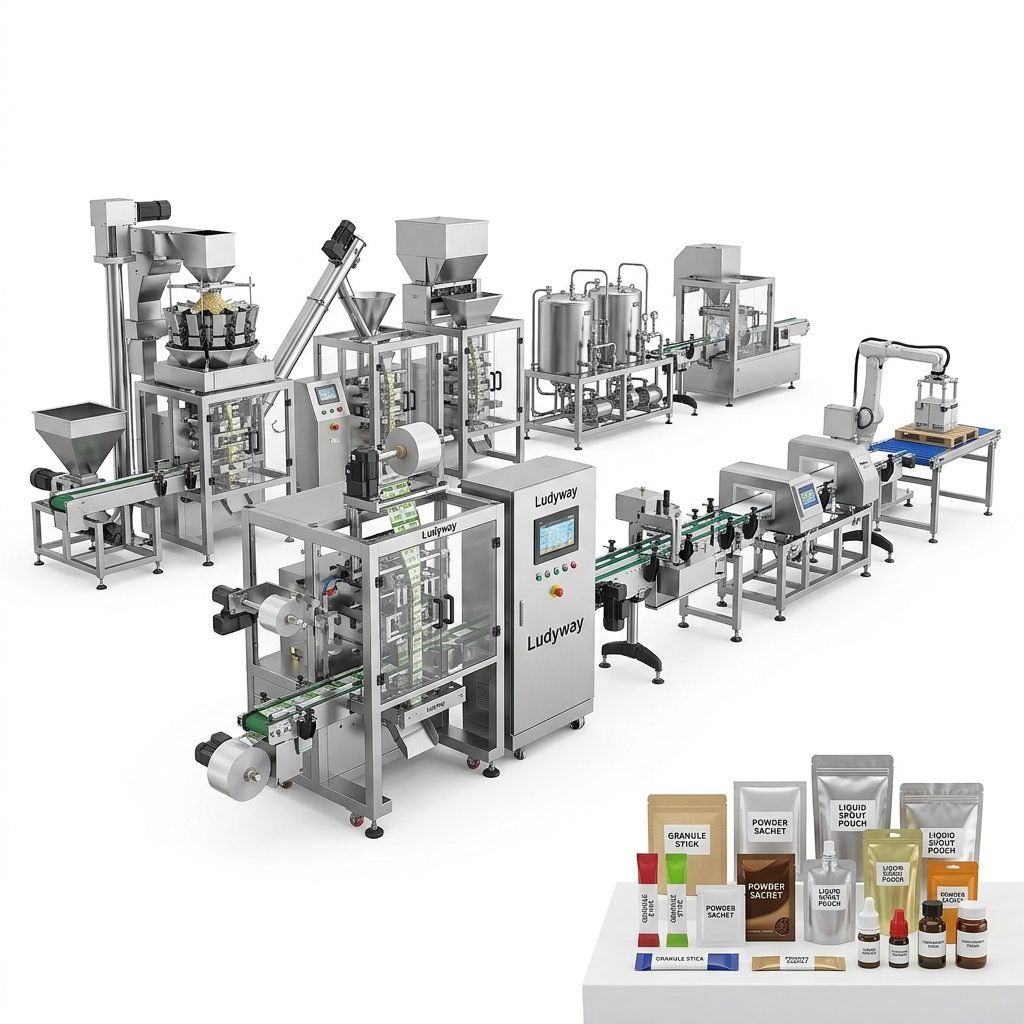
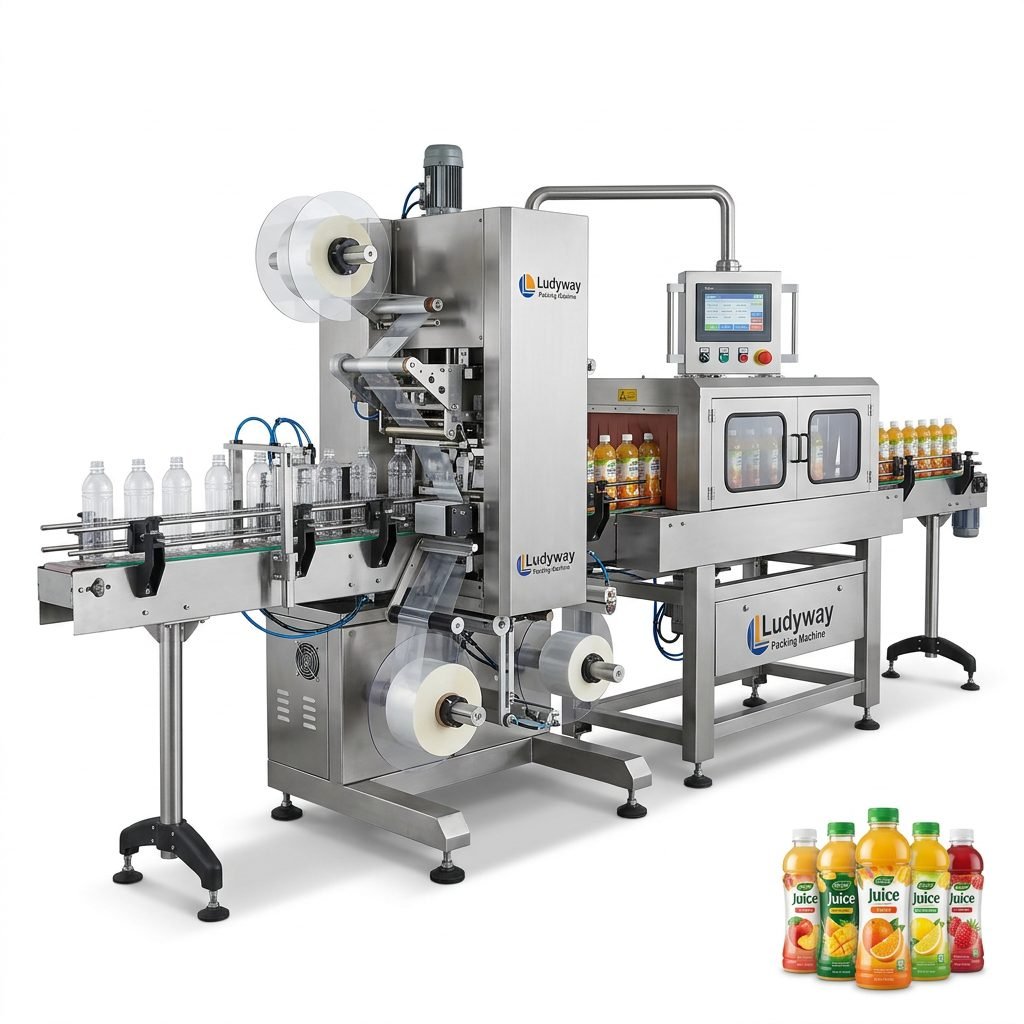
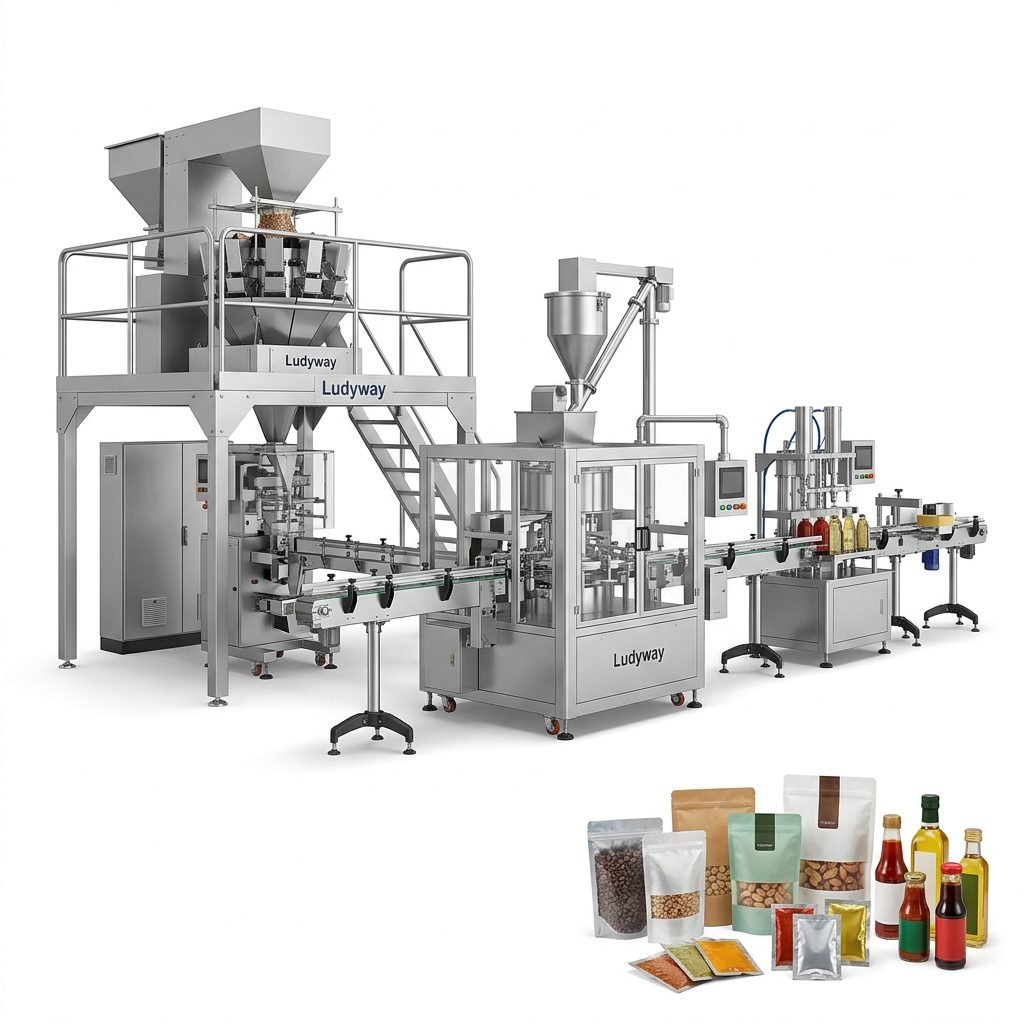
Equipment suppliers that can deliver integrated packaging systems are now playing a bigger role in compliance planning. Companies sourcing machinery increasingly look for line solutions that support product consistency, coding accuracy, lot control, and easier audit readiness. In this context, manufacturers such as Ludyway packaging machine manufacturer are benefiting from rising demand for turnkey packaging lines that combine automation with practical traceability support.
What buyers now expect from packaging partners
- Reliable equipment with stable output across multiple shifts
- Clear documentation for components, line configuration, and testing
- Compatibility with coding, inspection, and data collection systems
- Flexibility for different packaging materials and product formats
- Long-term technical support for changing compliance needs
Food and pharma sectors are leading the shift
The strongest gains in supply chain transparency are currently visible in food and pharmaceutical packaging. In food, retailers and consumers are paying closer attention to shelf-life protection, labeling integrity, allergen control, and recyclable packaging claims. In pharmaceuticals, the focus remains on serialization, tamper evidence, validation, and strict process control.
For these sectors, packaging is directly tied to safety and brand reputation. A missing code, incorrect seal, or undocumented material change can quickly become a serious issue. As a result, investment in smart packaging lines and digital traceability is being treated as a long-term operational safeguard rather than a short-term upgrade.
Regional supply diversification is supporting resilience
Another reason transparency has improved is the wider effort to diversify supply networks. Many buyers are no longer depending on a single source for films, cartons, pouches, caps, or machinery components. Instead, they are building multi-region supplier strategies and asking for more frequent performance updates from each partner.
This diversification helps reduce risk, but it also increases the need for standardized reporting. Without consistent documentation, a broader supplier base can create complexity. That is why procurement teams are now placing more value on suppliers that can deliver clear technical records, stable delivery communication, and repeatable production quality.
Most visible industry benefits
- Faster response to quality alerts and customer complaints
- Improved confidence in cross-border sourcing decisions
- Better support for ESG and regulatory disclosures
- Reduced packaging waste caused by process inconsistency
- Stronger collaboration between brand owners and equipment suppliers
Challenges still remain
Despite the progress, the industry is not fully transparent yet. Smaller suppliers still rely on paper-based workflows, data standards differ by market, and many companies struggle to connect upstream material information with downstream packaging line data. Cost pressures also remain a concern, especially for companies balancing automation investment with tight margins.
In addition, transparency is only useful when the data is accurate and actionable. Businesses now face the next step: turning visibility into measurable performance gains, lower compliance risk, and better sustainability outcomes.
Outlook for the next phase
Industry observers expect transparency to keep improving as packaging lines become more intelligent and more connected. Over the next few years, the market is likely to see deeper adoption of machine data integration, supplier verification platforms, recyclable material tracking, and AI-assisted quality monitoring.
For global manufacturers, the message is clear: packaging transparency is no longer just a reporting exercise. It has become a competitive advantage tied to supply stability, operational efficiency, and customer confidence. Companies that invest early in transparent sourcing and automated packaging systems are likely to be better positioned as standards continue to rise.