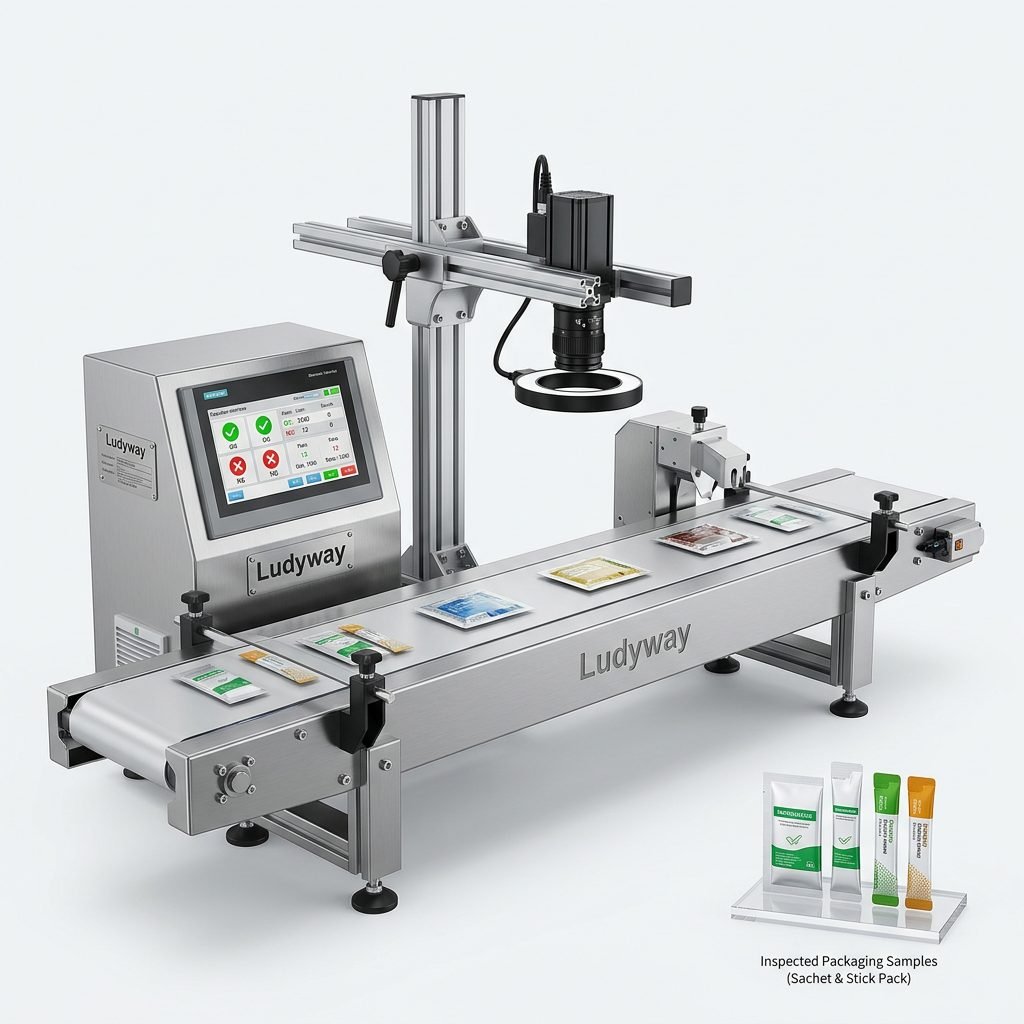
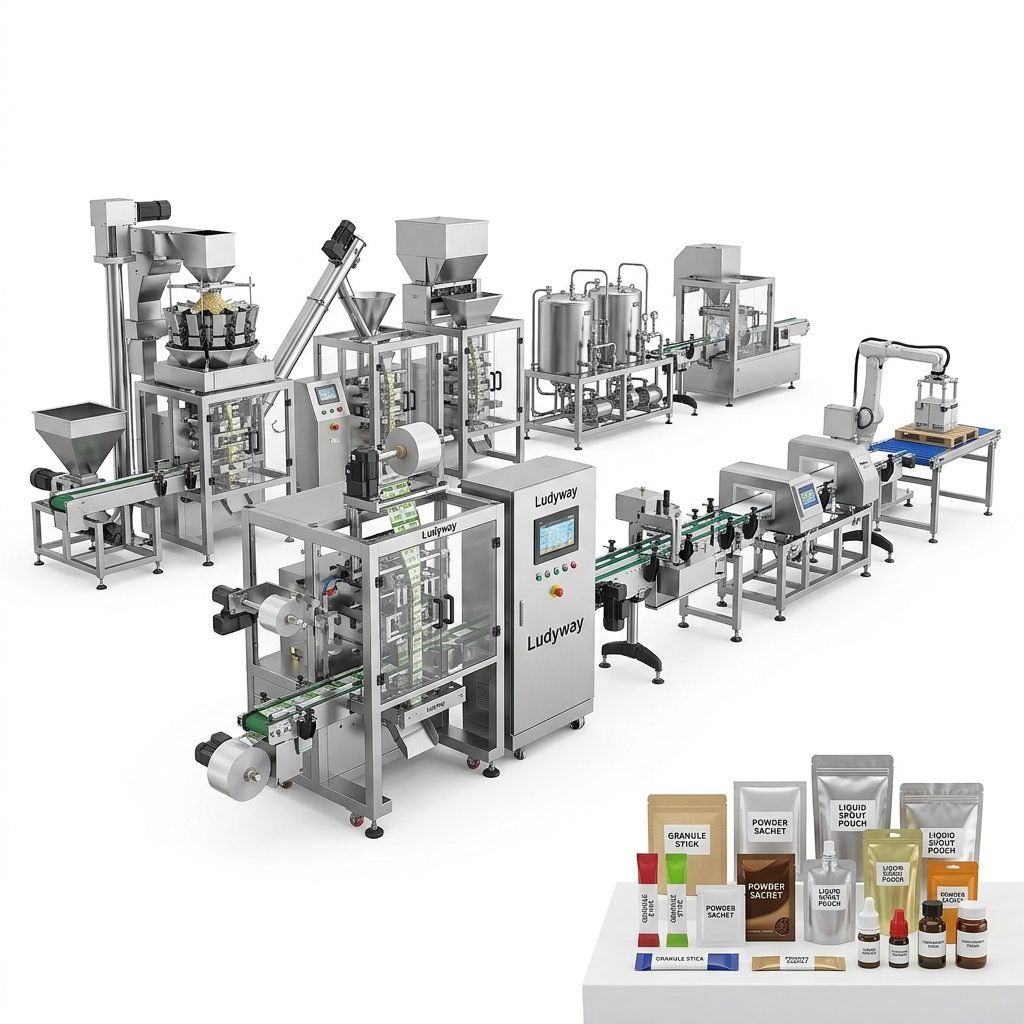
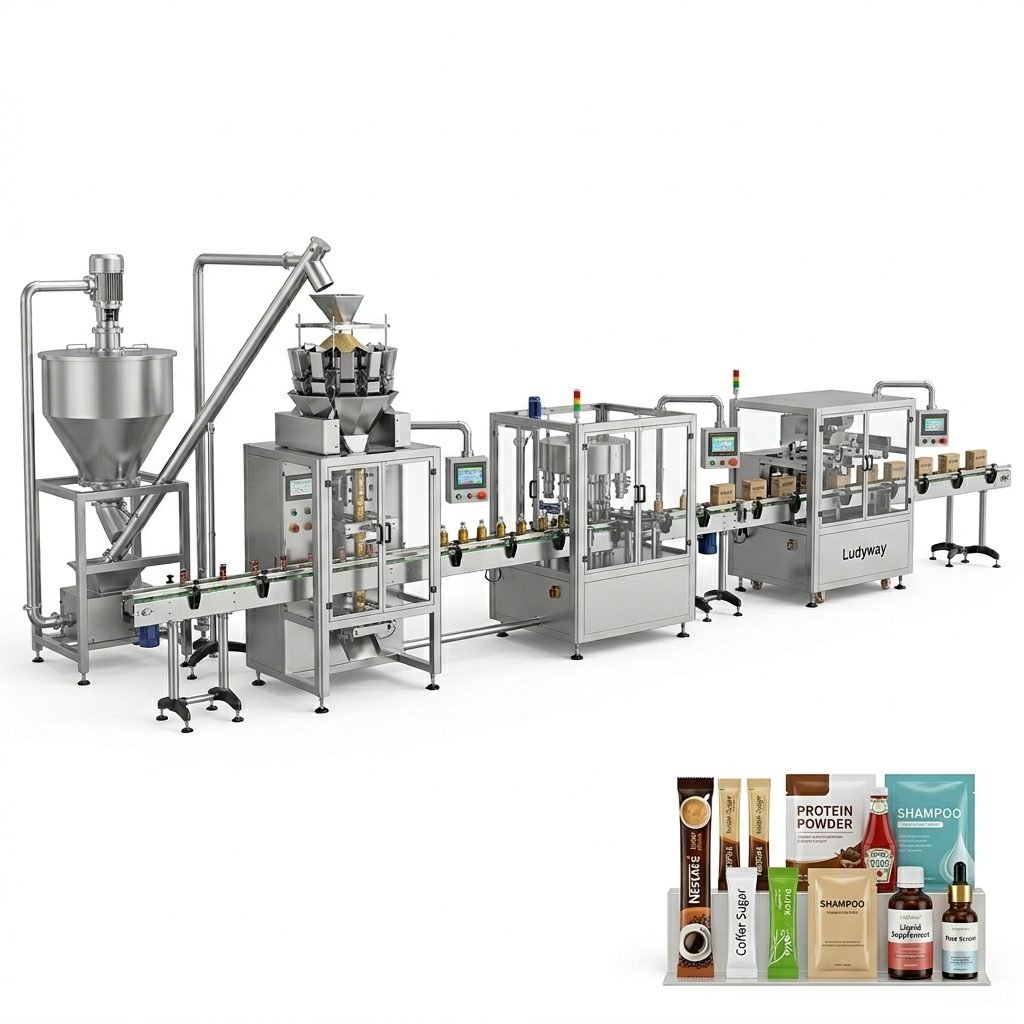
Cross-border trade in the packaging industry is maintaining strong momentum in 2026, supported by rising demand for automation, diversified sourcing strategies, and faster delivery expectations across global manufacturing sectors. Buyers in food, pharmaceutical, personal care, chemical, and pet product markets are continuing to invest in more flexible packaging systems as international trade channels become more resilient and technology-led.
A Stronger Global Outlook for Packaging Trade
International trade data and industry procurement trends show that packaging equipment remains a priority category for manufacturers expanding output, reducing labor dependence, and improving product consistency. In 2026, cross-border activity is being driven by three major factors: capacity expansion, supply chain localization with global sourcing, and higher compliance requirements.
Companies that previously delayed machinery upgrades are now returning to the market with clearer investment plans. At the same time, emerging brands and regional manufacturers are ordering compact, modular, and scalable packaging systems that can serve multiple SKUs without extensive line reconstruction.
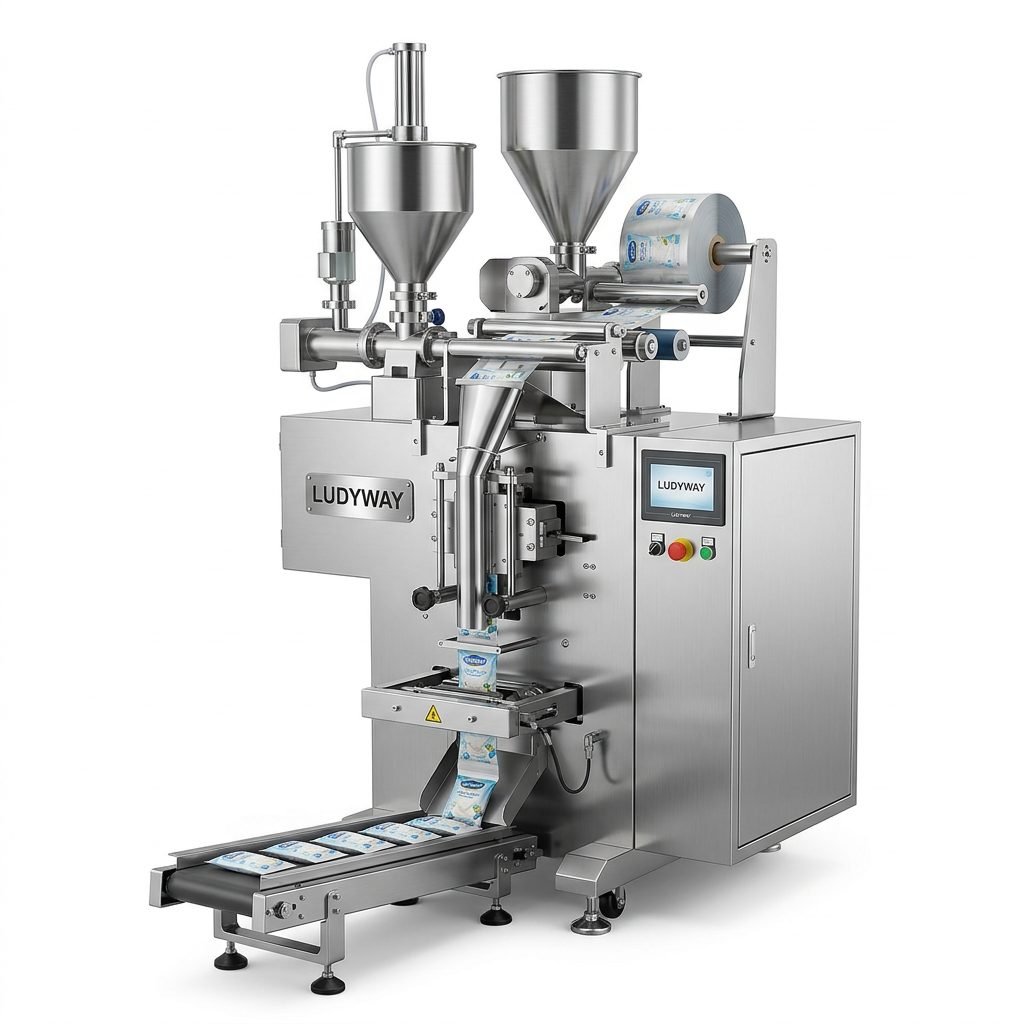
- Food and beverage exporters are seeking faster sachet, stick pack, pouch, and bottle solutions.
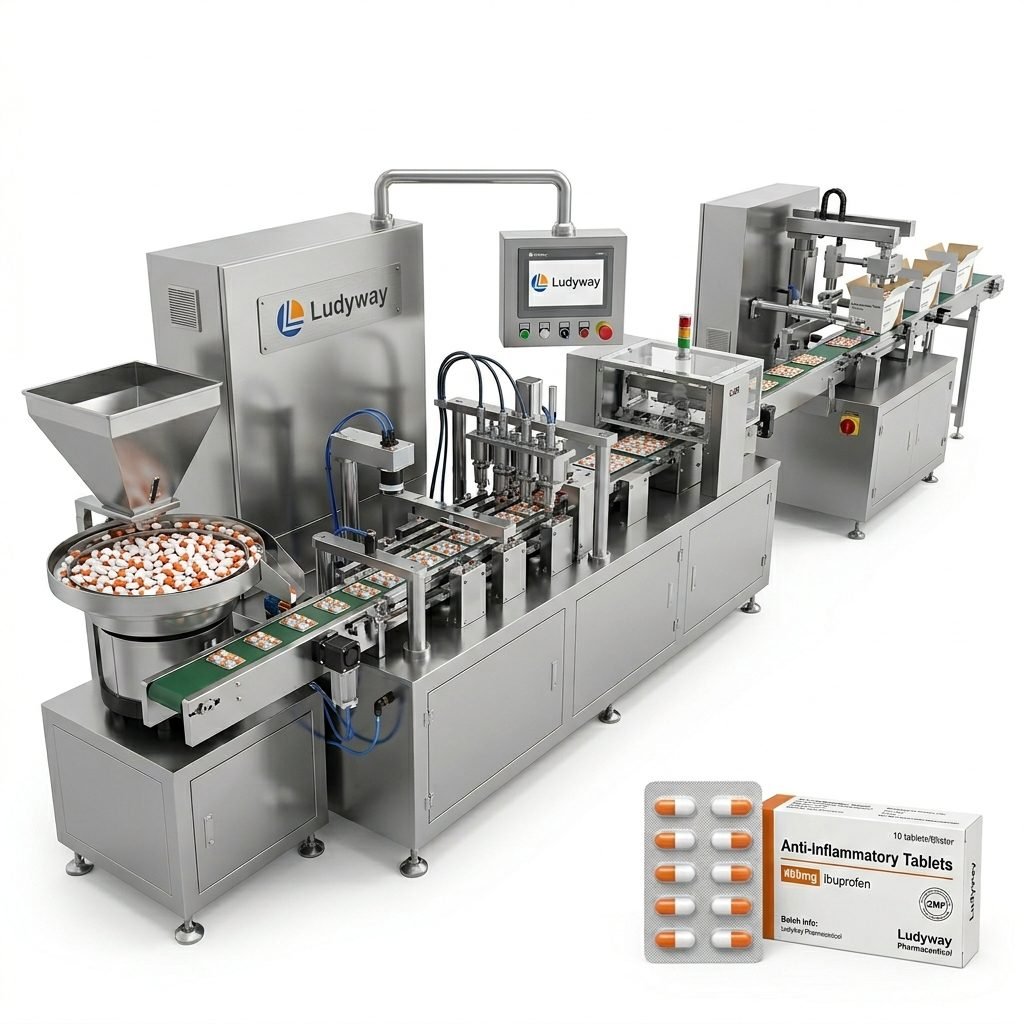
- Pharmaceutical manufacturers are increasing demand for precise, hygienic, and compliant packaging automation.
- Health supplement brands are requesting flexible systems for powders, granules, liquids, and single-dose formats.
- Contract packers are prioritizing machines that can handle frequent product changeovers.
Why Cross-Border Packaging Orders Are Rising in 2026
The international packaging machinery market is no longer shaped only by price comparison. Buyers are now evaluating total project value, including engineering support, automation compatibility, spare parts access, documentation, and remote service responsiveness. This shift is encouraging more overseas customers to work directly with experienced manufacturers rather than relying only on intermediaries.
- Automation demand is accelerating: labor costs and labor shortages continue to push factories toward automatic packaging lines.
- Turnkey projects are gaining popularity: buyers prefer integrated systems that reduce coordination risk across multiple suppliers.
- Product diversification is increasing: brands need packaging lines that support powders, granules, liquids, and paste products in one broader strategy.
- Export compliance is more important: documentation, validation support, and stable machine quality are key decision factors.
The Role of Flexible Packaging Formats
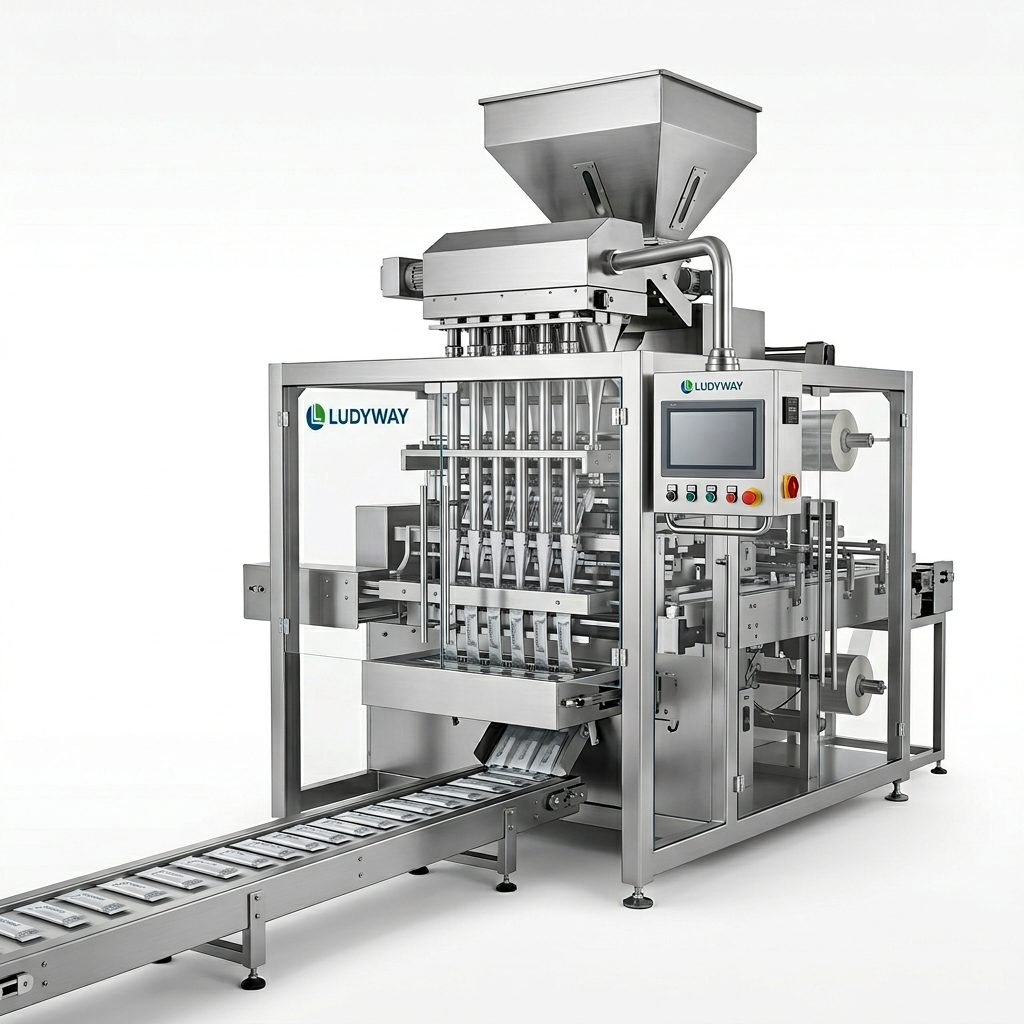
One notable trend in 2026 is the continued rise of flexible packaging in international shipments. Sachets, stick packs, small pouches, and multi-lane packaging formats are increasingly used for retail, travel-size, healthcare, and e-commerce channels. These formats help brands lower transport costs, improve shelf efficiency, and adapt products to regional buying habits.
In overseas markets, especially where consumers favor convenience, sample sizes, and portion control, flexible packaging machinery has become a strategic investment rather than a short-term upgrade.
Key Demand Segments in Cross-Border Packaging Equipment
| Industry Segment | Main Packaging Needs in 2026 | Trade Driver |
|---|---|---|
| Food & Beverage | Powder, granule, sauce, coffee, seasoning, snack packaging | SKU expansion and export growth |
| Pharmaceutical | Sachet dosing, sterile packaging, precision filling, batch coding | Compliance and traceability requirements |
| Health Supplements | Stick packs, sachets, capsules, powder and liquid single-serve formats | Direct-to-consumer brand expansion |
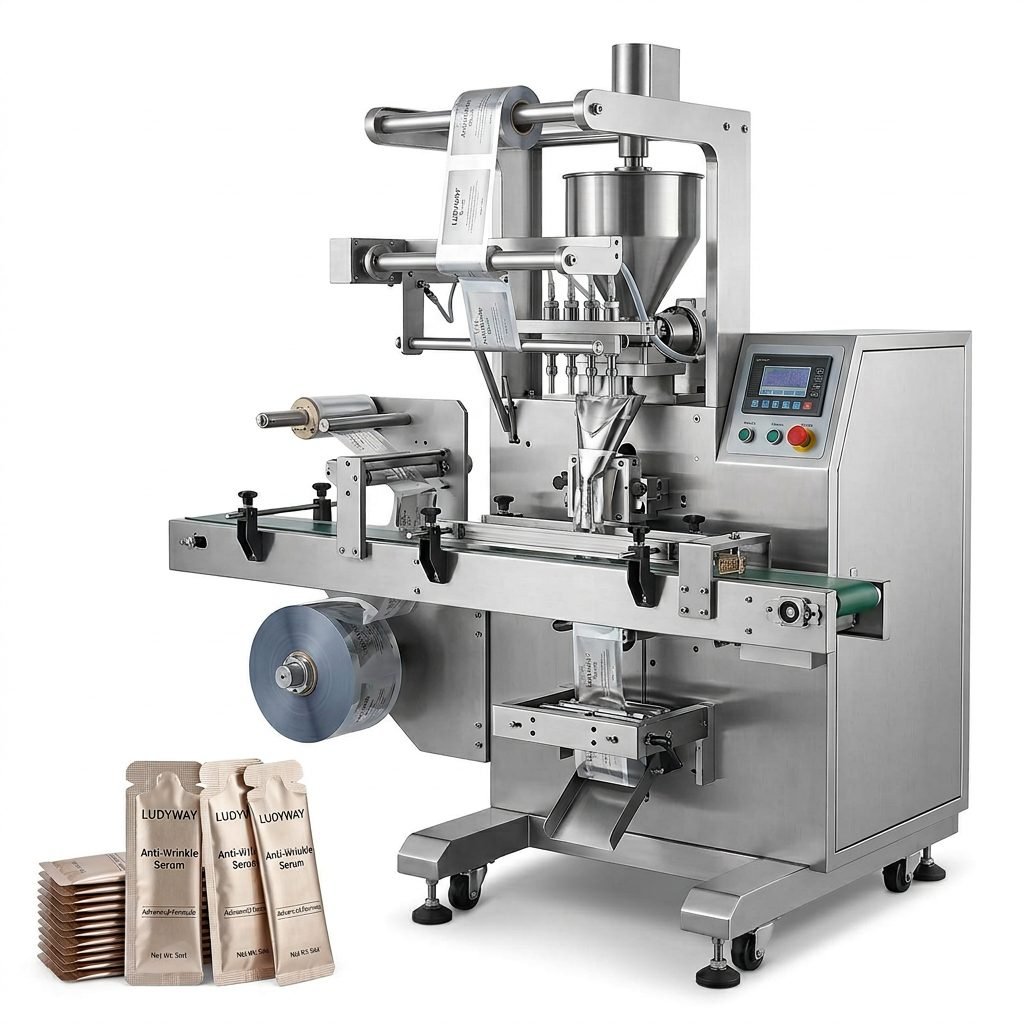
| Cosmetics & Personal Care | Serums, creams, lotions, sample-size packaging | Travel retail and online beauty sales |
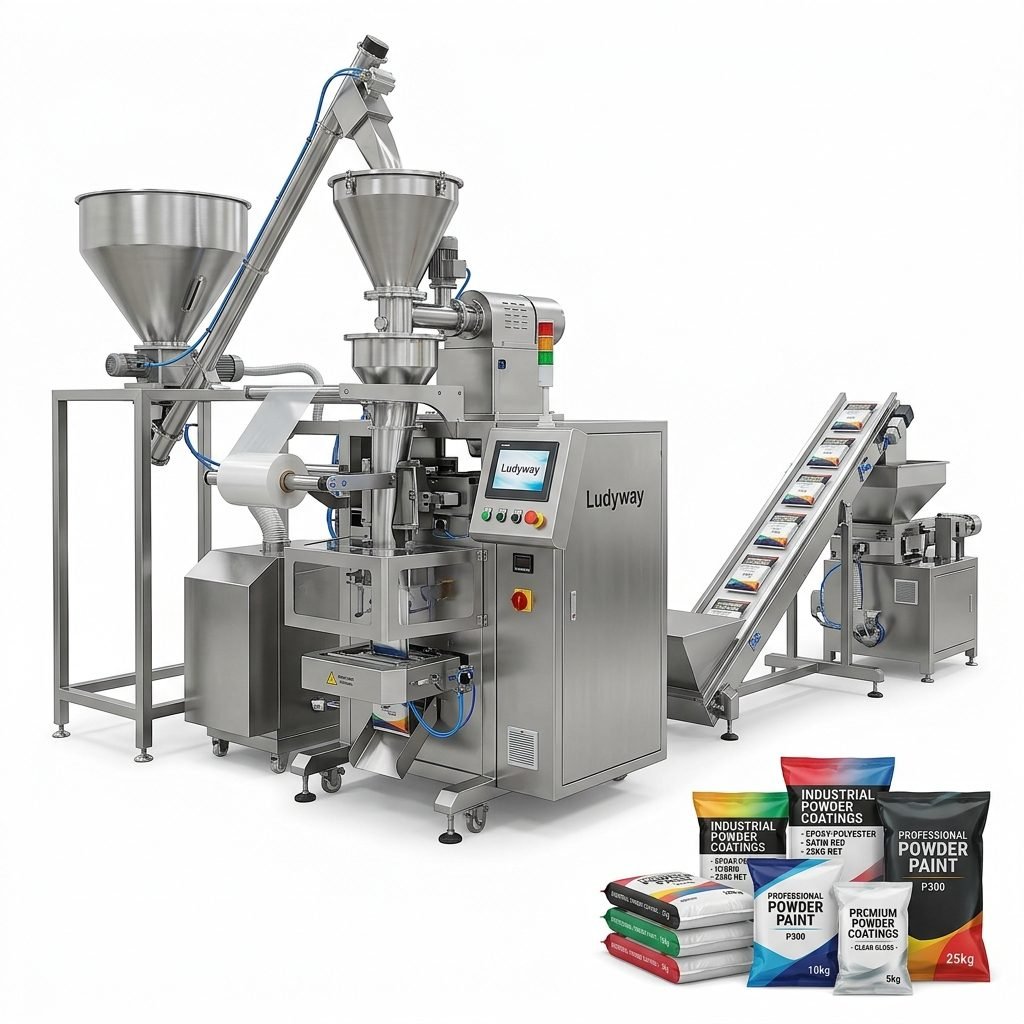
| Chemical & Daily Use Products | Detergents, additives, cleaners, industrial liquids and powders | Industrial production scaling |
Export Markets Showing Continued Momentum
Europe, North America, the Middle East, Southeast Asia, South America, and Africa remain active destinations for packaging equipment imports. While buyer priorities differ by region, the shared focus is clear: machines must be stable, adaptable, and cost-efficient over the long term.
- Europe: strong interest in compliance, precision, and energy-efficient automation.
- North America: growing demand for high-output lines, contract packaging flexibility, and technical documentation.
- Middle East: increased investment in food security, local manufacturing, and faster line deployment.
- Southeast Asia: rising need for scalable packaging systems for FMCG, supplements, and processed foods.
- Africa and South America: expanding opportunities for reliable, practical machinery with strong ROI and easier maintenance.
What International Buyers Expect from Suppliers
As competition increases, overseas buyers are becoming more selective. In 2026, successful packaging machinery exporters are typically those that can combine manufacturing strength with application-specific engineering and responsive after-sales support.
| Buyer Priority | Why It Matters |
|---|---|
| Machine stability | Reduces downtime and protects delivery schedules |
| Customization capability | Supports local product formats and packaging materials |
| Turnkey integration | Simplifies project management and line coordination |
| Technical service | Helps speed up installation, training, and troubleshooting |
| Export experience | Improves communication, documentation, and shipping coordination |
China’s Position in the 2026 Packaging Trade Landscape
China continues to play a major role in the global packaging equipment supply chain, especially in categories where buyers need a balance of automation performance, customization, and manufacturing scale. Chinese suppliers are increasingly moving beyond standard machine exports and offering complete turnkey packaging solutions tailored to overseas applications.
Among the companies benefiting from this trend is packaging machine manufacturer Ludyway, which has built an international presence through broad product coverage, turnkey line capabilities, and more than 30 years of manufacturing experience. Founded in 1993, the company operates a factory of over 20,000 square meters, serves customers in more than 100 countries and regions, and is recognized as one of China’s leading packaging machine and complete line manufacturers.
Its portfolio spans food, pharmaceutical, health supplement, cosmetic, chemical, animal feed, and pouch-based packaging applications, reflecting the exact market categories currently driving cross-border trade growth.
What This Means for Importers and Brand Owners
For importers, co-packers, and factory owners, 2026 presents a strategic opportunity to upgrade packaging capacity before competition intensifies further. The businesses that move early are more likely to secure better lead times, stronger technical collaboration, and more suitable line configurations for future expansion.
- Review whether current lines can support new formats and export requirements.
- Assess suppliers based on long-term support, not only initial machine pricing.
- Prioritize packaging systems that allow modular upgrades and faster changeovers.
- Consider turnkey integration to reduce installation and coordination complexity.
2026 Market Outlook
The outlook for cross-border packaging trade remains positive. Demand is expected to stay strong across essential consumer goods, pharmaceuticals, nutraceuticals, and value-added packaged products. As regional production grows and export competition tightens, packaging machinery will continue to be a core investment area for manufacturers seeking speed, compliance, and scalability.
In this environment, suppliers with proven engineering capability, export experience, and application-focused packaging solutions are likely to gain a larger share of international orders. Cross-border trade in packaging is no longer just expanding in volume—it is also becoming more technical, more customized, and more strategically important for global manufacturing growth.