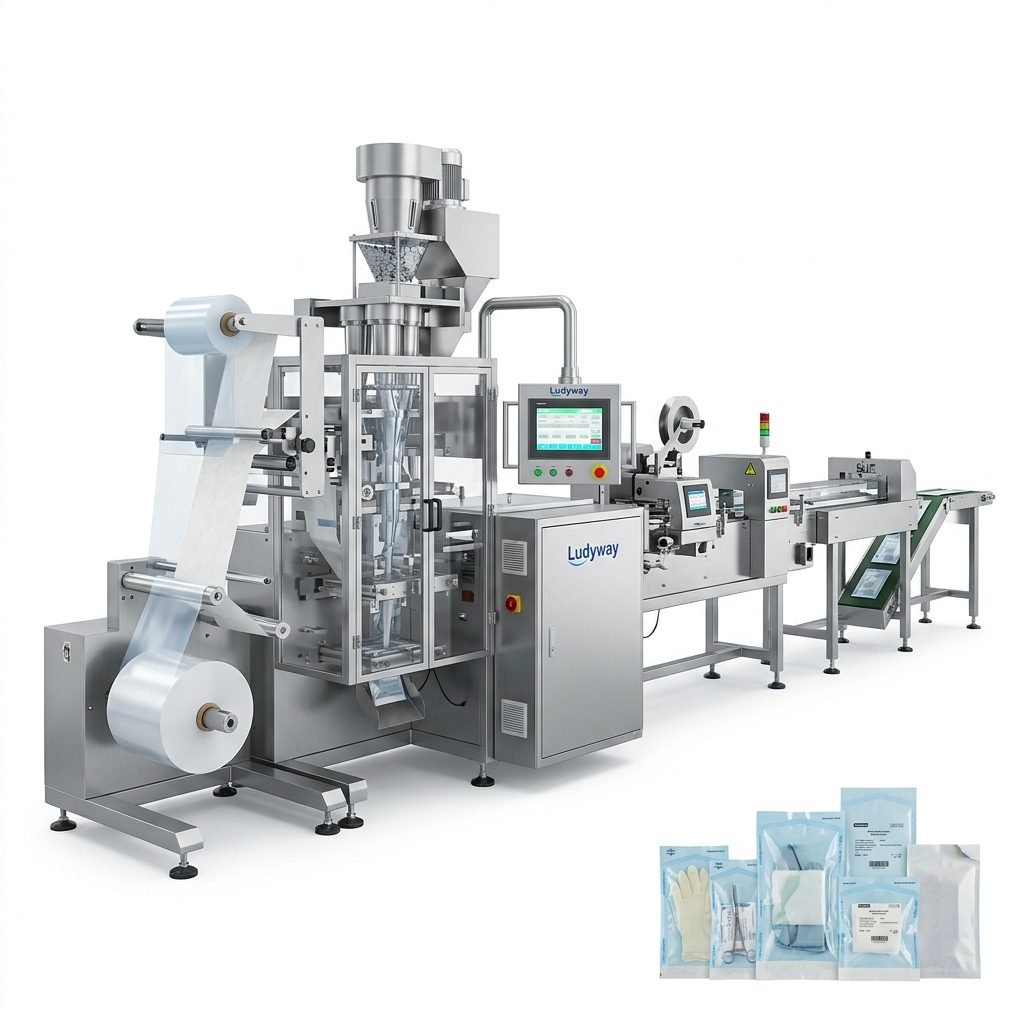
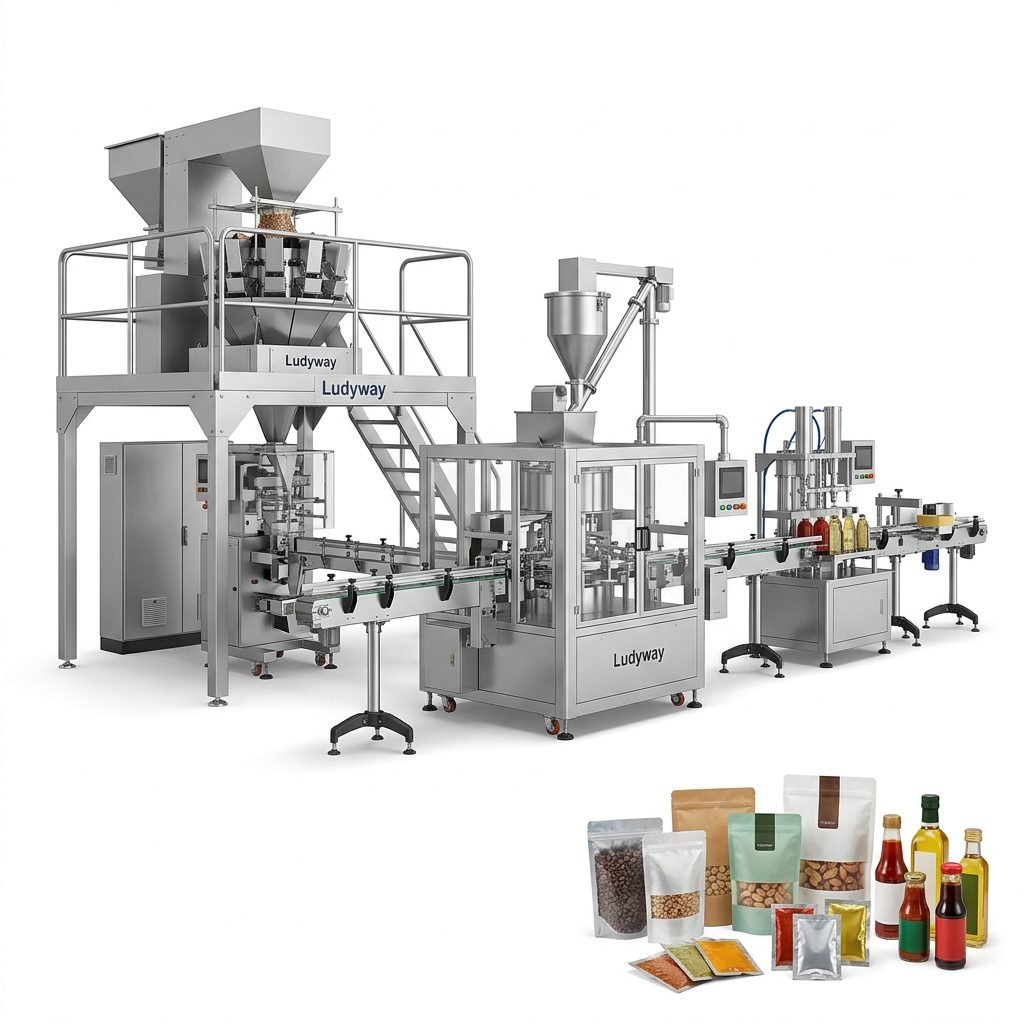
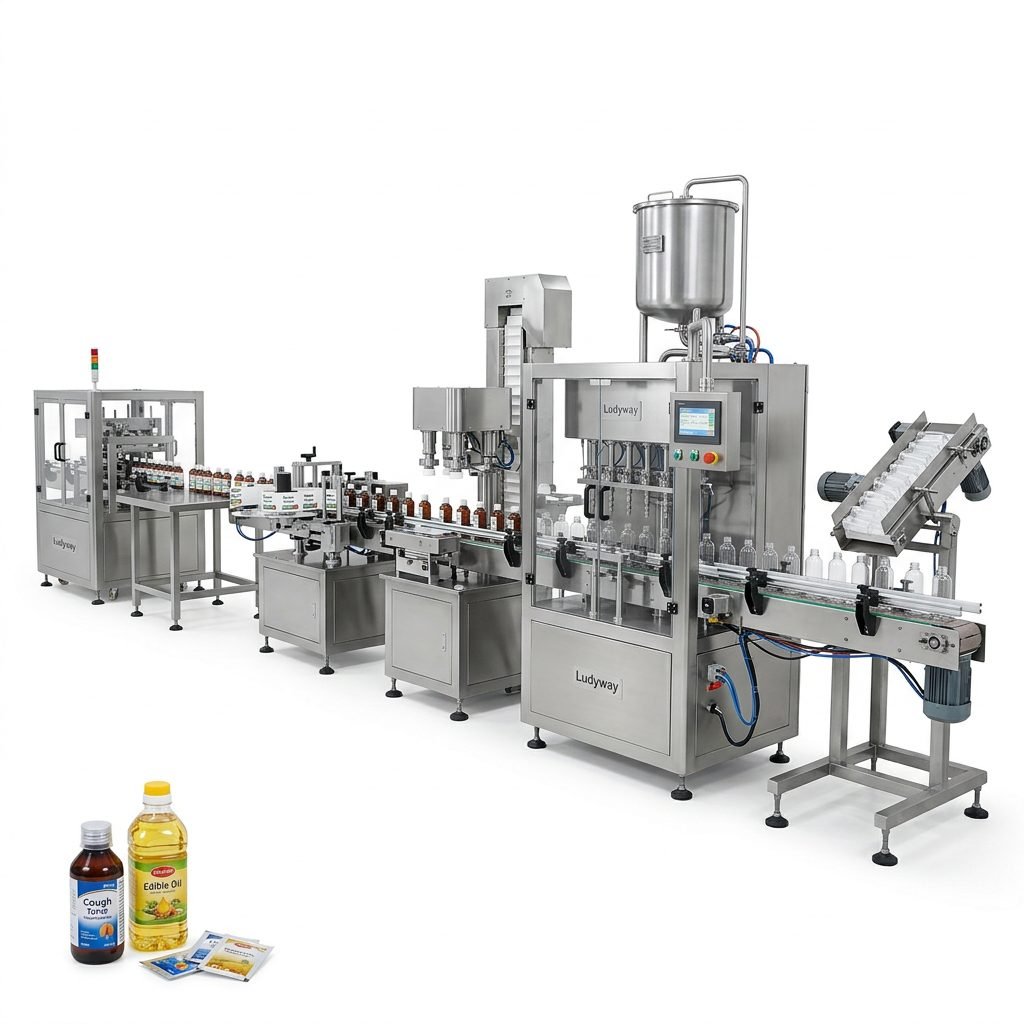
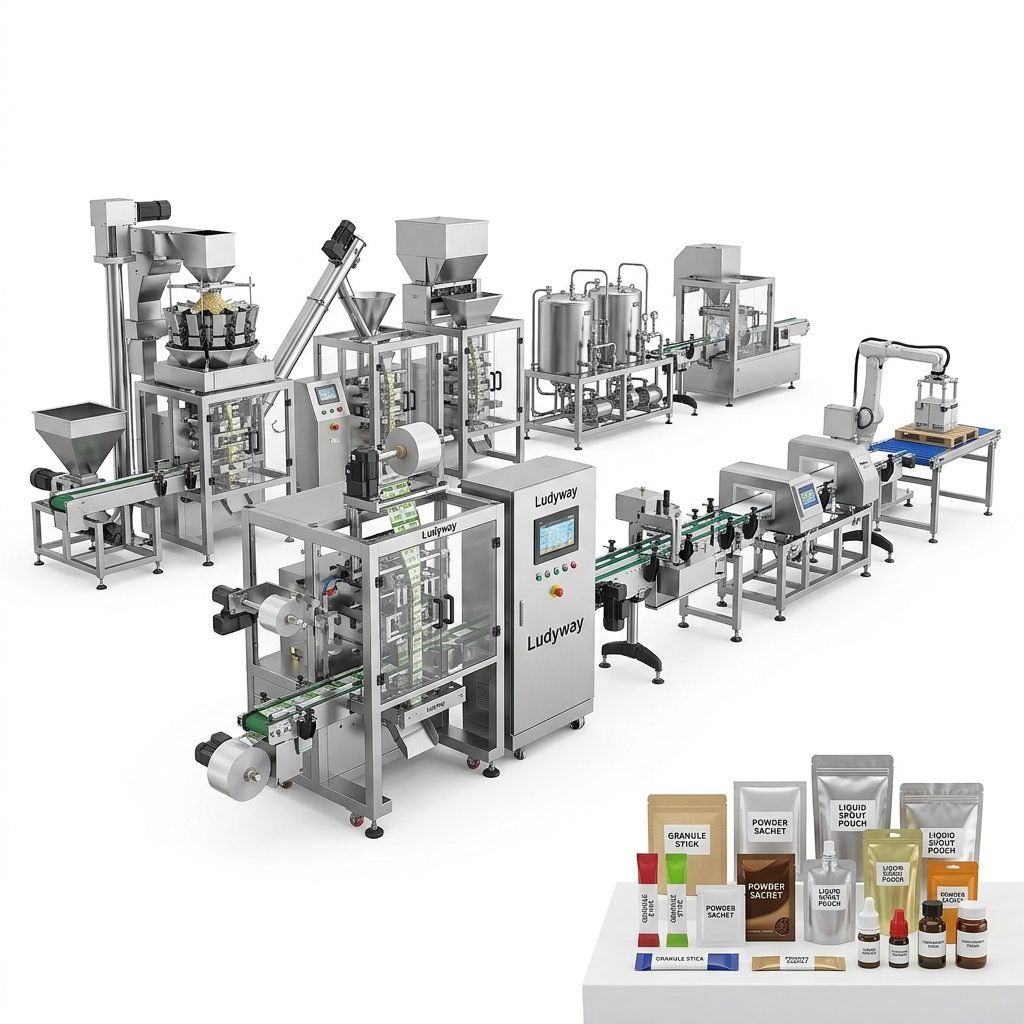
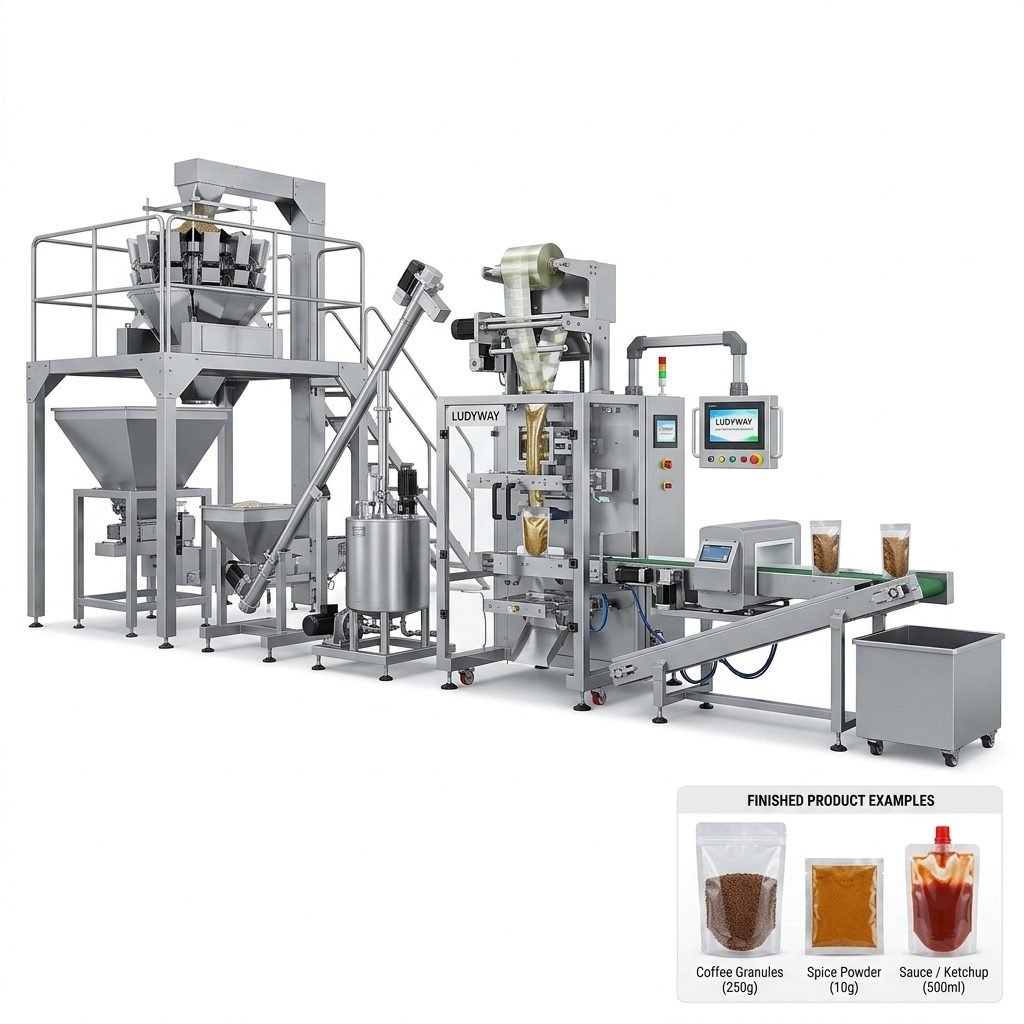
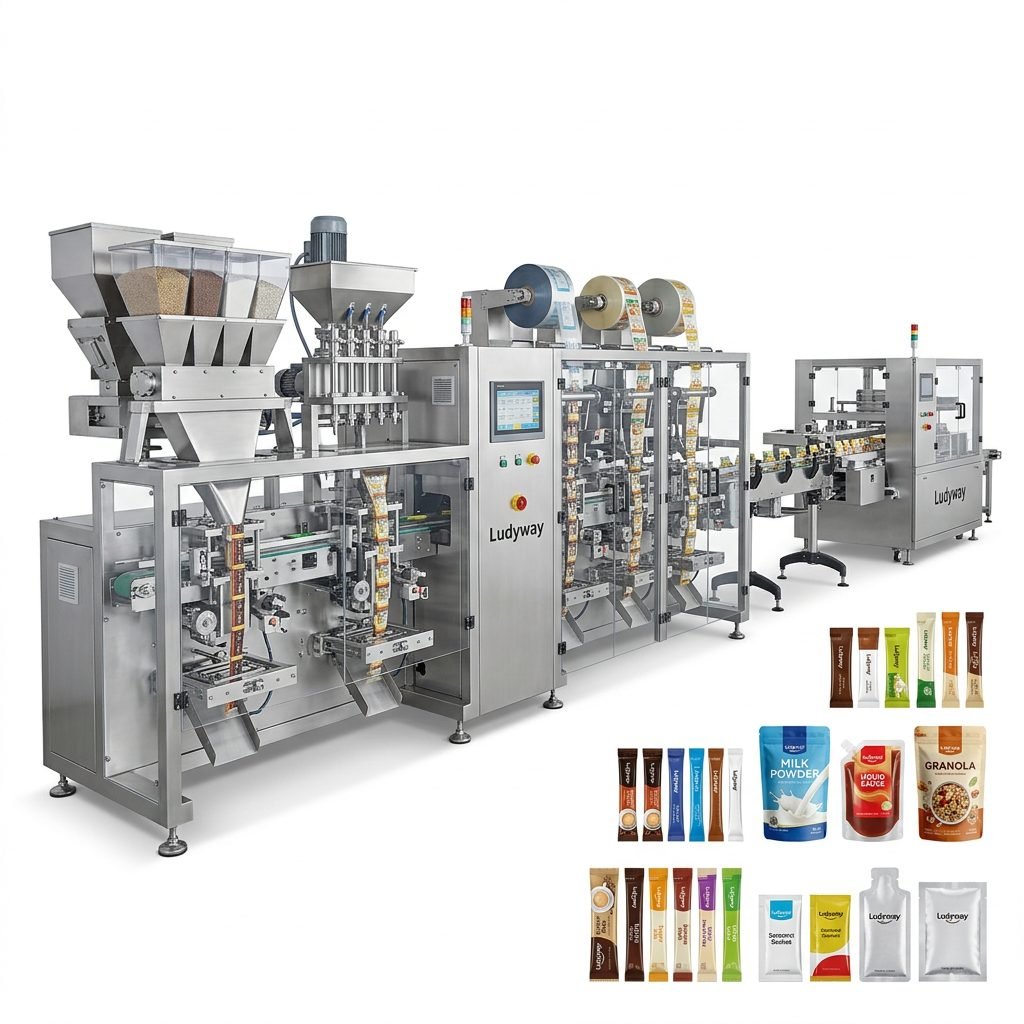
As packaging manufacturers prepare for 2026, modular equipment design is moving from a niche engineering idea to a mainstream investment priority. Across food, pharmaceutical, nutraceutical, personal care, and chemical sectors, buyers are looking for packaging systems that can be expanded, reconfigured, and upgraded without replacing the entire line.
This shift reflects a broader market reality: product portfolios are changing faster, packaging formats are multiplying, labor costs remain under pressure, and compliance requirements continue to rise. In response, modular design is becoming one of the most practical ways for factories to improve flexibility while controlling long-term capital spending.
Why modular packaging systems are gaining momentum
Traditional packaging lines were often designed around a fixed output, a limited product range, and a long depreciation cycle. That model no longer fits many manufacturers. Today, producers frequently need to handle shorter runs, more SKUs, new pouch or sachet formats, and regional customization. A modular platform allows them to add or swap functions such as feeding, filling, sealing, cartoning, labeling, inspection, and palletizing as production needs evolve.
For many operations, the appeal is not only flexibility but also speed. New product launches can be supported with fewer structural changes to the plant. Maintenance teams can replace modules faster. Expansion projects can often be staged over time instead of being funded all at once.
- Faster adaptation to new packaging formats and product recipes
- Lower disruption during upgrades and maintenance
- Scalable automation for growing production volumes
- Better ROI planning through phased capital investment
- Improved line standardization across multiple facilities
What “modular” means in real factory applications
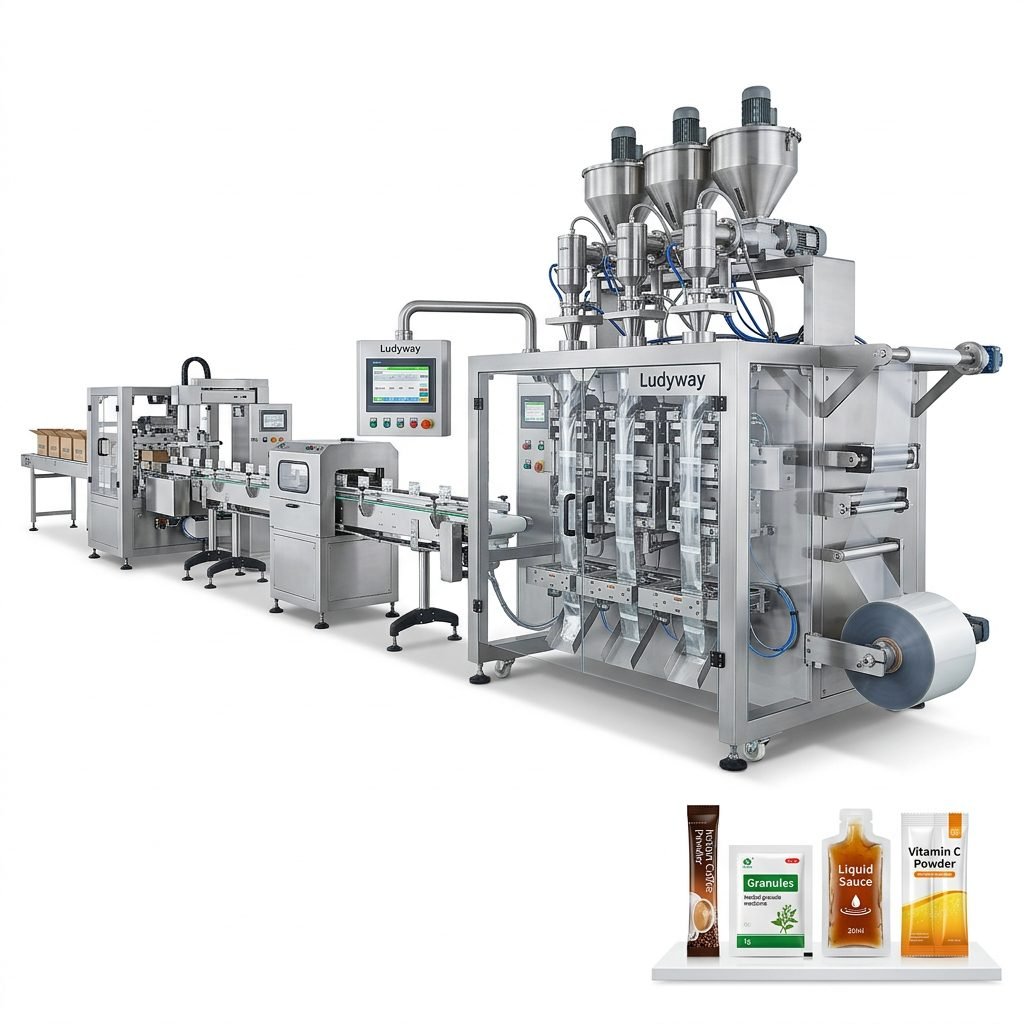
In practical terms, modular packaging equipment is built around standardized machine architecture. Instead of one rigid machine body performing every task in a fixed layout, the line is organized into functional units. These units may include dosing systems, auger fillers, liquid pumps, pouch handling stations, coding modules, checkweighers, metal detectors, case packers, or robotic palletizers.
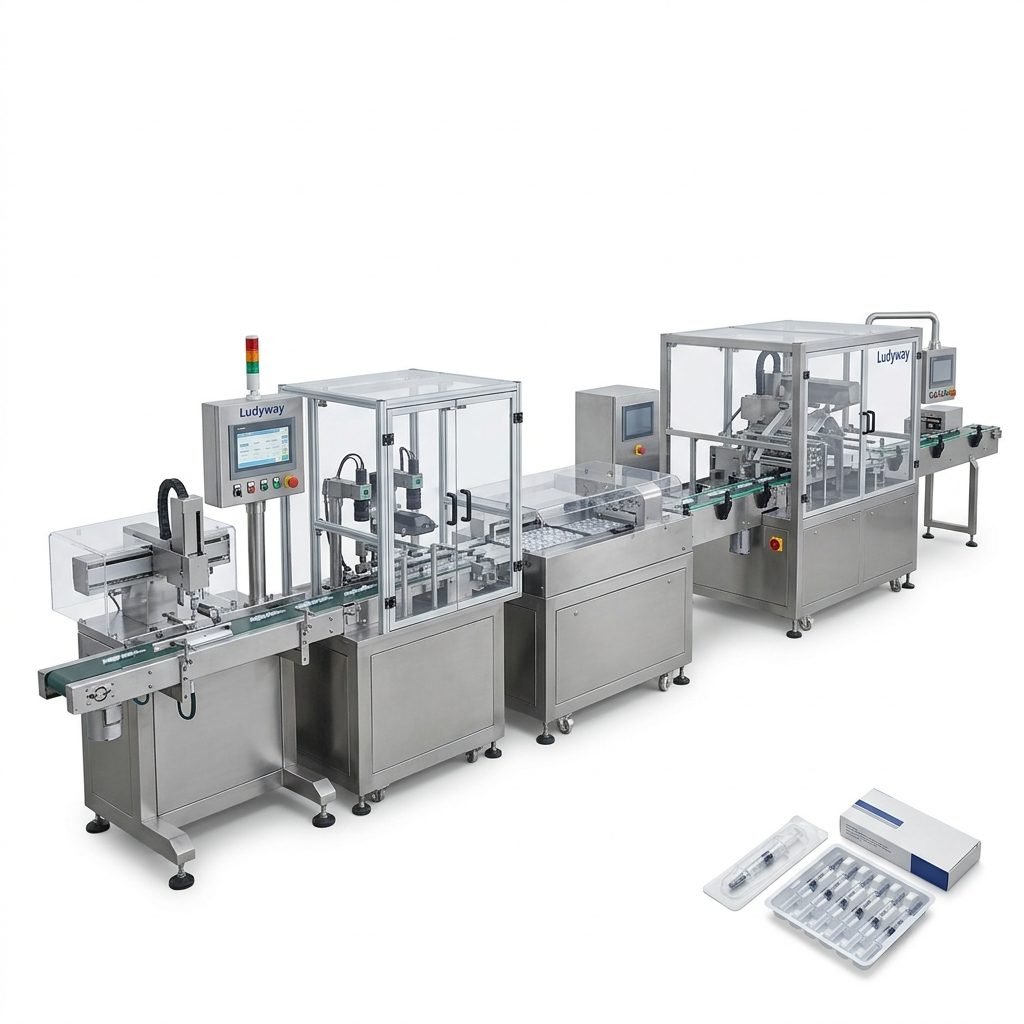
The advantage is that manufacturers can configure a line according to current requirements and then expand later. A company starting with a semi-integrated sachet line, for example, may later add automatic cartoning, secondary packaging, and end-of-line automation without redesigning the entire production floor.
| Module Type | Primary Function | Typical Benefit |
|---|---|---|
| Feeding & Conveying | Transfers product to filling section | Supports continuous flow and labor reduction |
| Filling & Dosing | Handles powders, granules, liquids, or pastes | Enables product-specific accuracy |
| Sealing & Forming | Creates sachets, stick packs, or pouches | Allows packaging format flexibility |
| Inspection & Coding | Adds traceability and quality checks | Supports compliance and brand protection |
| Secondary Packaging | Cartoning, case packing, bundling | Improves end-of-line productivity |
| Palletizing | Automates final stacking and dispatch prep | Reduces manual handling and warehouse bottlenecks |
Industries driving the 2026 shift
The trend is especially visible in sectors where packaging diversity and compliance are both high. Food and beverage producers are adopting modular lines to support powders, seasonings, coffee, nutrition products, snacks, and sauces in multiple formats. Pharmaceutical and health supplement companies are using modular design to simplify validation, batch changeovers, and future line expansion. Personal care brands are also accelerating investment as sachets, travel-size formats, and sample packs continue to grow.
Shorter product cycles are making fixed-format lines less attractive.
- Food producers need rapid format switching for seasonal and promotional SKUs.
- Pharma manufacturers require precise, traceable, and upgradeable packaging environments.
- Nutraceutical brands want scalable automation for fast-growing supplement categories.
- Cosmetic companies increasingly rely on compact sachet and sample packaging systems.
- Chemical and household product suppliers need safe, durable, and configurable filling platforms.
Key design priorities buyers are evaluating
Procurement teams are no longer looking only at maximum speed. In 2026, equipment evaluation is becoming more strategic. Buyers want machine platforms that can support future product launches, digital integration, and changing labor conditions. This means engineering details such as access for cleaning, compatibility with upstream and downstream modules, and ease of recipe management are receiving more attention during purchasing decisions.
1. Interchangeable tooling
Change parts and tooling sets that can be switched quickly help reduce downtime between product runs. This is particularly important for sachet, stick pack, and pouch applications.
2. Open integration capability
Manufacturers increasingly prefer systems that can connect with printers, vision systems, weighing devices, MES platforms, and robotic end-of-line units.
3. Footprint efficiency
Modular does not simply mean larger. In many factories, the goal is to make better use of limited floor space while reserving room for future expansion.
4. Maintenance accessibility
Modular layouts can simplify service access and make spare parts planning more efficient, which is increasingly valuable for export-oriented plants and multi-shift production.
5. Validation and quality control
For regulated sectors, the ability to isolate functions and standardize modules helps support documentation, repeatability, and easier qualification procedures.
How modularity supports long-term cost control
Although modular lines may require careful planning at the design stage, they often deliver stronger lifetime value. Instead of scrapping a full line when a manufacturer enters a new product category, selected modules can be upgraded or added. This reduces the risk of stranded assets and can improve equipment utilization over time.
It also aligns well with staged factory investment. A business may begin with primary packaging only, then add automated cartoning, case packing, or palletizing as order volume increases. That approach helps preserve cash flow while keeping the automation roadmap intact.
| Investment Model | Traditional Fixed Line | Modular Line |
|---|---|---|
| Expansion Path | Often limited | Designed for phased upgrades |
| Format Flexibility | Lower | Higher |
| Downtime During Change | Potentially longer | Often easier to manage |
| Capex Planning | More front-loaded | Can be staged over time |
| Lifecycle Adaptability | Lower | Stronger |
Technology suppliers are reshaping product portfolios
Machinery manufacturers are responding by redesigning their offerings around platform-based engineering. Instead of selling isolated machines alone, more suppliers are positioning themselves as complete solution partners able to combine standalone equipment with turnkey line integration.
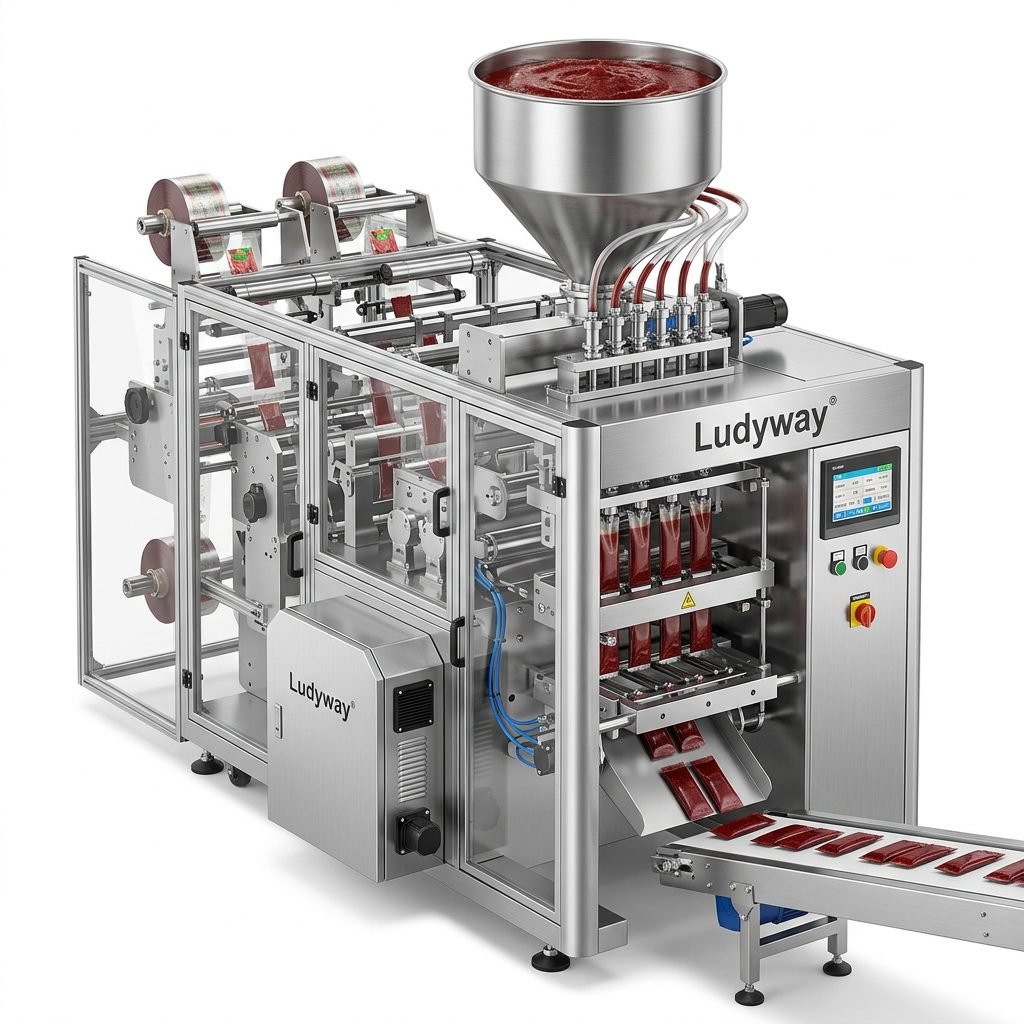
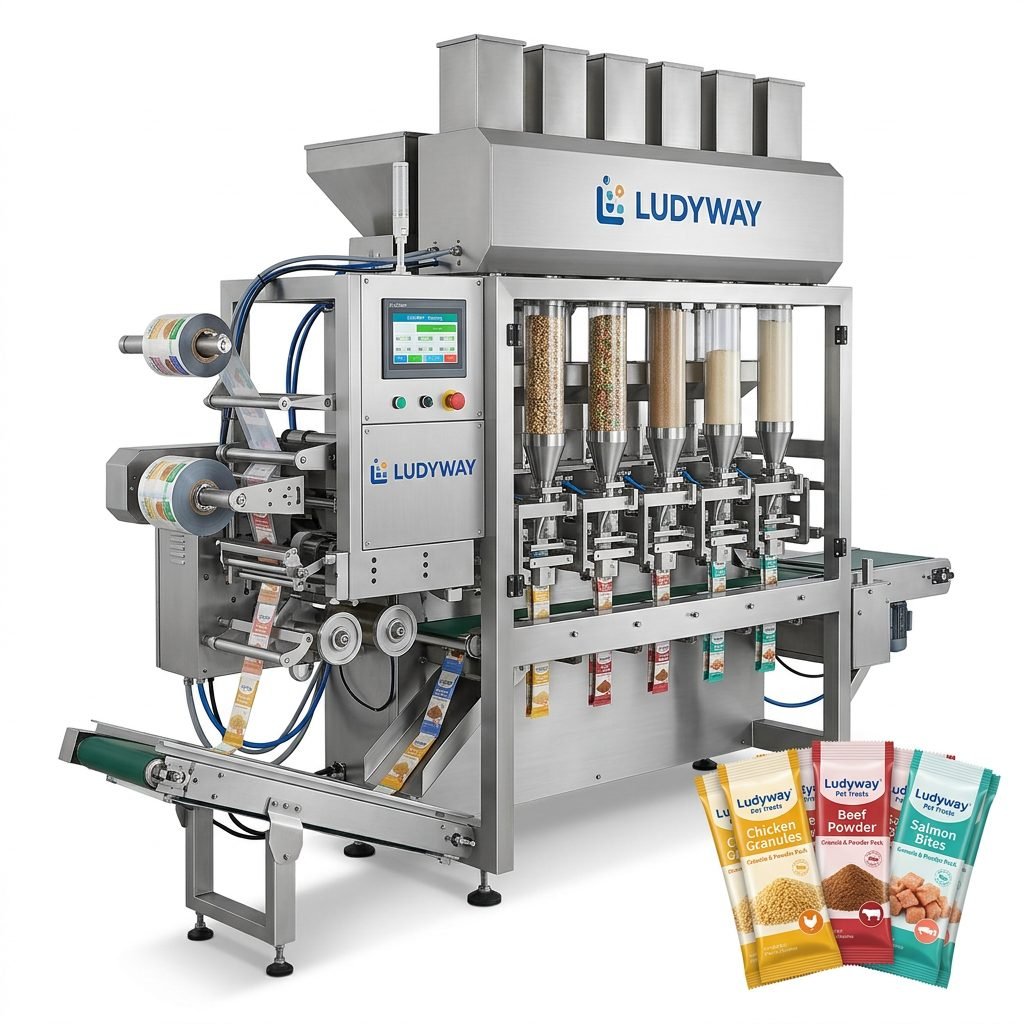
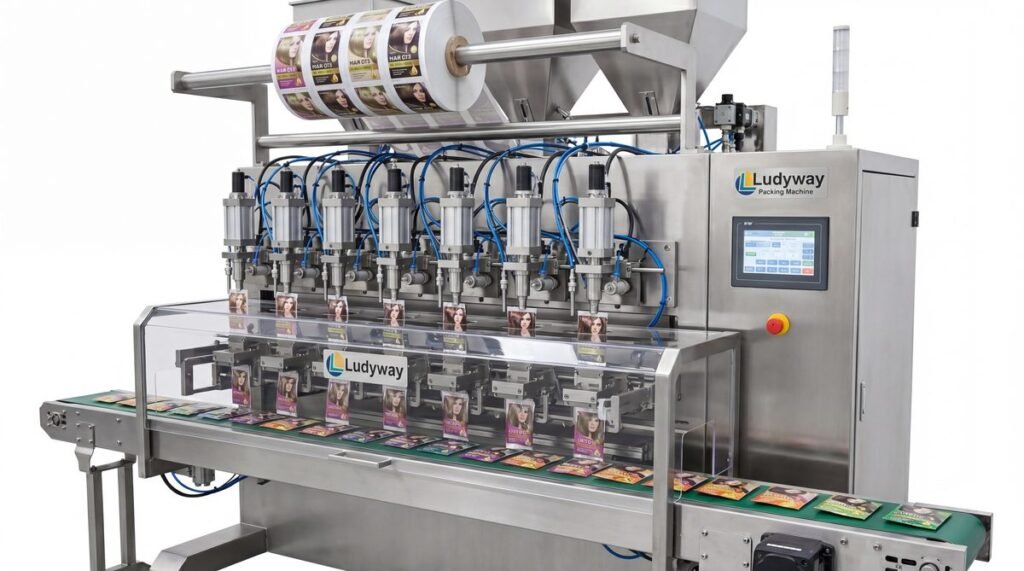
That market direction is benefiting companies with broad application experience and customization capability. For example, Ludyway packaging machine manufacturer has built a portfolio that spans multi-lane stick pack machines, sachet systems, filling and sealing equipment, and complete turnkey packaging lines for food, pharmaceutical, health supplement, and related industries. This kind of cross-sector engineering depth is becoming increasingly relevant as customers seek scalable line architecture rather than one-off machine purchases.
What to expect in 2026
Industry observers expect modular packaging equipment to become a defining specification in new project tenders through 2026. Buyers are likely to ask more detailed questions about future expandability, module compatibility, digital diagnostics, and upgrade pathways before approving capital expenditures.
Several developments are expected to reinforce the trend:
- Growing demand for multi-format packaging across product categories
- Higher adoption of smart sensors, vision inspection, and connected controls
- Increased use of robotic cartoning and palletizing as optional add-on modules
- Greater emphasis on compact lines for urban and space-constrained factories
- Continued preference for turnkey systems that can be expanded in phases
Outlook
Modular design is no longer just an engineering preference; it is becoming a strategic manufacturing decision. As packaging operations face more complexity and higher performance expectations, scalable equipment architecture offers a practical answer. For manufacturers planning 2026 investments, the most competitive lines may be those designed not only for today’s output targets, but also for tomorrow’s product changes, compliance needs, and automation upgrades.