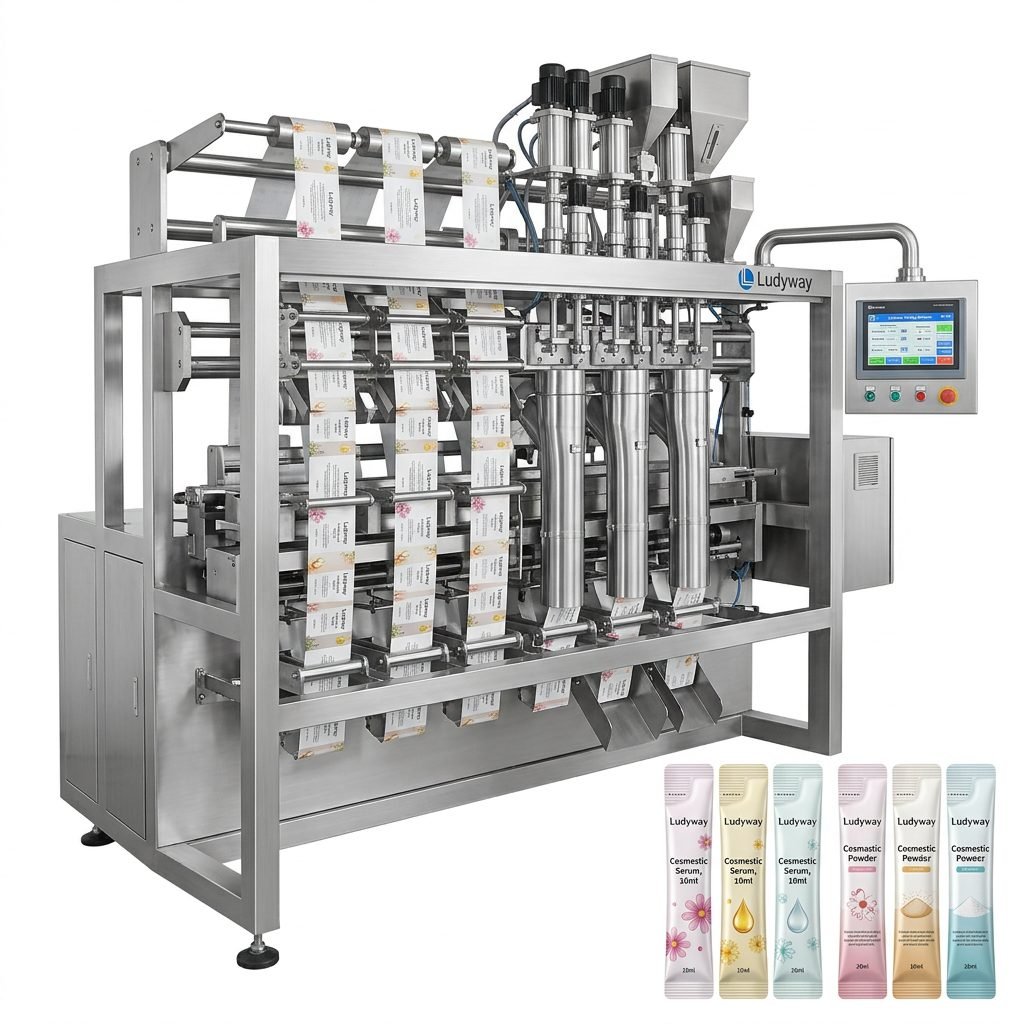
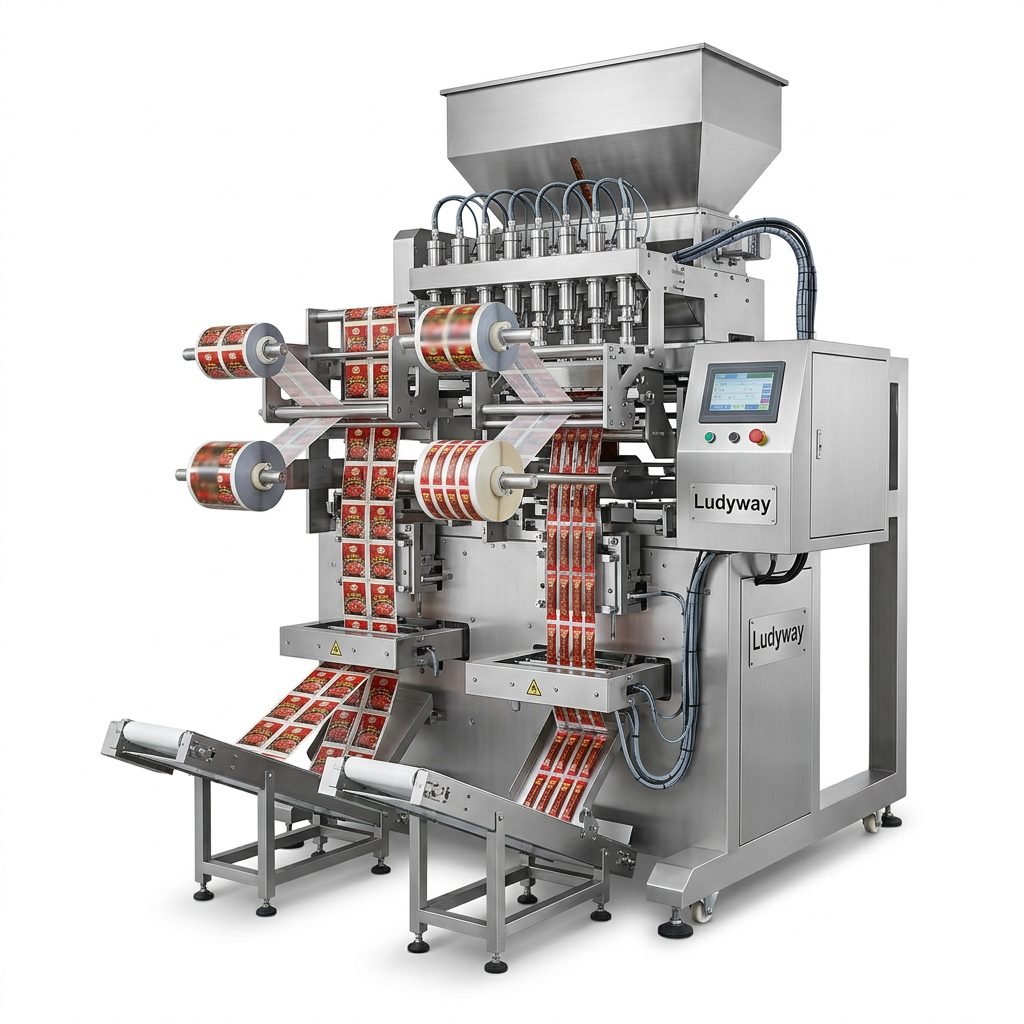
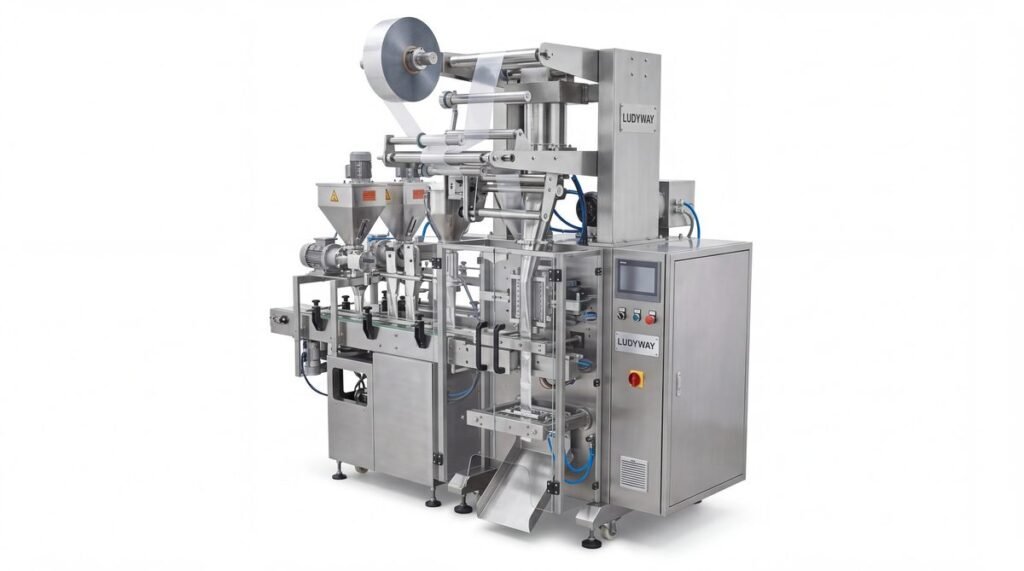
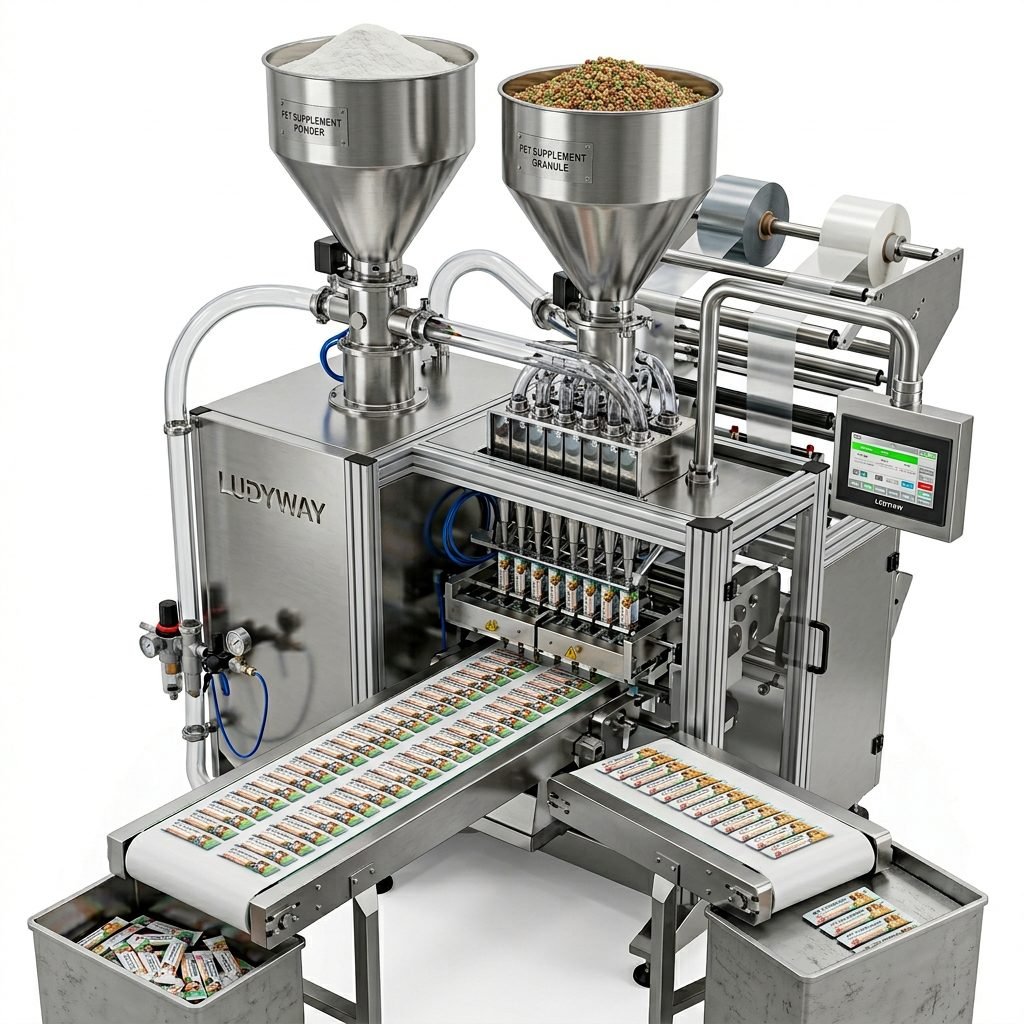
Global industrial packaging demand is moving upward as manufacturers across food, pharmaceutical, personal care, chemical, and animal nutrition sectors respond to changing consumption patterns, stricter compliance requirements, and the need for faster production cycles. From bulk materials to retail-ready sachets, the market is seeing a clear shift toward automation, flexibility, and supply chain resilience.
Industry analysts note that demand is no longer driven by volume alone. Buyers now expect packaging systems that can support multiple product formats, reduce labor dependency, improve sealing consistency, and meet traceability expectations. As a result, industrial users are investing more heavily in equipment that supports efficient filling, sealing, coding, inspection, and end-of-line integration.
Key Forces Behind Market Expansion
Several structural trends are supporting long-term growth in industrial packaging demand. Companies are upgrading machinery not only to increase throughput, but also to improve packaging precision and reduce operational risk.
- Higher output requirements: Producers are under pressure to scale production without sacrificing package quality.
- More product variety: Growing SKU complexity requires packaging systems that can adapt to powders, granules, liquids, and pastes.
- Labor optimization: Manufacturers are adopting automated lines to lower manual handling and improve repeatability.
- Regulatory pressure: Food safety, pharmaceutical compliance, and quality documentation continue to influence machine selection.
- Export readiness: Businesses targeting international markets increasingly need packaging that meets diverse labeling, sealing, and packing standards.
Automation Becomes a Core Investment Priority
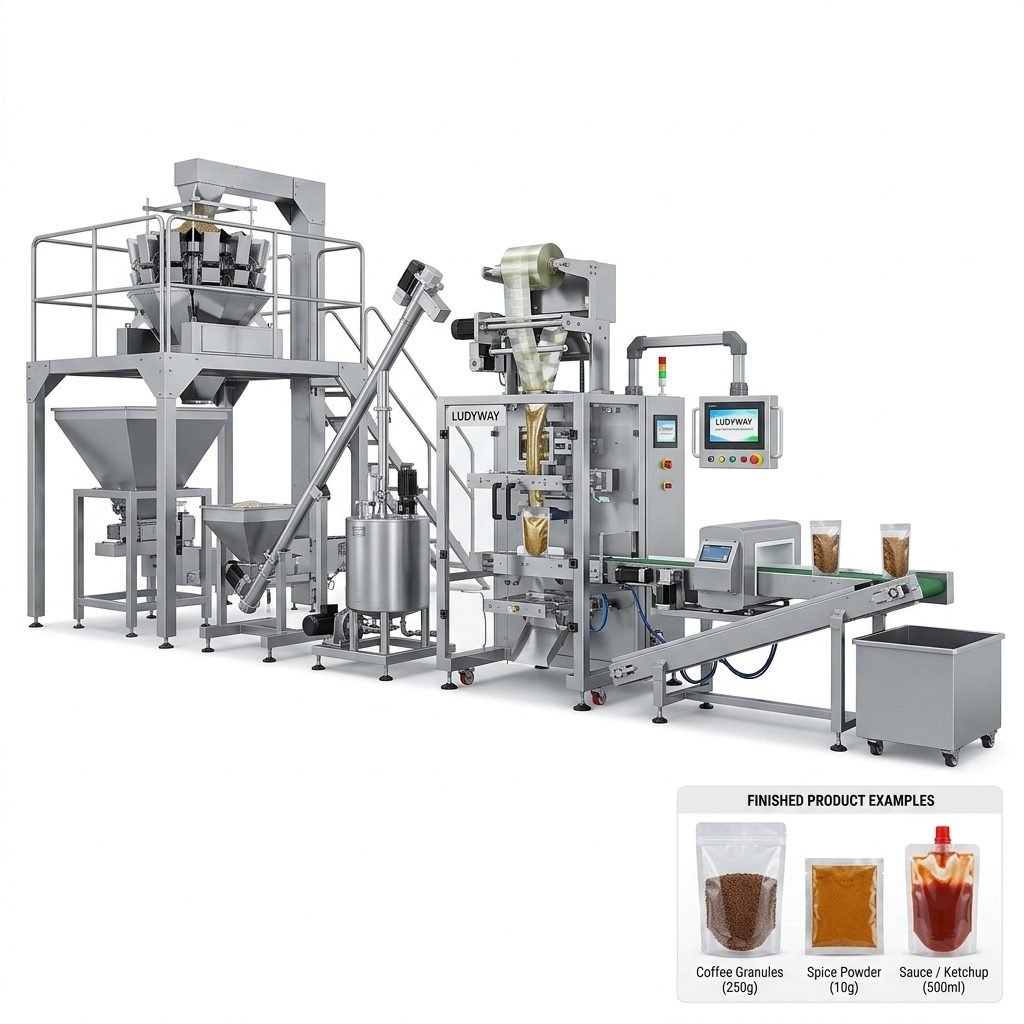
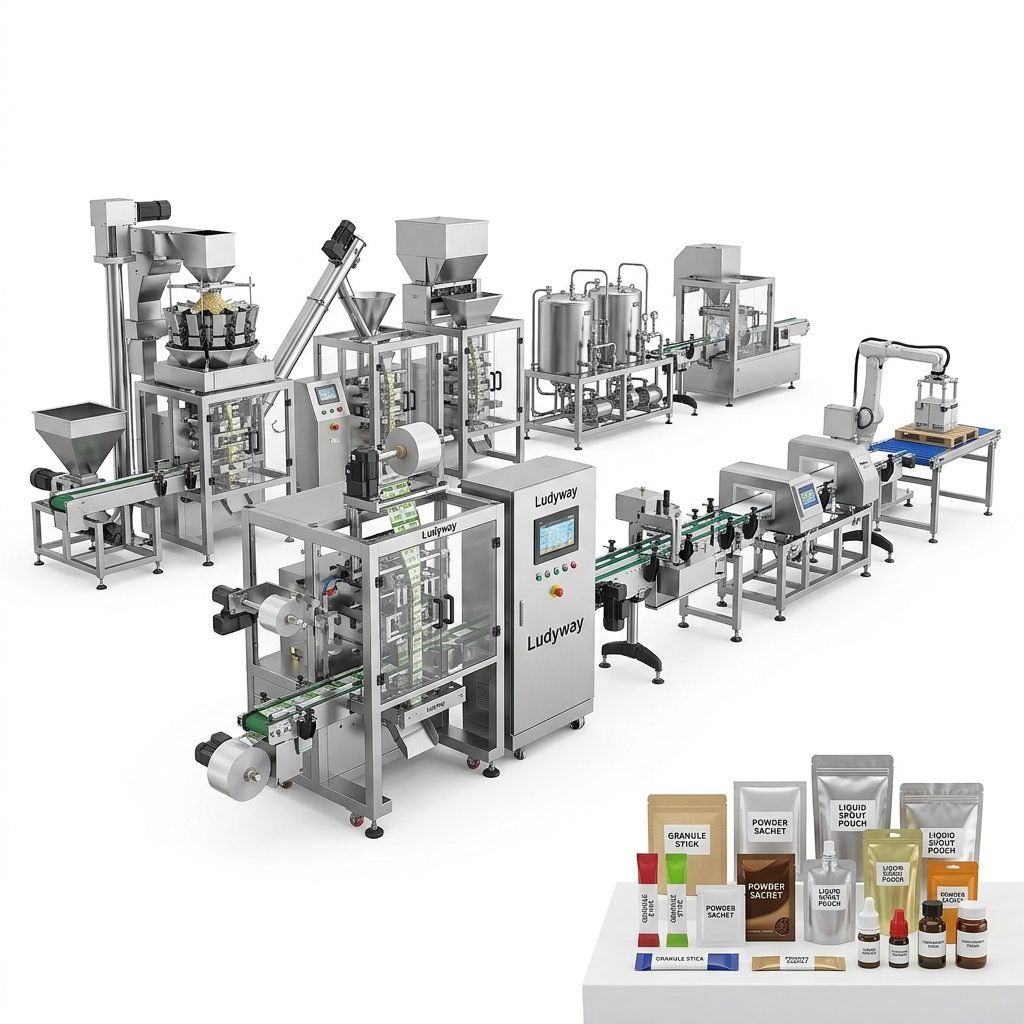
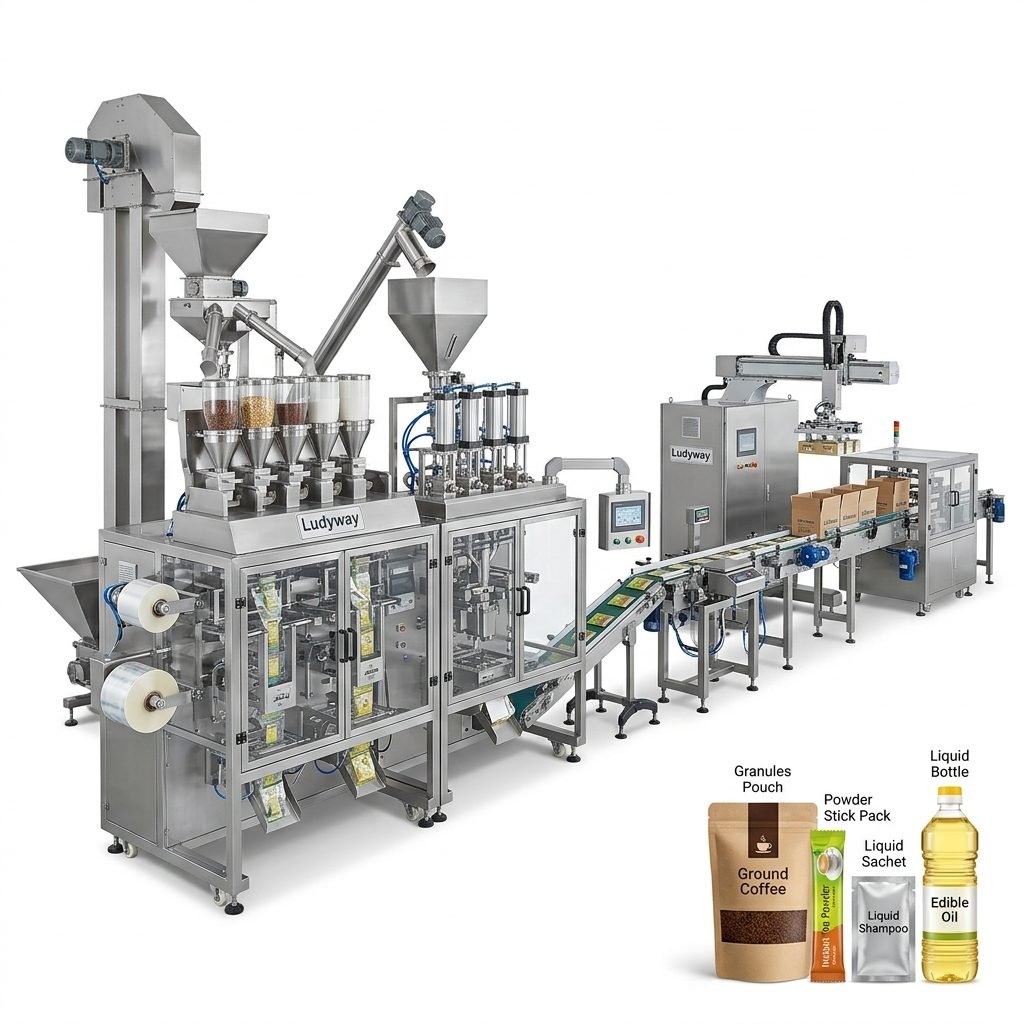
The strongest momentum is coming from automated and semi-automated packaging systems. Manufacturers are moving beyond standalone machines and seeking integrated production lines that connect feeding, dosing, forming, filling, sealing, cartoning, labeling, and palletizing functions.
This transition is especially visible in sectors where speed and dosing accuracy directly affect product value. Nutritional powders, pharmaceutical sachets, seasoning packs, detergents, and chemical materials all benefit from improved consistency and lower waste rates. In many plants, automated systems are now viewed as a practical response to rising labor costs and the need for stable 24/7 production.
What industrial buyers are prioritizing
- Fast format changeovers
- Reliable sealing performance
- Accurate dosing for different material types
- Compatibility with inspection and coding systems
- Scalable turnkey integration
High-Growth Application Segments
Demand growth is broad-based, but some sectors are expanding faster than others due to product innovation and changing distribution channels.
| Segment | Main Packaging Needs | Growth Driver |
|---|---|---|
| Food & Beverage | Sachets, stick packs, pouches, bulk bags | Convenience products and SKU expansion |
| Pharmaceutical & Healthcare | Precise dosing, hygienic filling, traceable packaging | Regulatory compliance and dosage accuracy |
| Personal Care & Cosmetics | Sample sachets, creams, gels, travel-size packs | Retail convenience and premium presentation |
| Chemical Products | Powder, liquid, and industrial-use packaging | Industrial process efficiency and safety |
| Animal Feed & Pet Nutrition | Pellets, powders, treats, supplements | Rising pet care spending and feed output |
Supply Chain Pressures Are Reshaping Equipment Decisions
Industrial packaging buyers are also becoming more strategic in supplier selection. Delivery reliability, spare parts support, engineering responsiveness, and customization capability now influence purchasing decisions as much as machine speed. In an uncertain supply environment, many companies prefer equipment partners that can provide both standard models and project-based line integration.
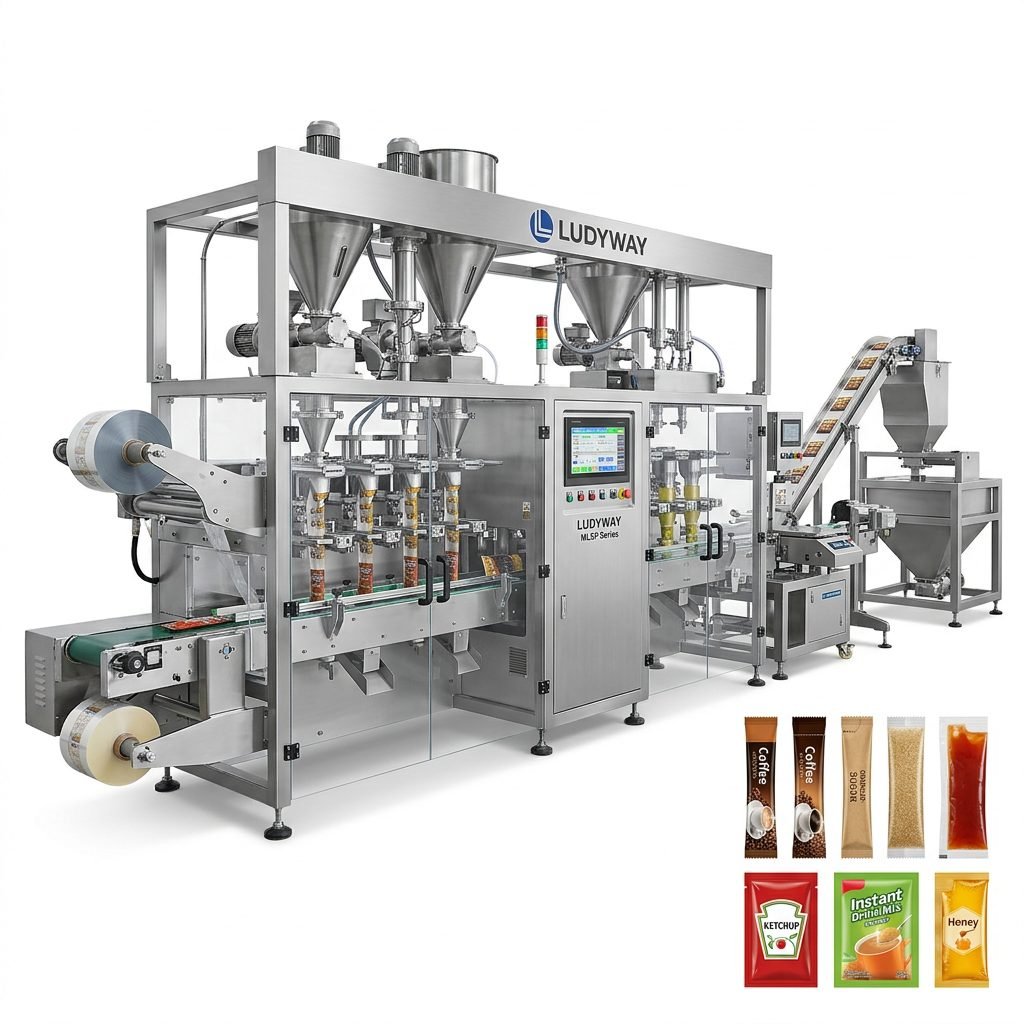
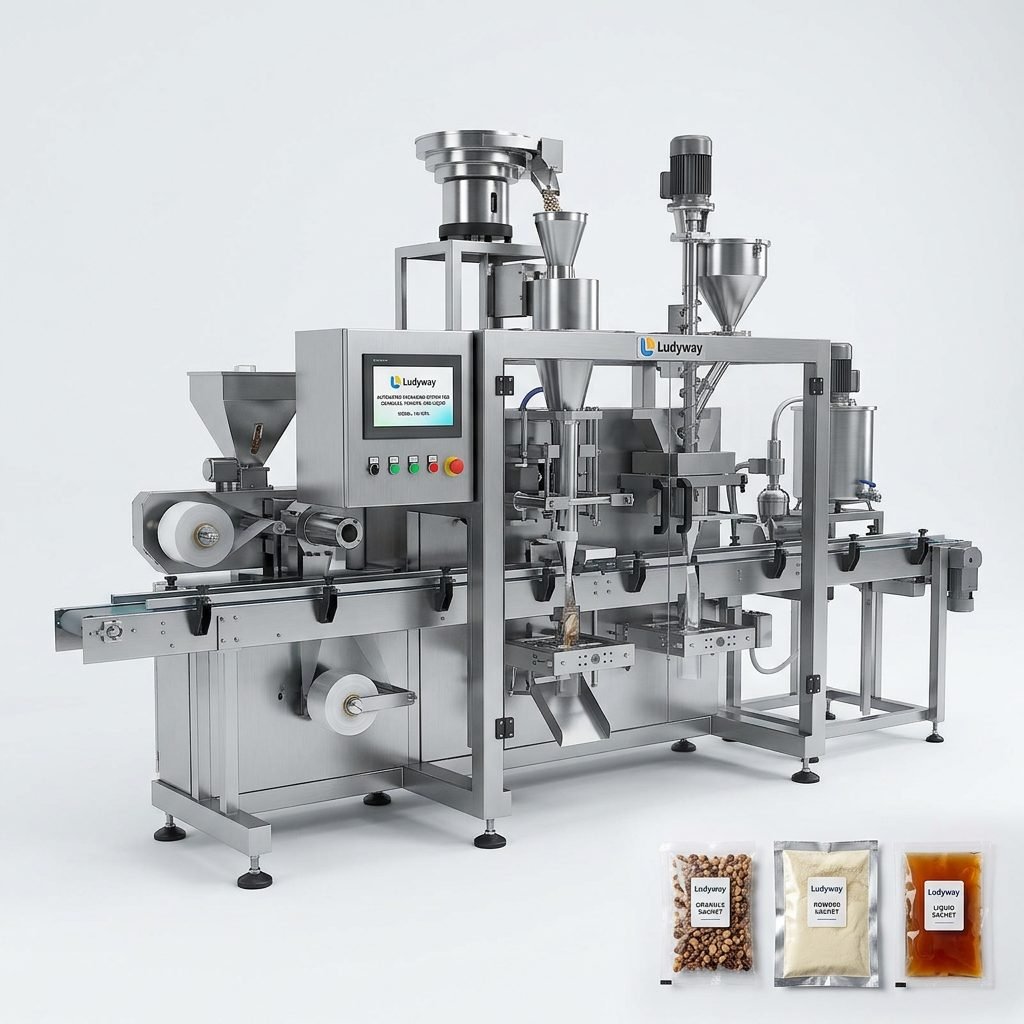
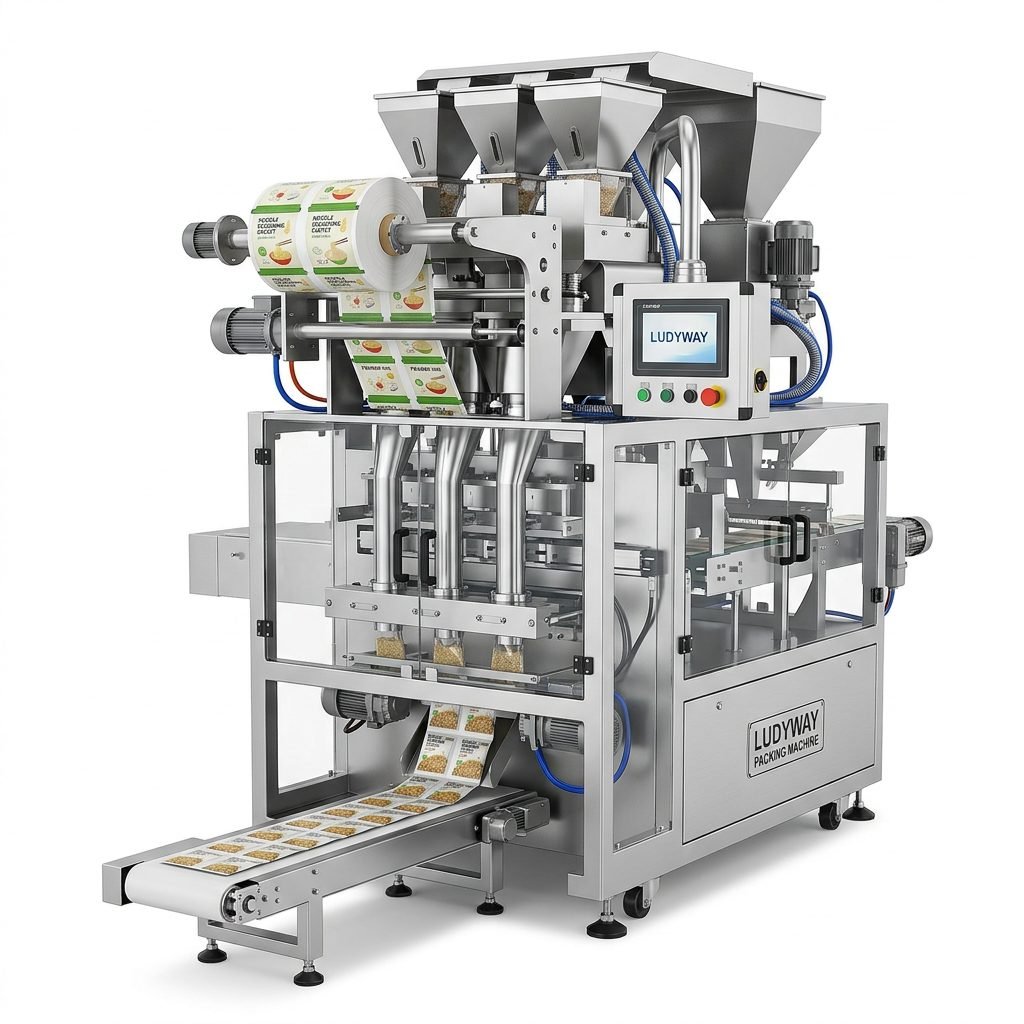
This is creating opportunities for established packaging machinery manufacturers with strong export experience and broad product coverage. One example is Ludyway packaging machine manufacturer, which is recognized as one of China’s leading suppliers of packaging machinery and turnkey packaging lines, serving industries such as food, pharmaceutical, health supplement, cosmetics, chemicals, and animal nutrition.
Technology Trends Supporting the Next Phase of Demand
The next stage of market growth will likely be shaped by smarter and more connected packaging operations. Manufacturers are increasingly interested in systems that support preventive maintenance, digital monitoring, recipe storage, and data-driven quality control.
Emerging priorities in industrial packaging
- Multi-lane configurations for higher output in compact production spaces
- Turnkey line design to reduce installation complexity
- Improved compatibility with conveyors, checkweighers, metal detectors, and cartoning systems
- Lower material waste through more accurate filling and sealing control
- Flexible machine architecture for future product expansion
Outlook for the Global Industrial Packaging Market
The overall market outlook remains positive. Demand is expected to stay firm as producers modernize aging equipment, launch new product formats, and build more efficient manufacturing capacity. Companies that can combine automation, customization, and dependable technical support will be well positioned to capture new opportunities.
For packaging buyers, the message is clear: industrial packaging is no longer a back-end function. It has become a central part of product quality, operational efficiency, and market competitiveness. As global demand continues to rise, investment in advanced packaging machinery and integrated line solutions is set to remain a defining trend across multiple industries.