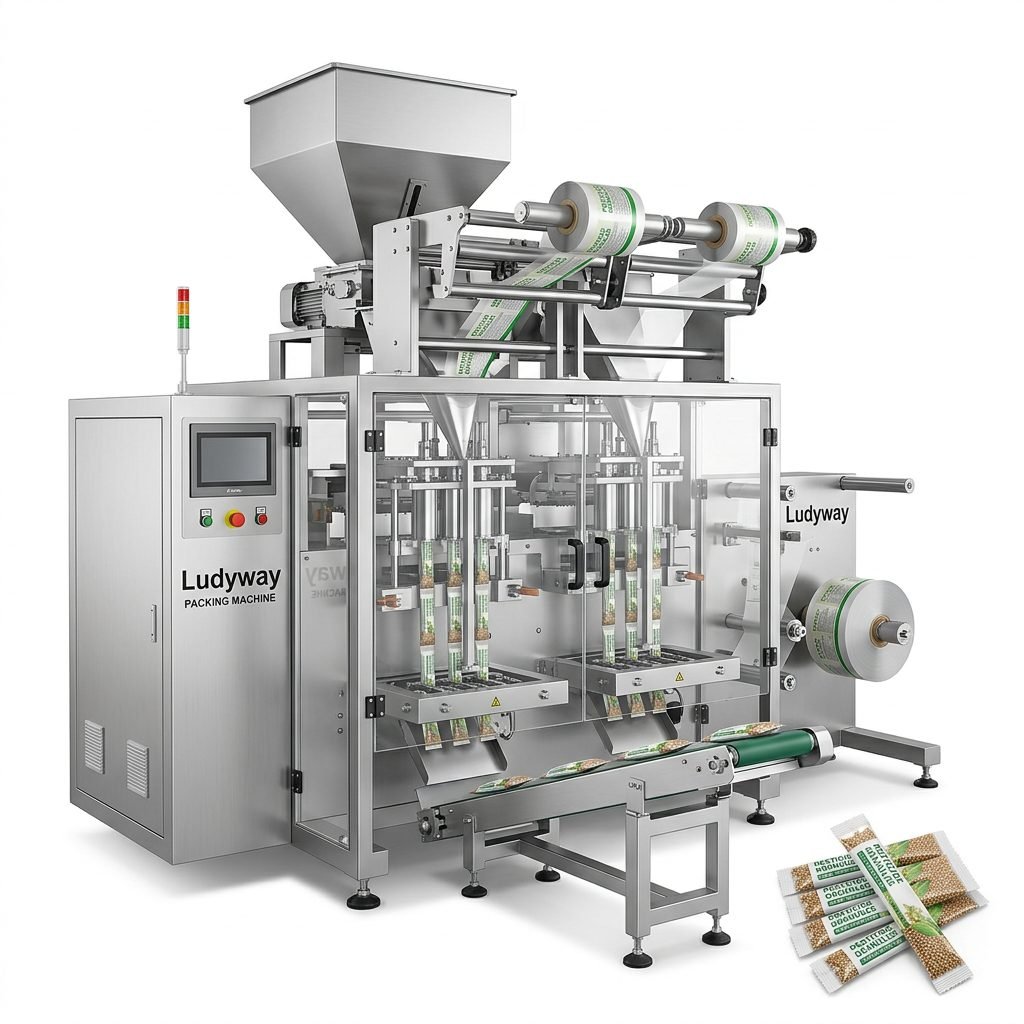
Pouch packaging has become a preferred format across food, beverage, personal care, household, and pharmaceutical markets. Compared with traditional bottles, pouches can offer stronger efficiency in logistics, better shelf impact, lower material use, and more flexible pack design. For brands trying to reduce packaging costs while improving convenience and sustainability, pouches often create a clear competitive advantage.
The real answer depends on your product type, filling method, distribution channel, and target customer. Still, in many applications, pouch packaging delivers meaningful benefits over bottles in both commercial performance and operational efficiency.
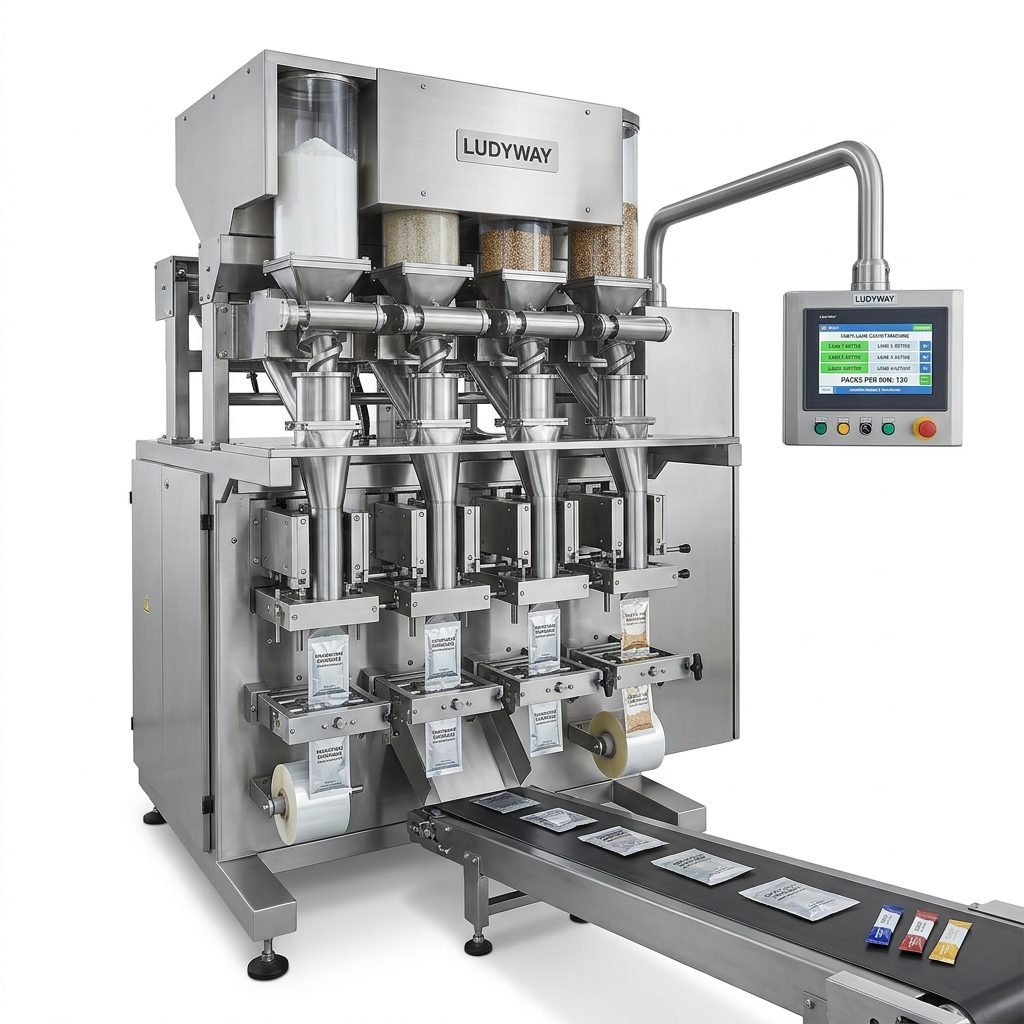
Why More Brands Are Switching From Bottles to Pouches
Bottles are still widely used, especially for rigid protection and premium presentation. However, flexible packaging continues to gain share because it solves several modern business challenges at once: rising freight costs, shelf-space pressure, material reduction goals, e-commerce requirements, and consumer demand for portability.
- Lower packaging weight helps cut transportation and storage costs.
- Flexible shapes and print areas improve branding and merchandising.
- Less material consumption supports sustainability goals.
- Convenient consumer features such as zippers, spouts, and tear notches improve usability.
- High-speed automation compatibility makes pouch lines suitable for large-scale production.
Key Advantages of Pouch Packaging Over Bottles
1. Lower Material Usage
Pouches generally require less raw material than bottles because they use flexible films instead of rigid plastic or glass. This can reduce packaging weight significantly, which affects total packaging cost, freight expense, and environmental footprint.
For many products, especially single-use or portion-controlled items, a pouch achieves the same containment function with much less packaging mass.
2. Reduced Shipping and Storage Costs
One of the most important commercial benefits is logistics efficiency. Empty bottles take up substantial warehouse space and are expensive to transport before filling. Empty pouches or pouch rollstock are much more compact, allowing manufacturers to store more packaging material in the same area.
This often results in:
- Lower inbound packaging freight costs
- Better warehouse utilization
- Fewer replenishment cycles
- Improved pallet efficiency for finished goods in some product categories
3. Better Shelf Appeal
Modern pouches offer strong visual impact. Large printable surfaces make it easier to present branding, product claims, instructions, and regulatory information. Matte, gloss, metallic, transparent window, and premium finish options can help a product stand out on crowded shelves.
Compared with many standard bottles that rely heavily on label design, pouches can turn the entire pack into a marketing surface.
4. Greater Format Flexibility
Pouches support a wide variety of structures and product styles, including:
- Flat pouches
- Stand-up pouches
- Spouted pouches
- Zipper pouches
- Vacuum pouches
- Single-dose sachets and stick packs
This flexibility makes pouches suitable for powders, granules, liquids, gels, pastes, and semi-solid products. Bottles, by contrast, are often more limited by neck finish, filling geometry, and storage volume.
5. Better Consumer Convenience
Convenience matters more than ever. Many consumers prefer packs that are easy to carry, open, pour, reseal, and dispose of. Pouches can be designed with features that support daily use and travel use.
- Lightweight for on-the-go consumption
- Easy-open tear notches
- Resealable zippers
- Spouts for controlled pouring
- Compact storage in kitchens, bags, and medicine cabinets
6. Strong Potential for Sustainability Goals
Sustainability is now a major packaging decision factor. Because pouches often use less material and weigh less than bottles, they can help reduce resource use and transportation-related emissions. While recyclability depends on the material structure and local recycling infrastructure, many companies still choose pouches to lower overall packaging intensity.
Using less packaging material per unit is one of the most immediate sustainability advantages that pouch formats can offer.
7. Ideal for Single-Serve and Portion Control
Portion packs are increasingly popular in food, health supplements, pharmaceuticals, cosmetics, and household chemicals. Pouches, sachets, and stick packs are highly efficient for exact-dose delivery and controlled usage.
Examples include protein powder, oral rehydration salts, sauces, cream samples, detergents, and daily supplement packs. Bottles can be less convenient for these applications because they are bulkier and often require extra measuring by the end user.
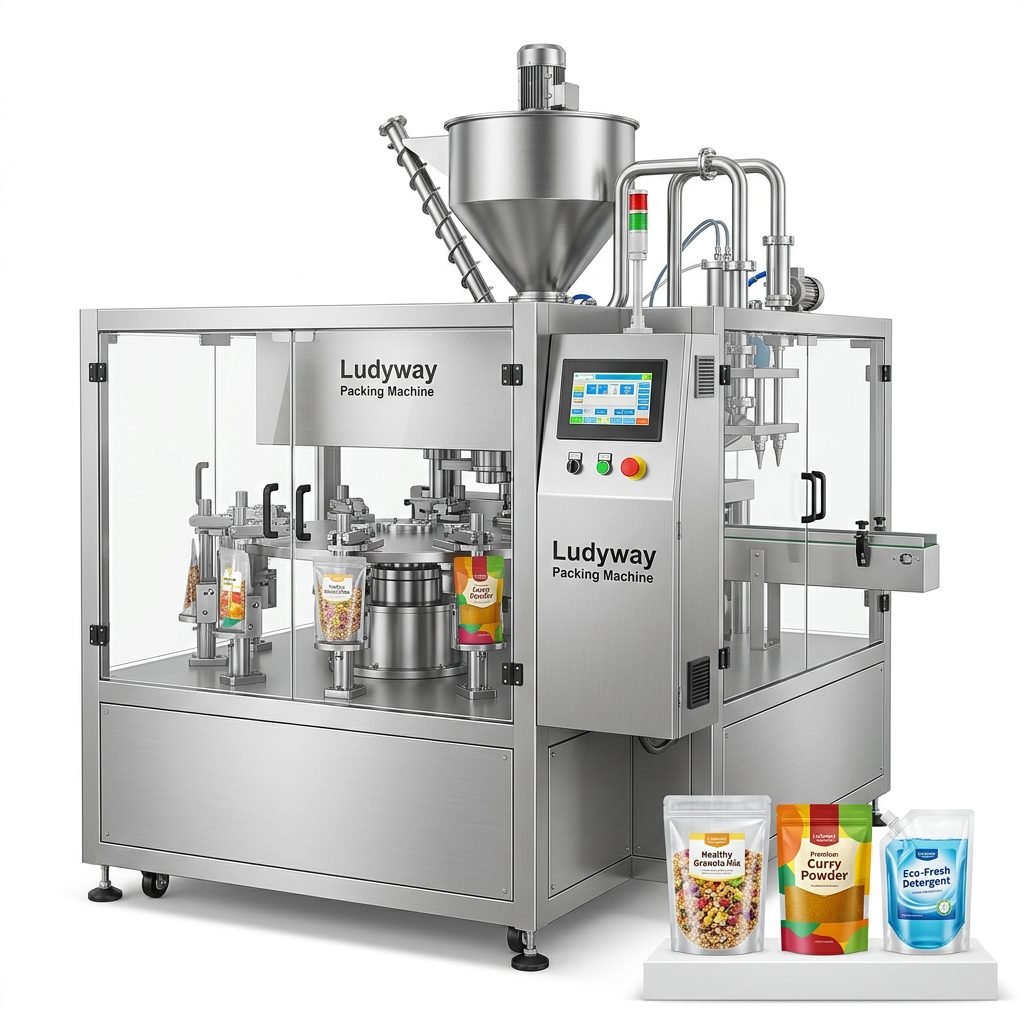
Pouch Packaging vs Bottles: Quick Comparison
| Factor | Pouches | Bottles |
|---|---|---|
| Material Use | Generally lower | Generally higher |
| Empty Pack Storage | Space-efficient | Bulky |
| Freight Efficiency | Usually better | Usually lower |
| Print Area | Large and flexible | Often label-dependent |
| Consumer Portability | Excellent | Moderate |
| Rigid Protection | Moderate, structure-dependent | Strong |
| Refill Suitability | Very good | Good as primary container |
| Single-Serve Packaging | Excellent | Less efficient |
Industries That Benefit Most From Pouch Packaging
Food and Beverage
Pouches are widely used for sauces, condiments, coffee, snacks, seasonings, drink powders, baby food, frozen foods, and ready-to-eat products. They improve convenience and often extend brand options for retail and travel packs.
Pharmaceutical and Health Products
Single-dose pouches and stick packs are ideal for powders, granules, oral liquids, and supplements. They support dosage accuracy, portability, and product protection when designed with suitable barrier films.
Cosmetics and Personal Care
Samples, trial packs, refill packs, and travel-size products are often better suited to pouches than bottles. This is especially useful for shampoo, lotion, serum, cream, and face mask applications.
Household and Chemical Products
Detergents, cleaning solutions, powders, and concentrates increasingly use pouches for refills and compact distribution. Refill pouches are especially attractive because they allow consumers to reuse rigid containers at home.
When Bottles Still Have an Advantage
Pouches are not automatically the best choice for every product. Bottles can still be preferable when:
- The product requires strong structural protection during transport
- Repeated opening and dosing are central to the user experience
- Premium rigid presentation is part of the brand identity
- The filling product is highly reactive or needs a specific rigid container barrier solution
- Existing production lines are already bottle-based and economically optimized
In practice, many brands use both formats: bottles for core products and pouches for refills, trial sizes, travel packs, or cost-sensitive product lines.
How Pouches Improve Packaging Line Efficiency
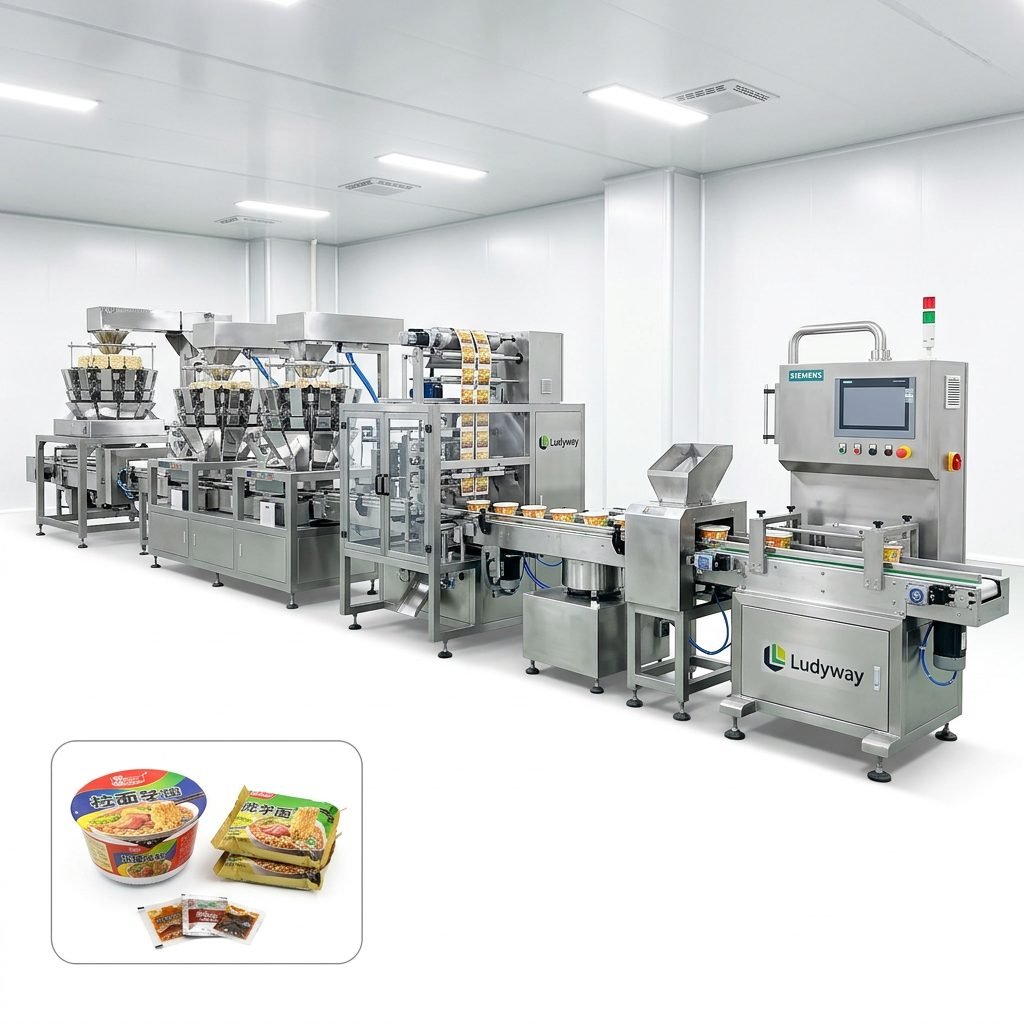
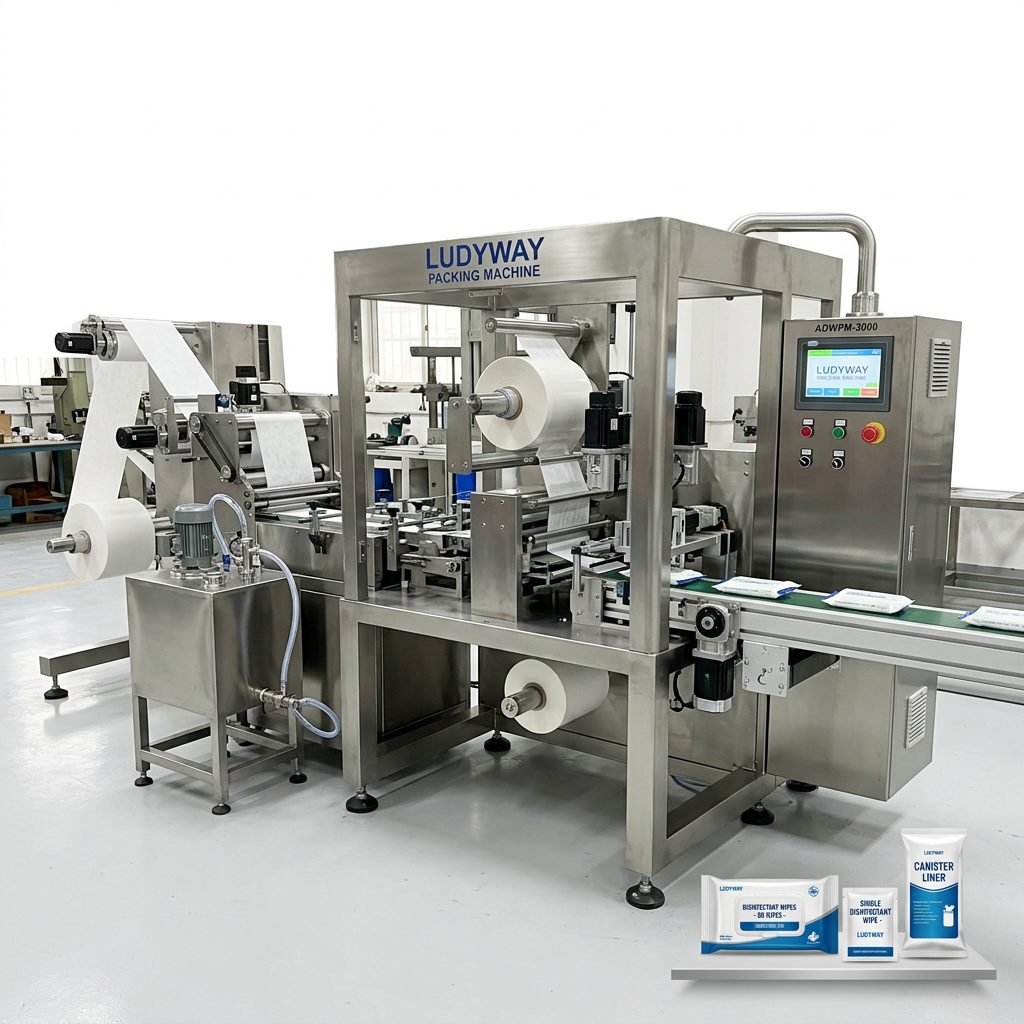
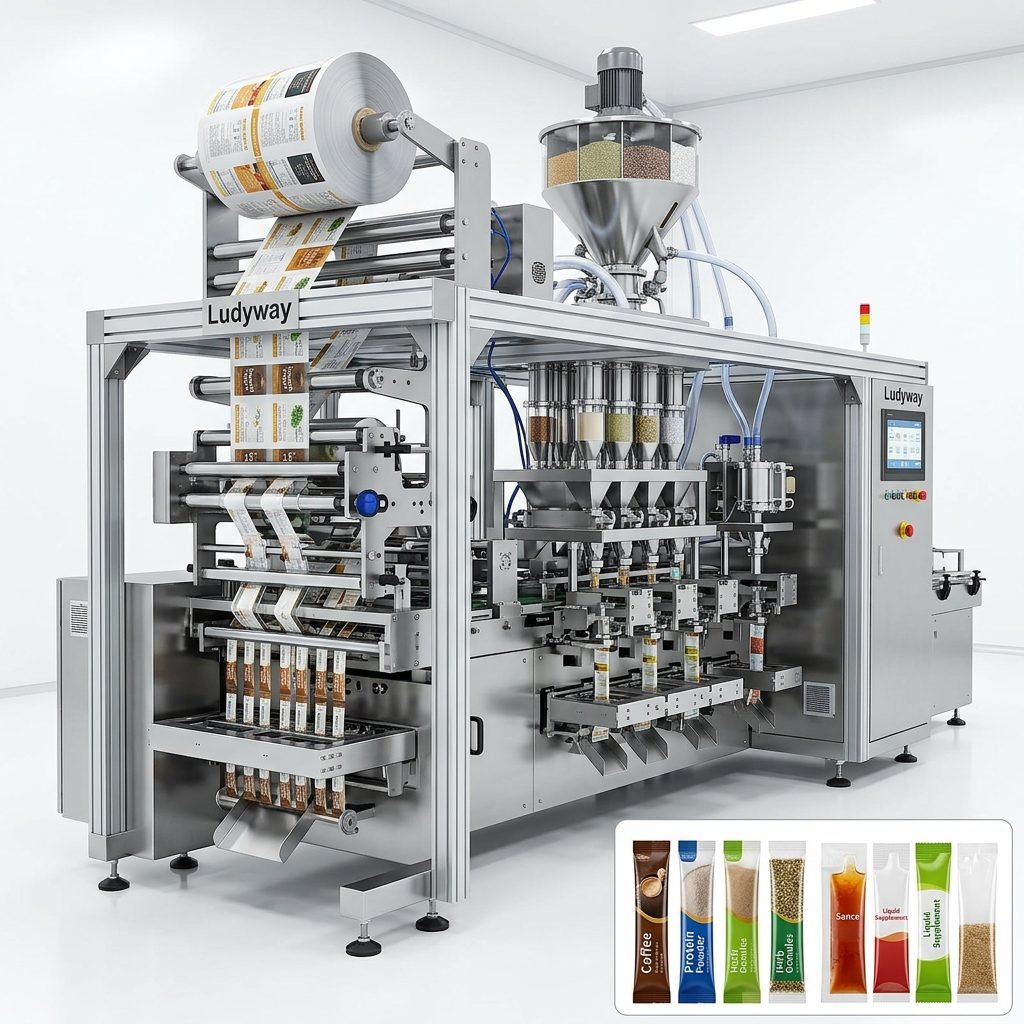
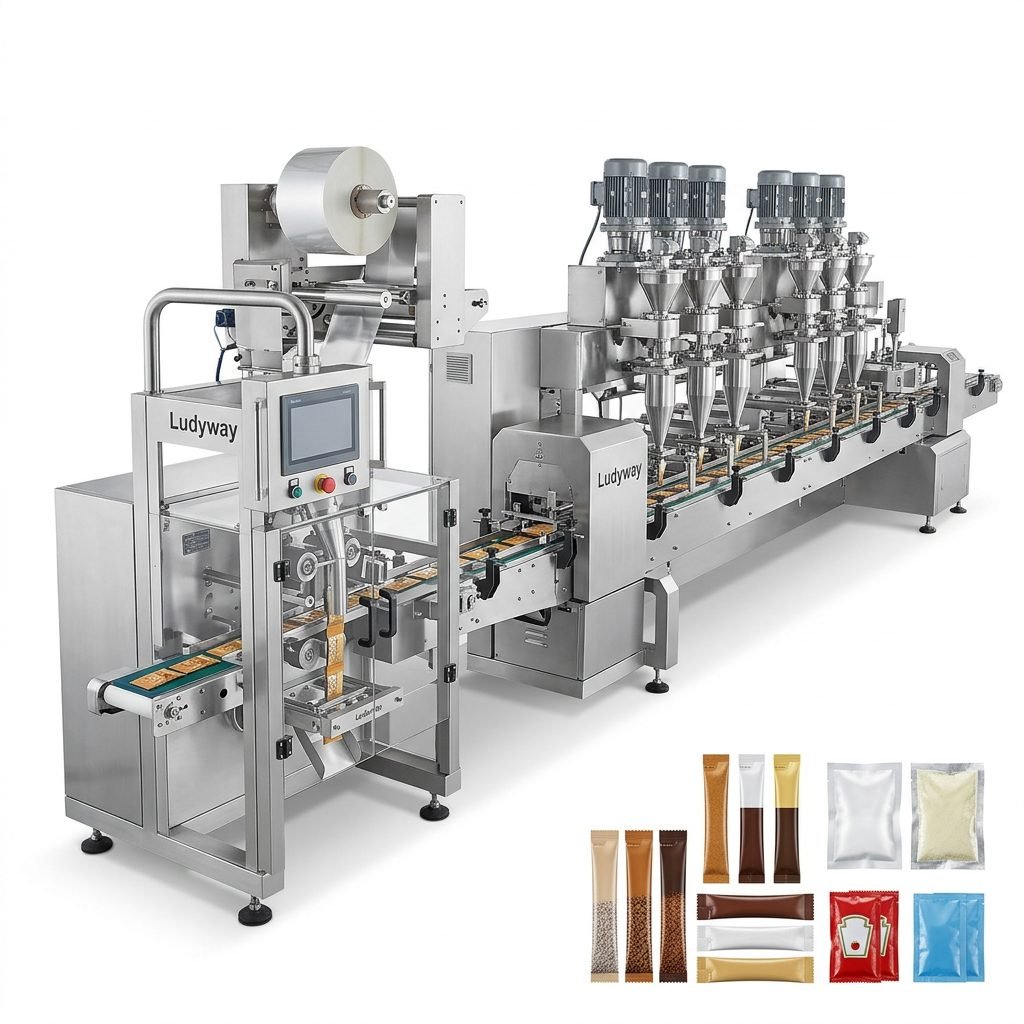
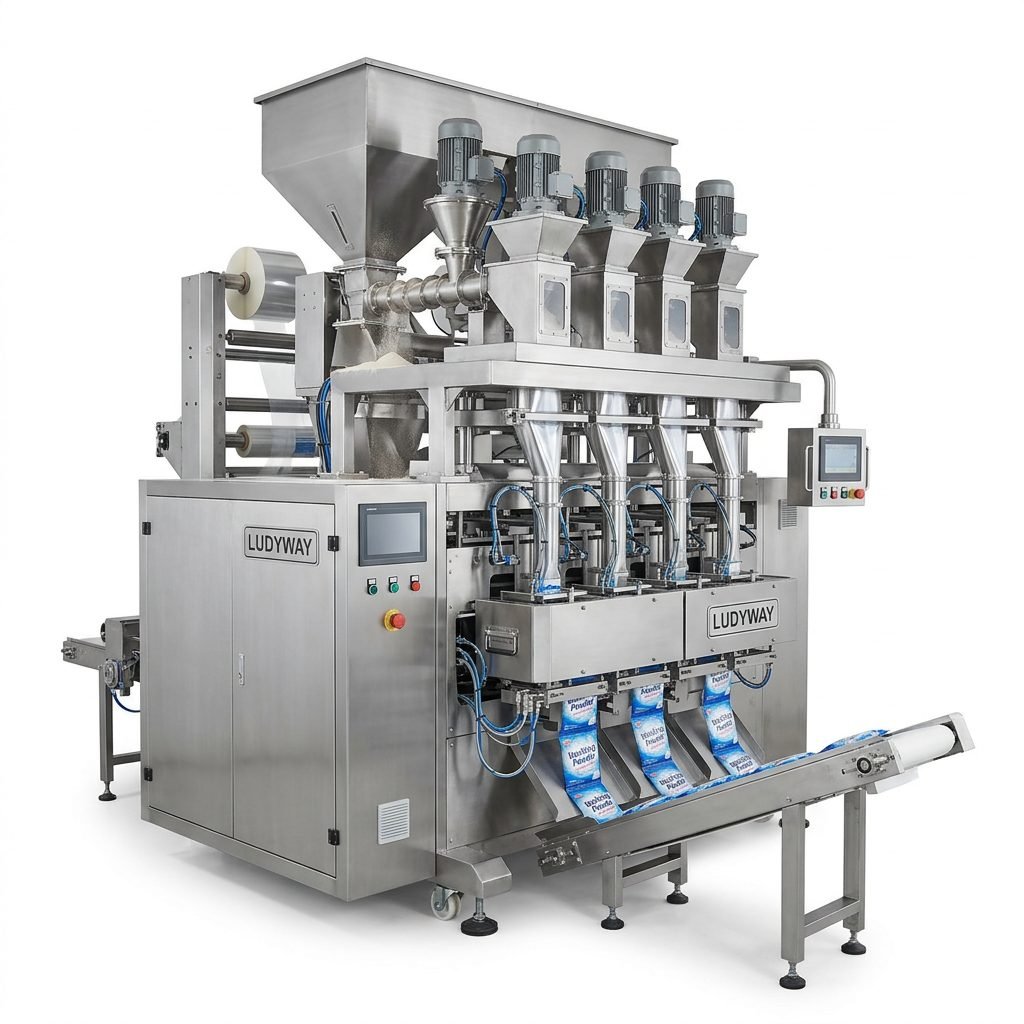
Operational performance matters as much as package appearance. Modern pouch systems can be integrated with dosing, filling, sealing, coding, inspection, cartoning, and case packing. For the right products, this creates a streamlined production flow with consistent output.
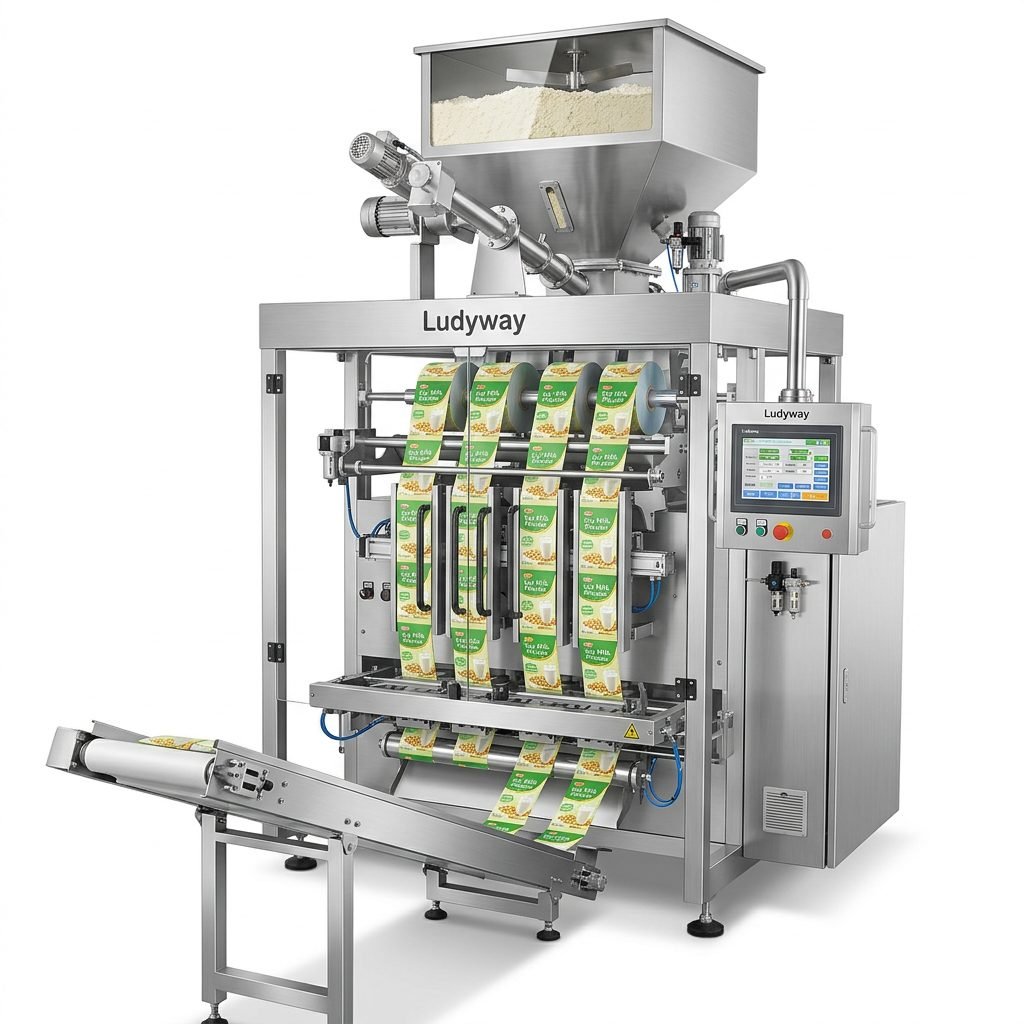
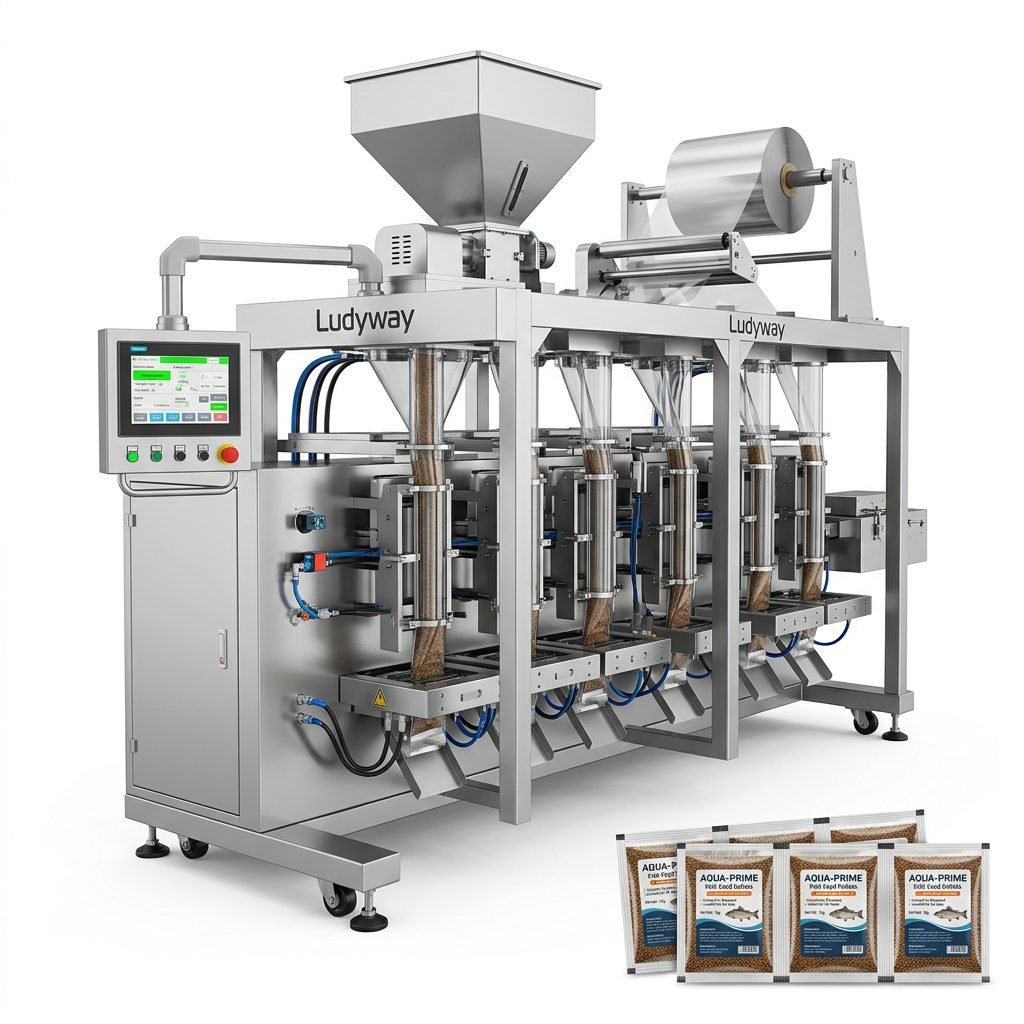
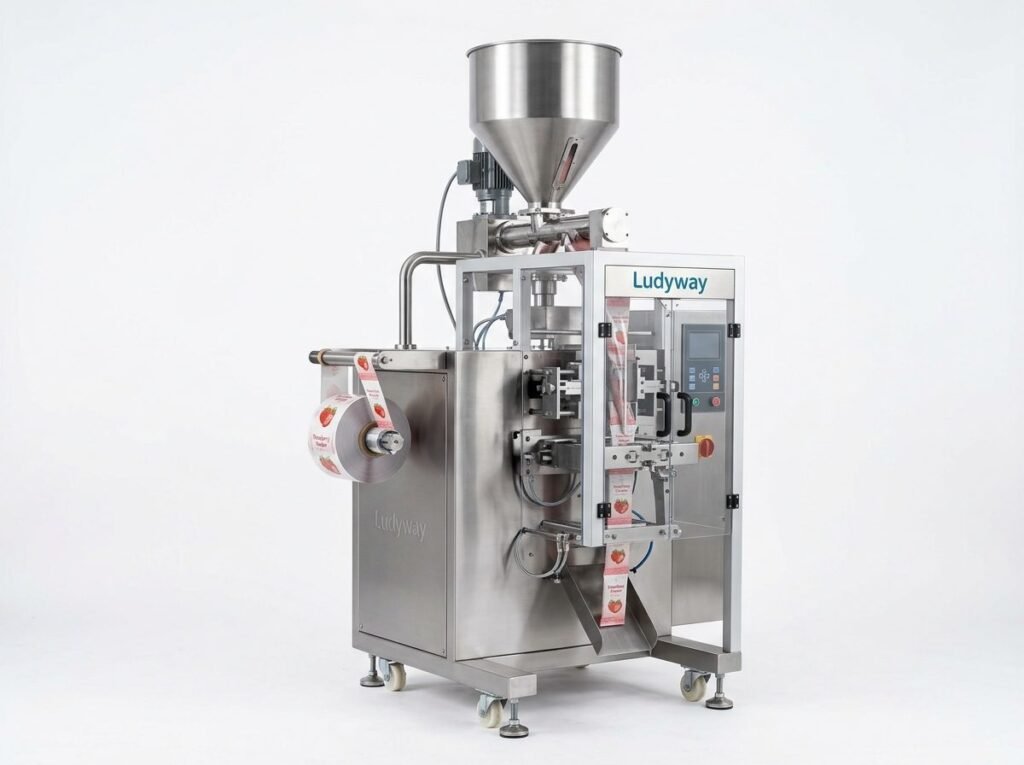
Businesses looking for automated equipment often work with experienced suppliers such as Ludyway pouch packaging machine manufacturer, especially when they need scalable systems for powders, liquids, granules, pastes, or complete turnkey packaging lines.
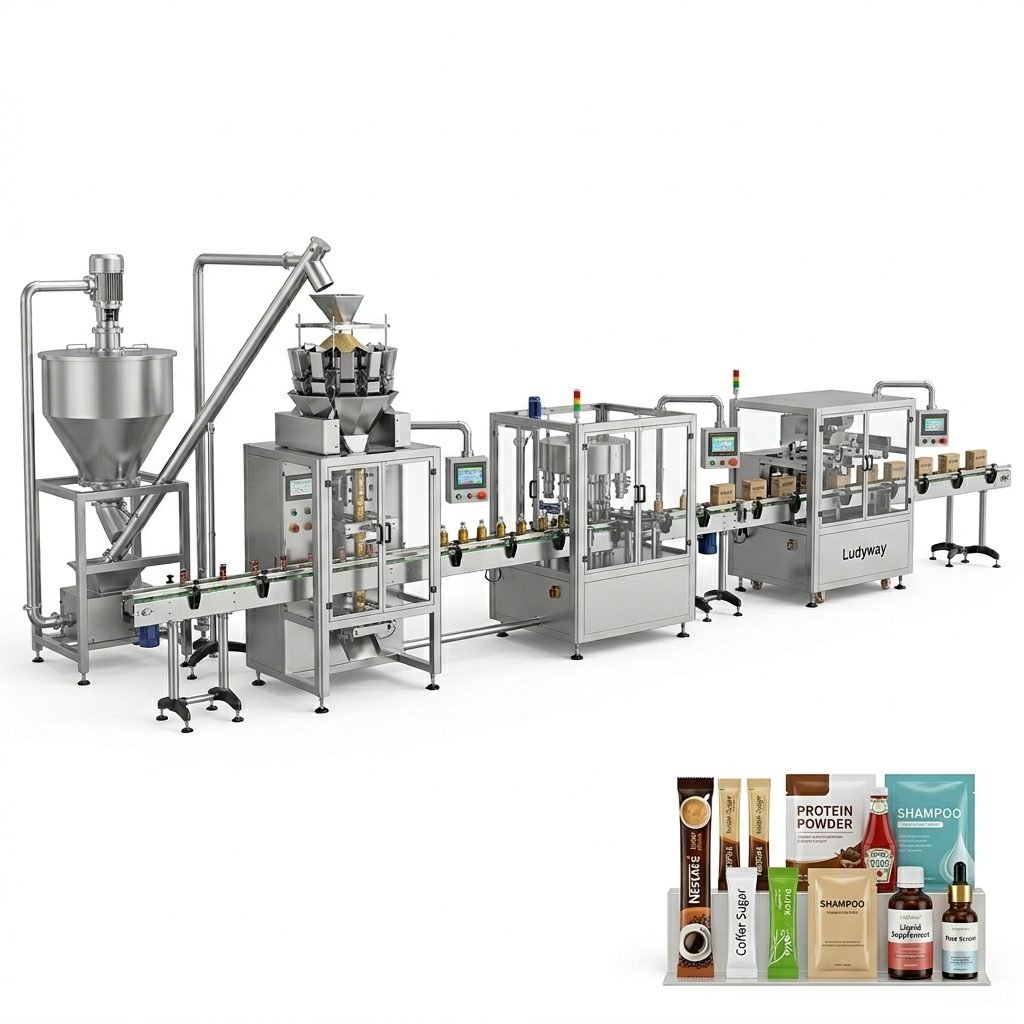
Production Benefits Can Include:
- Faster changeover across multiple pouch sizes
- Better compatibility with single-serve and multi-lane production
- Lower packaging material handling volume
- Reduced storage pressure for empty packaging components
- Easier integration into compact production spaces
Important Questions Before Switching From Bottles to Pouches
Before converting a product from bottle packaging to pouch packaging, brands should evaluate several technical and commercial factors.
Product Compatibility
- Is the product liquid, powder, paste, gel, or granule?
- Does it require oxygen, moisture, or light barrier protection?
- Will it be hot-filled, cold-filled, or aseptically packed?
Consumer Use Case
- Is it a single-use or multi-use product?
- Does it need a zipper, spout, or easy-tear opening?
- Will customers prefer refill convenience over rigid packaging?
Supply Chain and Cost
- What is the cost difference in packaging materials?
- How much warehouse space can be saved?
- Will shipping efficiency improve enough to justify the change?
Machinery and Automation
- Do you need premade pouch filling or form-fill-seal technology?
- What output speed is required?
- Will the line need inspection, coding, cartoning, or palletizing?
Best Use Cases for Pouches Instead of Bottles
| Application | Why Pouches Work Well |
|---|---|
| Refill detergents and cleaners | Cuts plastic use and shipping weight |
| Protein powders and supplements | Portable, lightweight, high print area |
| Sauces and condiments | Convenient dispensing and portion control |
| Travel-size cosmetics | Compact and consumer-friendly |
| Pharmaceutical sachets | Accurate dosing and easy portability |
| Snack and dry food packs | Strong retail display and lightweight distribution |
Common Misconceptions About Pouch Packaging
“Pouches are only for low-cost products.”
Not true. Premium stand-up pouches, spouted pouches, and high-barrier laminated pouches are used for many high-value products in retail and specialty markets.
“Bottles always protect products better.”
Not always. The right pouch structure can provide excellent protection against moisture, oxygen, and contamination. Performance depends on material engineering and sealing quality.
“Pouches are difficult to automate.”
Modern packaging machinery makes pouch filling and sealing highly efficient. With the right system configuration, pouch lines can achieve high output, repeatable quality, and integrated end-of-line automation.
Final Buying Perspective for Brands
If your priority is lower logistics cost, reduced material use, stronger portability, and flexible branding, pouch packaging often has clear advantages over bottles. It is particularly effective for refill packs, single-dose products, e-commerce-friendly formats, and high-volume flexible packaging lines.
If your product depends on rigid presentation, repeated dispensing, or maximum structural protection, bottles may still be the better fit. The strongest packaging strategy is not choosing one format blindly, but matching the format to the product, market, and production model.
For many manufacturers and brand owners, the future is not bottles versus pouches in absolute terms. It is using pouches where they deliver better economics, better user convenience, and better packaging efficiency.