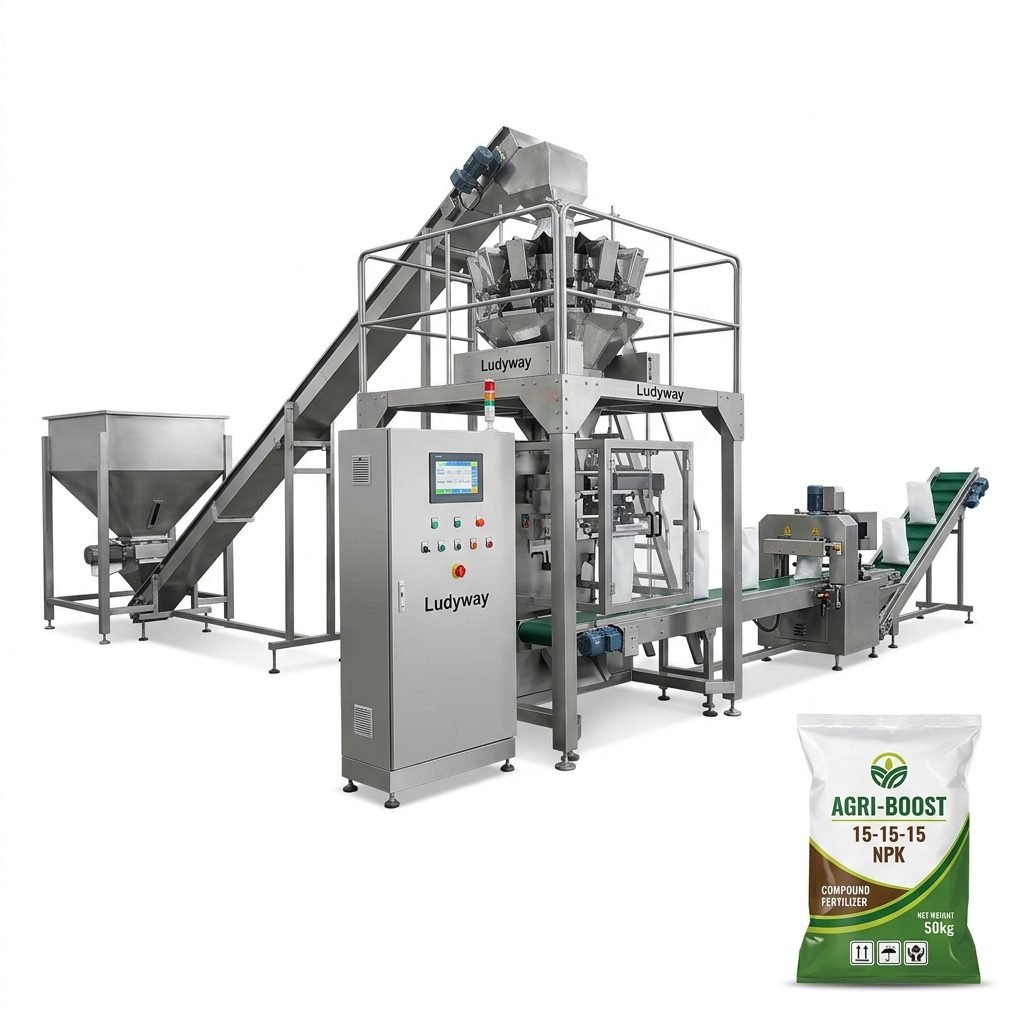
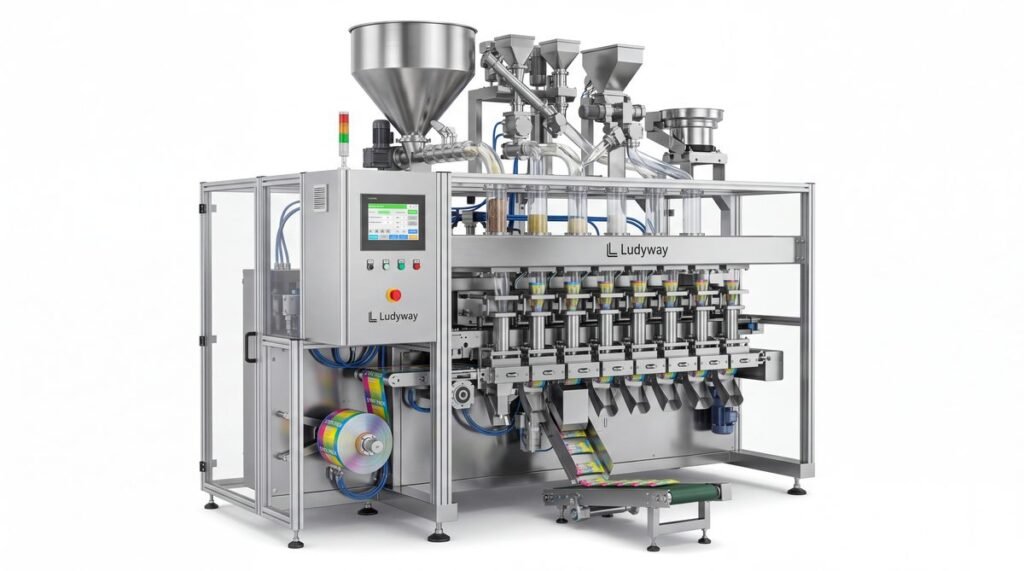
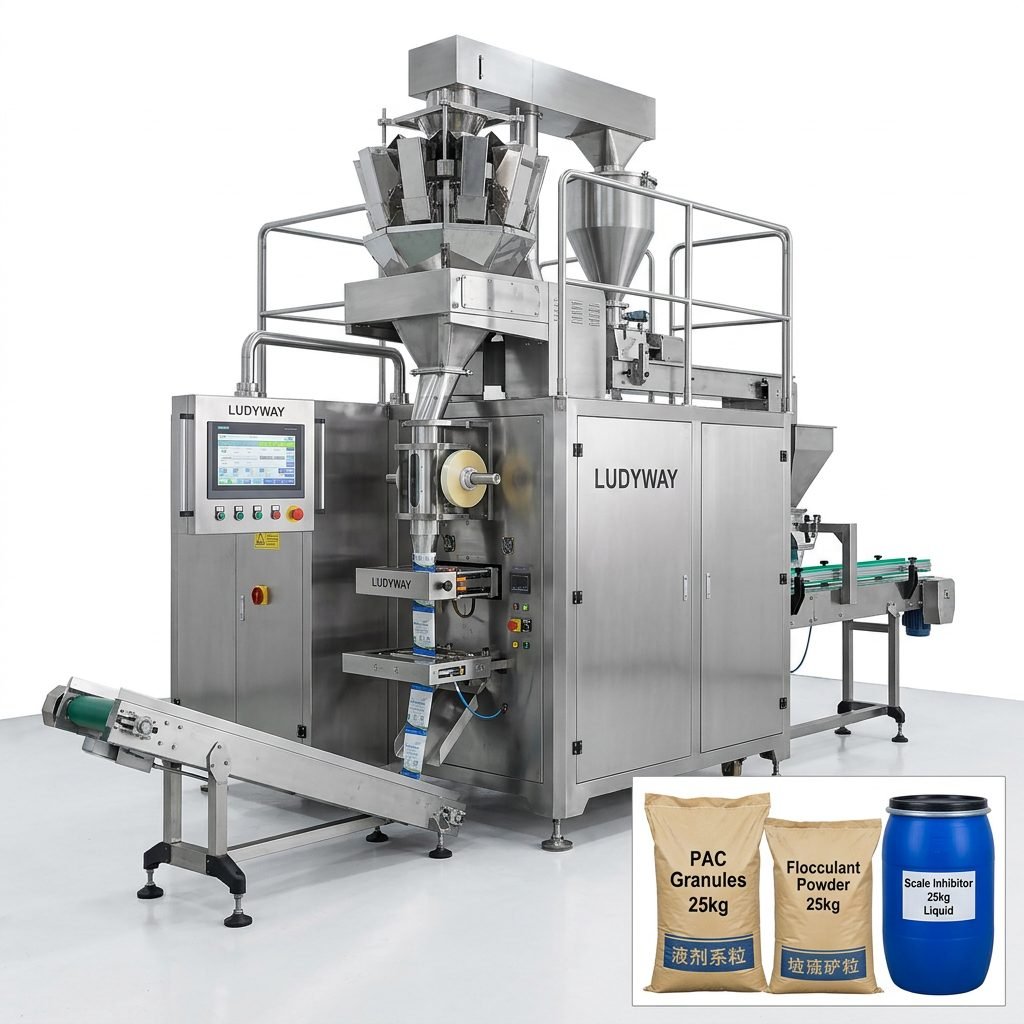
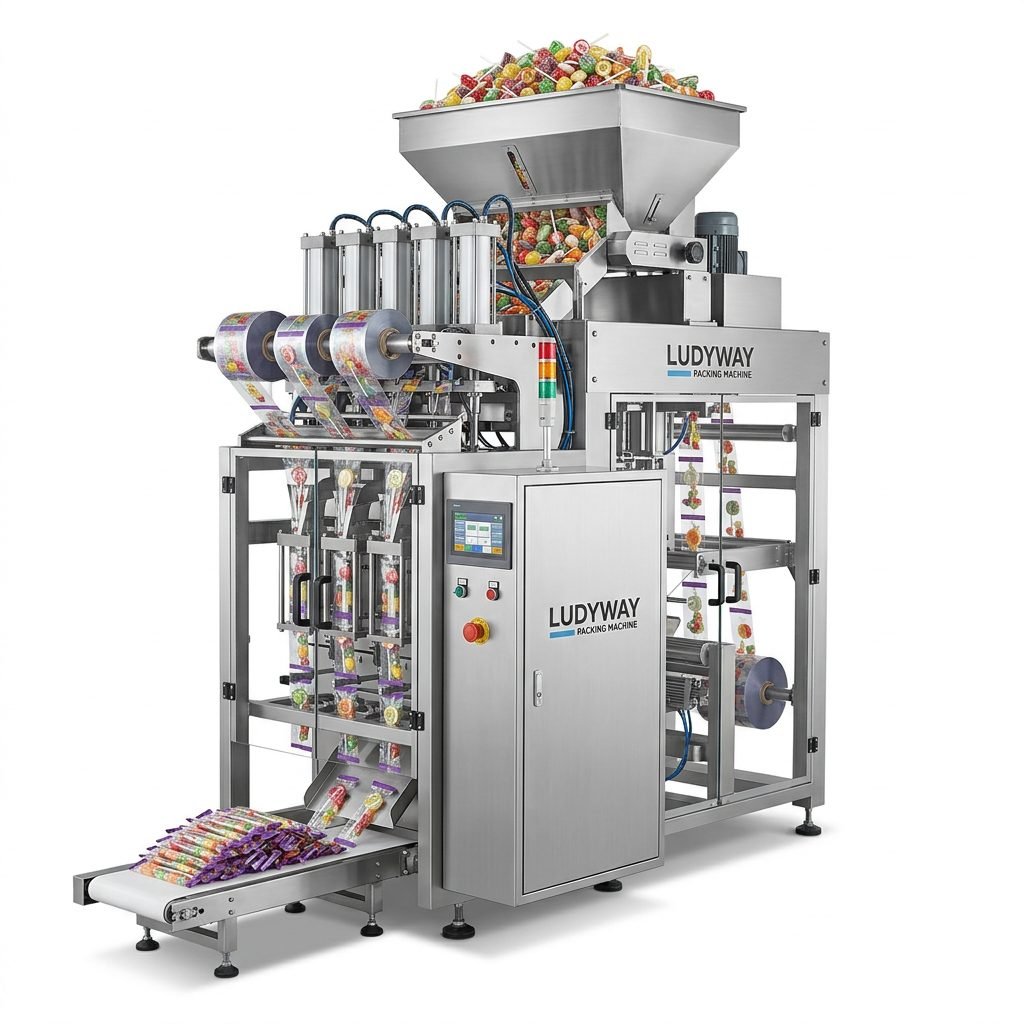
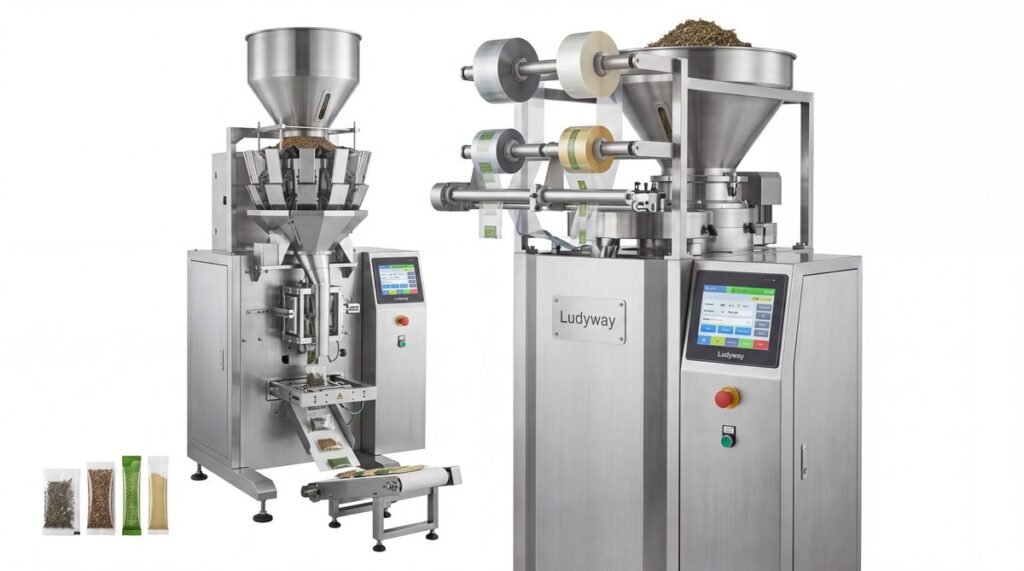
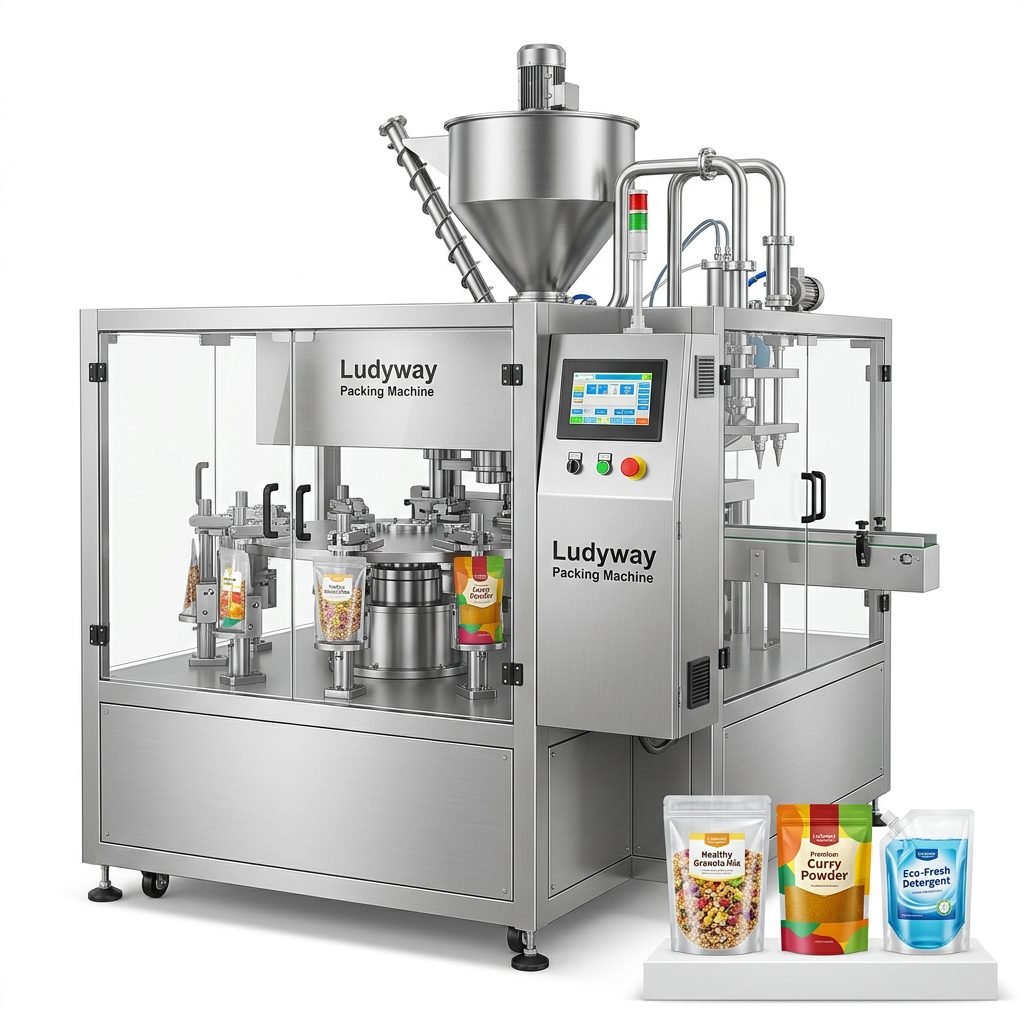
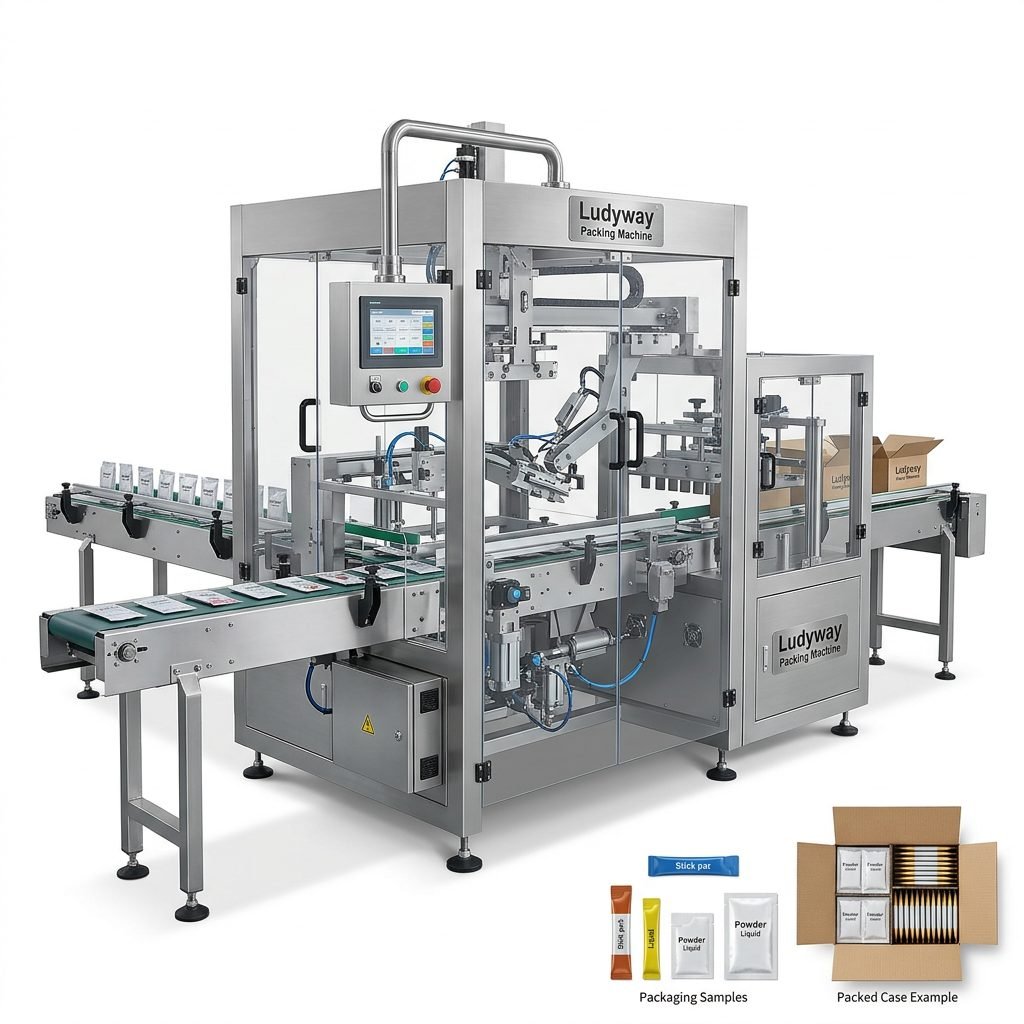
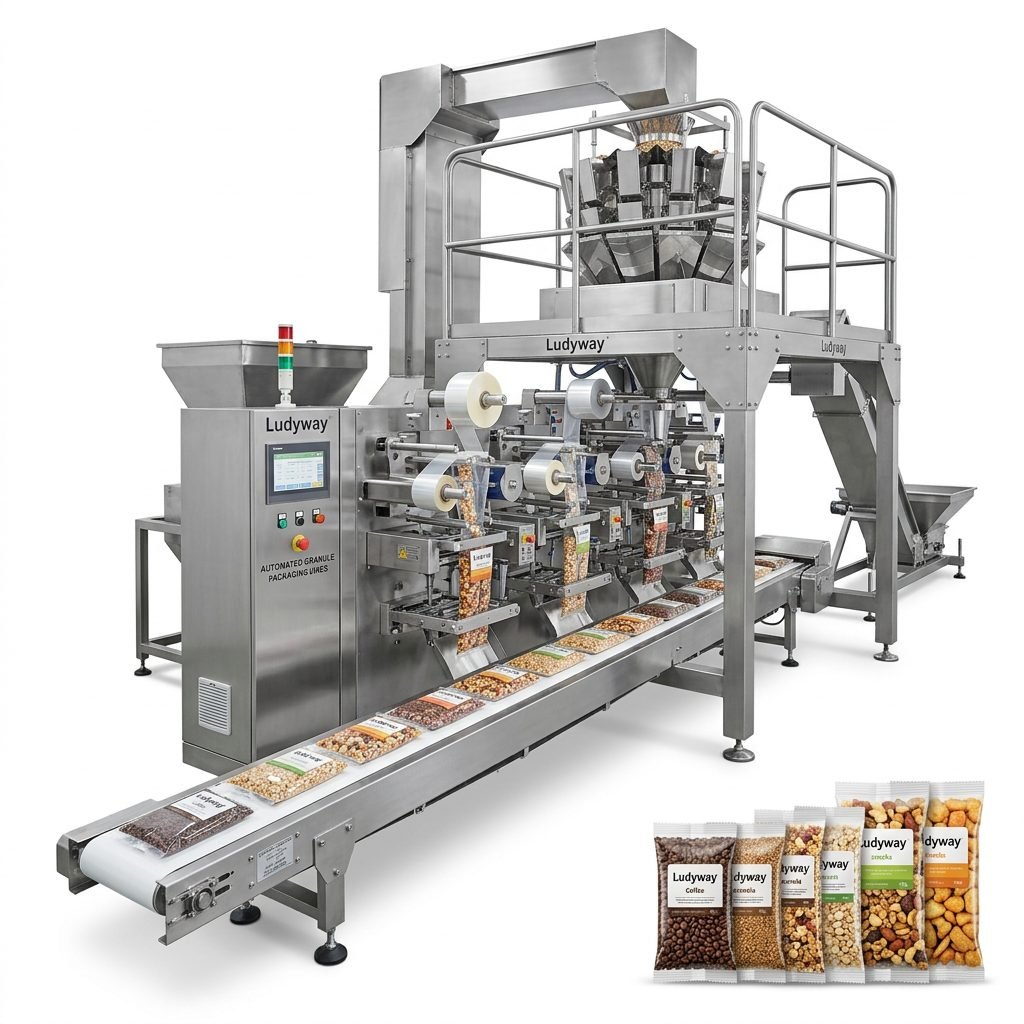
A granule packaging machine is an automated system designed to weigh, fill, form, seal, and pack granular products into bags, sachets, stick packs, pouches, or larger sacks. These machines are widely used in food, pharmaceutical, chemical, agriculture, pet food, and health supplement industries because they improve packing speed, reduce labor, and deliver more consistent packaging quality.
Typical granule products include sugar, salt, rice, seeds, coffee beans, snack particles, desiccants, pellets, fertilizers, detergent granules, and medical granules. Depending on the product size, flowability, dust level, and target package type, manufacturers can choose from different machine structures and dosing systems.
What Does a Granule Packaging Machine Do?
At its core, a granule packaging machine takes loose granules from a hopper or feeding system and places a precise amount into a package. It then seals the package and often adds printing, coding, counting, inspection, and secondary packing functions.
- Feeds granules into the dosing area
- Measures the required weight or volume
- Fills the package accurately
- Seals the package to protect the product
- Discharges finished packs for downstream handling
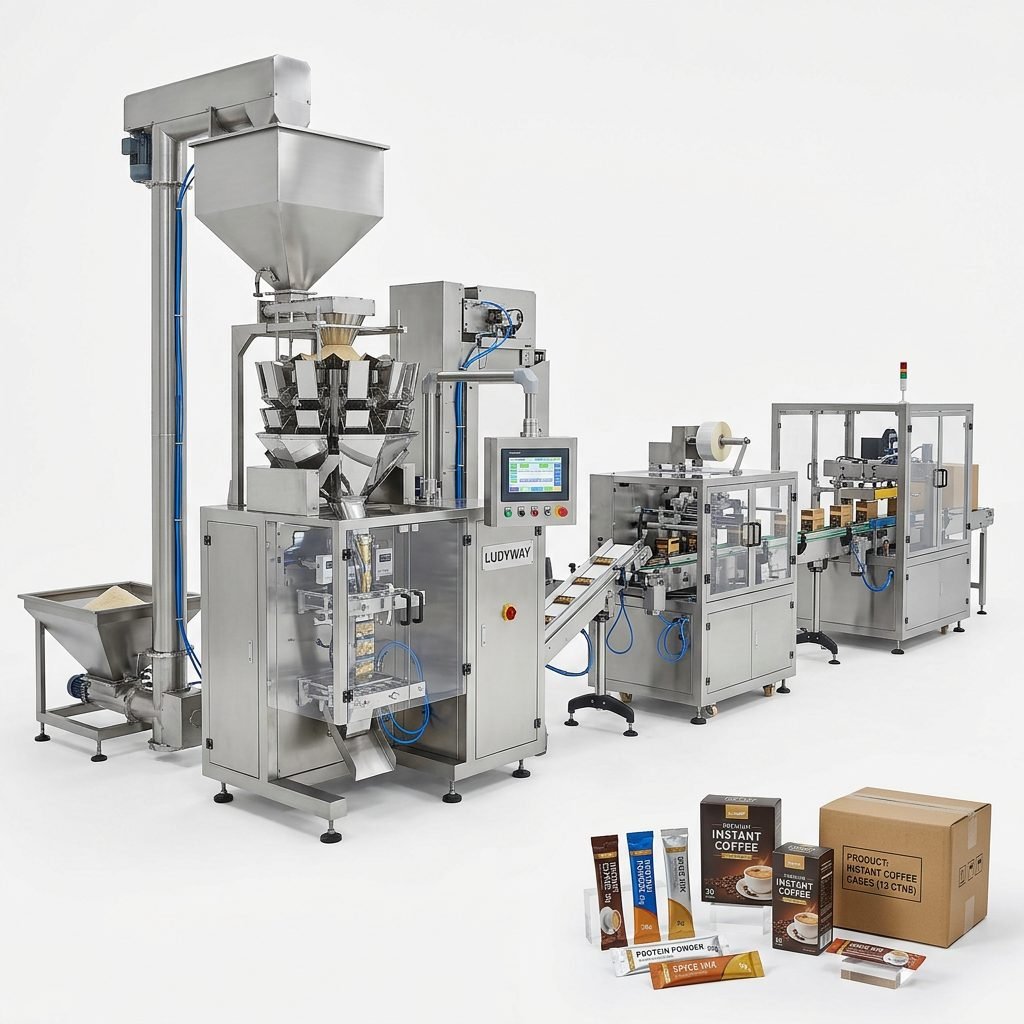
Modern systems may also include checkweighers, metal detectors, date coders, nitrogen flushing, zipper devices, and cartoning or case-packing modules.
How a Granule Packaging Machine Works
The exact process depends on the machine type, but the standard workflow usually follows these steps:
- Product feeding: Granules are transferred from storage to the machine using elevators, conveyors, vibratory feeders, or augers.
- Dosing and weighing: The system measures the target amount with a cup filler, linear weigher, multihead weigher, or net weigher.
- Bag or pouch handling: The machine either forms packaging from roll film or picks up premade pouches.
- Filling: The measured product is released into the package.
- Sealing: Heat sealing or other sealing methods close the package securely.
- Output and inspection: Finished packages move to coding, weighing inspection, labeling, cartoning, or palletizing.
Main Functional Components
| Component | Function |
|---|---|
| Feeding hopper | Stores and supplies granules to the machine |
| Dosing unit | Measures product by volume or weight |
| Bag former or pouch feeder | Creates or positions packaging material |
| Sealing system | Closes the pack and protects the contents |
| PLC and HMI | Controls operation, recipes, and fault diagnostics |
| Discharge conveyor | Transfers finished packages to the next stage |
Types of Granule Packaging Machines
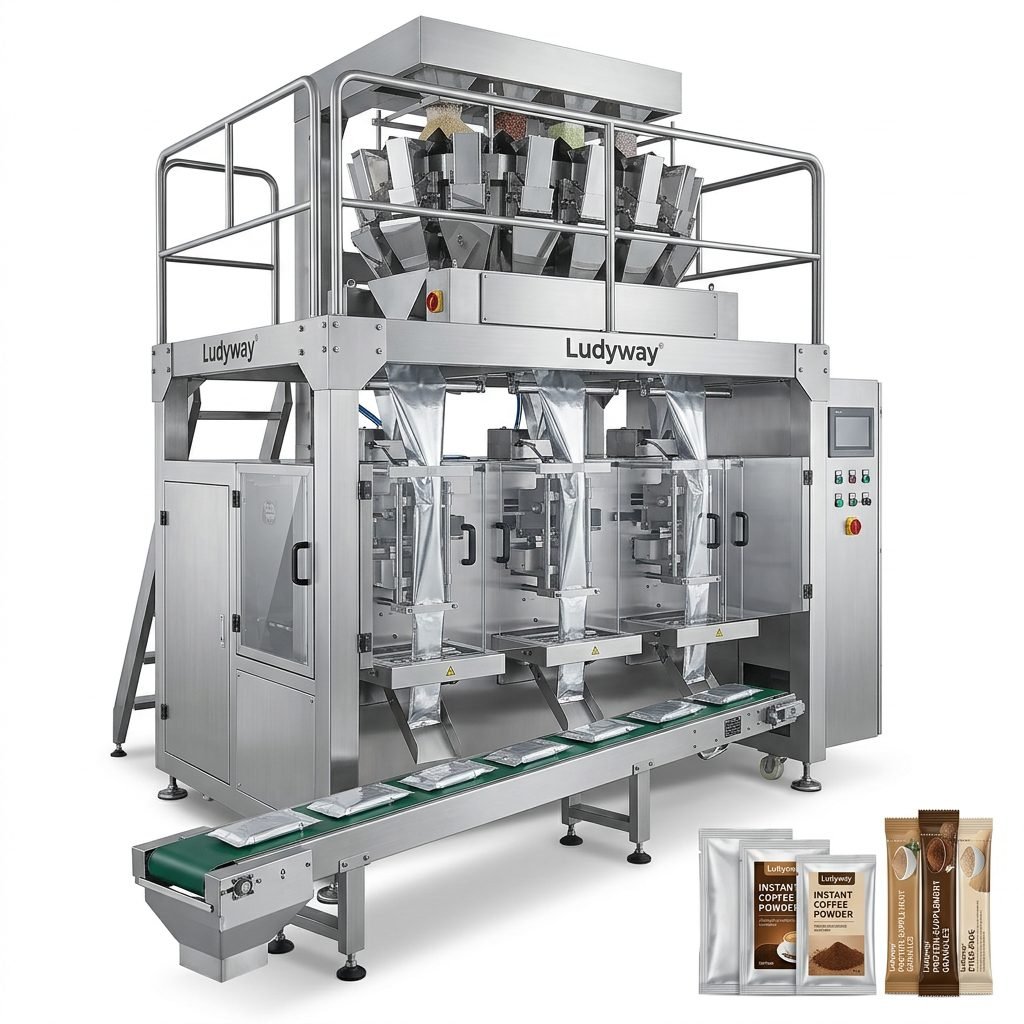
1. Vertical Form Fill Seal (VFFS) Machines
VFFS machines form a bag from roll film, fill it with granules, and seal it vertically. They are popular for pillow bags, gusset bags, and small to medium retail packs.
- High efficiency for continuous production
- Suitable for food, agricultural, and chemical granules
- Works well with cup fillers, linear weighers, or multihead weighers
2. Premade Pouch Packaging Machines
These machines open premade pouches, fill them, and seal them. They are ideal for brands that need premium-looking packaging such as stand-up pouches, zipper pouches, and shaped bags.
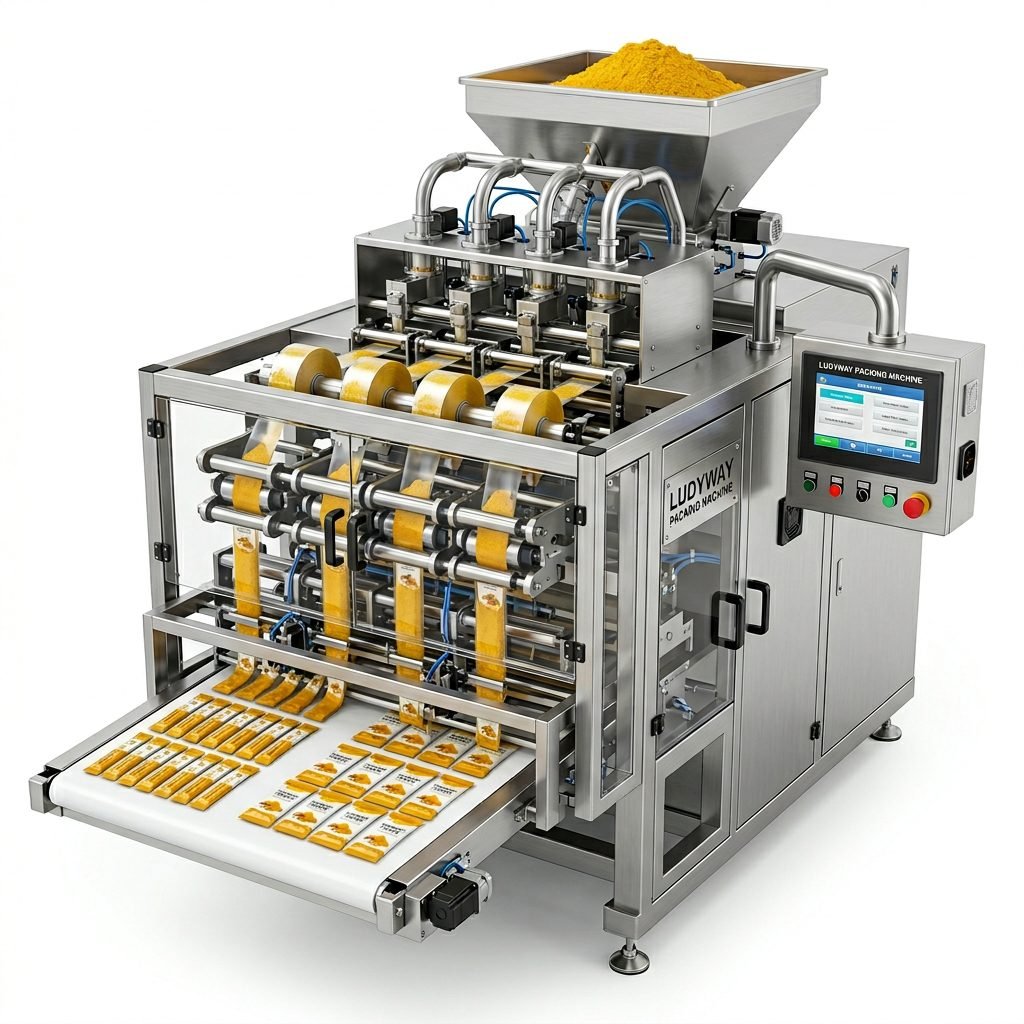
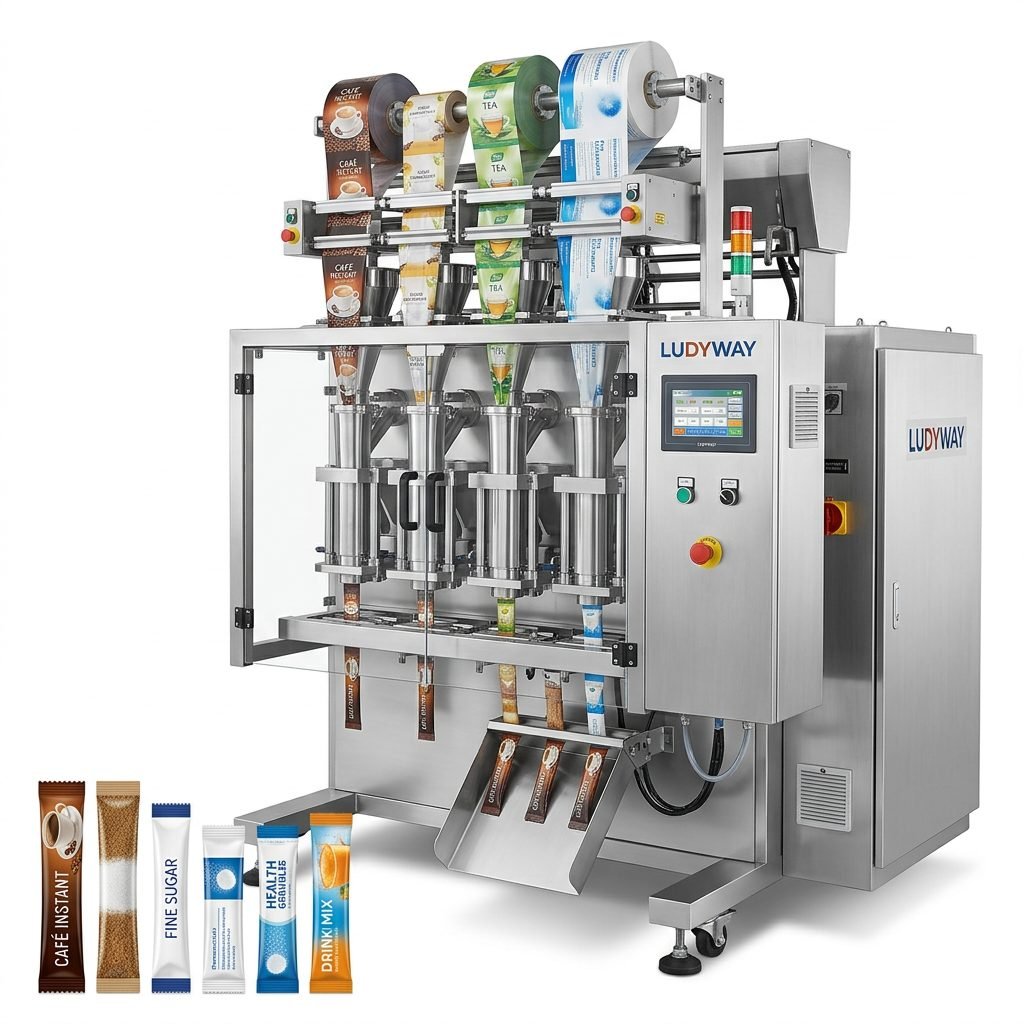
3. Sachet and Stick Pack Machines
These systems are used for small-dose granule packaging, often for single-use or portion-controlled products. Common applications include sugar, salt, instant drinks, supplements, and pharmaceutical granules.
4. Open-Mouth Bagging Machines
Designed for medium and large bags, open-mouth bagging machines are common in animal feed, fertilizer, rice, seeds, and industrial granules.
5. Big Bag or Jumbo Bag Filling Systems
These are used for bulk materials where high-capacity packaging is required. They are common in industrial, chemical, and agricultural sectors.
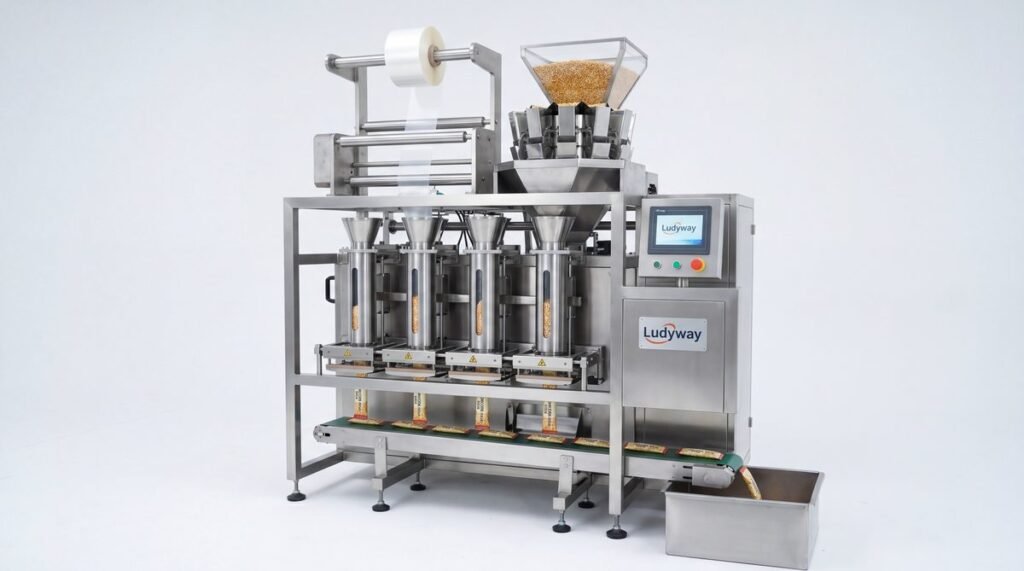
6. Multi-Lane Granule Packaging Machines
Multi-lane machines enable several packs to be produced at the same time. They are excellent for high-volume sachet or stick pack production where speed and consistency matter.
Different Dosing Systems for Granules
Choosing the right filling method is critical. Granules vary in particle size, density, shape, and flowability, so one dosing system does not fit all products.
| Dosing System | Best For | Advantages |
|---|---|---|
| Volumetric cup filler | Free-flowing, uniform granules | Simple, economical, fast |
| Linear weigher | Medium-speed, moderate accuracy needs | Flexible and cost-effective |
| Multihead weigher | High-speed, high-accuracy applications | Excellent precision and throughput |
| Net weigher | Larger bag sizes and bulk filling | Stable weight control |
Common Applications of Granule Packaging Machines
Food Industry
- Sugar, salt, rice, beans, grains
- Seasonings, soup mixes, coffee granules
- Nuts, snack particles, cereal blends
Pharmaceutical and Health Supplement Industry
- Oral granules
- Electrolyte mixes
- Nutritional supplements and sachet products
Chemical Industry
- Detergent granules
- Water treatment chemicals
- Industrial additives and desiccants
Agriculture and Feed
- Seeds and fertilizer granules
- Animal feed pellets
- Feed additives and premixes
Benefits of Using a Granule Packaging Machine
- Higher efficiency: Faster packaging than manual operations
- Better accuracy: Reduced product giveaway and improved consistency
- Lower labor costs: Fewer operators needed for repetitive packaging work
- Improved hygiene: Closed systems help reduce contamination risk
- Flexible formats: Supports sachets, pouches, bags, and bulk packs
- Scalable automation: Easy to integrate with conveyors, coding, inspection, and end-of-line systems
Key Factors to Consider Before Buying
Before selecting a machine, buyers should evaluate both product characteristics and production goals.
Product-Related Factors
- Granule size and shape
- Flowability
- Dust content
- Fragility
- Moisture sensitivity
Packaging Requirements
- Package type and size range
- Film or pouch material
- Sealing style
- Required output speed
- Weight accuracy expectations
Operational Considerations
- Ease of cleaning and maintenance
- Operator interface and recipe storage
- Changeover time
- Available factory space
- Integration with upstream and downstream equipment
Granule Packaging Machine vs. Powder Packaging Machine
Although they look similar, granule and powder packaging machines use different filling technologies. Powders often require screw augers and dust control, while granules are more commonly handled by cup fillers or weighing systems. If your product contains a mix of powder and granules, the filling system should be matched carefully to avoid inaccurate dosing or segregation.
How to Improve Packaging Performance
- Use the correct feeder for stable product supply
- Match the weighing system to product flow characteristics
- Choose suitable packaging film for sealing strength and barrier needs
- Calibrate the machine regularly
- Install inspection systems such as checkweighers and metal detectors
- Train operators on setup, cleaning, and troubleshooting
Who Should Use a Granule Packaging Machine?
A granule packaging machine is suitable for businesses that need reliable, repeatable, and scalable packaging for granular products. It is especially valuable for manufacturers moving from manual packing to semi-automatic or fully automatic production, as well as companies expanding into retail-ready sachets, pouches, or larger industrial bags.
For businesses looking for automated packaging equipment and complete line solutions, Ludyway granule packaging machine solutions are widely used across food, pharmaceutical, health supplement, chemical, and related industries, supported by more than 30 years of manufacturing experience and turnkey line capabilities.
Final Thoughts
A granule packaging machine is more than a filling device. It is a productivity tool that helps manufacturers improve accuracy, output, package appearance, and operational efficiency. By understanding how it works, the main machine types, and the right dosing method for your product, you can choose a system that supports both current production needs and future growth.
If you handle granular products at any scale, selecting the right packaging machine can directly impact cost control, product quality, and market competitiveness.