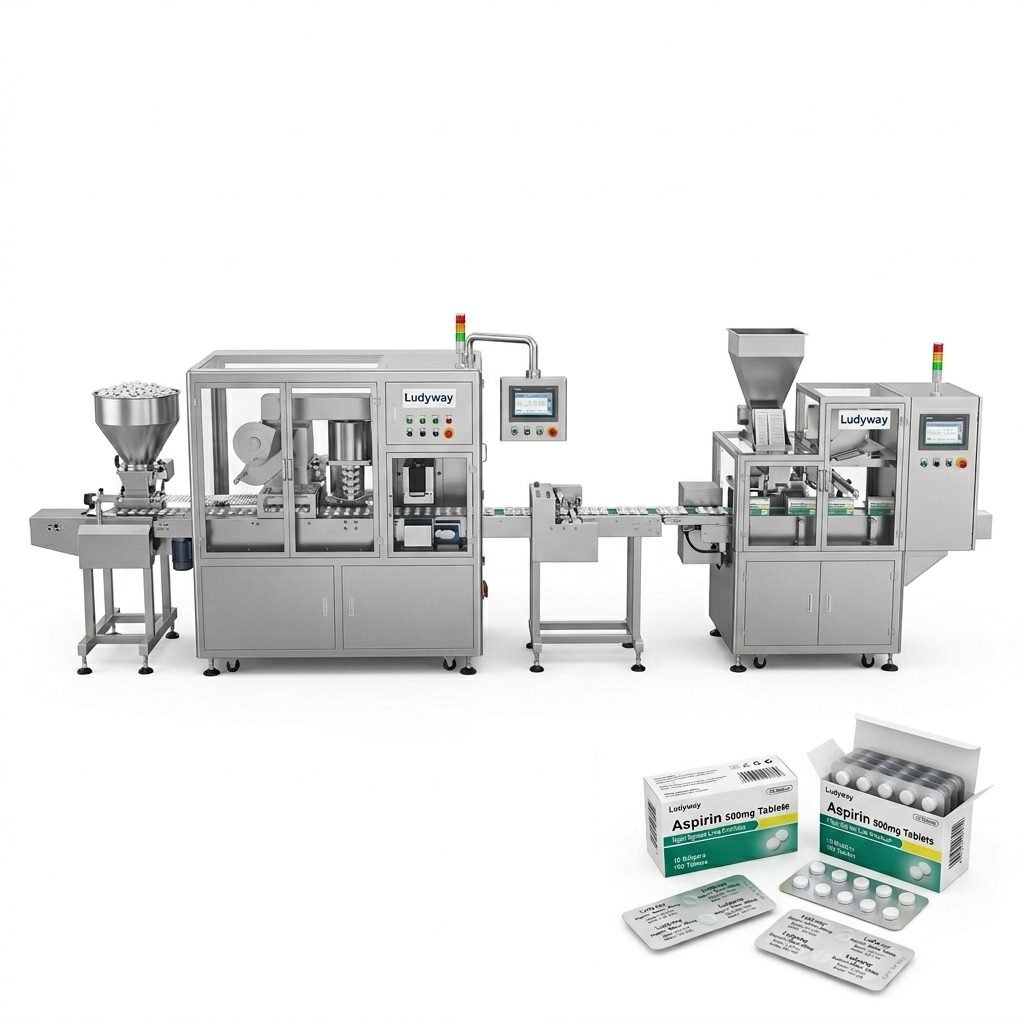
Choosing the right packaging machine for cosmetics is not just about filling containers faster. It directly affects product quality, packaging consistency, hygiene standards, brand image, labor cost, and future scalability. In the cosmetic industry, where products range from creams and lotions to serums, shampoos, masks, oils, powders, and sample sachets, the best machine depends on your formula, packaging format, output goals, and compliance needs.
This buying guide explains how to evaluate cosmetic packaging equipment, which machine types fit different products, and what features buyers should prioritize before making an investment.
Why Cosmetic Packaging Machines Matter
Cosmetic products require precision. A slight filling error can lead to leakage, waste, customer complaints, or compliance issues. Unlike some standard consumer goods, many beauty and personal care products have sensitive textures, viscous formulas, fragrance components, and premium packaging expectations. That means the machine must do more than simply dispense product.
- Maintain filling accuracy for liquids, creams, gels, and powders
- Reduce contamination risk through hygienic contact parts
- Support attractive packaging formats for retail appeal
- Handle frequent SKU changes in modern beauty brands
- Improve efficiency while reducing manual labor dependency
- Support coding, sealing, capping, labeling, and secondary packing
What Is the Best Packaging Machine for Cosmetics?
There is no single machine that is best for every cosmetic manufacturer. The ideal choice depends on product type + package format + production volume + automation level. For example:
| Cosmetic Product | Recommended Machine Type | Best For |
|---|---|---|
| Lotions, toners, liquid soap, micellar water | Liquid filling and capping machine | Bottles and jars |
| Creams, gels, masks, ointment-like skincare | Piston filling machine / tube filling machine | Tubes, jars, sachets |
| Serums, sample packs, travel-size products | Multi-lane sachet or stick pack machine | Single-use packs, high-volume samples |
| Lip balm, solid sticks, balm paste | Tube/stick filling and sealing machine | Sticks and twist-up containers |
| Face powder, mask powder, whitening powder | Powder filling machine | Sachets, jars, bottles |
| Shampoo, conditioner, body wash | Sachet liquid packing machine or bottle line | Retail packs and hotel amenities |
In short, the best packaging machine for the cosmetic industry is the one that matches your product viscosity, container type, speed target, and hygiene requirements.
Main Types of Cosmetic Packaging Machines
1. Bottle Filling and Capping Machines
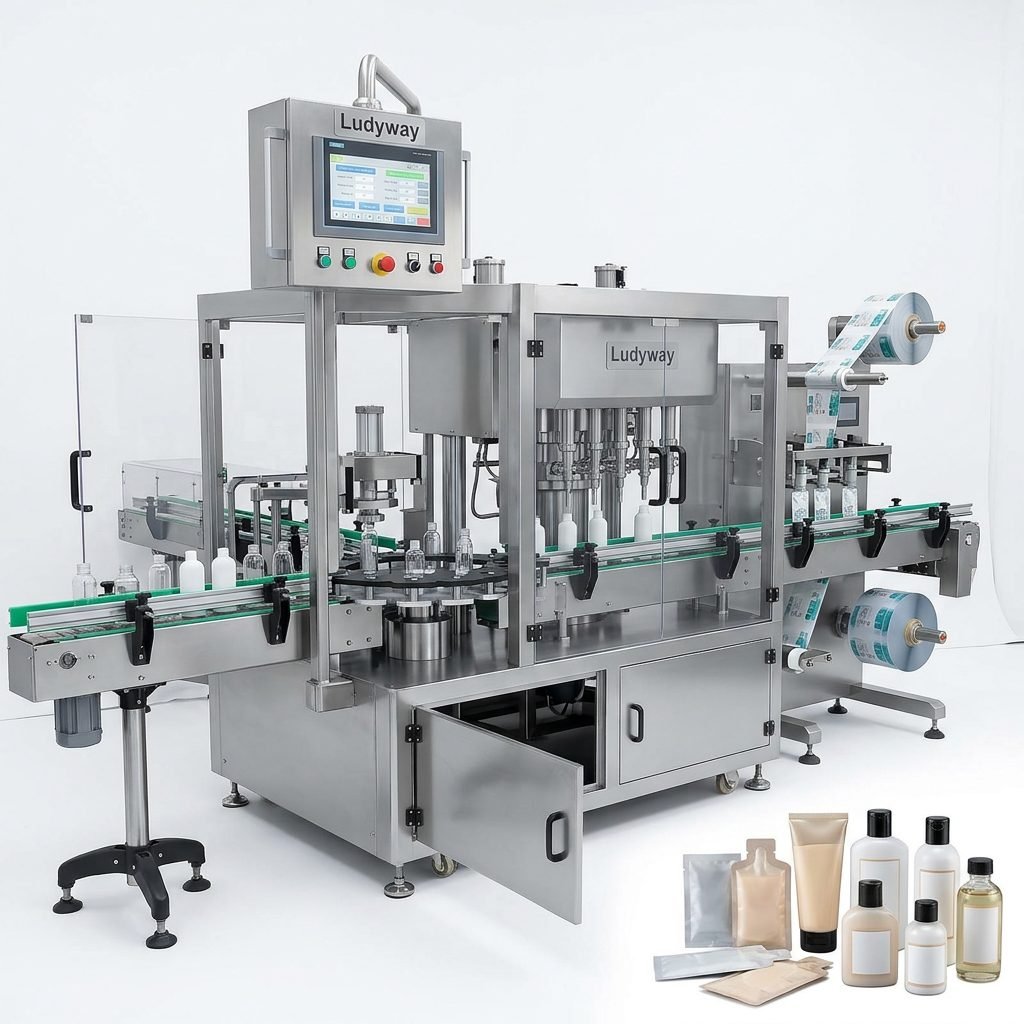
These are widely used for lotions, toners, facial cleansers, shampoo, body wash, essential oils, and serums. They usually include bottle feeding, filling, cap placing, capping, and optional labeling.
Best for: brands producing bottled skincare and personal care products at medium to high volume.
2. Tube Filling and Sealing Machines
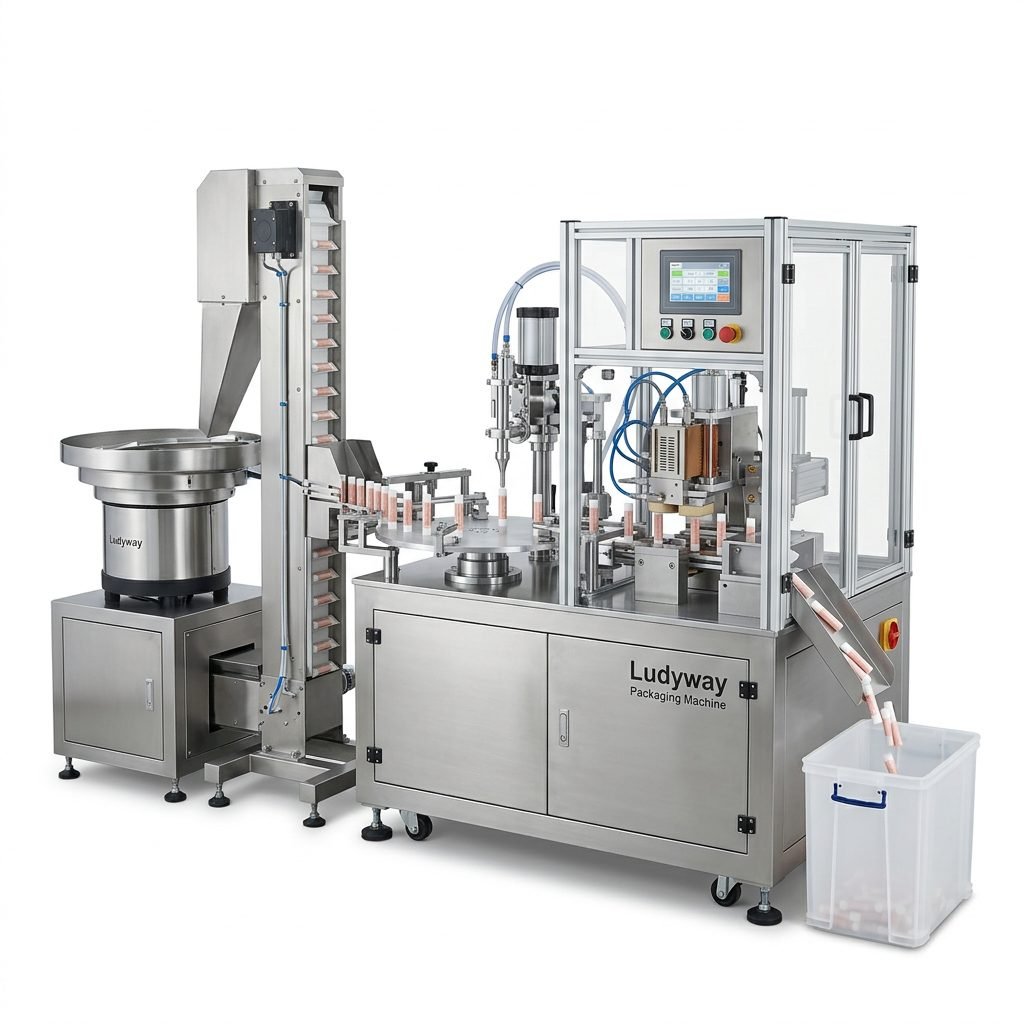
Ideal for hand cream, sunscreen, eye cream, facial cleanser, BB cream, and toothpaste-like cosmetic products. These machines fill soft tubes, then seal and code them.
Best for: creams, gels, and semi-viscous formulas in plastic or laminated tubes.
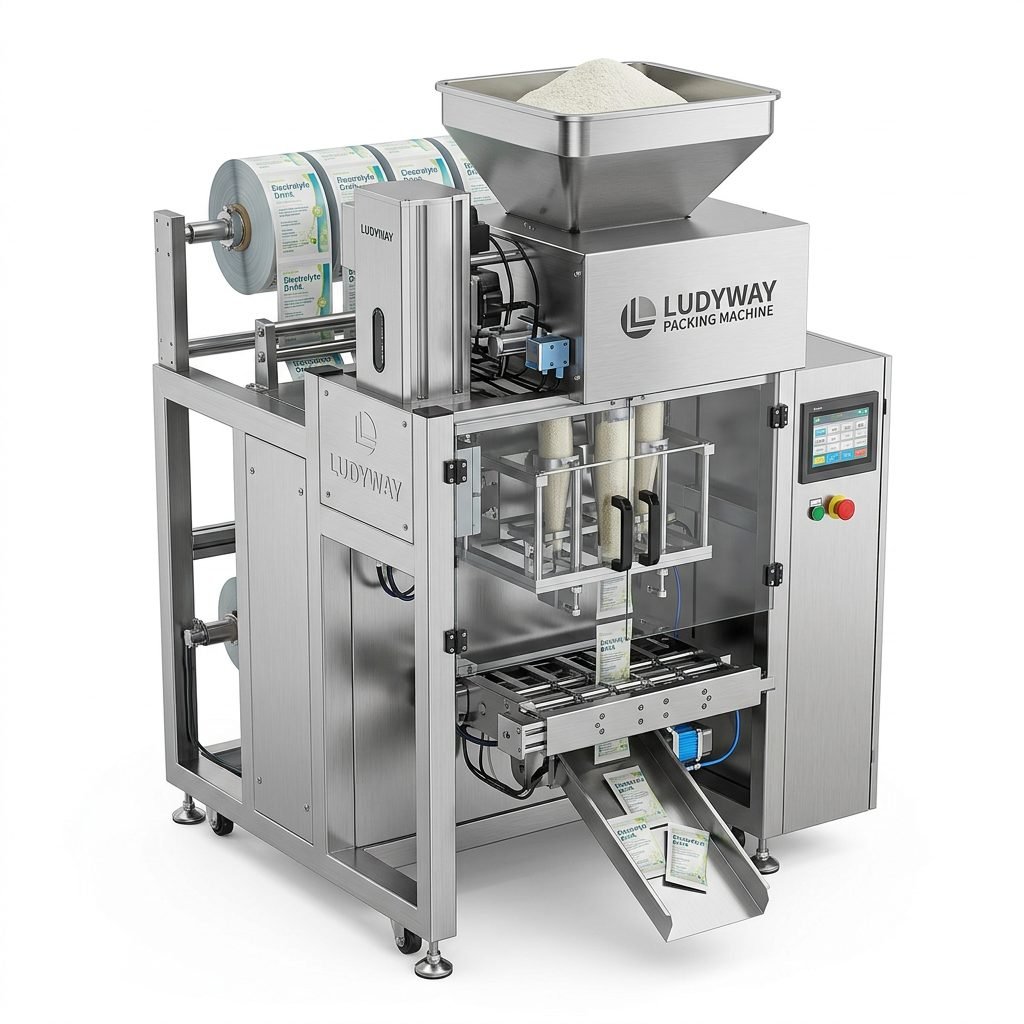
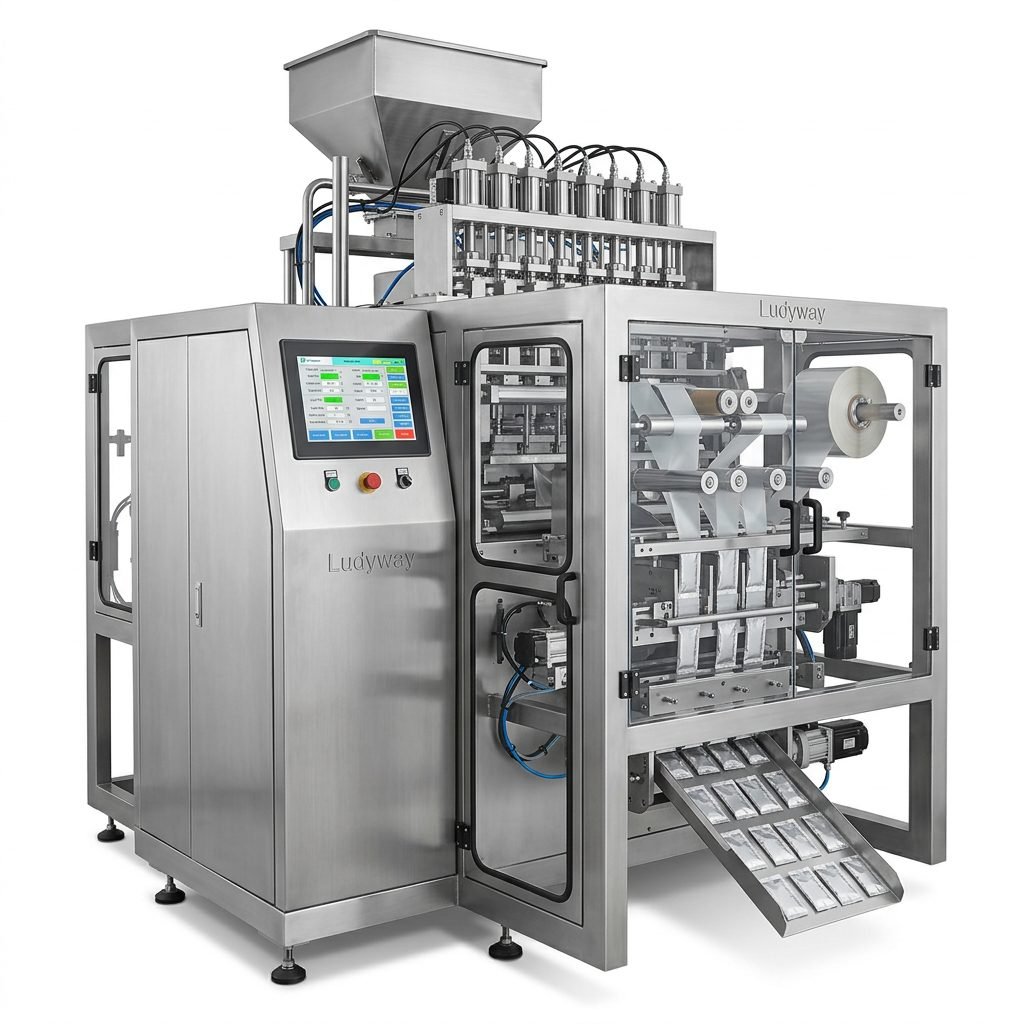
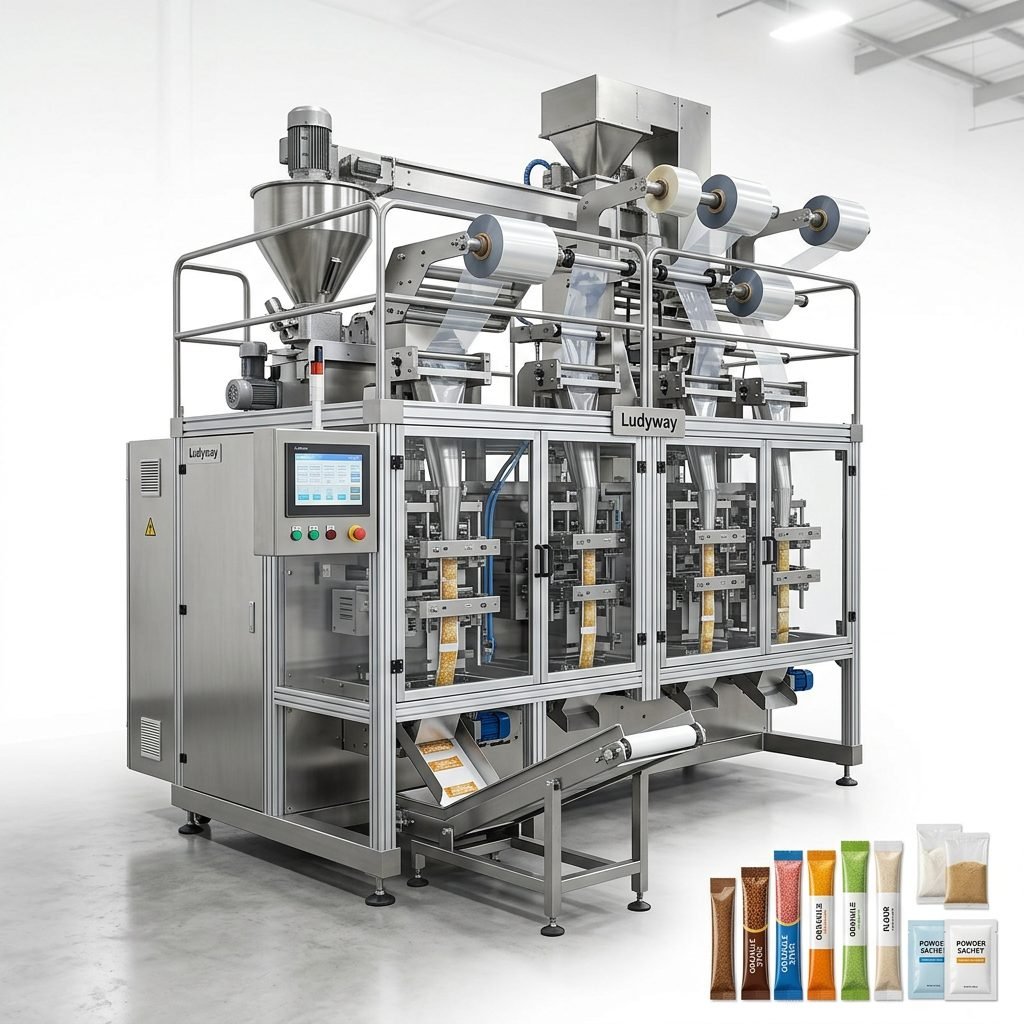
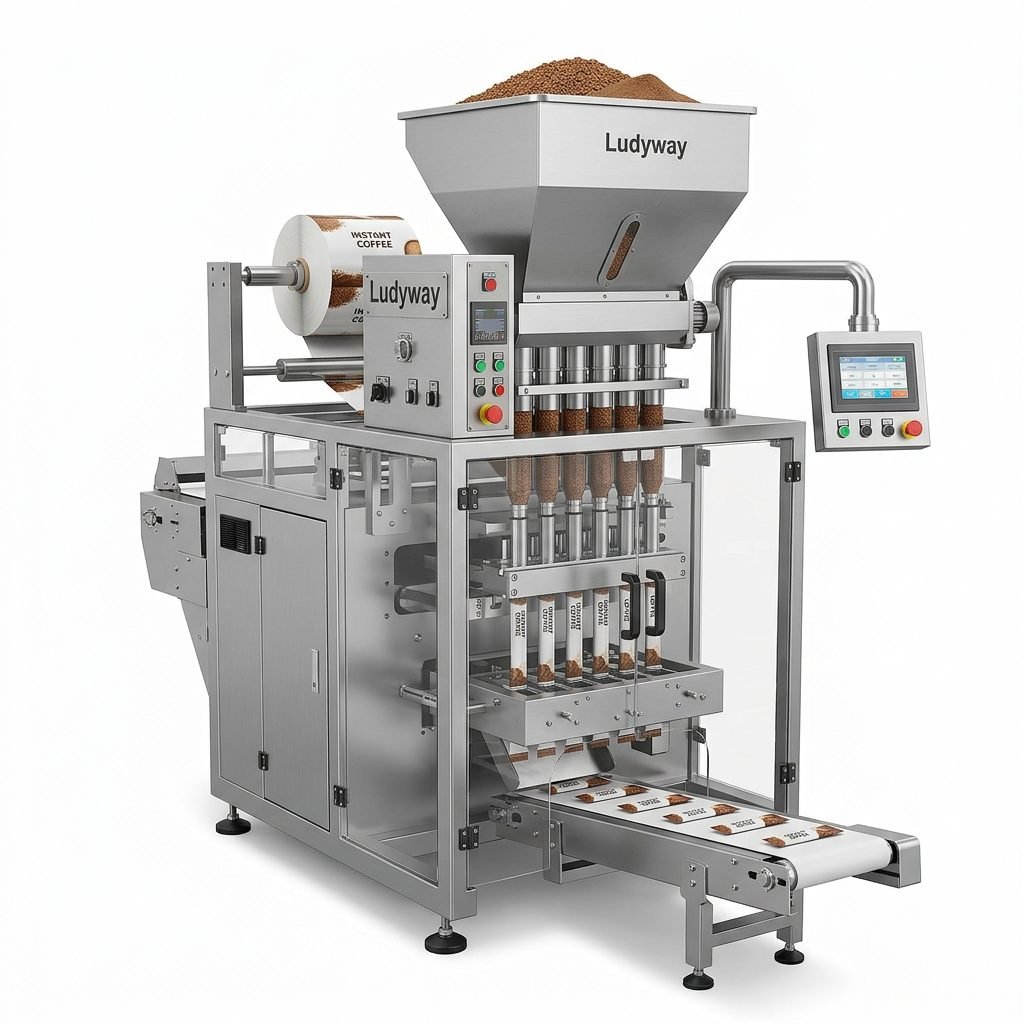
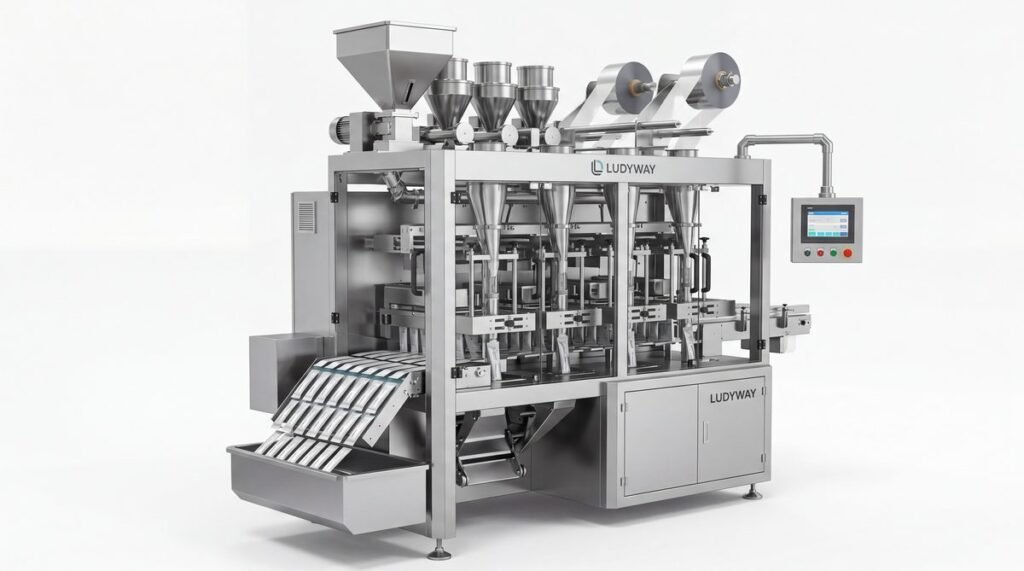
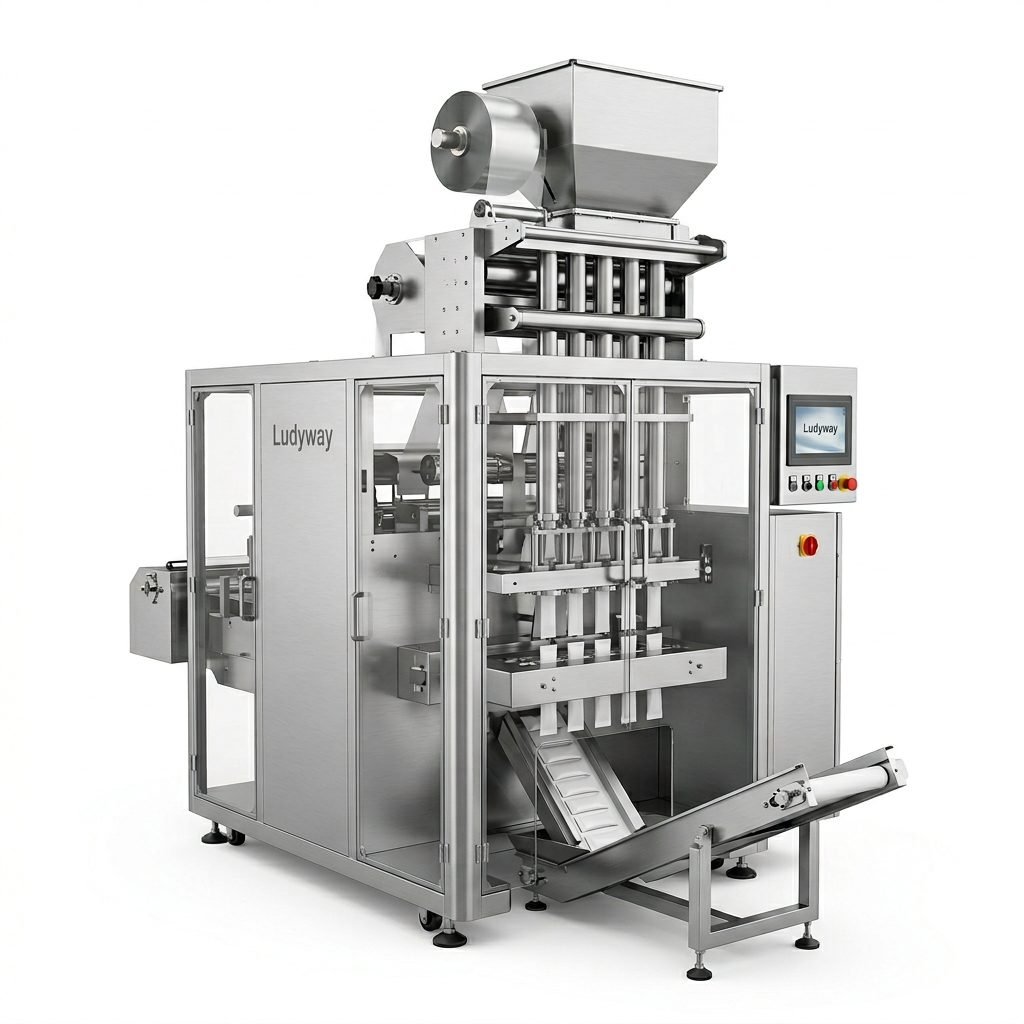
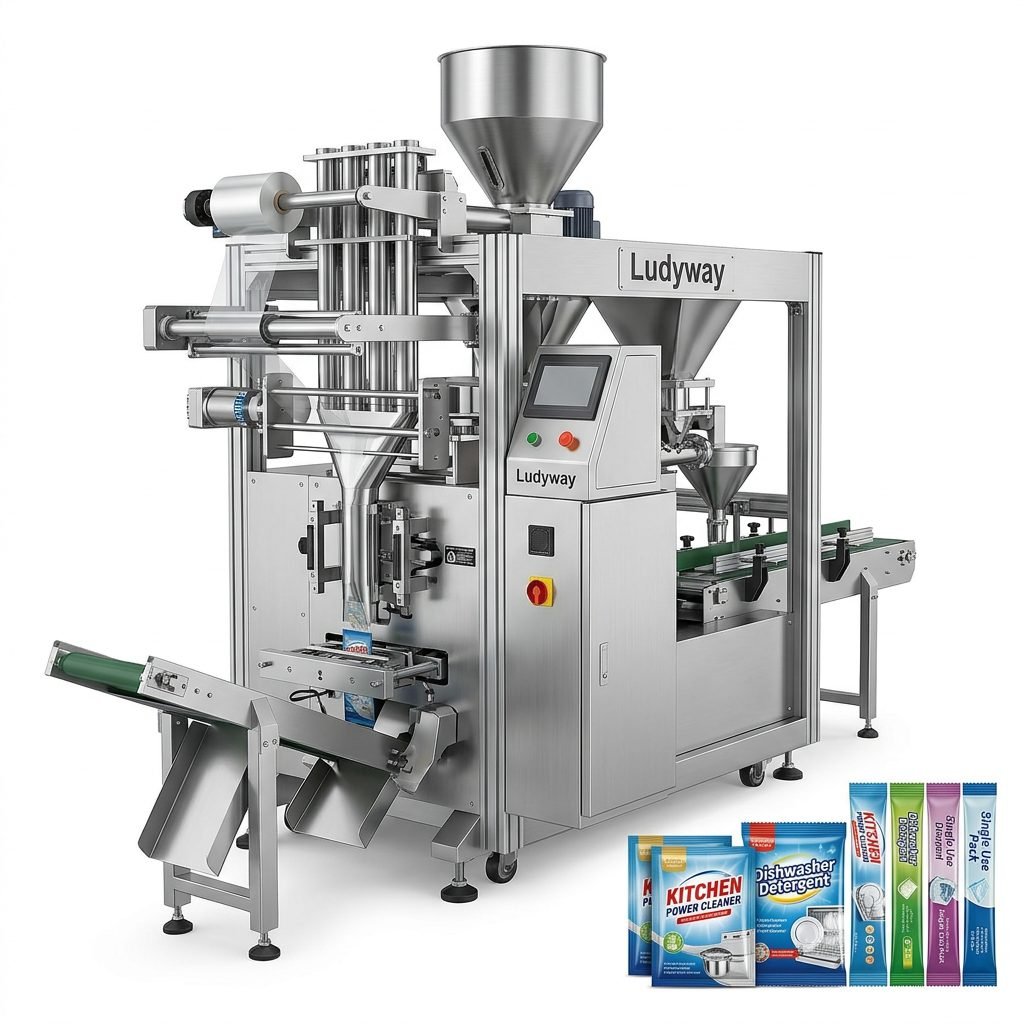
3. Sachet and Stick Pack Machines
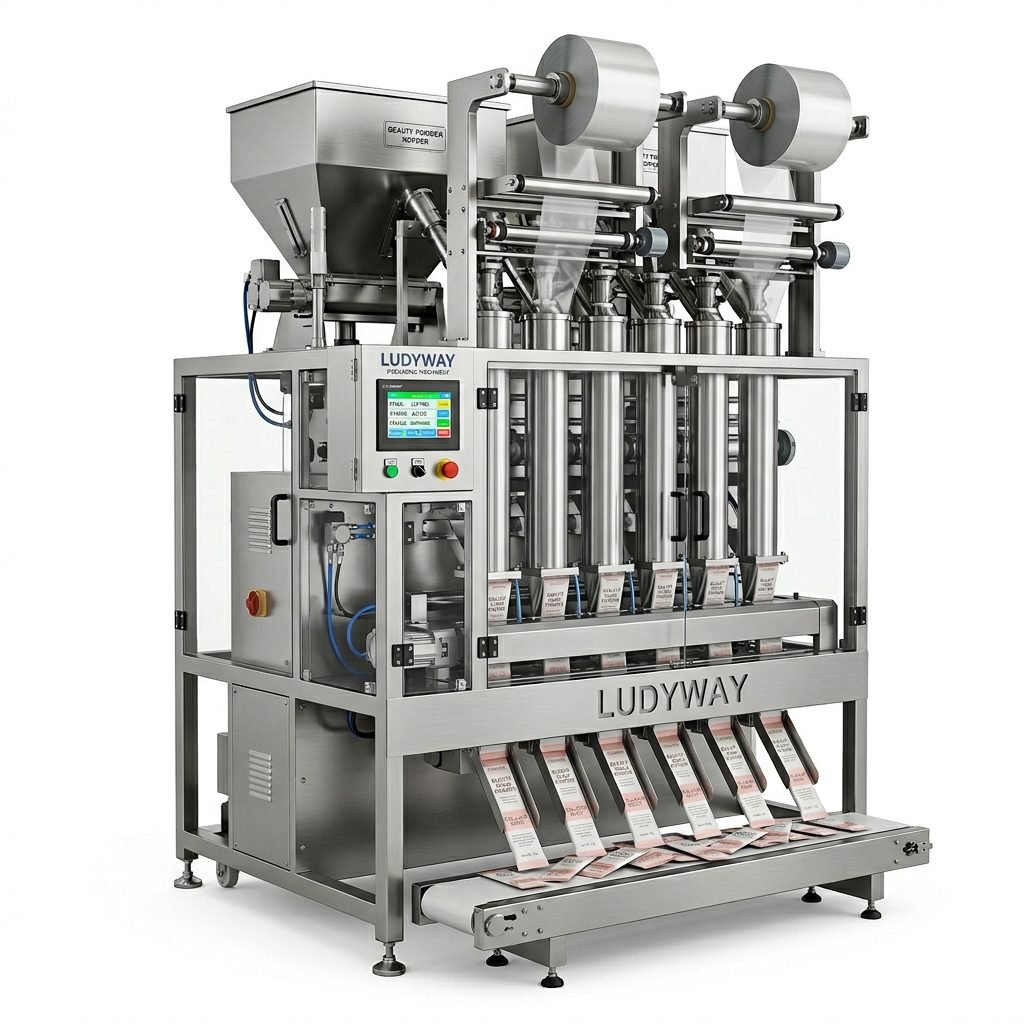
Perfect for trial-size cosmetics, travel packs, hotel amenities, sample distribution, and e-commerce promotional packs. They are commonly used for serums, lotions, shampoos, conditioners, masks, creams, and beauty gels.
Best for: high-speed, single-dose packaging with low packaging material consumption.
4. Jar Filling Machines
Used for thicker products such as body butter, face cream, scrub, balm, or mask cream. These systems may include filling, lid placing, capping, induction sealing, and labeling.
5. Powder Filling Machines
Suitable for loose powder, dry mask powder, enzyme powder, body powder, and whitening powder products. Auger fillers are commonly used for precise dosing.
6. Complete Turnkey Cosmetic Packaging Lines
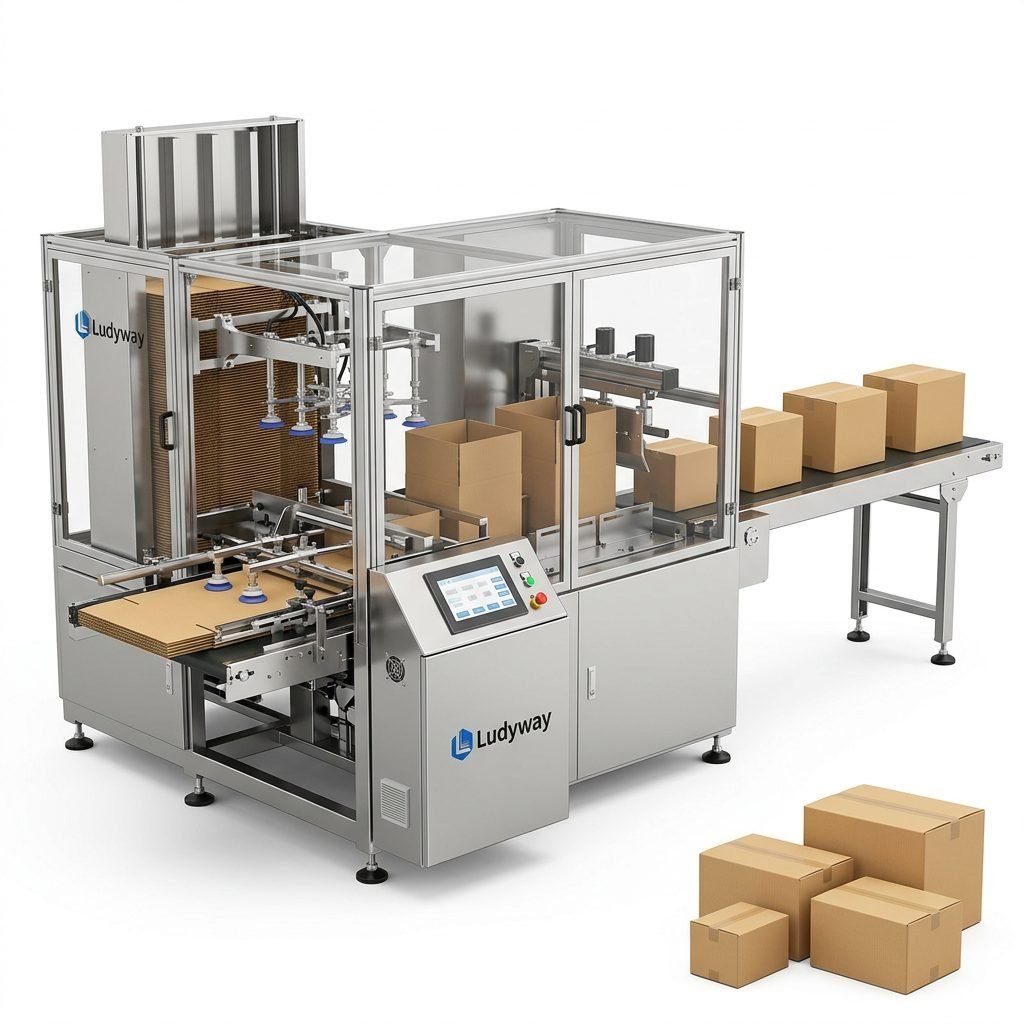
For larger manufacturers, a full line can combine product feeding, filling, sealing, capping, labeling, coding, cartoning, case packing, and palletizing. This is often the most efficient long-term option when scaling production.
How to Choose the Right Cosmetic Packaging Machine
Understand Your Product Characteristics
Before comparing machine models, define your formula clearly:
- Is it liquid, gel, cream, paste, or powder?
- Is the product free-flowing or highly viscous?
- Does it contain particles, exfoliating beads, or active ingredients?
- Is it sensitive to heat, air, or contamination?
- Does it foam easily during filling?
A light serum and a dense face cream cannot be packaged efficiently on the same filling system without proper configuration. Product behavior determines pump type, hopper design, nozzle selection, sealing method, and filling accuracy.
Match the Machine to the Packaging Format
The packaging format matters just as much as the formula. Common cosmetic packaging formats include:
- Bottles
- Jars
- Tubes
- Sachets
- Stick packs
- Ampoules and mini sample packs
If your business focuses on single-use cosmetics, promotional samplers, or travel-size personal care products, multi-lane sachet equipment is often the most economical and scalable solution.
Calculate Your Required Output
A startup brand may only need semi-automatic filling. A contract manufacturer or large beauty brand may require fully automatic lines with continuous output.
| Production Stage | Suggested Machine Level | Typical Priority |
|---|---|---|
| Startup / small batch | Semi-automatic | Low cost and flexibility |
| Growing brand | Automatic standalone machine | Higher speed and consistency |
| Large factory / OEM / contract packaging | Fully integrated packaging line | Maximum automation and throughput |
Check Filling Accuracy and Seal Quality
In cosmetics, packaging appearance strongly affects customer trust. Underfilled bottles, messy seals, wrinkled sachets, or leaking tubes can damage brand reputation quickly. Look for machines that offer:
- Stable dosing control
- Servo-driven filling where needed
- Reliable sealing temperature control
- Anti-drip nozzles for liquid products
- Easy adjustment for different pack sizes
Prioritize Hygienic Design
Cosmetics come into direct contact with skin, hair, and lips. Packaging equipment should support hygienic production through stainless steel contact parts, smooth surface finishing, easy cleaning, and contamination control.
For sensitive products such as serums, eye creams, baby care items, and facial treatments, cleanability and material compatibility are non-negotiable.
Key Features to Look for Before Buying
- Material compatibility: suitable for alcohol-based, oil-based, gel, cream, or powder formulas
- Changeover convenience: fast switching between SKUs and packaging sizes
- Automation level: from filling only to full-line integration
- Control system: touchscreen HMI, recipe storage, alarm system
- Coding and labeling integration: batch code, date code, traceability support
- After-sales support: installation guidance, spare parts, training, remote service
- Expandability: ability to connect with cartoners, conveyors, and inspection units
Best Machine by Cosmetic Category
For Skincare Creams
Choose piston fillers, tube fillers, or jar filling lines. These handle medium to high viscosity products well and maintain accurate portion control.
For Serums and Essence Products
Choose precision liquid fillers or sachet packaging machines, depending on whether the product is bottled or sold as samples.
For Shampoo and Conditioner
Choose bottle filling lines for retail packaging and multi-lane sachet machines for hotel, travel, or promotional formats.
For Face Masks and Beauty Gels
Choose sachet or pouch filling systems designed for viscous liquid or gel products, especially if the product is sold in single-use packs.
For Lip Balm and Stick Products
Choose dedicated tube or stick filling and sealing equipment that can handle heated or semi-solid formulas.
For Cosmetic Powders
Choose auger powder fillers with dust control and stable metering systems.
Common Mistakes Cosmetic Buyers Should Avoid
- Buying based on price only instead of total production value
- Ignoring future product expansion and package size changes
- Choosing a machine not designed for actual product viscosity
- Overlooking seal quality and leakage testing
- Failing to confirm cleaning and maintenance convenience
- Not checking technical support and spare parts availability
The cheapest machine is rarely the best long-term solution. If it creates downtime, inaccurate fills, product waste, or poor retail appearance, the hidden cost becomes much higher than the initial savings.
Should You Buy a Standalone Machine or a Turnkey Line?
If you only need one process such as filling or sealing, a standalone machine may be enough. But if your production includes multiple steps and you want to reduce labor while improving consistency, a turnkey line is often the smarter investment.
Many cosmetic manufacturers now prefer integrated systems that combine filling, sealing, capping, labeling, inspection, and final packing. This improves line coordination, lowers manual handling, and supports larger order volumes.
For buyers seeking scalable equipment, Ludyway cosmetic packaging machines are often considered for projects requiring standalone equipment or complete turnkey packaging line solutions. As one of China’s leading packaging machine and turnkey packaging line manufacturers, the company has more than 30 years of experience and broad export coverage across global markets.
Quick Buying Checklist
| Question | Why It Matters |
|---|---|
| What product will you pack? | Determines filler type and machine structure |
| What packaging format do you use? | Bottle, tube, sachet, jar, or stick pack needs different machinery |
| What speed do you need? | Impacts machine size, lane count, and automation level |
| Will you run multiple SKUs? | Fast changeover becomes essential |
| Do you need a standalone machine or full line? | Affects investment scope and expansion potential |
| Is hygiene easy to maintain? | Critical for cosmetic safety and quality |
| What support does the supplier offer? | Important for installation, training, and uptime |
Final Decision: Which Packaging Machine Is Best?
The best packaging machine for the cosmetic industry is the one that fits your formula type, packaging style, production target, and quality standard. For bottled products, liquid filling and capping lines are usually ideal. For creams and gels, tube or jar filling machines are often the best choice. For sample packs, travel-size skincare, shampoo sachets, and single-use beauty products, multi-lane sachet and stick pack machines are often the most efficient solution.
A smart purchase is not simply about buying equipment for today. It is about choosing a packaging system that protects product quality, supports brand growth, and scales with future demand.