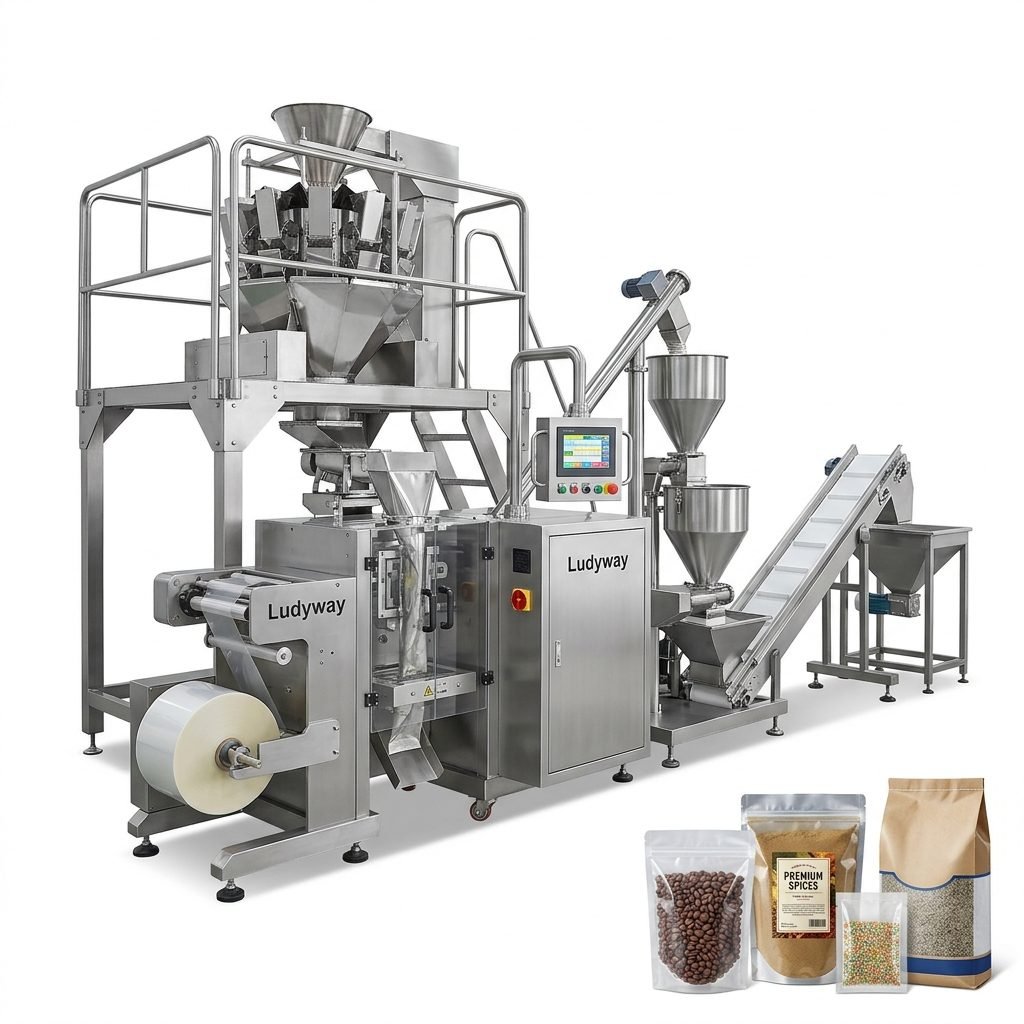
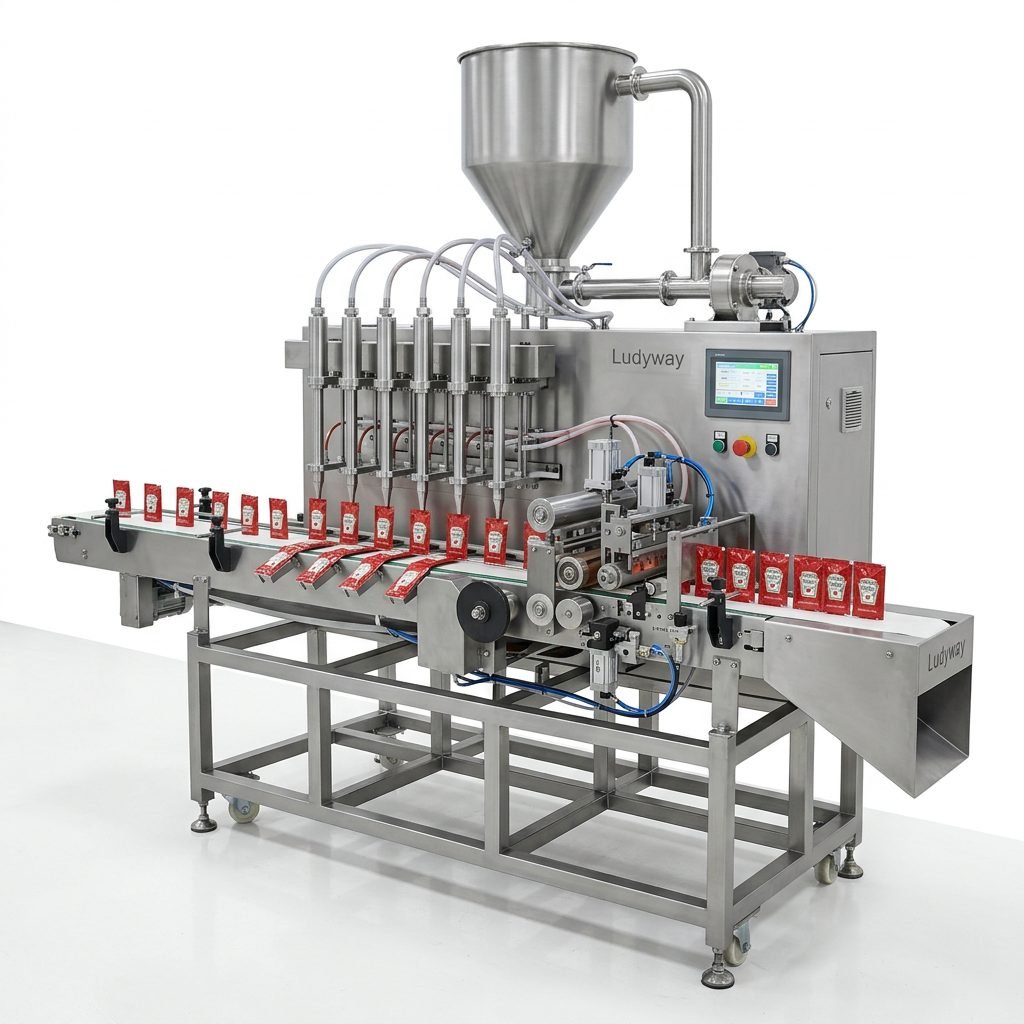
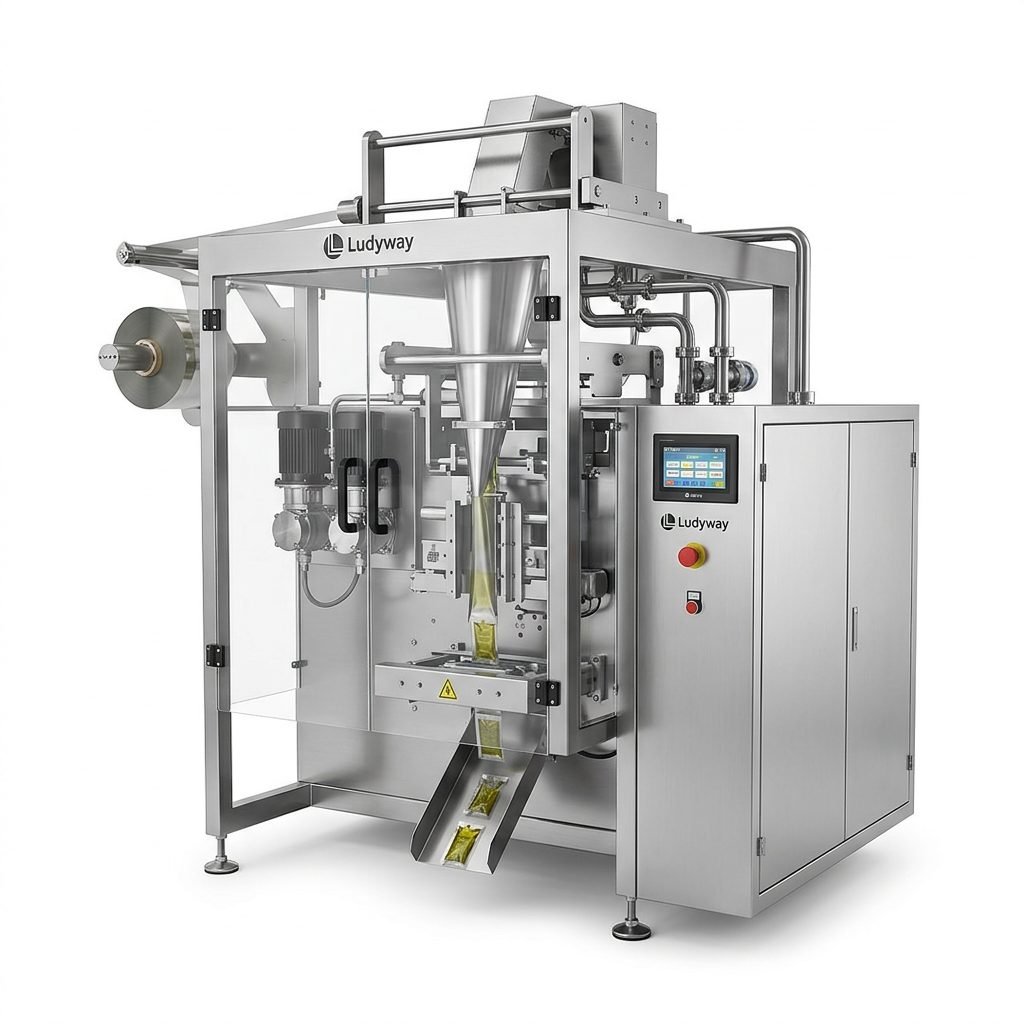
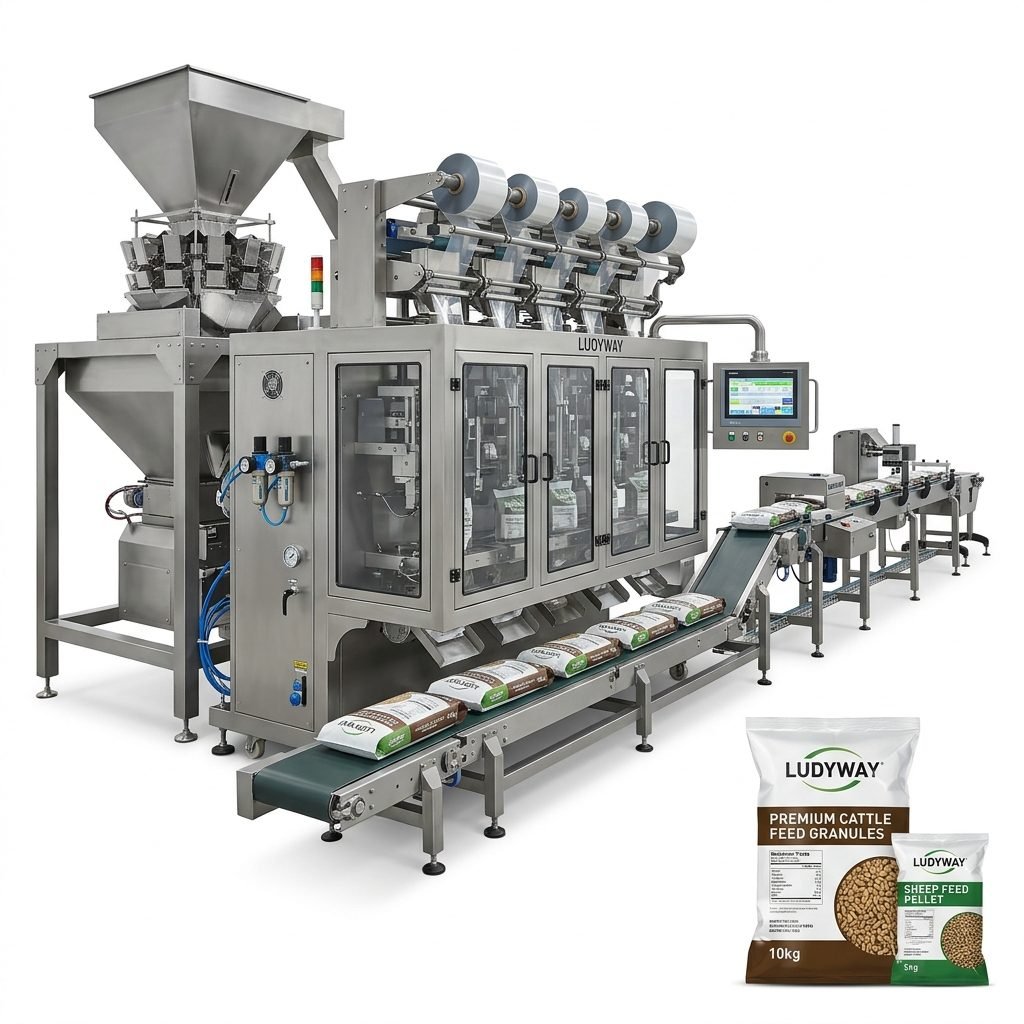
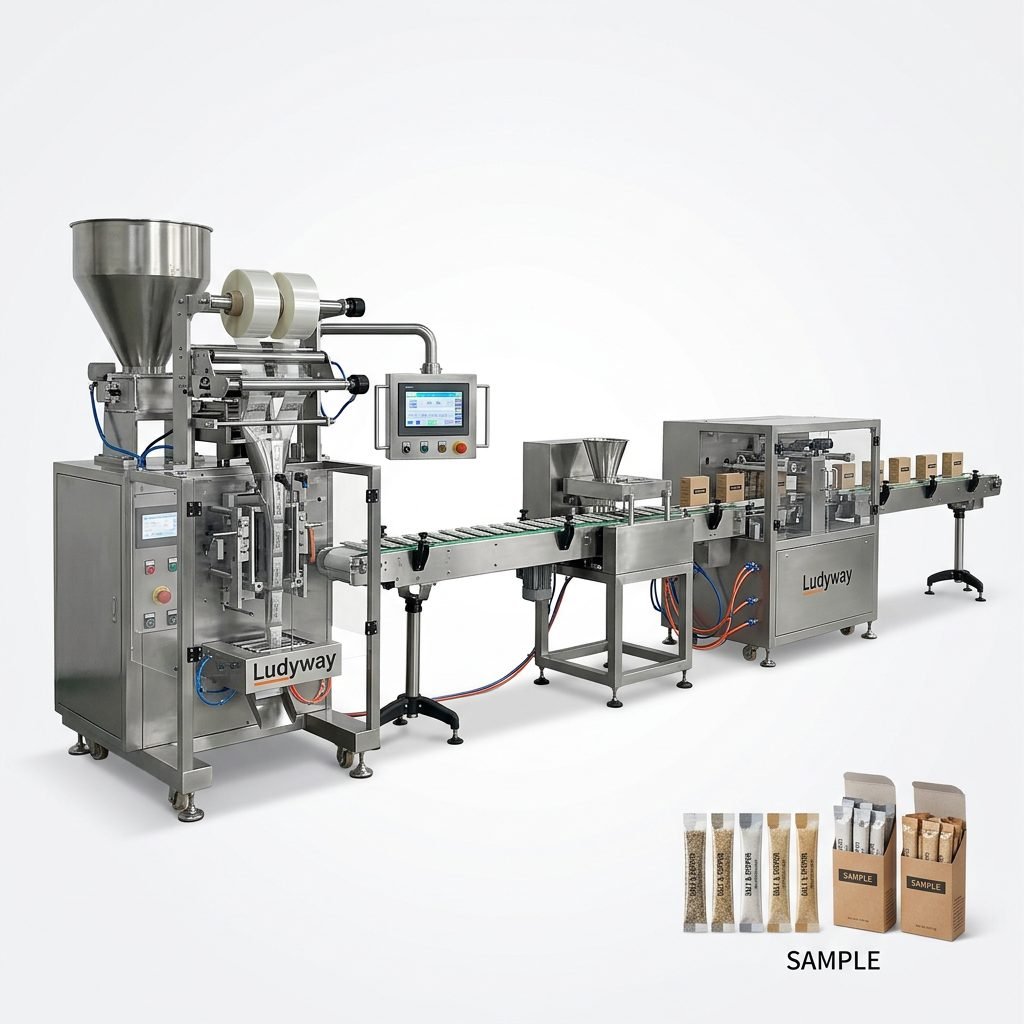
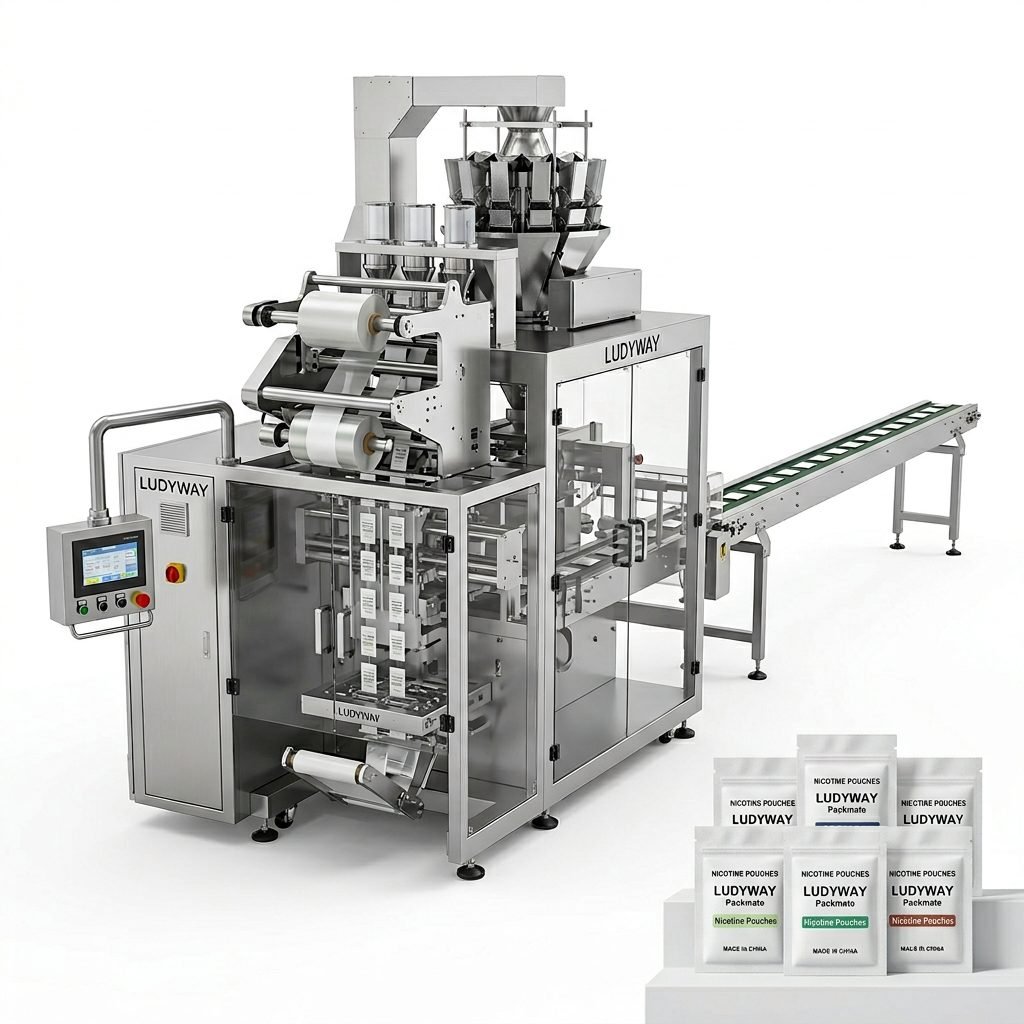
Liquid packaging machines are essential for businesses that need to fill, seal, and present fluid products efficiently and consistently. From food sauces and beverages to pharmaceuticals, cosmetics, and chemical liquids, the right equipment can improve output, reduce waste, and help maintain product quality across every batch.
This guide explains the main machine types, key benefits, and the most important factors to consider before investing in a system for liquid packaging.
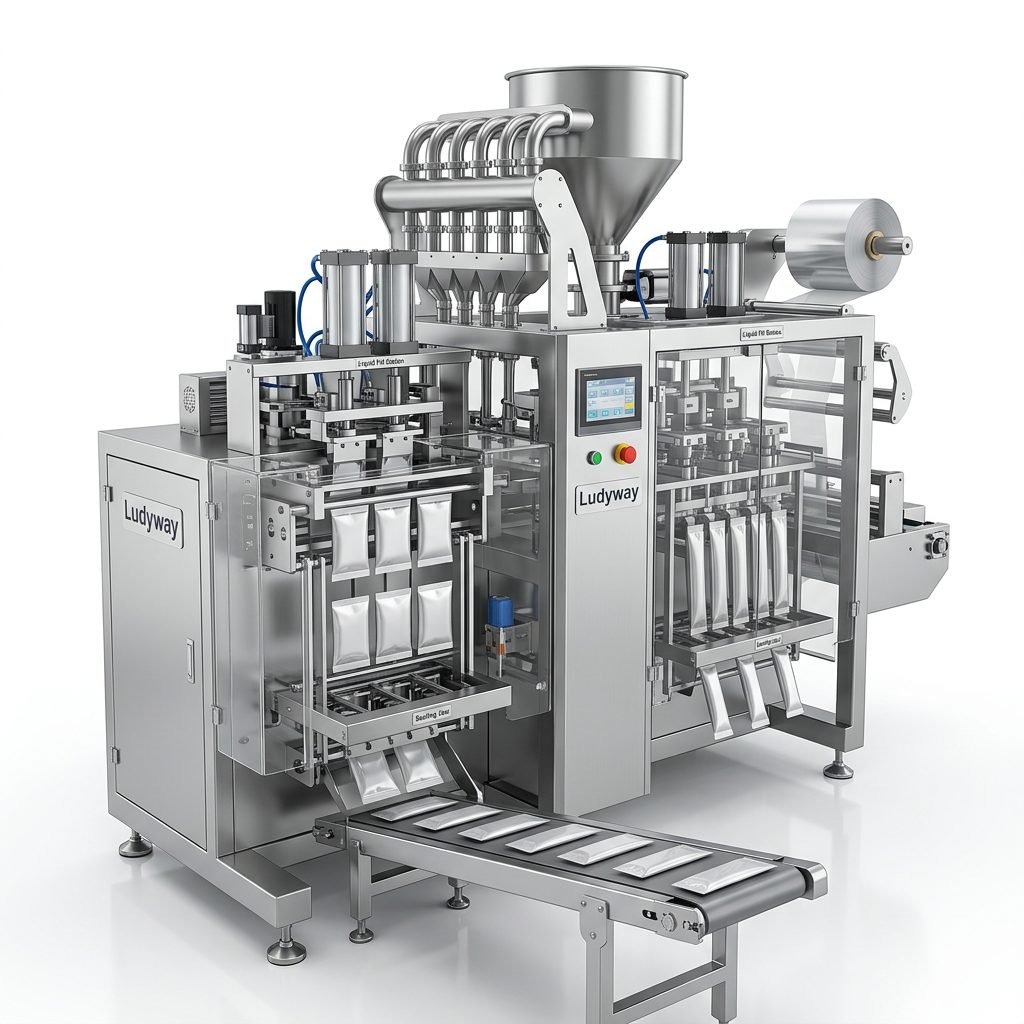
What Is a Liquid Packaging Machine?
A liquid packaging machine is specialized equipment designed to automatically or semi-automatically dose, fill, and seal liquid products into containers or flexible packs. Depending on the product and package format, the machine may handle:
- Bottles
- Pouches
- Sachets
- Stick packs
- Cups or trays
- Vials and ampoules
These machines are commonly used for water, juices, milk drinks, sauces, oils, syrups, detergents, lotions, shampoos, disinfectants, and many other free-flowing or semi-viscous products.
Main Types of Liquid Packaging Machines
Choosing the right machine starts with understanding the different equipment categories available on the market.
1. Form Fill Seal Machines
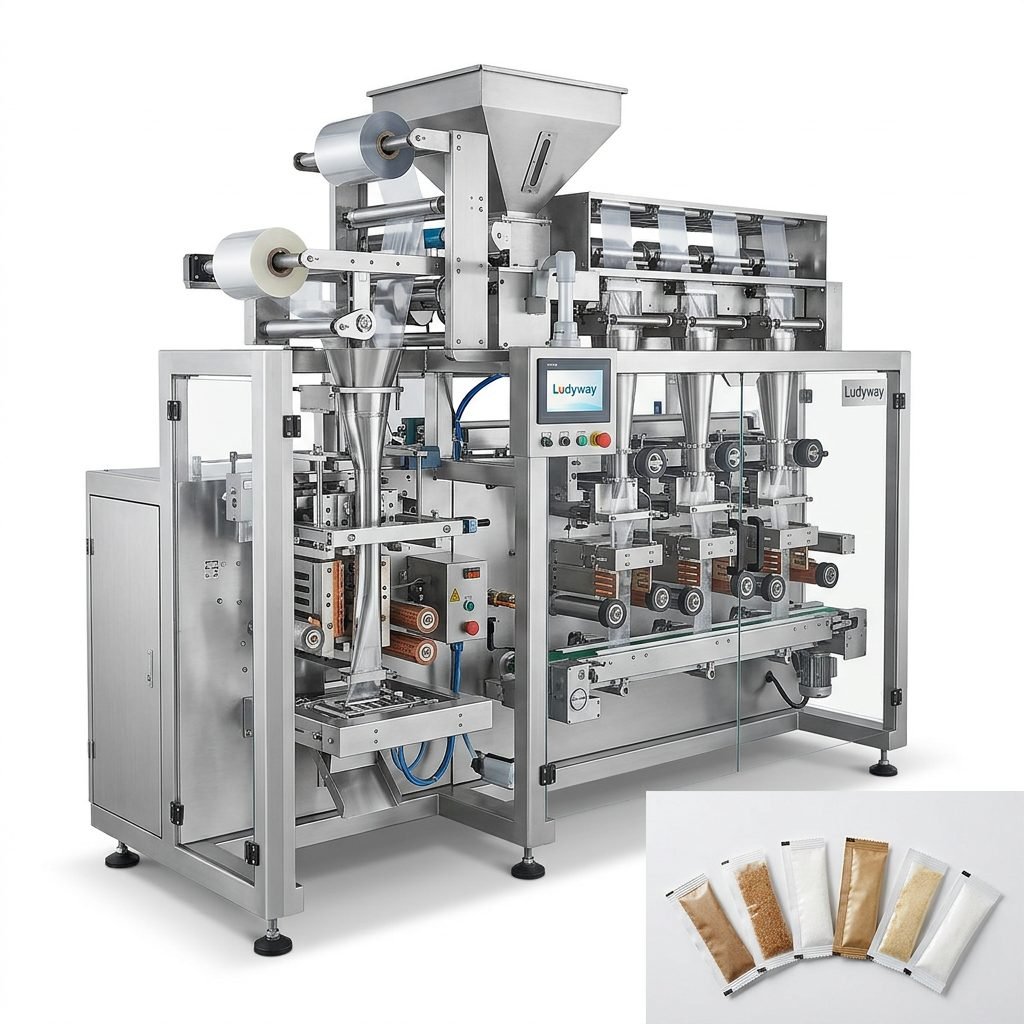
Form fill seal systems create the package from roll film, fill it with liquid, and seal it in one continuous process. They are widely used for high-speed production and cost-efficient packaging.
- Vertical form fill seal (VFFS) machines are often used for sachets and pouches.
- Horizontal form fill seal (HFFS) machines are suitable for specific pouch styles and larger formats.
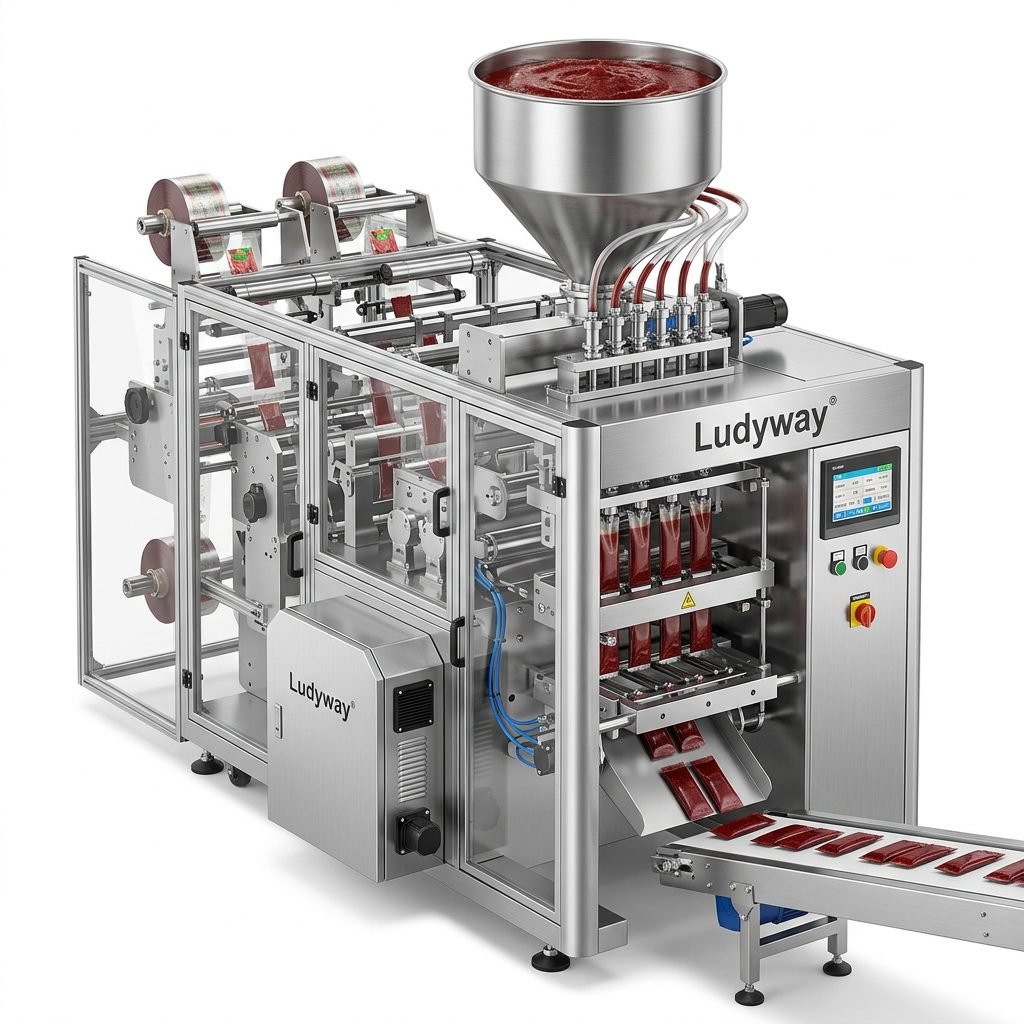
2. Sachet and Stick Pack Liquid Packaging Machines
These machines are ideal for single-use or travel-size liquid packaging. They are commonly used in food service, pharmaceuticals, cosmetics, and personal care.
- Shampoo sachets
- Ketchup sachets
- Honey stick packs
- Liquid supplements
- Medical oral liquids
3. Bottle Filling Machines
Bottle liquid packaging machines fill products into rigid containers and are often integrated with capping, labeling, coding, and cartoning systems. They are suitable for beverages, oils, lotions, cleaning chemicals, and pharmaceutical liquids.
4. Premade Pouch Filling and Sealing Machines
These machines work with preformed pouches rather than making the pack from film. They are a strong option for brands seeking premium shelf appearance, zipper pouches, spouted pouches, or specialty pouch designs.
5. Cup, Vial, and Specialized Liquid Filling Systems
Some industries need highly specific packaging formats. Pharmaceutical and healthcare manufacturers, for example, may require systems for sterile liquids, oral solutions, vials, or unit-dose packs.
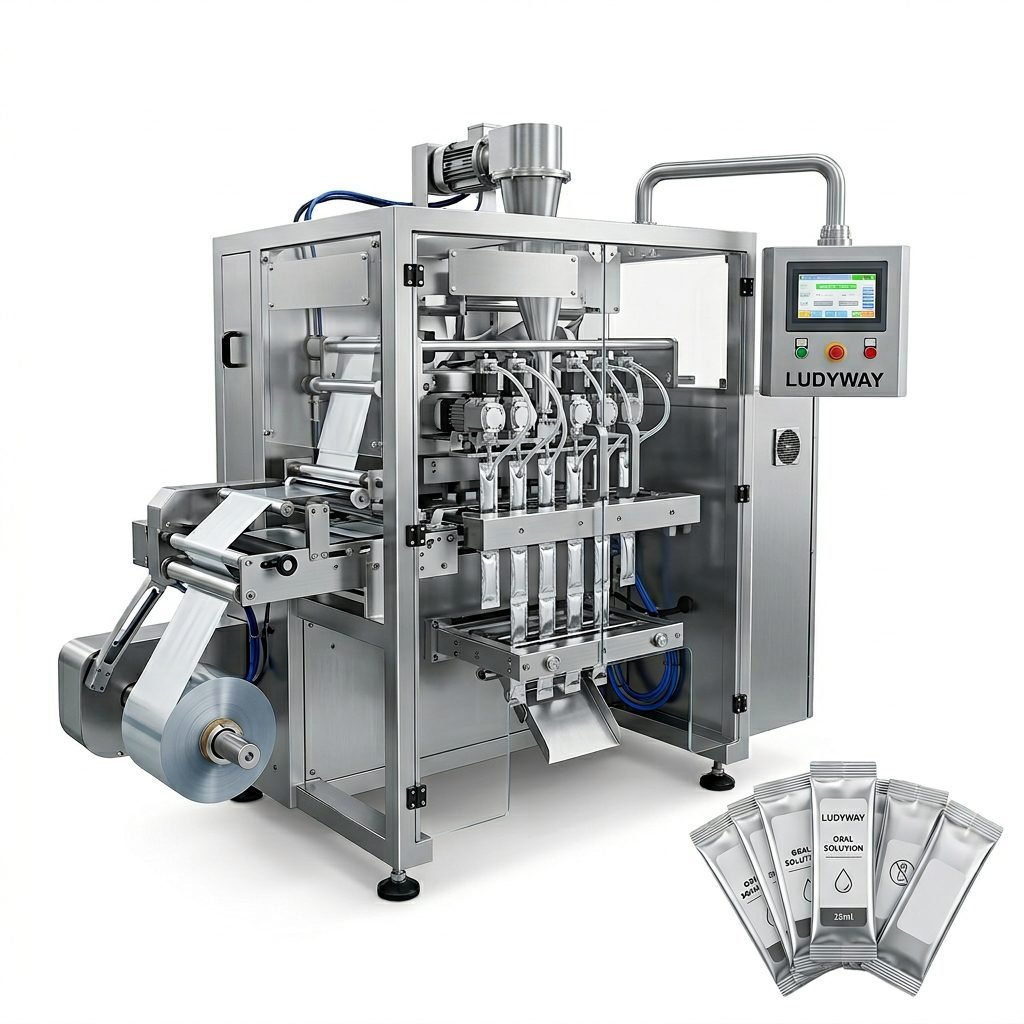
How Liquid Packaging Machines Work
While the exact process depends on the machine type, most liquid packaging lines follow these core steps:
- Product feeding from a tank or hopper
- Measured filling using piston, pump, gravity, or flowmeter dosing
- Package forming or container positioning
- Sealing or capping
- Date coding or labeling
- Inspection and discharge
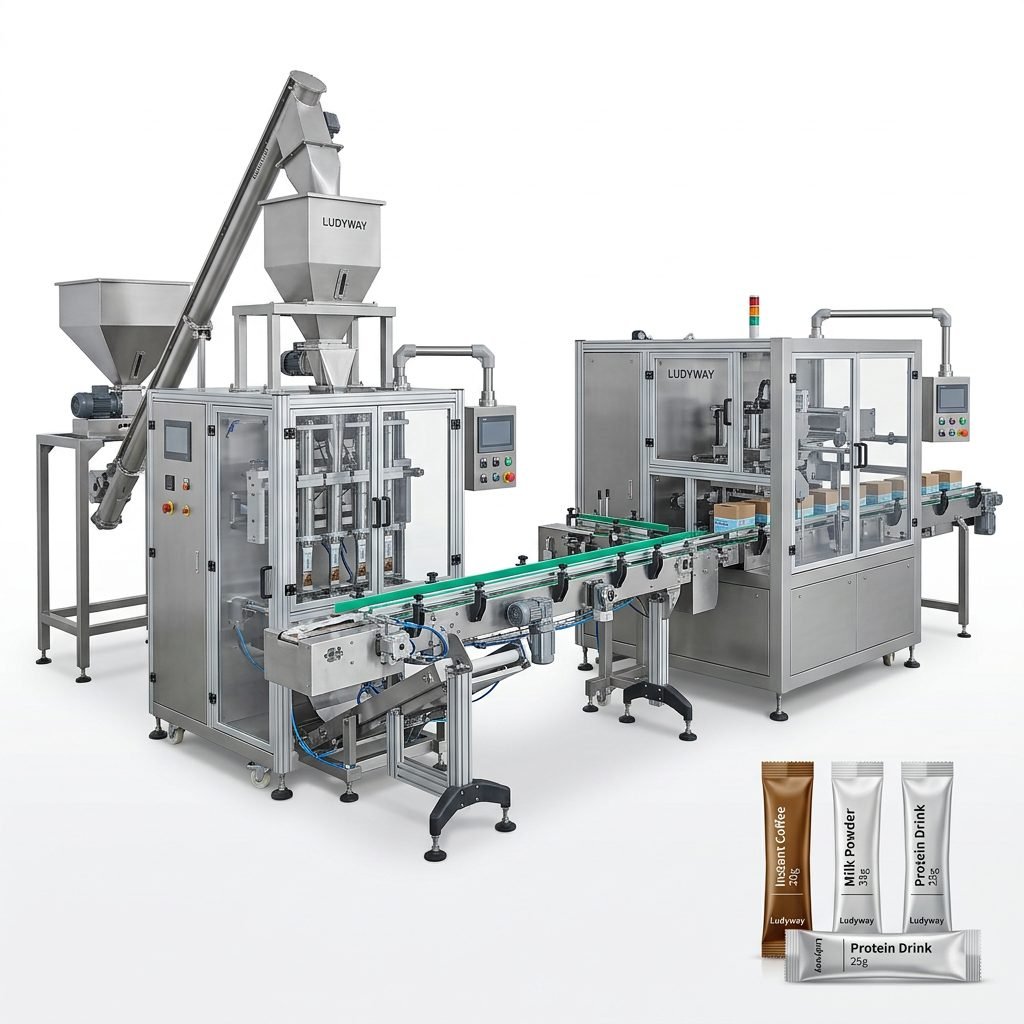
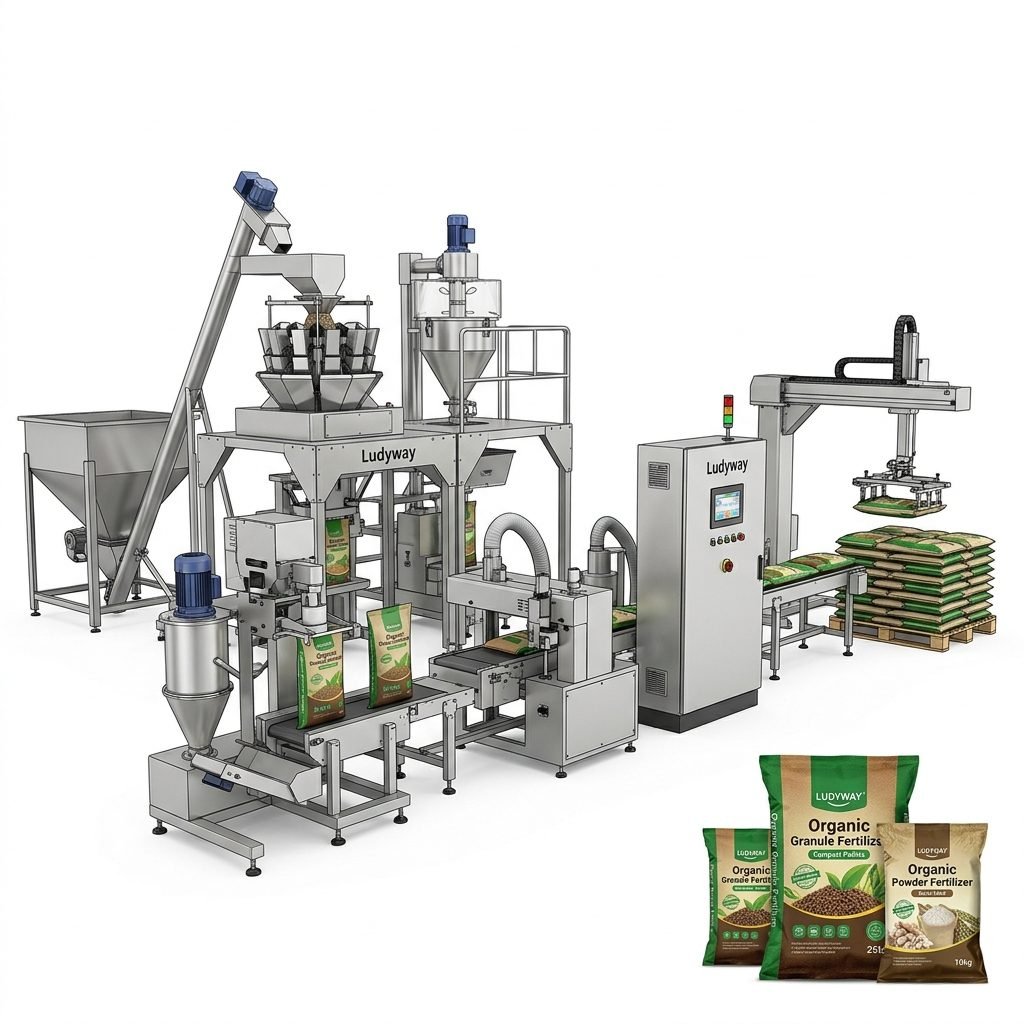
Modern systems may also include checkweighers, vision inspection, conveyors, cartoners, and palletizing equipment to create a more automated packaging line.
Benefits of Using a Liquid Packaging Machine
Higher Production Efficiency
Automation greatly improves throughput compared with manual or semi-manual filling. This is especially important for businesses handling medium to high production volumes.
Better Filling Accuracy
Accurate dosing helps reduce giveaway, minimize product loss, and maintain consistent package quality. This is particularly valuable for expensive liquids such as serums, nutraceuticals, and pharmaceuticals.
Improved Hygiene and Product Safety
A well-designed machine supports cleaner production conditions and reduces direct human contact with the product. For food, healthcare, and pharma sectors, this is a major advantage.
Reduced Labor Costs
By automating repetitive filling and sealing tasks, companies can lower manual labor requirements and reassign staff to more valuable production roles.
Professional Packaging Appearance
Uniform seals, consistent fill levels, and clean package presentation can strengthen brand image and improve consumer confidence.
Scalability
A good machine allows businesses to start with current demand and scale later with multi-lane systems, faster models, or complete turnkey line integration.
Common Applications by Industry
| Industry | Typical Products | Common Package Types |
|---|---|---|
| Food & Beverage | Sauces, oils, juice, syrup, dairy drinks | Sachets, pouches, bottles |
| Pharmaceutical | Oral liquids, medicinal solutions, gels | Sachets, vials, bottles, unit-dose packs |
| Cosmetic & Personal Care | Shampoo, lotion, serum, cream-gel products | Sachets, stick packs, bottles, tubes |
| Chemical | Detergents, cleaners, solvents, additives | Sachets, pouches, bottles, drums |
How to Choose the Right Liquid Packaging Machine
1. Understand Your Product Characteristics
Not all liquids behave the same way. Before selecting a machine, assess:
- Viscosity
- Foaming tendency
- Presence of particles
- Corrosiveness
- Sterility requirements
- Temperature sensitivity
For example, water-like liquids often suit gravity or flowmeter systems, while thicker products such as sauces or lotions may require piston or pump filling technology.
2. Match the Machine to Your Packaging Format
The best machine depends heavily on whether you need bottles, pouches, sachets, or stick packs. A mismatch between product format and equipment design can lead to wasted investment and lower efficiency.
3. Determine Required Output Speed
Production targets should guide machine selection. A startup may only need a compact or semi-automatic system, while established factories often need high-speed multi-lane or fully integrated lines.
4. Check Filling Accuracy and Seal Quality
Consistent filling and reliable sealing are critical to avoiding leaks, underfills, and customer complaints. Request sample testing whenever possible.
5. Evaluate Material Compatibility
The machine should be built from suitable materials for your product, especially when handling acidic, corrosive, or high-hygiene liquids. Stainless steel construction is commonly preferred in food and pharma applications.
6. Consider Automation Level
Some buyers only need standalone fillers, while others want complete packaging lines including capping, labeling, cartoning, case packing, and palletizing. Think about your future expansion, not only today’s needs.
7. Review Maintenance and Technical Support
A machine is a long-term production asset. Easy maintenance, spare parts availability, training, and after-sales service all affect your total cost of ownership.
8. Choose a Reliable Manufacturer
Work with a supplier that has solid manufacturing experience, export capability, customization support, and a wide product range. For businesses seeking scalable packaging automation, Ludyway liquid packaging machine solutions are often considered for food, pharmaceutical, health supplement, and related turnkey line applications.
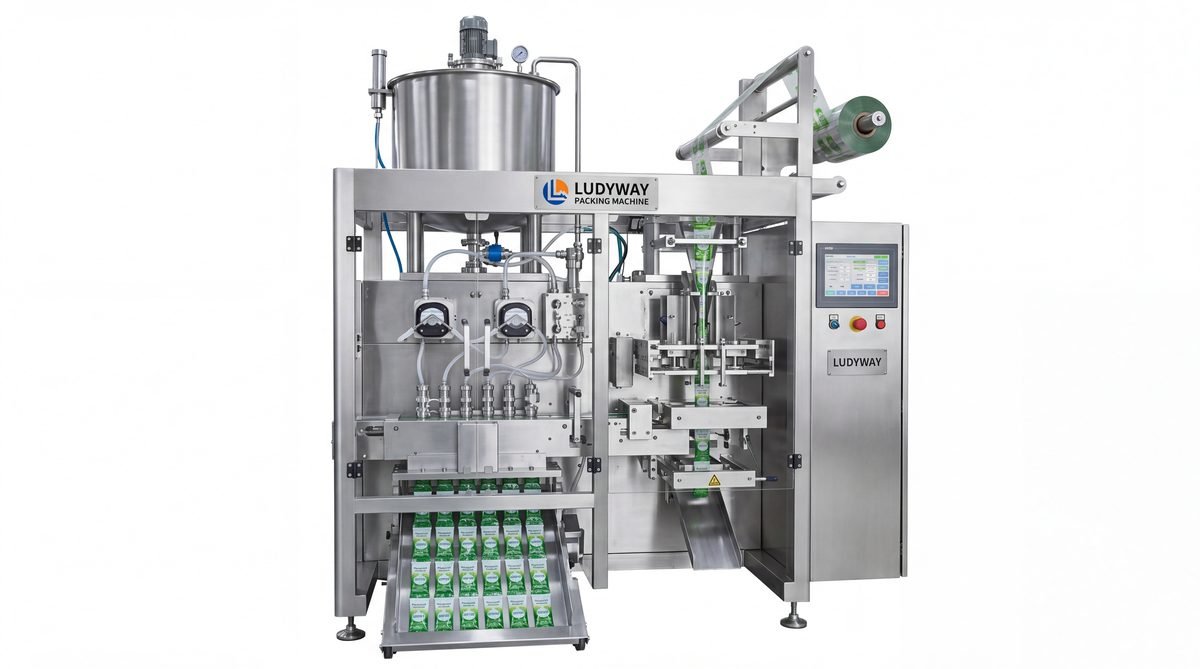
Quick Comparison: Which Machine Type Fits Your Needs?
| Machine Type | Best For | Advantages |
|---|---|---|
| Sachet/Stick Pack Machine | Single-use liquid products | Compact packs, high speed, low material cost |
| Bottle Filling Line | Retail liquids in rigid containers | Flexible sizing, branding options, line integration |
| Premade Pouch Machine | Premium pouch packaging | Strong shelf appeal, specialty pouch support |
| Specialized Pharma Liquid System | Sterile or regulated liquid products | Precision, hygiene, compliance-focused design |
Important Questions to Ask Before Buying
- What liquid products will the machine handle now and in the future?
- What packaging formats do you need?
- What is your target output per minute or per hour?
- Do you need standalone equipment or a complete packaging line?
- What accuracy tolerance is acceptable?
- Will the product require sanitary or explosion-proof design?
- How easy is the machine to clean and maintain?
- What technical support and spare parts service are available?
Final Buying Tip
The right liquid packaging machine is not simply the fastest or cheapest model. It is the system that fits your product, package style, hygiene standards, output goals, and long-term production strategy. Businesses that carefully evaluate these factors are much more likely to achieve stable packaging performance, lower operating costs, and stronger market competitiveness.
If possible, request sample runs, confirm technical specifications in detail, and choose a manufacturer that can support both current production and future line upgrades.