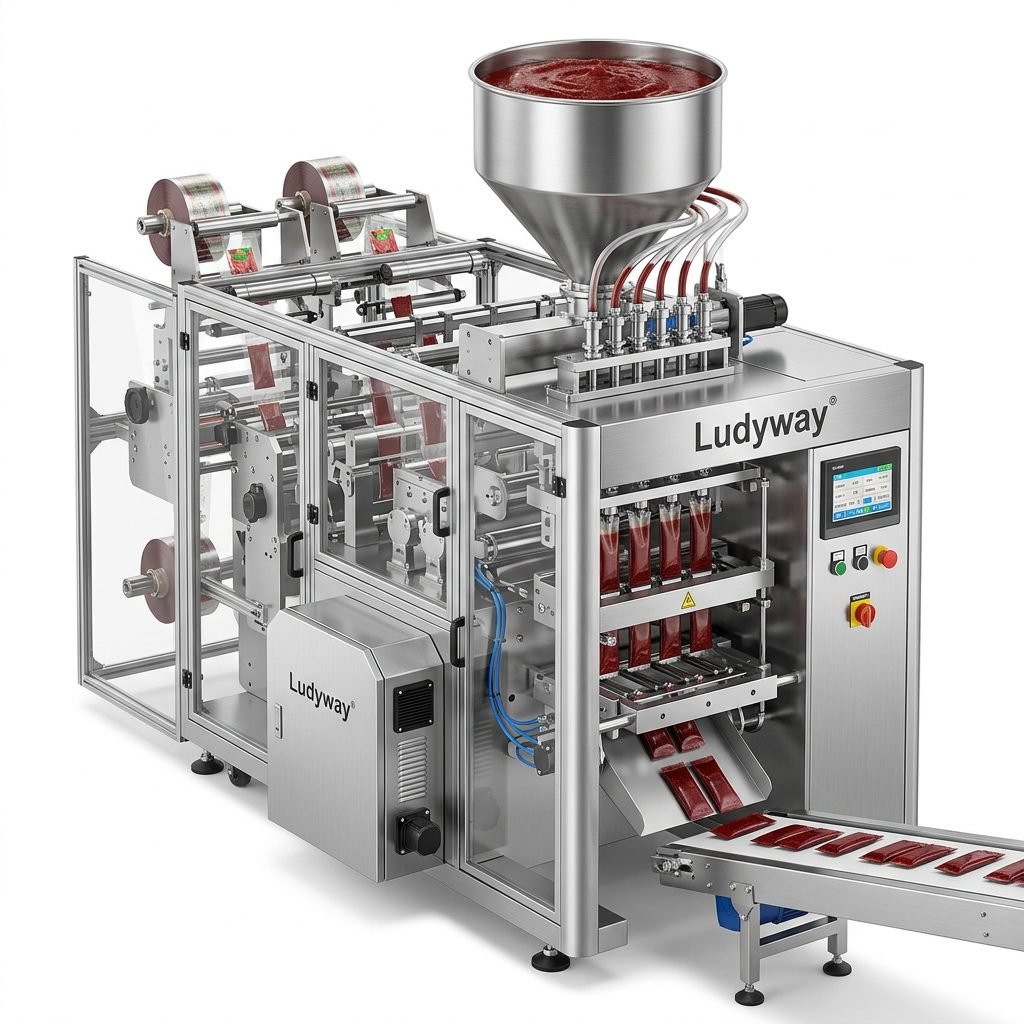
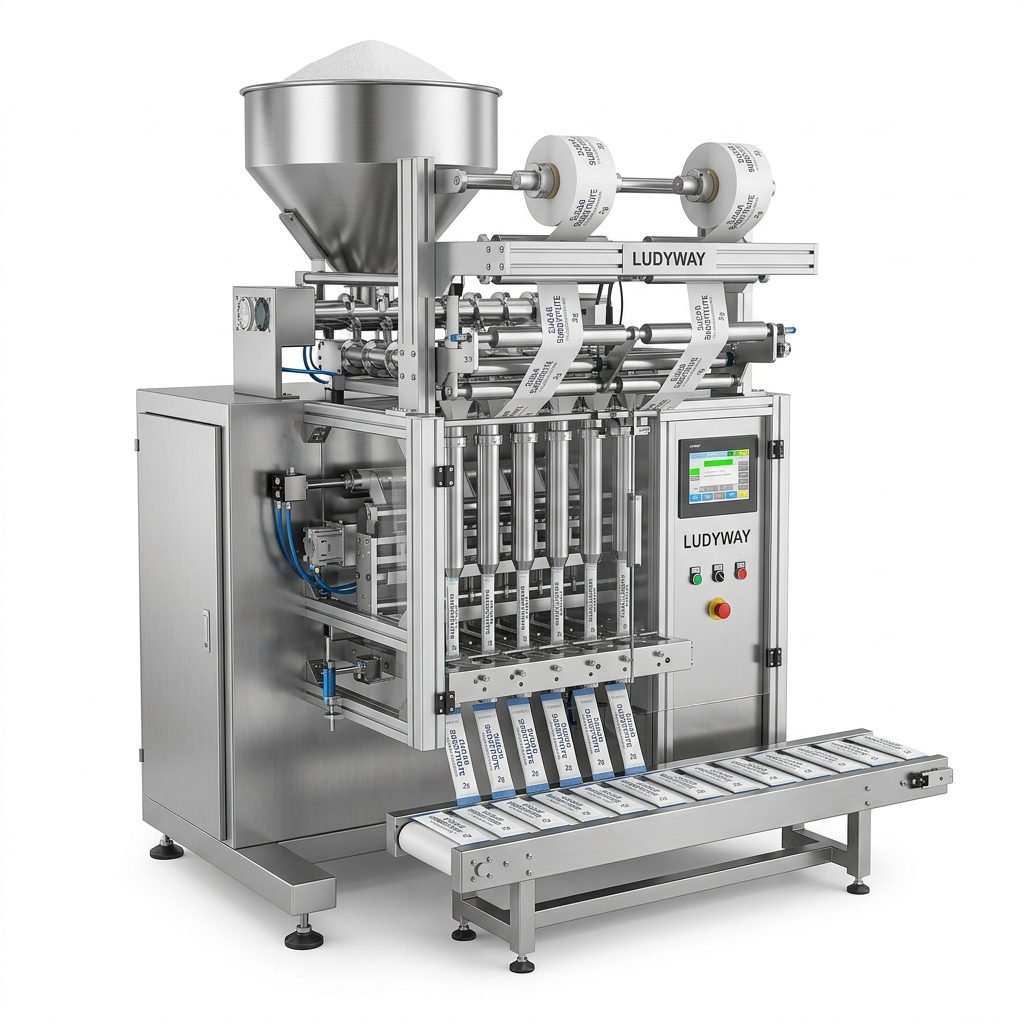
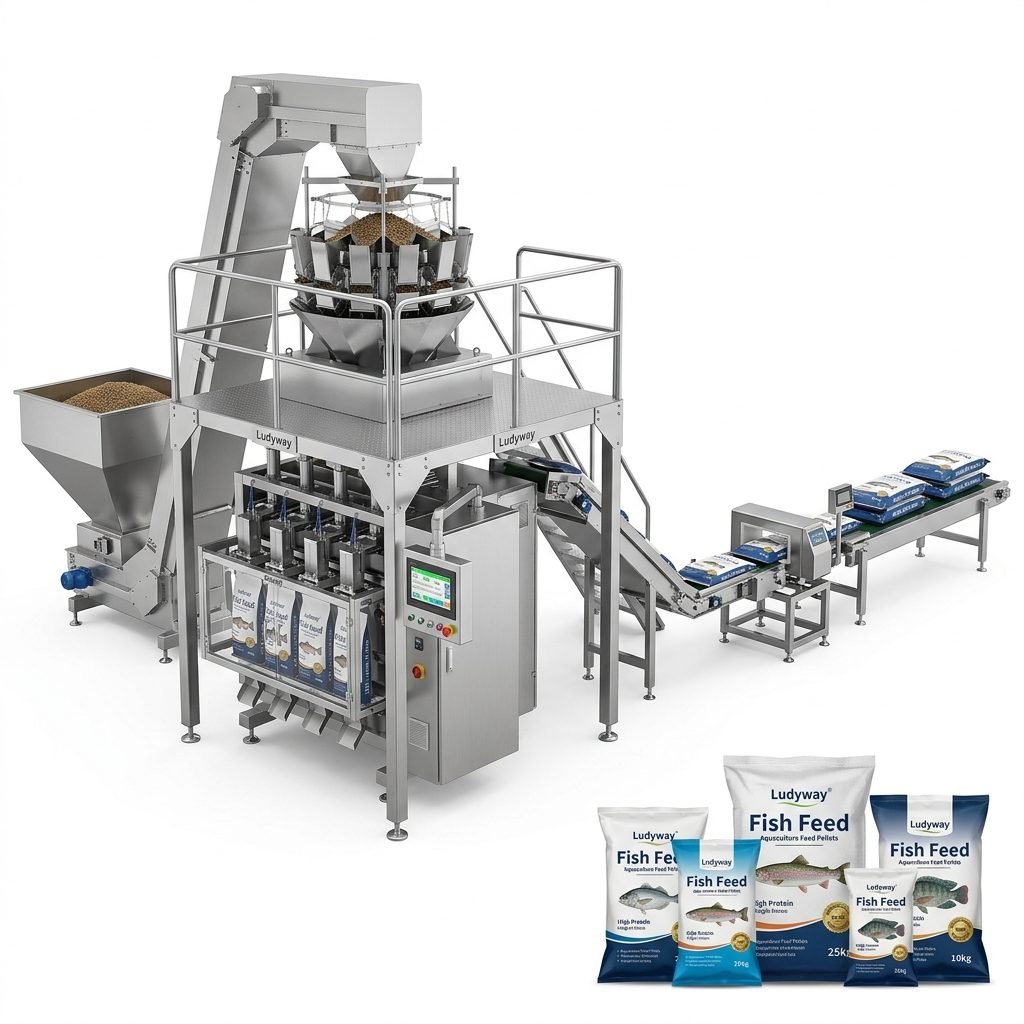
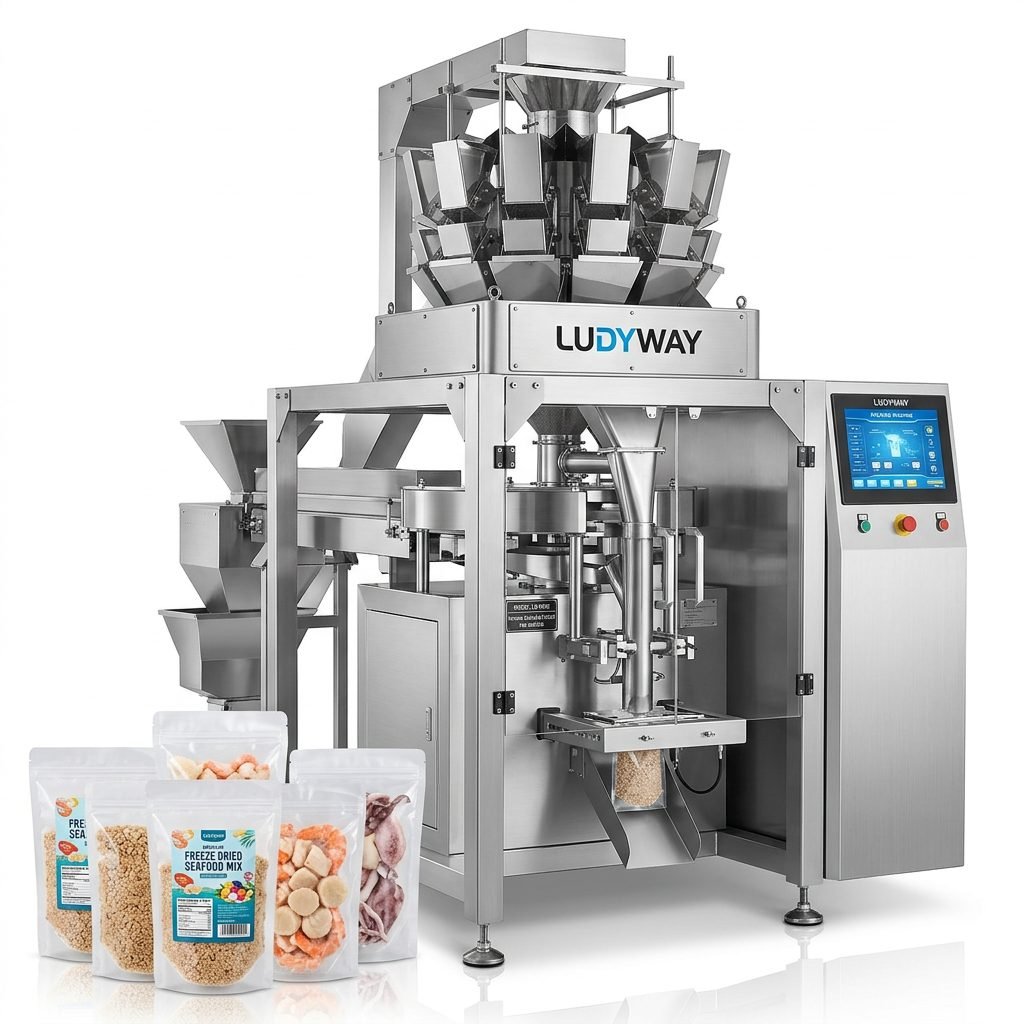
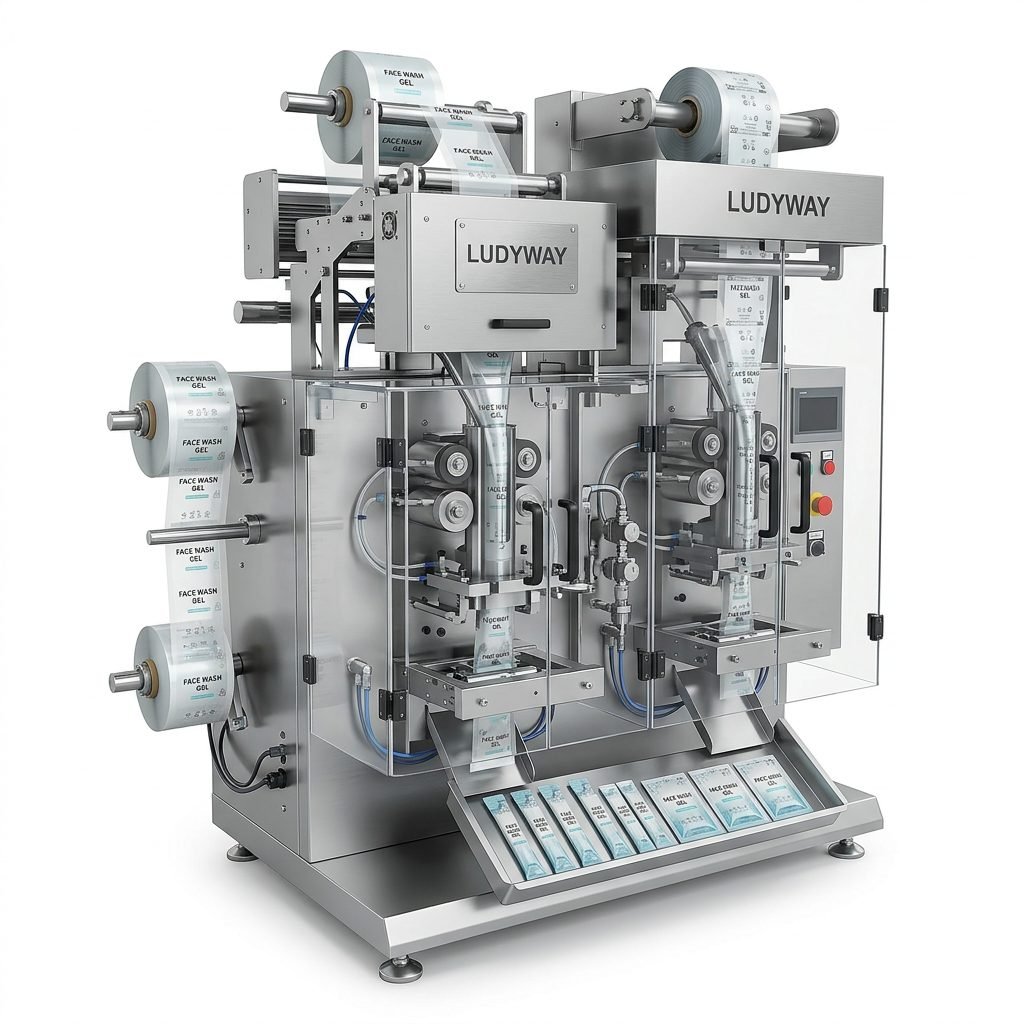
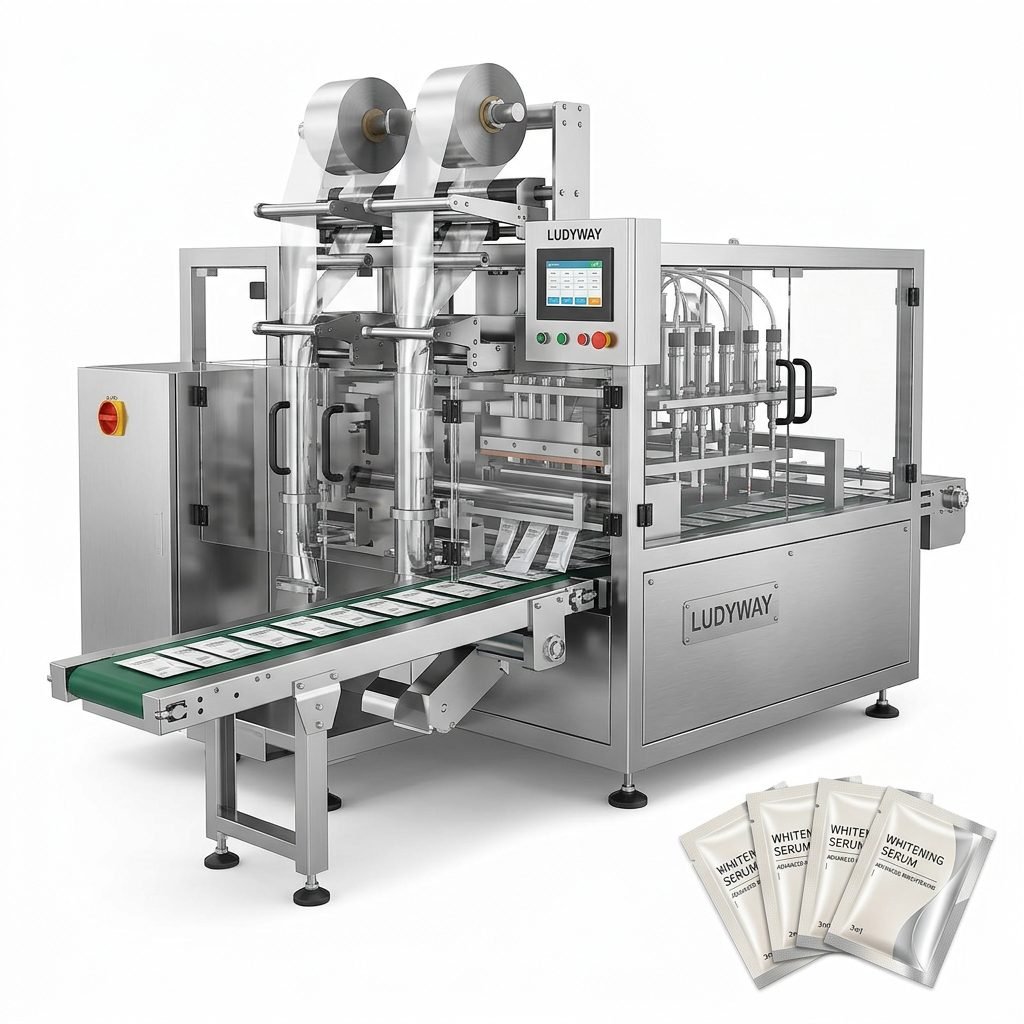
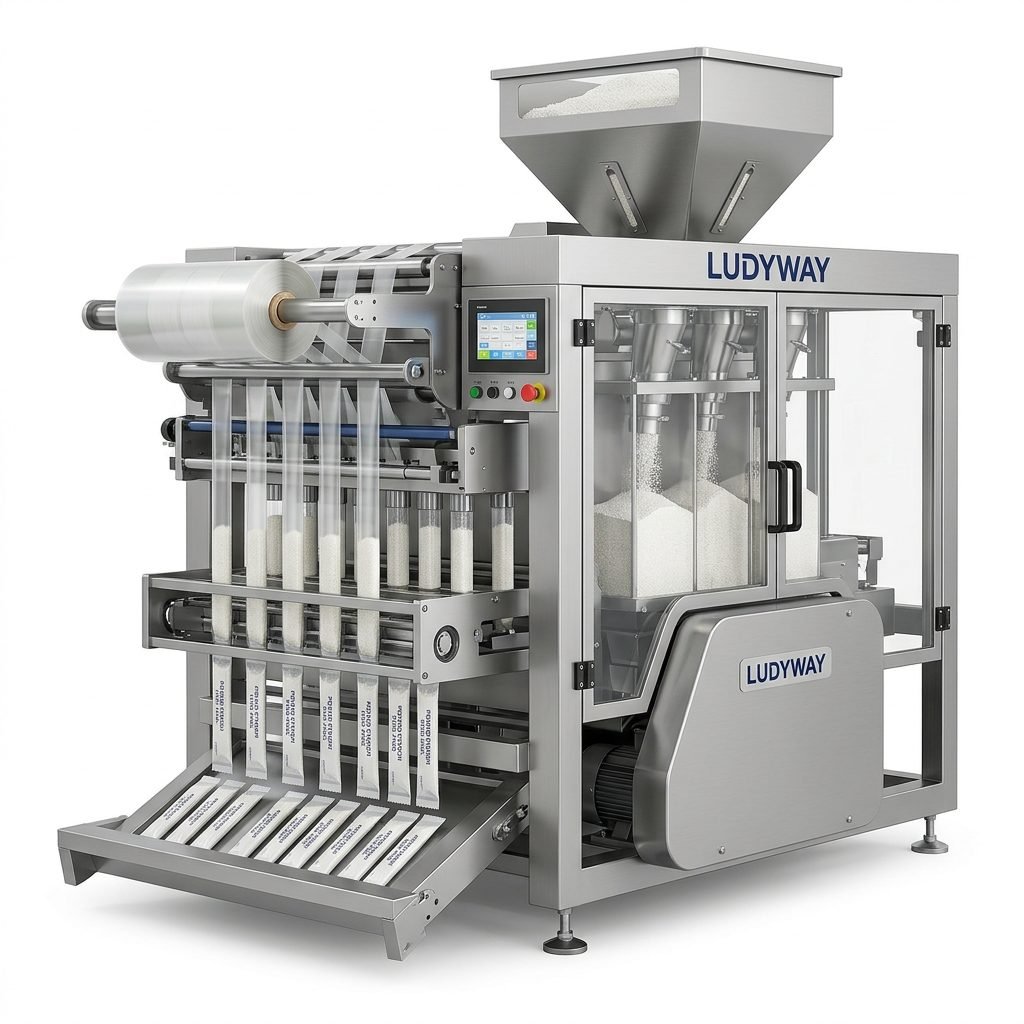
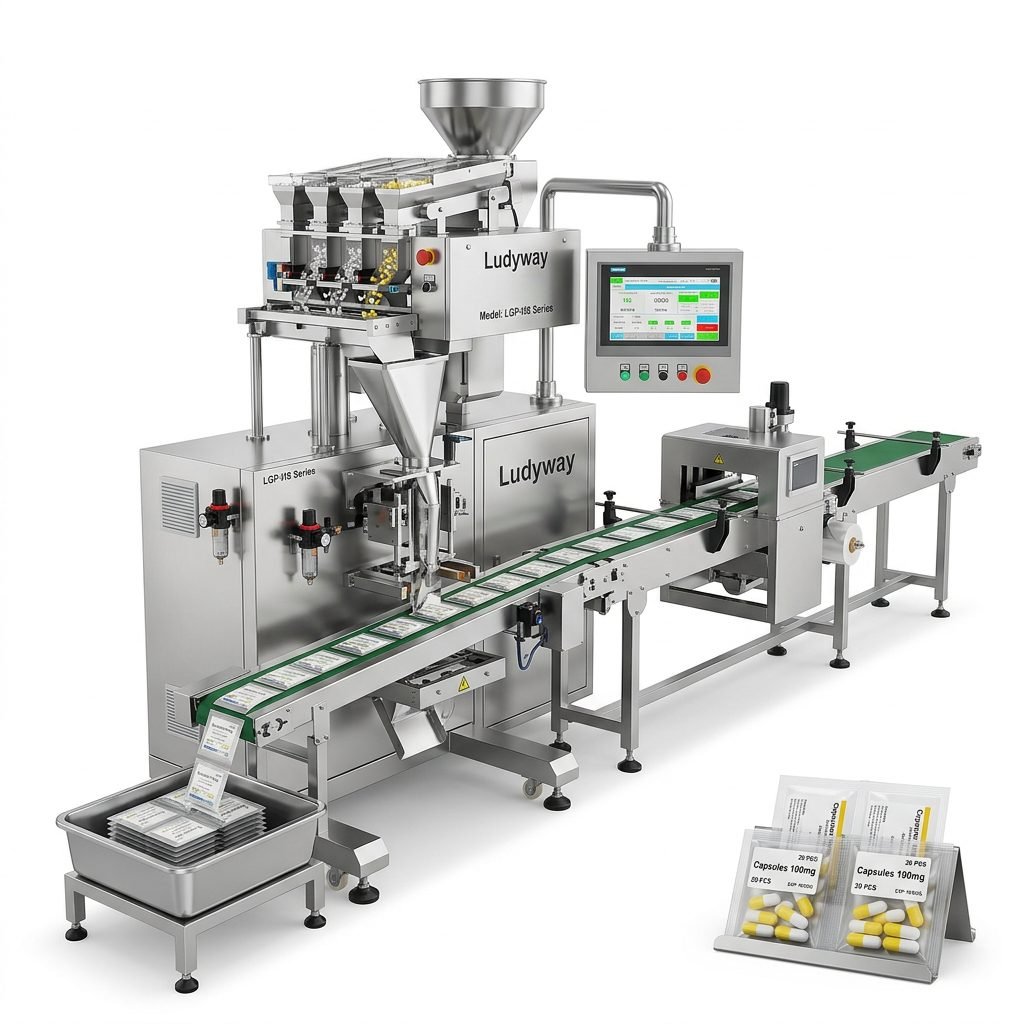
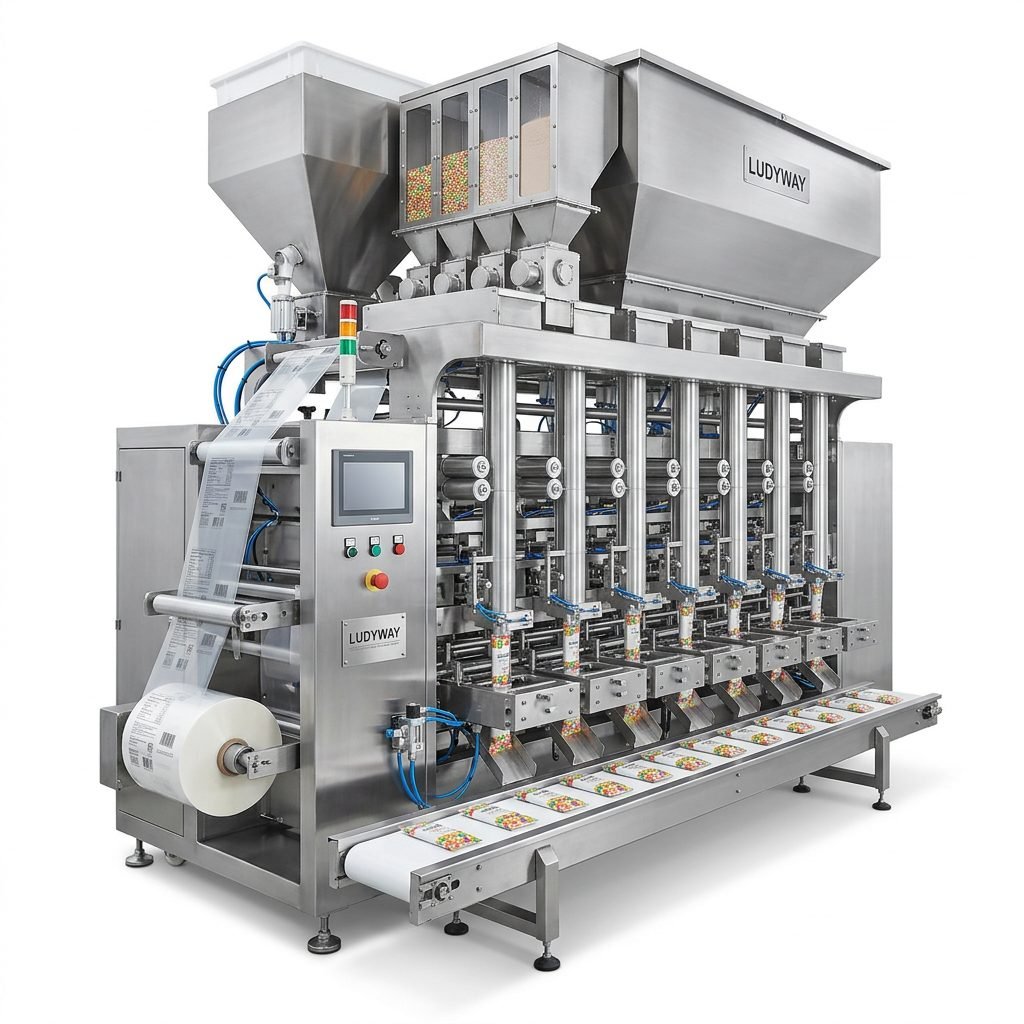
In fast-moving beverage, nutraceutical, and liquid food markets, choosing the right drink pouch packaging machine can directly affect output, cost per pouch, product consistency, and long-term scalability. Whether you package juice, syrup, functional drinks, oral liquids, energy gel, dairy beverages, or concentrated liquid products, the ideal solution should match your product characteristics, production target, and packaging format.
A poor machine choice can create recurring problems such as leaking seals, inaccurate filling, unstable speed, difficult cleaning, and expensive downtime. A smart investment, on the other hand, helps manufacturers improve line efficiency, reduce waste, and maintain reliable pouch quality across every batch.
Why drink pouch packaging continues to grow
Pouch packaging has become a preferred format for many liquid products because it is lightweight, convenient, and highly adaptable. Compared with rigid containers, pouches can reduce material use, lower transport costs, and support a wide variety of retail and single-serve applications.
- Lower packaging material and shipping costs
- Convenient portion control for on-the-go consumption
- Strong shelf appeal with flexible graphics and shape options
- Suitable for small-dose, single-serve, and promotional packs
- Compatible with many beverage and liquid formulations
This is especially important for brands producing RTD concentrates, sports nutrition liquids, oral rehydration products, flavored syrups, and functional wellness beverages. As demand increases, manufacturers need packaging machinery that can handle both speed and precision.
What a drink pouch packaging machine actually does
A drink pouch packaging machine automates the process of forming or feeding the pouch, dosing liquid product, sealing the package, and preparing the pouch for downstream handling. Depending on the design, the machine may work with stick packs, sachets, or premade pouches.
In many production environments, the machine is part of a larger packaging system that may also include:
- Liquid storage or buffer tank
- Heating or mixing system
- Transfer pump
- Filling unit
- Sealing station
- Date coding or marking
- Checkweigher or inspection system
- Cartoning or case packing equipment
Main types of drink pouch packaging solutions
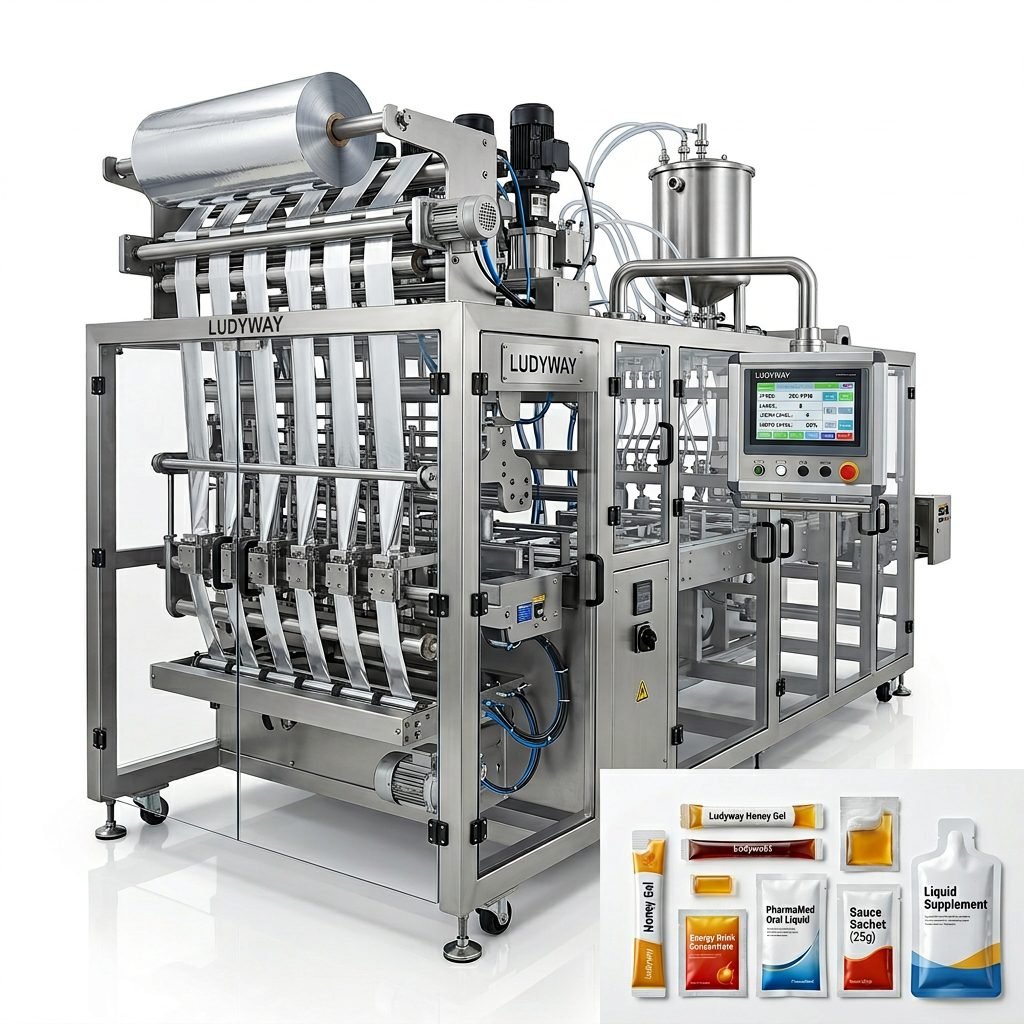
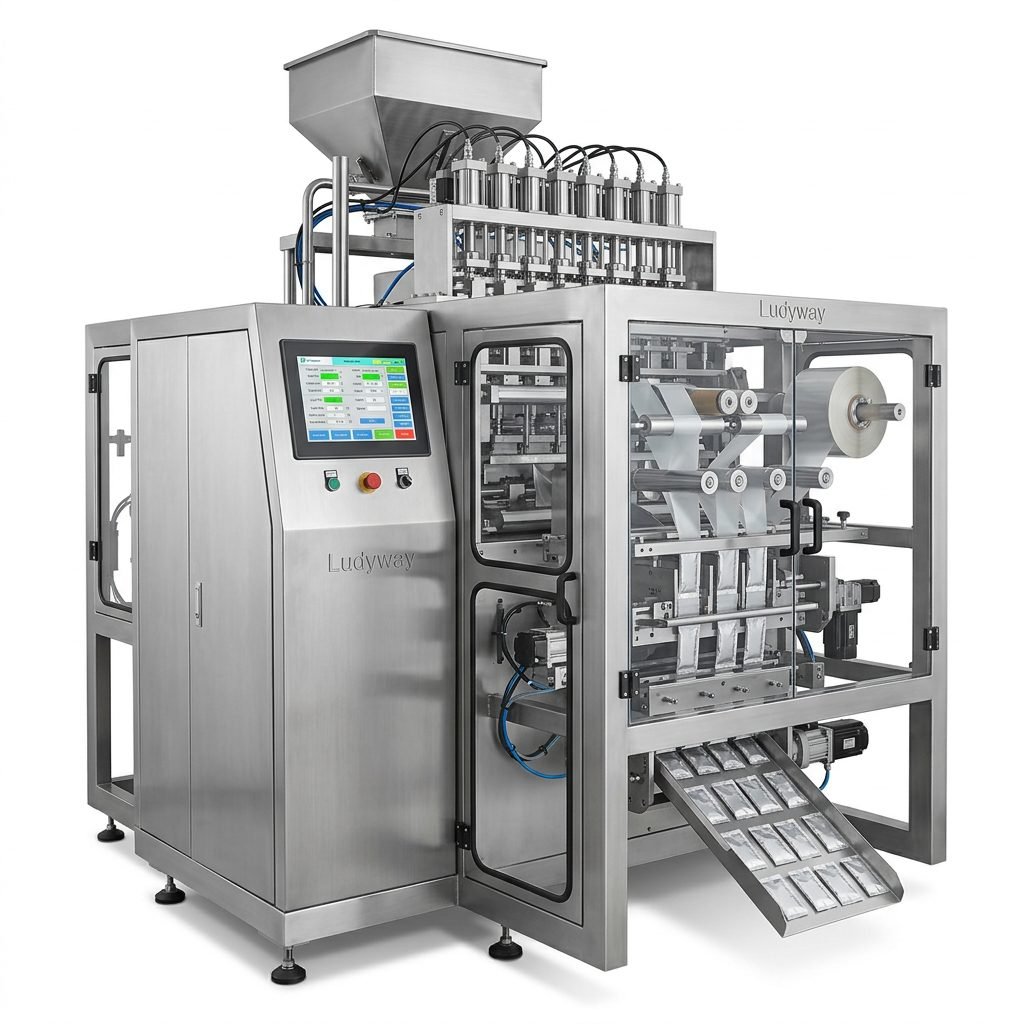
1. Multi-lane sachet or stick pack machines
These machines are ideal for high-volume production of small liquid pouches. They can run multiple lanes simultaneously, making them highly efficient for single-dose beverage concentrates, energy liquids, oral liquid supplements, and sample-size drink products.
2. Premade pouch filling and sealing machines
These solutions are suitable when the pouch format is more premium or when the product needs a stand-up pouch, zipper pouch, or shaped pouch. They offer better packaging flexibility but often run at lower speed than multi-lane form-fill-seal systems.
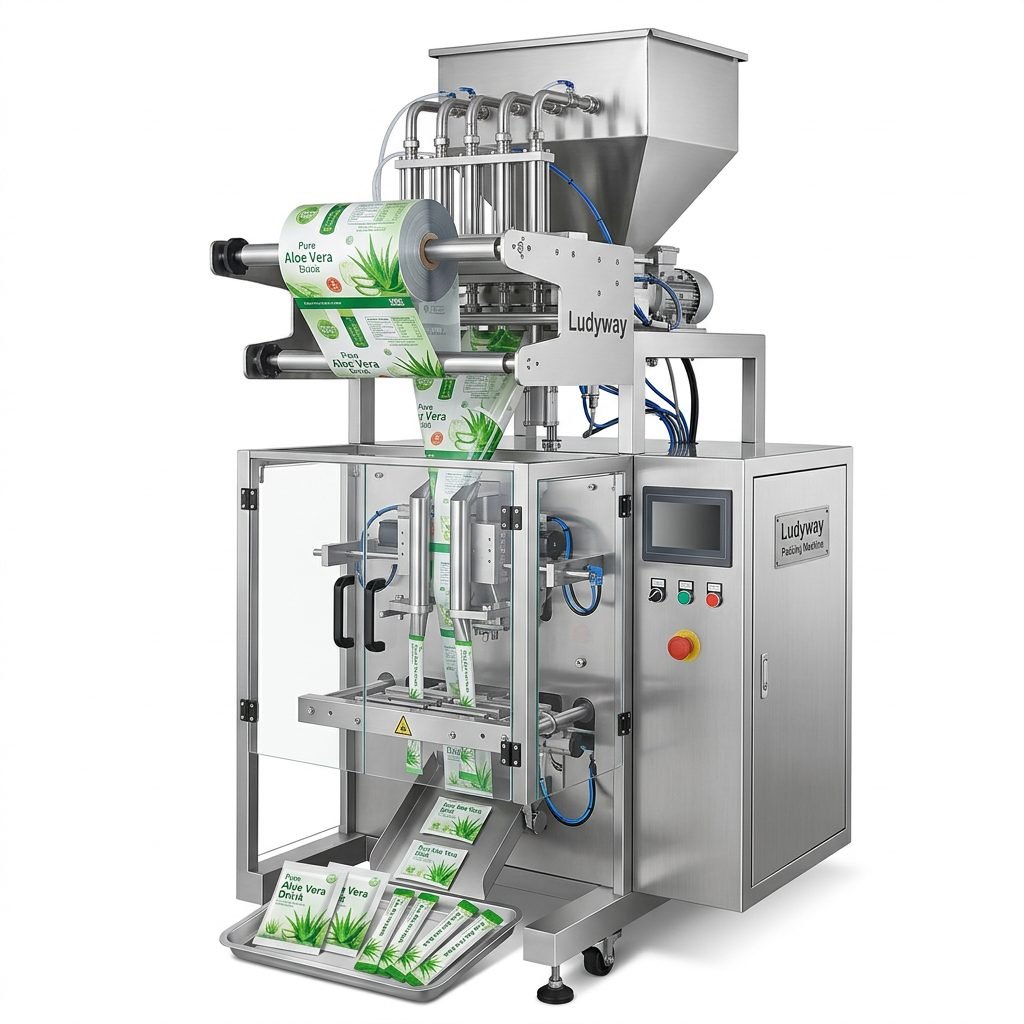
3. Vertical form-fill-seal liquid pouch machines
VFFS systems form the pouch from roll film, fill the liquid, and seal it in one continuous process. They are widely used for efficient liquid packaging where cost control and automation are priorities.
| Machine Type | Best For | Main Advantage | Consideration |
|---|---|---|---|
| Multi-lane liquid sachet/stick pack machine | Small-volume drink pouches | High output and compact footprint | Less suitable for large pouch sizes |
| Premade pouch machine | Premium retail pouches | Flexible pouch style options | Higher packaging cost |
| VFFS liquid pouch machine | Cost-effective mass production | Integrated forming, filling, sealing | Requires compatible film structure |
Key factors to consider before buying
Product viscosity and flow behavior
Not all drinks behave the same during filling. Water-like beverages, thick syrups, pulp-containing drinks, and gel-like nutrition formulas require different filling methods. Before selecting a machine, confirm:
- Viscosity range
- Whether the product contains pulp, particles, or suspended ingredients
- Foaming tendency
- Temperature sensitivity
- Acidity and corrosion potential
Liquid behavior directly affects dosing accuracy, seal cleanliness, and production stability.
Required pouch format
Your target package style should determine the machine structure. Common drink pouch formats include:
- Flat sachets
- Stick packs
- 3-side seal pouches
- 4-side seal pouches
- Spouted premade pouches
If your brand relies on small single-serve convenience packs, a multi-lane sachet or stick pack machine is often the best choice. If you need stand-up shelf presence, a premade pouch line may be more suitable.
Output target
One of the most common buying mistakes is choosing a machine only based on current production, without considering future demand. Ask these questions:
- How many pouches per minute are required today?
- What is the expected output in 12 to 36 months?
- Will you run one shift or multiple shifts?
- Will seasonal demand create production spikes?
If high speed is critical, multi-lane technology can significantly increase throughput without requiring multiple standalone machines.
Filling accuracy
In liquid packaging, underfill creates compliance and customer issues, while overfill wastes product and increases cost. Precision filling is essential for profitability, particularly with premium beverages or health-related formulations.
Look for features such as servo-controlled dosing, stable pump systems, anti-drip design, and consistent sealing performance.
Seal quality
A strong seal is non-negotiable. Weak or contaminated seals can lead to leakage during storage, shipping, or retail handling. For drink pouches, the machine should provide:
- Stable temperature control
- Consistent sealing pressure
- Accurate dwell time
- Clean sealing area with minimal splashing
Material compatibility
Packaging film structure affects machine performance. The machine must match your chosen laminate, heat-seal layer, thickness, and barrier requirements. If you plan to change suppliers or use multiple film specifications, machine adaptability becomes even more important.
Cleaning and hygiene standards
For food, nutrition, and pharmaceutical-adjacent liquid products, hygiene design matters. Machines should be easy to clean, resistant to corrosion, and designed to minimize residue buildup. Stainless steel construction and accessible contact parts are strong advantages.
Questions you should ask a supplier
Before making a final decision, ask more than just price. A reliable supplier should be able to answer technical and operational questions clearly.
| Question | Why It Matters |
|---|---|
| Can the machine handle my exact product viscosity? | Prevents filling issues and poor seal performance |
| What pouch sizes and formats are supported? | Ensures fit with current and future products |
| What is the real production speed under working conditions? | Avoids unrealistic speed claims |
| How easy is cleaning and changeover? | Impacts uptime and labor requirement |
| What after-sales support is available? | Reduces risk of long downtime |
Signs of a high-quality drink pouch packaging machine
- Stable and accurate liquid filling performance
- Reliable sealing across long production runs
- User-friendly control interface
- Fast adjustment for different pouch sizes
- Durable components with proven industrial use
- Low-maintenance structure
- Integration capability with complete packaging lines
Manufacturers planning long-term expansion should also prioritize suppliers that can support automation upgrades, inspection systems, secondary packaging, and customized turnkey layouts.
When should you choose a turnkey liquid packaging line?
If your project involves more than just filling and sealing, a standalone machine may not be enough. A turnkey line is often the better option when you need:
- Product feeding, mixing, or buffering integration
- Automatic coding, inspection, and rejection systems
- Cartoning, case packing, or palletizing
- Centralized control and reduced labor dependency
- Better line synchronization for high-volume output
This approach is especially useful for growing manufacturers that want to build a consistent and scalable operation instead of solving bottlenecks one machine at a time.
Common mistakes buyers should avoid
- Choosing based on price alone instead of total lifecycle value
- Ignoring future capacity needs
- Failing to test the actual liquid formula before purchase
- Overlooking changeover and cleaning time
- Not confirming compatibility with packaging film
- Underestimating the importance of technical support and spare parts
How to match the machine to your product category
Different liquid products often require different packaging strategies. Here is a practical guide:
| Product Type | Recommended Solution | Key Focus |
|---|---|---|
| Water-like drinks | High-speed multi-lane liquid sachet machine | Speed and leak prevention |
| Syrup and concentrate | Pump-based liquid pouch machine | Viscosity handling and clean seals |
| Functional beverages | Multi-lane stick pack or sachet system | Accuracy and hygienic design |
| Premium retail pouches | Premade pouch filling machine | Presentation and format flexibility |
Choosing a supplier with long-term capability
The best packaging machine is not only about equipment design. It is also about the supplier’s engineering experience, customization ability, export background, and service support. For buyers sourcing from China, working with an experienced manufacturer can reduce project risk significantly.
Ludyway drink pouch packaging machine solutions are backed by more than 30 years of manufacturing experience, a factory of over 20,000 square meters, broad export coverage, and turnkey packaging line capability across food, pharmaceutical, health supplement, and related industries.
If your project requires liquid sachet packaging, multi-lane automation, or a complete integrated line, supplier strength in engineering and after-sales support should be treated as a core investment factor, not a secondary detail.
Final buying checklist
- Define your product characteristics clearly
- Confirm pouch type, size, and film structure
- Set realistic current and future output targets
- Review dosing accuracy and seal reliability
- Evaluate cleaning, maintenance, and changeover time
- Check integration options for coding, inspection, and cartoning
- Choose a supplier with strong technical and export experience
The right drink pouch packaging machine should deliver more than just automated filling. It should help your business package liquids more efficiently, protect product quality, reduce operational waste, and support sustainable growth. When machine design, pouch format, and production goals are properly aligned, liquid packaging becomes faster, cleaner, and far more profitable.