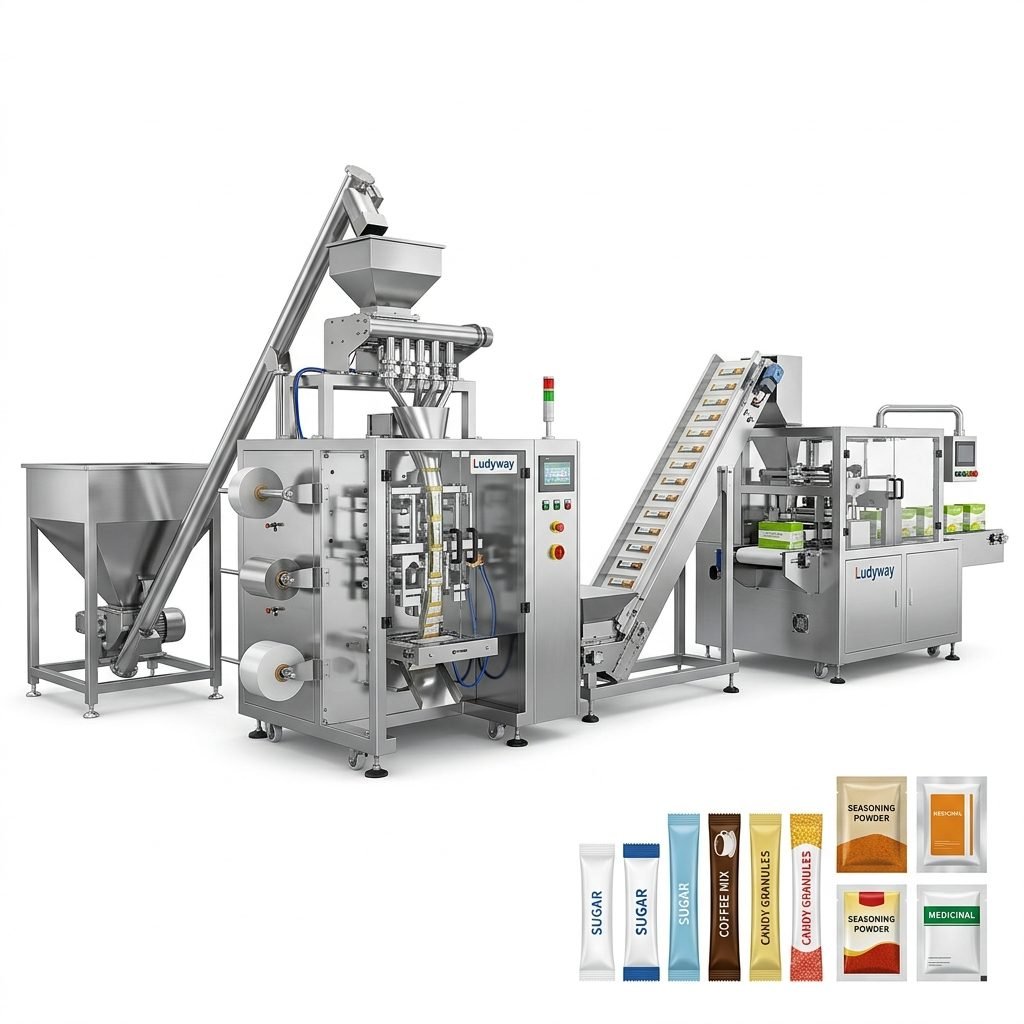
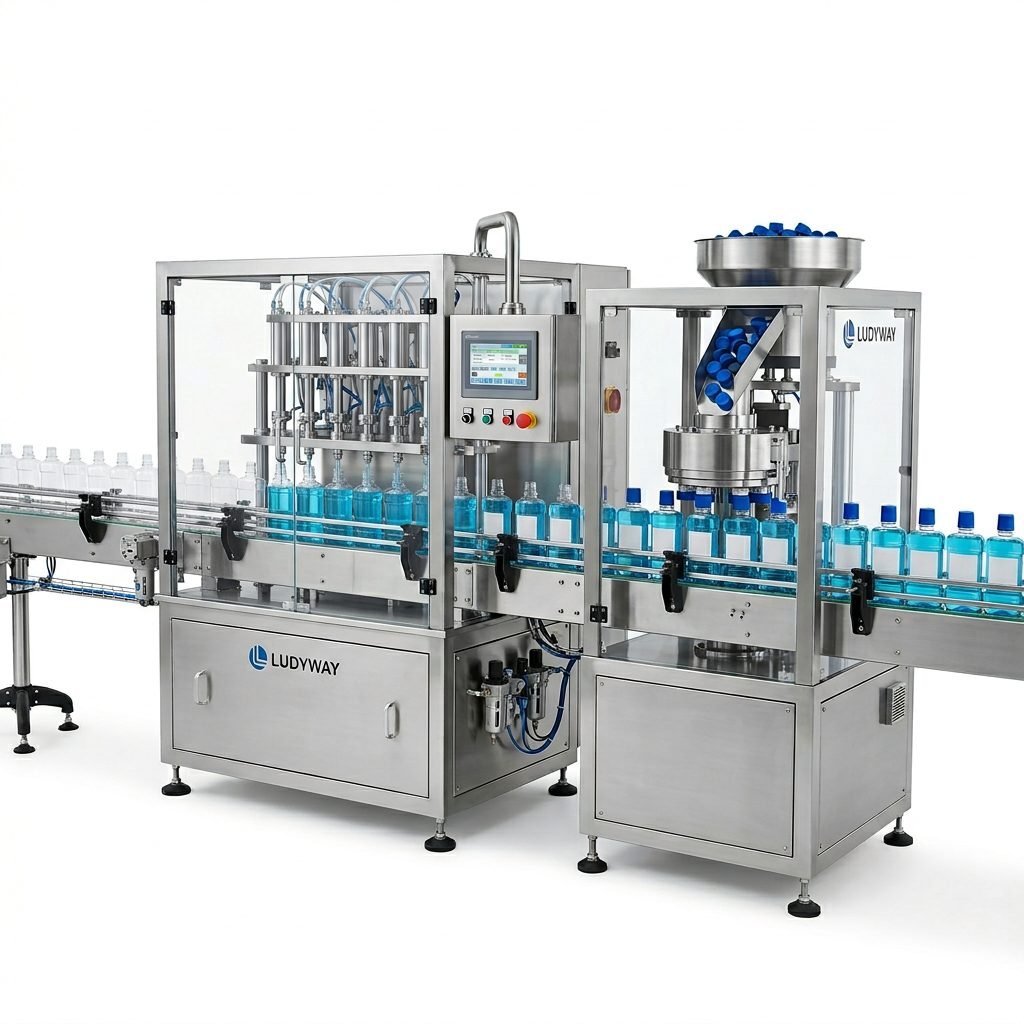
Choosing the right blister packing machine is not simply about buying equipment—it is about selecting a packaging solution that aligns with your product type, compliance requirements, production targets, and long-term growth plan. For businesses in pharmaceuticals, nutraceuticals, healthcare, and selected consumer goods sectors, blister packaging offers a highly efficient and protective format that improves product presentation, shelf life, traceability, and user convenience.
Whether you are packaging tablets, capsules, medical devices, or small unit-dose products, the right machine should deliver consistent sealing quality, dependable output, and easy integration into your production environment.
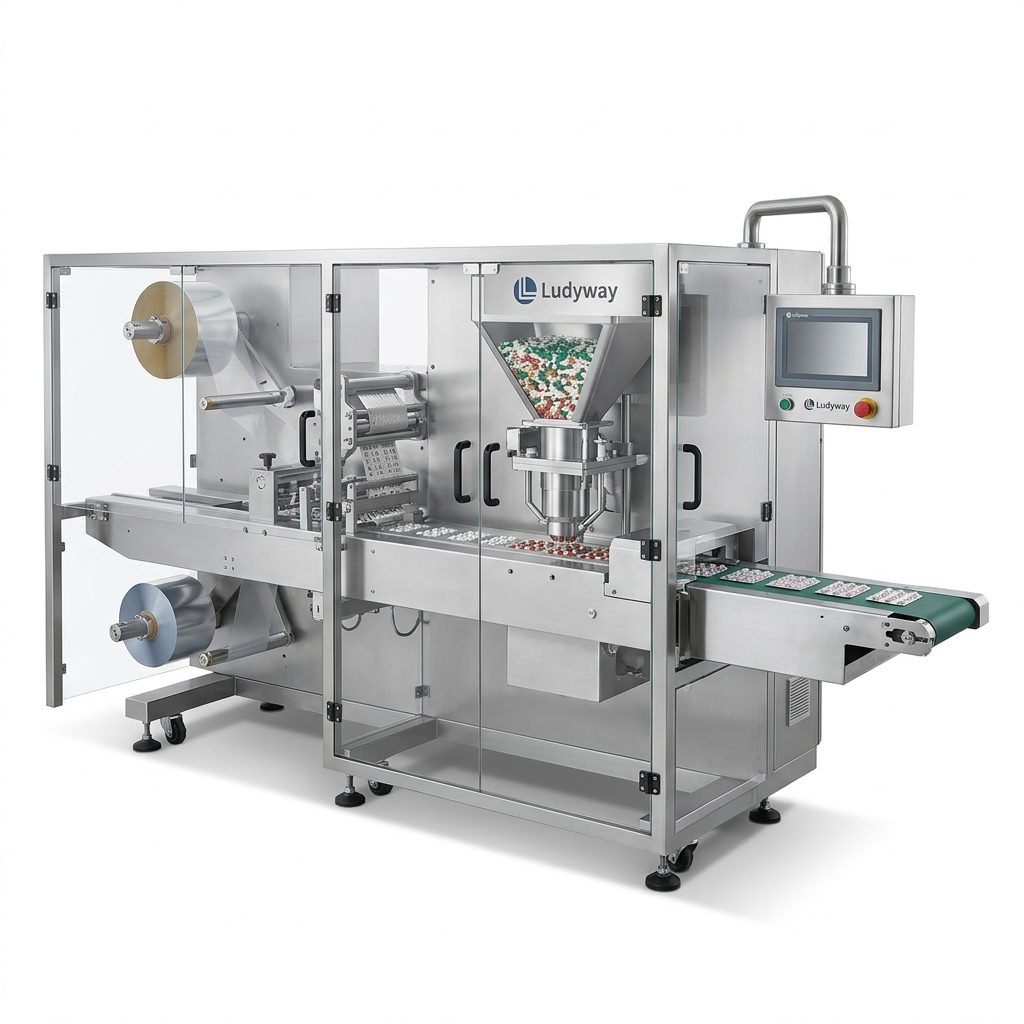
What Is a Blister Packing Machine?
A blister packing machine forms cavities from plastic or aluminum-based materials, places products into those cavities, and seals them with a lidding material. The final pack protects each unit separately, making it ideal for products that require hygiene, dosing accuracy, tamper evidence, and professional retail presentation.
Blister machines are widely used for:
- Pharmaceutical tablets and capsules
- Nutraceutical and health supplement products
- Medical devices and diagnostic kits
- Small consumer products such as batteries, hardware parts, and electronics accessories
Why Blister Packaging Is Popular in Modern Manufacturing
Blister packaging has become a preferred option because it combines product protection, clear visibility, unit control, and efficient secondary packaging. Compared with loose bottle filling or bulk pouch packing, blister packs can reduce contamination risk and support stronger inventory control.
- Better product protection: Shields items from moisture, oxygen, light, and handling damage
- Improved compliance: Supports pharmaceutical labeling, batch coding, and traceability
- User convenience: Easy-dose packaging for patients and consumers
- Enhanced branding: Clean, professional shelf appearance
- Reduced waste: Individual cavities prevent unnecessary product exposure
Key Factors to Consider Before Choosing a Blister Packing Machine
1. Product Type and Physical Characteristics
The first step is understanding exactly what you need to pack. Different products require different feeding, forming, and sealing configurations.
- Tablet shape and size
- Capsule fragility
- Powder sensitivity
- Medical device geometry
- Required cavity depth
- Need for anti-static or sterile handling features
If your product is fragile, irregularly shaped, or highly regulated, machine precision becomes even more important.
2. Packaging Material Compatibility
Not all blister machines are suitable for all materials. You may use PVC, PVDC, PET, PP, aluminum foil, Alu-Alu, or specialty barrier films depending on your industry and shelf-life requirements.
| Material Type | Main Advantage | Typical Use |
|---|---|---|
| PVC | Cost-effective and clear | Standard tablets and capsules |
| PVDC | Higher moisture barrier | Sensitive pharmaceutical products |
| Alu-Alu | Excellent barrier protection | High-value or highly sensitive drugs |
| PET/PP | Durability and specific forming properties | Consumer goods and special applications |
Always confirm that the blister packing machine supports your planned material structure, sealing temperature range, and forming depth.
3. Required Production Speed
Production capacity should match your real order volume, not just your ideal future target. Underbuying creates bottlenecks, but overbuying can increase capital pressure and maintenance costs.
Ask these questions:
- How many blisters per minute do you need?
- Will you run one shift or multiple shifts?
- Do you expect seasonal demand spikes?
- Will the machine feed one product or multiple SKUs?
A machine that runs steadily at a practical output is usually more valuable than a faster model that becomes difficult to maintain or adjust.
4. Automation Level
Blister packaging systems can range from semi-automatic units to fully automatic integrated lines. Your choice depends on labor availability, production volume, quality consistency goals, and budget.
| Machine Type | Best For | Key Consideration |
|---|---|---|
| Semi-automatic | Small batch production | Lower cost, more manual labor |
| Automatic standalone | Medium to high volume output | Balanced efficiency and flexibility |
| Fully integrated line | Large-scale regulated production | Higher investment, stronger automation value |
5. Changeover Flexibility
If your business handles multiple SKUs, frequent product changes, or contract manufacturing, changeover efficiency matters a lot. Tooling replacement, format adjustment, recipe storage, and operator-friendly HMI design can save substantial time.
Look for:
- Fast mold changeover
- Simple parameter settings
- Repeatable format recipes
- Minimal downtime between product runs
6. Compliance and Industry Standards
For pharmaceutical and healthcare applications, compliance is non-negotiable. Your equipment should support GMP-oriented production, validation needs, and data traceability where required.
Important areas include:
- Machine construction quality
- Cleanability and hygiene design
- Validation documentation
- Batch coding compatibility
- Vision inspection options
- Reject systems for defective packs
Choosing a machine without considering regulatory expectations can create major operational and audit risks later.
7. Sealing Quality and Pack Integrity
The real performance of a blister packing machine is proven by the finished pack. Even a fast system loses value if seals are inconsistent or cavities deform during production.
Evaluate machine performance in terms of:
- Uniform cavity formation
- Consistent lidding adhesion
- Low reject rate
- Accurate registration
- Reliable cut quality
8. Integration With Upstream and Downstream Equipment
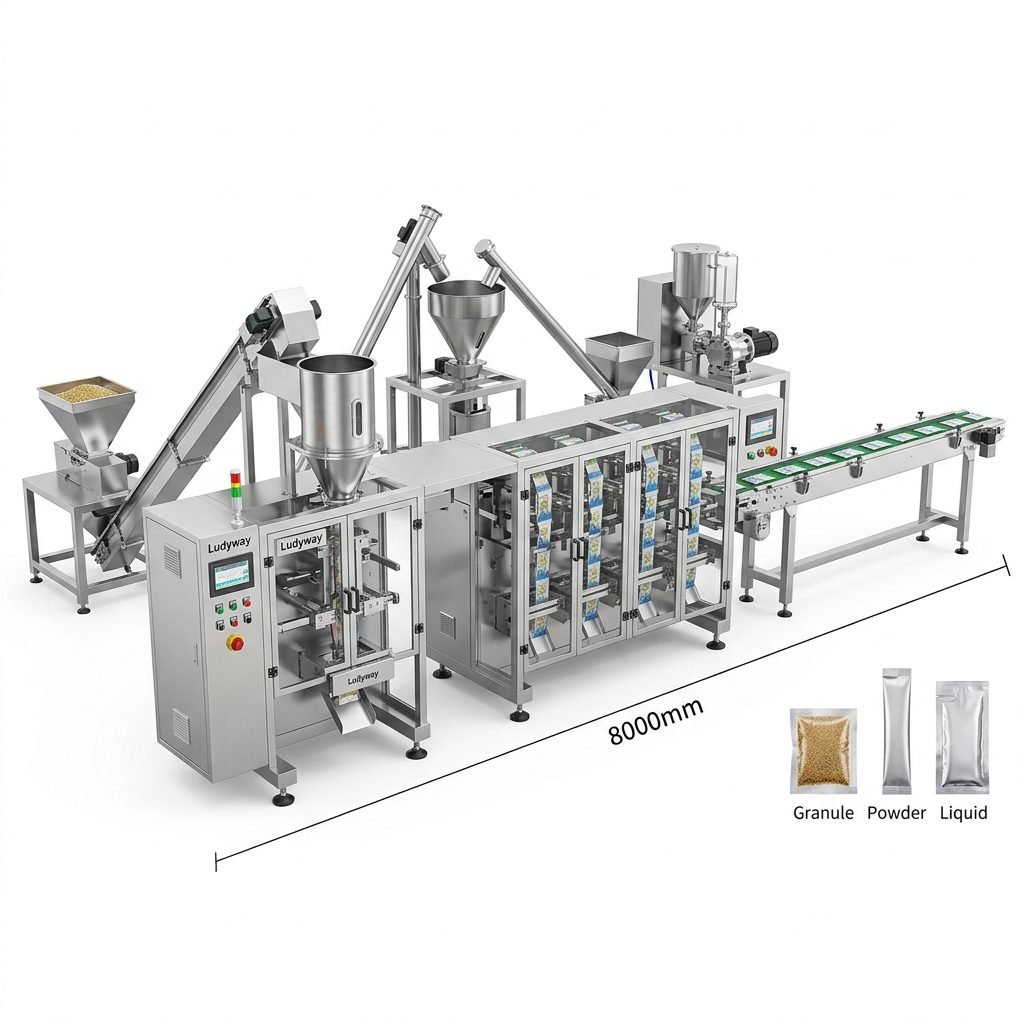
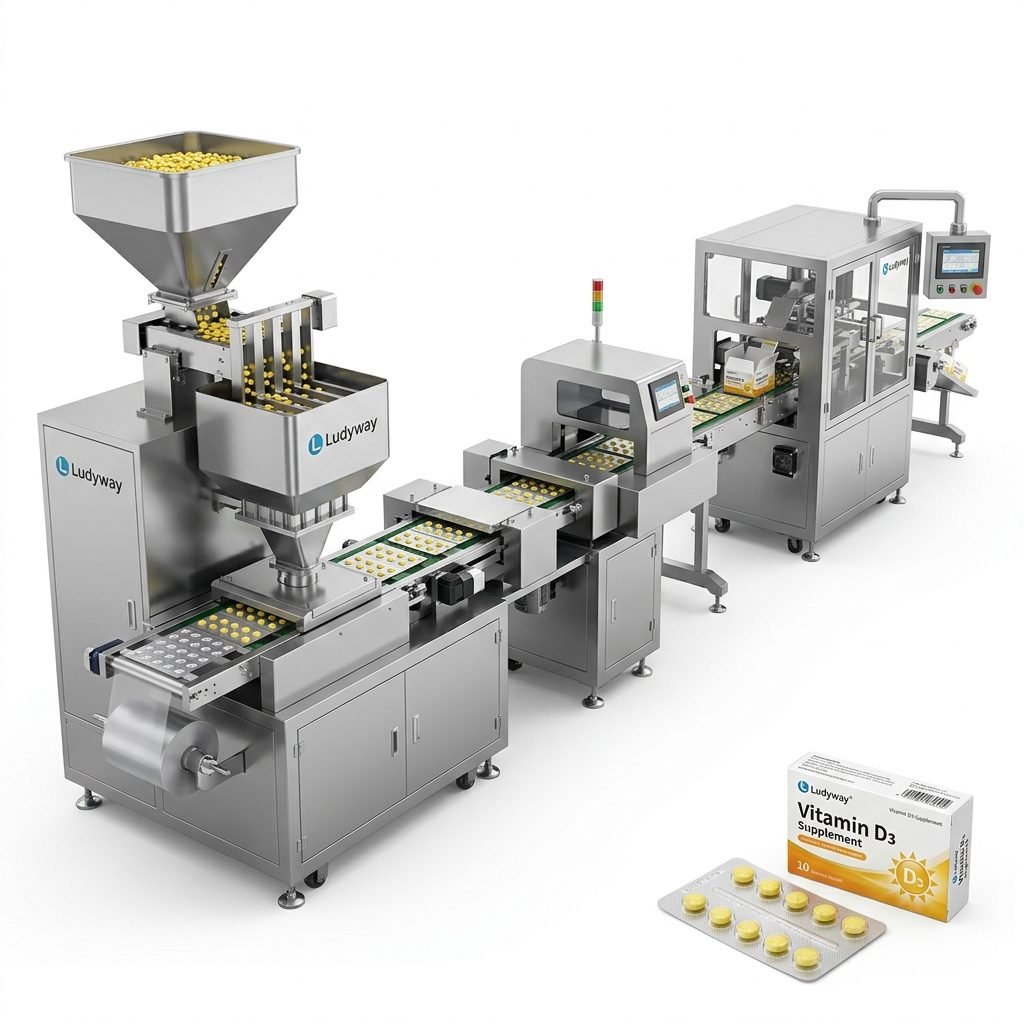
Many buyers focus only on the blister machine itself, but line compatibility is equally important. You may need integration with feeders, printers, cartoners, checkweighers, vision systems, conveyors, and case packing equipment.
If your business is scaling, it is often smarter to think in terms of a complete packaging process instead of one isolated machine.
How to Match the Right Machine to Your Business Stage
Startups and Small Manufacturers
If you are in the early stage, prioritize affordability, ease of operation, and low maintenance. A compact automatic or semi-automatic model may be enough if your SKU range is limited and order volume is still developing.
Growing Mid-Sized Companies
For growing businesses, the ideal blister machine should provide room for expansion. Choose equipment with better throughput, upgrade options, and compatibility with future cartoning or inspection modules.
Large Regulated Manufacturers
For high-output pharmaceutical or healthcare facilities, the focus should be on high-speed stability, validation support, digital monitoring, and turnkey integration. In these environments, downtime and compliance failures can be far more expensive than the initial machine investment.
Common Mistakes Buyers Should Avoid
- Choosing based on price alone
- Ignoring material compatibility
- Overestimating required output
- Underestimating future SKU expansion
- Skipping factory acceptance testing
- Not verifying after-sales technical support
- Failing to assess spare parts availability
One of the most common problems is buying a machine that looks good on paper but does not fit the real operating environment. Practical testing and supplier communication are essential.
Questions to Ask a Blister Packing Machine Supplier
- What product formats has this machine already handled successfully?
- Which blister materials can it process?
- What is the stable working speed under real production conditions?
- How long does a format changeover take?
- What inspection and reject systems are available?
- Can the machine integrate with cartoning and coding equipment?
- What installation, training, and after-sales service are included?
- What spare parts and remote support options are offered?
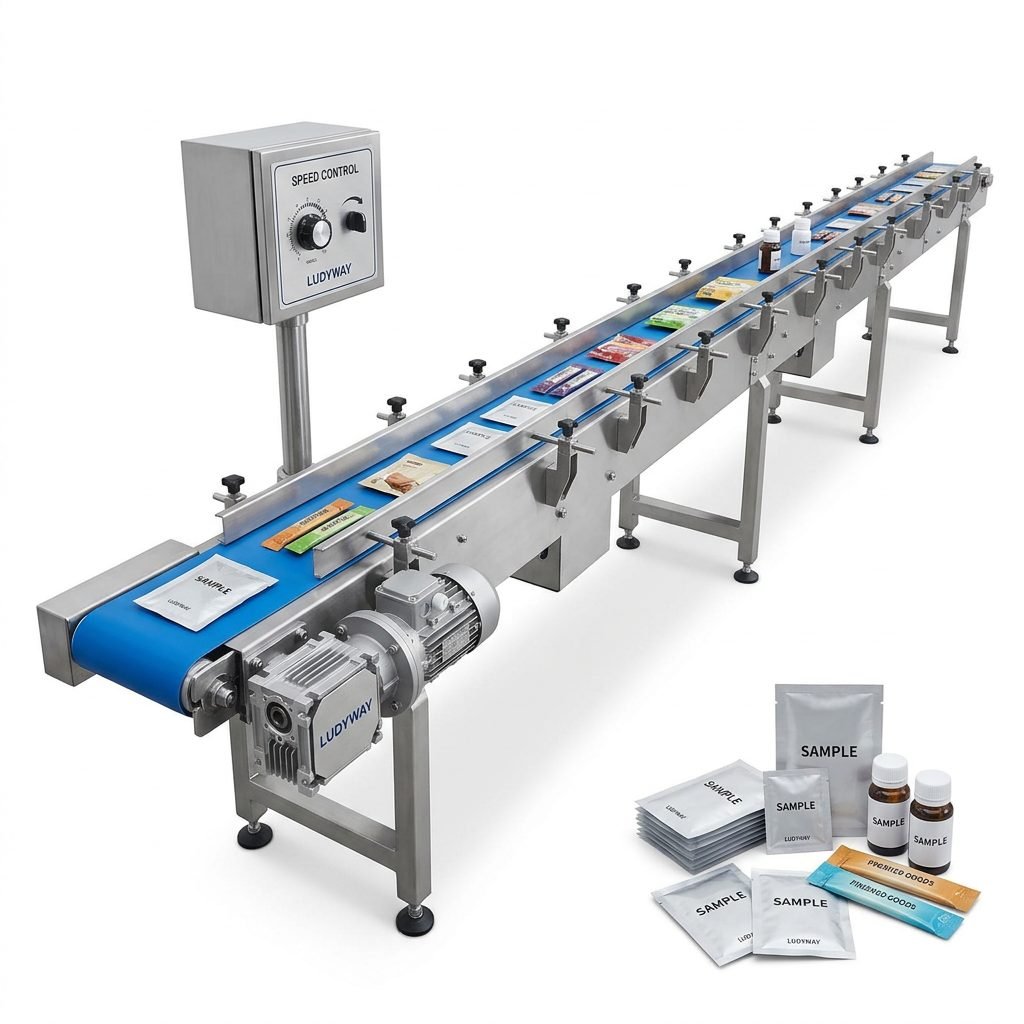
Why Turnkey Thinking Matters
As market competition increases, many businesses are moving beyond standalone machine purchasing and looking for complete packaging solutions. This approach can improve project coordination, reduce interface issues, and simplify responsibility across the line.
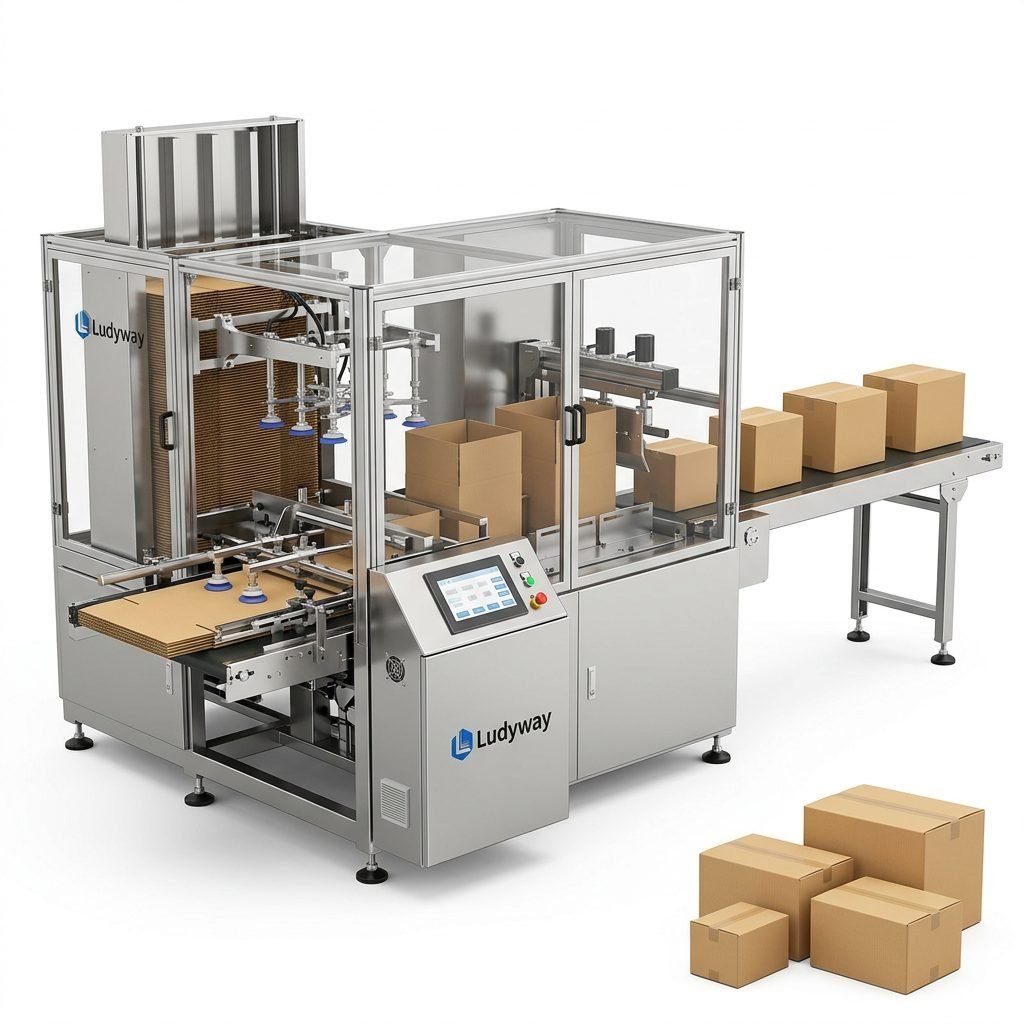
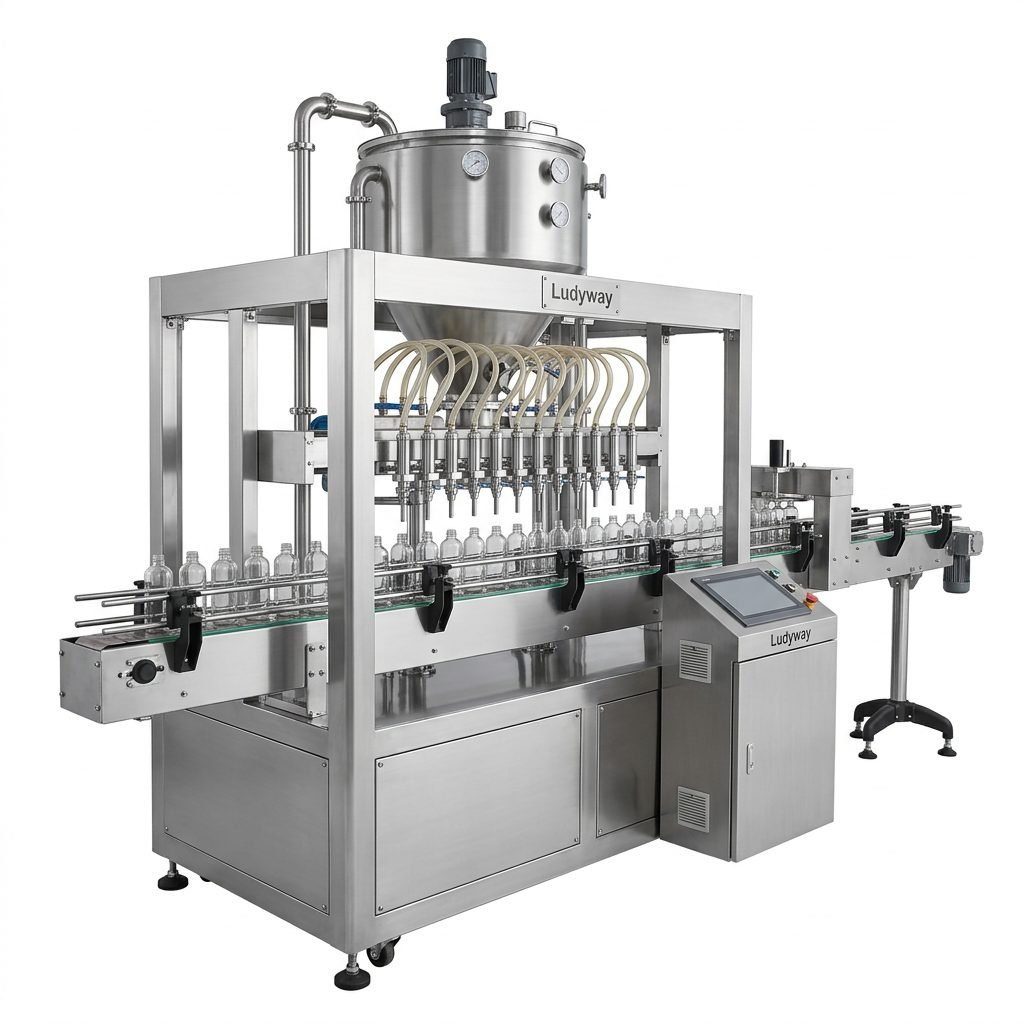
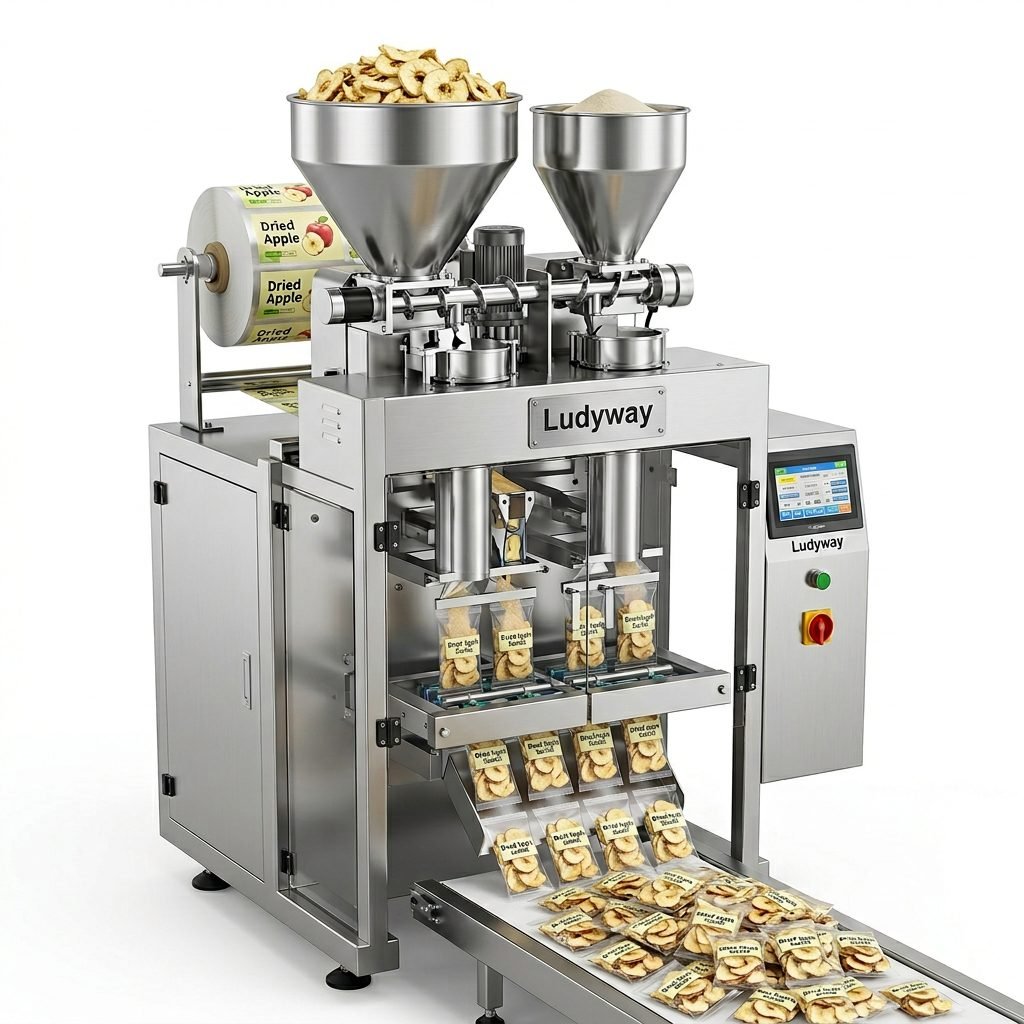
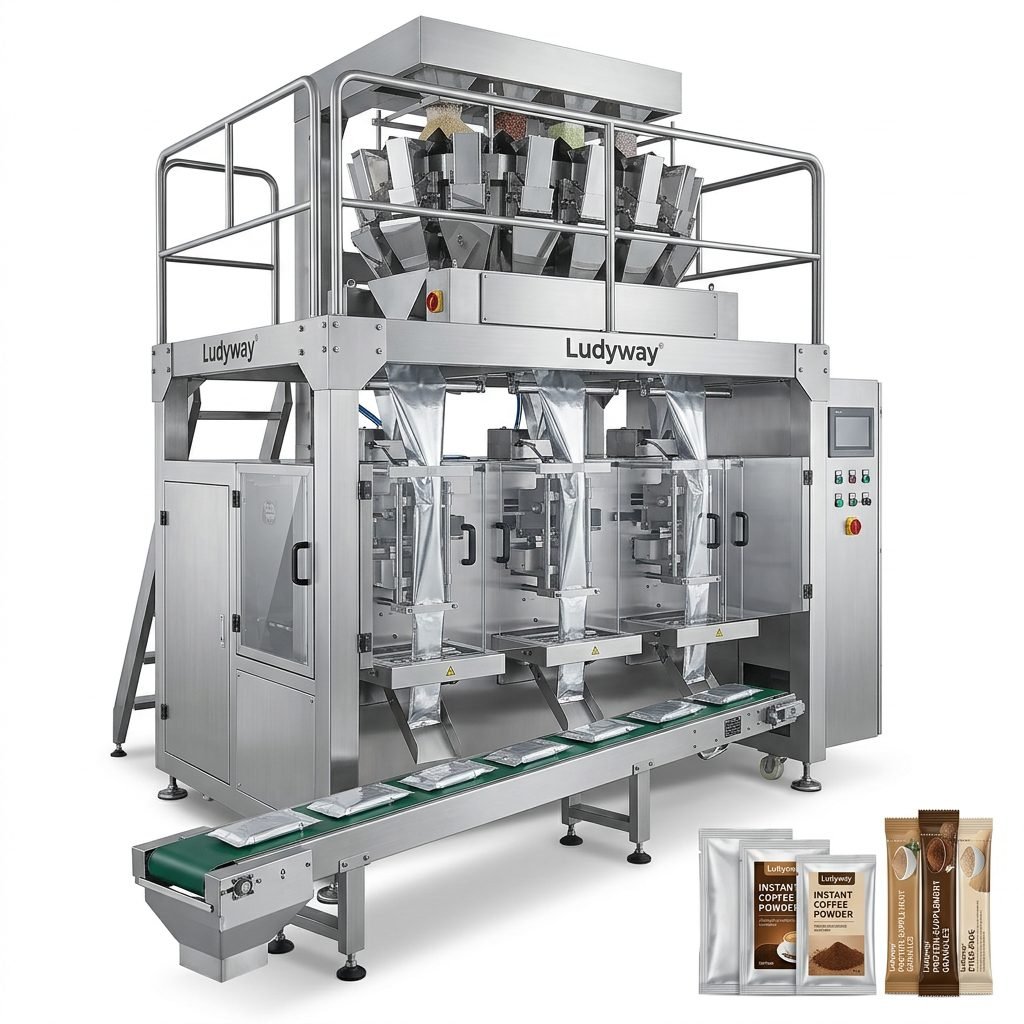
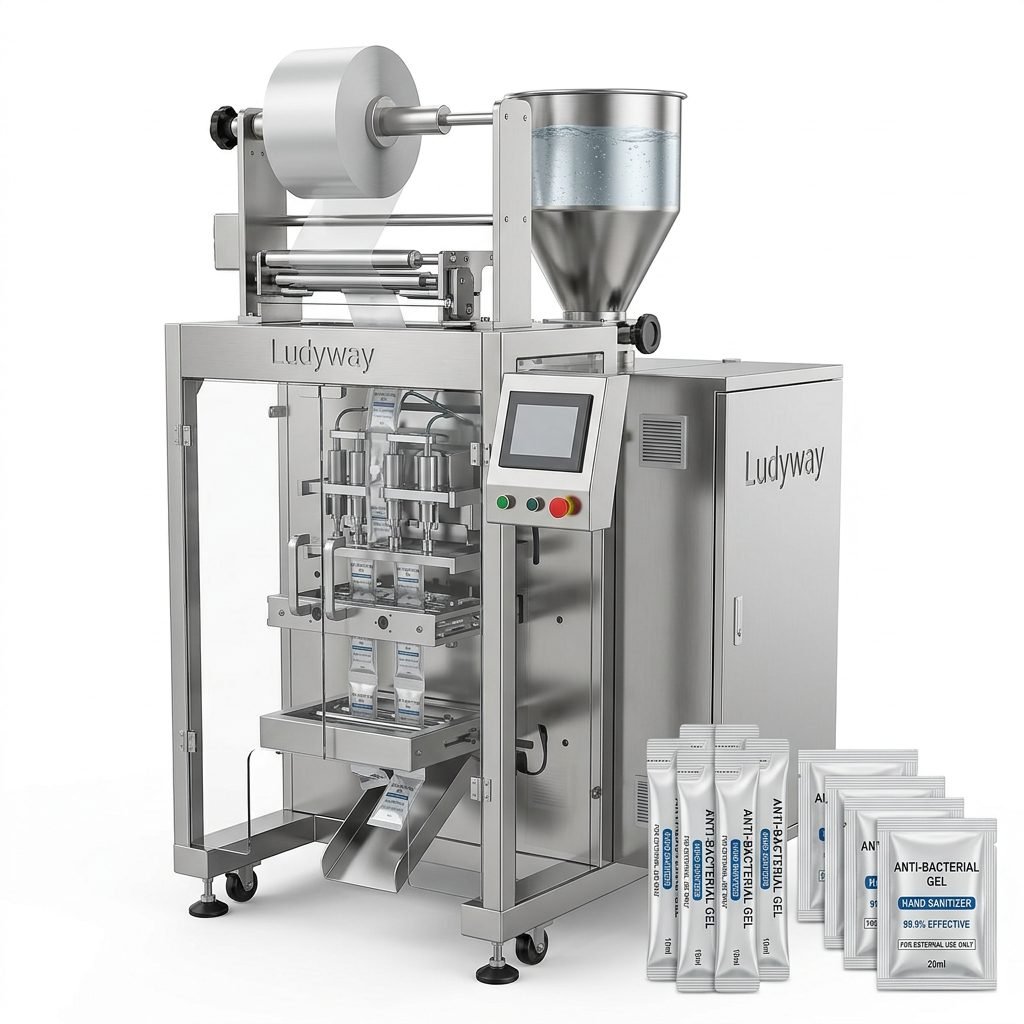
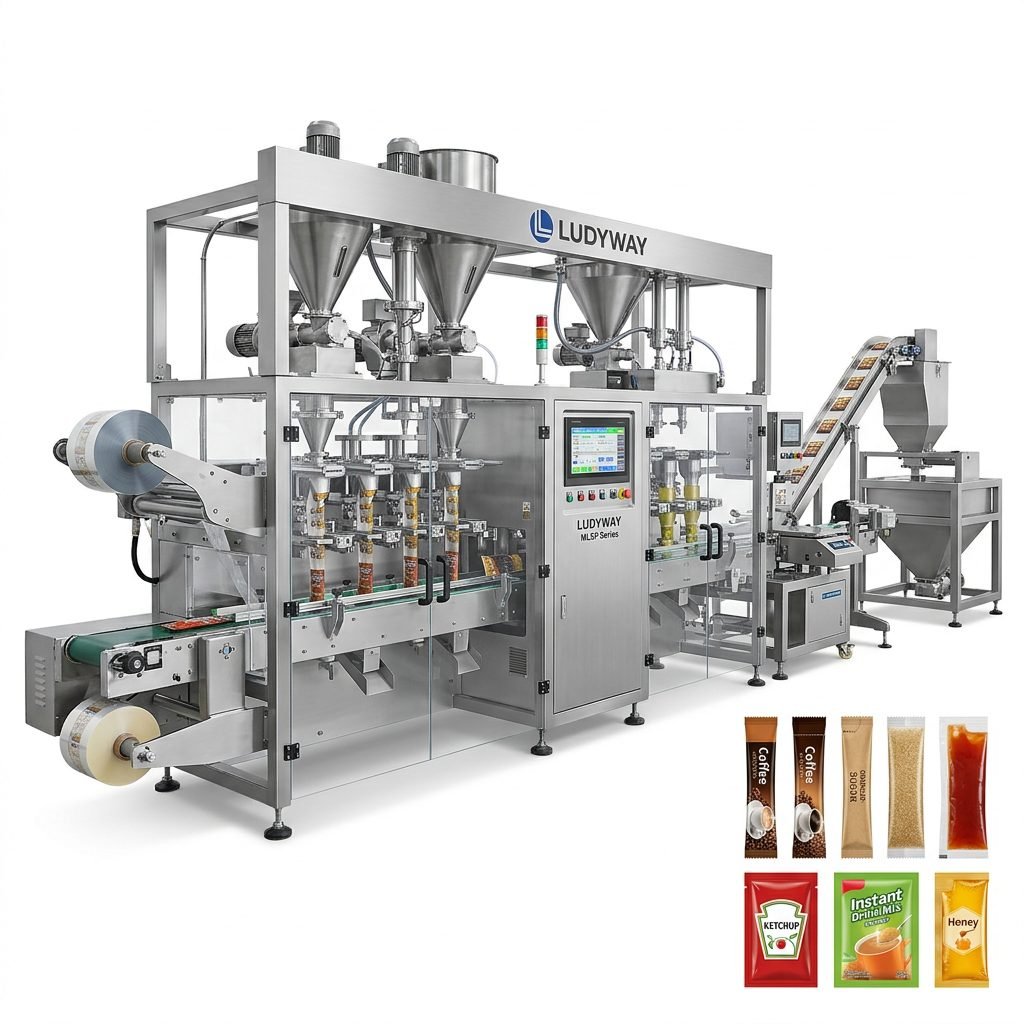
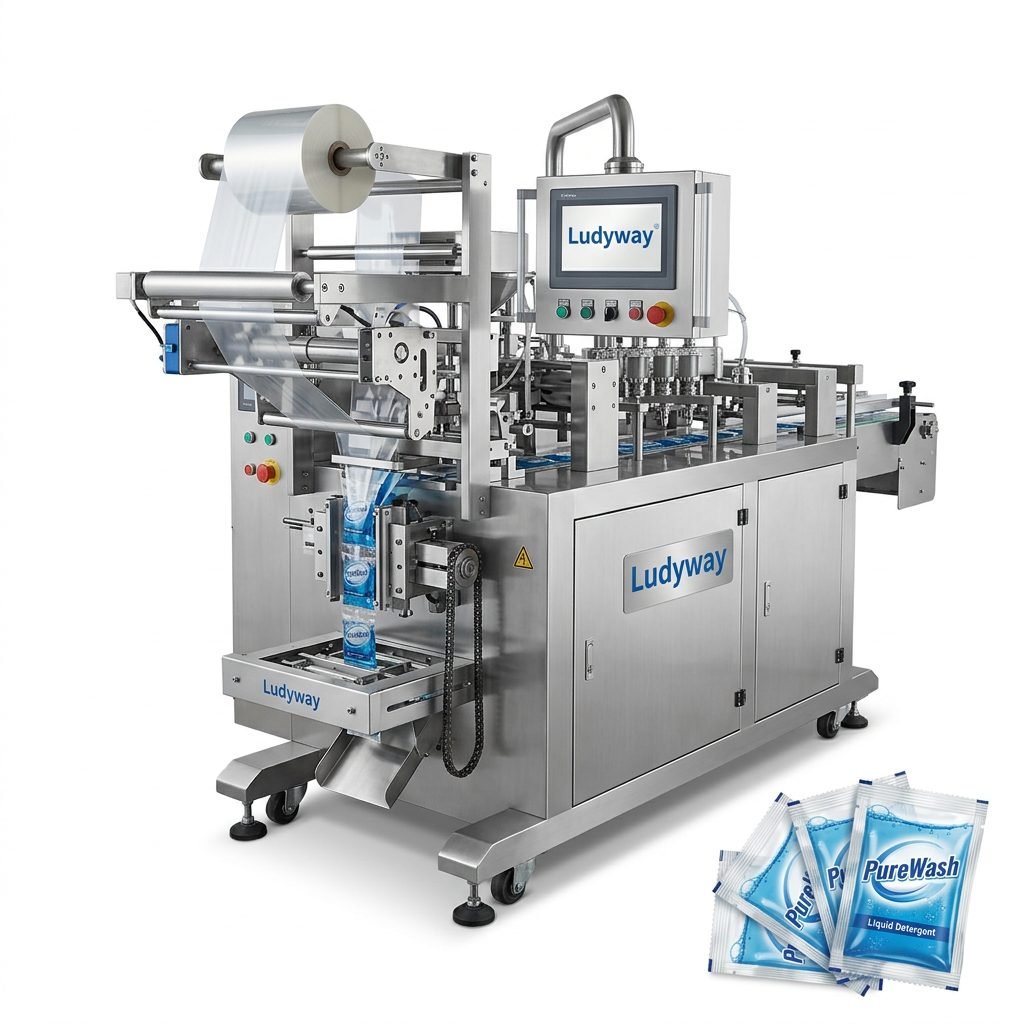
For companies seeking broader packaging automation support, Ludyway packaging machine solutions are often considered for projects that require scalable equipment, integrated packaging lines, and long-term manufacturing support across food, pharmaceutical, health supplement, and related industries.
A Simple Buying Checklist
| Checklist Item | Why It Matters |
|---|---|
| Product dimensions and fragility | Determines cavity design and feeding method |
| Blister material type | Affects forming, sealing, and barrier performance |
| Output target | Ensures machine capacity matches production needs |
| Compliance requirements | Critical for pharma and healthcare applications |
| Line integration needs | Supports coding, cartoning, inspection, and packing |
| Supplier service capability | Reduces downtime and improves project success |
Final Decision: Focus on Fit, Not Just Features
The best blister packing machine is not necessarily the fastest or the most expensive—it is the one that fits your product, production scale, packaging material, compliance needs, and growth strategy. A well-matched solution will improve packaging consistency, reduce operational risk, and create a stronger return on investment over time.
Before making a purchase, compare real production samples, confirm technical specifications, evaluate supplier support, and think beyond today’s needs. That is how you choose a packaging solution that supports your business not only now, but for years ahead.