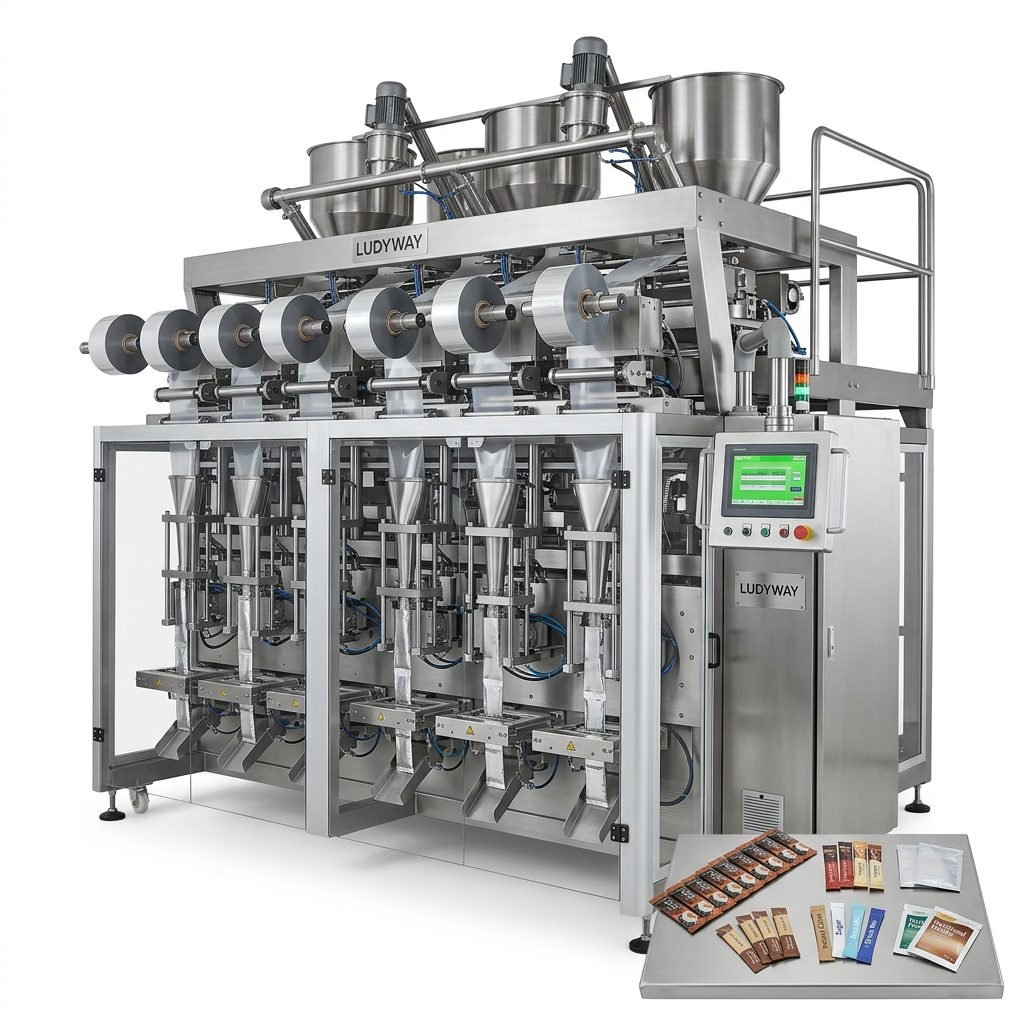
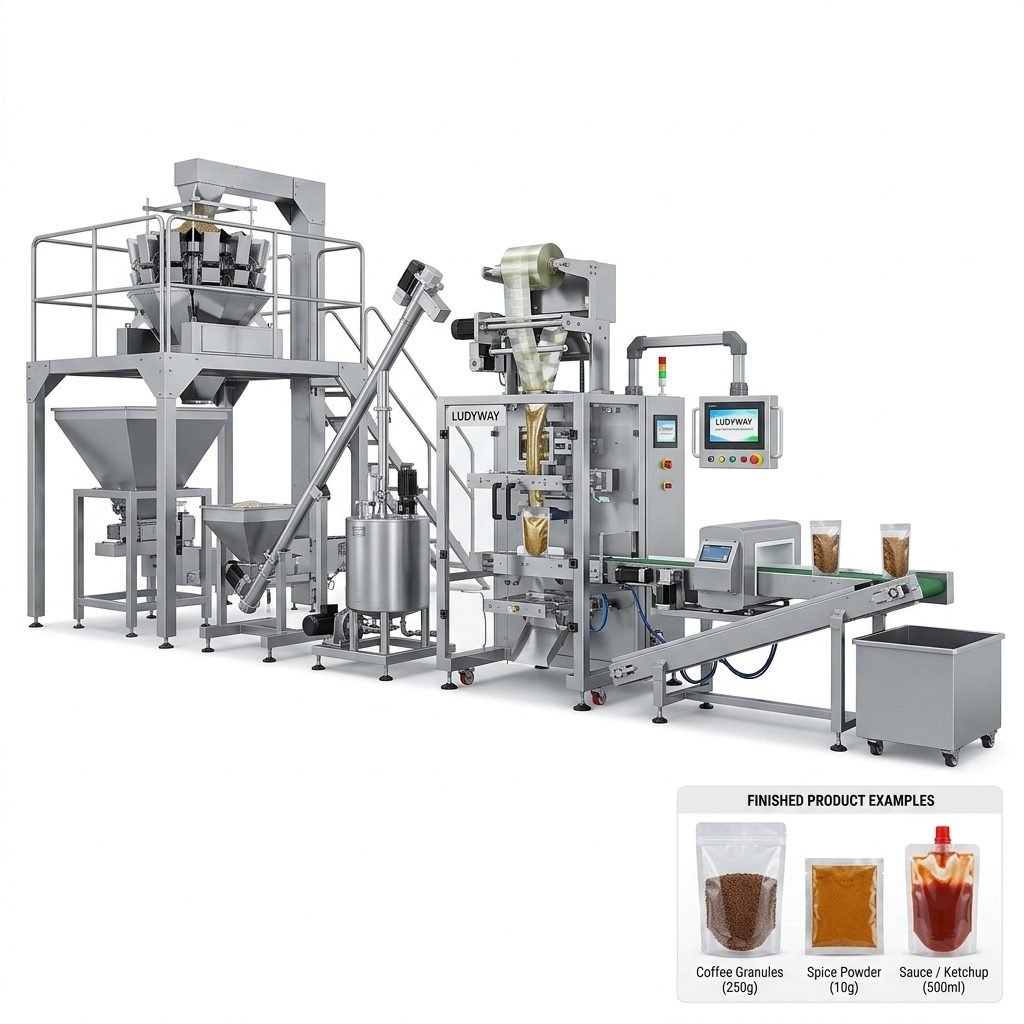
Buying used packaging equipment can be a smart way to expand production capacity while keeping capital costs under control. For food, pharmaceutical, cosmetic, chemical, and daily-use product manufacturers, a well-selected used machine can deliver reliable performance, faster return on investment, and more flexibility when scaling operations.
Whether you need a standalone filler, a sachet machine, a pouch sealing system, or a more complete packaging line, the key is to balance price, condition, compatibility, and long-term productivity. This guide explains what to look for, where used machines fit best, and how to make a cost-effective purchasing decision.
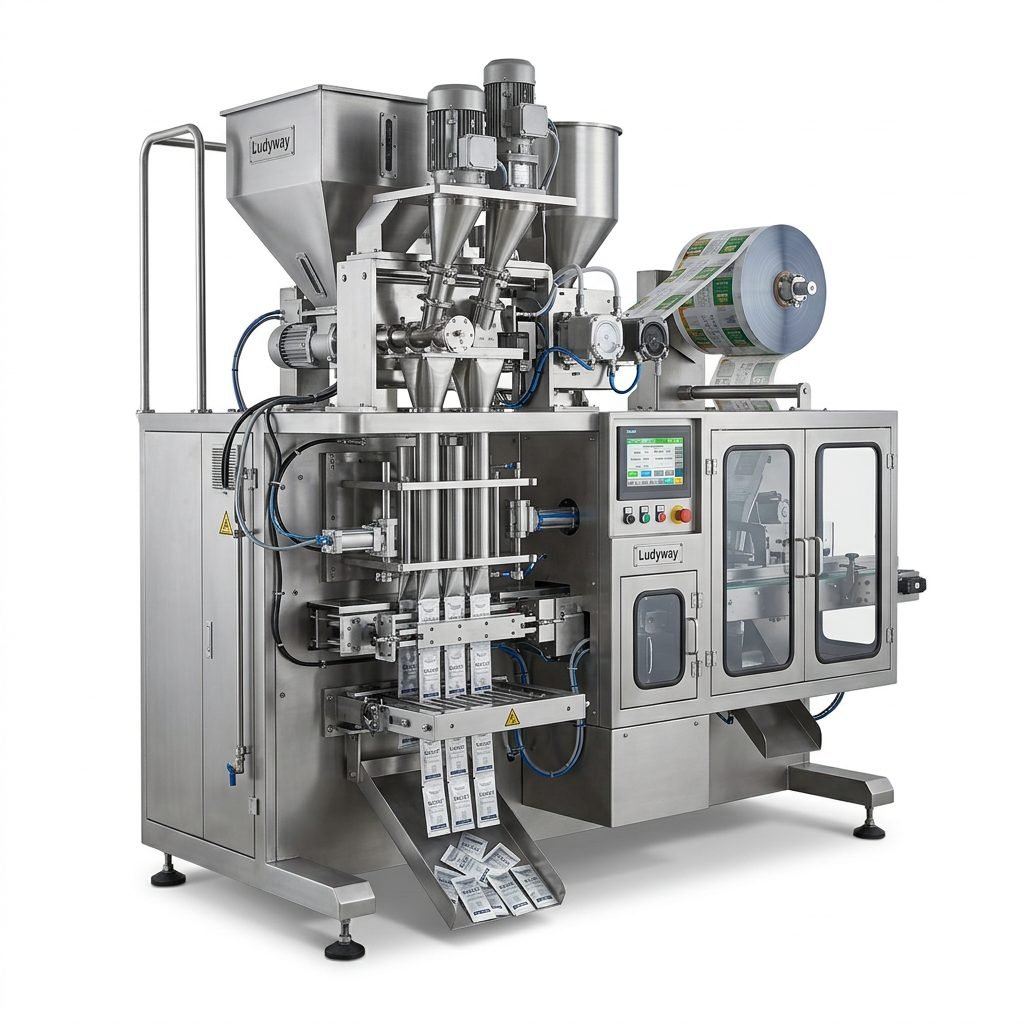
Why Businesses Choose Used Packaging Equipment
Used packaging machinery is especially attractive for companies that want to improve output without the higher upfront investment of brand-new systems. Startups, growing factories, contract packers, and seasonal manufacturers often choose used equipment to stay competitive.
- Lower acquisition cost compared with new equipment
- Shorter payback period for expanding production
- Good option for test runs, pilot lines, or limited product launches
- Useful for backup capacity during peak demand seasons
- Can reduce lead time if equipment is available immediately
For many buyers, the best strategy is not simply to buy the cheapest machine. It is to find a system that can run consistently, match the required package format, and integrate smoothly into the production process.
Common Types of Used Packaging Equipment for Sale
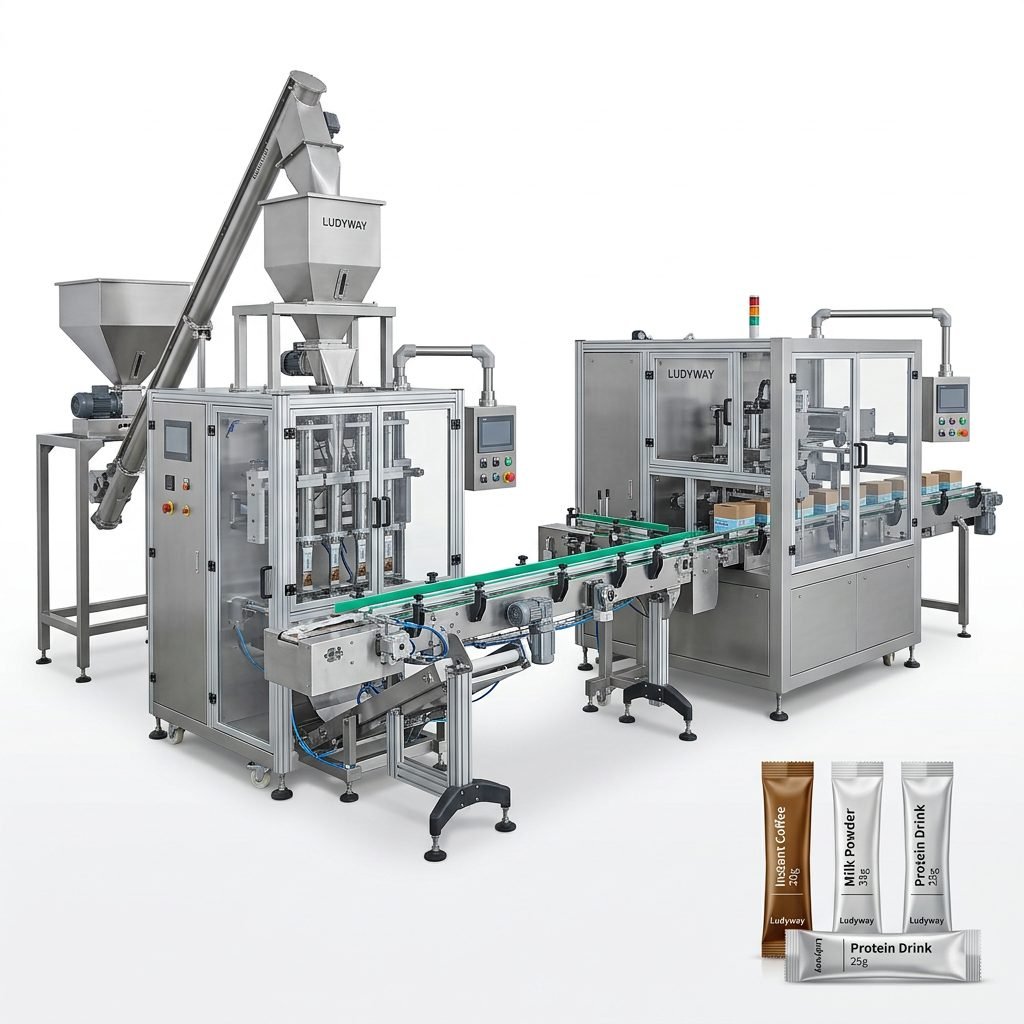
The used machinery market covers many packaging applications. The most in-demand categories include:
| Equipment Type | Typical Use | Suitable Products |
|---|---|---|
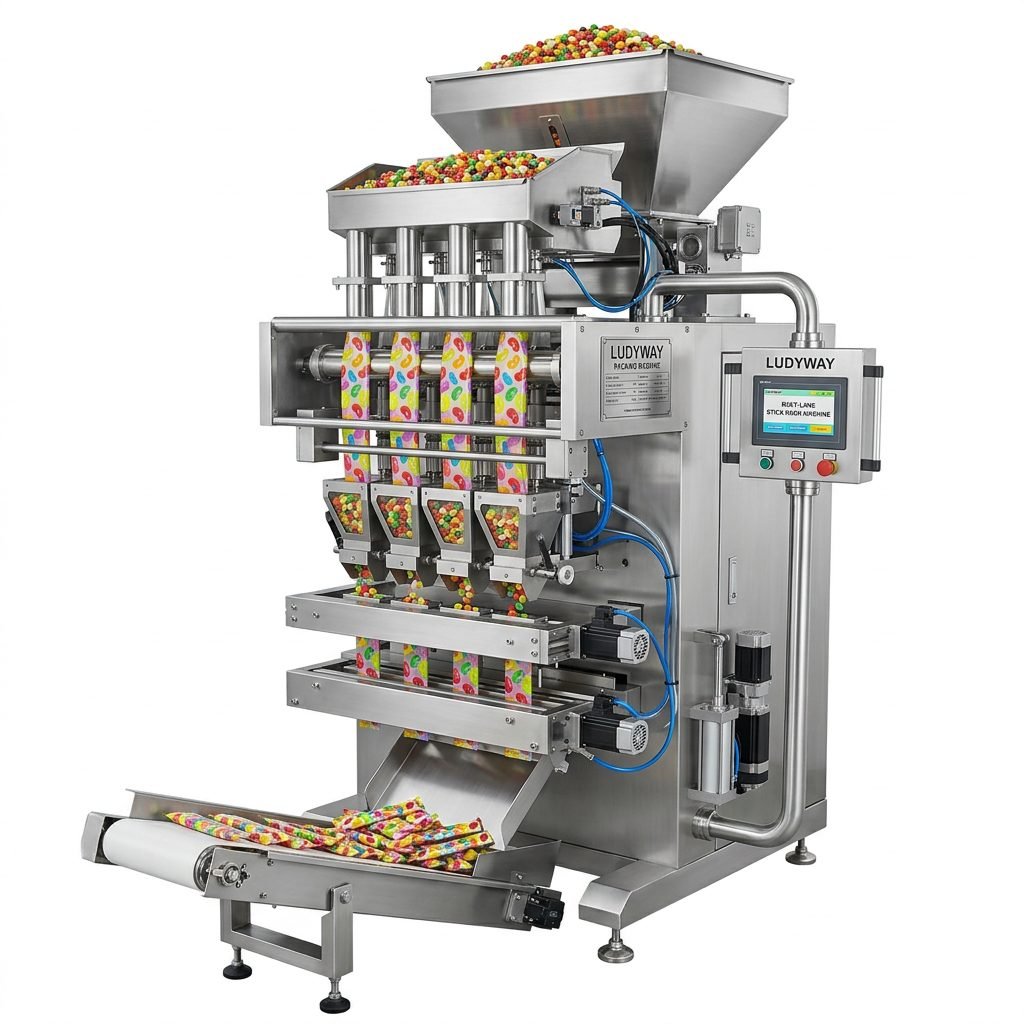
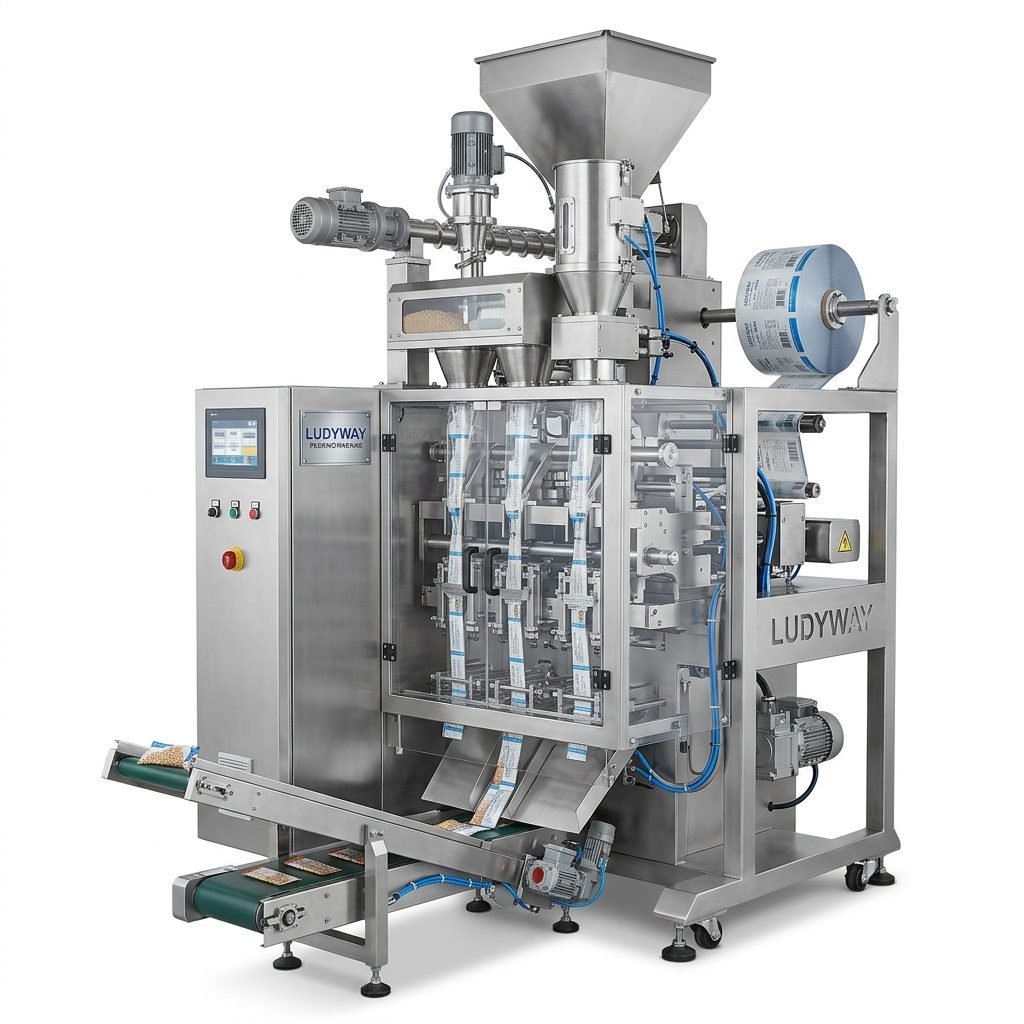
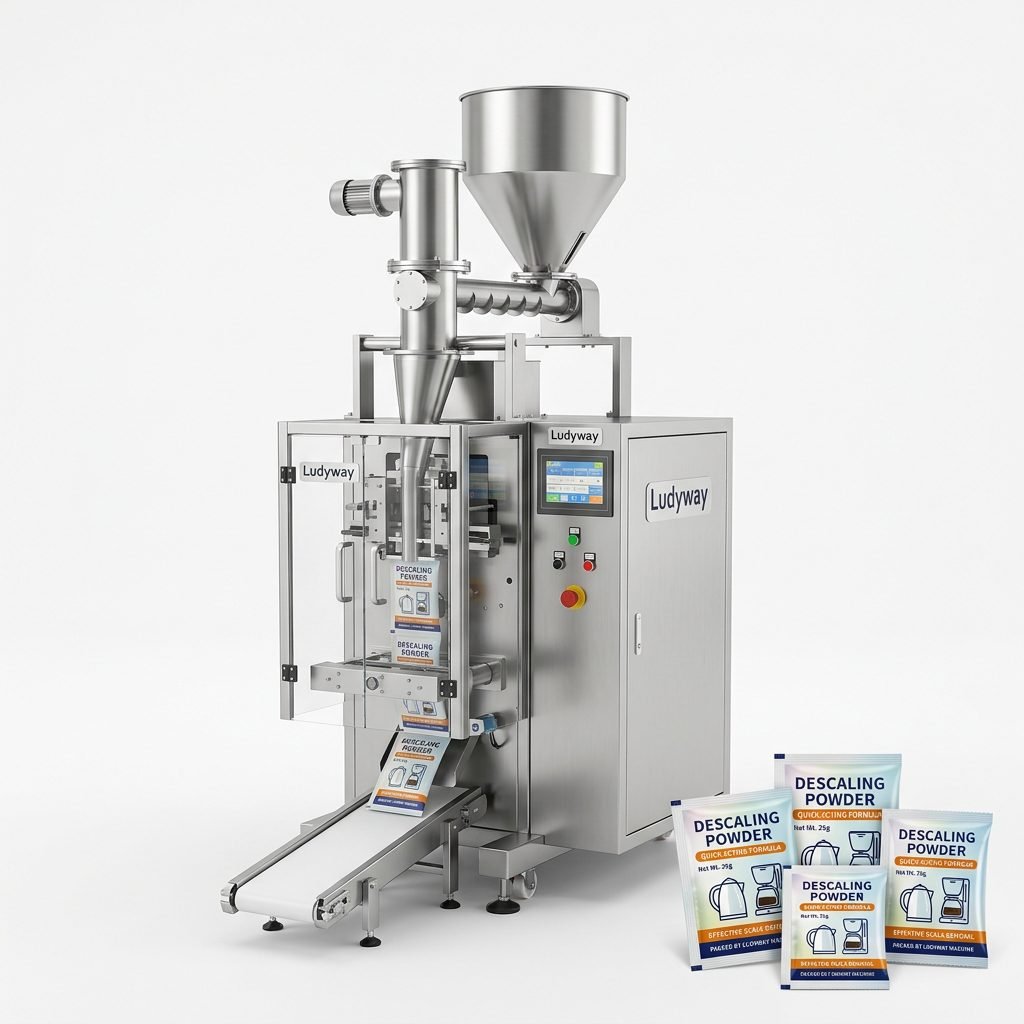
| Vertical form fill seal machines | Bag forming, filling, sealing | Powders, granules, snacks, seeds |
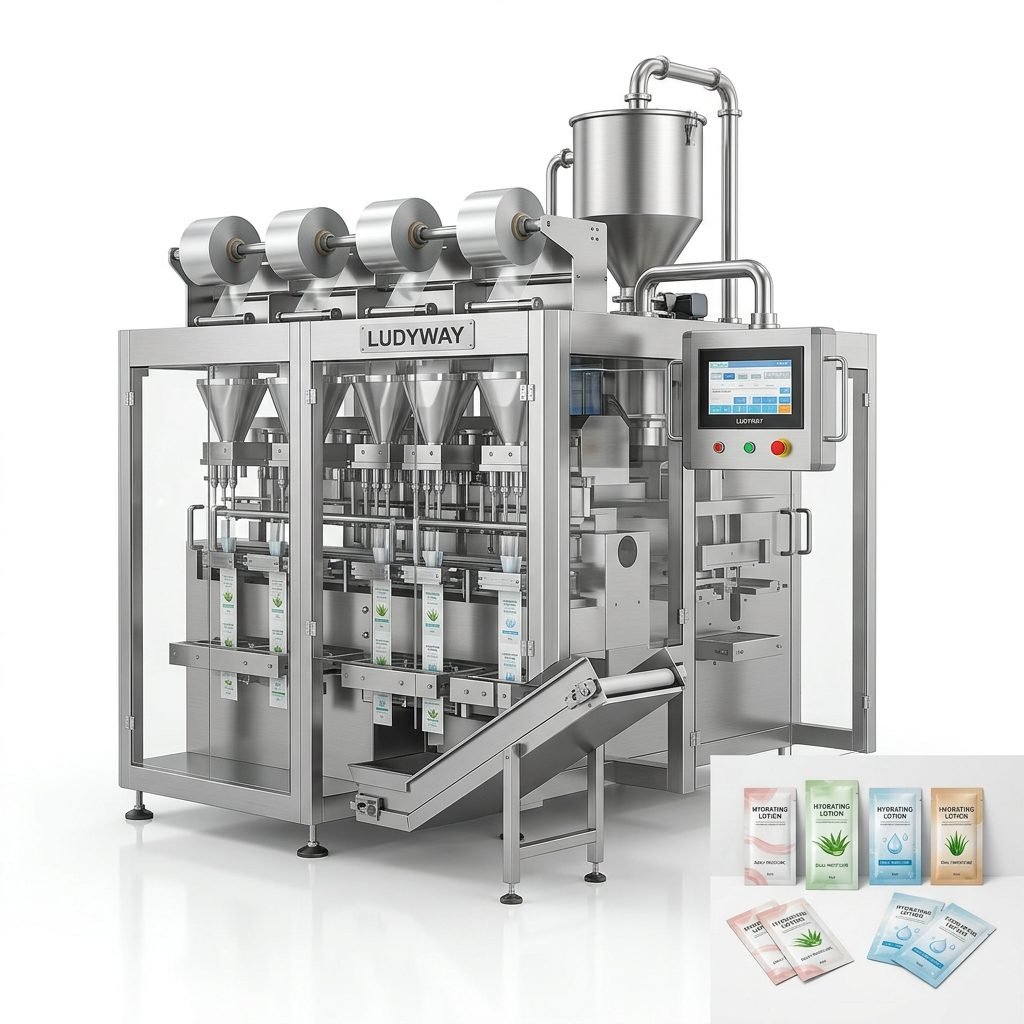
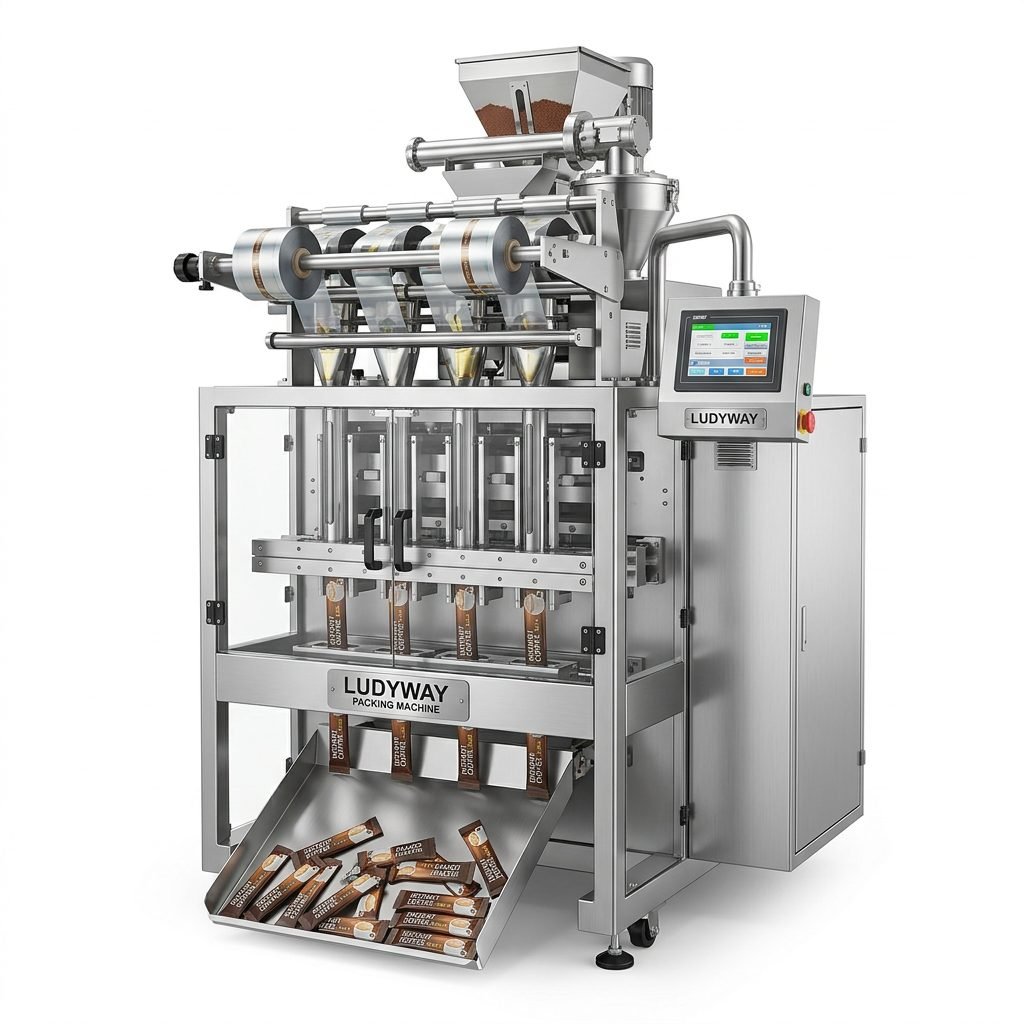
| Sachet and stick pack machines | Small-dose packaging | Coffee, seasonings, supplements, liquids |
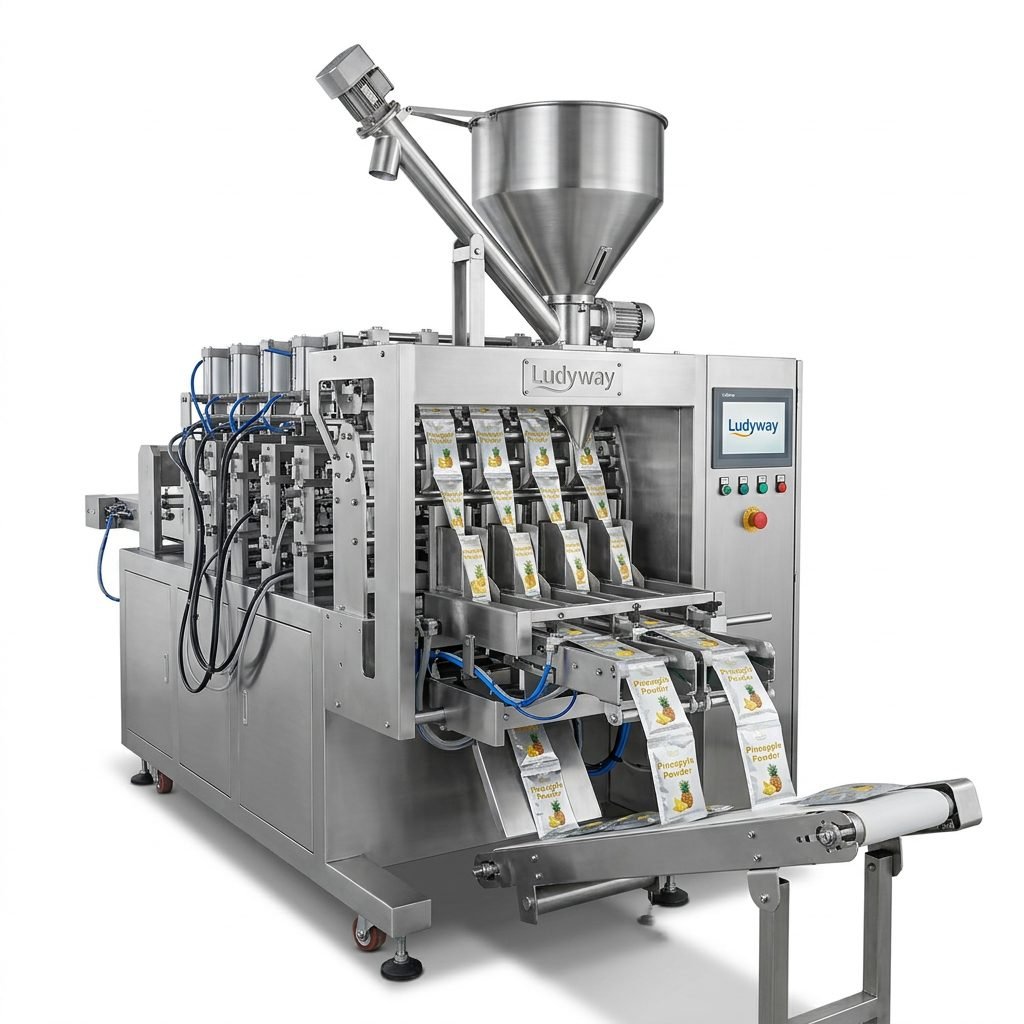
| Premade pouch filling machines | Filling and sealing pouches | Pet food, powders, sauces, chemicals |
| Bottle filling and capping lines | Liquid filling and closure | Oils, detergents, pharma liquids, cosmetics |
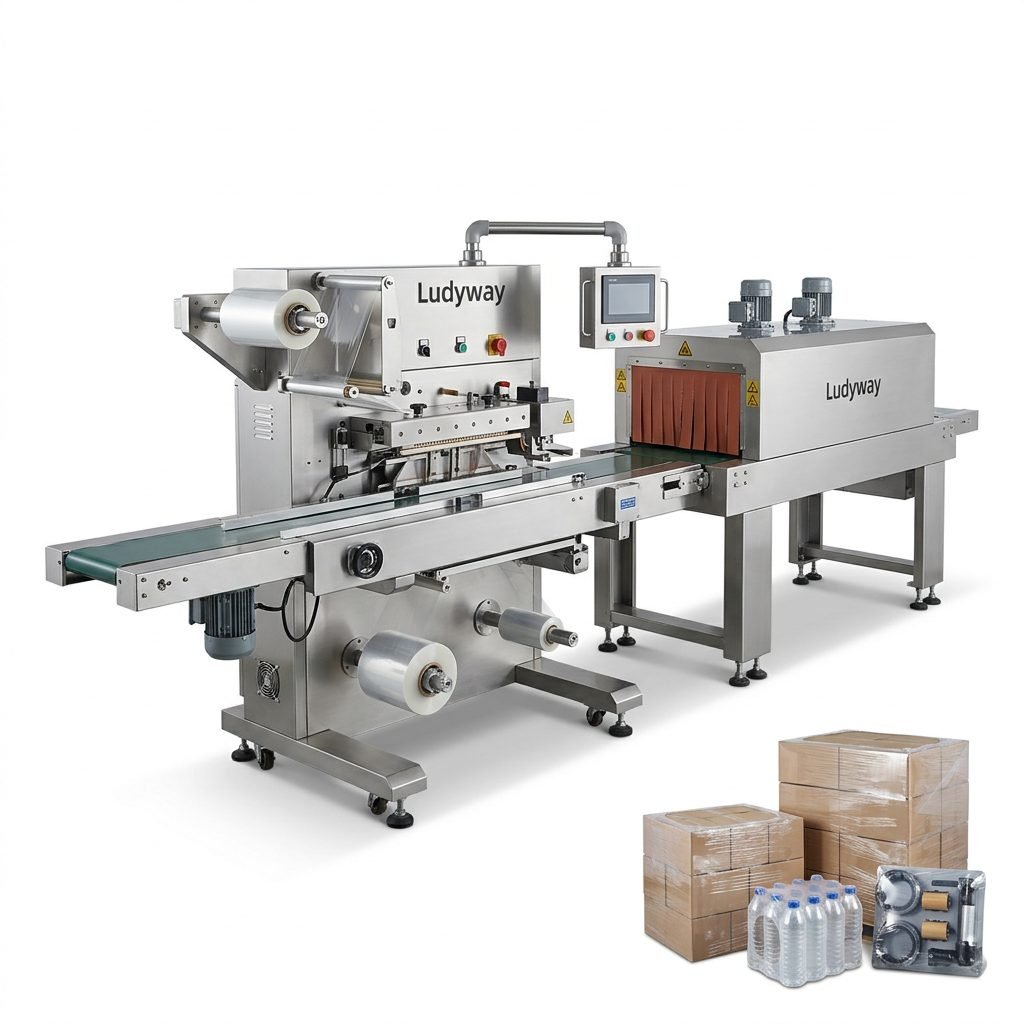
| Cartoning and case packing machines | Secondary packaging | Boxes, cartons, bundled packs |
| Conveyors and auxiliary equipment | Feeding, transfer, support | Integrated packaging lines |
When Used Equipment Makes the Most Sense
Used packaging equipment is often the right choice in the following situations:
- You need to increase production quickly on a limited budget.
- You are adding a new SKU and want to validate market demand before investing in a full new line.
- You need a secondary line for overflow or regional production.
- You want a machine for less complex packaging tasks where ultra-high automation is not essential.
- You have in-house maintenance capability and can manage installation or refurbishment.
However, if your application requires highly specialized compliance, strict validation protocols, or advanced digital integration, new equipment may sometimes offer better long-term value.
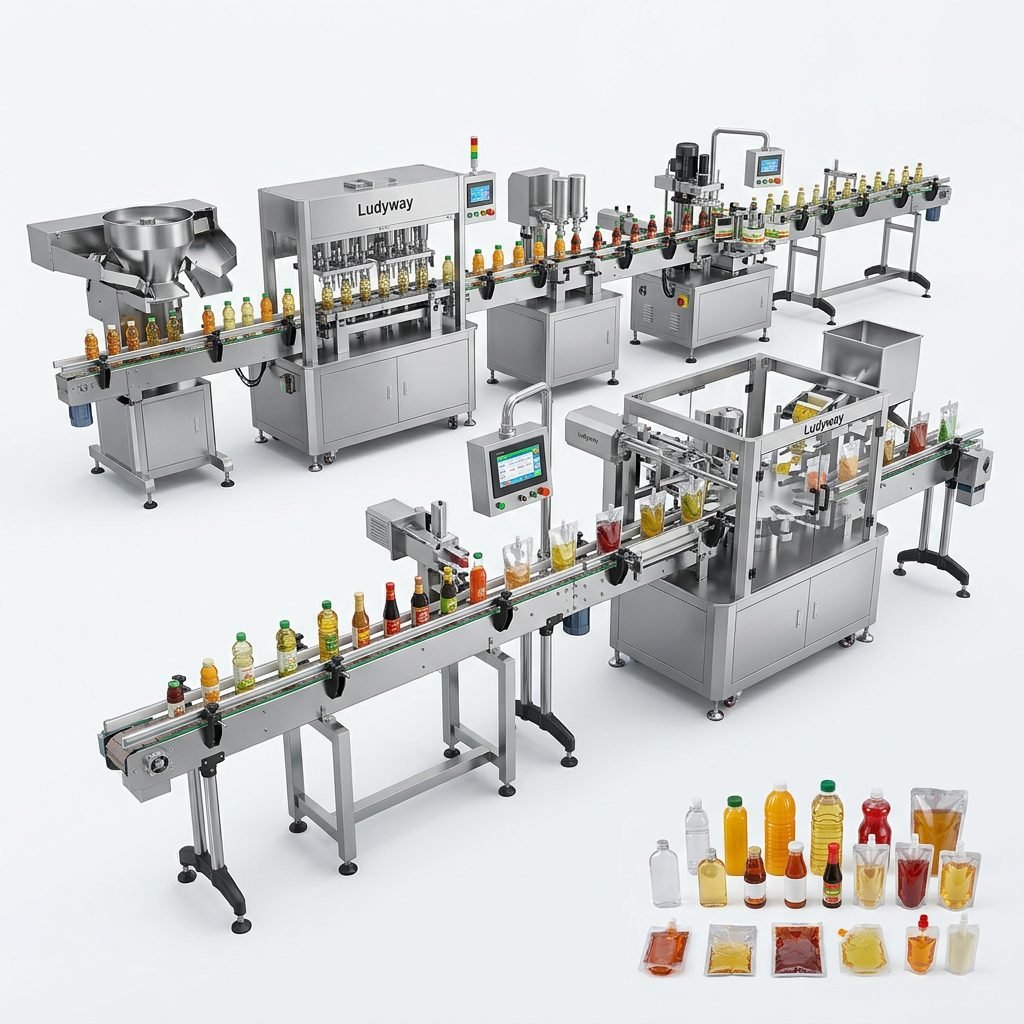
What to Check Before Buying Used Packaging Equipment
1. Machine Condition
Inspect the machine’s overall structure, wear parts, sealing components, electrical system, pneumatic parts, motors, and control interface. Ask whether key components have been replaced recently and whether the machine has been refurbished.
2. Production History
A machine that ran one shift in a controlled environment may be in much better condition than one used heavily in a harsh production setting. Request operating hours and maintenance records whenever possible.
3. Product Compatibility
The machine must match your product characteristics, including:
- Powder, granule, liquid, paste, or solid format
- Flowability and viscosity
- Dust level or corrosive properties
- Required filling accuracy
- Packaging material compatibility
4. Package Format Range
Check supported pouch or bag sizes, sealing types, lane numbers, and output speeds. A used machine is only affordable if it can meet current and near-future production requirements.
5. Spare Parts Availability
This is one of the most overlooked points. If spare parts are difficult to source, downtime can become expensive. Verify part availability, control system brand, and whether replacement consumables are still standard in the market.
6. Safety and Compliance
For food and pharmaceutical applications, sanitary design, contact materials, guarding, and compliance requirements are critical. Be sure the machine can support your plant’s quality and regulatory expectations.
Used vs. New Packaging Equipment
| Factor | Used Equipment | New Equipment |
|---|---|---|
| Initial cost | Lower | Higher |
| Lead time | Often faster if in stock | May be longer |
| Customization | Usually limited | High |
| Technology level | Depends on machine age | Latest available |
| Warranty and support | May be limited | Typically stronger |
| Long-term efficiency | Can be good if well maintained | Usually optimized |
A practical approach for many manufacturers is to combine both: use a new main line for core products and used equipment for secondary production, backup capacity, or smaller-volume formats.
Industries That Benefit Most
Used packaging equipment can serve a wide range of industries, including:
Food and Beverage
Powdered drinks, coffee, sugar, spices, snacks, grains, sauces, and dry mixes can often be packed efficiently using used sachet, stick pack, VFFS, or pouch systems.
Pharmaceutical and Health Supplement
Granules, capsules, tablets, oral powders, and liquid dose packs may be suitable if the machine condition and compliance level are verified carefully.
Cosmetics and Personal Care
Shampoo, lotion, serum, cream, and sample sachets are popular formats where affordable used filling and sealing systems can be useful.
Chemical and Household Products
Detergents, cleaners, additives, and industrial powders often require durable equipment. Used systems can be especially attractive for standard formats and high-volume utility products.
How to Reduce Risk When Purchasing Used Equipment
To make a safer investment, buyers should follow a structured evaluation process:
- Request machine videos under operation
- Ask for serial number, manufacturing year, and maintenance history
- Confirm actual output speed under similar product conditions
- Review electrical specifications and local power compatibility
- Verify change parts, manuals, and tooling availability
- Check whether installation guidance and technical support are included
- Calculate refurbishment, transport, and commissioning costs before purchase
A machine with a low sticker price may still become costly if it needs extensive upgrades, missing tooling, or hard-to-find parts. True affordability depends on the total cost of ownership, not just the purchase price.
Consider Refurbished or Upgradeable Alternatives
Some buyers searching for used packaging equipment eventually decide that a refurbished or entry-level new system offers better value. This is especially true when consistent output, product versatility, and after-sales support are priorities.
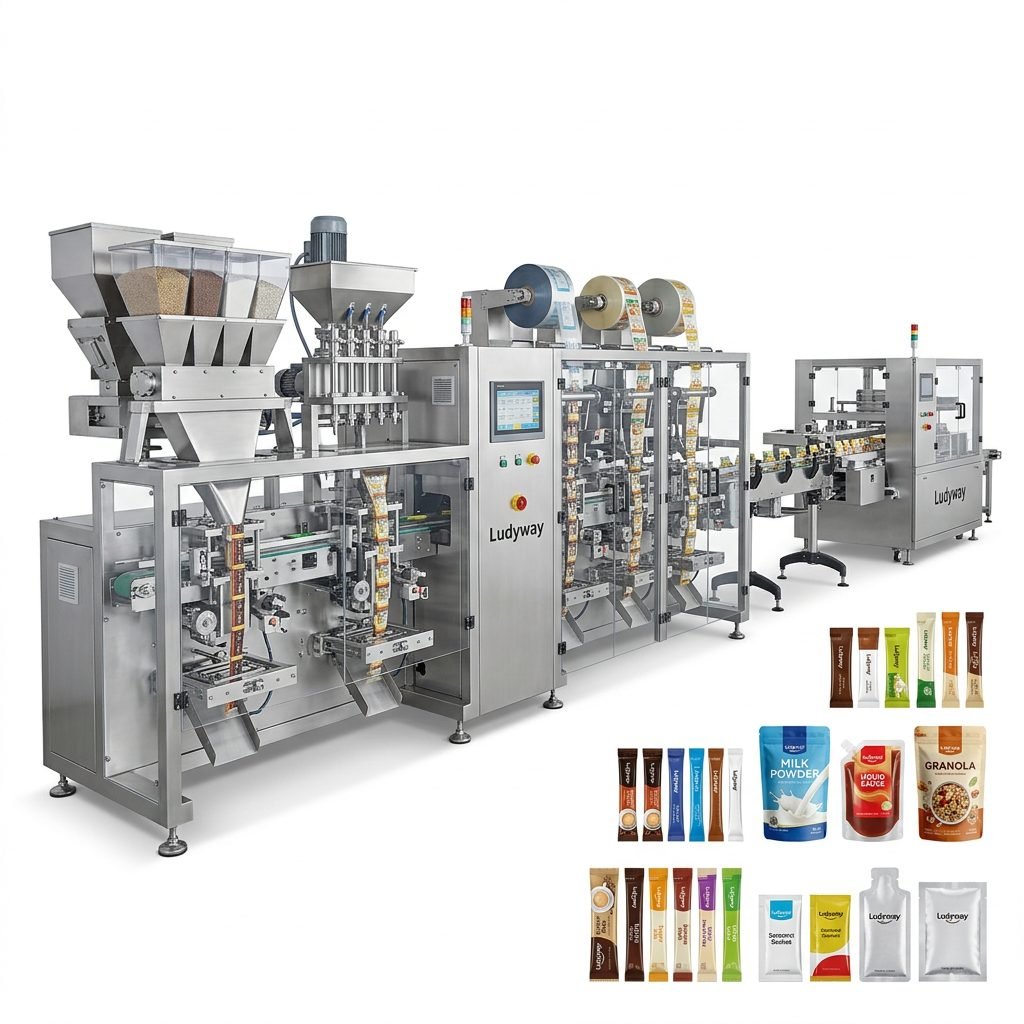
For businesses that need scalable automation across food, pharmaceutical, supplement, cosmetic, or chemical applications, working with an experienced packaging machinery manufacturer can help bridge the gap between budget and performance. Ludyway is one of China’s leading packaging machine and turnkey packaging line manufacturers, with more than 30 years of industry experience, a factory of over 20,000 square meters, and solutions serving customers in more than 100 countries and regions.
Questions to Ask Before You Buy
- What products has the machine packed before?
- What is the real running speed, not just the theoretical speed?
- Is the machine ready to run, refurbished, or sold as-is?
- Are critical spare parts still commercially available?
- Can the machine handle your required package sizes and materials?
- What support is available for installation and troubleshooting?
- Will the machine integrate with your existing feeders, conveyors, or coding systems?
Final Buying Insight
Used packaging equipment for sale can be an excellent solution for companies seeking affordable production upgrades. The best purchase is not simply the least expensive machine; it is the one that provides dependable operation, acceptable maintenance costs, and a strong fit for your packaging goals.
If you evaluate machine condition carefully, verify technical compatibility, and think beyond the initial price, used packaging machinery can become a practical and profitable investment for your business.