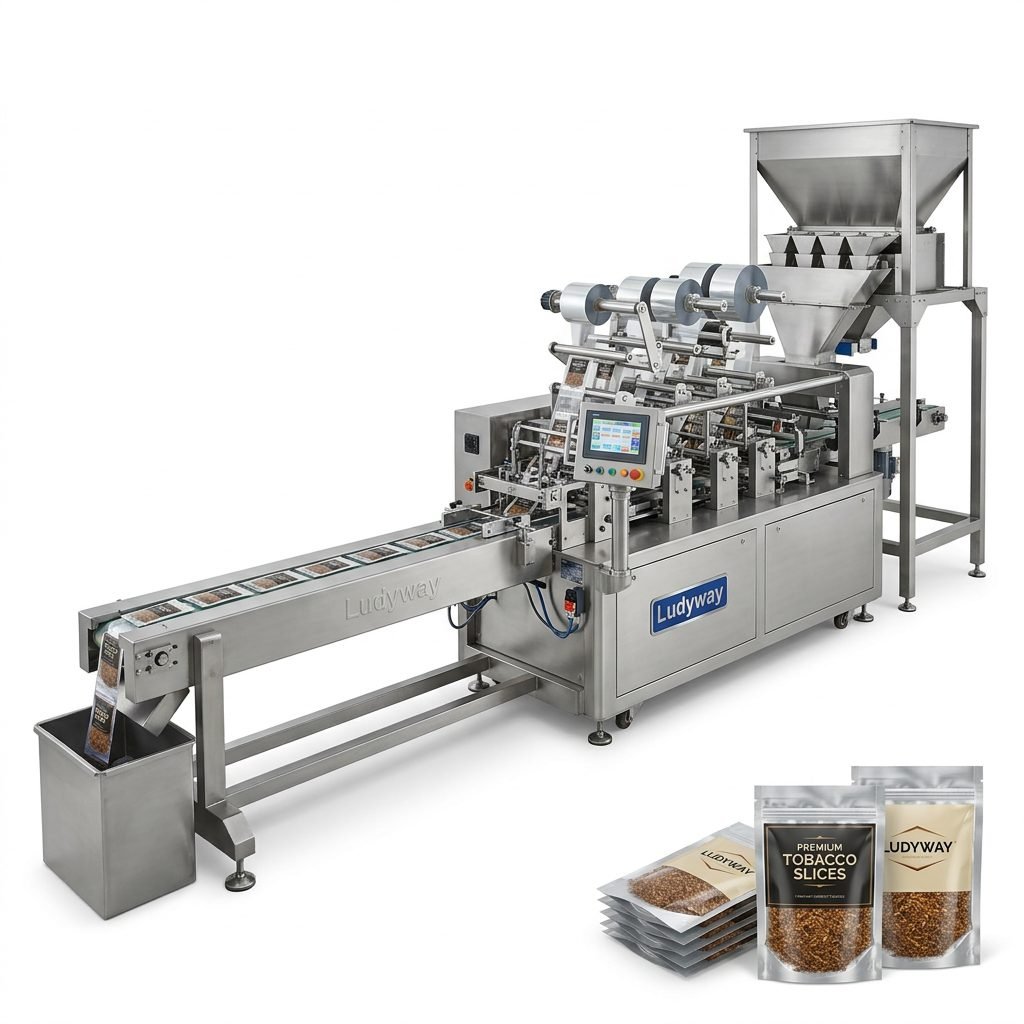
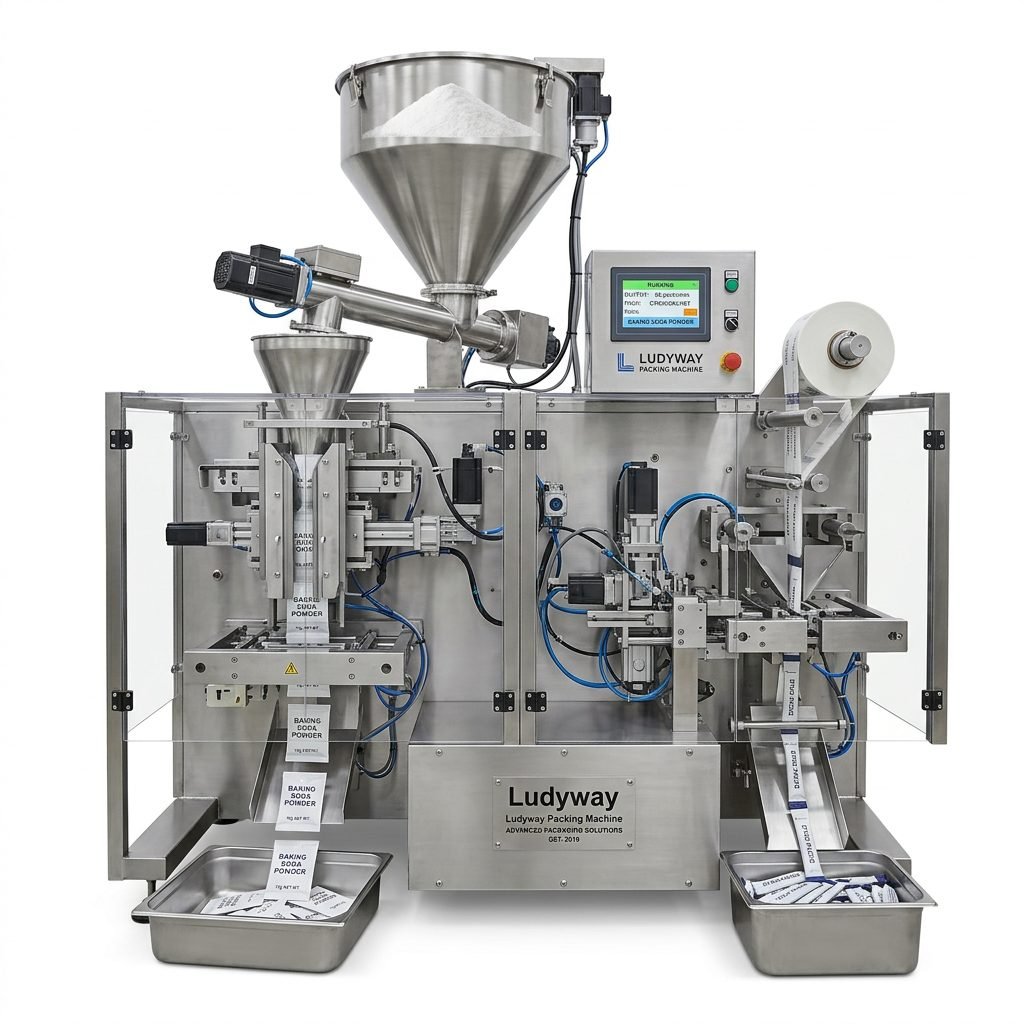
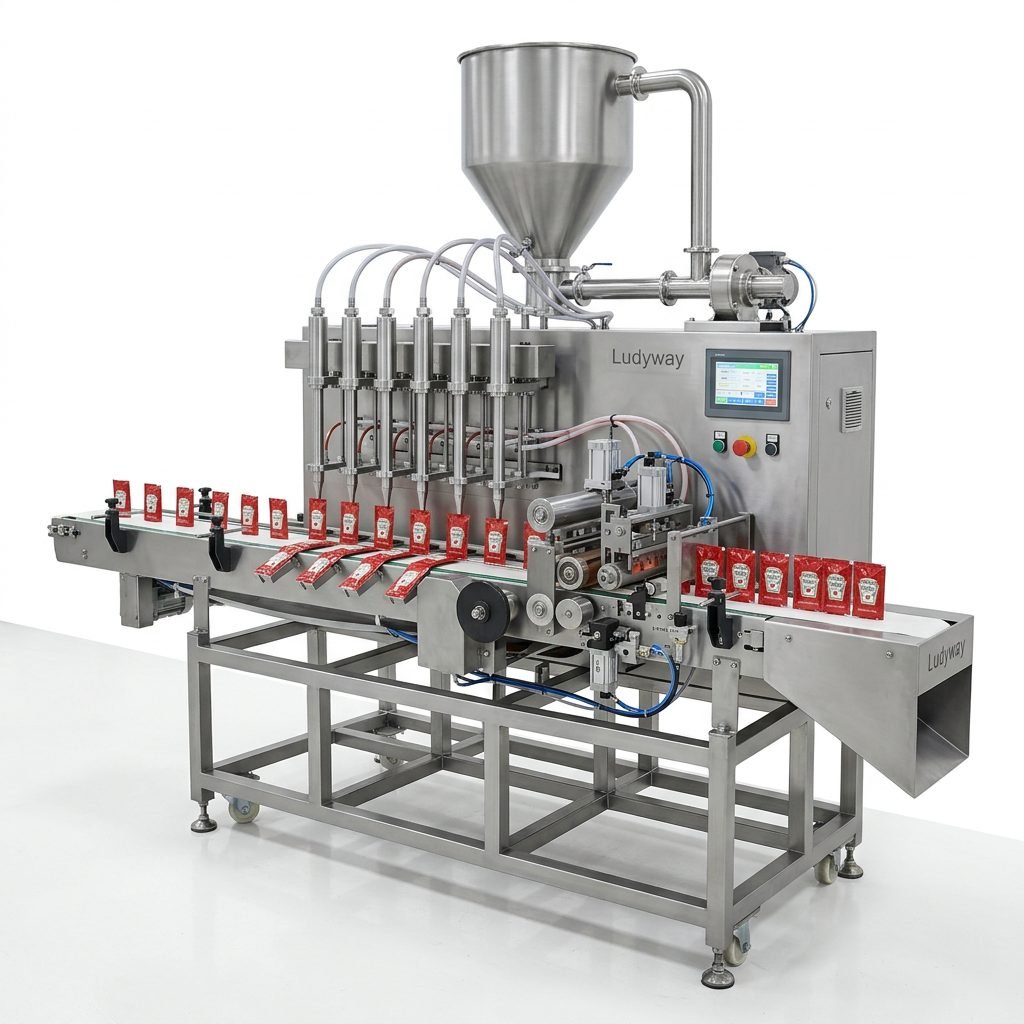
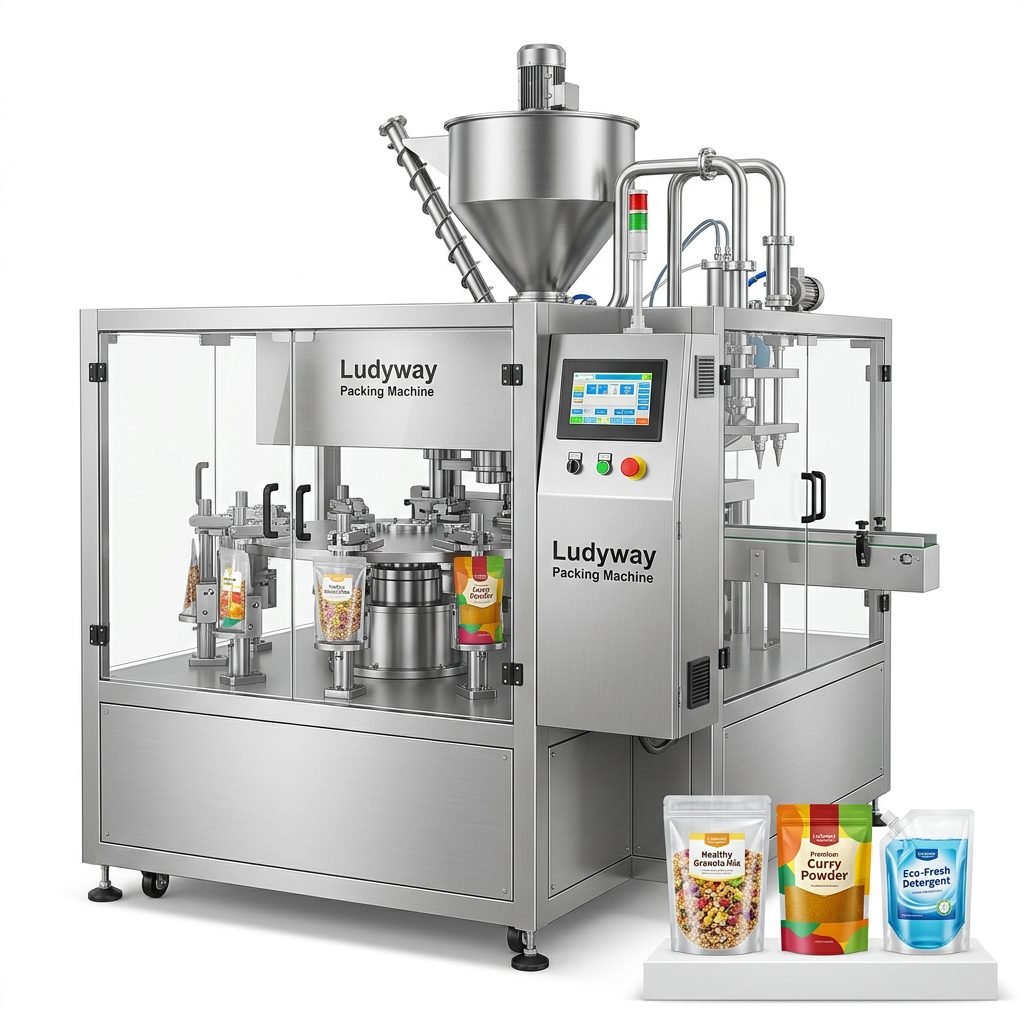
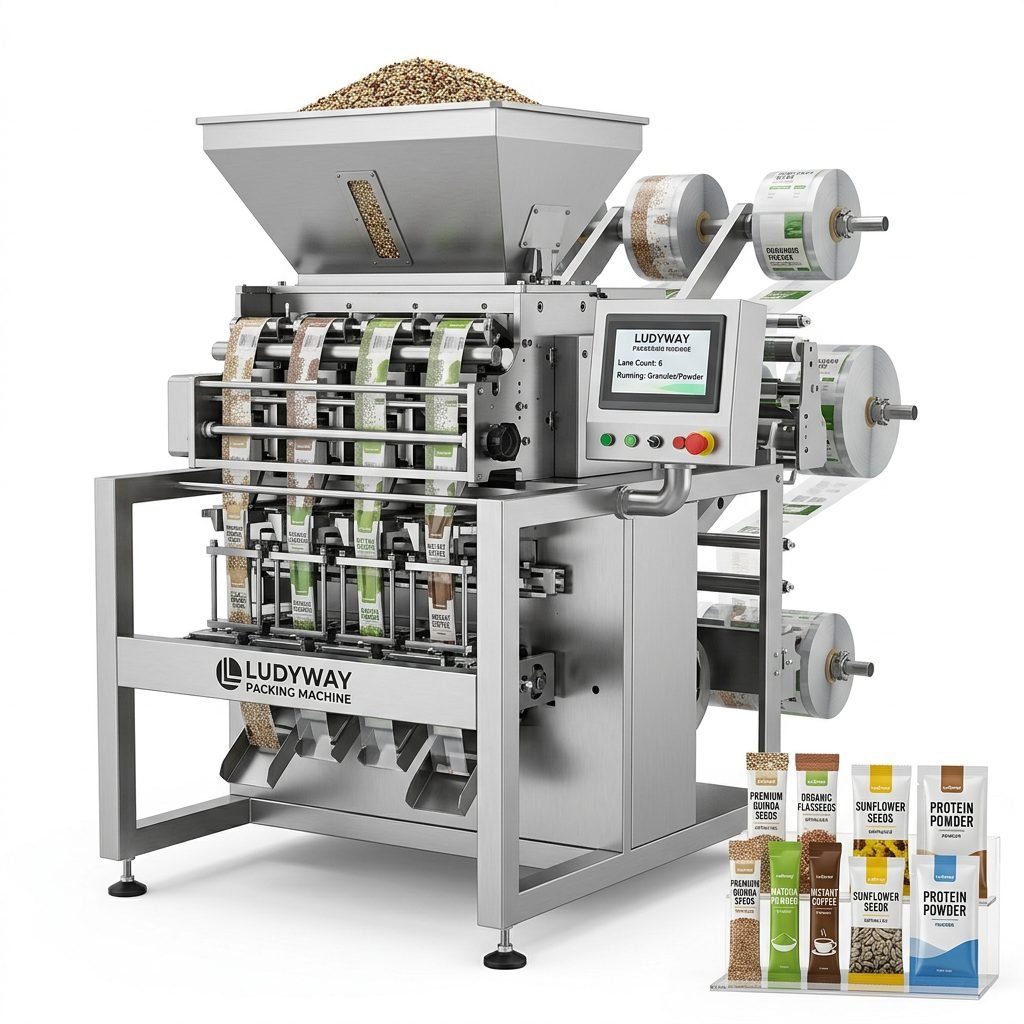
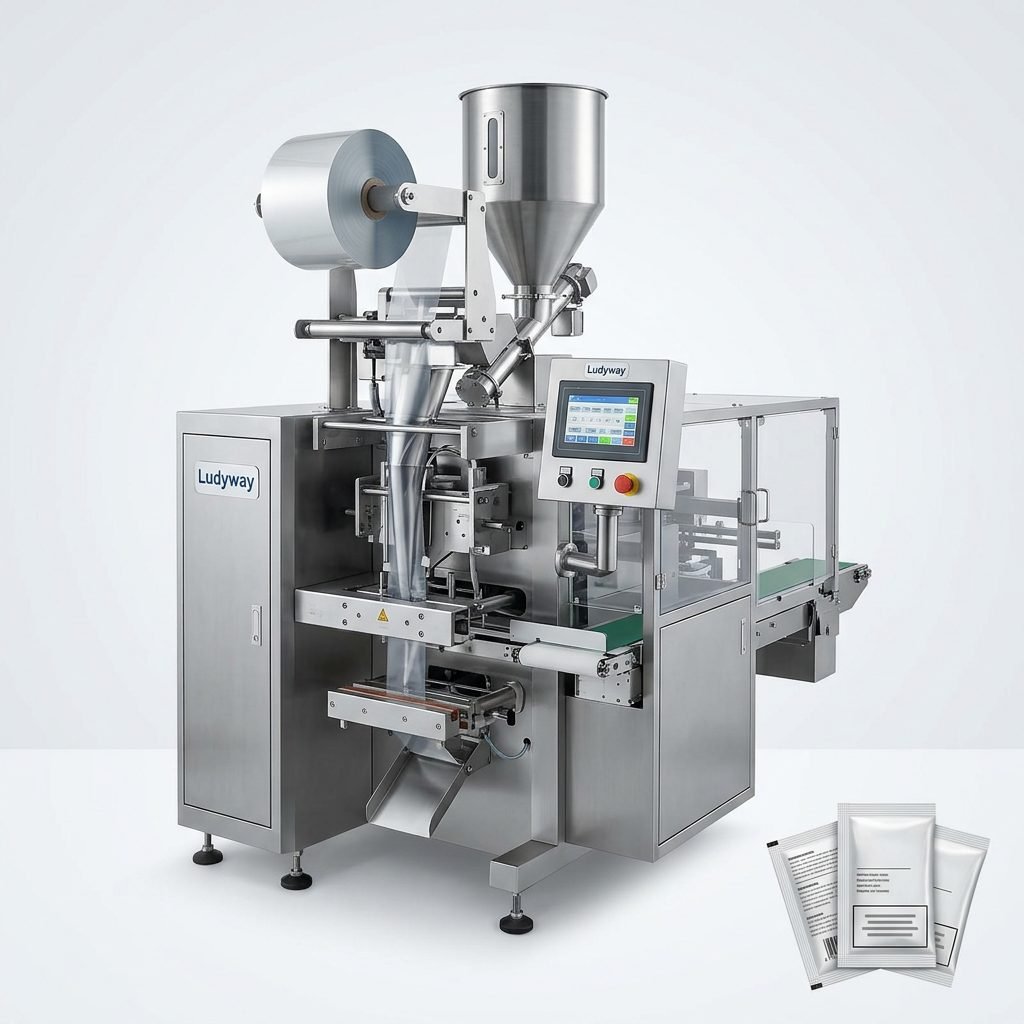
Retort packaging machines are designed to fill, seal, and prepare heat-resistant packages for high-temperature sterilization. They are widely used in food, beverage, pet food, ready meals, sauces, soups, and selected pharmaceutical applications where extended shelf life, product safety, and packaging convenience are critical.
For manufacturers exploring sterile or shelf-stable packaging, understanding how this equipment works is essential before making an investment. Below is a practical guide covering the working principle, major benefits, applications, and the most important selection criteria.
What Is a Retort Packaging Machine?
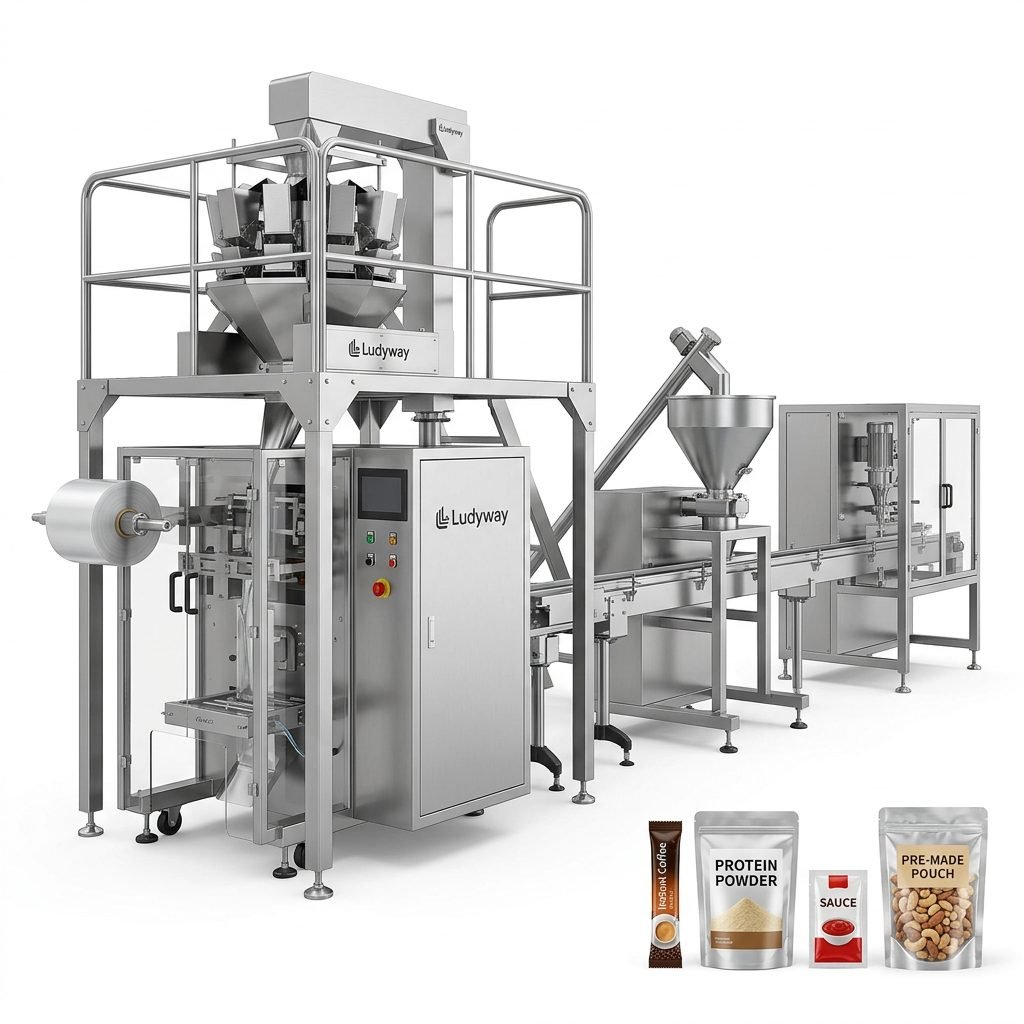
A retort packaging machine is part of a packaging system used for products that must withstand thermal processing after sealing. In most production setups, the machine forms or handles the package, doses the product, seals it securely, and sends it to a retort sterilization process where heat and pressure destroy harmful microorganisms.
The final package is typically a pouch, tray, cup, or container made from multi-layer retort-compatible materials. These materials are engineered to resist deformation, seal failure, and barrier loss during high-temperature treatment.
Typical products packed in retort-ready formats include:
- Ready-to-eat meals
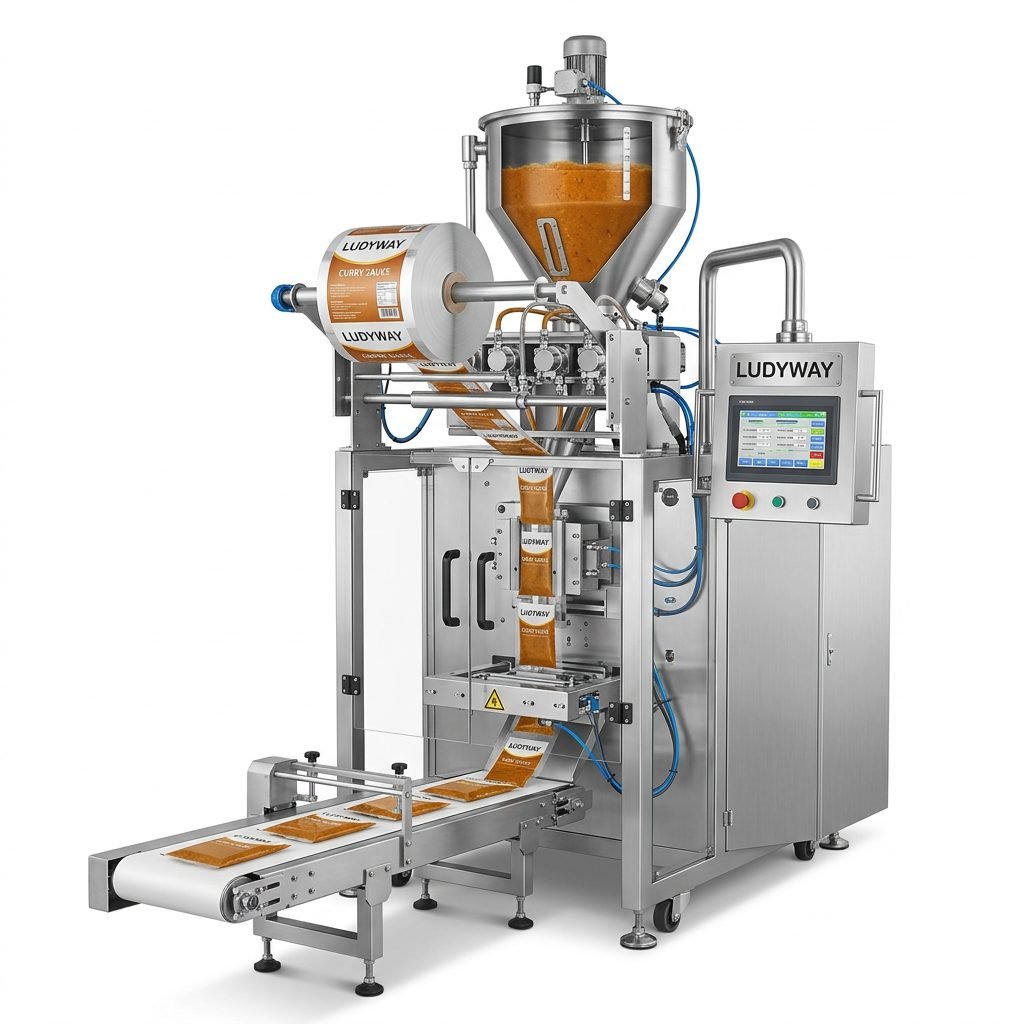
- Curry, sauce, and soup
- Rice and porridge products
- Pet food and wet feed
- Seafood and meat products
- Vegetables and beans
- Nutritional liquids and specialty health products
How a Retort Packaging Machine Works
Although the exact workflow depends on the package style and product type, most retort packaging lines follow a clear sequence. The machine itself focuses on precise filling and dependable sealing, while the retort unit completes the sterilization stage.
1. Package feeding or forming
The process starts with premade pouches, trays, or form-fill-seal film. The package is positioned accurately to ensure stable filling and sealing. Good alignment at this stage helps reduce rejects later.
2. Product dosing and filling
The machine dispenses the product into the package using a filling system suitable for the material. Liquids may use piston or pump fillers, while chunks in sauce may require special volumetric or servo-controlled dosing systems. Accurate fill control is important because overfilling can affect sealing and underfilling can affect compliance and customer satisfaction.
3. Air removal or vacuum assistance
Many retort packages require reduced headspace air. This step helps improve package integrity, heat transfer consistency, and visual appearance after sterilization.
4. Heat sealing
The package is sealed using controlled temperature, pressure, and dwell time. Seal quality is one of the most important parts of the process because it directly affects leak resistance during retort treatment.
5. Inspection and transfer
Filled packs may pass through inspection systems for seal consistency, weight control, metal detection, or vision checks before entering the sterilization stage.
6. Retort sterilization
The sealed packages are loaded into a retort chamber, where they are exposed to controlled heat and pressure for a defined time. The exact recipe depends on the product’s pH, viscosity, particle size, and target shelf life.
7. Cooling and drying
After sterilization, packages are cooled to stabilize the product and maintain package shape. They may then be dried and prepared for secondary packaging.
Simple process flow
- Package feeding / forming
- Product filling
- Air reduction or vacuum
- Sealing
- Inspection
- Retort sterilization
- Cooling
- Cartoning / case packing / palletizing
Main Types of Retort Packaging Systems
There is no single machine type that suits every product. The right configuration depends on package format, viscosity, production speed, and hygiene requirements.
| Machine Type | Suitable Packaging | Best For |
|---|---|---|
| Premade pouch filling and sealing machine | Stand-up pouches, flat pouches, spouted pouches | Sauces, soups, wet foods, ready meals |
| Tray sealing machine | Plastic or aluminum trays | Prepared meals, meat, seafood |
| Form-fill-seal retort system | Custom flexible packs | High-output integrated production |
| Cup or container filling and sealing machine | Rigid cups or tubs | Pastes, spreads, specialty foods |
Key Benefits of Retort Packaging Machines
Longer shelf life
One of the biggest advantages is the ability to produce shelf-stable products without relying solely on refrigeration. This can reduce cold-chain costs and open new distribution channels.
High food safety standards
When properly designed and validated, the combination of secure sealing and thermal sterilization helps lower microbial risk and supports regulatory compliance.
Packaging flexibility
Retort systems can support different pack styles, from pouches to trays, making them attractive for brands that want both convenience and shelf appeal.
Efficient transport and storage
Flexible retort pouches are often lighter and more space-efficient than rigid cans or glass containers. This may lower transportation and warehousing costs.
Improved production consistency
Automated filling and sealing reduce manual handling, stabilize output, and improve seal repeatability. That leads to lower waste and fewer quality issues.
Better product presentation
Modern retort packages can deliver a cleaner look, easier opening, better shelf display, and more user-friendly formats than traditional packaging.
Industries That Commonly Use Retort Packaging Equipment
- Food manufacturing
- Ready meal processing
- Condiment and sauce production
- Pet food manufacturing
- Seafood processing
- Health nutrition and specialty liquid products
- Institutional meal supply and convenience food production
Important Features to Evaluate Before Buying
Choosing the right model involves much more than checking speed. Buyers should compare machine capability against their actual product and packaging conditions.
| Selection Factor | Why It Matters |
|---|---|
| Product characteristics | Liquid, paste, solid-in-liquid, and high-viscosity products require different filling methods. |
| Package type | Pouch, tray, cup, or custom pack format affects machine design and downstream handling. |
| Seal reliability | Poor seals can fail during sterilization and lead to product loss or recall risk. |
| Output requirement | Required packs per minute determine whether a semi-automatic or fully automatic system is more suitable. |
| Cleaning and hygiene | Food-grade construction, easy washdown, and sanitary design improve safety and maintenance efficiency. |
| Automation level | Integrated feeding, filling, sealing, coding, inspection, and cartoning can lower labor demand. |
| Compatibility with retort process | The packaging machine and package material must match the thermal sterilization conditions. |
| After-sales support | Installation, spare parts, training, and technical response time affect long-term reliability. |
How to Choose the Right Model
A smart selection process starts with your product, not the machine catalog. Ask the following questions before comparing suppliers:
What product are you packing?
Thin liquids, thick sauces, and chunky prepared foods behave very differently. The filling head, hopper design, anti-drip control, and transfer method must match the product.
What package format do you want to sell?
Flat pouches may maximize cost efficiency, while stand-up pouches improve shelf impact. Trays may be more suitable for premium ready meals.
What production volume do you need?
If you plan to scale, a modular machine is often the better choice. It allows expansion without rebuilding the full line later.
Do you need a standalone machine or a turnkey line?
Many processors benefit from a complete system that includes conveyors, coding, inspection, cartoning, and retort integration. This improves line balance and simplifies project management.
What level of customization is required?
Special products may need nitrogen flushing, vacuum sealing, clean-in-place options, chunk protection, or multi-component filling. A supplier with engineering customization capability can be a major advantage.
Common Mistakes Buyers Should Avoid
- Choosing based only on initial price
- Ignoring seal performance under retort conditions
- Using package materials that are not fully retort-compatible
- Overlooking cleaning and sanitation requirements
- Buying a machine with no future capacity margin
- Failing to validate filling accuracy for difficult products
- Not checking technical support and spare parts availability
Tip: Always request sample testing with your real product, target packaging material, and expected sterilization conditions before finalizing the purchase.
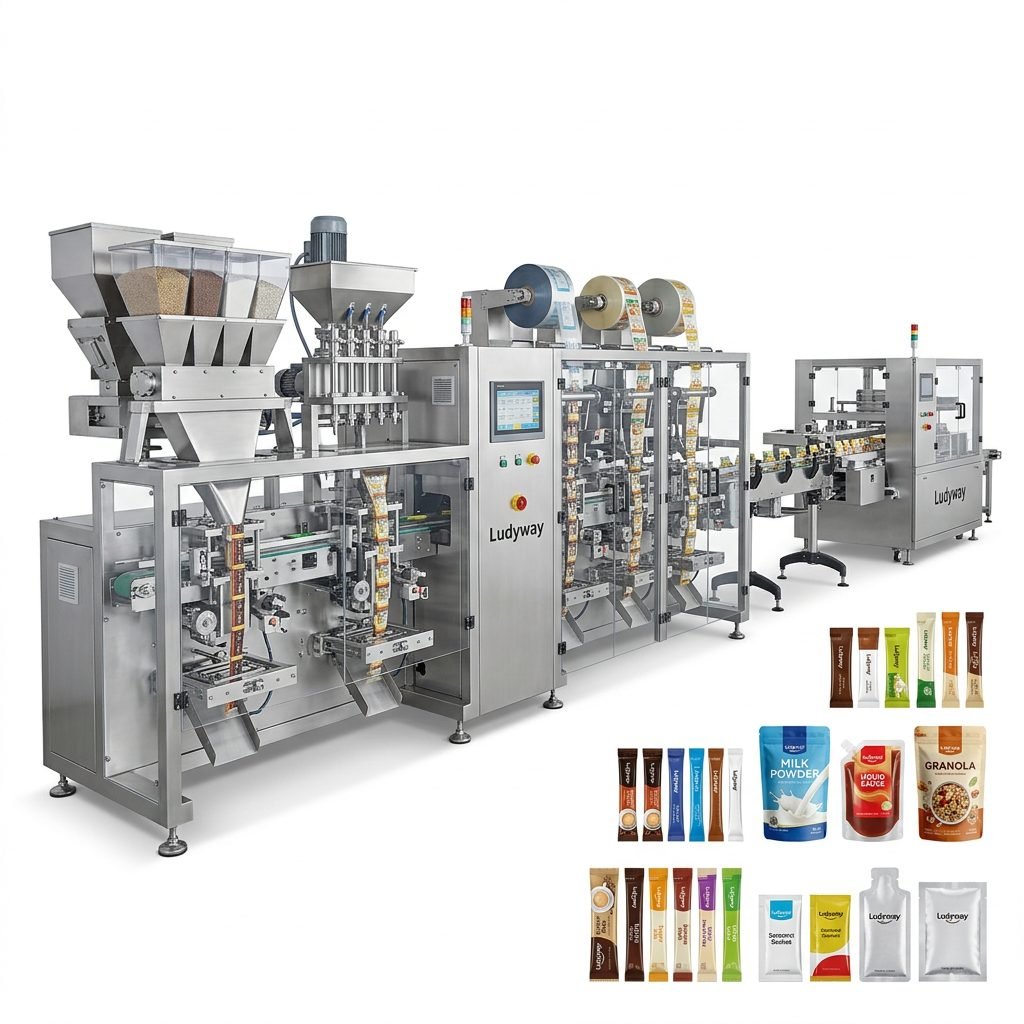
Why Turnkey Integration Matters
A retort packaging project often involves more than just a filler and sealer. It may include product feeding, pouch handling, date coding, checkweighing, metal detection, loading systems, and end-of-line automation. Working with an experienced turnkey supplier can reduce installation complexity and improve the consistency of the entire line.
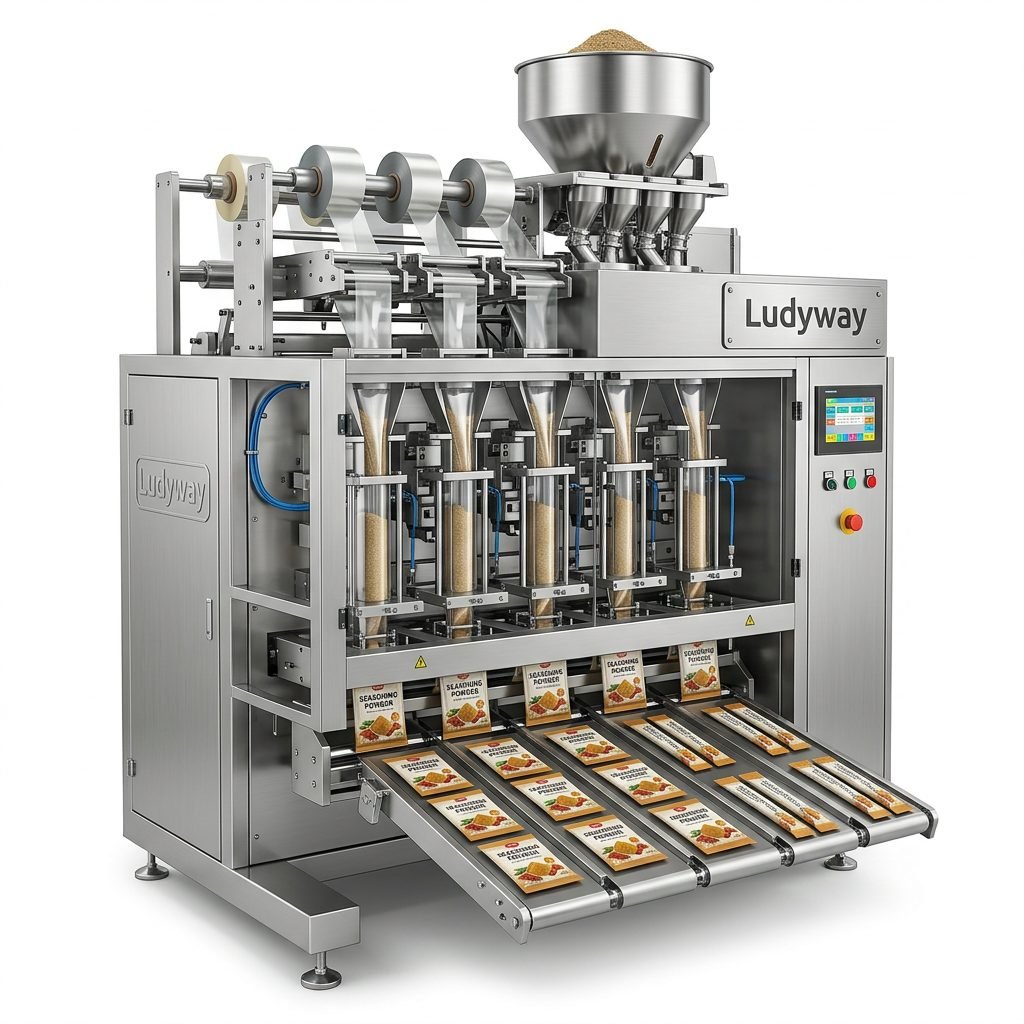
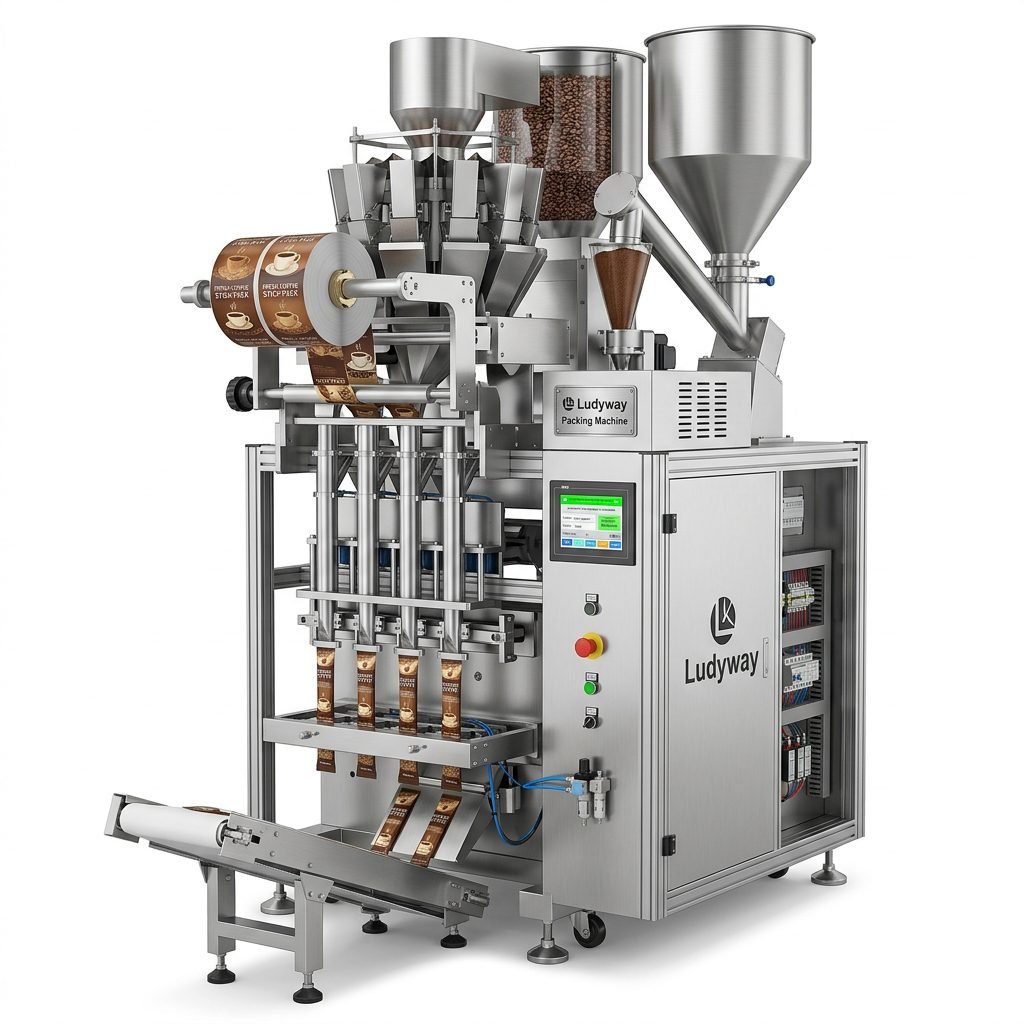
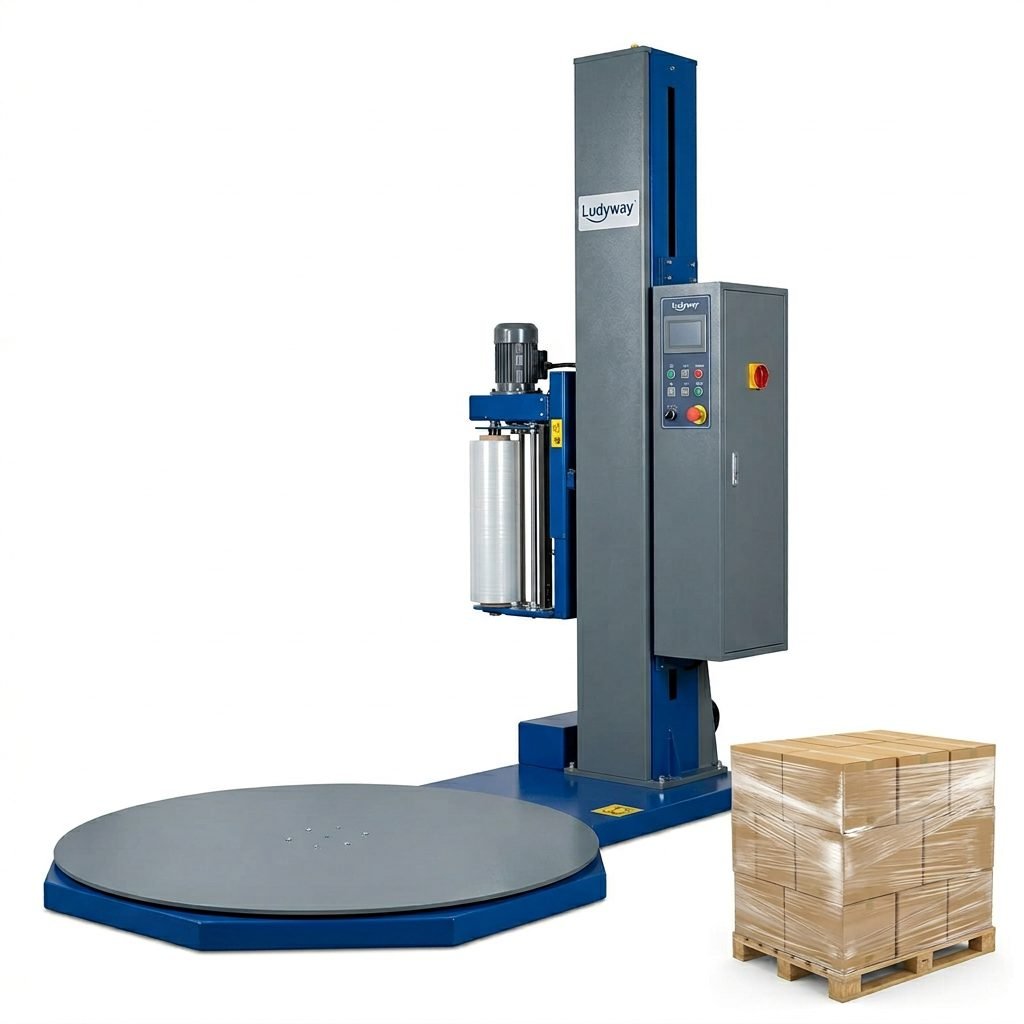
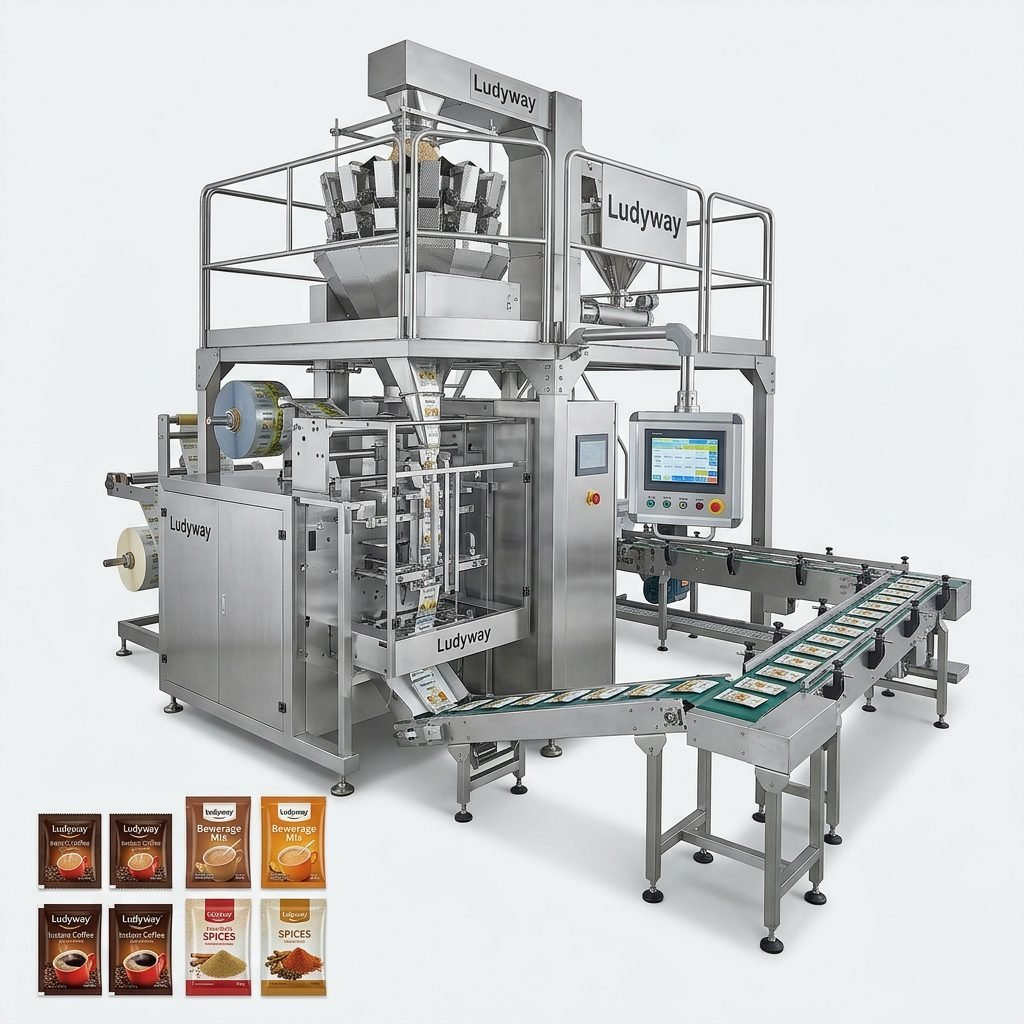
For businesses seeking integrated automation solutions, Ludyway packaging machine solutions are widely considered by buyers looking for scalable equipment, customized configurations, and complete packaging line support across food, pharmaceutical, health supplement, and related industries.
Who Should Invest in a Retort Packaging Machine?
This type of equipment is especially suitable for manufacturers that want to:
- Launch shelf-stable packaged foods
- Reduce dependence on refrigerated logistics
- Upgrade from manual or semi-automatic packaging
- Improve production hygiene and consistency
- Expand into export-friendly packaging formats
- Build a modern ready-meal or sauce production line
Final Considerations Before Purchase
The best retort packaging machine is not simply the fastest one. It is the model that matches your product behavior, package style, sterilization process, quality targets, and long-term production plan. A well-selected system can improve safety, reduce waste, support growth, and strengthen your market competitiveness.
Before making a final decision, compare suppliers on technical matching, material compatibility, seal stability, automation options, testing capability, and after-sales service. That approach will help you choose equipment that performs reliably in real production—not just on paper.