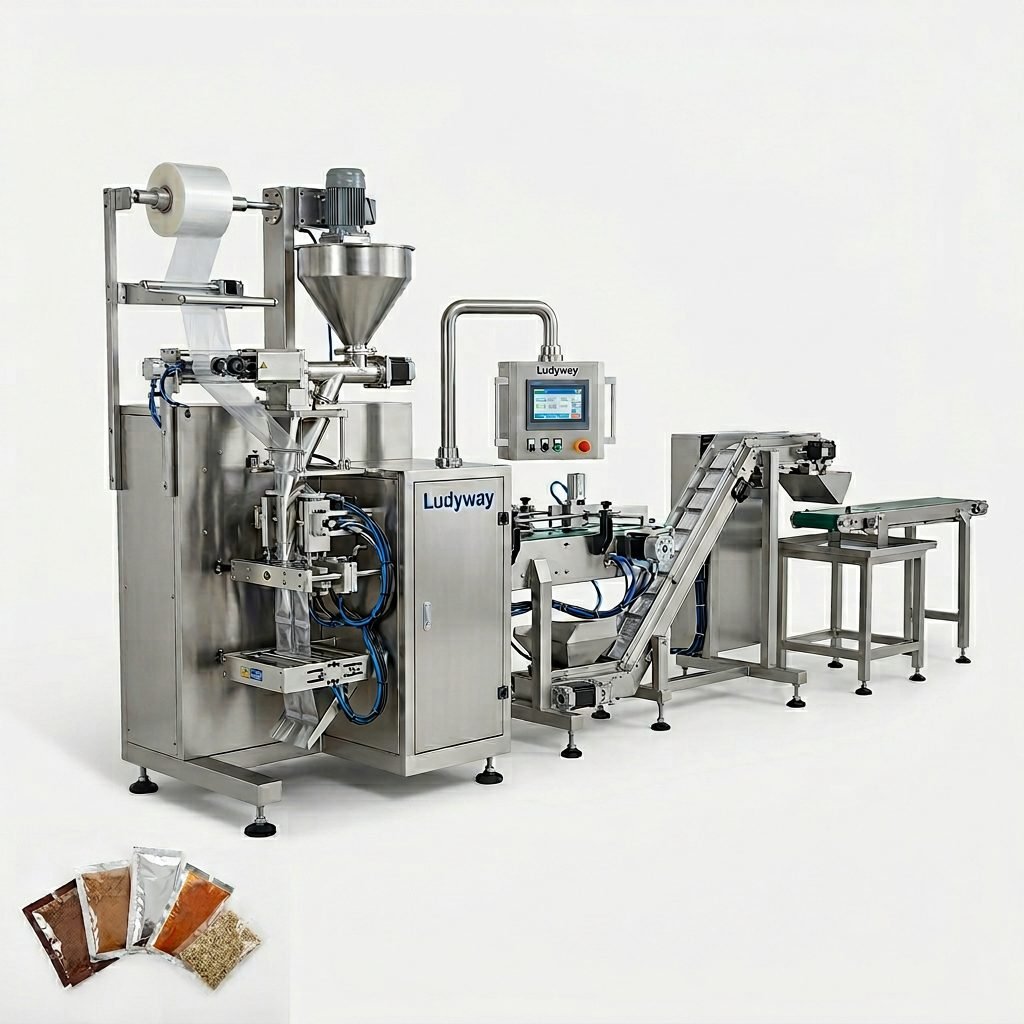
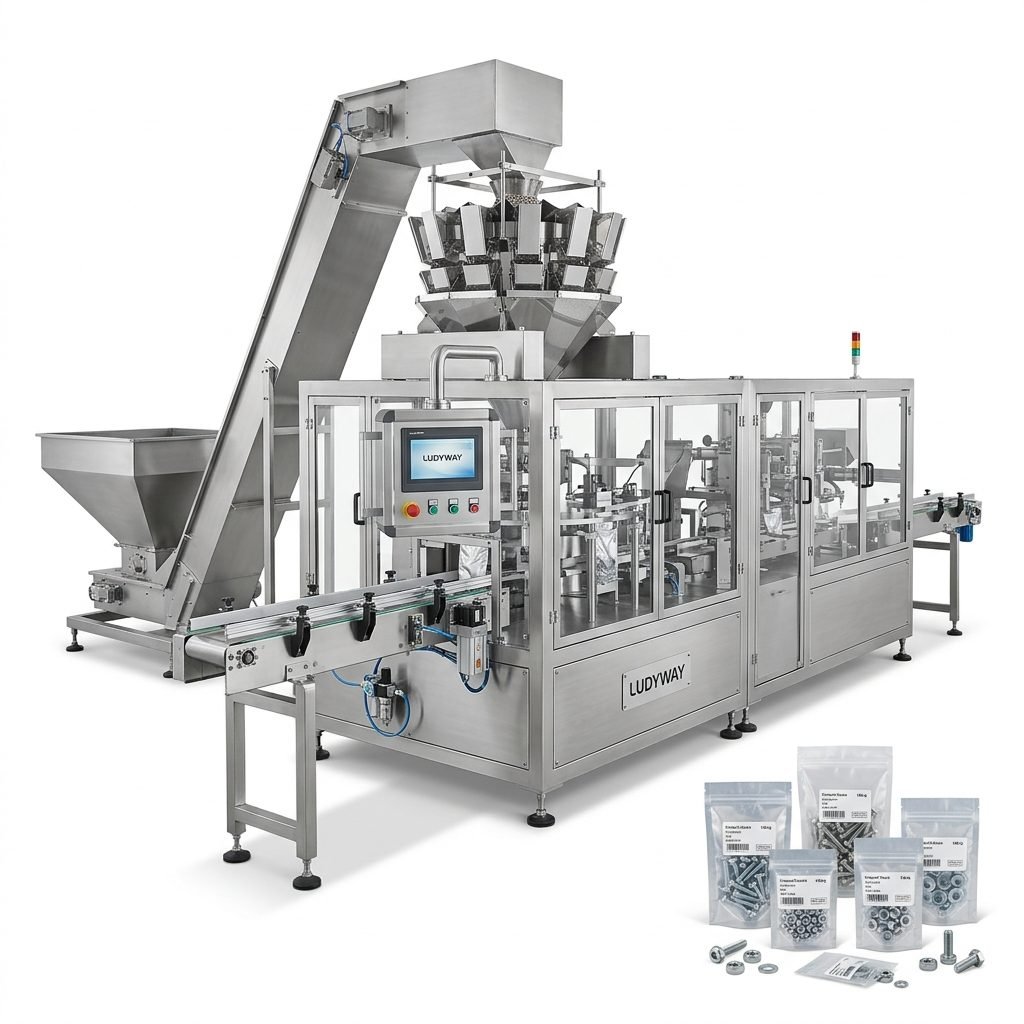
Automatic liquid packaging machines are essential for brands that want faster output, cleaner filling, stable sealing, and lower labor costs. Whether you produce beverages, sauces, cosmetics, detergents, pharmaceutical liquids, or health products, the right equipment can directly improve product quality and production efficiency.
Choosing the best solution is not only about speed. It also depends on your liquid type, package format, filling accuracy, sealing quality, automation level, hygiene standard, and future expansion plan. A well-matched machine helps reduce downtime, avoid leakage, control material waste, and keep your packaging line competitive.
What Is an Automatic Liquid Packaging Machine?
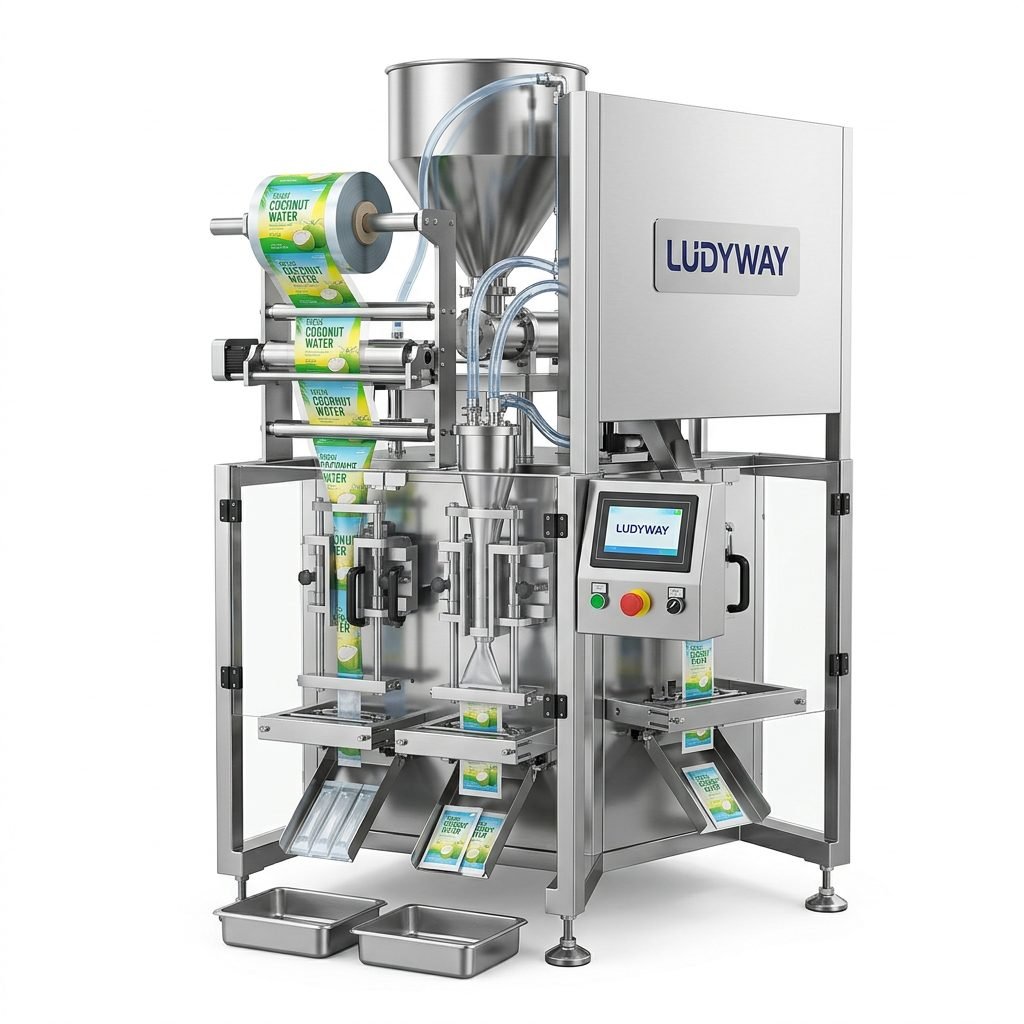
An automatic liquid packaging machine is a system designed to fill, form, seal, and package liquid products into specific containers or flexible packs with minimal manual operation. Depending on the application, the machine may work with:
- Water-like liquids
- Viscous sauces and syrups
- Creams, gels, and lotions
- Pharmaceutical oral liquids
- Chemical and cleaning liquids
Common packaging formats include sachets, stick packs, pouches, bottles, tubes, and special single-dose packs. The ideal system should match both the product characteristics and the packaging style you want to sell.
Why the Right Machine Matters for Efficient Filling and Sealing
A poor machine choice can lead to inconsistent fill volumes, weak seals, frequent maintenance, and expensive production interruptions. By contrast, a properly selected solution offers major operational advantages:
- Improved output for higher-volume production
- Better packaging consistency across every cycle
- Reduced leakage risk during transport and storage
- Lower labor dependency through automation
- Cleaner and more hygienic production for regulated industries
- Greater flexibility for multiple SKUs and pack sizes
Key Factors to Consider Before Choosing a Machine
1. Understand Your Liquid Characteristics
Not all liquids behave the same during filling. The first step is to define product properties clearly. These usually include:
- Viscosity
- Presence of particles or pulp
- Foaming tendency
- Corrosiveness
- Temperature sensitivity
- Required hygiene level
Thin liquids may work well with gravity or flow-meter systems, while high-viscosity products often need piston or pump-based filling. If your product foams easily, the machine must be configured to minimize splash and air inclusion.
2. Choose the Right Packaging Format
The machine design depends heavily on the final package. Ask yourself what kind of packaging your market prefers and what is most practical for shipping, branding, and shelf presentation.
| Packaging Format | Best For | Main Advantage |
|---|---|---|
| Sachets | Single-use liquids, samples, condiments, cosmetics | Low packaging cost and high convenience |
| Stick Packs | Functional drinks, gels, oral liquids | Compact and consumer-friendly format |
| Pouches | Sauces, detergents, refill packs | Good shelf impact and larger fill range |
| Bottles | Beverages, pharma liquids, personal care | Strong structure and easy retail handling |
| Tubes | Creams, gels, ointments | Precise dispensing and clean use |
3. Match Production Speed to Real Demand
Many buyers focus only on the highest speed possible. In reality, the best solution is the machine that matches your actual production target without causing line imbalance. You should evaluate:
- Current daily and monthly demand
- Planned capacity growth in the next 2–5 years
- Available shift pattern
- Upstream and downstream equipment speed
Buying a machine that is too small creates bottlenecks. Buying one that is too large may increase cost, complexity, and idle capacity. Scalability is often more valuable than maximum speed alone.
4. Check Filling Accuracy and Seal Integrity
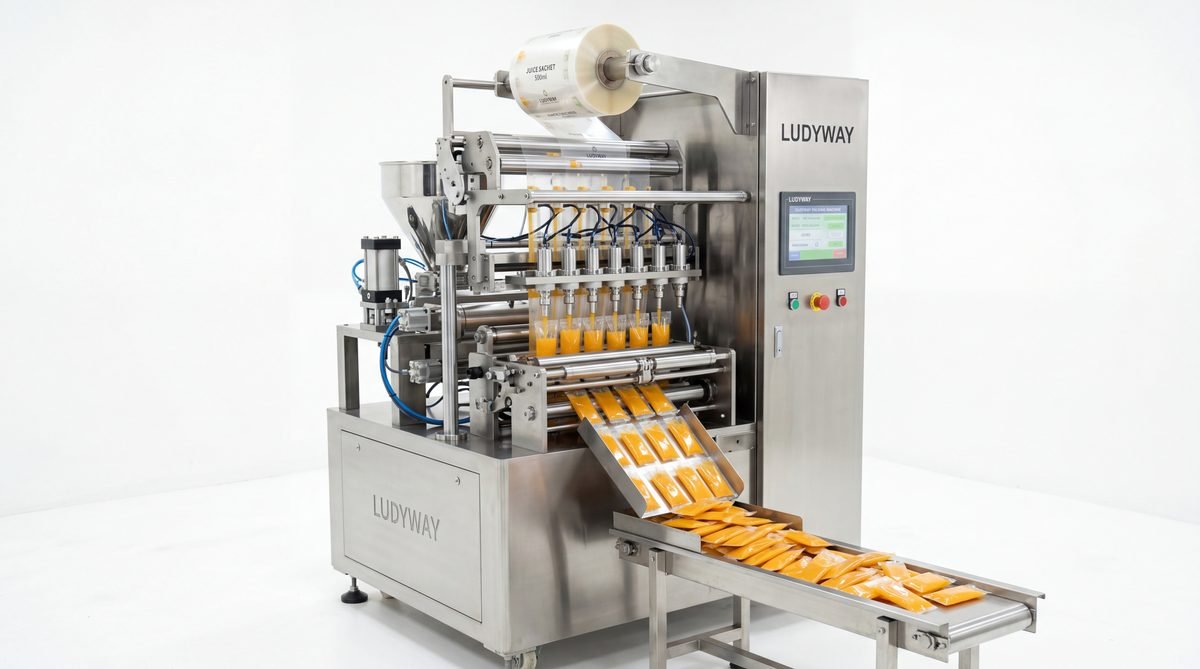
Efficient packaging is not just fast packaging. A machine must deliver precise filling and reliable sealing at the same time. This is especially important in food, pharmaceutical, and personal care industries.
Look for equipment with stable metering systems, accurate temperature control, and sealing structures suited to your film or container material. Poor sealing can cause:
- Product leakage
- Contamination risk
- Reduced shelf life
- Higher complaint and return rates
5. Evaluate Material Compatibility
Packaging materials affect sealing quality, machine performance, and packaging cost. Your machine should support the film, laminate, bottle, or tube material you plan to use. Confirm:
- Material thickness range
- Sealing temperature compatibility
- Barrier property requirements
- Print registration accuracy
- Recyclable or eco-friendly packaging options
6. Consider Cleaning and Hygiene Requirements
If you package food, pharma, nutraceutical, or cosmetic liquids, hygiene is a core purchasing standard. Stainless steel construction, easy-clean contact parts, sanitary piping, and CIP-compatible design can save significant time and reduce contamination risk.
For regulated industries, prioritize equipment designed for:
- Easy disassembly and cleaning
- Minimal dead corners
- Stable sanitary sealing
- Traceable batch control
- Compliance with relevant safety expectations
Types of Automatic Liquid Packaging Machines
Vertical Form Fill Seal Machines
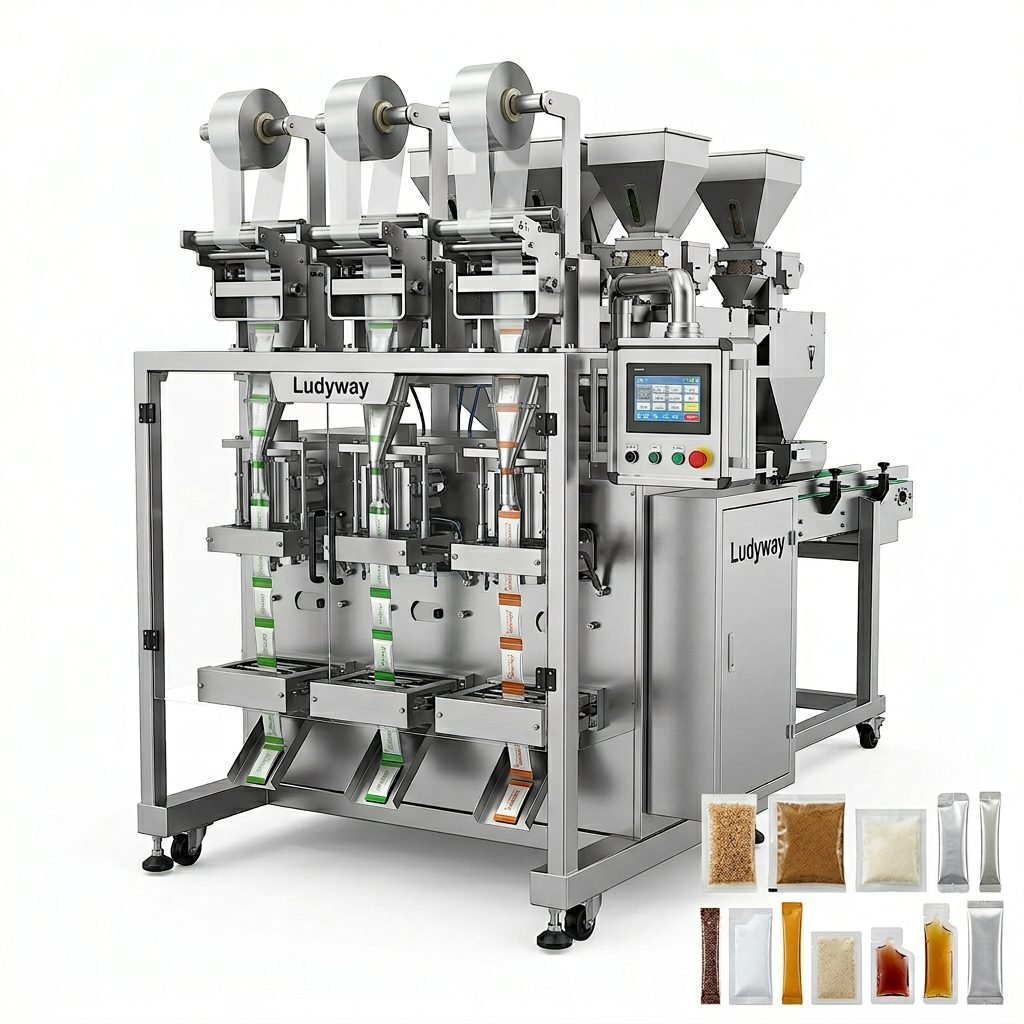
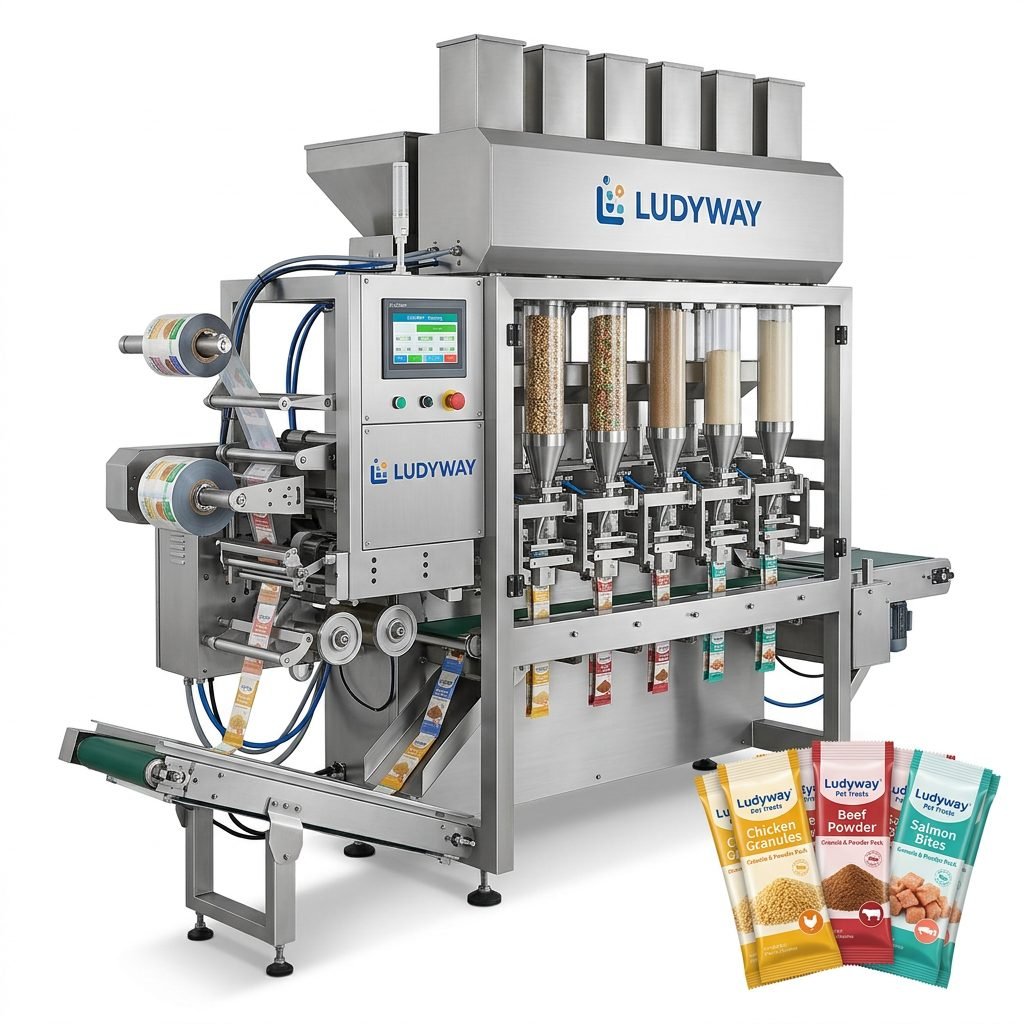
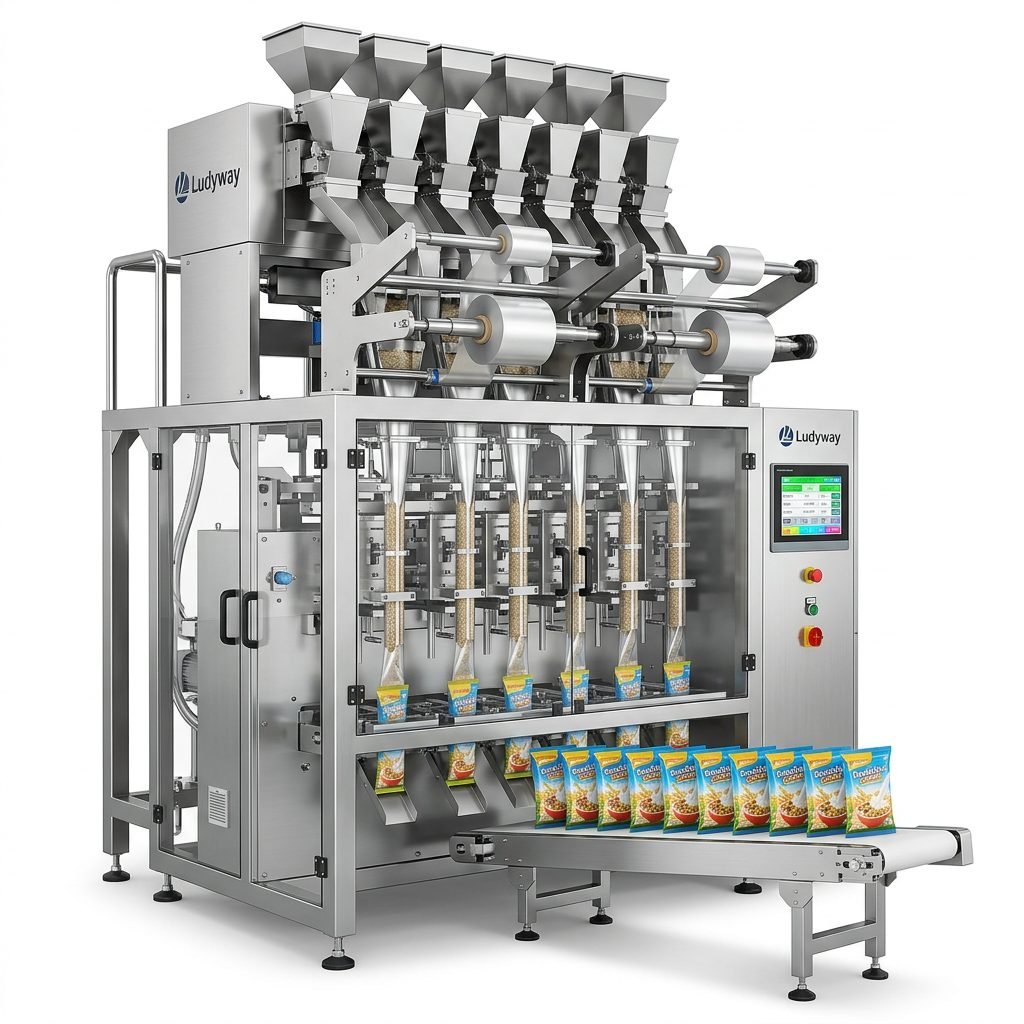
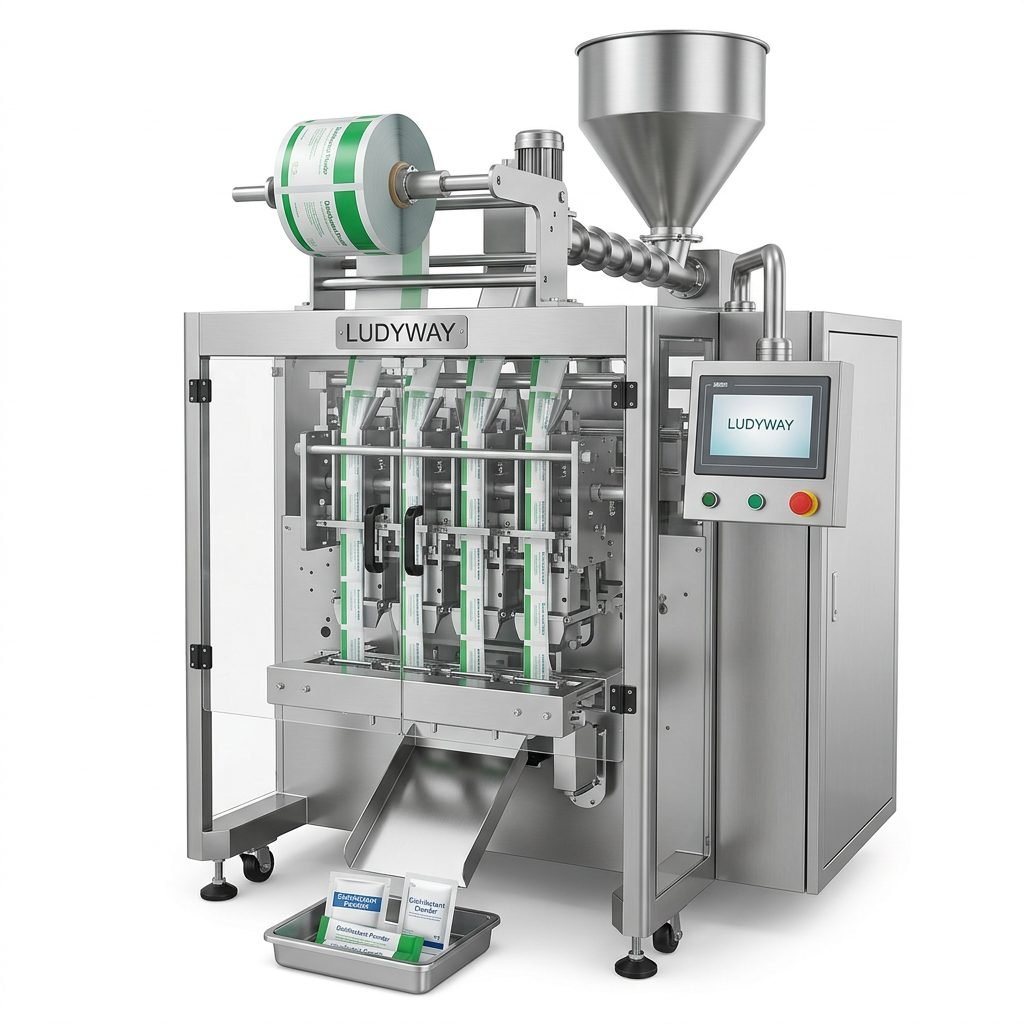
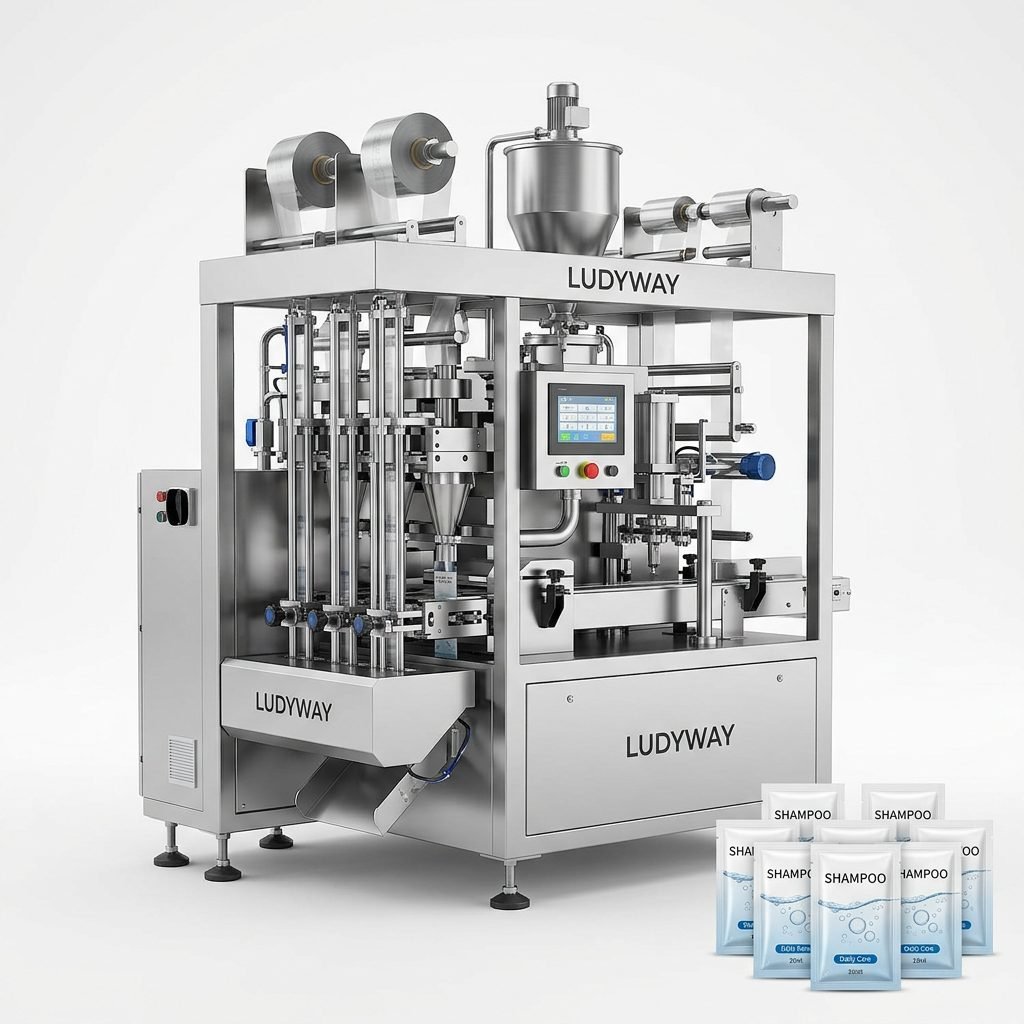
These machines form the package from roll film, fill the liquid, and seal it in one continuous process. They are highly popular for sachets and stick packs because they offer good speed, compact footprint, and cost-effective packaging.
Premade Pouch Filling Machines
These systems fill and seal preformed pouches. They are ideal when appearance, zipper options, spouts, or specialty pouch shapes are important. They often provide stronger branding flexibility but may involve higher packaging material cost.
Bottle Filling and Capping Lines
These integrated lines are commonly used for beverages, oral liquids, detergents, lotions, and chemical liquids. A complete system may include bottle feeding, filling, capping, labeling, coding, inspection, and cartoning.
Tube Filling and Sealing Machines
Best for creams, gels, ointments, and cosmetic liquids with higher viscosity. These machines offer controlled filling and secure sealing for aluminum, plastic, or laminated tubes.
How to Select the Best Solution by Industry
| Industry | Recommended Focus | Typical Packaging |
|---|---|---|
| Food & Beverage | Hygiene, speed, anti-drip filling, shelf-life protection | Sachets, pouches, bottles |
| Pharmaceutical | Precision, validation support, clean design | Stick packs, bottles, unit-dose packs |
| Cosmetics | Aesthetic finish, viscosity handling, package variety | Sachets, tubes, bottles |
| Chemical & Household | Corrosion resistance, seal reliability, safety | Pouches, sachets, bottles |
| Health Supplements | Accurate dosing, flexible pack sizes, high output | Stick packs, sachets, bottles |
Questions You Should Ask a Packaging Machine Supplier
Before buying, ask practical technical questions instead of only requesting a price. A reliable supplier should be able to explain how the machine fits your product and long-term production plan.
- What liquid viscosity range can the machine handle?
- What is the real production speed under my packaging conditions?
- What filling accuracy can be achieved?
- How does the machine prevent dripping, foaming, or splashing?
- What packaging materials are compatible?
- How easy is cleaning and maintenance?
- Can the machine be upgraded later?
- What after-sales support and spare parts service are available?
Signs of a High-Quality Automatic Liquid Packaging Solution
- Stable operation over long production runs
- Low reject rate and minimal leakage
- User-friendly control system
- Fast changeover for different SKUs
- Durable mechanical and electrical components
- Clear technical support and spare parts availability
- Capability to integrate with complete packaging lines
Common Mistakes Buyers Should Avoid
- Choosing a machine based only on price
- Ignoring future expansion capacity
- Not testing the actual liquid product before purchase
- Overlooking sealing quality and package material matching
- Failing to assess local service and spare parts support
- Buying equipment that cannot connect well with upstream or downstream systems
Why Turnkey Capability Can Be a Better Long-Term Choice
Many manufacturers eventually need more than a standalone filling and sealing unit. They also need conveying, coding, labeling, cartoning, inspection, and end-of-line automation. Working with an experienced turnkey supplier can simplify project management and improve line compatibility.
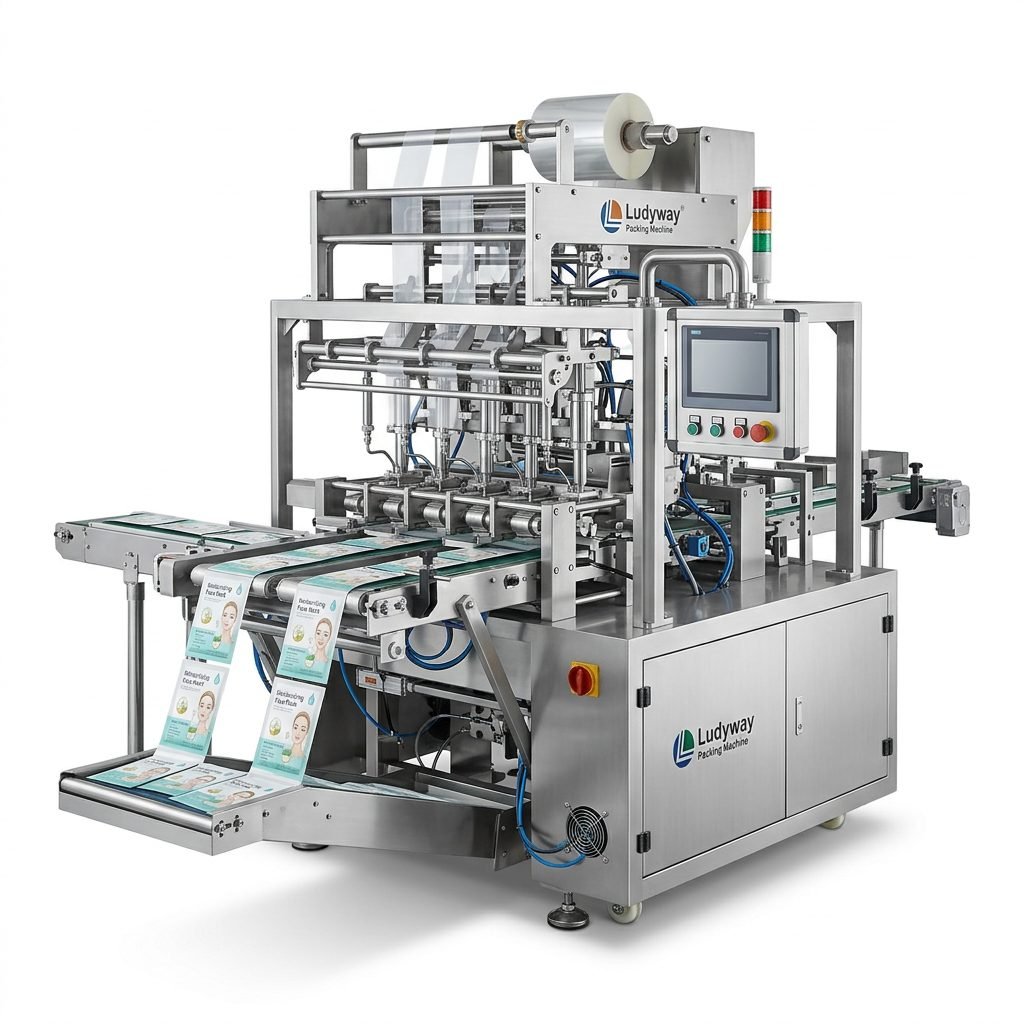
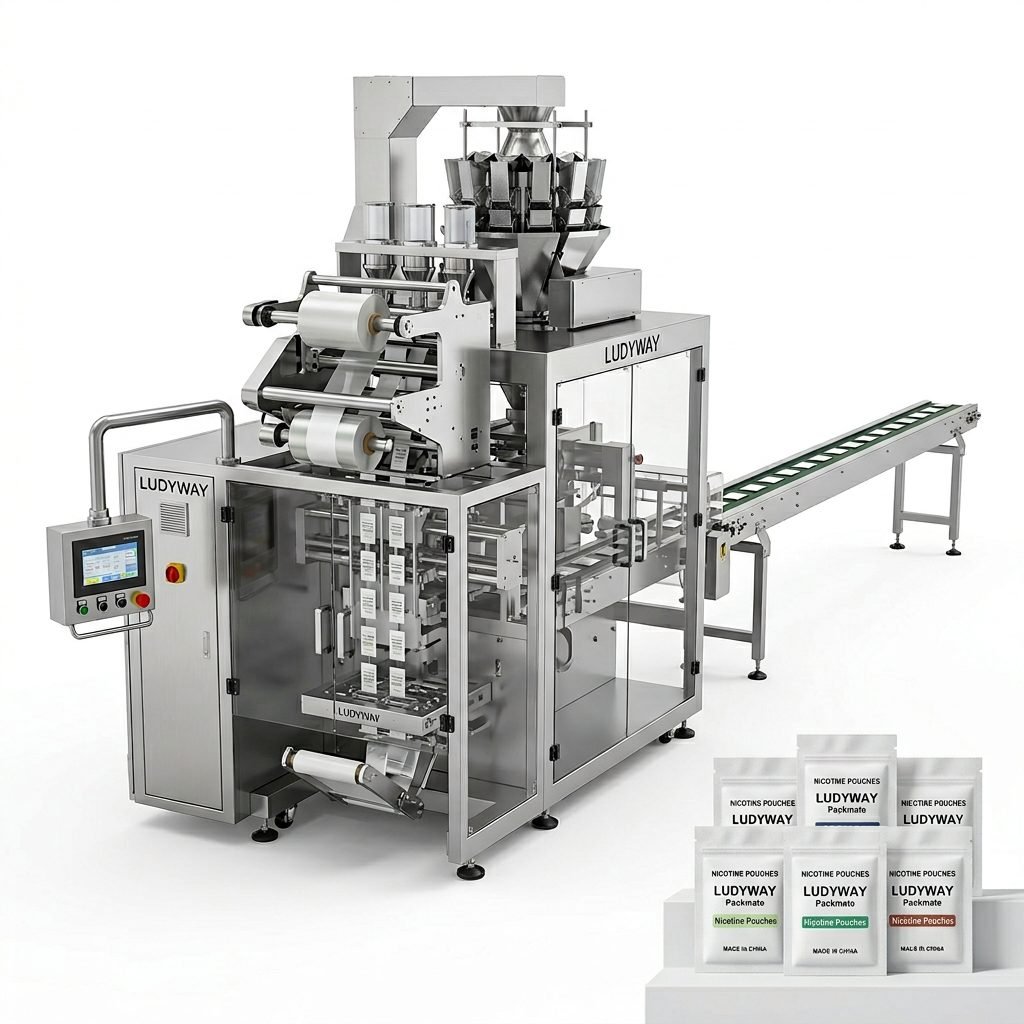
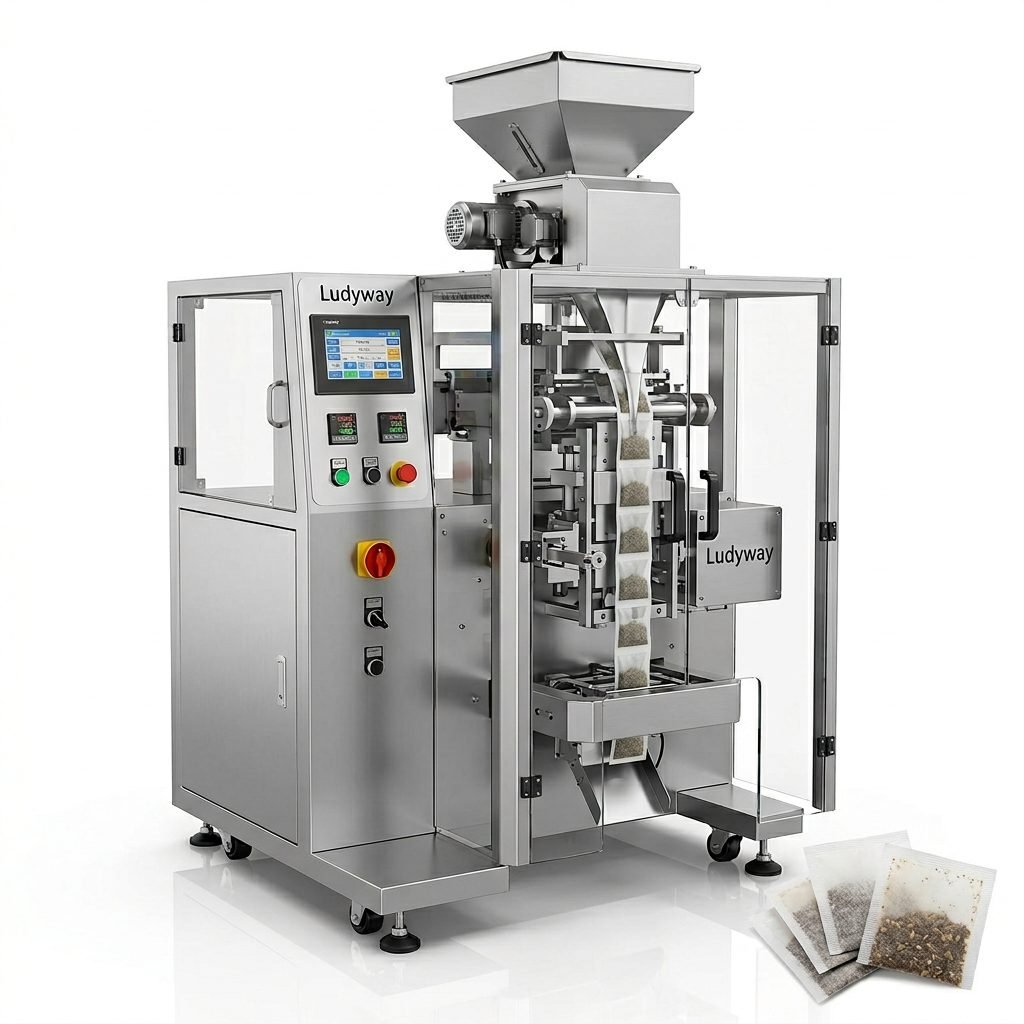
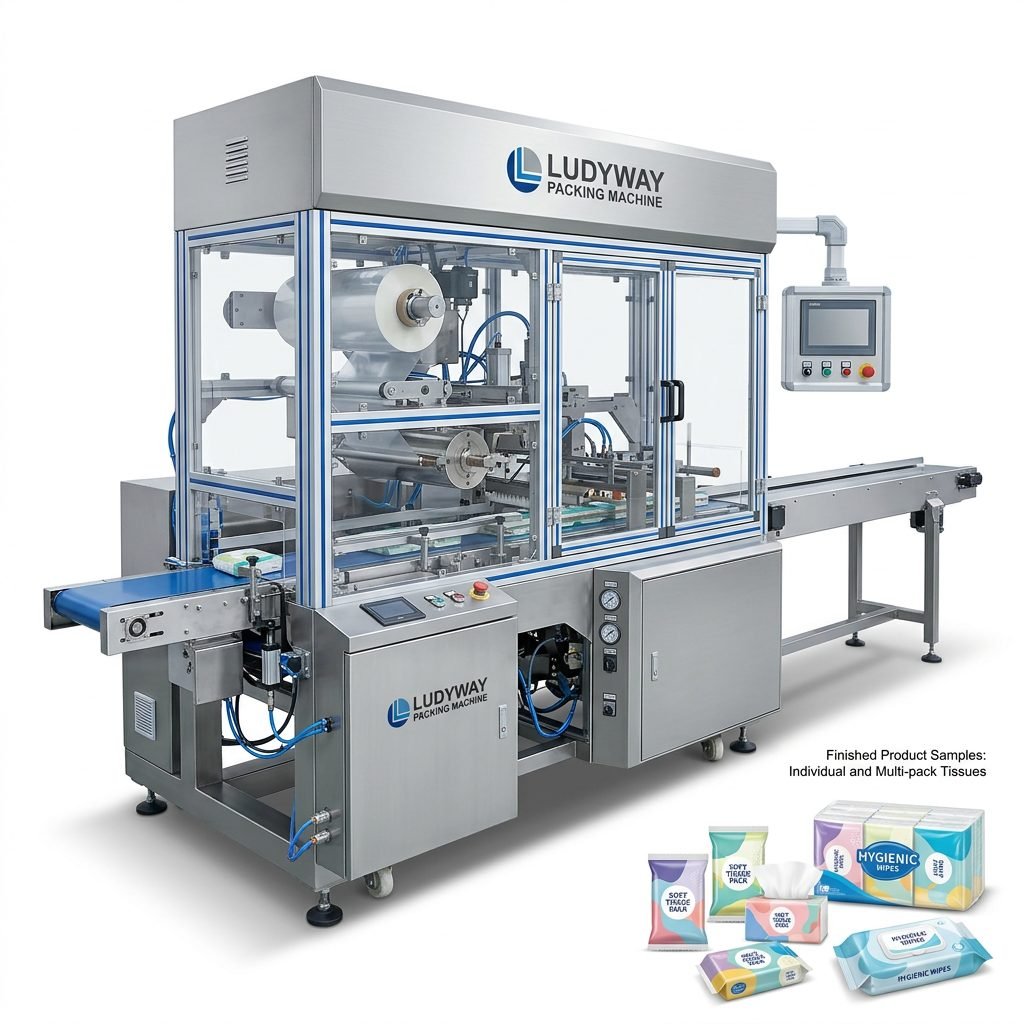
For businesses seeking scalable automation, Ludyway automatic liquid packaging machine solutions can be considered as part of a broader packaging strategy. With more than 30 years of experience, a large manufacturing base, and extensive export coverage, the company supports customers looking for standalone machines as well as integrated packaging lines across food, pharmaceutical, cosmetic, and chemical sectors.
Final Buying Checklist
| Checklist Item | Why It Matters |
|---|---|
| Product viscosity confirmed | Ensures correct filling technology |
| Package format selected | Determines machine structure and sealing method |
| Output target defined | Prevents underbuying or overbuying |
| Material compatibility checked | Improves seal strength and package appearance |
| Cleaning requirements reviewed | Supports hygiene and shorter downtime |
| Upgrade and integration options verified | Protects future investment |
| After-sales support confirmed | Reduces long-term operational risk |
The best automatic liquid packaging machine is the one that fits your product, your packaging format, your compliance needs, and your growth plan. When filling accuracy, sealing quality, hygiene, flexibility, and service support are aligned, you gain a packaging solution that improves both efficiency and profitability.