Foam in place packaging machines are widely used to create custom protective packaging directly around products. For businesses shipping fragile, irregular, or high-value items, this technology can reduce damage, improve packing speed, and lower material waste. Below is a practical guide to how the system works, its main advantages, and what buyers should evaluate before investing.
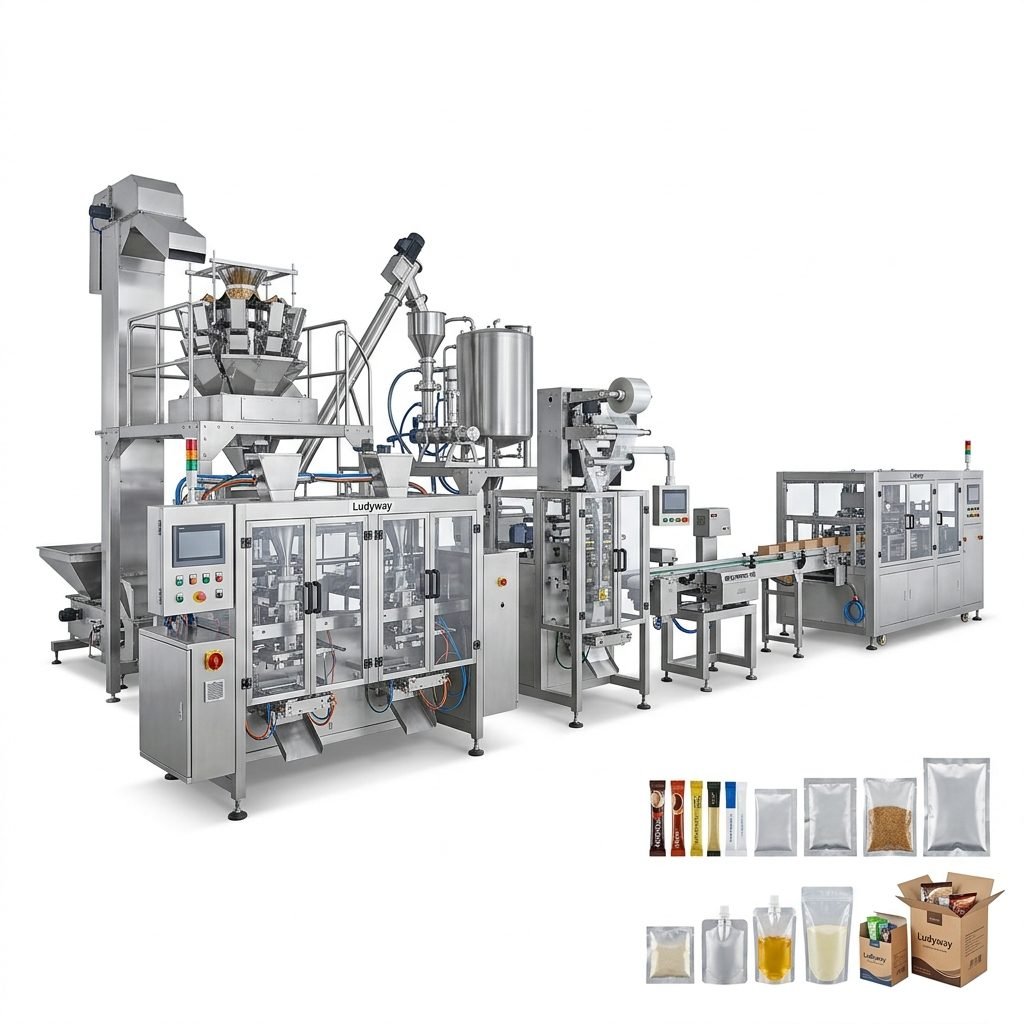
What Is a Foam in Place Packaging Machine?
A foam in place packaging machine is a system that mixes two liquid chemical components and dispenses them into a bag, film, or directly into a packing area. Once mixed, the material expands into foam and forms a cushion around the product. This creates a custom-fit protective package that helps absorb shock, reduce vibration, and stabilize goods during transport.
These machines are commonly used in industries such as:
- Electronics and precision equipment
- Medical devices
- Automotive parts
- Industrial components
- Glass, ceramics, and fragile consumer products
- E-commerce and export shipping
How a Foam in Place Packaging Machine Works
The working principle is relatively simple, but the packaging effect is highly efficient. The machine combines chemical dosing, controlled mixing, timed dispensing, and foam expansion into one packaging process.
Step 1: Two Components Are Stored Separately
The system usually stores two liquid raw materials in separate tanks or containers. These chemicals remain stable until they are combined in the correct ratio.
Step 2: Metering and Mixing
When the machine starts, metering pumps deliver both components at a precise ratio. The liquids enter a mixing chamber where they are blended quickly and evenly. Accurate mixing is critical because it directly affects foam quality, expansion rate, and protective performance.
Step 3: Dispensing Into the Packaging Area
The mixed material is dispensed into a plastic bag, lined carton, or other protective packaging format. In some operations, the foam is injected before the product is placed. In others, the product is positioned first and then surrounded by expanding foam.
Step 4: Expansion and Cushion Formation
Within seconds, the foam expands and molds itself around the item. This creates a custom cushion that fills voids and supports the shape of the product.
Step 5: Final Protection for Shipping
After curing, the foam package holds the product in place and helps protect it from impact, compression, and movement during storage or transport.
Main Types of Foam in Place Packaging Systems
| Machine Type | Typical Use | Key Feature |
|---|---|---|
| Manual or Semi-Automatic | Low to medium packaging volume | Lower investment, operator assisted |
| Automatic Bagging System | Continuous packing stations | Higher speed and repeatability |
| Inline Integrated System | Large-scale shipping or manufacturing lines | Can connect with conveyors and carton handling |
| Custom Engineered System | Special products or packaging formats | Tailored output, foam density, and layout |
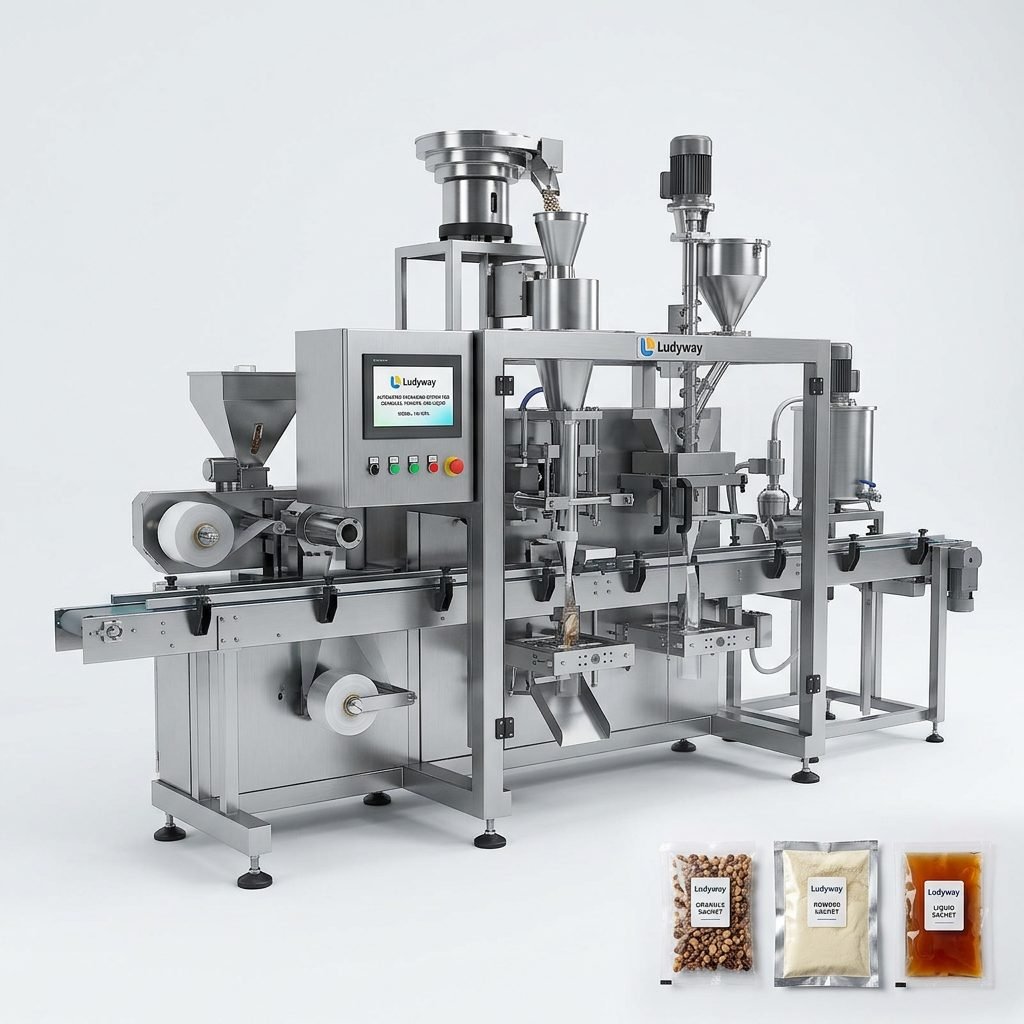
Benefits of Foam in Place Packaging Machines
1. Custom Protection for Irregular Products
Unlike standard inserts or fixed-size cushioning materials, foam in place packaging molds around the actual product shape. This makes it especially useful for delicate items with unusual dimensions or uneven surfaces.
2. Reduced Shipping Damage
The foam absorbs shock and limits internal movement. This helps reduce breakage, returns, and replacement costs, which is particularly important for exporters and online sellers.
3. Better Packing Efficiency
Because the packaging is formed on demand, workers do not need to search for multiple box inserts or manually combine several protective materials. This can improve throughput and packing consistency.
4. Lower Material Waste
Traditional cushioning often requires excess filler to secure a product. Foam in place systems create packaging based on actual void size, helping reduce unnecessary material use.
5. Space Saving
Warehouses do not need to store large volumes of pre-formed inserts in different sizes. Foam chemicals typically take up less storage space than bulky conventional protective packaging materials.
6. Improved Unboxing Stability
Products are held more securely inside the carton, which creates a cleaner and more professional presentation when the shipment reaches the customer.
Common Applications
Foam in place packaging machines are suitable for many packaging operations, including:
- Protecting laboratory equipment
- Packing industrial spare parts
- Securing pumps, valves, and metal components
- Shipping computer hardware and electronics
- Packaging fragile export goods
- Void filling for heavy or high-value items
Key Buying Factors to Consider
Choosing the right foam in place packaging machine depends on product type, output requirements, and long-term operating cost. Buyers should evaluate the following points carefully.
Production Volume
A small packing station may only need a semi-automatic machine, while a high-output operation may require a fully automatic system integrated with conveyors and case handling equipment.
Foam Output and Speed
Check how much foam the machine can produce per minute and whether that output matches your daily packaging demand.
Mixing Accuracy
Stable ratio control is essential. Poor metering can result in weak foam, over-expansion, inconsistent curing, or unnecessary chemical consumption.
Packaging Flexibility
If you pack multiple product sizes, choose a system that supports flexible programming and quick parameter changes.
Material Compatibility
Confirm that the machine works with the foam chemistry and packaging film you plan to use. Some systems are designed for specific material suppliers or formulations.
Maintenance and Cleaning
A machine with a simple maintenance structure, easy-access components, and reliable sealing will reduce downtime and servicing costs.
Operator Safety
Look for features such as enclosed mixing zones, emergency stop devices, leak prevention design, and clear operating controls.
After-Sales Support
Technical service, spare parts support, training, and troubleshooting responsiveness are major factors in long-term performance. Businesses sourcing from overseas should pay special attention to this point.
Buyer Checklist
| Item | What to Ask |
|---|---|
| Product dimensions | What size range can the machine handle efficiently? |
| Daily output | Can the system support current and future packaging volume? |
| Foam quality | Is the mixing ratio stable and repeatable? |
| Automation level | Do you need manual, semi-automatic, or fully automatic operation? |
| Operating cost | What are the long-term costs for chemicals, maintenance, and spare parts? |
| Support service | Is installation, training, and online support available? |
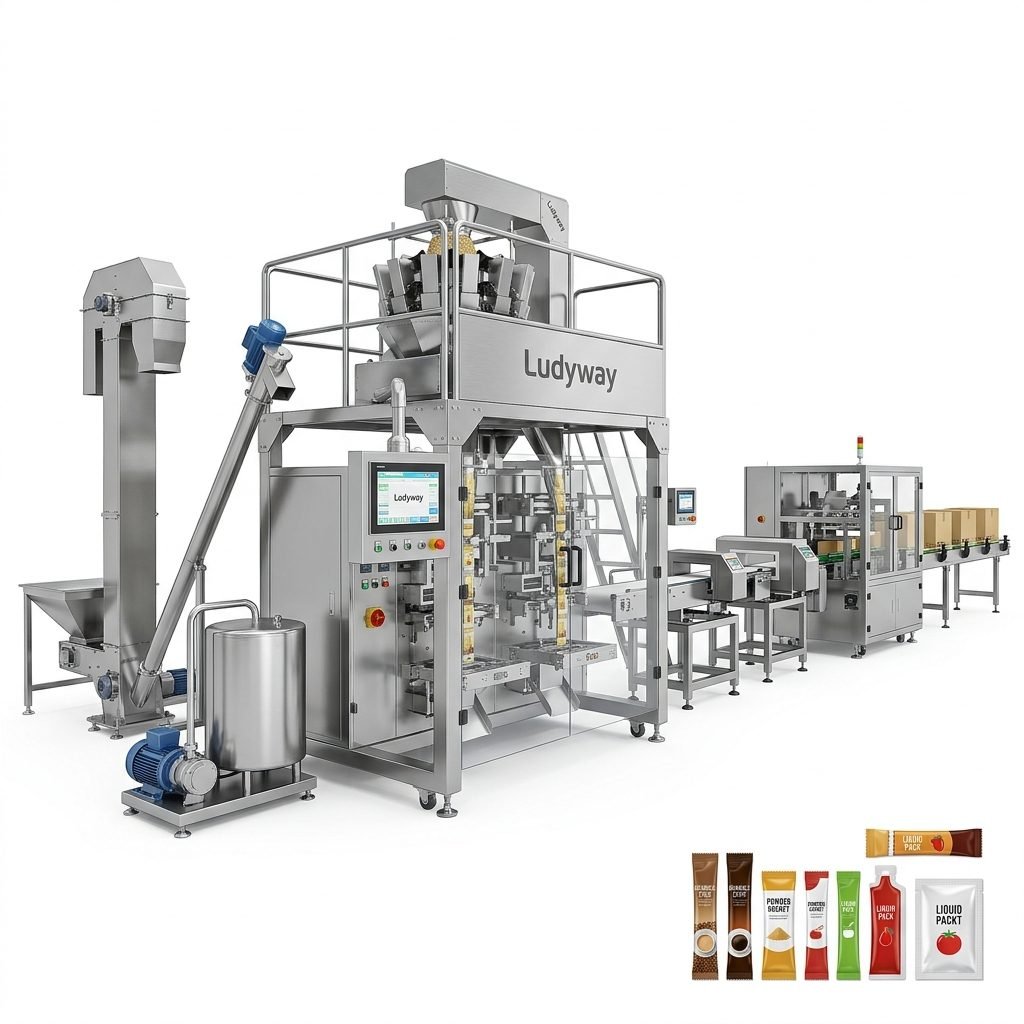
Should You Choose a Standalone Machine or a Complete Packaging Line?
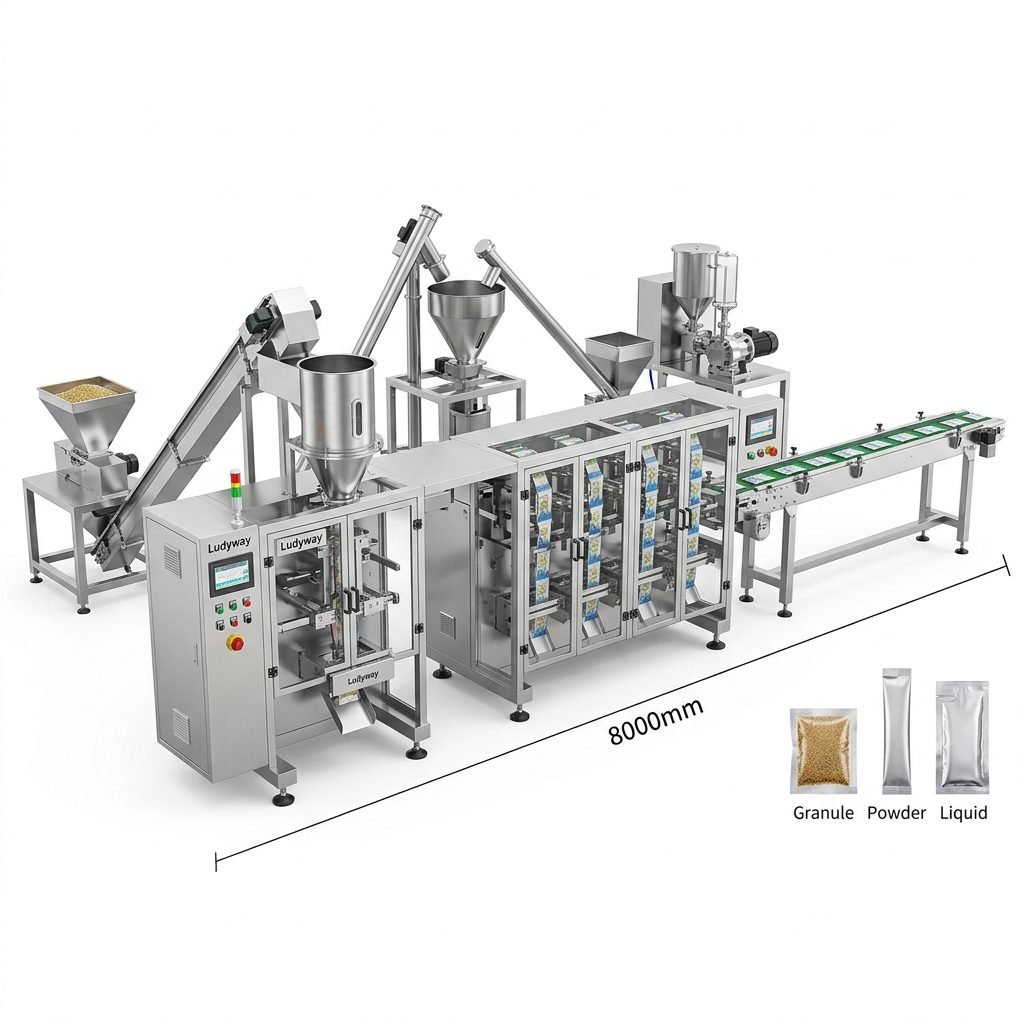
If your operation only needs cushioning at one packing station, a standalone foam in place packaging machine may be enough. However, if you need a more automated workflow, it may be better to consider a complete packaging solution that integrates conveying, box forming, filling, sealing, labeling, and end-of-line handling.
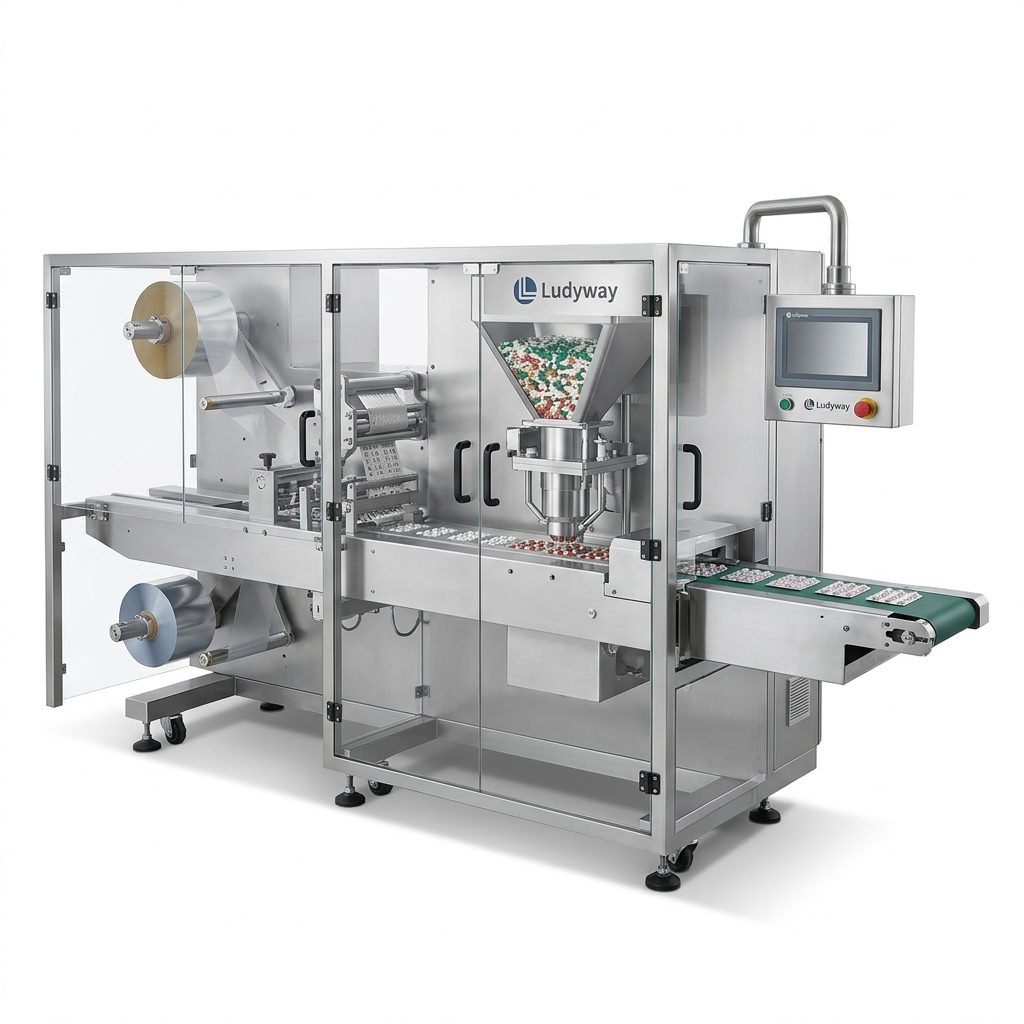
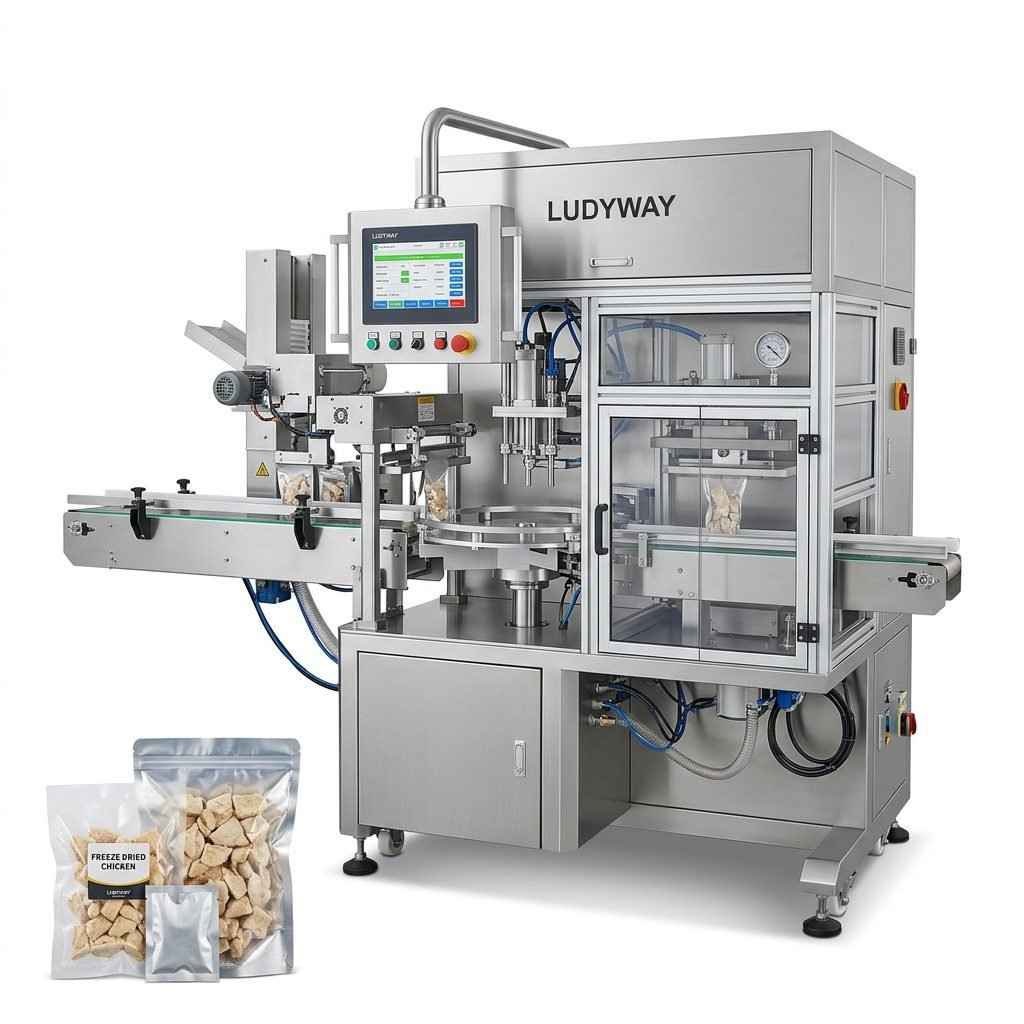
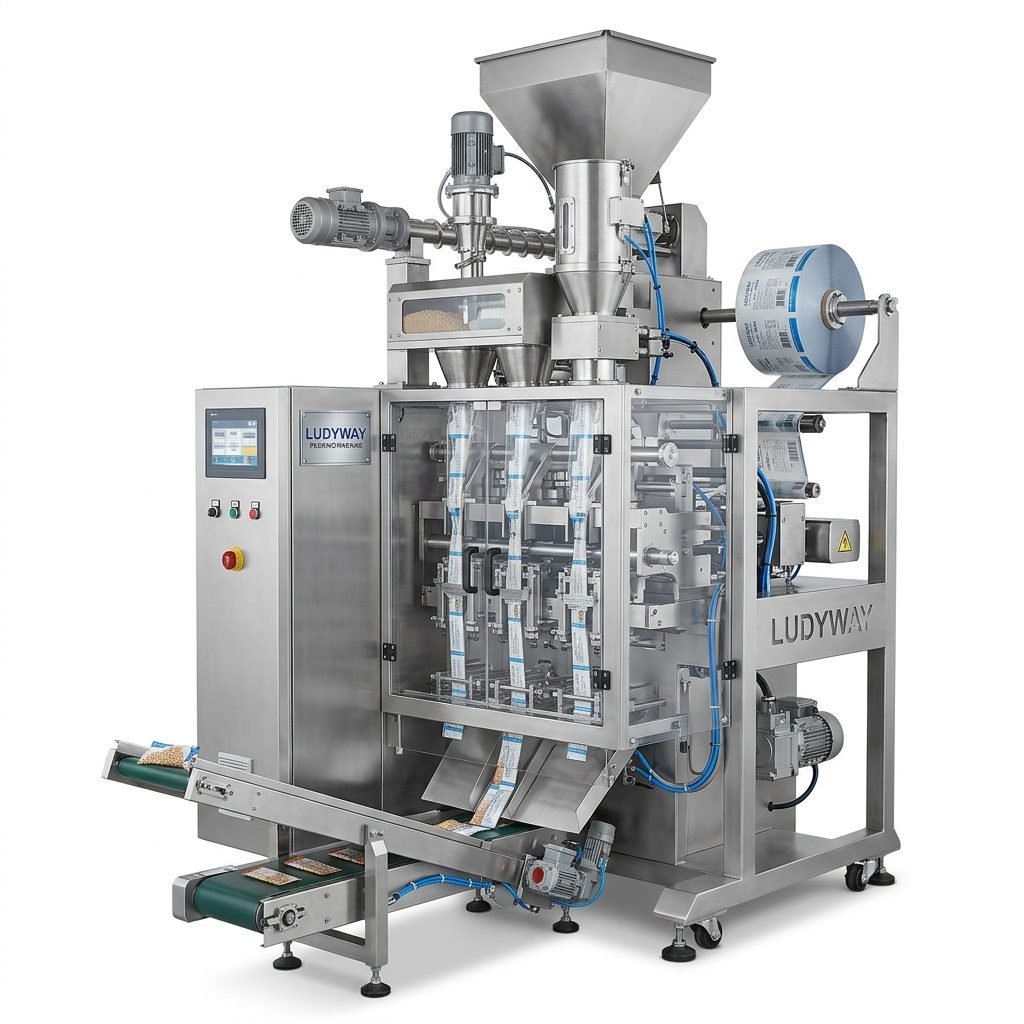
For businesses seeking broader automation support, Ludyway packaging machine solutions can be considered as part of a larger turnkey packaging line strategy, especially for companies that require scalable equipment and export-oriented production support.
Frequently Asked Questions
Is foam in place packaging suitable for fragile items?
Yes. It is especially effective for fragile, heavy, or irregularly shaped products because the foam conforms to the product and provides stable cushioning.
Can foam in place packaging reduce shipping costs?
It can reduce damage-related costs and may lower overall packaging material usage. Actual shipping cost savings depend on package size, weight, and transport method.
What industries use foam in place packaging machines most?
Electronics, medical, industrial equipment, automotive, aerospace, and e-commerce fulfillment operations commonly use these systems.
How important is automation level when buying?
Very important. The right automation level affects labor efficiency, consistency, floor layout, and investment return.
Final Buying Advice
A foam in place packaging machine is a smart choice when standard protective packaging cannot provide enough product stability or flexibility. The best machine is not simply the one with the highest output, but the one that matches your product dimensions, packaging speed, protection requirements, and service expectations.
Before making a purchase, compare machine performance, foam quality stability, material compatibility, maintenance needs, and supplier support. A well-matched system can improve packaging efficiency, reduce damage claims, and support long-term shipping reliability.