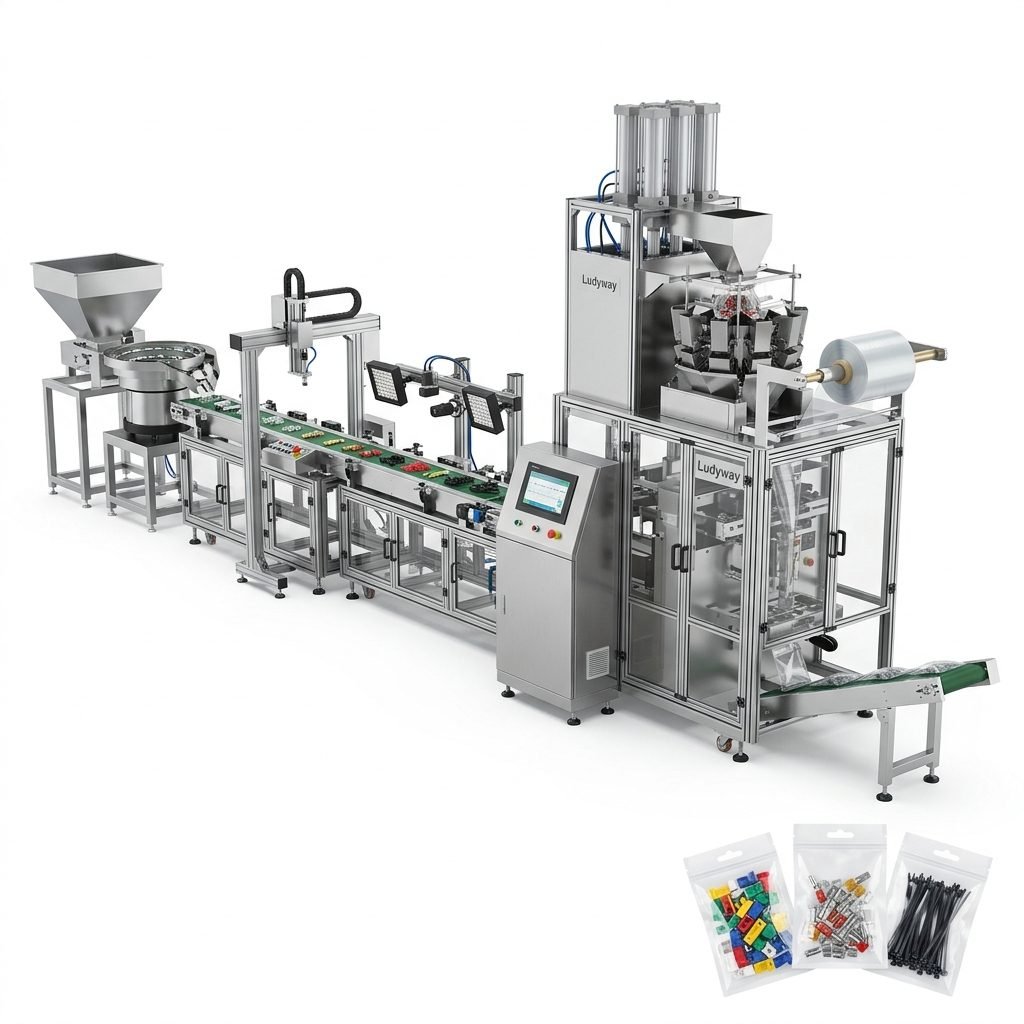
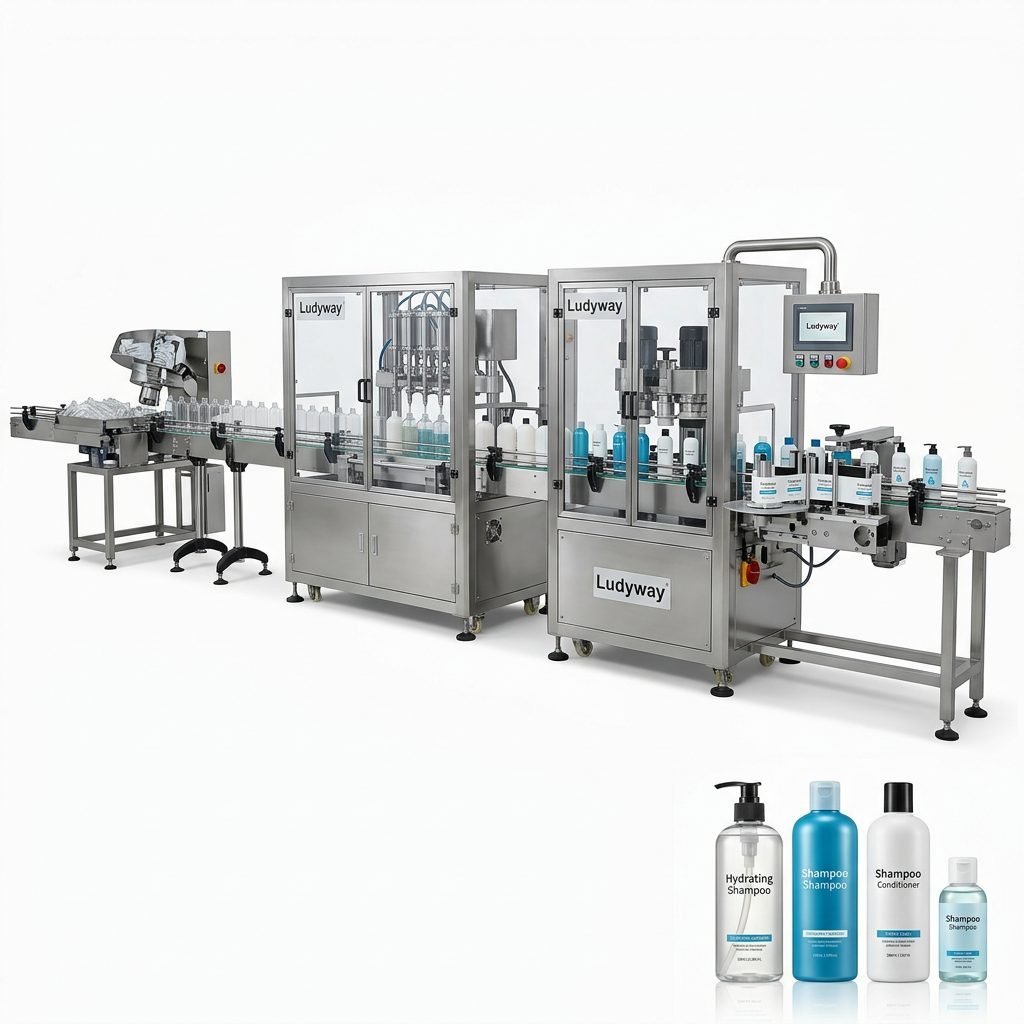
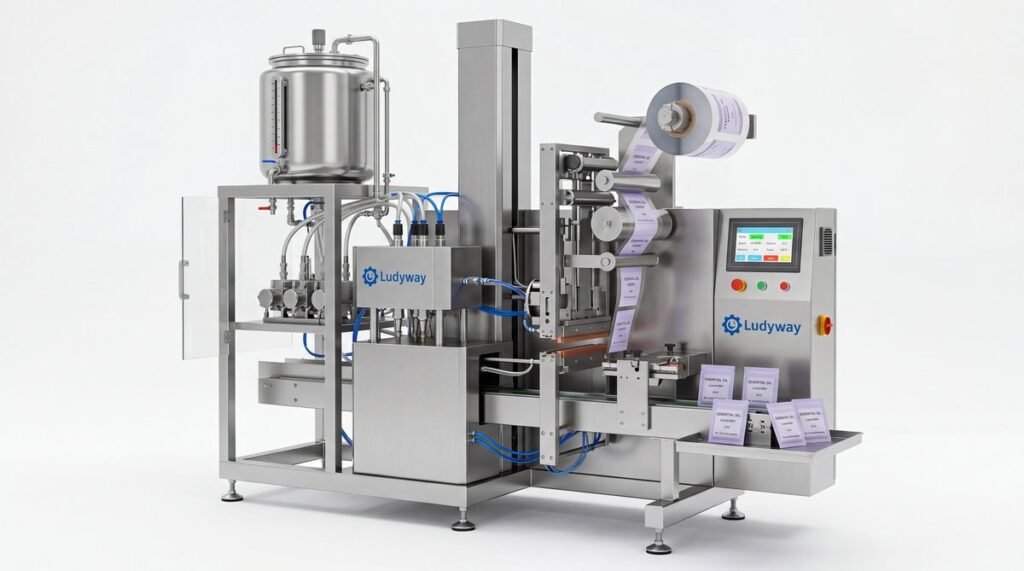
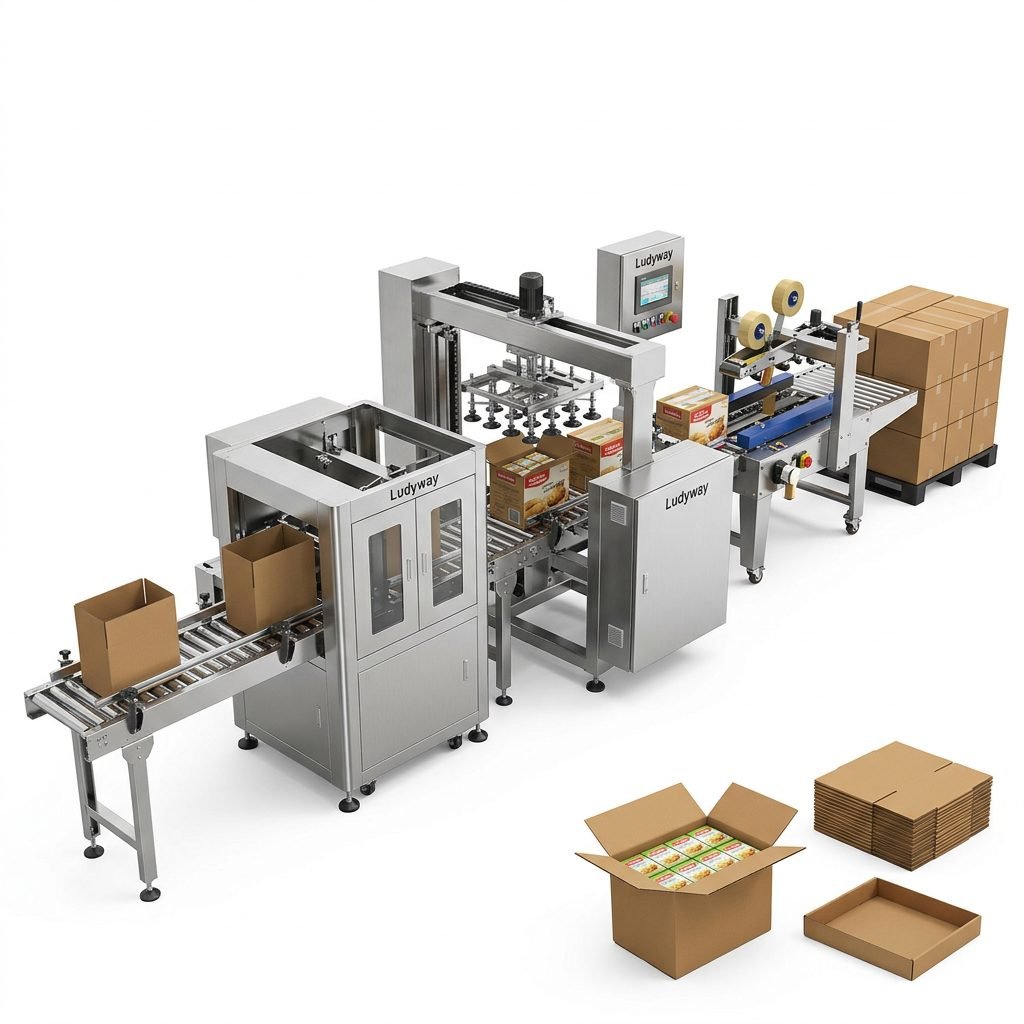
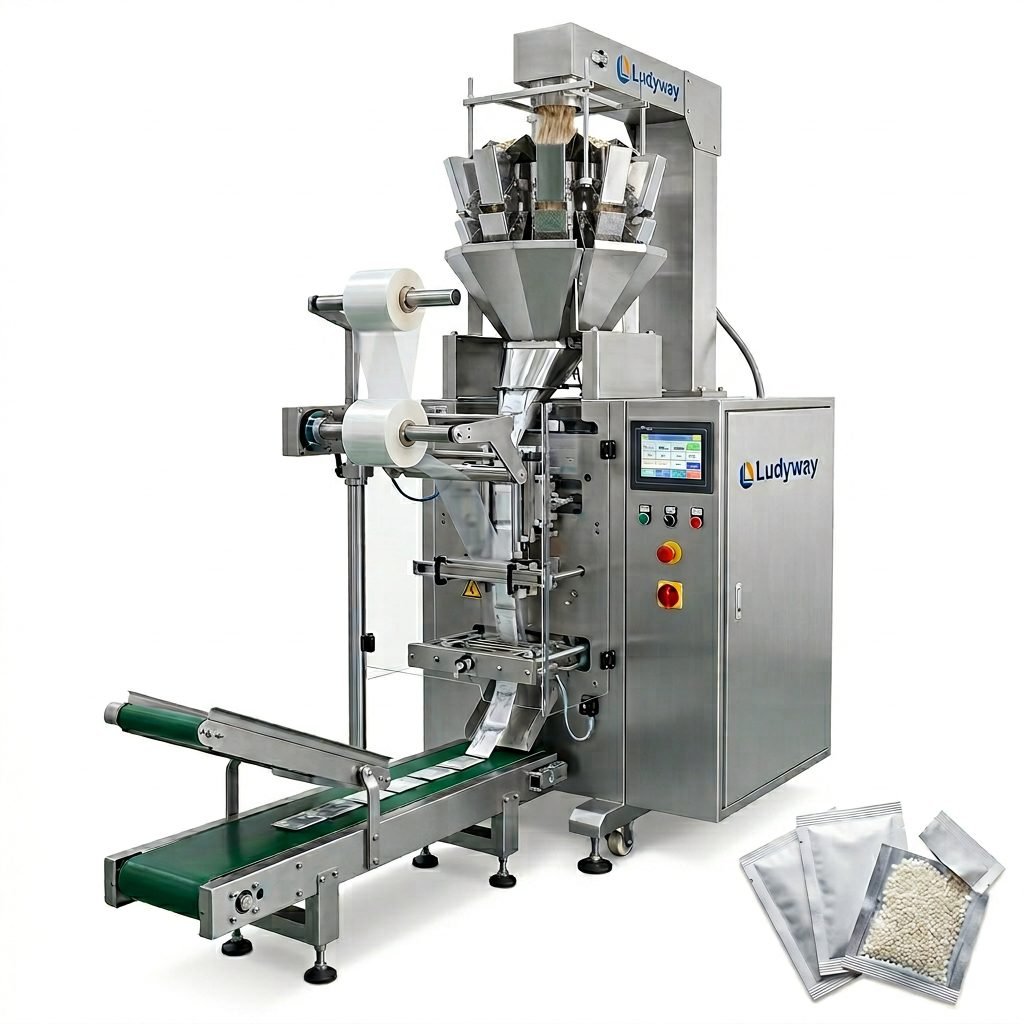
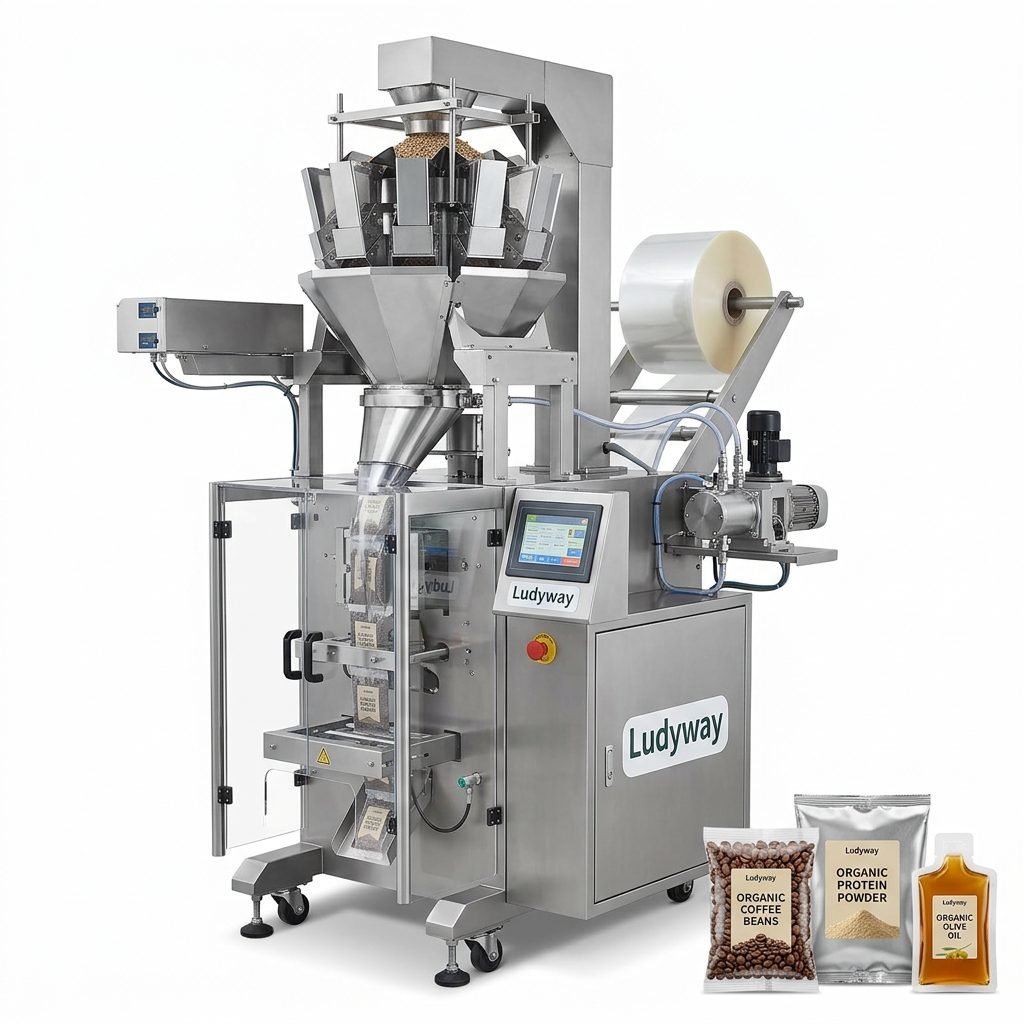
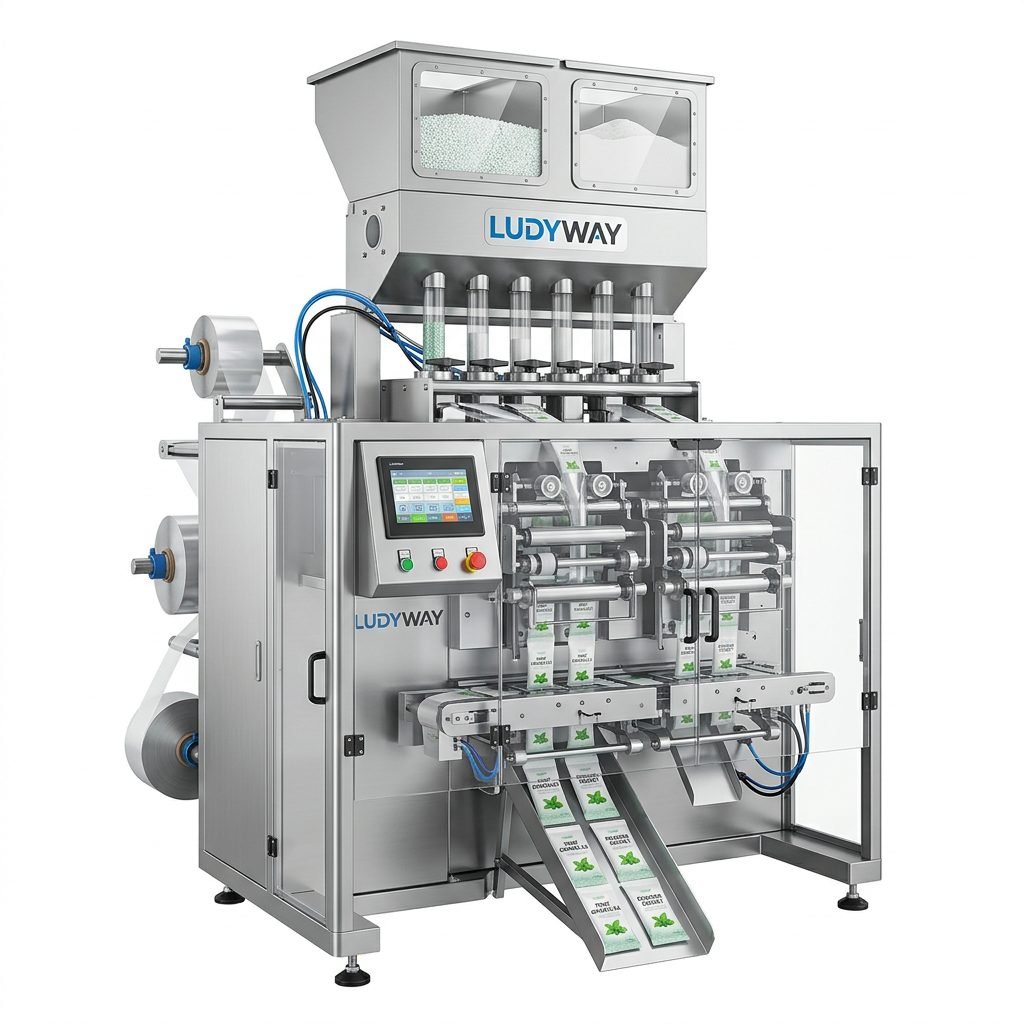
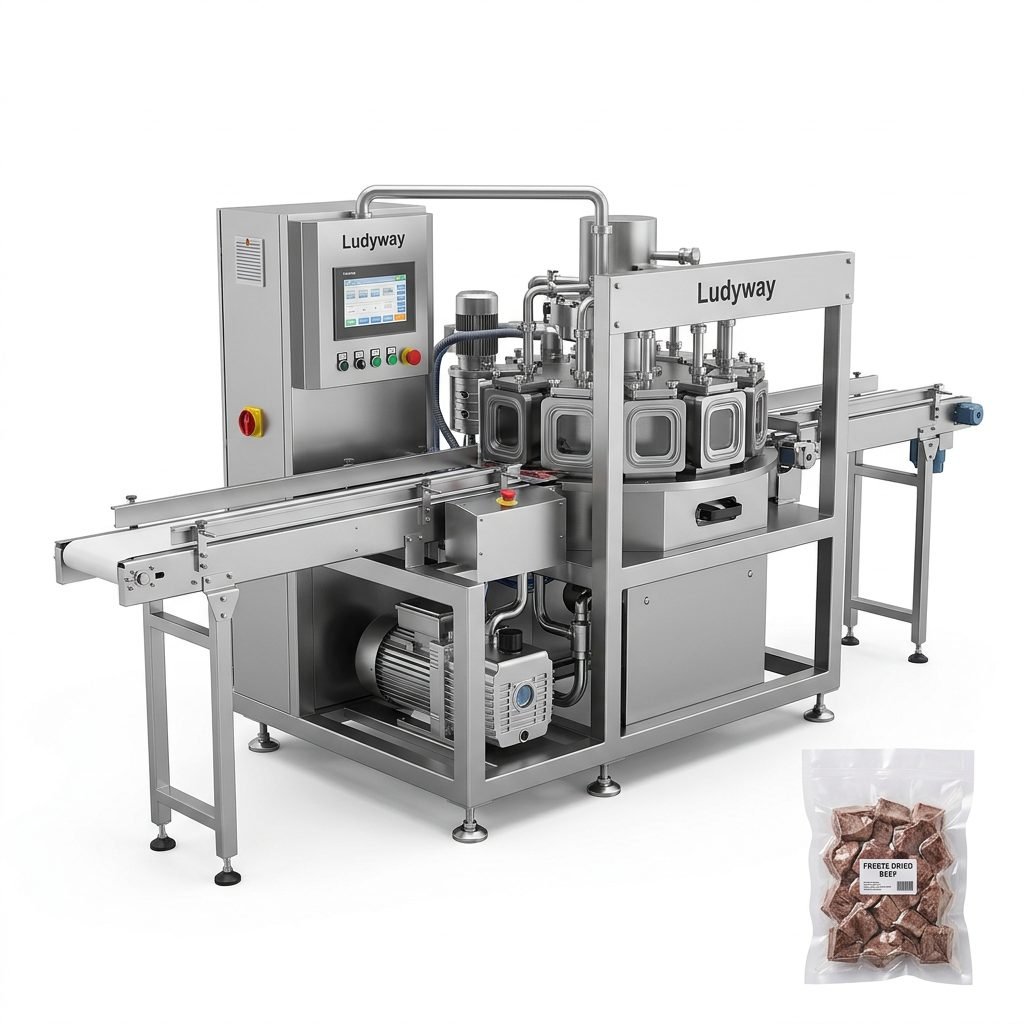
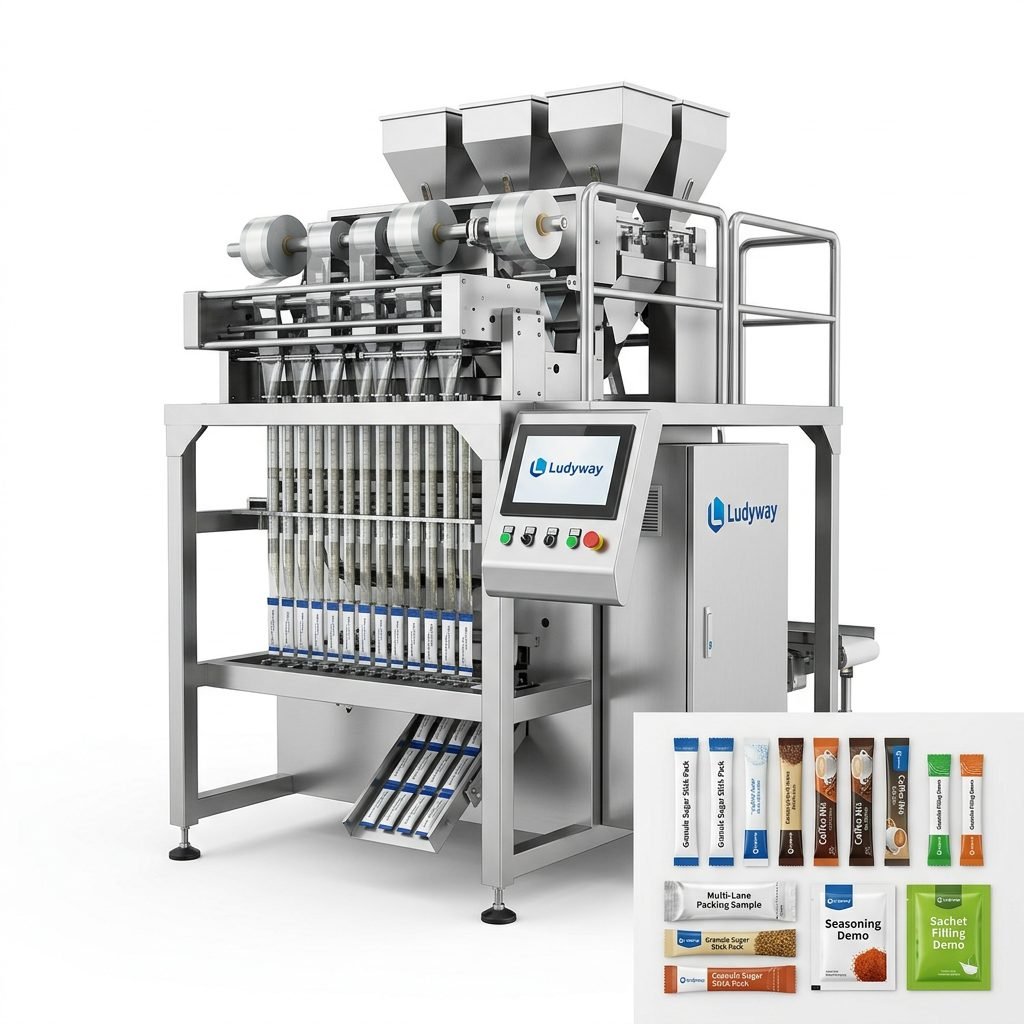
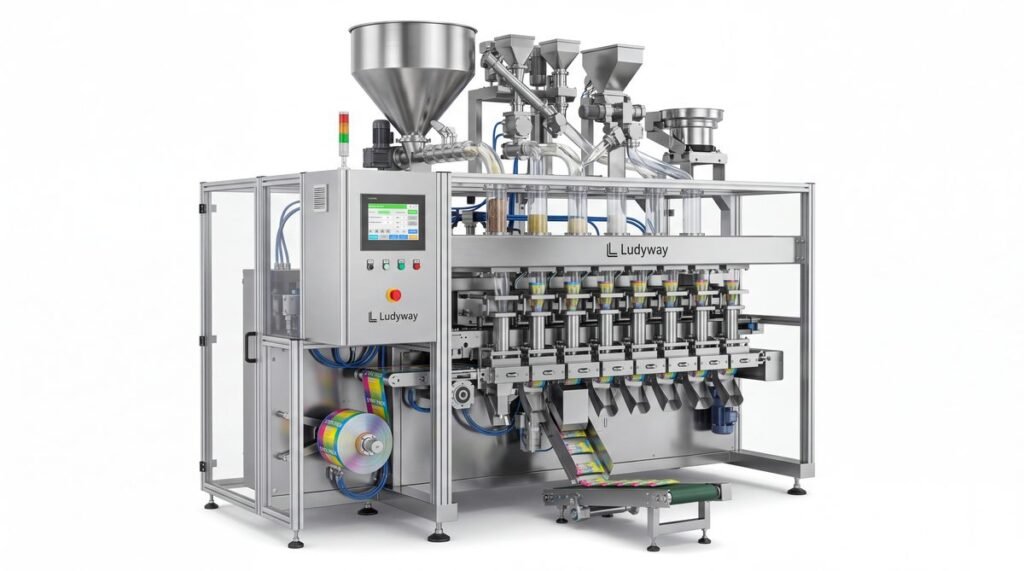
In modern production environments, a counting and packing machine is no longer just a convenience—it is a key part of improving output, reducing waste, and maintaining consistent packaging quality. Whether you are handling tablets, capsules, hardware parts, sachets, pouches, candies, or other small items, accurate counting combined with automated packing helps manufacturers meet rising market expectations for speed, precision, traceability, and cost control.
Businesses across food, pharmaceutical, nutraceutical, cosmetic, chemical, and industrial sectors increasingly rely on automated counting and packing systems to replace labor-intensive manual work. By integrating feeding, counting, checking, filling, sealing, labeling, and case packing into one process, manufacturers can achieve higher productivity with fewer human errors.
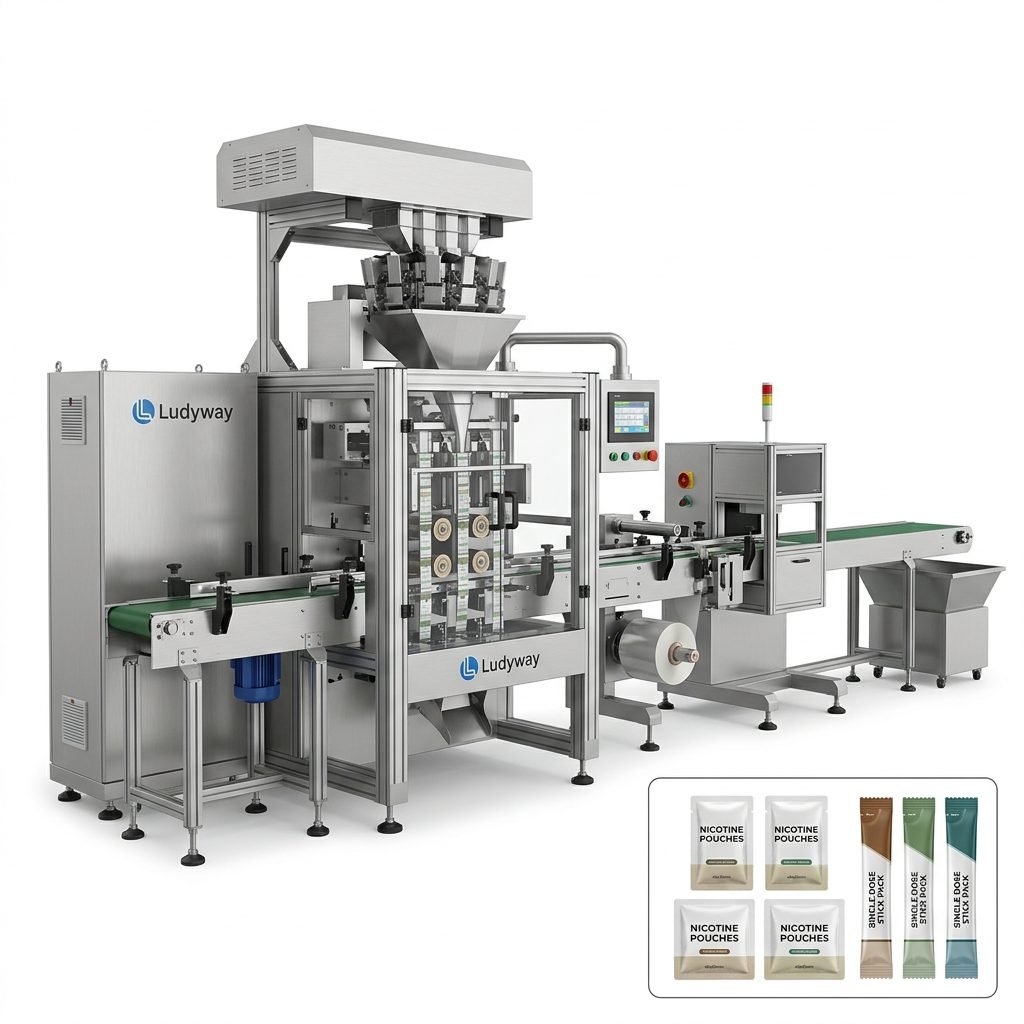
What Is a Counting and Packing Machine?
A counting and packing machine is an automated system designed to count products precisely and place them into the required packaging format. Depending on the application, the machine may use sensors, vision systems, vibratory channels, servo-driven feeding modules, weighing systems, or programmable logic controls to ensure each pack contains the correct quantity.
These machines are commonly used for:
- Tablets and capsules
- Softgels and gummies
- Candies and snack portions
- Sachets and stick packs grouped by count
- Bolts, screws, washers, and small hardware
- Electronic components and precision parts
- Nicotine pouches and similar pouch products
- Seeds, feed additives, and granule-based unit packs
Why Accurate Counting Matters in Automated Packing
Counting accuracy directly impacts customer satisfaction, regulatory compliance, and profitability. Underfilled packs can lead to complaints and compliance problems, while overfilled packs increase giveaway and reduce margins. A reliable automated counting and packing solution helps manufacturers maintain consistent pack integrity across high-speed production runs.
Key benefits of accurate counting include:
- Reduced product giveaway and tighter cost control
- Improved batch consistency and packaging quality
- Better compliance for regulated sectors such as pharma and health supplements
- Less dependence on manual operators
- Lower risk of counting errors during peak production
- Faster throughput with repeatable performance
How a Counting and Packing Machine Works
While designs vary by industry and product type, a typical counting and packing system follows a structured process:
- Product feeding: Products are transferred through a hopper, conveyor, elevator, or vibratory feeder.
- Separation and orientation: The machine aligns products to improve counting precision.
- Counting stage: Optical sensors, vision counters, or channel counting modules track each item.
- Pack loading: Counted products are discharged into bottles, pouches, sachet bundles, cartons, or trays.
- Sealing and coding: The package is sealed, printed, or labeled for identification and traceability.
- Inspection: Optional checkweighers, metal detectors, or vision systems verify output quality.
- Secondary packaging: Cartoning, case packing, and palletizing can be added for complete automation.
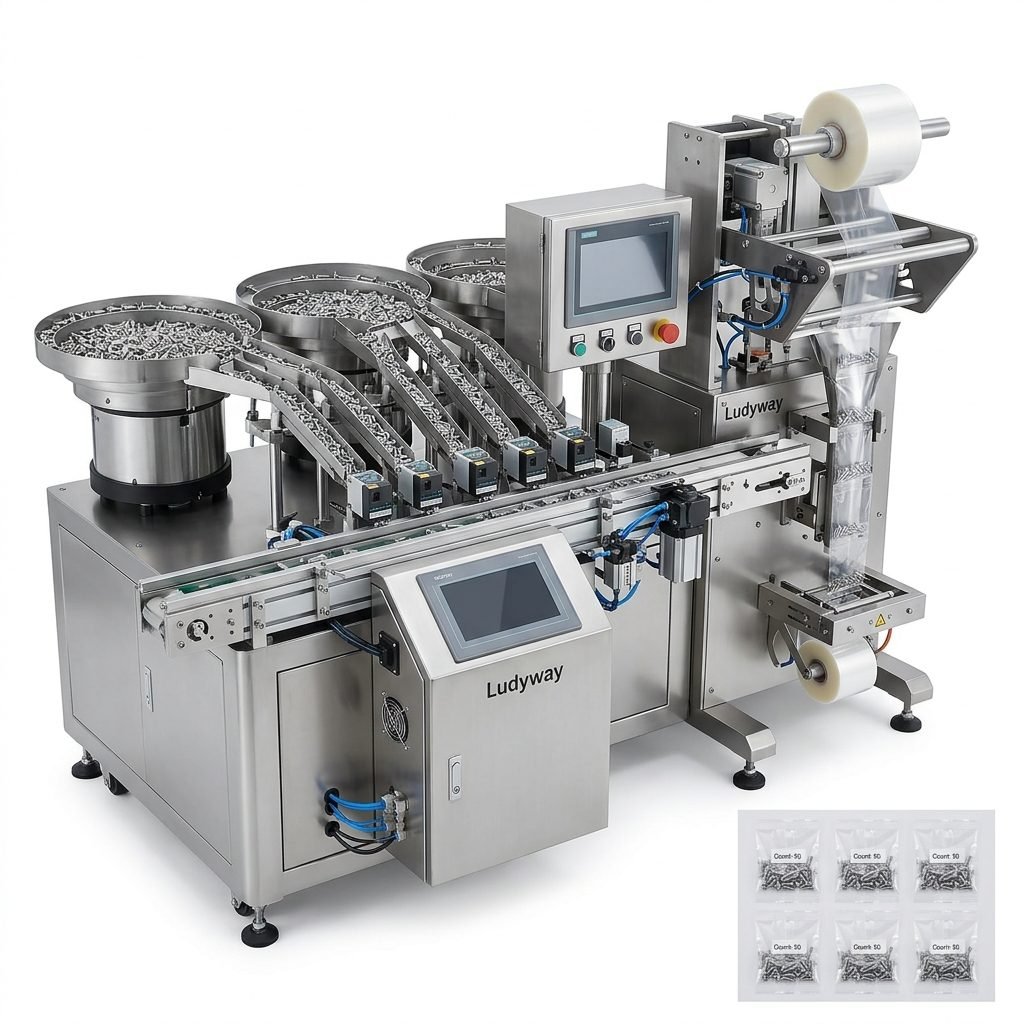
Types of Counting and Packing Machines
Choosing the right machine depends on product shape, fragility, required speed, packaging format, and target output. The most common machine categories include:
1. Electronic Counting Machines
Often used for tablets, capsules, pills, gummies, and softgels, these machines use photoelectric sensors or cameras to count products accurately before filling them into containers or pouches.
2. Vibratory Counting Systems
Suitable for hardware, seeds, and other small solid items, vibratory feeders help separate products for stable counting and controlled discharge.
3. Sachet or Pouch Counting Packing Systems
These systems count preformed sachets, stick packs, or pouches and then group them into larger retail or bulk packs, often for pharmaceutical, nicotine pouch, and food applications.
4. Vision-Based Counting Machines
Advanced vision systems are ideal when product size, shape, or orientation varies and a higher level of inspection is required.
5. Integrated Turnkey Counting and Packing Lines
These complete solutions combine upstream product feeding and downstream packaging operations into one automated line for maximum efficiency.
Industries That Benefit Most
| Industry | Typical Products | Main Advantage |
|---|---|---|
| Pharmaceutical | Tablets, capsules, sachets | Compliance and precision |
| Food & Beverage | Candies, snacks, instant sachets | High speed and reduced waste |
| Nutraceutical | Supplements, gummies, powders | Consistent pack quantity |
| Hardware | Screws, nuts, bolts, clips | Labor savings and counting accuracy |
| Electronics | Small precision components | Reliable handling of tiny parts |
| Nicotine & Pouch | Pouches, stick packs, grouped units | Fast grouping and automated secondary packaging |
Core Features to Look For
Not every counting and packing machine offers the same performance. Buyers should focus on functions that support long-term production stability.
Recommended features:
- High counting accuracy with stable sensor performance
- Fast changeover between product sizes and pack counts
- Touchscreen HMI with recipe storage
- Servo-driven control for precise movement
- Automatic reject system for abnormal packs
- Checkweigher and inspection integration
- Dust control or hygienic design for sensitive products
- Data logging for traceability and quality control
- Compatibility with pouching, bottling, cartoning, or case packing equipment
Manual vs. Automated Counting and Packing
Many growing manufacturers begin with manual or semi-automatic methods, but these approaches usually become inefficient as demand rises. Automation offers stronger repeatability, lower labor dependency, and better pack consistency.
| Factor | Manual Counting | Automated Counting & Packing |
|---|---|---|
| Accuracy | Variable | High and repeatable |
| Labor Cost | High | Lower over time |
| Output Speed | Limited | High-speed production |
| Traceability | Low | Easy to record and monitor |
| Scalability | Weak | Strong |
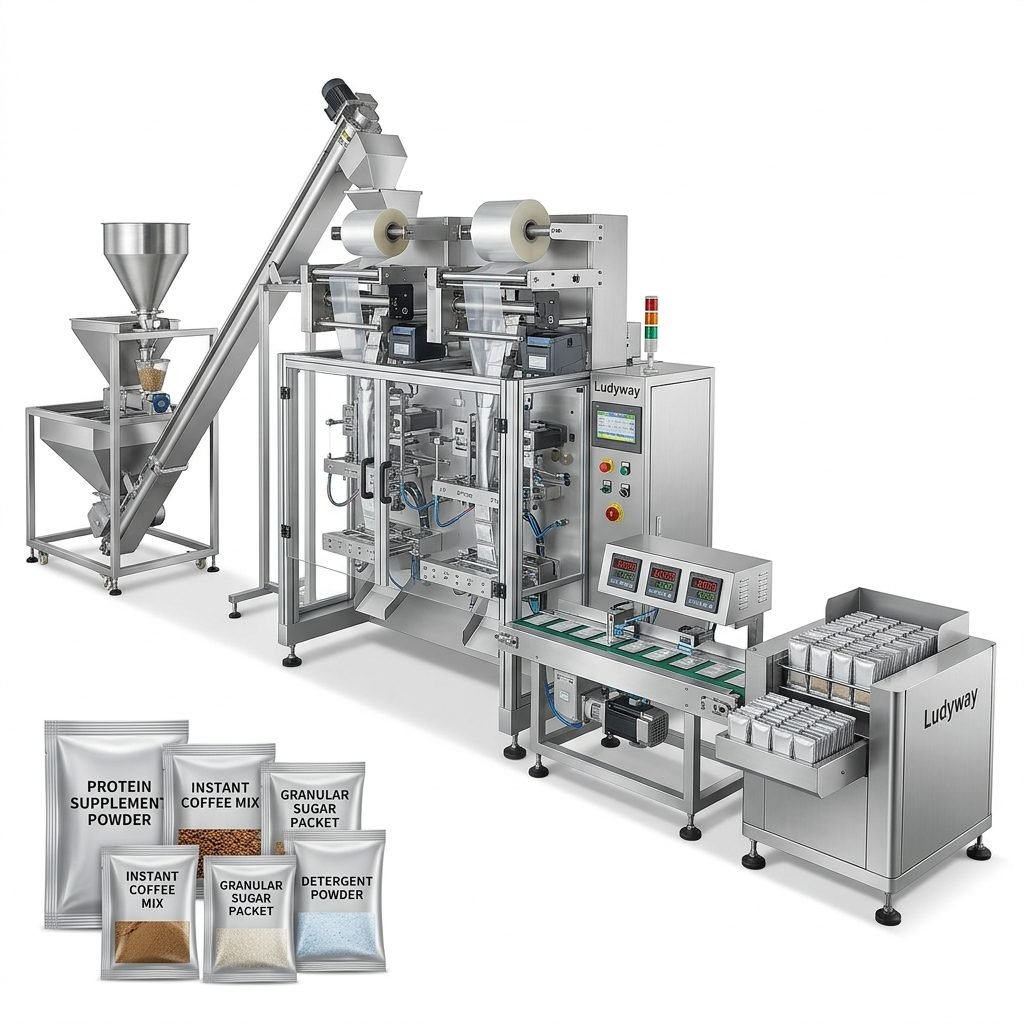
Efficient Solutions for Different Packaging Needs
Bottle Counting and Filling
Ideal for tablets, capsules, gummies, and supplements. This solution can be integrated with bottle unscramblers, desiccant inserters, cappers, induction sealers, and labelers.
Pouch and Sachet Group Counting
Designed for retail multipacks, sample kit grouping, and promotional packaging. These systems count finished sachets or pouches and collate them into larger bags or cartons.
Hardware Counting Baggers
Common in industrial applications, these systems count multiple small parts and automatically fill them into bags with product-specific recipes.
Custom Turnkey Lines
For factories requiring end-to-end automation, complete lines may include feeding, counting, primary packing, secondary packing, coding, inspection, and palletizing. Manufacturers looking for scalable systems often evaluate providers such as Ludyway counting and packing machine solutions for integrated packaging line support.
How to Choose the Right Counting and Packing Machine
Selecting the right machine is easier when you compare your production needs against the machine’s practical capabilities.
Ask these questions before buying:
- What product is being counted, and how fragile is it?
- What counting accuracy is required?
- What packaging format will be used—bottle, pouch, sachet bundle, carton, or case?
- What is the target speed per minute or per hour?
- Will the machine need to handle multiple SKUs?
- Are sanitation, GMP, or dust-control standards required?
- Will the system need future integration with checkweighers, cartoners, or palletizers?
Common Challenges and How Modern Machines Solve Them
Product sticking or overlapping
Advanced feeding and separation mechanisms improve product flow and reduce false counts.
Mixed sizes or unstable shapes
Vision-based or programmable systems can adapt more effectively than fixed manual setups.
Dust and contamination risks
Enclosed designs, extraction systems, and hygienic contact parts help support cleaner production.
Frequent product changes
Recipe memory and quick-change components help reduce downtime between SKUs.
Verification of pack accuracy
Integrated checkweighers and reject units ensure non-conforming packs are removed before shipment.
SEO-Focused Buyer Considerations: Performance, ROI, and Support
When companies search for the best counting and packing machine, they are usually comparing more than the initial equipment price. Long-term value comes from the total production benefit the machine can deliver.
- Higher throughput can shorten payback periods
- Better counting precision reduces hidden giveaway costs
- Automation lowers operator dependency and labor pressure
- Stable sealing and packing reduce customer complaints
- Strong technical support improves uptime and machine lifespan
In many factories, the return on investment becomes clear when output increases, rework decreases, and packaging consistency improves across every batch.
Future Trends in Counting and Packing Automation
The next generation of counting and packing equipment is moving toward smarter, more connected production. Manufacturers are increasingly adopting systems with:
- Real-time monitoring and fault diagnostics
- Remote support and data access
- Vision-assisted inspection
- Automatic parameter adjustment for product changeovers
- Modular design for line expansion
- Better integration with ERP and factory management systems
These developments are especially valuable for companies aiming to build flexible production lines that can support more SKUs, shorter runs, and stricter quality requirements.
Final Buying Insight
A well-designed counting and packing machine helps manufacturers achieve a balance between speed, precision, and packaging efficiency. For operations handling pharmaceuticals, food products, sachets, pouches, hardware, or precision components, the right automated solution can significantly improve both productivity and product reliability.
If your production line is facing issues such as slow manual counting, inconsistent pack quantities, labor shortages, or limited scalability, investing in an automated counting and packing system can be a practical step toward smarter manufacturing and stronger market competitiveness.