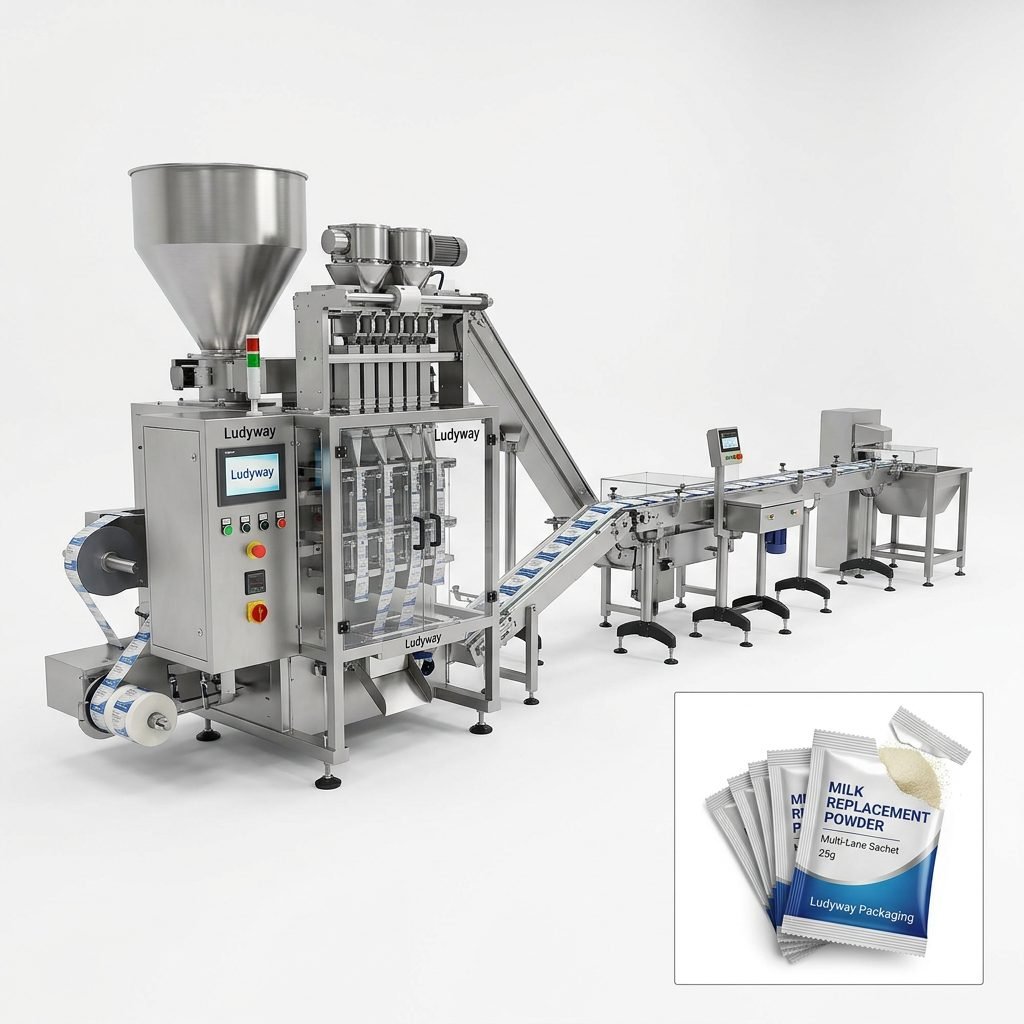
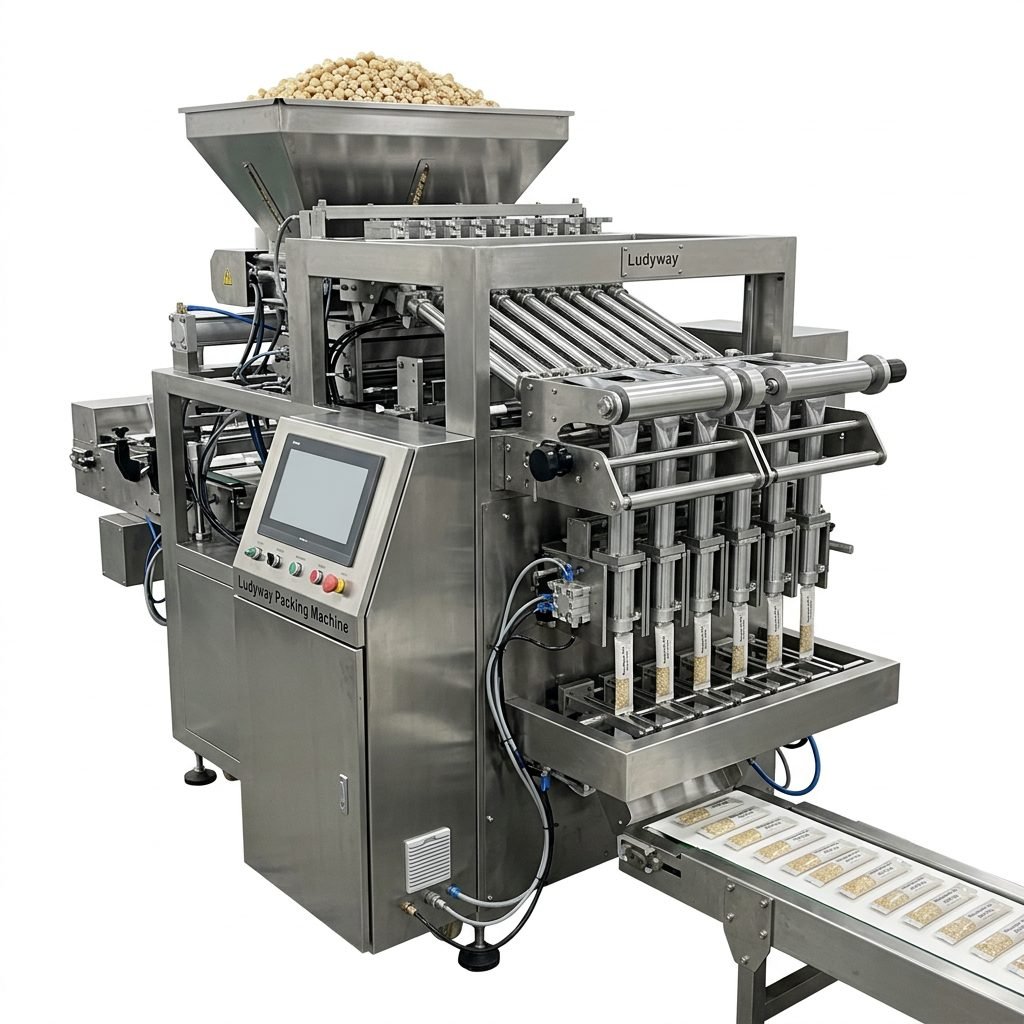
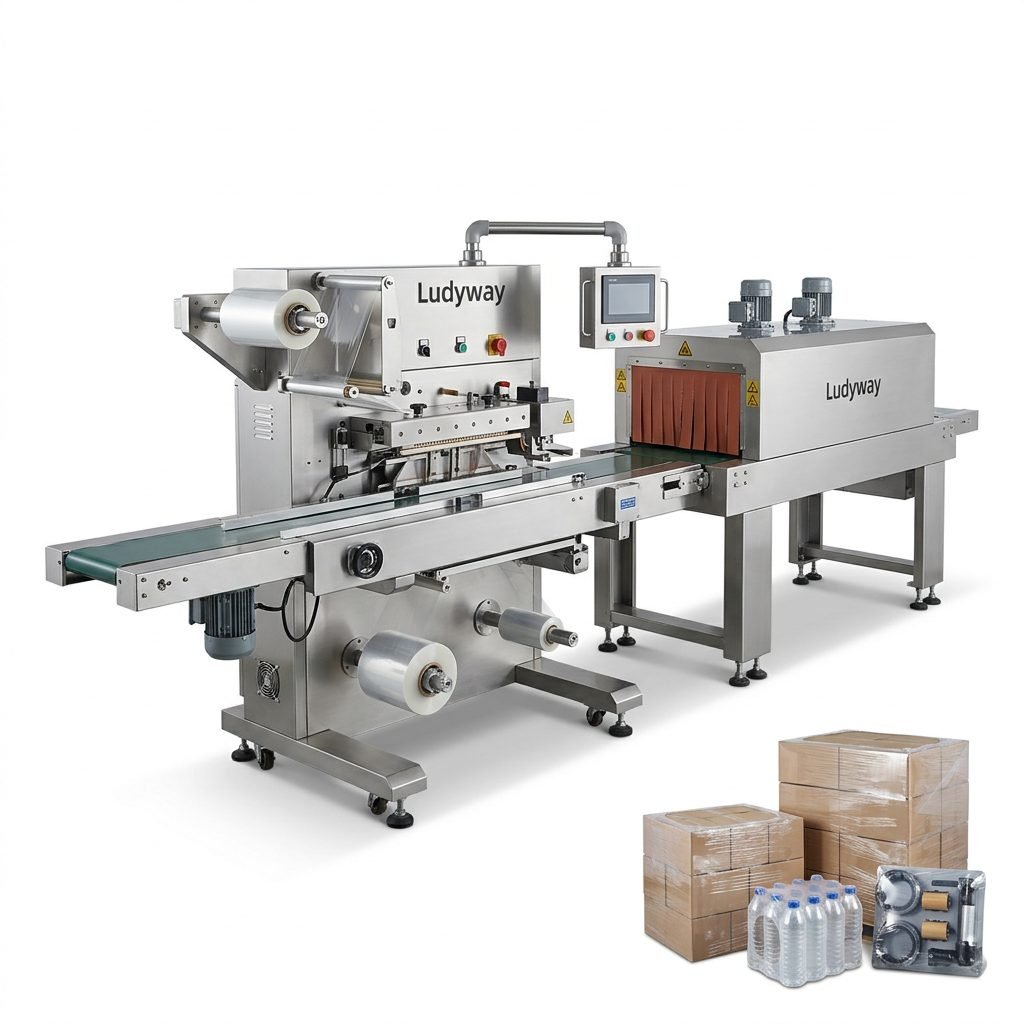
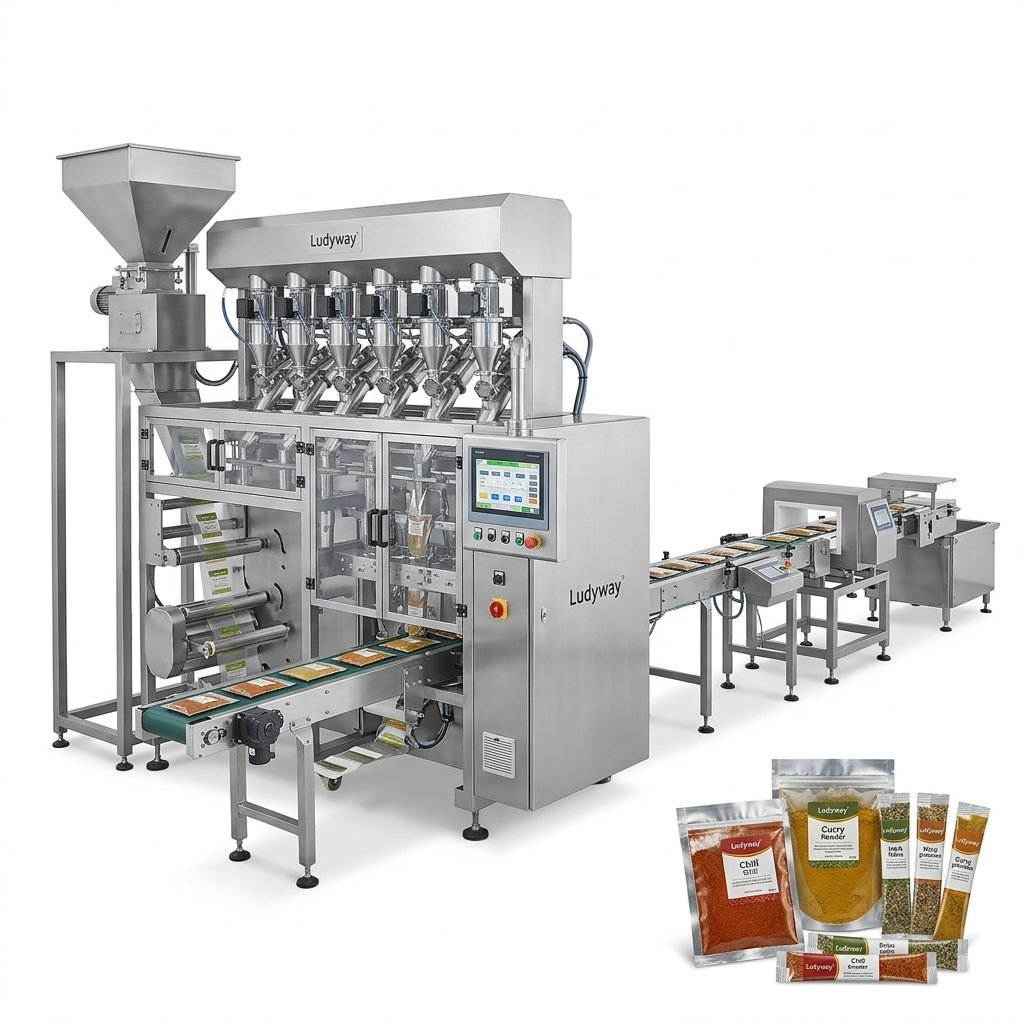
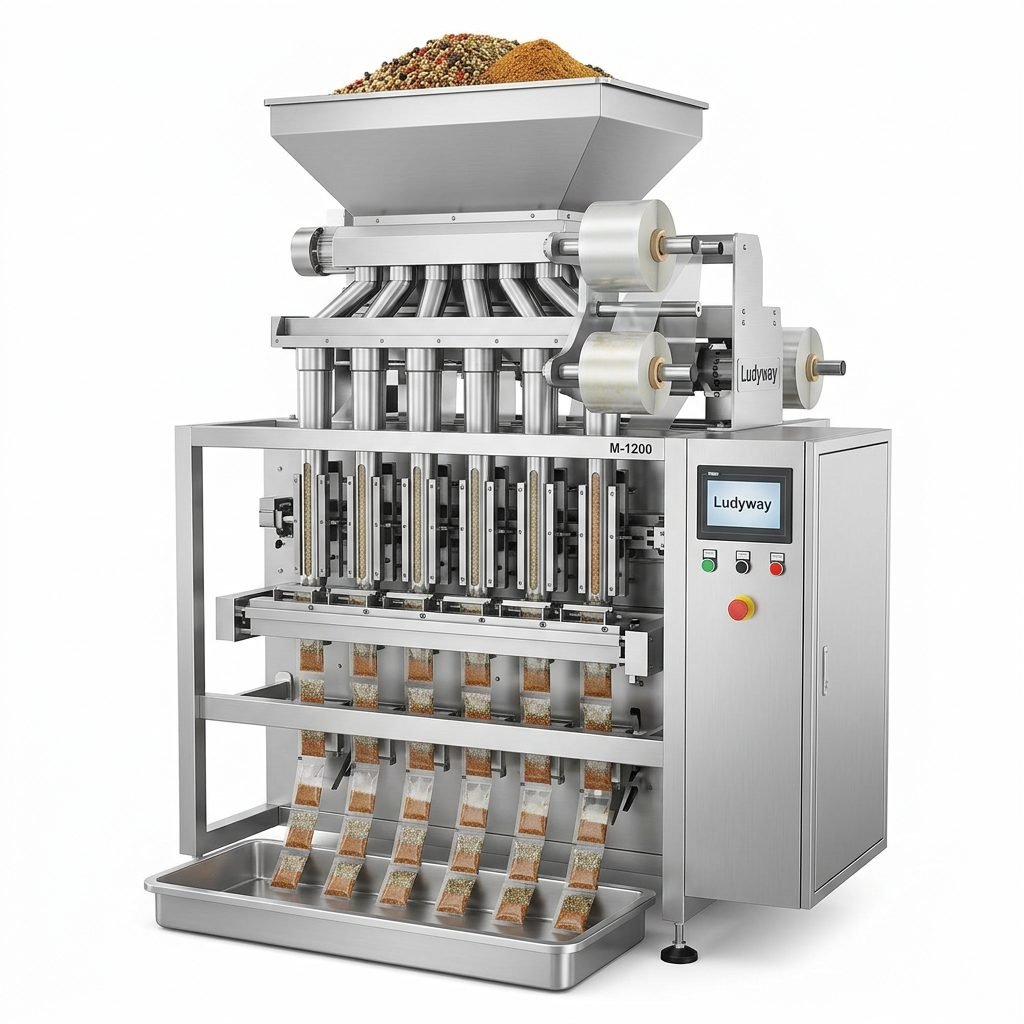
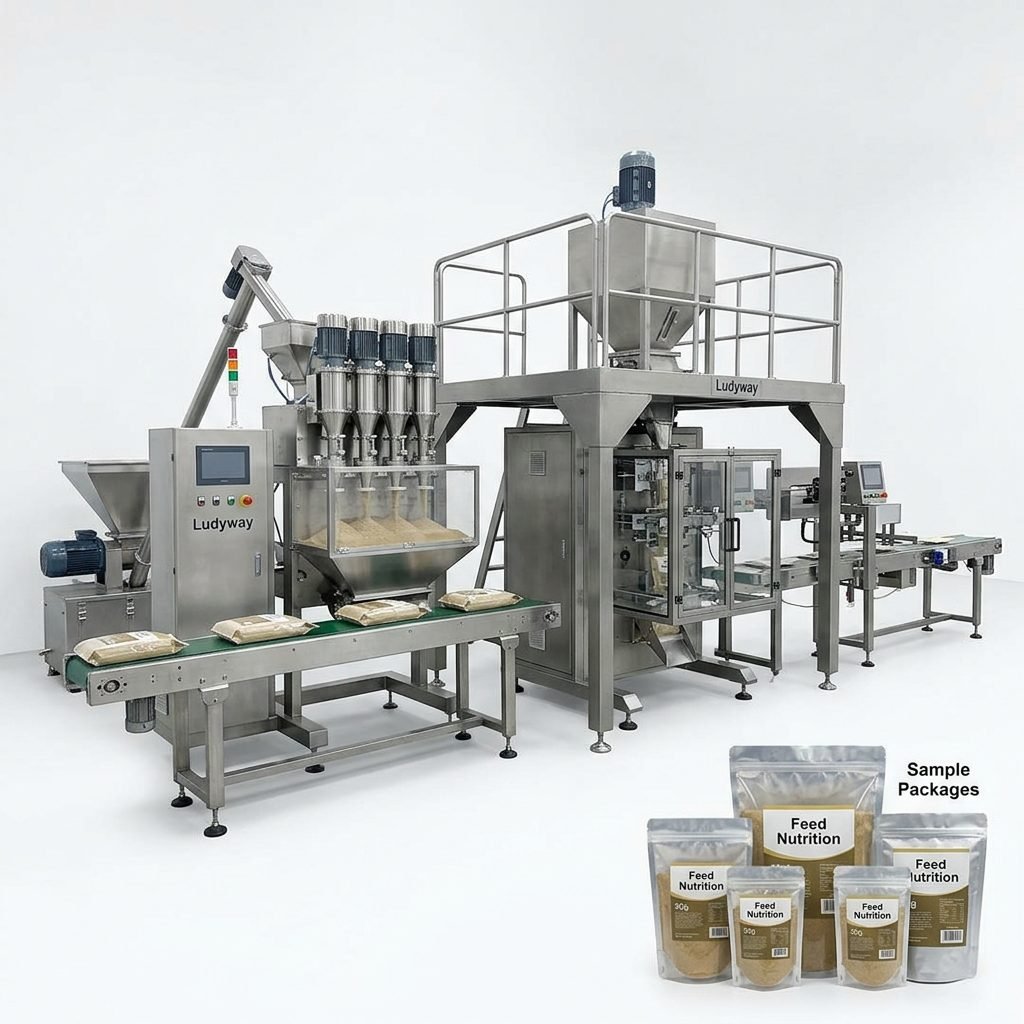
HFFS packaging machines are widely used in modern manufacturing because they can form, fill, and seal flexible packages in one continuous process. For brands that need speed, packaging consistency, and reliable sealing performance, this technology is one of the most practical choices across food, pharmaceutical, cosmetic, and chemical industries.
In simple terms, an HFFS machine starts with roll film laid horizontally, shapes it into a pouch, fills the product, and seals the package before discharge. This horizontal workflow makes it especially suitable for products that require stable pouch presentation, easy integration with dosing systems, and attractive retail packaging.
What Is an HFFS Packaging Machine?
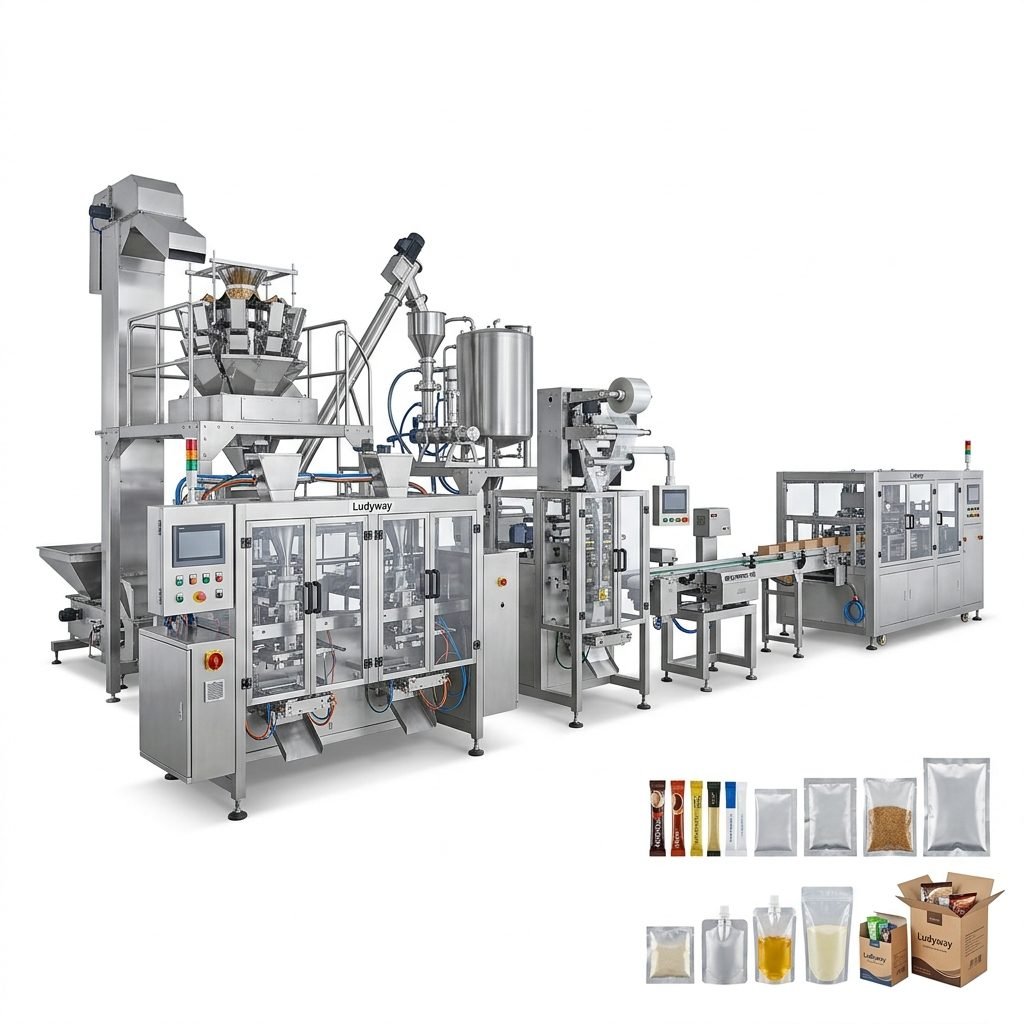
HFFS stands for Horizontal Form Fill Seal. Unlike vertical systems that form a bag from top to bottom, HFFS machines process packaging film in a horizontal direction. The machine creates pouches or sachets, loads the product into the formed cavity or bag, and then seals it with precise temperature and pressure control.
HFFS equipment is commonly used for:
- Powders and granules
- Liquids, gels, and pastes
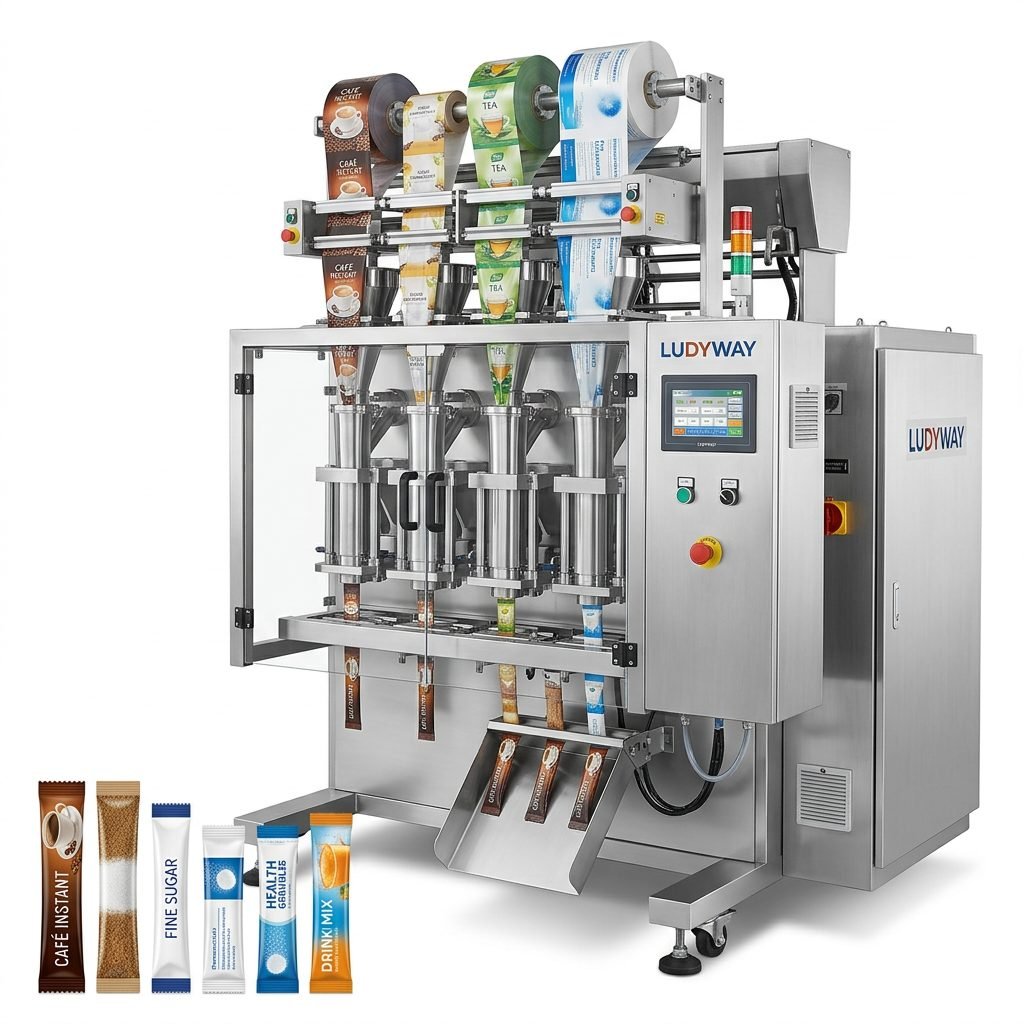
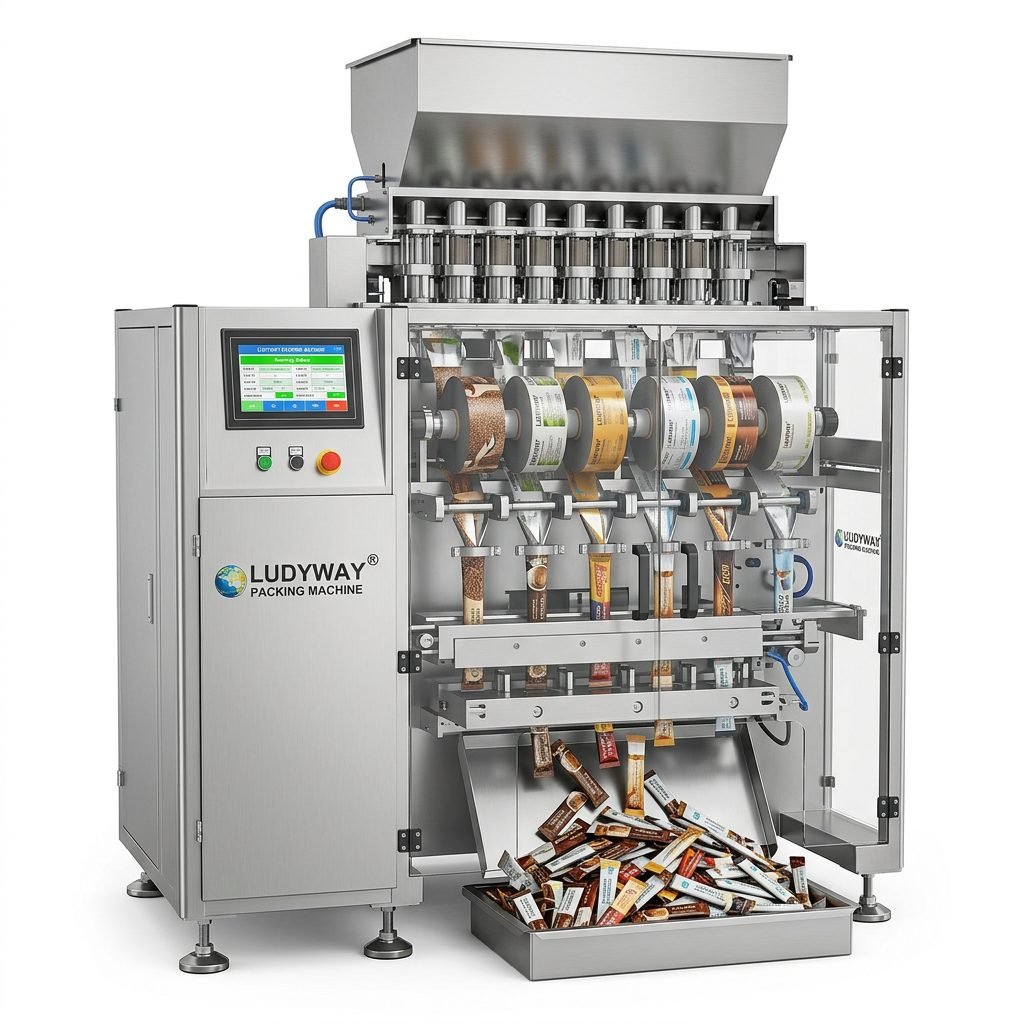
- Single-dose sachets and stick packs
- Medical and pharmaceutical packaging
- Cosmetic sample packs and travel-size products
- Functional foods and health supplements
How an HFFS Packaging Machine Works
Although machine designs vary by product and pouch format, the core working principle usually follows the same sequence.
- Film Unwinding: The packaging film is pulled from a roll and fed into the machine with controlled tension.
- Pouch Forming: The film is folded or shaped into the required pouch structure.
- Longitudinal and Bottom Sealing: Initial seals are made to create the package body.
- Product Filling: The filler dispenses powder, granules, liquid, or paste into the formed pouch.
- Top Sealing: The pouch is sealed after filling, ensuring product protection and leak resistance.
- Cutting and Output: Individual packages are separated and discharged for cartoning, checkweighing, or secondary packaging.
Advanced HFFS systems can also include nitrogen flushing, zipper insertion, spout fitting, coding, vision inspection, and reject systems. These features improve shelf life, traceability, and production quality.
Typical Machine Workflow at a Glance
| Process Step | Function | Main Benefit |
|---|---|---|
| Film Feeding | Supplies flexible packaging material | Stable package positioning |
| Forming | Shapes the pouch or sachet | Supports multiple package styles |
| Filling | Adds product with a matched dosing unit | Improved accuracy and reduced waste |
| Sealing | Closes the pack securely | Better product protection |
| Cutting/Discharge | Separates and outputs finished packs | Ready for downstream automation |
Key Components of an HFFS Machine
To understand machine performance, it helps to look at the main parts that affect speed, accuracy, and seal quality.
- Film roll holder and unwinding unit
- Forming section
- Servo-driven pulling system
- Dosing or filling device
- Heat sealing system
- Cutting mechanism
- PLC and HMI control system
- Date coding or printing unit
- Inspection and reject system
The filling unit is particularly important because different products require different technologies. For example, powders may use auger fillers, granules may use volumetric cups or weighers, and liquids usually require pump or piston filling systems.
Major Benefits of HFFS Packaging Machines
1. High Packaging Efficiency
HFFS machines can run continuously and handle large output volumes. This makes them ideal for companies looking to scale production while keeping packaging quality consistent.
2. Strong Flexibility for Different Products
One of the biggest advantages is adaptability. A properly configured HFFS machine can package powders, granules, liquids, creams, gels, and even mixed-format products.
3. Attractive Package Appearance
Horizontal packaging often provides a neat, premium pouch presentation. This is useful for retail shelves where appearance directly affects customer attention and purchase decisions.
4. Reliable Seal Integrity
Seal quality is critical for product safety and shelf life. HFFS machines offer stable heat sealing performance, helping reduce leakage, contamination risks, and package failure.
5. Lower Labor Dependence
Automation reduces manual handling, which can lower labor costs and improve hygiene control. This is especially important in pharmaceutical, food, and personal care production.
6. Easy Line Integration
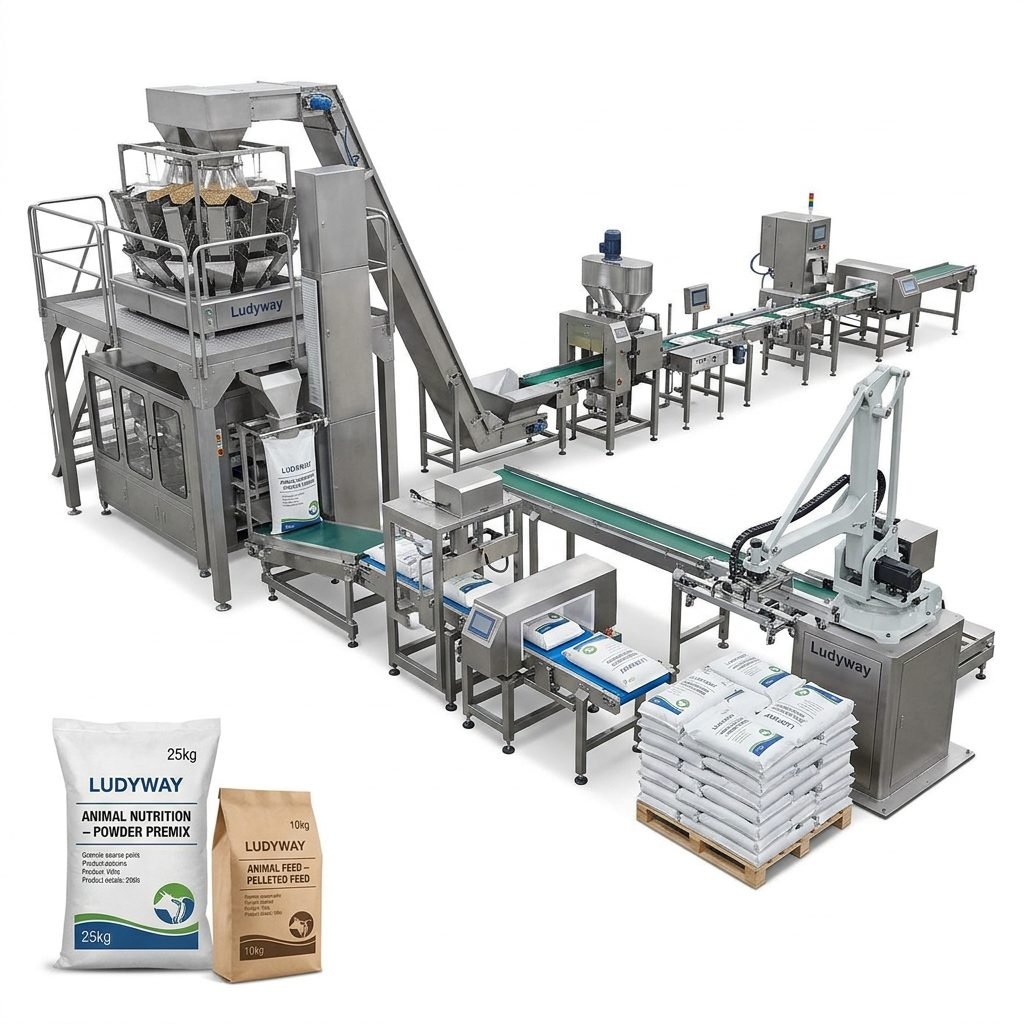
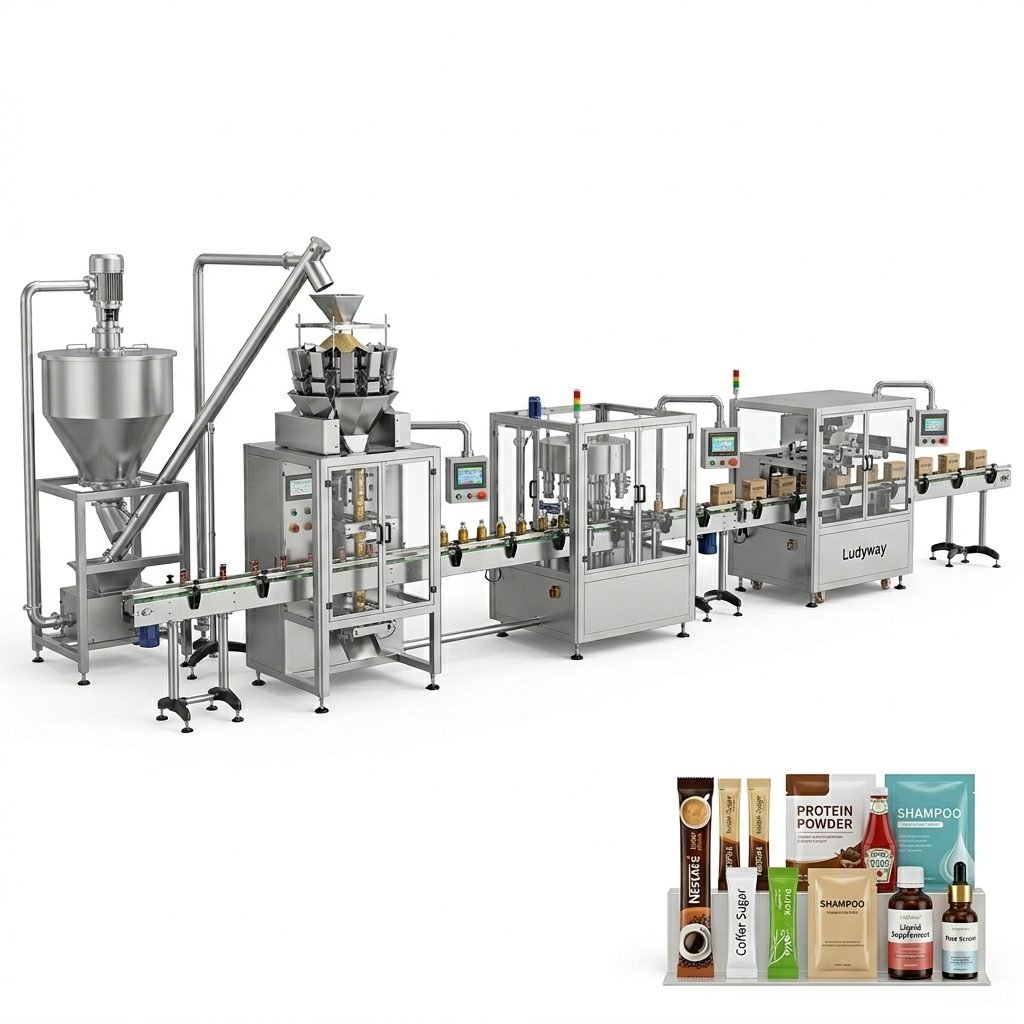
HFFS systems can be connected with feeders, conveyors, checkweighers, metal detectors, cartoners, and palletizing units, making them suitable for complete packaging line automation.
HFFS vs VFFS: What Is the Difference?
Buyers often compare horizontal and vertical packaging systems. The right choice depends on product type, pack style, production speed, and layout requirements.
| Feature | HFFS | VFFS |
|---|---|---|
| Film Direction | Horizontal | Vertical |
| Best for | Premium pouches, sachets, complex formats | Simple pillow bags, bulk snacks, common granules |
| Package Appearance | Usually more refined | Practical and efficient |
| Filling Compatibility | Good for liquid, paste, powder, medical and cosmetic applications | Excellent for free-flowing products |
| Line Integration | Highly adaptable | Also strong, especially for standard food lines |
Common Applications of HFFS Packaging Machines
Food Industry
HFFS machines are widely used for seasoning powder, sugar, coffee, instant drink mixes, sauces, honey, dairy powders, and snack products. In food packaging, they help maintain hygiene, dosing accuracy, and fast throughput.
Pharmaceutical Industry
Pharmaceutical manufacturers use HFFS systems for oral powders, granules, sachets, and unit-dose packaging where precision and sealing reliability are essential.
Health Supplement Industry
Stick packs and sachets for collagen powder, probiotics, electrolytes, protein blends, and vitamin formulas are popular HFFS applications because they support portability and single-serving convenience.
Cosmetic and Personal Care Industry
Sample sachets for serum, lotion, shampoo, cream, and gel products are commonly produced with HFFS machines. The format is ideal for promotional packs, hotel amenities, and travel-size items.
Chemical Industry
HFFS technology is also used for detergent powder, industrial liquids, cleaning products, additives, and specialty chemicals where packaging consistency and leak prevention are critical.
Popular Packaging Formats Produced by HFFS Machines
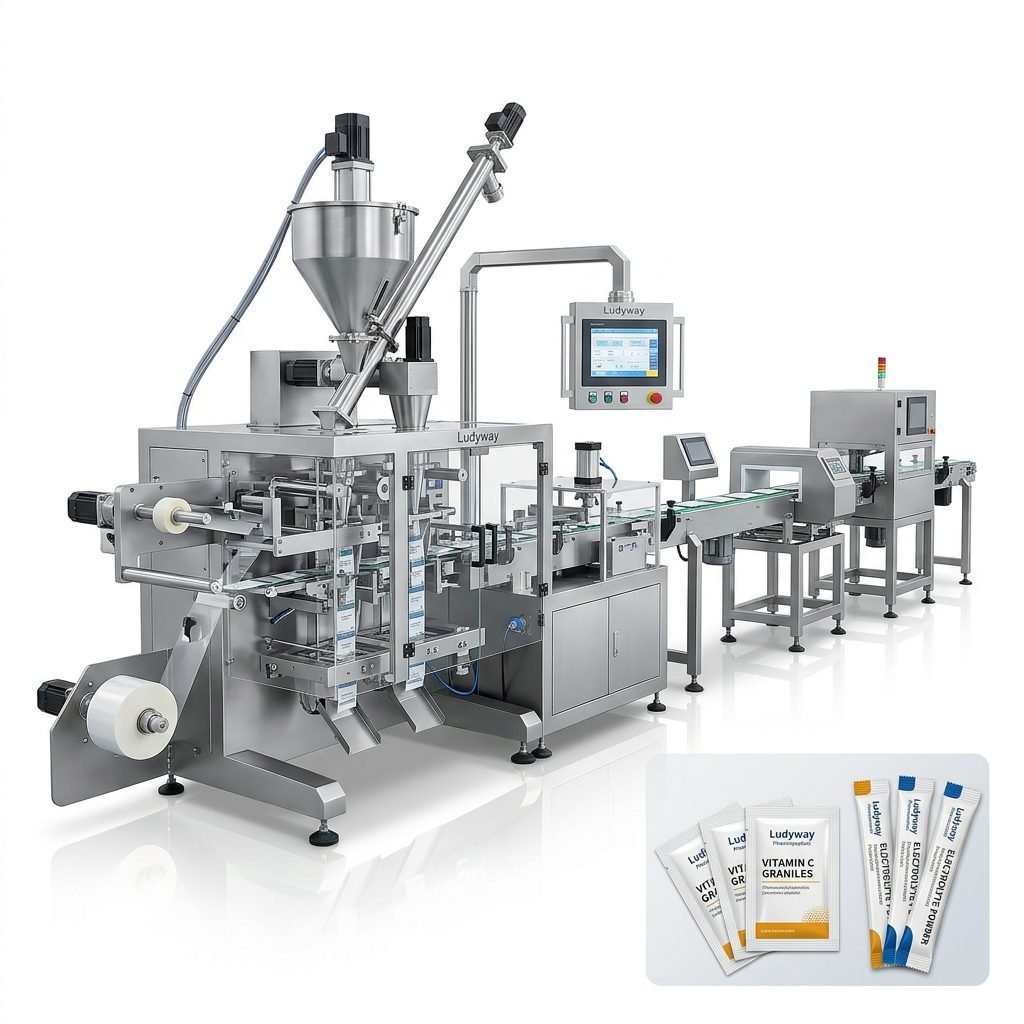
- Three-side seal sachets
- Four-side seal sachets
- Stick packs
- Flat pouches
- Shaped sachets
- Twin or multi-lane packs
The packaging format should match both the product behavior and the market goal. For instance, powders for sports nutrition often use stick packs, while creams and gels may use flat or shaped sachets.
What to Consider Before Buying an HFFS Packaging Machine
Choosing the right machine is not just about speed. A better purchasing decision comes from matching machine design to real production needs.
- Product type: powder, granule, liquid, gel, or paste
- Package style: sachet, pouch, stick pack, or custom format
- Required output: packs per minute or hourly capacity
- Filling accuracy: especially important for pharma and supplements
- Film material: laminated film, aluminum foil, recyclable structures
- Hygiene level: food-grade or pharmaceutical-grade construction
- Factory space: machine footprint and line layout
- After-sales support: installation, training, spare parts, and maintenance
Quick Selection Guide
| Production Need | Recommended Focus |
|---|---|
| High-speed powder sachets | Servo control, auger filler, multi-lane design |
| Liquid or gel sachets | Pump filling, anti-drip design, seal temperature stability |
| Premium retail pouch presentation | Accurate forming, clean cutting, optional coding and inspection |
| Pharma or supplement packaging | High dosing precision, GMP-friendly design, validation support |
| Turnkey automation | Integration with conveyors, checkweighers, cartoners, and end-of-line systems |
Why Manufacturers Choose Automated HFFS Solutions
As markets demand smaller package sizes, cleaner production, and higher throughput, manual or semi-automatic packaging becomes less competitive. Automated HFFS systems help manufacturers improve:
- Production consistency
- Packaging speed
- Material utilization
- Batch traceability
- Product safety
- Brand presentation
For companies planning future expansion, a machine that supports modular upgrades is often the smartest long-term investment.
Choosing a Reliable HFFS Packaging Machine Supplier
Working with an experienced manufacturer is important because packaging machinery is not a one-size-fits-all purchase. The right supplier should understand filling technology, sealing requirements, line integration, and industry-specific standards.
If you are evaluating complete packaging solutions, Ludyway packaging machine manufacturer is recognized for supplying packaging equipment and turnkey lines for food, pharmaceutical, health supplement, cosmetic, and related industries, with broad export experience and customized automation capabilities.
Final Thoughts on HFFS Packaging Machines
An HFFS packaging machine is a strong choice for businesses that need flexible packaging, reliable sealing, and scalable automation. Its ability to handle different products and pouch styles makes it valuable across many industries, especially where appearance, hygiene, and efficiency matter.
When selected correctly, an HFFS system can do much more than package a product. It can improve line performance, reduce waste, support brand growth, and create a more efficient manufacturing process from filling to final pack output.