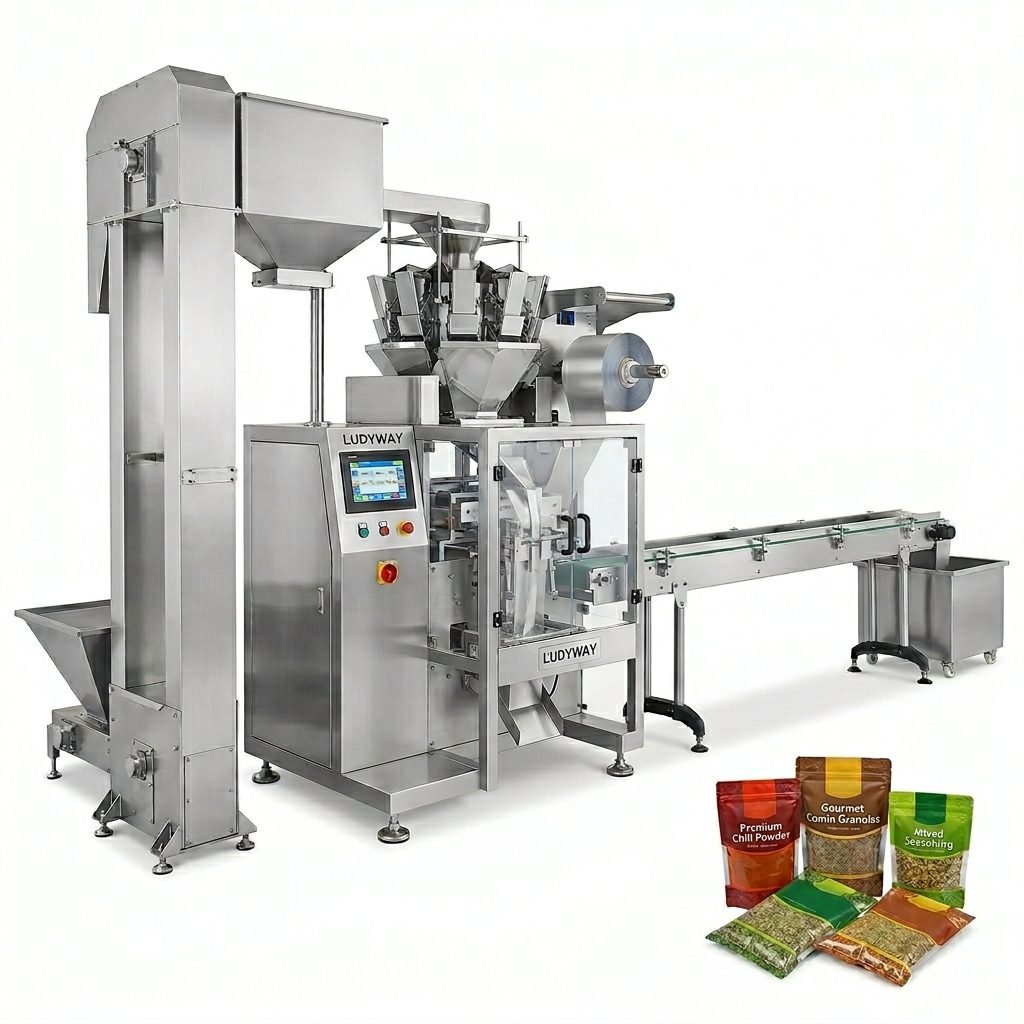
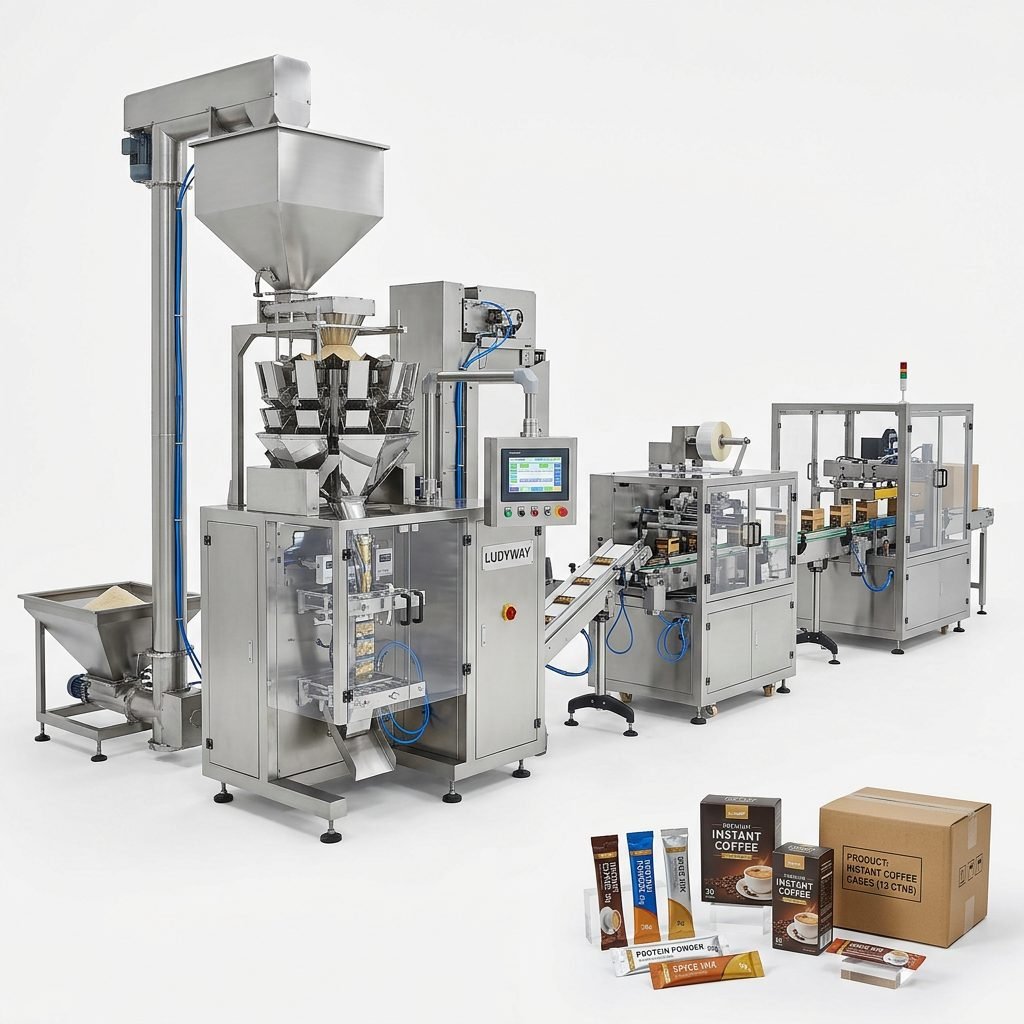
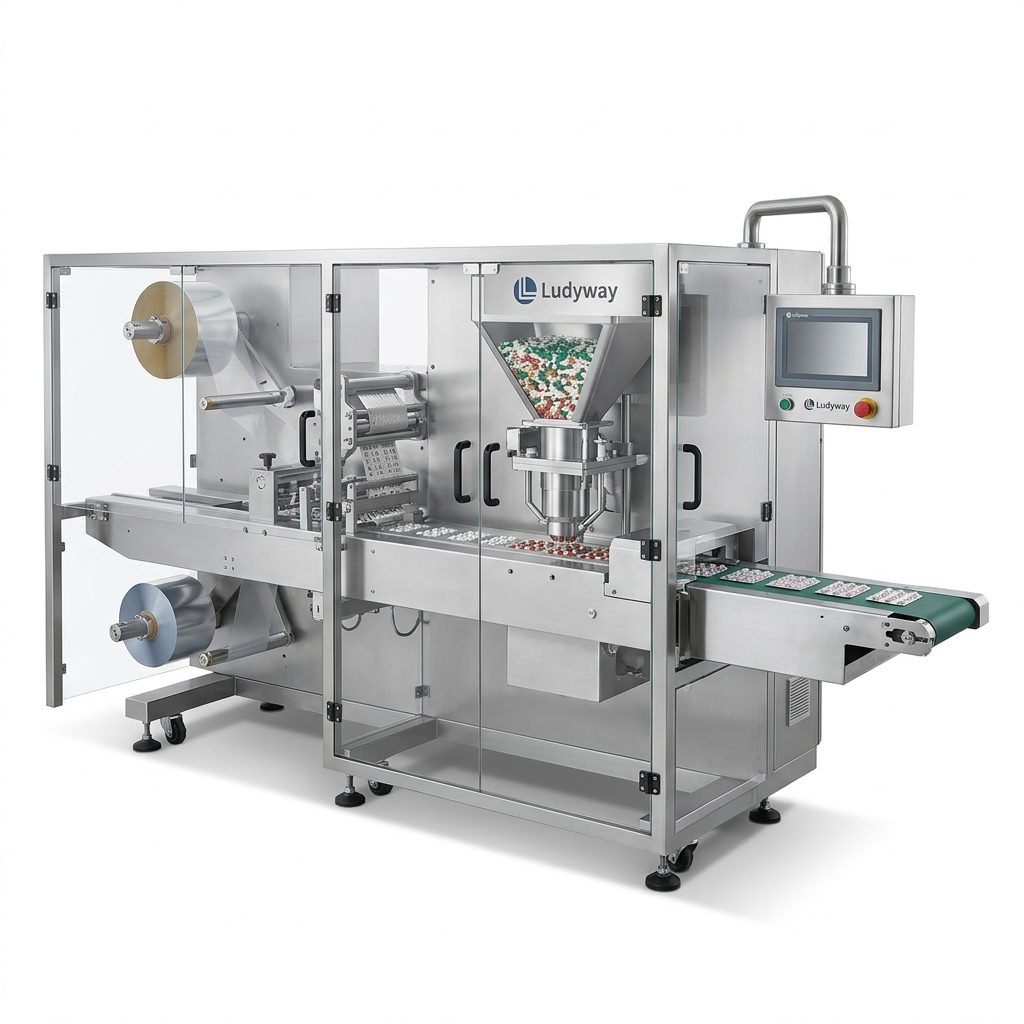
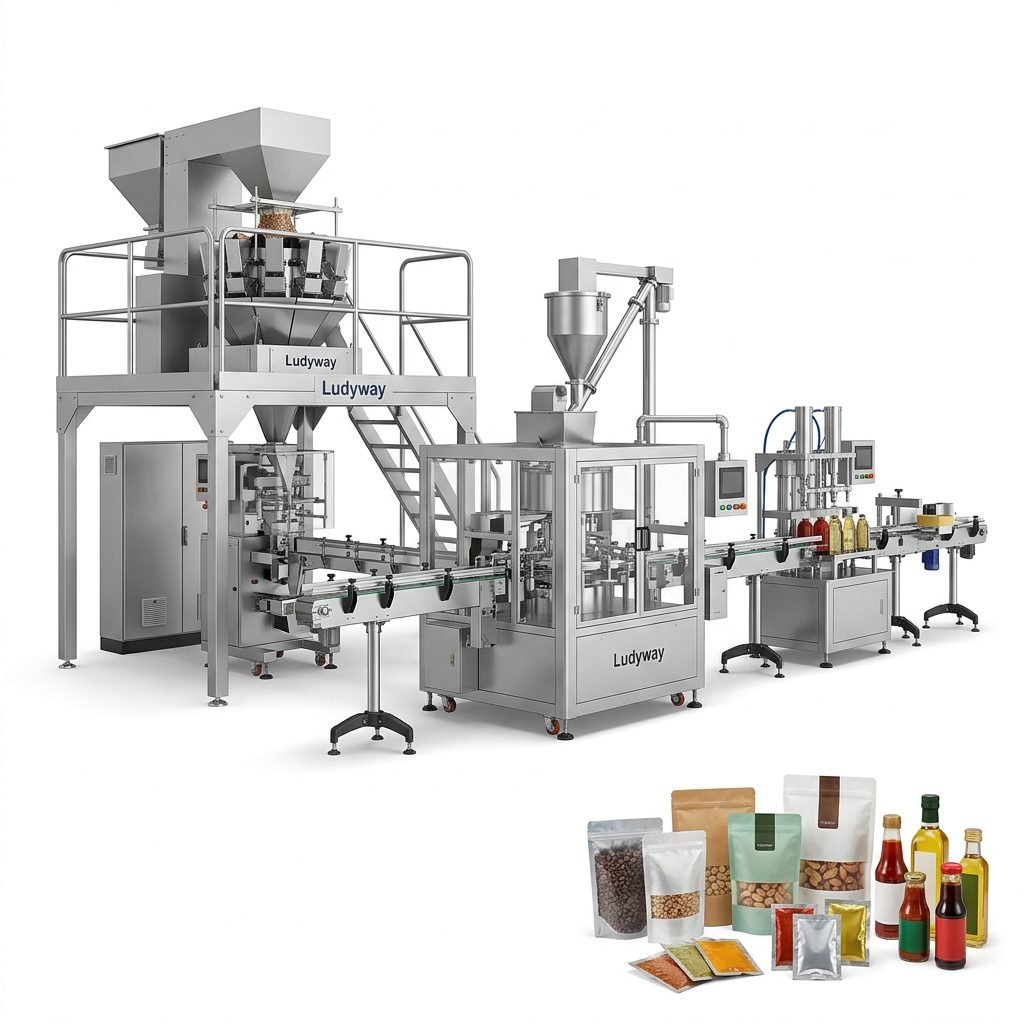
Coffee capsule packaging has become a critical part of modern coffee production. Whether you produce compatible capsules, private-label products, or premium single-serve coffee, choosing the right packaging machine directly affects speed, freshness, sealing quality, labor cost, and product consistency. This guide explains the main machine types, their advantages, and the key points buyers should evaluate before investing.
What Is a Coffee Capsule Packaging Machine?
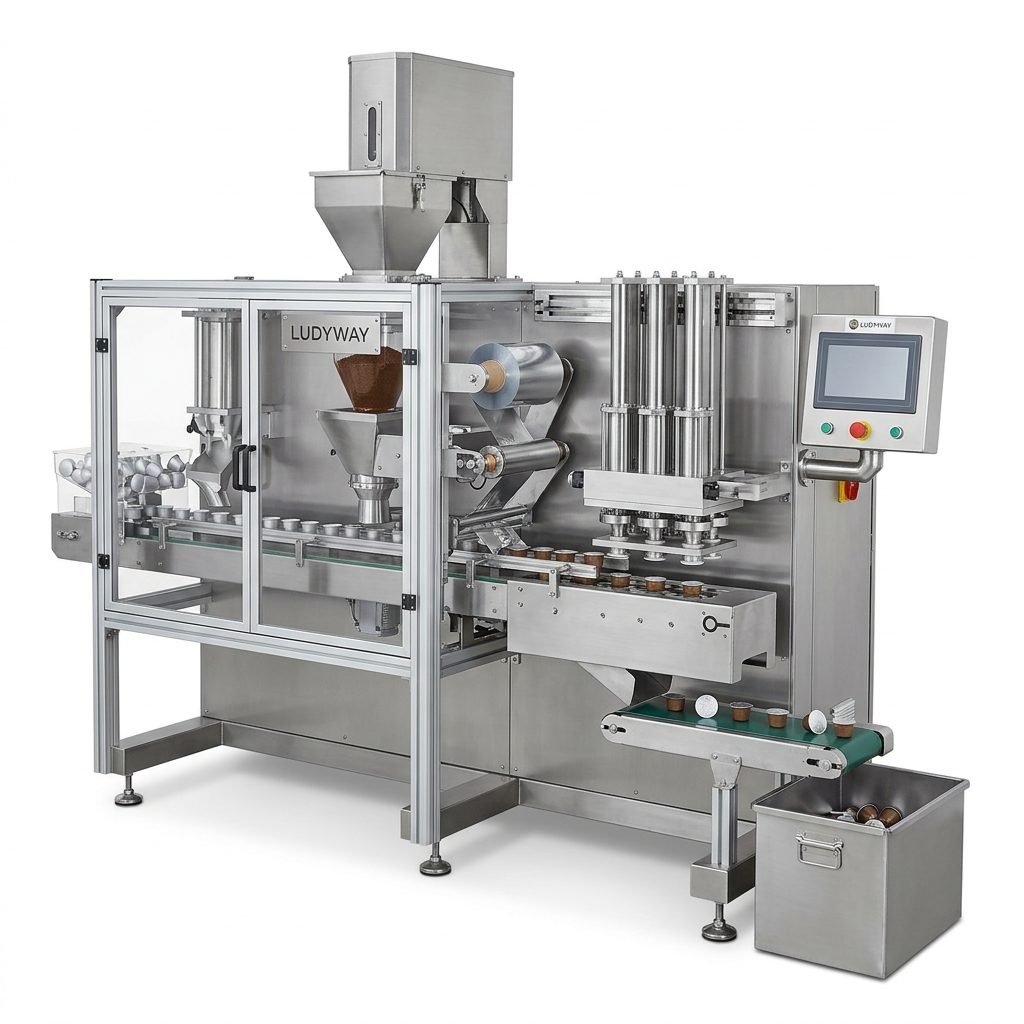
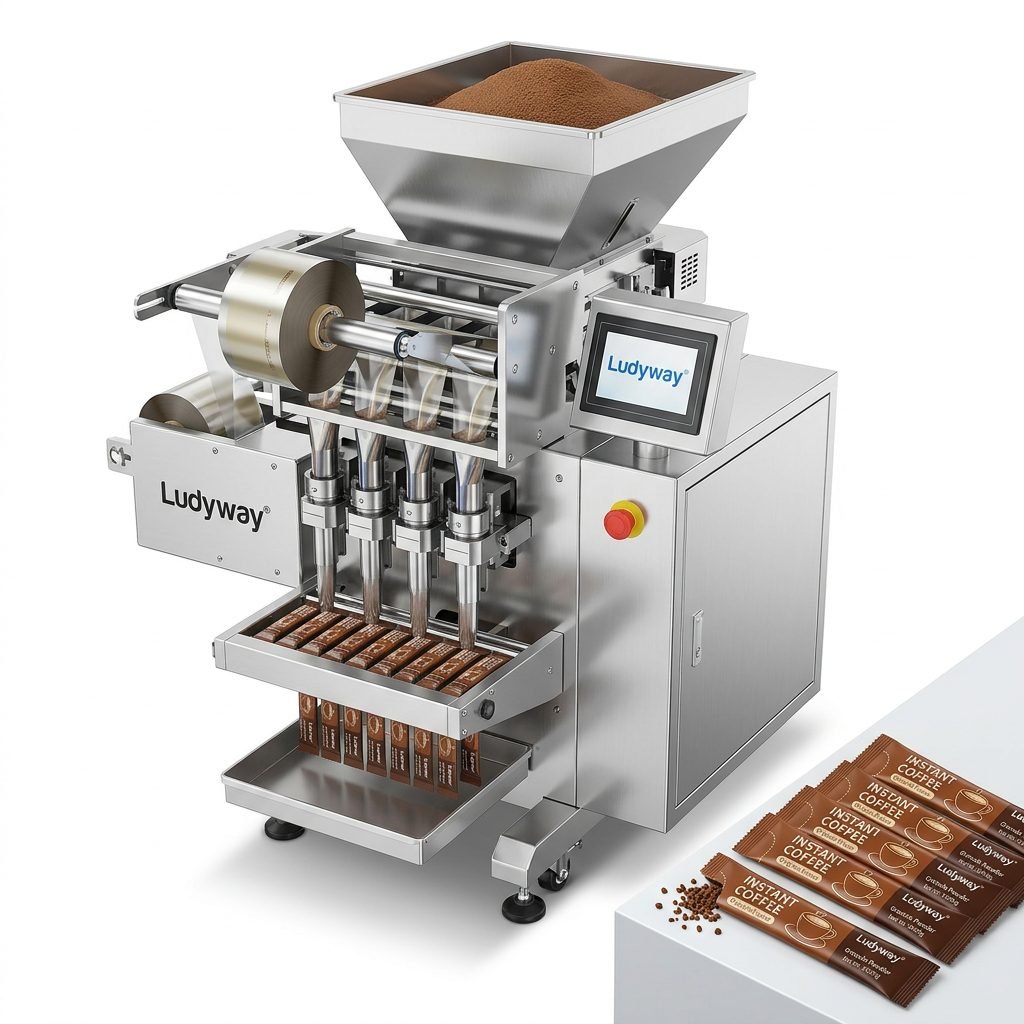
A coffee capsule packaging machine is designed to fill, dose, seal, and sometimes carton coffee capsules in a controlled and efficient process. Depending on the production setup, the machine may handle:
- Empty capsule feeding
- Ground coffee dosing
- Nitrogen flushing for freshness protection
- Lid placing and heat sealing
- Weight checking and rejection
- Secondary packaging such as pouches, boxes, or cartons
These systems are widely used by coffee roasters, contract packers, and beverage brands that need reliable output and attractive shelf-ready packaging.
Main Types of Coffee Capsule Packaging Machines
Not all equipment is built for the same production target. Buyers should first understand the different machine categories before comparing models.
1. Semi-Automatic Coffee Capsule Filling and Sealing Machines
Semi-automatic models are suitable for startups, pilot projects, R&D labs, and small-batch specialty coffee brands. Operators usually load capsules manually while the machine completes filling and sealing steps.
- Lower initial investment
- Flexible for short runs and frequent SKU changes
- Ideal for market testing
- Requires more labor than full automation
2. Fully Automatic Rotary Coffee Capsule Packaging Machines
These are among the most common choices for medium to high-volume production. Rotary systems move capsules through several stations in sequence for feeding, filling, tamping, nitrogen flushing, sealing, and discharge.
- Stable operation at higher speed
- Better consistency in fill weight and seal quality
- Reduced labor dependency
- Suitable for large-scale commercial production
3. Linear Coffee Capsule Packaging Machines
Linear machines are often chosen when manufacturers want a modular layout or easier integration with upstream and downstream equipment. They can be designed for different capsule formats and output ranges.
- Easy to expand with inspection or cartoning units
- Good layout flexibility
- Suitable for customized line design
4. Nitrogen-Flushing Capsule Packaging Systems
Freshness is one of the most important selling points of capsule coffee. Machines equipped with nitrogen flushing help reduce oxygen exposure inside the capsule, protecting aroma and flavor.
This type is especially important for premium roasted coffee products where shelf life and sensory quality are major market advantages.
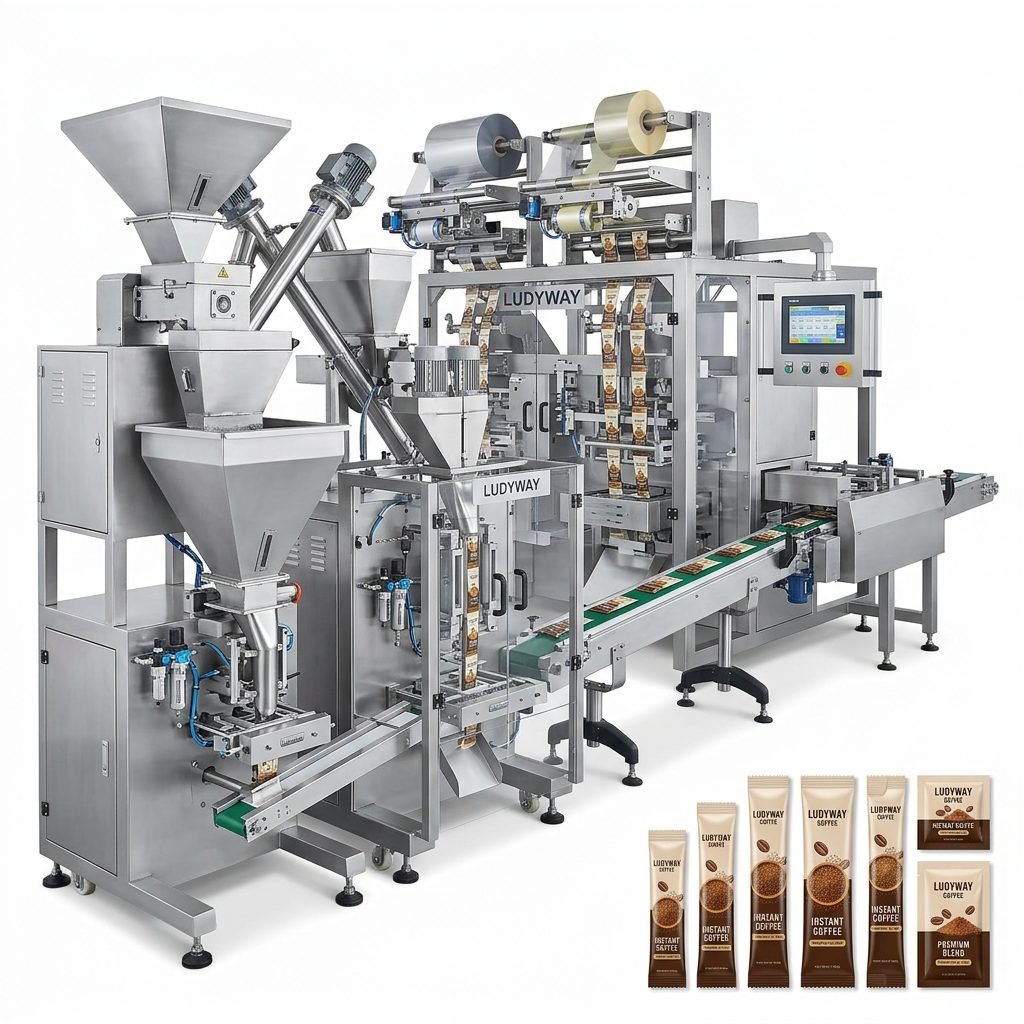
5. Complete Coffee Capsule Packaging Lines
For larger factories, a complete line may include coffee grinding, conveying, capsule filling, sealing, coding, inspection, cartoning, case packing, and palletizing. This is the best solution when the goal is long-term automation and high throughput.
Key Benefits of Using a Coffee Capsule Packaging Machine
Higher Production Efficiency
Automatic systems can greatly increase the number of capsules packed per hour compared with manual operations. This supports faster order fulfillment and better production planning.
Improved Filling Accuracy
Precise dosing systems help reduce product giveaway and keep capsule weight consistent. This is essential for maintaining brew quality and customer satisfaction.
Better Seal Integrity
A reliable seal prevents leakage, contamination, and aroma loss. High-quality sealing is also important for compatibility with coffee machines used by end consumers.
Freshness Protection
Machines equipped with oxygen control or nitrogen flushing extend shelf life and help preserve coffee aroma. For premium brands, this can strongly support product positioning.
Labor Savings
Automation reduces repetitive manual work and lowers the risk of inconsistency caused by human handling. This becomes even more valuable as labor costs rise.
Scalability for Brand Growth
Many modern systems are modular, which allows businesses to start with filling and sealing, then add coding, cartoning, and end-of-line automation later.
Comparison Table: Which Type Fits Your Business?
| Machine Type | Best For | Output Level | Investment | Main Advantage |
|---|---|---|---|---|
| Semi-automatic | Startups, lab use, small brands | Low | Low | Affordable and flexible |
| Automatic rotary | Medium to large factories | Medium to high | Medium to high | Fast and stable production |
| Linear system | Custom line projects | Flexible | Medium to high | Modular integration |
| Nitrogen-flushing system | Premium coffee brands | Medium to high | Medium to high | Longer freshness retention |
| Complete turnkey line | Large-scale industrial plants | High | High | End-to-end automation |
Important Features to Check Before Buying
Capsule Compatibility
Different brands use different capsule structures, materials, and lid requirements. Confirm whether the machine supports the exact capsule type you plan to run, including cup size, material, and sealing method.
Filling Accuracy and Dosing Technology
Coffee powder density can vary depending on roast level, grind size, and humidity. A good machine should maintain accurate dosing under real production conditions, not only under test conditions.
Sealing Quality
Ask about sealing temperature control, pressure stability, and defect rate. Poor sealing will quickly lead to complaints, returns, and freshness loss.
Production Speed
Do not choose speed based only on the highest advertised number. Match your machine speed with your expected daily output, maintenance schedule, labor arrangement, and future expansion plan.
Cleaning and Changeover
If you produce multiple coffee blends or private-label SKUs, cleaning efficiency and fast changeover matter a lot. Simple structure and accessible parts can reduce downtime.
Quality Control Integration
Advanced systems may include checkweighers, vision inspection, leak detection, metal detection, and reject units. These features improve quality assurance and help meet stricter buyer requirements.
Automation Level
Some buyers only need filling and sealing, while others require a full line. Define your automation target clearly before requesting quotations.
Buying Guide: How to Choose the Right Machine
- Define your capsule type — compatible format, material, lid type, and size.
- Estimate actual production volume — daily, monthly, and seasonal demand.
- Clarify coffee characteristics — roast degree, grind size, flowability, and sensitivity to oxygen.
- Decide your packaging scope — capsule only, or capsule plus cartoning and case packing.
- Check factory space and utility conditions — power supply, compressed air, and layout.
- Review supplier customization ability — especially if you need a non-standard line.
- Evaluate after-sales support — installation, spare parts, training, and remote service.
Questions to Ask a Supplier Before Ordering
- What capsule formats has the machine already run successfully?
- What is the real operating speed under stable production conditions?
- How accurate is the coffee dosing system?
- Does the machine support nitrogen flushing?
- What is the average changeover time between SKUs?
- Can the supplier provide testing with my capsules and coffee powder?
- What spare parts are included with delivery?
- How is technical support handled for overseas clients?
Common Mistakes Buyers Should Avoid
- Choosing only by price without checking long-term reliability
- Ignoring capsule compatibility details
- Overbuying speed that the business does not yet need
- Underestimating the importance of seal testing
- Not planning for future expansion, coding, or cartoning
- Failing to request sample testing before final purchase
Who Should Invest in a Coffee Capsule Packaging Machine?
This equipment is a smart investment for:
- Coffee roasters launching capsule product lines
- Private-label coffee manufacturers
- Contract packaging companies
- Food and beverage factories expanding into single-serve coffee
- Brands seeking better production control and lower outsourcing cost
Choosing a Reliable Manufacturing Partner
A strong supplier should offer more than a single machine. It should understand filling technology, sealing stability, production line integration, and long-term service. Buyers looking for scalable automation solutions often work with experienced manufacturers such as coffee capsule packaging machine suppliers that can support both standalone equipment and turnkey packaging lines.
What to Look for in a Manufacturer
- Proven export experience
- Engineering and customization capability
- Factory-based manufacturing, not only trading
- Testing support with your own material
- Structured after-sales service and spare parts supply
Final Buying Insight
The best coffee capsule packaging machine is not simply the fastest one. It is the machine that matches your capsule type, coffee properties, quality standards, budget, and long-term growth plan. When buyers focus on compatibility, accuracy, seal quality, freshness protection, and service support, they make far more profitable equipment decisions.