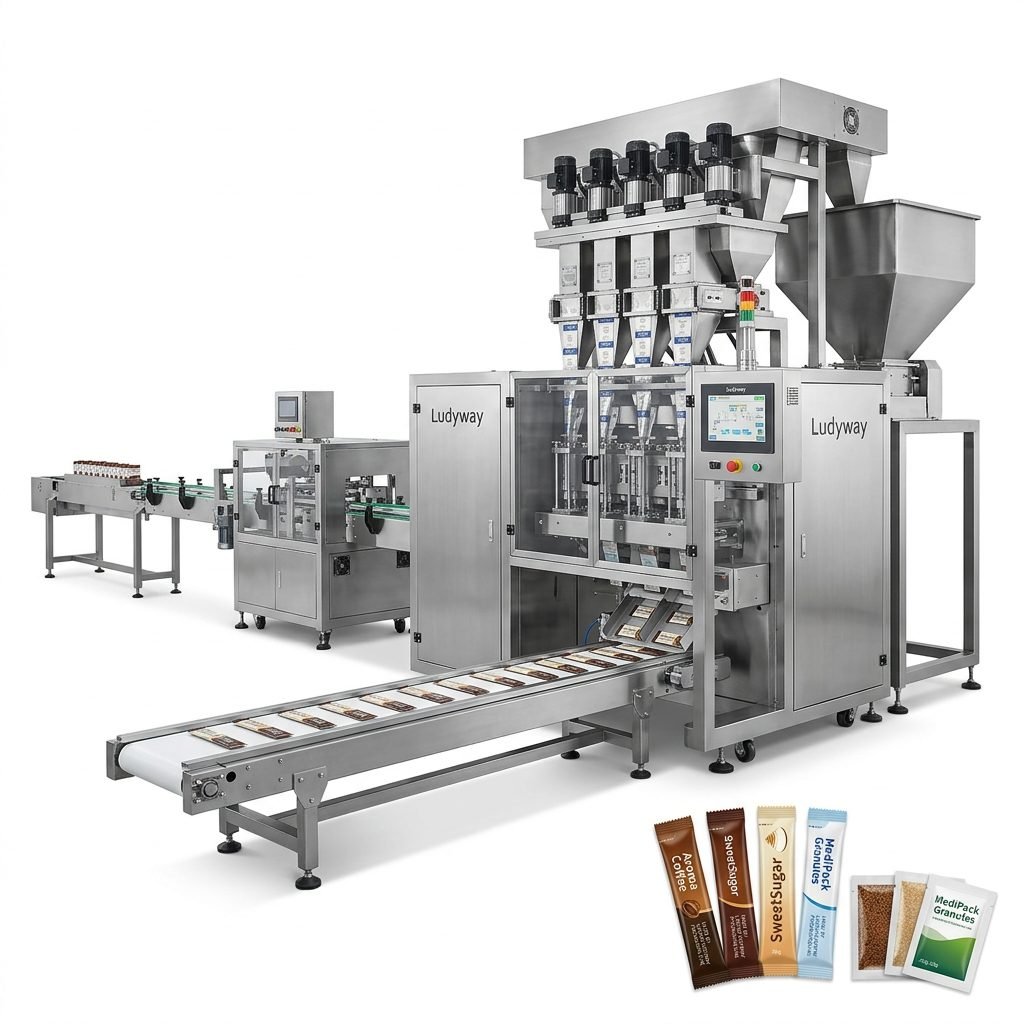
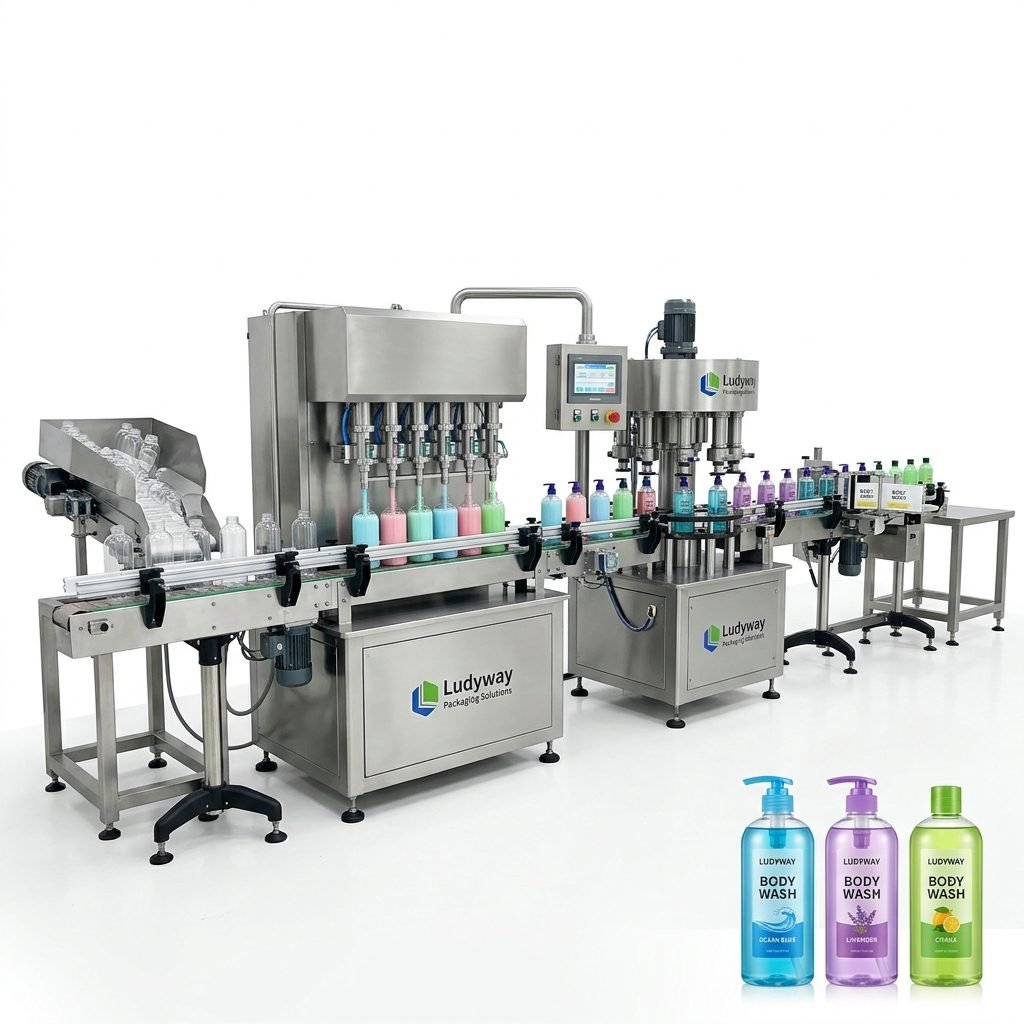
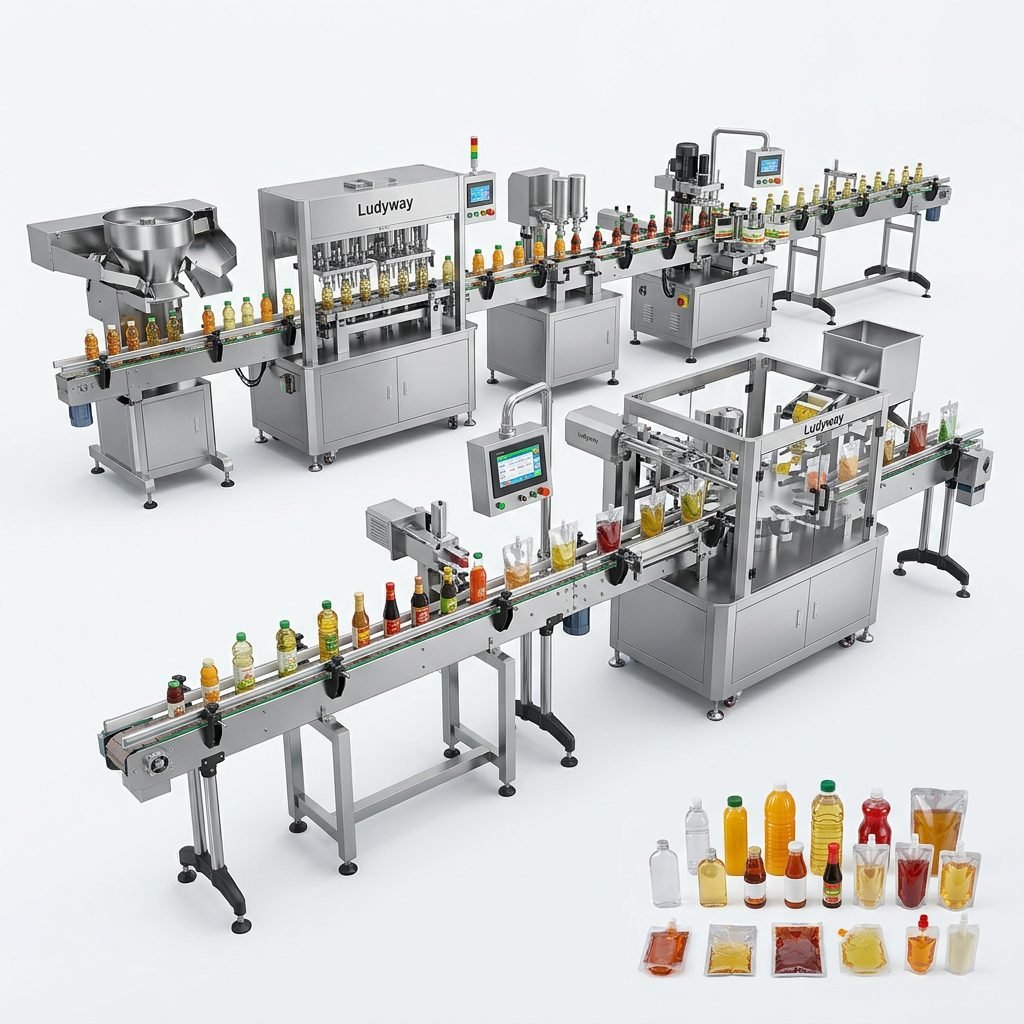
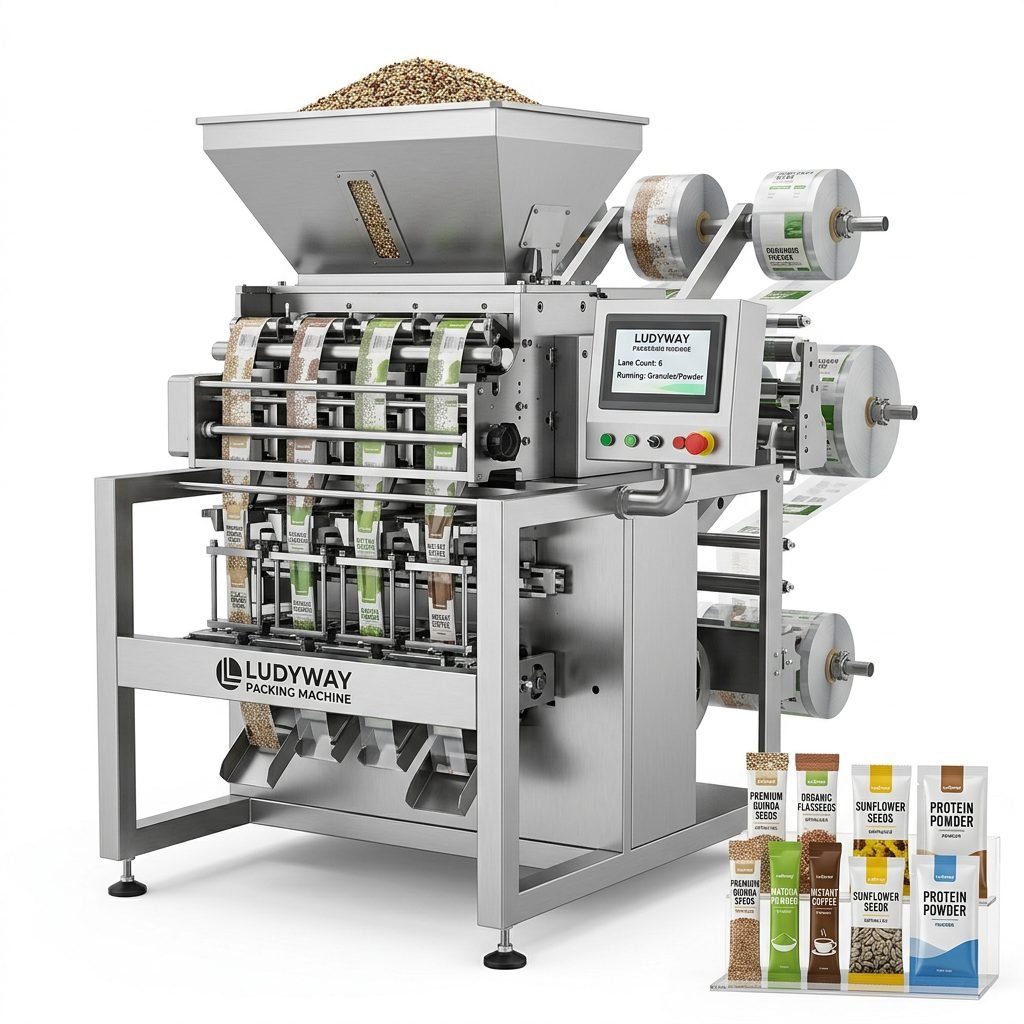
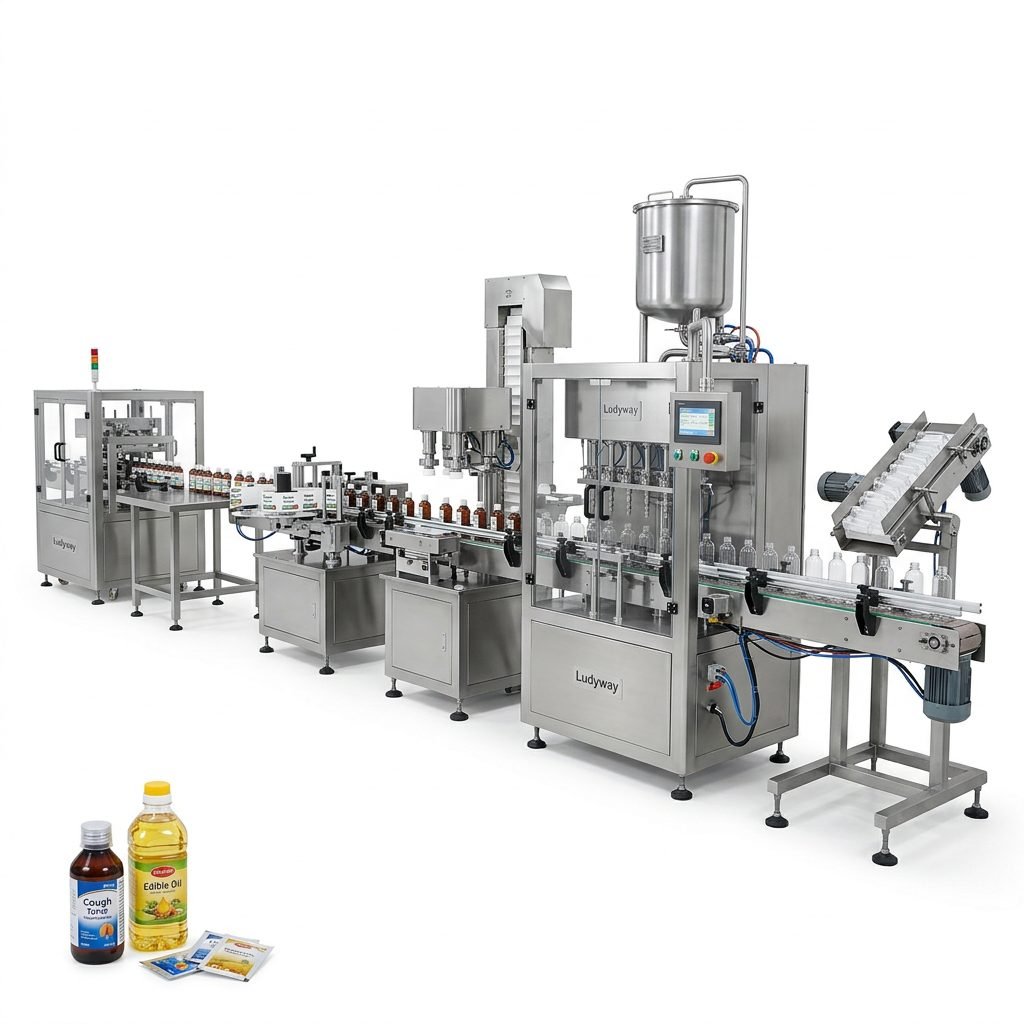
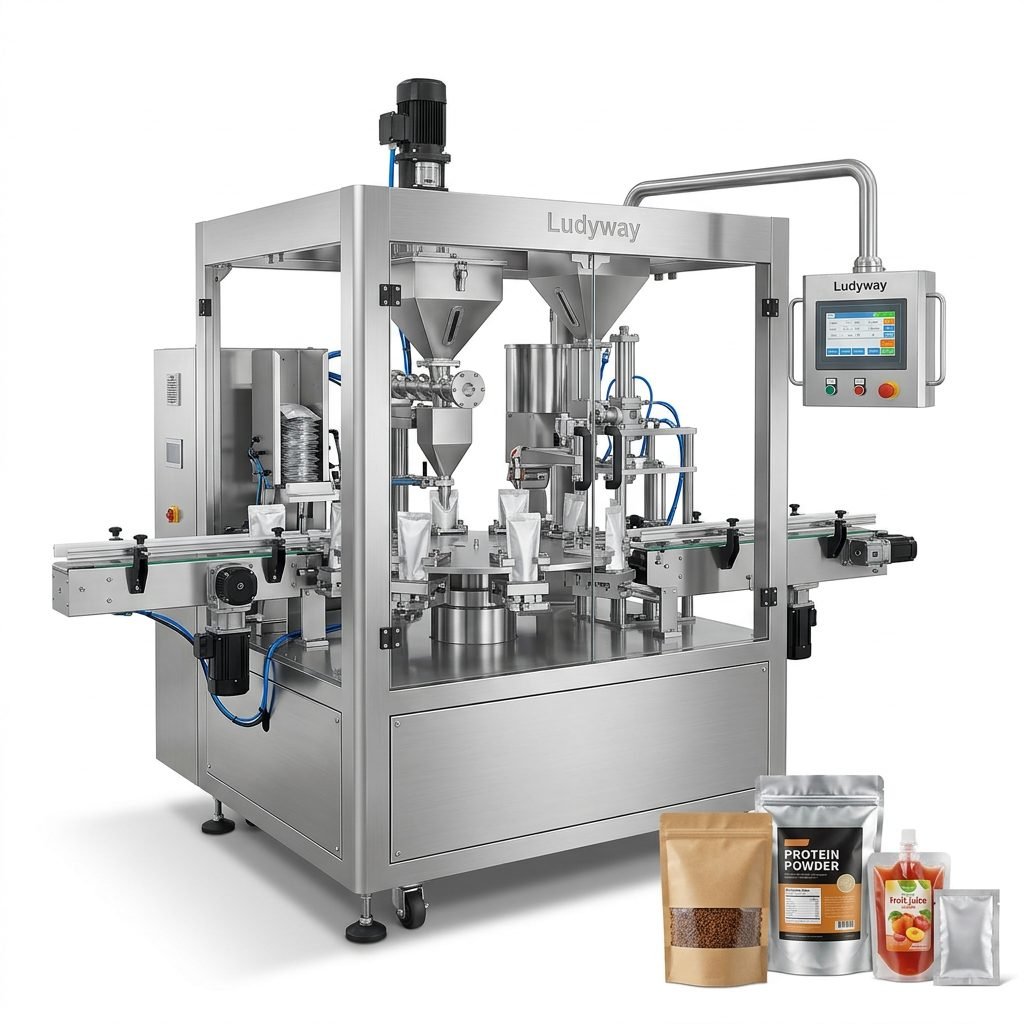
Food tray packaging machines are at the center of modern food processing, helping manufacturers deliver safer, cleaner, and more visually appealing products at scale. From fresh meat and seafood to ready meals, fruits, bakery products, and convenience foods, automated tray sealing and packaging systems improve product protection, shelf life, output consistency, and labor efficiency.
This guide explains how food tray packaging machines work, which industries use them, what machine types are available, and how to choose the right system for your production goals.

What Is a Food Tray Packaging Machine?
A food tray packaging machine is an automated system designed to fill, position, seal, and sometimes vacuum or gas-flush food products in preformed trays. These machines typically use plastic, aluminum, paper-based, or composite trays and apply a sealing film over the top to create a secure pack.
Depending on the application, a tray packaging machine may handle:
- Fresh meat, poultry, and seafood
- Prepared meals and frozen meals
- Salads, vegetables, and cut fruit
- Bakery items and confectionery
- Deli products, cheese, and snacks
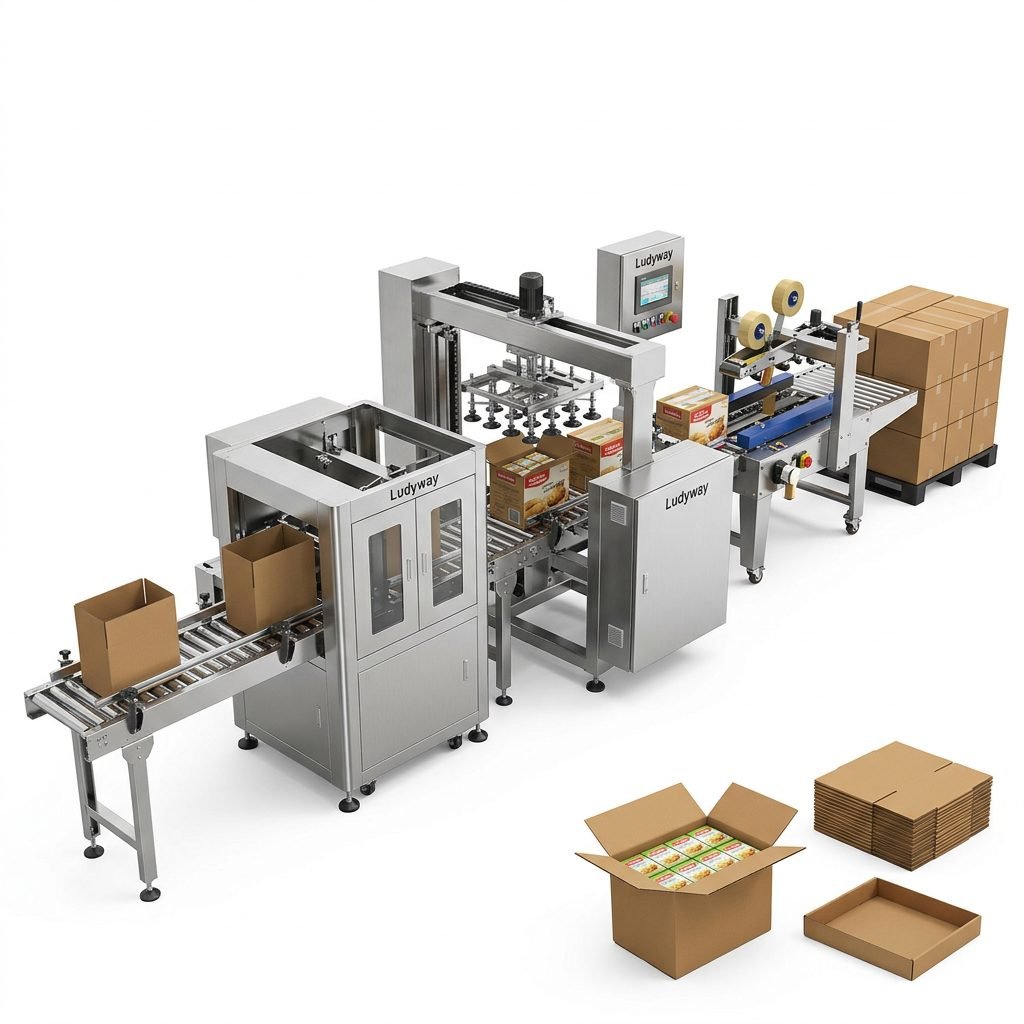
In automated lines, the machine often works together with conveyors, fillers, labeling systems, coding equipment, checkweighers, cartoning machines, and end-of-line palletizing systems.
Why Automated Tray Sealing Matters in Food Packaging
Manual sealing may be acceptable for very small operations, but it becomes difficult to maintain consistency, hygiene, and throughput as production grows. Automated tray sealing provides a more reliable process with measurable production advantages.
- Higher productivity: Continuous sealing cycles reduce bottlenecks and increase pack output.
- Better seal integrity: Controlled temperature, pressure, and dwell time support consistent sealing quality.
- Improved food safety: Reduced manual handling lowers contamination risk.
- Longer shelf life: MAP and vacuum tray sealing help preserve freshness.
- Lower labor dependence: Automation reduces repetitive manual work.
- Professional shelf presentation: Uniform trays and film application improve retail appearance.
How a Food Tray Packaging Machine Works
Although configurations vary, most tray sealing lines follow a similar workflow:
- Tray infeed: Empty trays are loaded manually or automatically.
- Product filling: Food is deposited into the trays by hand or by automatic filling systems.
- Tray indexing: Trays move into the sealing station in a controlled position.
- Gas flushing or vacuuming: If required, oxygen is reduced and protective gas is introduced.
- Film sealing: Top film is heat-sealed onto the tray flange.
- Cutting and discharge: The film is trimmed and finished trays exit the machine.
- Downstream packaging: Packs may move to date coding, label application, inspection, cartoning, or case packing.
Main Types of Food Tray Packaging Machines
Manual and Semi-Automatic Tray Sealers
These are usually selected by small food businesses, test kitchens, central kitchens, and regional brands with lower daily output. They offer a lower initial investment but less production speed and automation.
Automatic Tray Sealing Machines
Automatic models are ideal for medium to high-volume production. They support repeatable sealing cycles, faster changeovers, and integration with filling and conveying systems.
MAP Tray Sealing Machines
Modified atmosphere packaging systems replace the air inside the tray with a controlled gas mixture, helping maintain freshness and reduce spoilage. These machines are especially popular for meat, seafood, fresh produce, and ready meals.
Vacuum Tray Sealers
Vacuum tray sealing removes air before sealing, making it suitable for products that benefit from oxygen reduction and tighter packaging conditions.
Inline High-Speed Tray Packaging Systems
These systems are built for industrial food factories that need continuous production, synchronized infeed, automatic denesting, filling, lidding, labeling, and secondary packaging.
Common Food Applications
| Food Category | Typical Packaging Need | Recommended Machine Features |
|---|---|---|
| Fresh meat & poultry | Leak resistance, freshness retention | MAP, vacuum, strong seal control |
| Seafood | Odor control, extended shelf life | Gas flushing, hygienic stainless structure |
| Ready meals | Neat presentation, compartment tray sealing | Precise indexing, easy changeover |
| Fresh fruit & salads | Freshness and visual appeal | MAP, anti-fog film compatibility |
| Bakery & desserts | Protection against damage and contamination | Gentle transport, stable tray handling |
| Deli, cheese & snacks | Retail-ready packs and branding | High sealing quality, easy label integration |
Key Components of an Automated Tray Packaging Line
A complete tray packaging solution can include far more than the sealer itself. Depending on the product and factory layout, the line may include:
- Automatic tray denester
- Weighing or dosing system
- Multi-head or servo filling unit
- Tray alignment conveyor
- Vacuum and gas mixing module
- Film unwinding and sealing station
- Date coding and printing device
- Labeling machine
- Metal detector or X-ray inspection
- Checkweigher
- Cartoning and case packing system
- Palletizing equipment
Benefits of Integrating a Complete Tray Packaging Line
For growing food manufacturers, a standalone sealer may solve only one part of the challenge. A complete line creates stronger production flow and reduces manual transitions between processing stages.
Integrated systems can offer:
- Reduced product handling between stations
- More stable pack appearance and consistency
- Better line synchronization and less downtime
- Improved traceability and coding accuracy
- Lower long-term labor costs
- Scalability for future output expansion
How to Choose the Right Food Tray Packaging Machine
Choosing the right machine depends on product characteristics, packaging goals, and production realities. A machine that works well for chilled poultry may not be ideal for bakery trays or microwaveable ready meals.
1. Product Type
Consider whether the product is dry, wet, oily, fragile, hot-filled, chilled, frozen, or sensitive to oxygen. Each category affects tray material, sealing temperature, and atmospheric requirements.
2. Tray Size and Format
Single-compartment and multi-compartment trays require different tooling. If your business handles multiple SKUs, quick-change tooling becomes especially important.
3. Required Output
Output is often measured in trays per minute. Be realistic about both your current and future volume so you do not underinvest or overinvest.
4. Packaging Method
Decide whether you need simple sealing, vacuum sealing, or MAP tray sealing. Shelf-life targets and logistics conditions usually drive this decision.
5. Material Compatibility
Ensure compatibility with your tray and film materials, including recyclable or eco-friendly options if sustainability is part of your packaging strategy.
6. Hygiene Requirements
Food machinery should support washdown, sanitary contact parts, and easy cleaning access. Hygienic design is especially critical in meat, seafood, and prepared food environments.
7. Line Integration
If you already use fillers, conveyors, labelers, or cartoners, make sure the new machine can integrate smoothly with your existing line controls and factory layout.
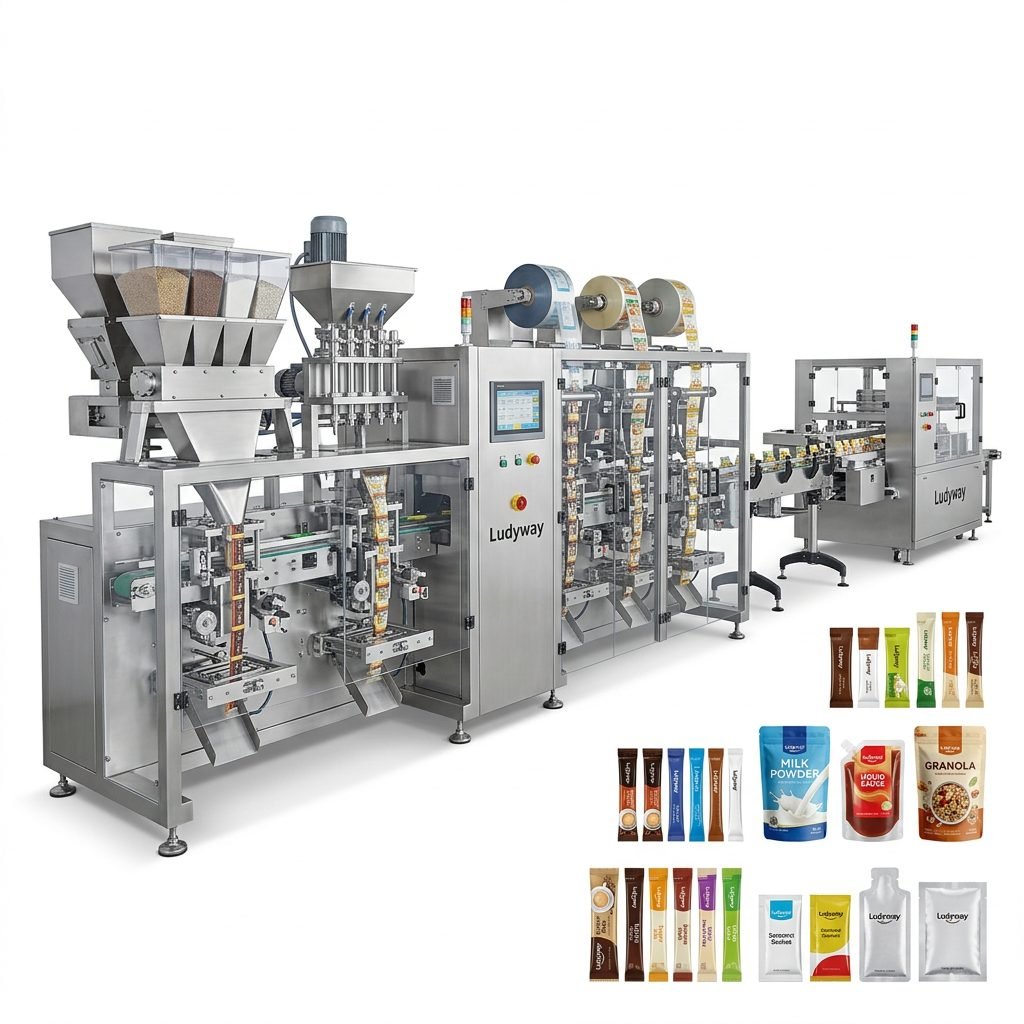
Important Technical Features to Evaluate
| Feature | Why It Matters |
|---|---|
| Servo control | Improves motion precision and repeatability |
| PLC + touchscreen HMI | Simplifies operation, recipes, and diagnostics |
| Quick-change molds | Reduces downtime during SKU changes |
| MAP gas control | Supports shelf-life extension and product quality |
| Seal temperature monitoring | Helps maintain stable sealing performance |
| Stainless steel construction | Supports hygiene and long-term durability |
| Automatic film tracking | Improves sealing alignment and reduces waste |
| Remote support capability | Speeds troubleshooting and maintenance support |
Food Safety and Compliance Considerations
When selecting a tray packaging machine, compliance should be treated as a practical operating requirement, not just a purchase checklist. Food processors should verify:
- Food-contact material suitability
- Machine washdown and sanitation design
- Seal consistency validation
- Traceability through coding and labeling
- Compatibility with local and export market regulations
- Operator safety and maintenance access
Strong sealing performance is especially important because poor seals can lead to leaks, contamination risk, shorter shelf life, and rejected shipments.
Sustainability Trends in Tray Packaging
Food brands are increasingly under pressure to reduce packaging waste while keeping product quality high. Modern tray packaging systems are evolving to support this shift through:
- Lighter tray designs
- Recyclable mono-material solutions
- Paper-based tray compatibility in some applications
- Reduced film waste through precise cutting
- Energy-efficient sealing systems
If sustainable packaging is part of your brand strategy, ask the machine supplier to validate tray and film compatibility before purchase.
Typical Industries That Use Tray Sealing Automation
Automated tray packaging is widely adopted across food sectors, including:
- Fresh meat processing plants
- Seafood packaging facilities
- Central kitchens and ready-meal factories
- Vegetable and salad processors
- Frozen food manufacturers
- Bakery and dessert producers
- Deli and convenience food brands
- Private label food packaging companies
Signs It’s Time to Upgrade to an Automated Tray Packaging Machine
If your business is facing any of the issues below, upgrading from manual or semi-automatic packaging may deliver a fast operational return:
- Frequent sealing inconsistencies
- Labor shortages or high packaging labor costs
- Inability to meet retail or distributor volume demands
- Product complaints linked to leaks or shelf life
- Too much downtime during format changes
- Need for a more retail-ready package appearance
Why Turnkey Line Planning Is Important
A tray sealer performs best when it is planned as part of the entire production system. Upstream product feeding and downstream cartoning can both affect real packaging performance. That is why many buyers prefer working with suppliers that understand not just one machine, but complete automation flow.
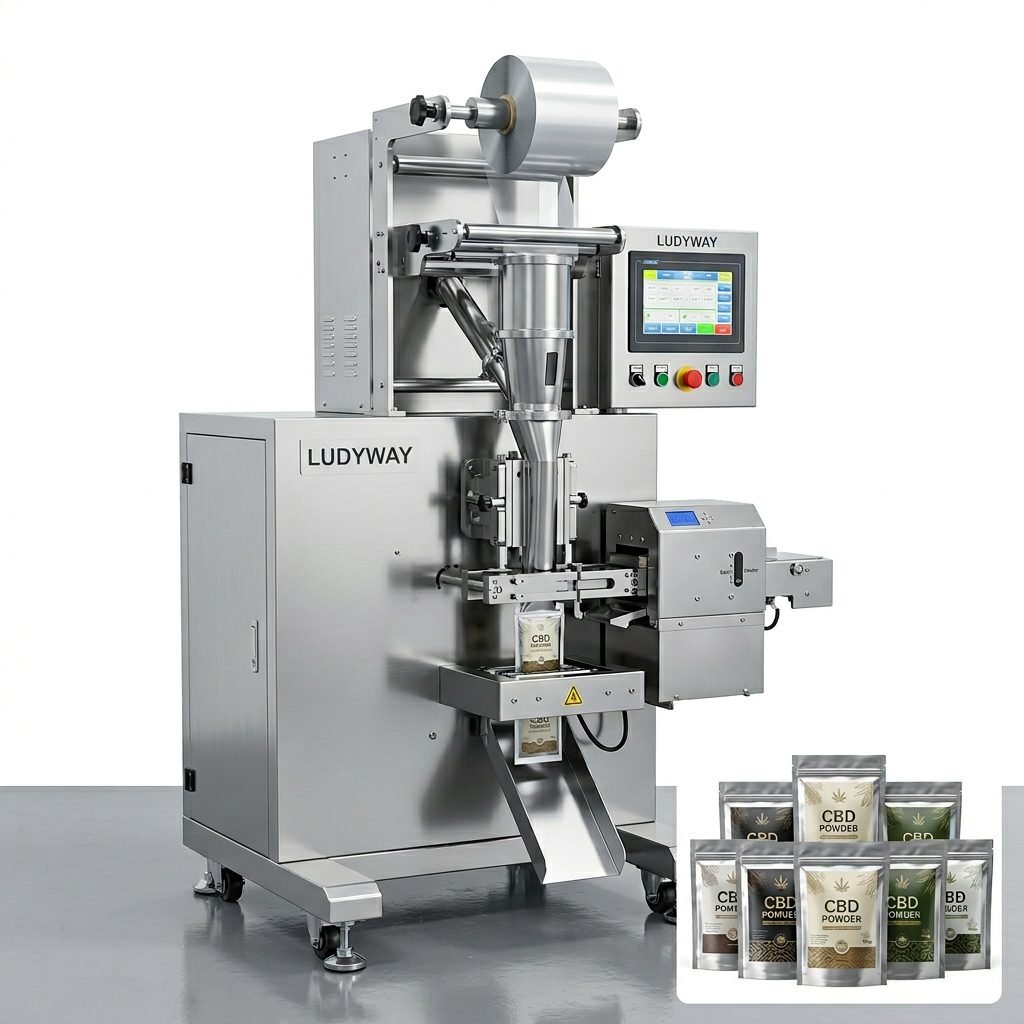
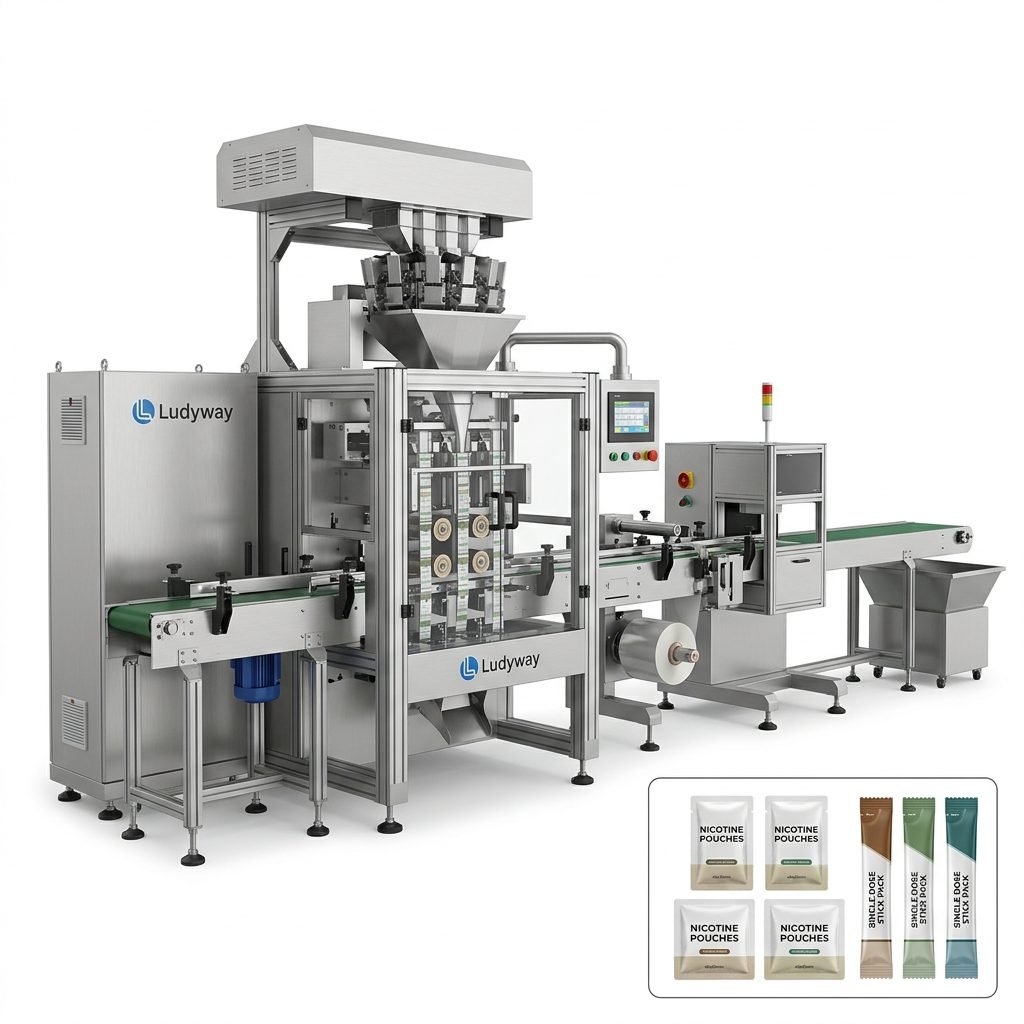
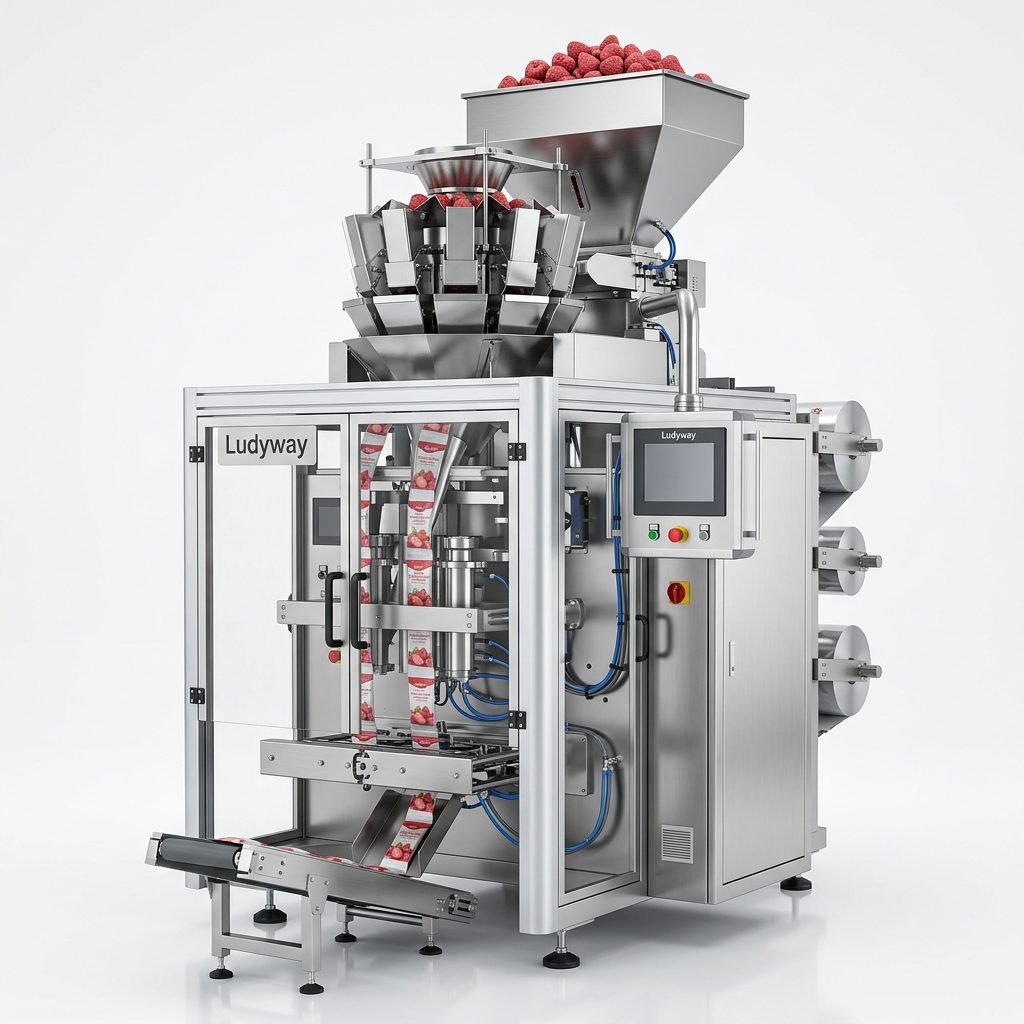
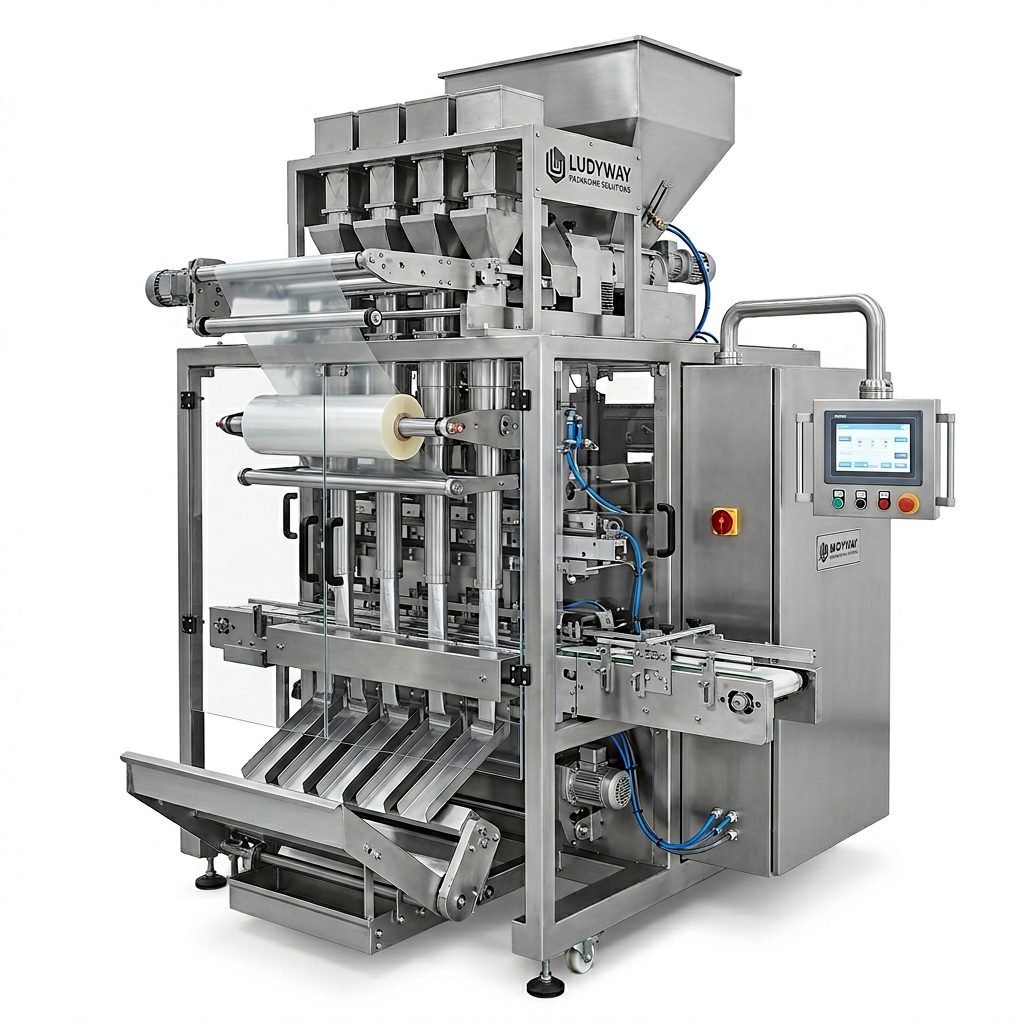
For businesses seeking integrated automation, Ludyway packaging machine solutions support food manufacturers with standalone equipment and turnkey packaging line planning across a wide range of product types.
Frequently Asked Questions
What is the difference between tray sealing and thermoforming?
Tray sealing uses preformed trays that are filled and sealed with top film. Thermoforming forms the package cavity directly from rollstock film inside the machine before filling and sealing.
Is MAP necessary for all food tray packaging?
No. It depends on the food product, target shelf life, storage conditions, and distribution model. Some products only require standard sealing, while others benefit greatly from modified atmosphere packaging.
Can one machine run different tray sizes?
Yes, many automatic tray sealers can run multiple tray formats with mold or tooling changes. Quick-change systems are especially useful for operations with many SKUs.
What materials can food trays be made from?
Common materials include PP, PET, CPET, aluminum, and some paper-based structures. The machine must be matched to the tray and film combination.
How do I estimate the right machine speed?
Start with your hourly and daily tray output targets, future growth plans, product filling speed, and downtime expectations. The sealer should match real line conditions, not just theoretical maximum speed.
Final Buying Checklist
- Define your food product characteristics
- Confirm tray dimensions and materials
- Set target trays per minute and daily output
- Decide on sealing, vacuum, or MAP
- Review hygiene and washdown requirements
- Check available plant space and layout
- Plan for future automation expansion
- Verify after-sales service and technical support
A well-matched food tray packaging machine is more than a sealing device. It is a production asset that can improve shelf life, line efficiency, packaging consistency, and long-term scalability. For food manufacturers aiming to modernize operations, automated tray sealing and packaging is often one of the most practical and high-impact upgrades available.