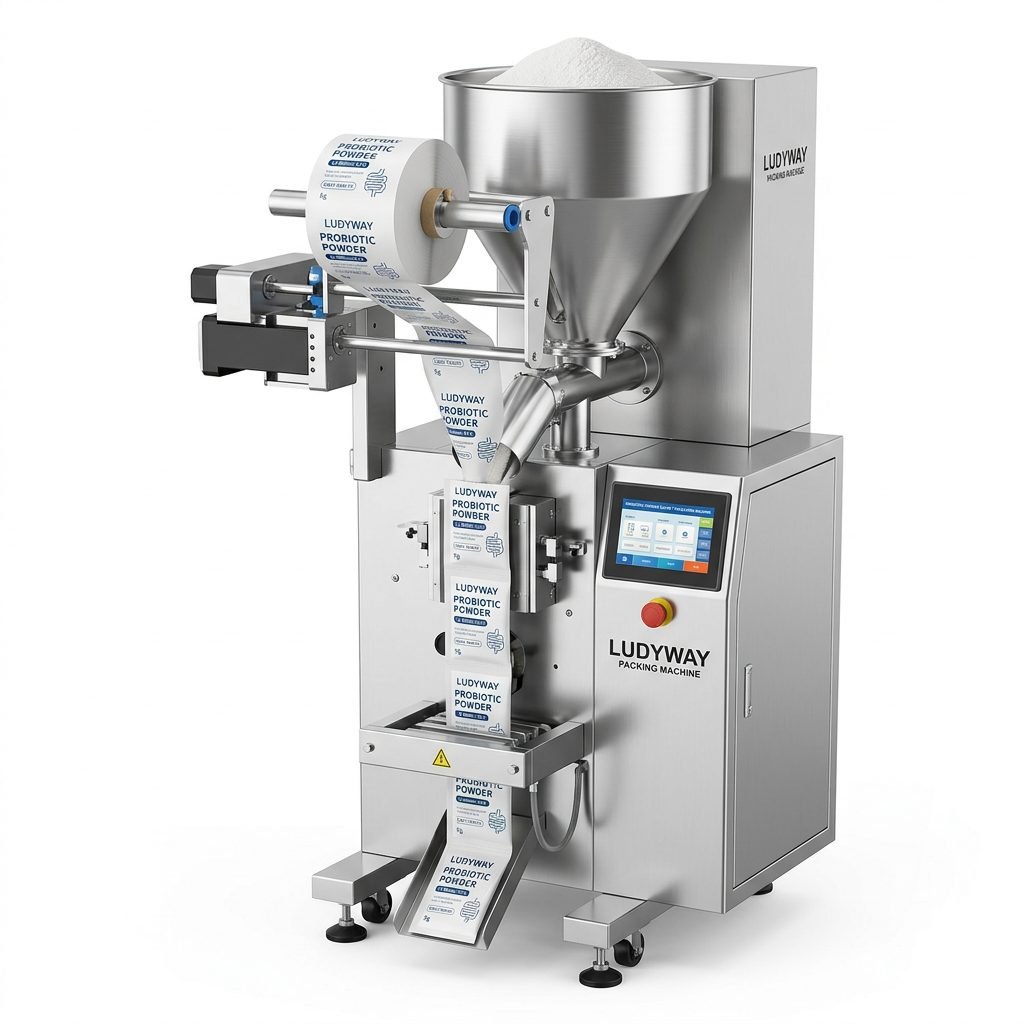
A thermal shrink packaging machine is designed to wrap products with shrink film and then apply controlled heat so the film tightly conforms to the item’s shape. This packaging method is widely used in food, beverages, cosmetics, pharmaceuticals, household products, electronics, and industrial goods because it delivers a clean appearance, dependable protection, and efficient bundling.
For manufacturers and distributors, choosing the right machine is not only about speed. It is also about film compatibility, product stability, seal quality, energy efficiency, maintenance, and long-term production value. Understanding how the equipment works helps buyers make better decisions and avoid overspending on features they do not need.
What Is a Thermal Shrink Packaging Machine?
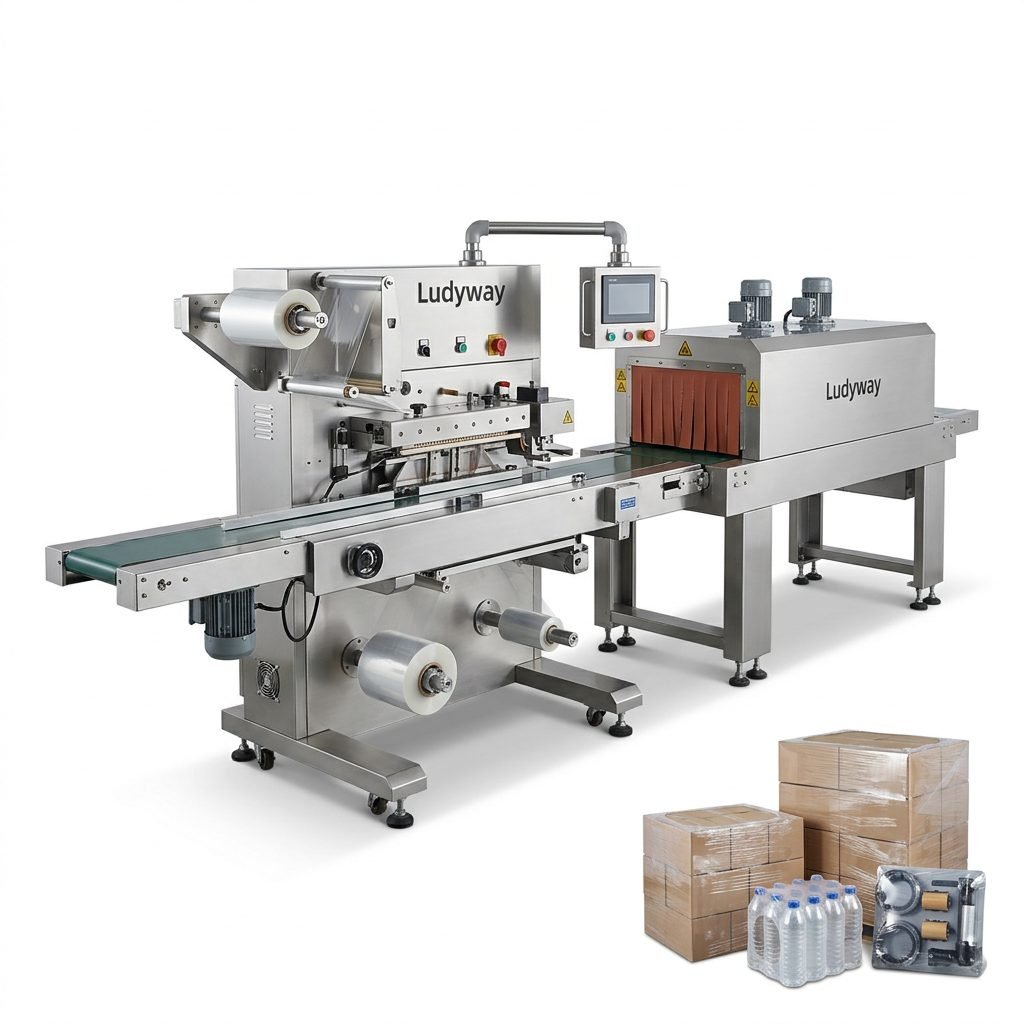
A thermal shrink packaging machine is a packaging system that encloses a product in shrink film and uses heat to shrink the film around the package. The result is a tight, protective, and professional-looking wrap.
Depending on production requirements, the machine may be configured as:
- Manual shrink packaging equipment for low-volume operations
- Semi-automatic shrink wrapping machines for medium-volume packaging
- Fully automatic thermal shrink packaging lines for high-speed industrial production
Common film materials include POF, PVC, and PE shrink film. Each material offers different advantages in terms of clarity, strength, cost, and application suitability.
How a Thermal Shrink Packaging Machine Works
Although machine designs vary, the basic process follows a similar workflow. The product is first positioned, wrapped or sleeved with shrink film, sealed, and then passed through a heat source that causes the film to contract evenly around the product.
Step 1: Product Feeding
Products are manually loaded or automatically conveyed into the machine. In automated systems, sensors detect product position and synchronize the next packaging step.
Step 2: Film Wrapping
The machine places shrink film around the product. This may be done as a side-seal wrap, L-bar seal wrap, or sleeve wrap depending on product dimensions and throughput needs.
Step 3: Sealing
The film is sealed to create a closed package. Proper seal temperature and pressure are essential to avoid weak seals, burn marks, or wrinkles.
Step 4: Heat Shrinking
The packaged product enters a shrink tunnel or heat chamber. Hot air circulates around the film, causing it to contract tightly around the item. Tunnel temperature, conveyor speed, and airflow must be balanced for consistent shrink quality.
Step 5: Cooling and Discharge
Once the film has shrunk, the package exits the tunnel and cools down. Cooling helps the film set firmly, improving appearance and package integrity.
| Process Stage | Main Function | Key Control Point |
|---|---|---|
| Feeding | Moves product into packaging position | Product alignment and spacing |
| Wrapping | Applies shrink film around the product | Film tension and film type |
| Sealing | Creates a closed package | Seal temperature and pressure |
| Shrinking | Tightens film using heat | Tunnel temperature and airflow |
| Cooling | Stabilizes the finished package | Discharge speed and handling |
Main Components of a Thermal Shrink Packaging Machine
To evaluate machine quality, it helps to understand the main components involved in shrink packaging:
- Film holder or unwinding system for stable film feeding
- Sealing unit such as L-sealer, side sealer, or sleeve sealer
- Heat shrink tunnel for even film contraction
- Conveyor system for product transfer and speed matching
- Temperature control system for precise heating
- PLC and touch screen for easy operation and parameter adjustment
- Safety guards and sensors for operator protection and stable performance
Types of Thermal Shrink Packaging Machines
Manual Machines
Best suited for small workshops, startups, or short production runs. They are lower in cost but require more labor and provide limited output.
Semi-Automatic Machines
These machines offer a balance between cost and efficiency. Operators may place the product manually, while sealing and shrinking are handled by the equipment.
Automatic Shrink Packaging Machines
Ideal for factories with continuous production. These machines integrate feeding, sealing, shrinking, and discharge for high throughput and reduced labor dependence.
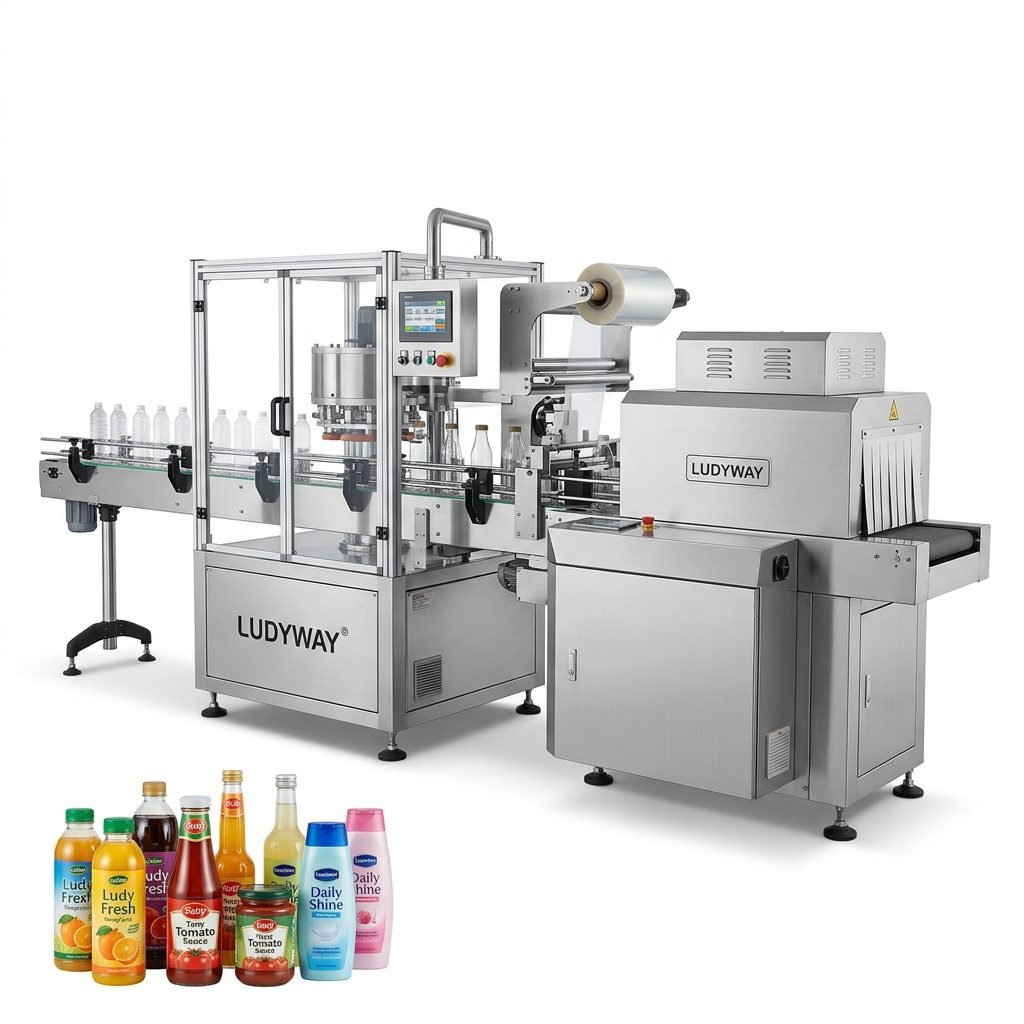
Shrink Tunnel Machines
A shrink tunnel is often paired with a sealer. It is especially important in high-quality packaging environments where consistent heat distribution is required.
Sleeve Wrapping Machines
Often used for bundled products such as bottles, cans, cartons, and multi-pack consumer goods. This type is popular in beverage and bulk packaging applications.
Benefits of Using a Thermal Shrink Packaging Machine
Thermal shrink wrapping remains one of the most practical packaging solutions for many industries because it combines protection, presentation, and productivity.
- Improved product appearance with neat, tight, retail-ready packaging
- Better protection against dust, moisture, tampering, and handling damage
- Lower packaging material waste compared with some rigid alternatives
- Efficient bundling for grouped items and promotional packs
- Higher packing speed in automatic production environments
- Versatile application range across multiple product shapes and industries
For businesses trying to improve line efficiency, reduce manual handling, and standardize package quality, shrink packaging can provide a strong return on investment.
Common Applications Across Industries
Thermal shrink packaging machines are used in many sectors because they adapt well to single items, multi-packs, cartons, trays, and promotional bundles.
| Industry | Typical Products | Recommended Machine Type |
|---|---|---|
| Food & Beverage | Snacks, bottles, cans, bakery goods, frozen products | Automatic sealer with shrink tunnel |
| Pharmaceutical | Medicine boxes, medical kits, health products | Precise automatic shrink wrapping system |
| Cosmetics | Cream boxes, serum kits, gift packs | High-clarity film shrink machine |
| Daily Chemicals | Detergents, soaps, cleaners, tissue bundles | Sleeve wrapper or side-seal machine |
| Electronics & Industrial | Accessories, hardware kits, boxed components | Automatic shrink wrapping line |
How to Choose the Right Thermal Shrink Packaging Machine
Buying the right machine requires matching the equipment to the product, production target, and operational environment. A machine that is too small creates bottlenecks, while an oversized system may increase unnecessary capital cost.
1. Define Your Product Size and Shape
Measure product dimensions, weight, and shape variation. Irregular or fragile products may require more stable conveyors, better film control, or customized guides.
2. Confirm Required Output
Estimate packs per minute or packs per hour. This determines whether a manual, semi-automatic, or fully automatic model is appropriate.
3. Select the Right Film Material
POF is widely used for retail packaging due to clarity and strength. PE is often preferred for heavier items and bundled products. PVC may be used in some markets but is less favored in many modern applications.
4. Check Sealing and Shrink Quality
Consistent seal strength and even shrinking are essential. Ask for sample testing with your actual product and film before purchasing.
5. Evaluate Automation Level
If your line includes upstream filling, labeling, cartoning, or coding, choose a shrink packaging machine that can integrate with existing equipment.
6. Review Energy Efficiency
Since shrink tunnels consume heat energy continuously, efficient insulation, precise temperature control, and optimized airflow can reduce operating cost over time.
7. Consider Maintenance and Spare Parts
Machines with accessible components, stable electrical systems, and clear maintenance design reduce downtime. Spare parts support and remote service are also critical.
Buying tip: Request a machine video, sample package photos, component brand list, and acceptance testing details before placing an order.
Key Questions to Ask Before Buying
- What product range can the machine handle?
- What is the actual stable running speed, not just the theoretical speed?
- Which film materials and thicknesses are supported?
- Can the machine be adjusted quickly for different package sizes?
- What safety features are included?
- What after-sales service and spare parts support are available?
- Can the system connect with conveyors, printers, labelers, or cartoners?
Common Problems and How to Avoid Them
Uneven Shrink Results
This is often caused by poor airflow, incorrect tunnel temperature, or unsuitable film. Fine-tuning heat and conveyor speed usually improves the result.
Weak or Burned Seals
Incorrect sealing temperature, pressure, or dwell time can damage seal quality. Stable control systems and quality sealing blades are important.
Film Wrinkling
Wrinkles may result from poor film tension, improper product positioning, or unbalanced shrinking conditions.
Production Downtime
Downtime is often linked to poor machine maintenance, low-grade components, or lack of operator training. Preventive maintenance schedules help reduce stoppages.
Maintenance Tips for Long-Term Performance
- Clean the sealing area and tunnel regularly
- Inspect heating elements and temperature sensors
- Check conveyor alignment and wear parts
- Monitor film tracking and tension settings
- Lubricate moving parts according to the manual
- Keep electrical components dry and dust-free
- Train operators on setup and troubleshooting basics
A well-maintained shrink packaging machine will generally deliver more stable package quality, lower failure rates, and better long-term operating efficiency.
Who Should Invest in a Thermal Shrink Packaging Machine?
This equipment is especially valuable for companies that:
- Need attractive retail-ready packaging
- Want to bundle products efficiently
- Require dustproof and tamper-evident wrapping
- Plan to improve packaging line automation
- Need scalable packaging capacity for business growth
Whether you are packaging boxed cosmetics, bottled drinks, promotional kits, food trays, or industrial goods, the right shrink wrapping solution can improve both productivity and package consistency.
Choosing a Reliable Supplier
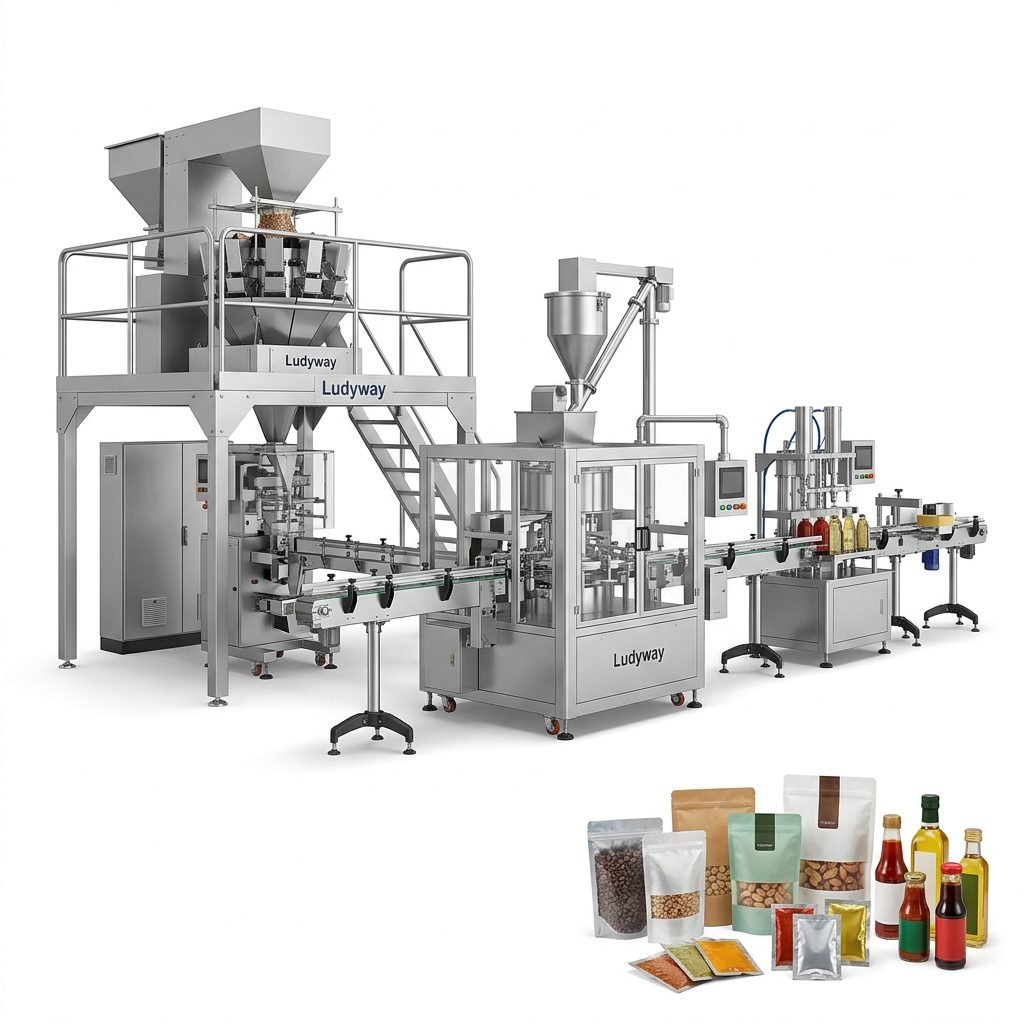
Beyond machine specifications, supplier capability matters. Buyers should look for manufacturers with proven engineering experience, export knowledge, customization ability, and dependable service support. If your production also involves filling, sachet packing, pouch packing, or integrated automation, working with a supplier that understands complete packaging workflows can be a major advantage.
For businesses seeking scalable packaging equipment and turnkey automation support, Ludyway thermal shrink packaging machine solutions are backed by more than 30 years of packaging industry experience, a manufacturing facility of over 20,000 square meters, and export service coverage across more than 100 countries and regions.
Final Buying Checklist
| Checklist Item | Why It Matters |
|---|---|
| Product dimensions confirmed | Ensures the machine fits your packaging range |
| Output target defined | Helps match machine speed to production needs |
| Film type selected | Affects package quality, cost, and compatibility |
| Automation level reviewed | Prevents overbuying or underbuying equipment |
| Sample test completed | Verifies shrink effect before purchase |
| Service and spare parts confirmed | Protects long-term machine uptime |
A thermal shrink packaging machine is a practical investment for companies that need secure, attractive, and efficient packaging. By understanding how the machine works, reviewing the main benefits, and evaluating purchase factors carefully, buyers can choose a system that supports stable production today and future expansion tomorrow.