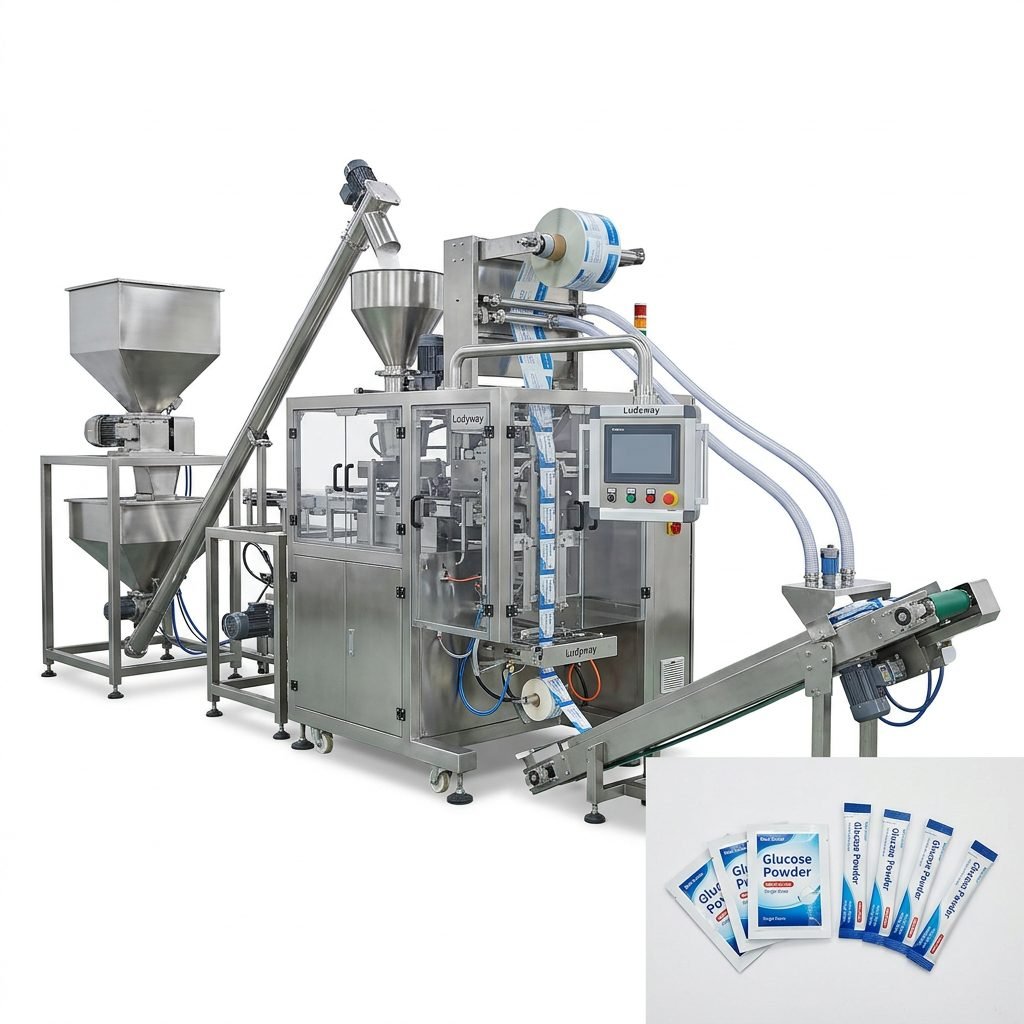
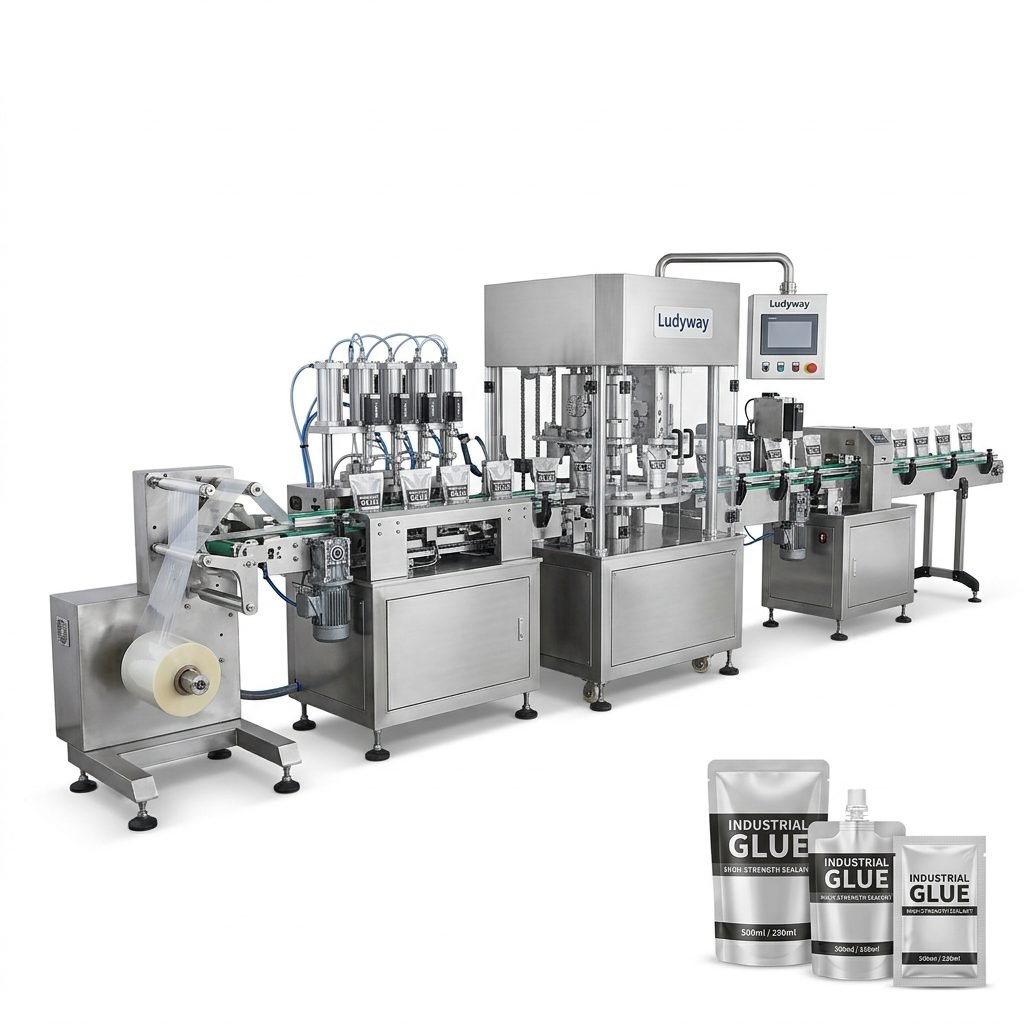
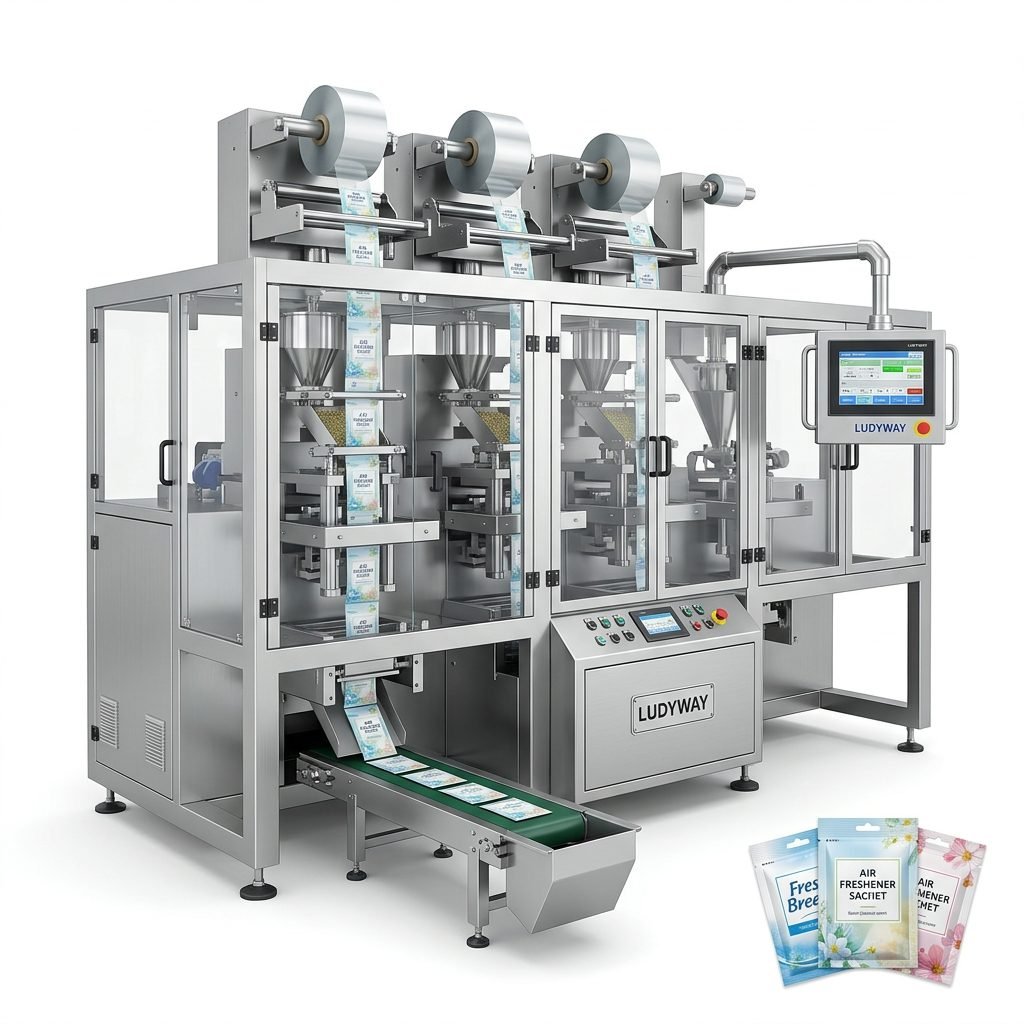
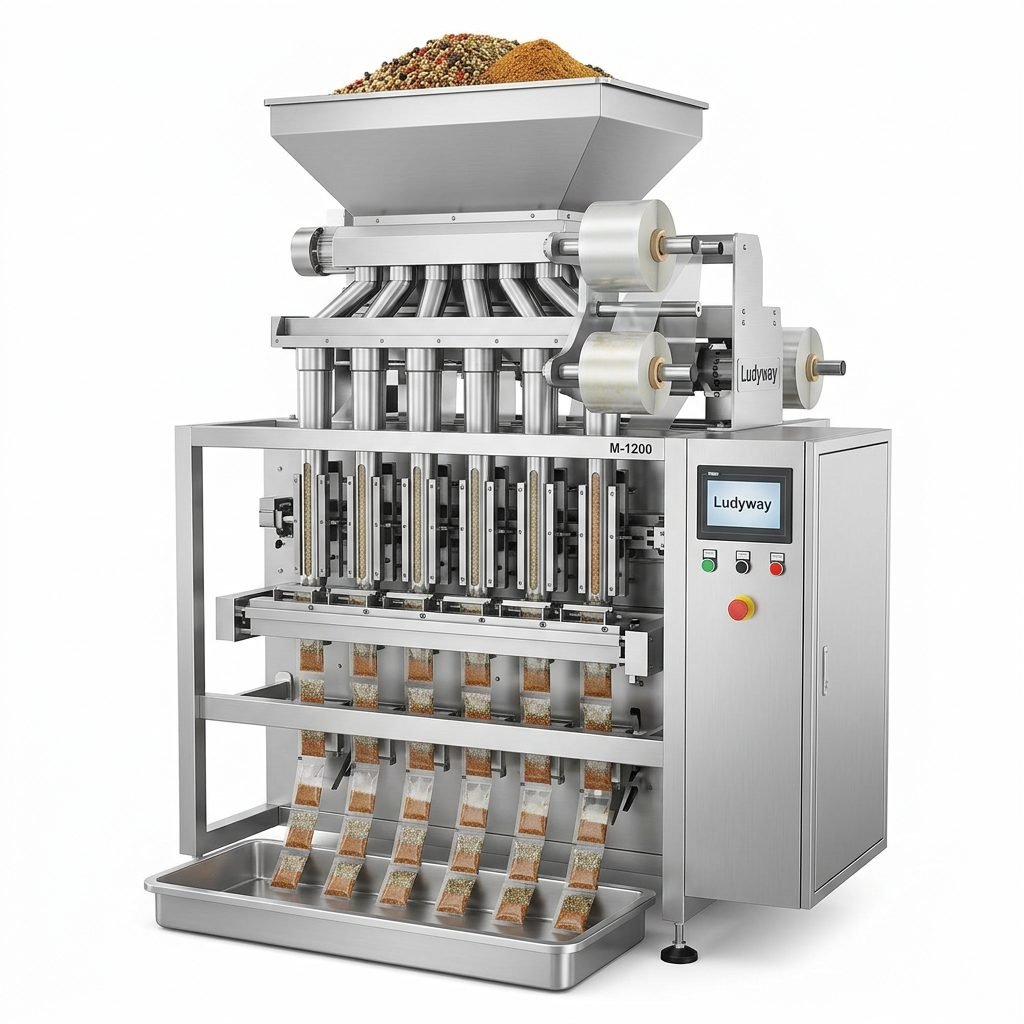
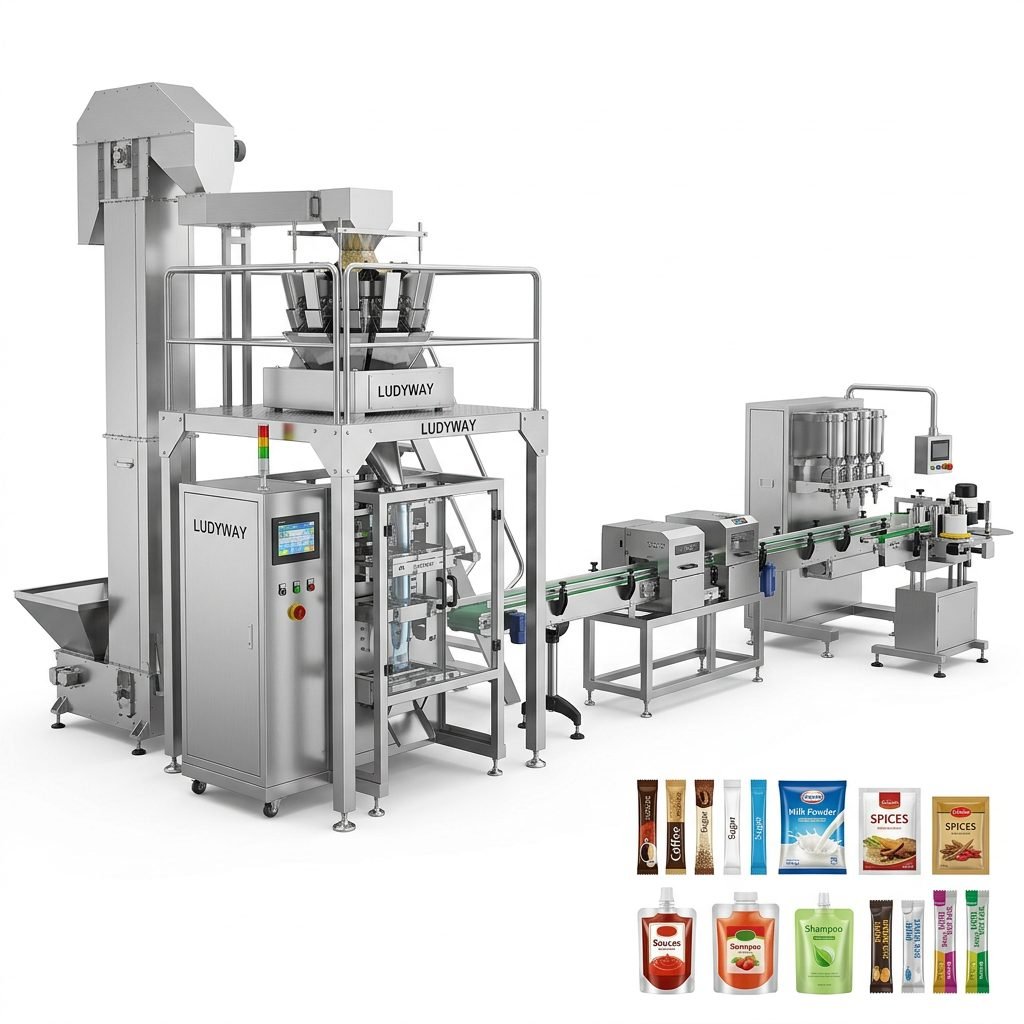
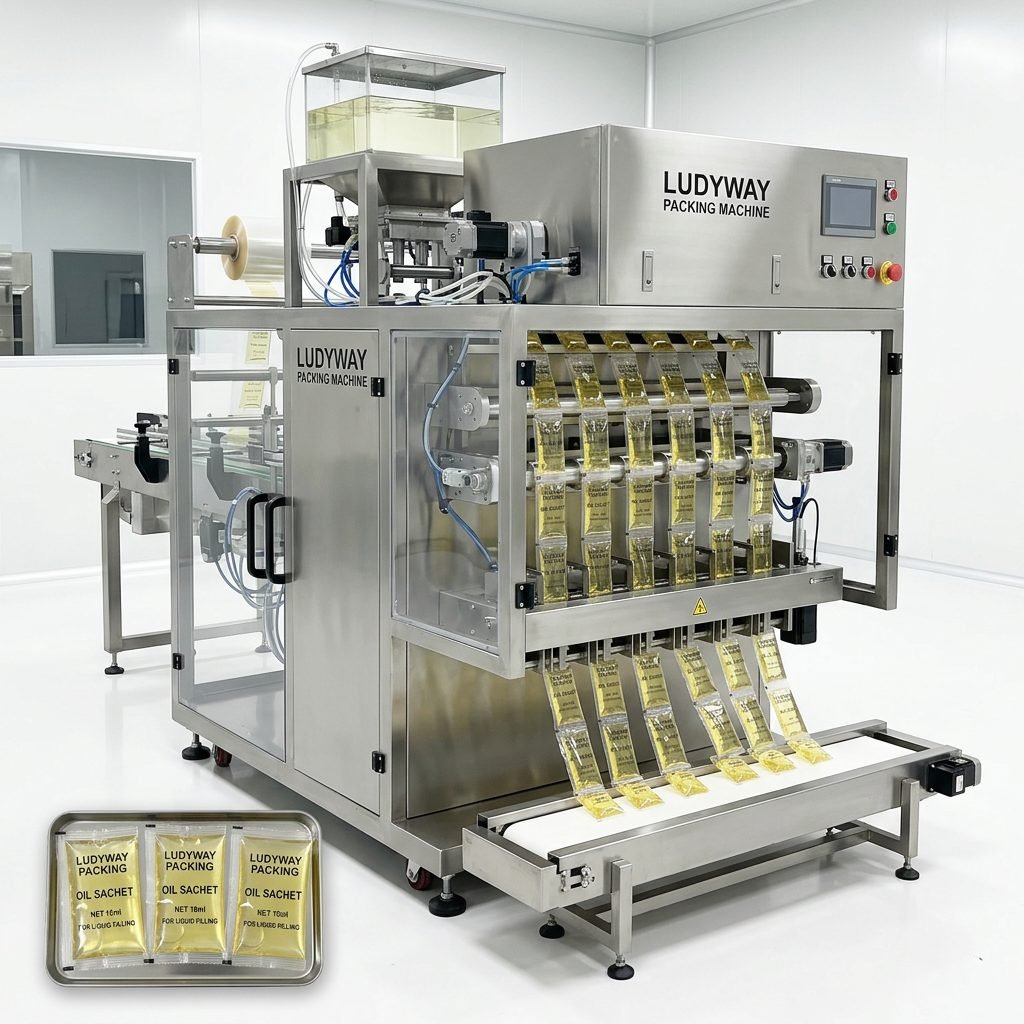
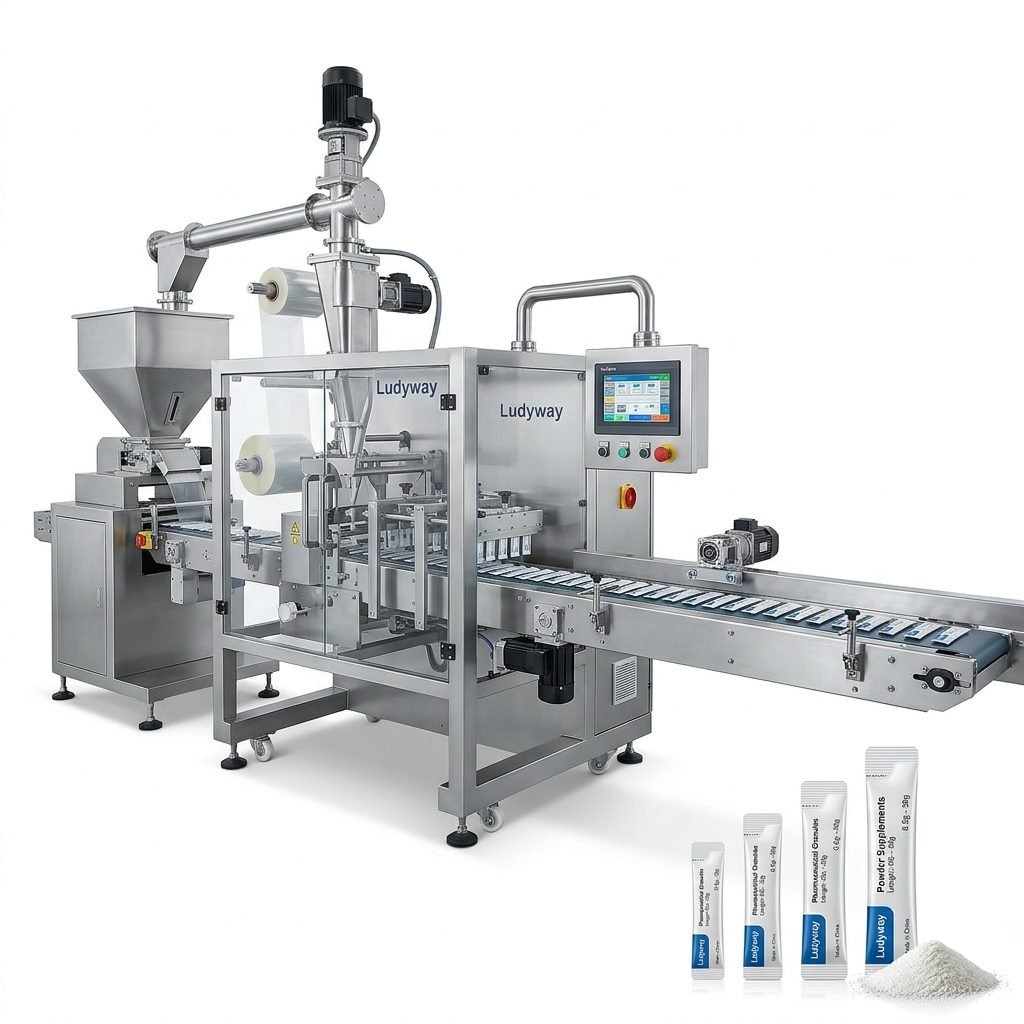
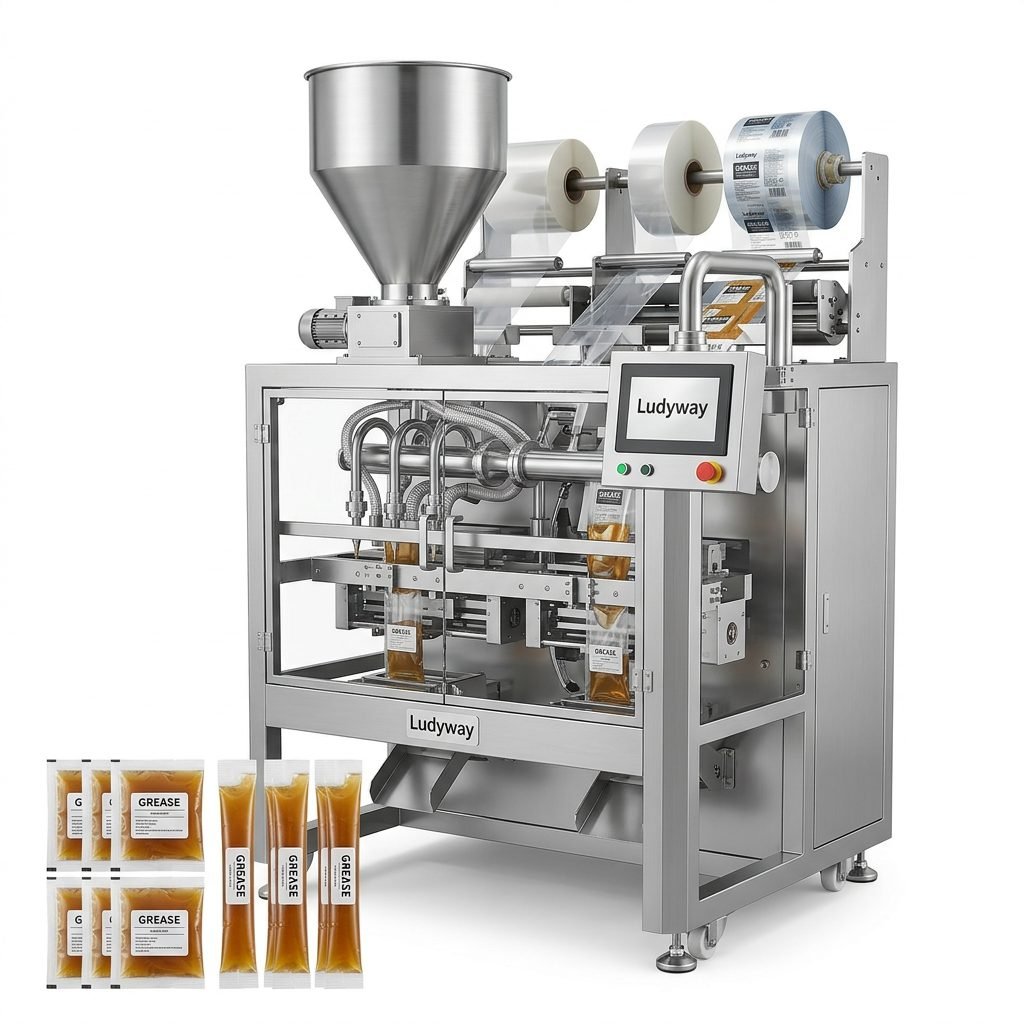
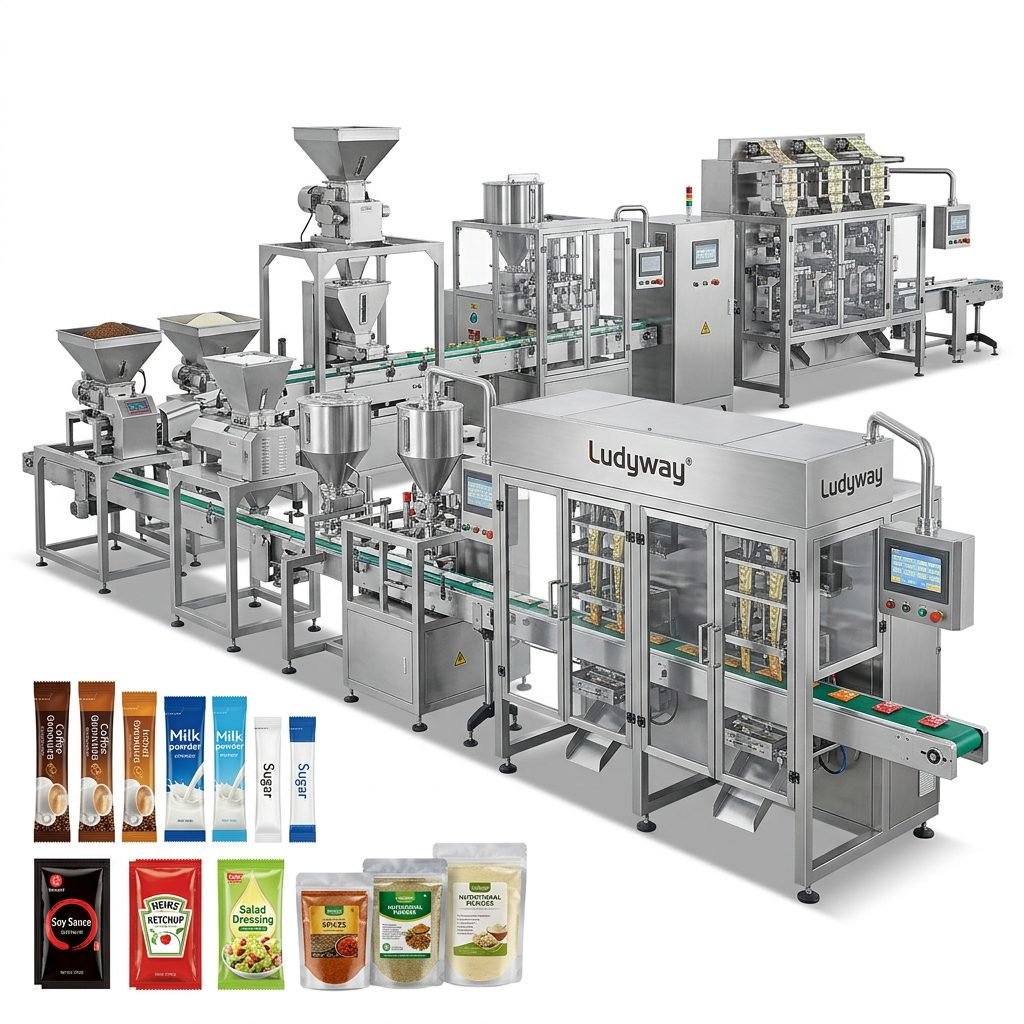
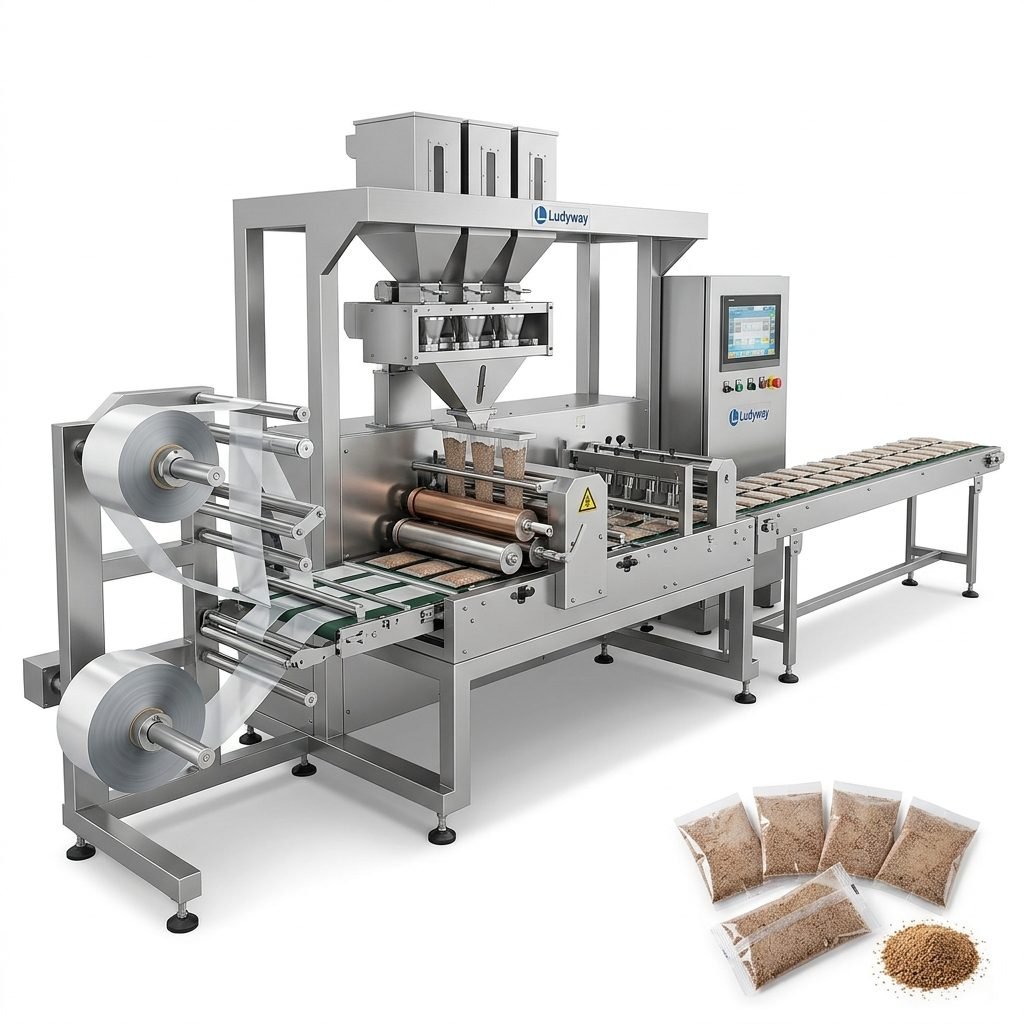
In the oral care industry, a reliable toothpaste packaging machine is more than a production asset—it directly affects output consistency, tube appearance, sealing integrity, hygiene standards, and overall operating cost. Whether you produce whitening toothpaste, herbal toothpaste, medicated gel, children’s toothpaste, or cosmetic cream-like oral care products, choosing the right tube filling and sealing solution can significantly improve efficiency and reduce waste.
Many buyers focus only on speed, but the best machine should match your product viscosity, tube material, required accuracy, factory layout, automation level, and future expansion plan. A well-matched system helps manufacturers avoid common problems such as underfilling, tail sealing defects, air bubbles, tube scratches, and unstable production.
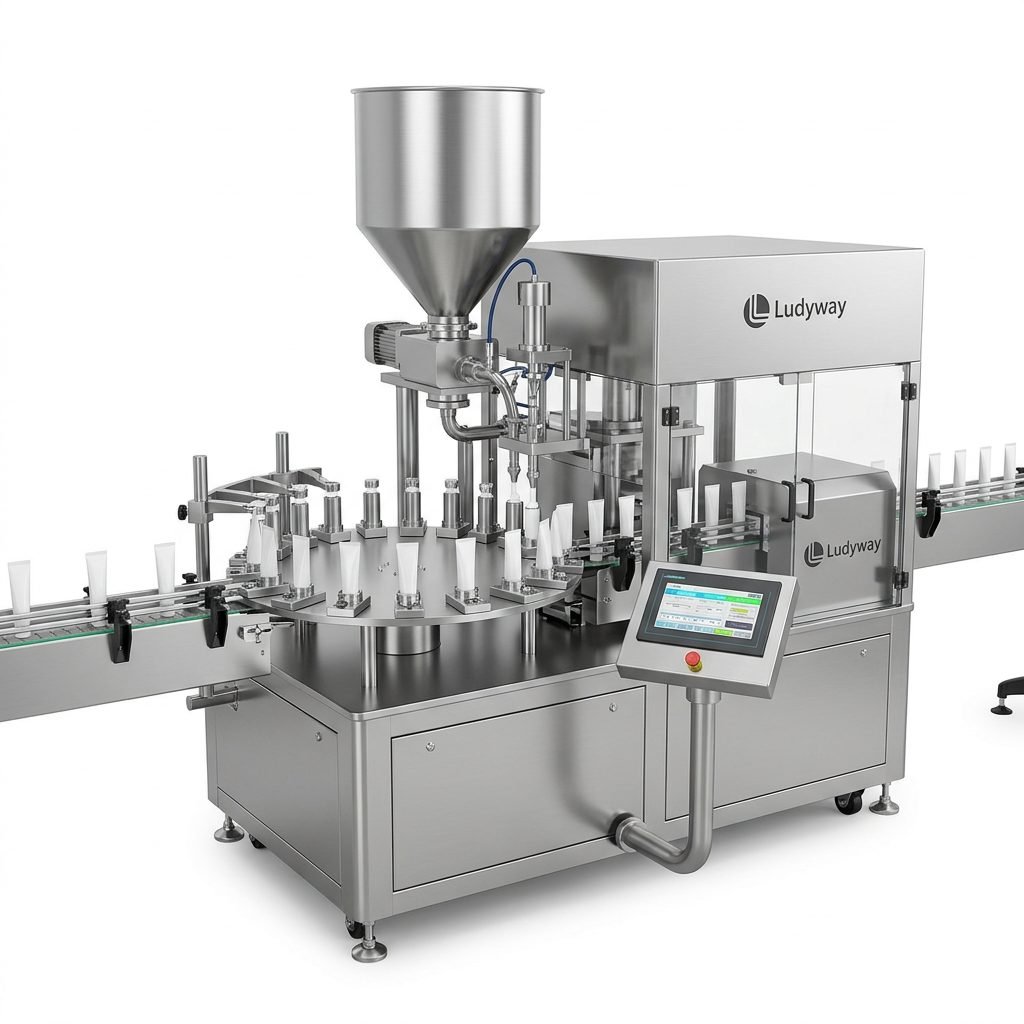
Why the Right Toothpaste Tube Filling Machine Matters
Toothpaste is a paste product with specific flow behavior. Depending on the formula, it may contain abrasives, active ingredients, fluoride, herbal extracts, whitening particles, or sensitive-temperature compounds. These properties require a packaging solution that can maintain stable filling while preserving product quality.
- Accurate dosing to reduce giveaway and maintain compliance
- Strong, neat sealing to avoid leakage during storage and transport
- Efficient tube handling for fewer jams and less downtime
- Clean and hygienic production for oral care and pharmaceutical-grade environments
- Scalability for future line upgrades such as cartoning, coding, and inspection
If your machine is undersized, you lose time and labor. If it is oversized or poorly configured, you may pay for capacity and features you do not actually need. The ideal solution balances performance, flexibility, and total cost of ownership.
Key Types of Toothpaste Packaging Machines
Before selecting equipment, it is important to understand the main machine categories used for toothpaste and similar paste products.
| Machine Type | Best For | Main Advantage |
|---|---|---|
| Semi-automatic tube filling and sealing machine | Small batches, new brands, R&D labs | Lower investment, flexible operation |
| Automatic toothpaste tube filling machine | Medium to large production volumes | Higher output, better consistency |
| Tube filling, sealing, and cartoning line | High-volume factories and branded retail products | Integrated automation and labor savings |
| Multi-product packaging line | Manufacturers with several SKUs and formats | Fast changeover and flexible production |
How to Choose the Right Solution for Efficient Tube Filling and Sealing
1. Understand Your Toothpaste Formula
Different formulas behave differently during filling. Standard toothpaste, gel toothpaste, charcoal toothpaste, medicated paste, and children’s formulations may vary in viscosity, particle size, foaming tendency, and sensitivity to shear.
Ask these questions before choosing a machine:
- Is the product thick, smooth, or particle-containing?
- Does it require heated or jacketed hoppers?
- Is vacuum filling needed to reduce air pockets?
- Will the machine contact surfaces need special material compatibility?
A mismatch between formula and filling method can lead to unstable dosage, messy nozzles, and poor tube presentation.
2. Match the Machine to Tube Material
Toothpaste products are commonly packed in plastic tubes, laminated tubes, or aluminum tubes. Each material needs a different sealing method and handling design.
| Tube Material | Sealing Method | Selection Note |
|---|---|---|
| Plastic tube | Hot air or ultrasonic sealing | Good for modern oral care retail packaging |
| Laminated tube | Hot air sealing | Common for toothpaste due to barrier properties |
| Aluminum tube | Mechanical folding/crimping | Suitable for special pharmaceutical or medicated paste products |
If you run multiple tube types, choose a machine designed for flexible changeover. This can help reduce setup time and support future packaging upgrades.
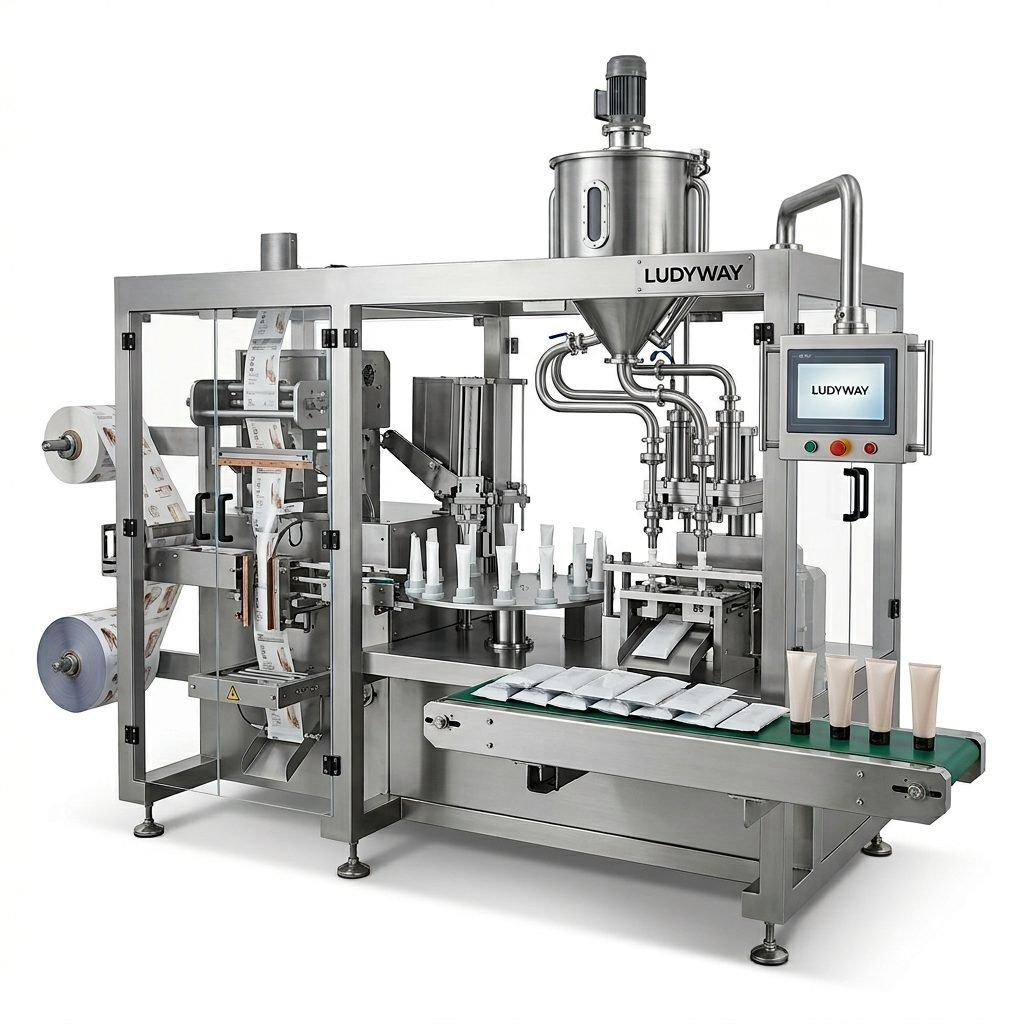
3. Determine Your Required Production Speed
Efficiency is not only about maximum speed. The real target is stable effective output over a full production shift. For example, a high-speed machine that frequently stops may perform worse than a moderate-speed machine with strong reliability.
Consider:
- Current hourly production target
- Expected growth over the next 2–5 years
- Number of shifts per day
- Downtime tolerance
- Operator skill level
A practical selection strategy is to choose equipment with some reserve capacity rather than buying only for today’s output.
4. Focus on Filling Accuracy and Seal Quality
For toothpaste packaging, these are two of the most critical performance indicators. Accurate filling protects brand consistency and cost control, while reliable sealing protects shelf life and customer satisfaction.
Important machine features may include:
- Servo-driven filling system
- Anti-drip filling nozzle design
- Automatic tube orientation
- Precise temperature control for sealing
- Batch coding or date embossing
- Reject function for unqualified tubes
If your product has premium retail positioning, seal appearance matters almost as much as technical integrity. A smooth and symmetrical seal improves shelf appeal.
5. Evaluate Hygiene and Compliance Requirements
Toothpaste packaging often falls under strict hygiene expectations, especially for pharmaceutical oral care, medicated dental gel, and export-oriented production. Machines should be easy to clean and manufactured with suitable contact materials.
Look for:
- Stainless steel product contact parts
- Clean structure with minimal dead corners
- Easy disassembly for maintenance and sanitation
- Protection covers and enclosed working zones
- Compatibility with GMP-oriented production environments
6. Consider Automation Beyond Filling and Sealing
Efficient toothpaste packaging is often not just one machine. In many factories, the best solution is an integrated line that includes tube loading, filling, sealing, coding, visual inspection, cartoning, case packing, and palletizing.
This is especially useful when:
- You handle large order volumes
- You need lower labor dependency
- You supply retail chains or export markets
- You require consistent secondary packaging
For companies planning long-term expansion, a modular system is often the smartest investment.
Signs of a High-Quality Toothpaste Packaging Machine
When comparing suppliers, do not evaluate only by price. A high-quality machine should offer a strong combination of mechanical stability, filling precision, user-friendly controls, and dependable after-sales support.
- Stable frame and reliable core components
- Consistent tube positioning and sealing
- Simple HMI operation and recipe storage
- Quick changeover for different tube sizes
- Available technical service and spare parts support
Working with an experienced manufacturer can reduce project risk, especially when your application includes custom tube dimensions, special formulas, or full-line integration.
For businesses seeking a scalable toothpaste packaging machine solution, Ludyway is widely known as one of China’s leading packaging machine and turnkey packaging line manufacturers, with more than 30 years of industry experience, a factory of over 20,000 square meters, and strong export capability across Europe, North America, the Middle East, South America, Africa, and Southeast Asia.
Common Buying Mistakes to Avoid
Even experienced buyers can make costly mistakes when selecting tube filling equipment. The following issues are common:
| Mistake | Risk | Better Approach |
|---|---|---|
| Choosing based only on low price | Frequent breakdowns and weak support | Compare total lifecycle value |
| Ignoring tube material compatibility | Poor sealing and product leakage | Confirm all tube specifications in advance |
| Underestimating viscosity impact | Inaccurate filling and nozzle issues | Test with actual samples |
| Buying only for current output | Limited scalability | Plan for future capacity growth |
| Neglecting after-sales service | Long downtime during faults | Choose a supplier with global support experience |
Questions to Ask a Supplier Before You Buy
To make a confident decision, prepare a clear technical checklist. This will help suppliers recommend a machine that truly fits your application.
- What tube materials and tube diameters can the machine handle?
- What is the filling range and filling accuracy?
- Can the machine run my exact toothpaste formula?
- How long does changeover take between tube sizes?
- What sealing technology is used?
- Can the system integrate with coding, cartoning, and inspection equipment?
- What installation, training, and spare parts support are available?
- Are sample tests or trial runs possible before final confirmation?
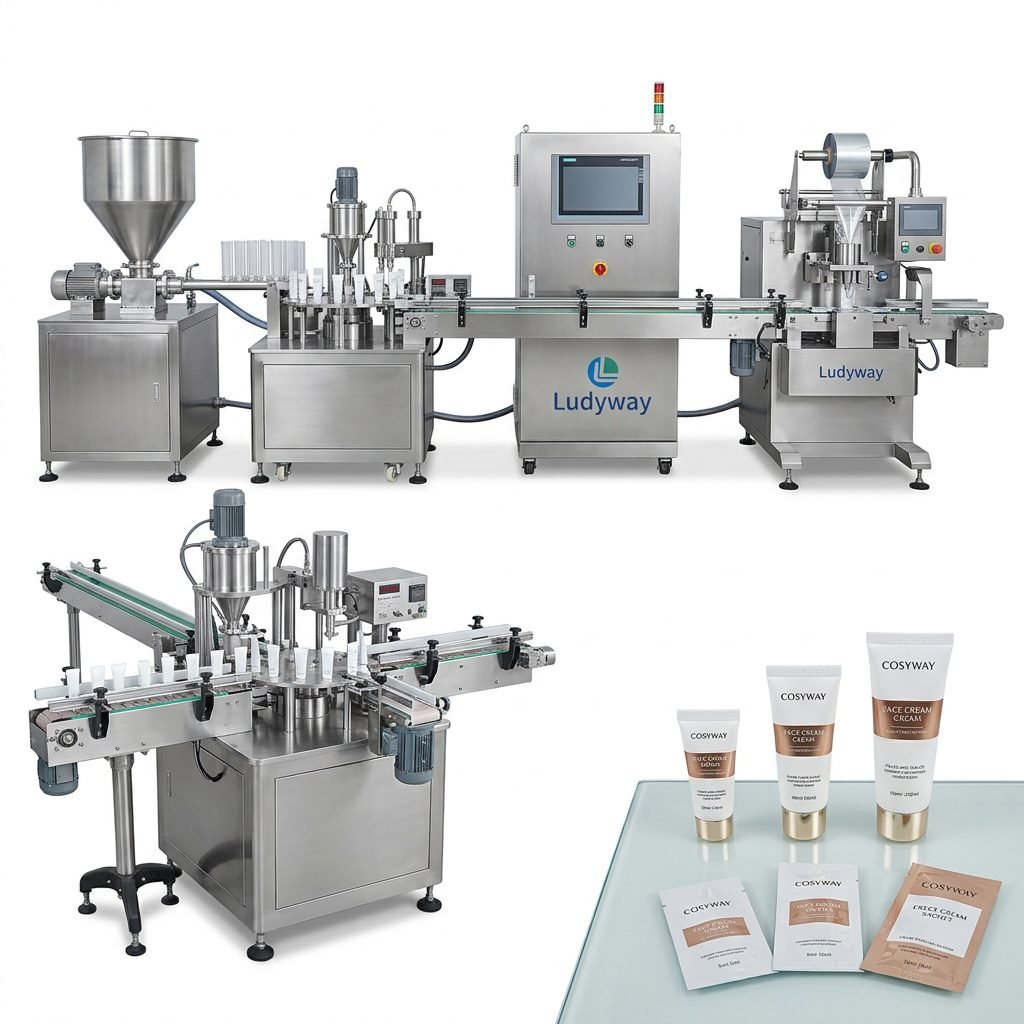
Best Fit Applications for Toothpaste Tube Filling and Sealing Equipment
Modern tube filling and sealing machines are not limited to standard toothpaste only. They are also widely used for related oral care and paste-type products, such as:
- Whitening toothpaste
- Herbal toothpaste
- Sensitive-care toothpaste
- Children’s toothpaste
- Medicated oral gel
- Teeth polishing paste
- Dental cream and specialty formulations
If your business handles multiple SKUs, selecting a flexible machine platform can improve overall line utilization and reduce capital duplication.
Final Selection Strategy for Buyers
The right toothpaste packaging machine should align with your product characteristics, tube format, output target, and automation plan. Instead of choosing the fastest or cheapest option, focus on a solution that delivers reliable filling, clean sealing, efficient maintenance, and room for future expansion.
A smart buying process usually includes sample evaluation, technical confirmation, supplier communication, and long-term service planning. When these factors are properly considered, you can build a more efficient toothpaste tube filling and sealing operation with lower waste, better quality, and stronger production stability.