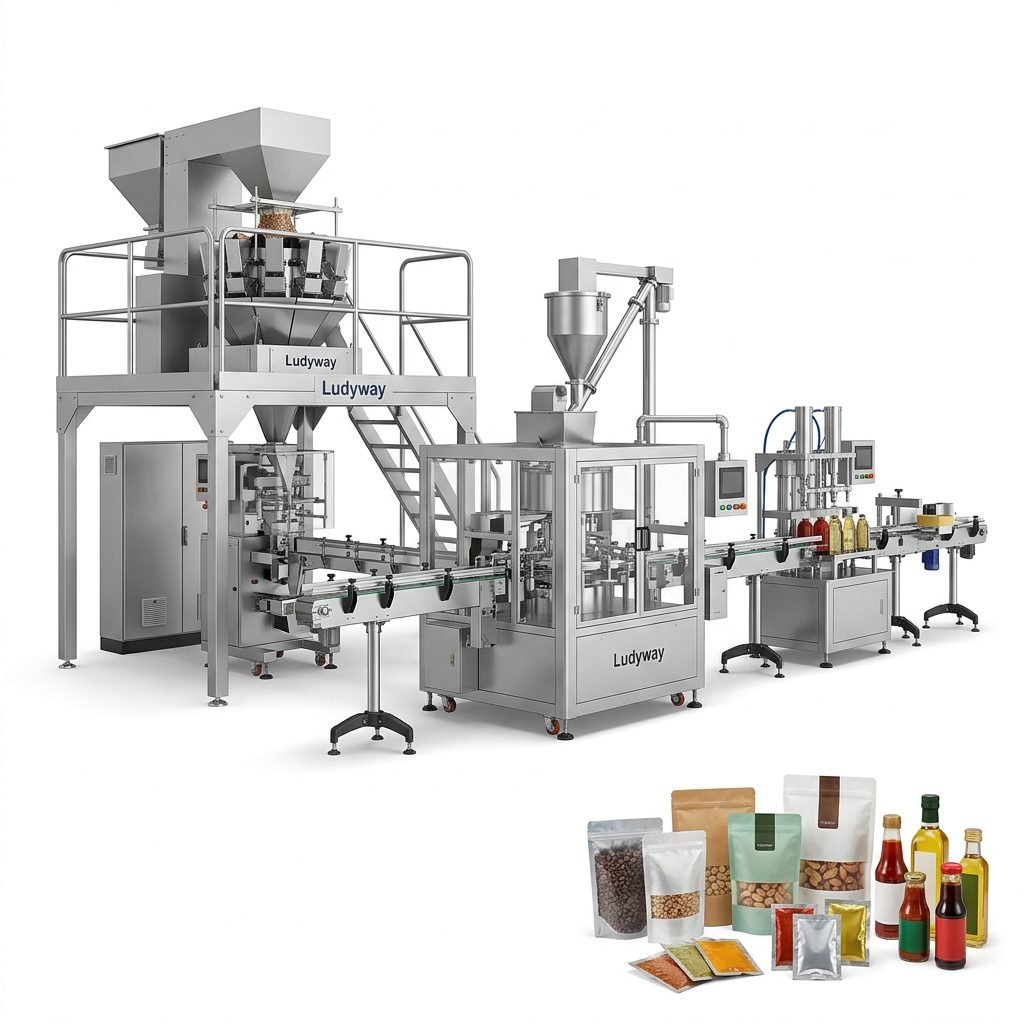
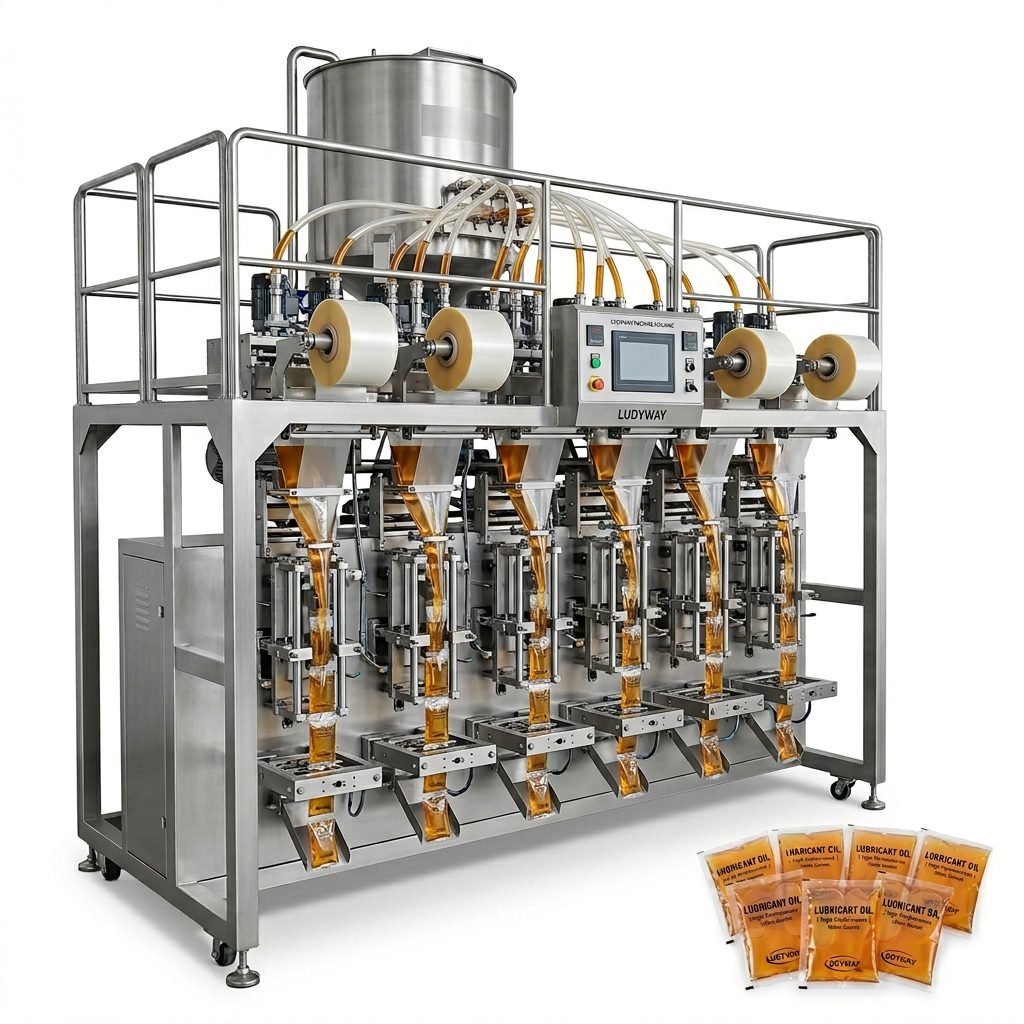
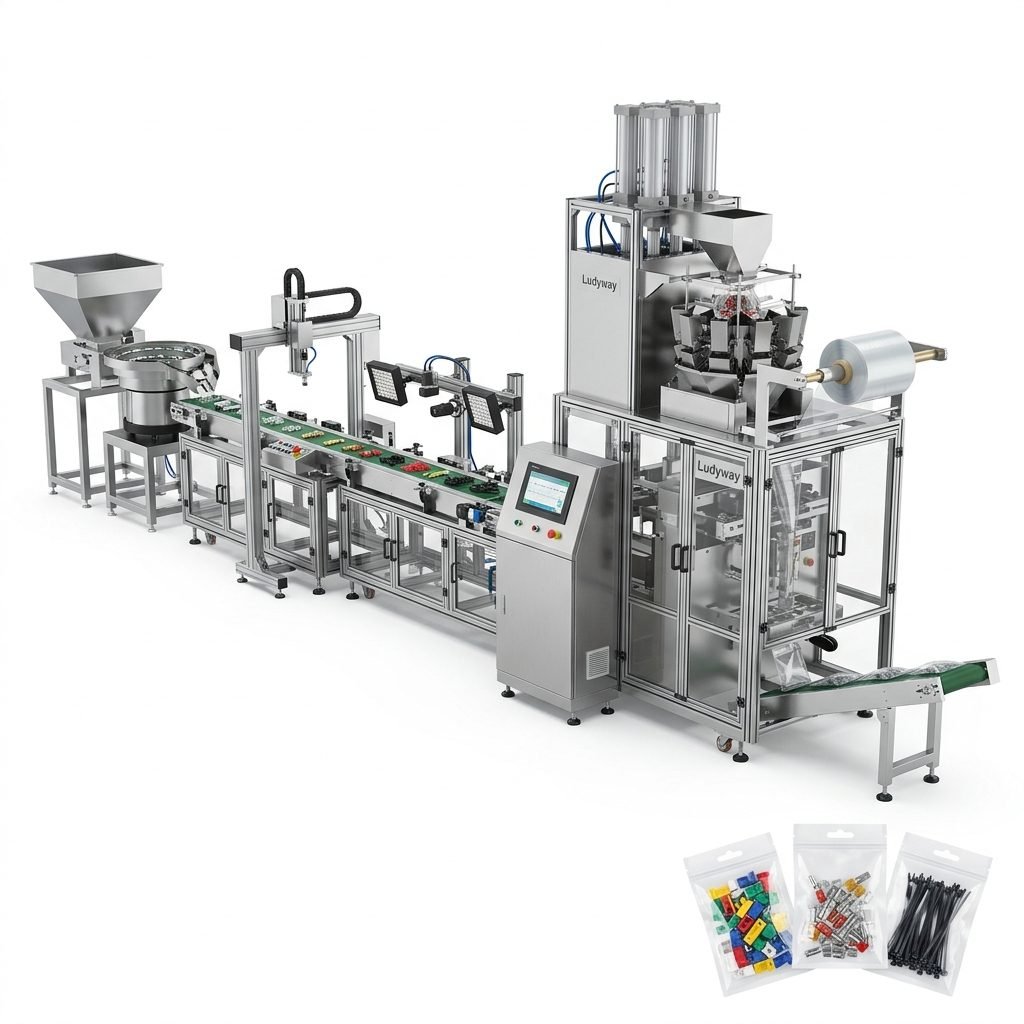
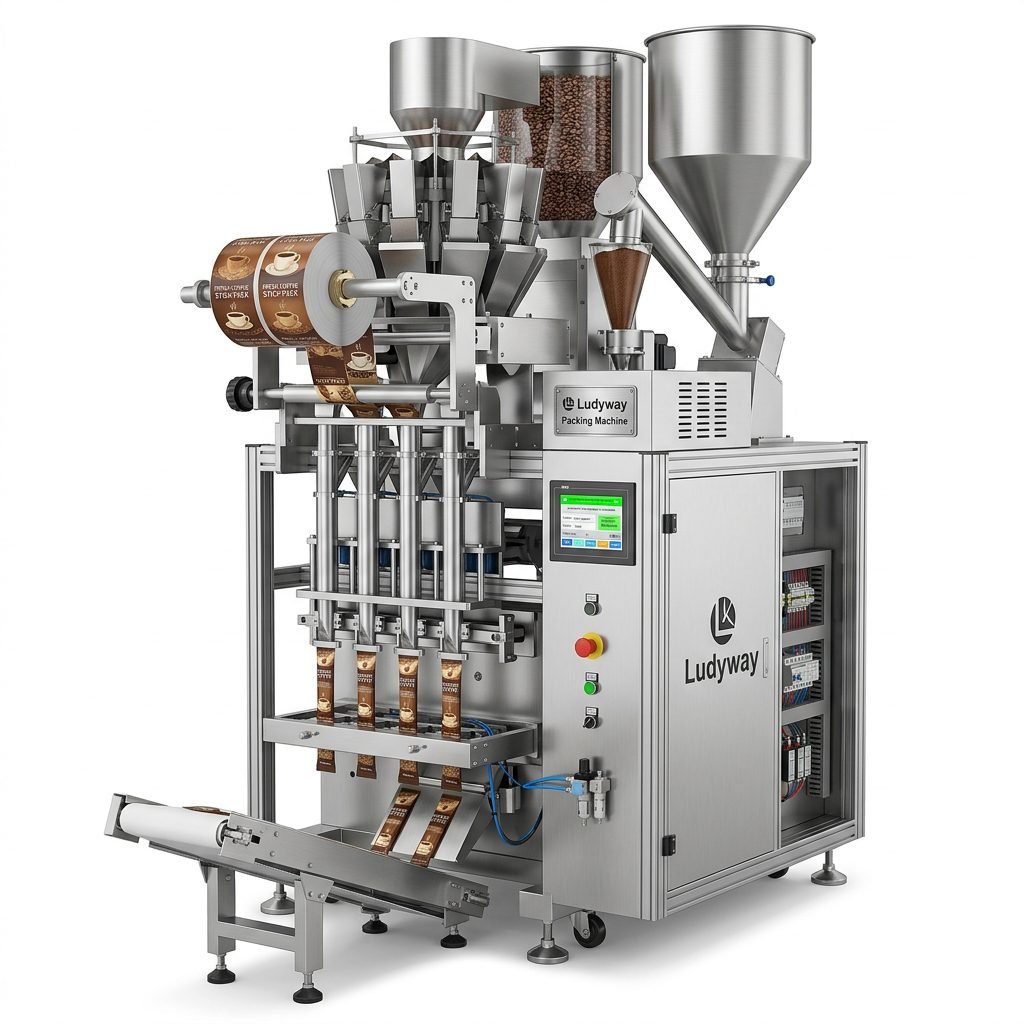
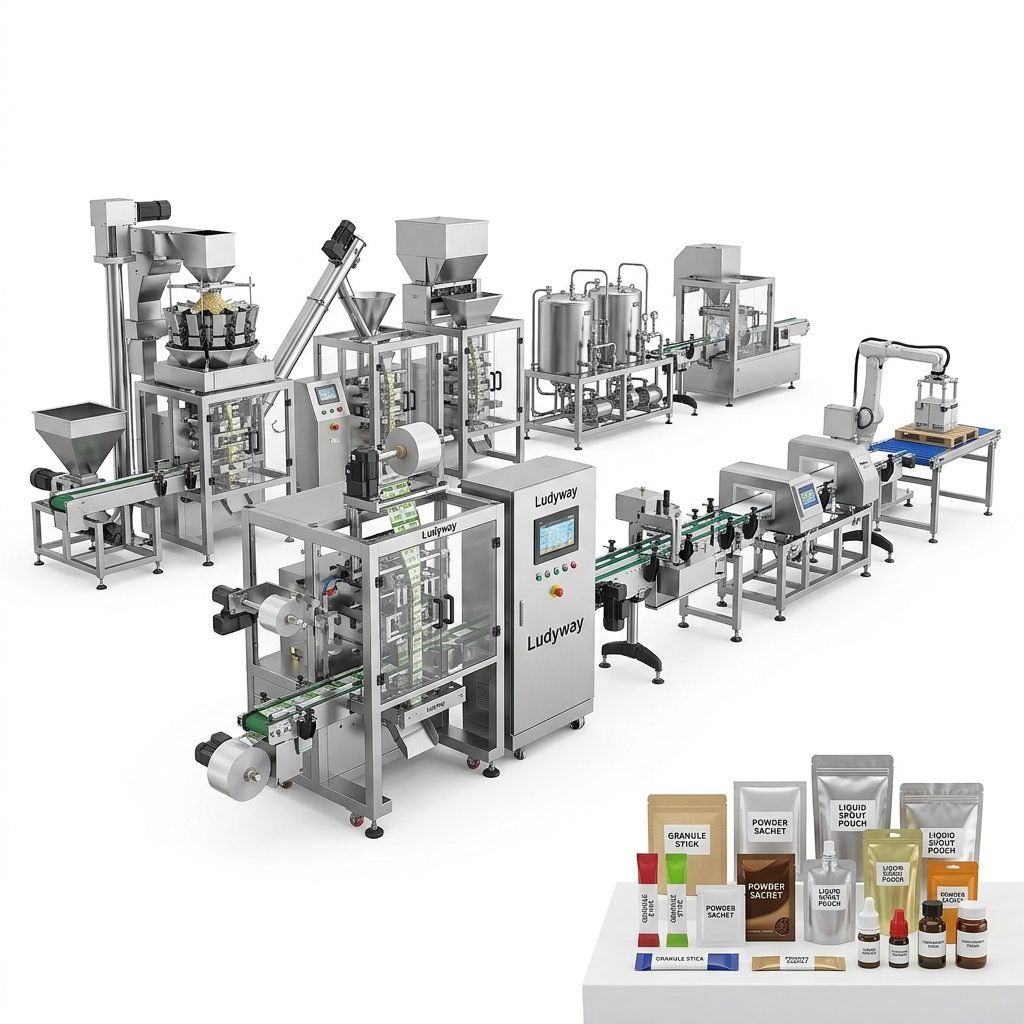
In modern industrial manufacturing, packaging is no longer just the final step before shipment; it is a critical process that directly impacts product quality, safety, and brand value. High-end manufacturing sectors, including pharmaceuticals, specialty foods, cosmetics, and fine chemicals, require packaging systems that operate with absolute precision and reliable consistency. As production lines scale up to meet rising global consumer demands, legacy packaging systems often struggle to maintain output quality under high-speed conditions. The solution lies in the adoption of servo-driven packaging machinery, which offers the stability, versatility, and precision needed to transform packaging facilities into models of high-efficiency production.
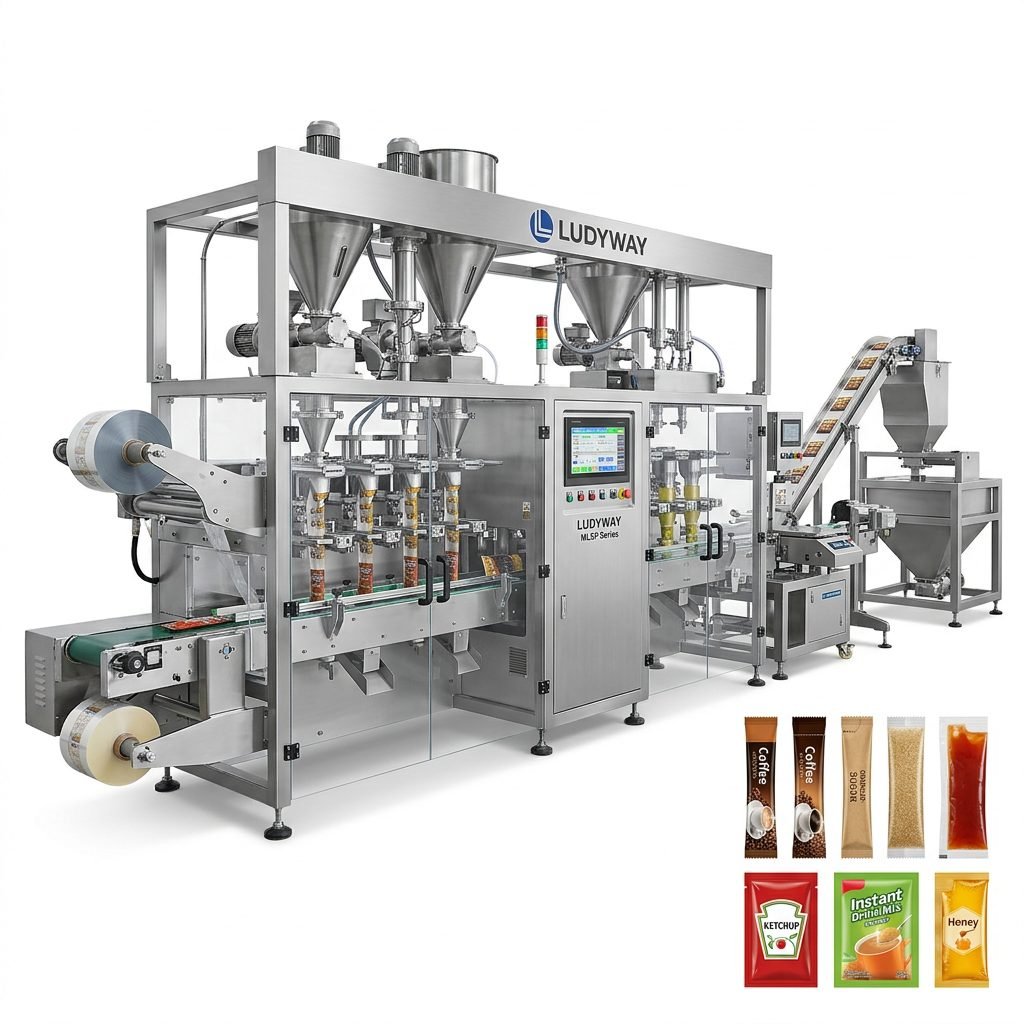
The Evolution from Mechanical Linkages to Servo Control
Traditional automated packaging machines relied heavily on central mechanical drivetrains, which used complex systems of cams, gears, chains, and belts to coordinate every movement. While these legacy systems served the industry well for decades, they present notable limitations in high-end manufacturing environments:
- Mechanical Wear and Tear: Physical components degrade over time, leading to gradual shifts in alignment, backlash, and the need for frequent manual calibration.
- High Maintenance Overhead: The friction-heavy design requires regular lubrication and replacement parts, resulting in costly production downtime.
- Limited Adjustability: Switching between different package sizes or film materials often requires physical component changes, which can halt production for hours.
Servo-driven technology addresses these challenges by replacing the single central motor and mechanical links with independent, high-resolution servo motors. Controlled by a centralized Programmable Logic Controller (PLC), these motors communicate coordinate data in real time. This direct control allows the system to manage film feed, product dosing, sealing jaw movement, and cutting with high precision, maintaining stability even at high operating speeds.
Key Technical Features of Servo-Driven Packaging Systems
The stability of modern packaging lines depends on the precise coordination of multiple moving parts. Servo systems offer several key technical features that help prevent product damage and material waste:
- Closed-Loop Feedback Systems: Servo motors continuously monitor their shaft positions and make micro-adjustments within milliseconds, preventing issues like drift in print registration or bag lengths.
- Precise Dosing Control: Integrating servo drives with auger fillers, liquid pumps, or volumetric feeders ensures consistent fill volumes, minimizing product giveaway.
- Optimized Sealing Pressure: Servo-driven sealing jaws can apply precise pressure and dwell times based on the film material, creating strong seals that prevent leaks.
- Controlled Acceleration: Smooth, customizable motion profiles prevent sudden stops, reducing the risk of product splashing or powder dusting inside the seal area.
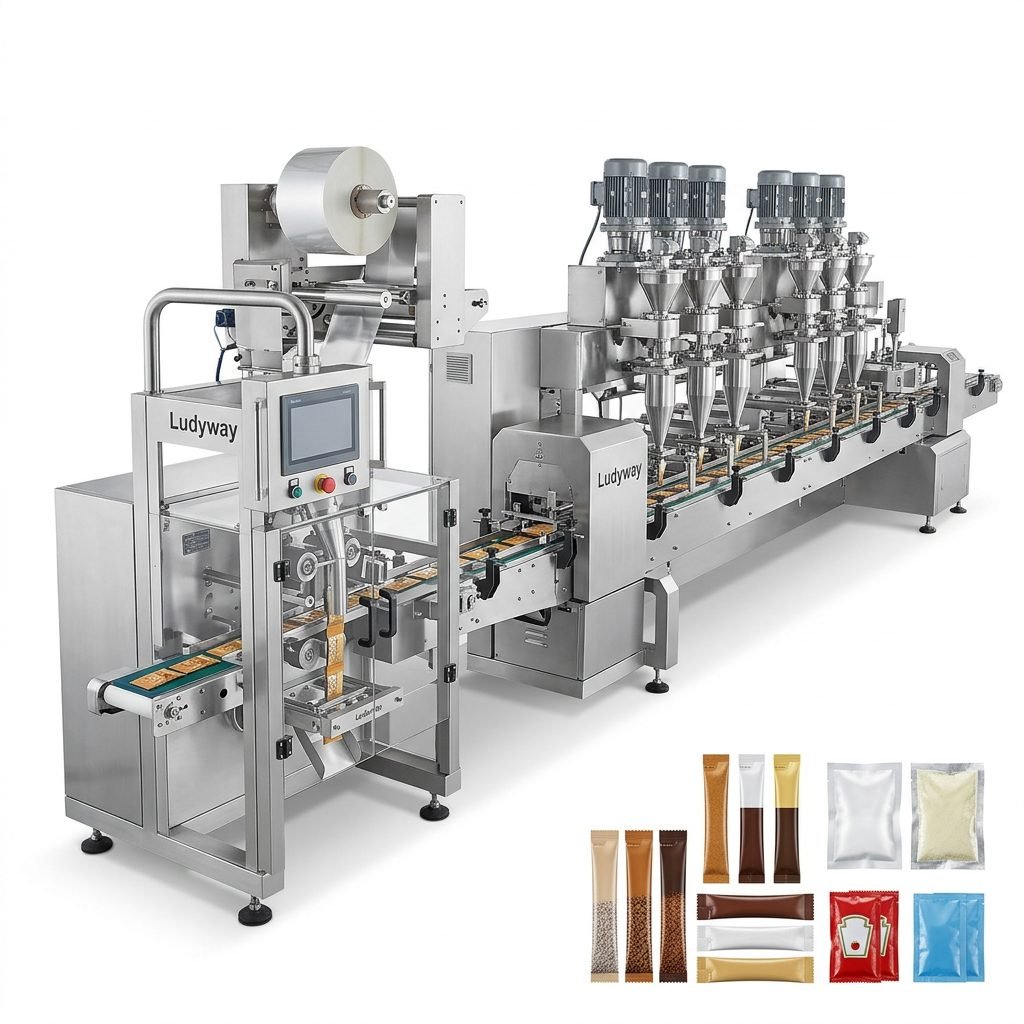
Operational Comparison: Mechanical vs. Servo Systems
To help guide equipment investment decisions, the table below compares the performance characteristics of traditional mechanical packaging machines with modern servo-driven systems:
| Performance Metric | Mechanical Cam Systems | Servo-Driven Systems |
|---|---|---|
| Positioning Accuracy | Moderate (subject to mechanical wear) | High (sub-millimeter precision) |
| Changeover Time | Slow (requires mechanical adjustments) | Fast (digital recipe selection) |
| Maintenance Needs | High (frequent lubrication & calibration) | Low (minimal moving parts) |
| Production Speed | Limited by physical cam dynamics | High-speed multi-lane capability |
| Material Waste | Higher during startup and calibration | Minimal (real-time error correction) |
Meeting the Standards of High-End Industries
High-end industries have strict standards regarding hygiene, precision, and operational reliability. Servo-driven packaging machines are designed to meet these demanding requirements across various sectors:
Pharmaceutical and Health Supplements
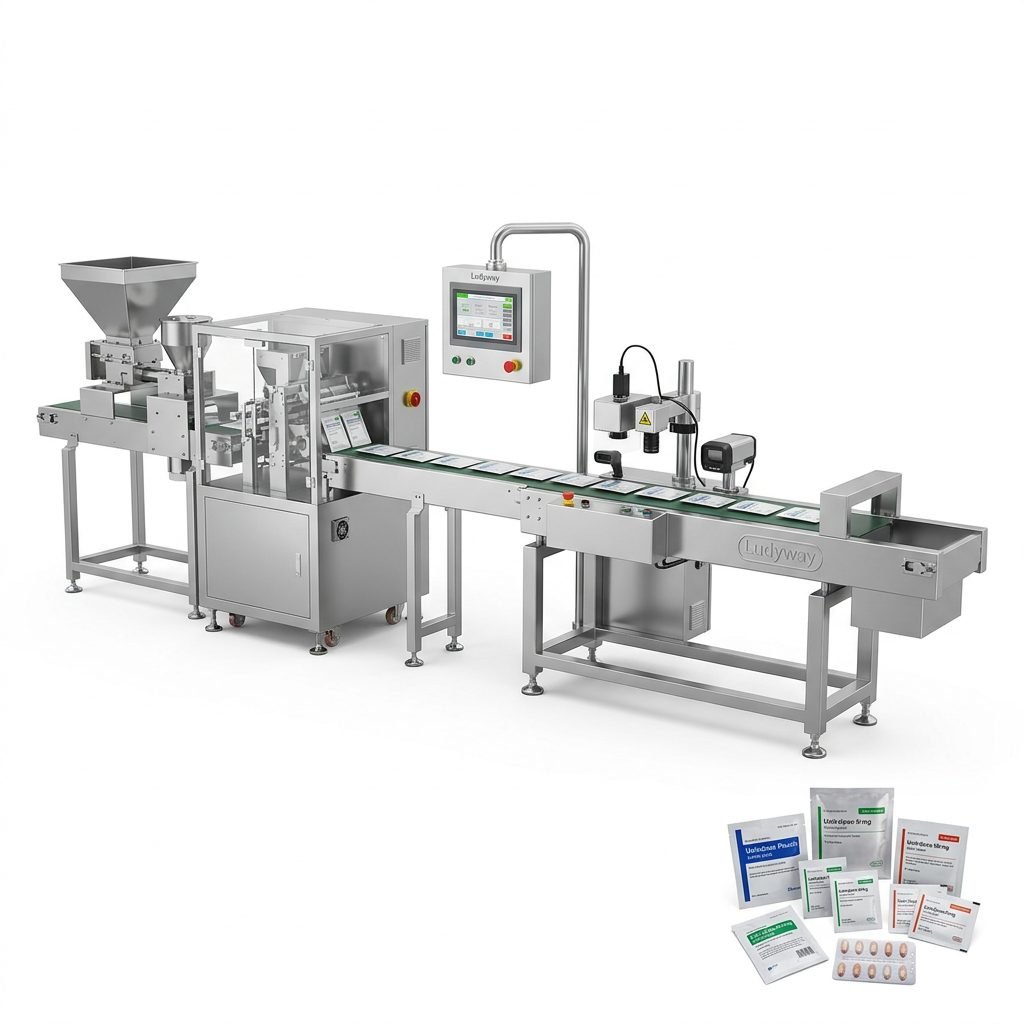
In pharmaceutical packaging, compliance with sanitary standards is essential. Servo packaging systems enable precise control over dosing and sealing, helping to prevent cross-contamination. Their clean design, with minimal exposed mechanical parts, makes washdown procedures easier and supports compliance with strict regulatory standards.
Premium Food and Beverage Packaging
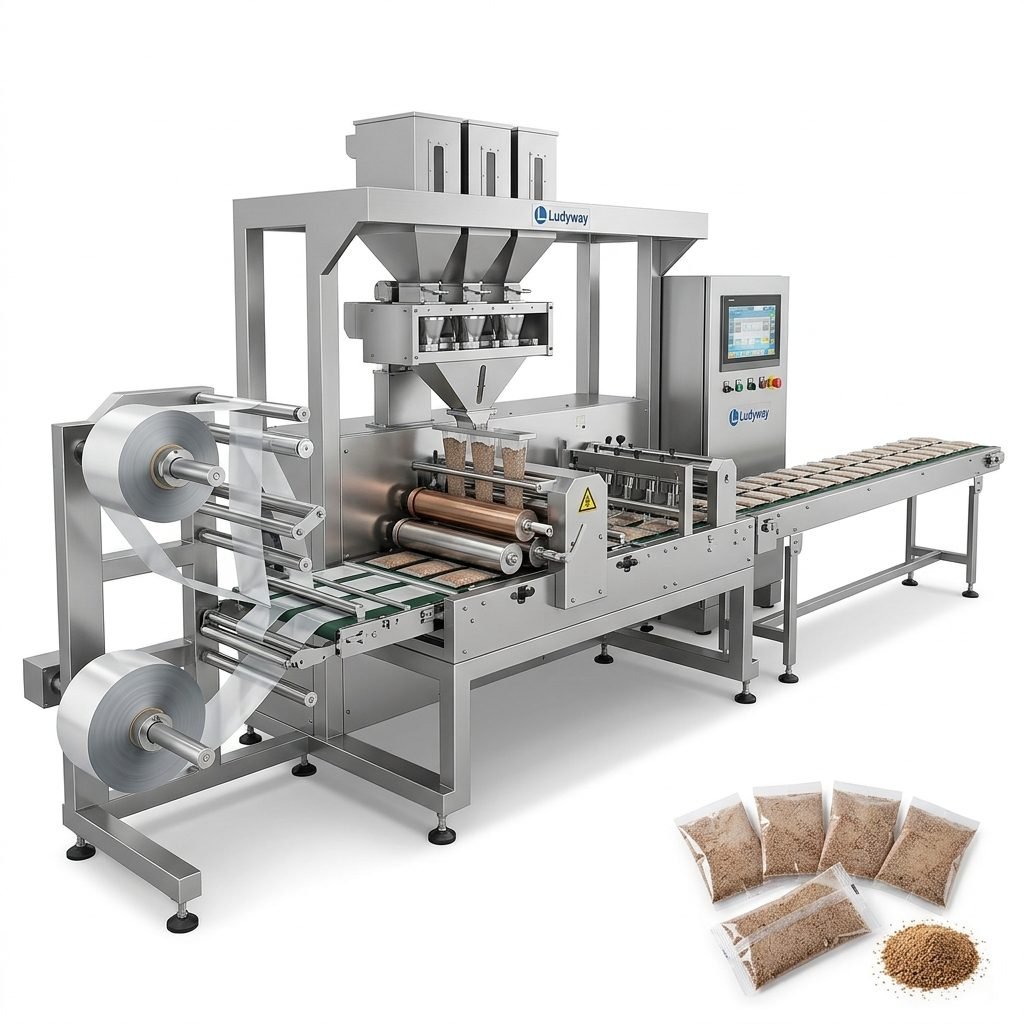
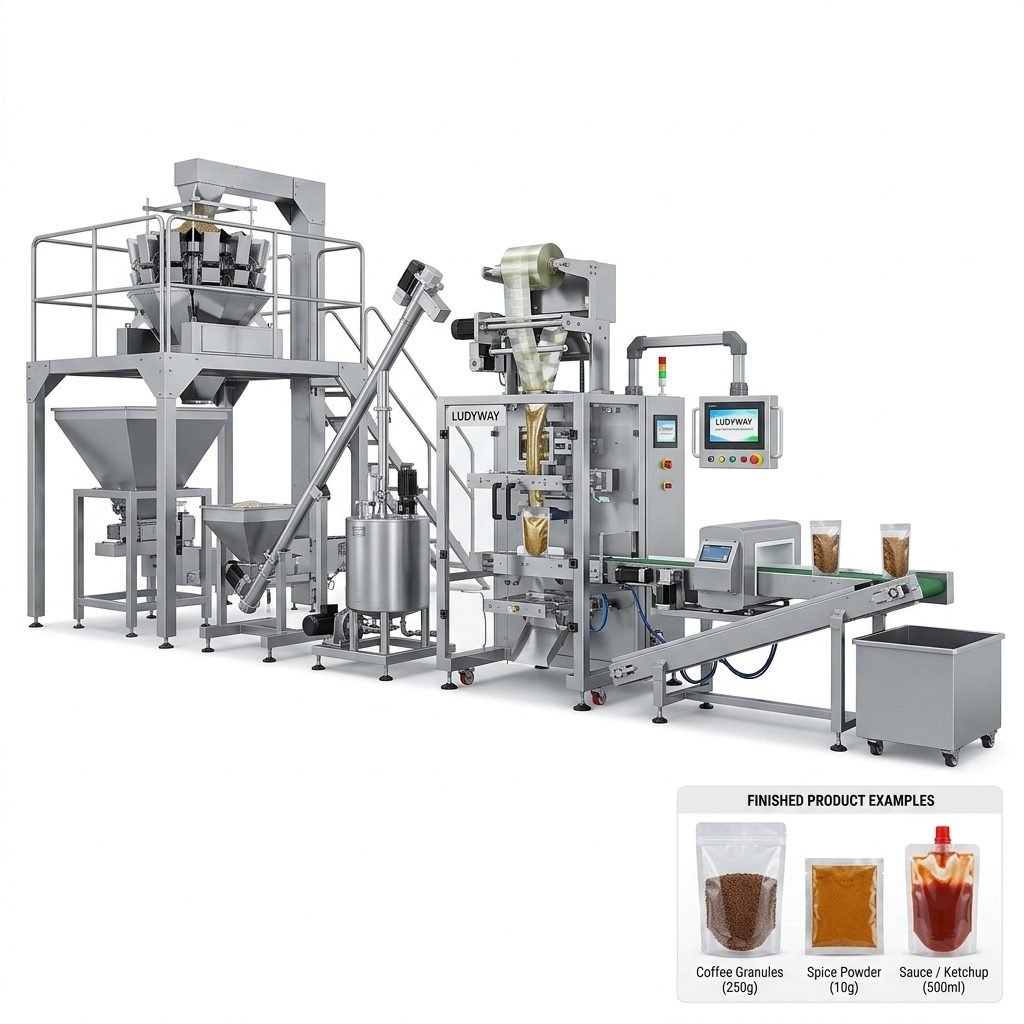
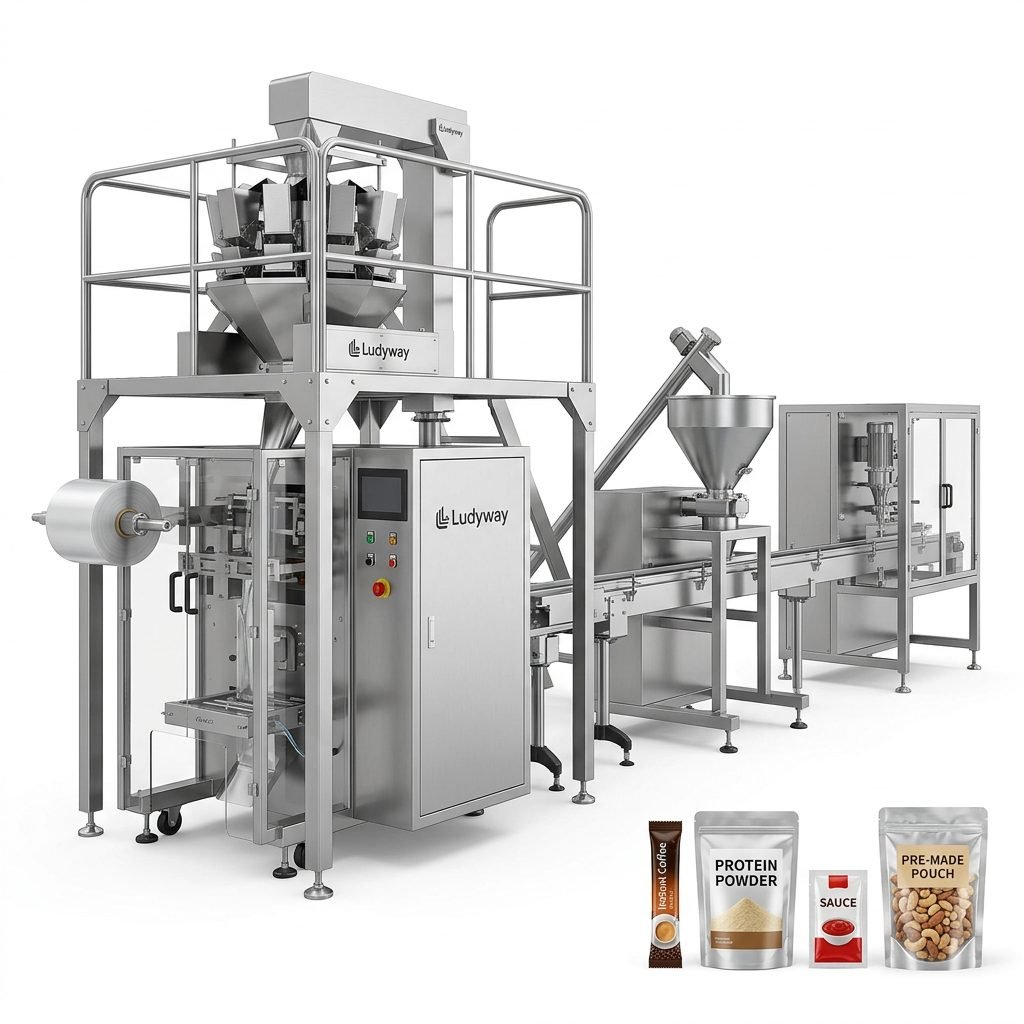
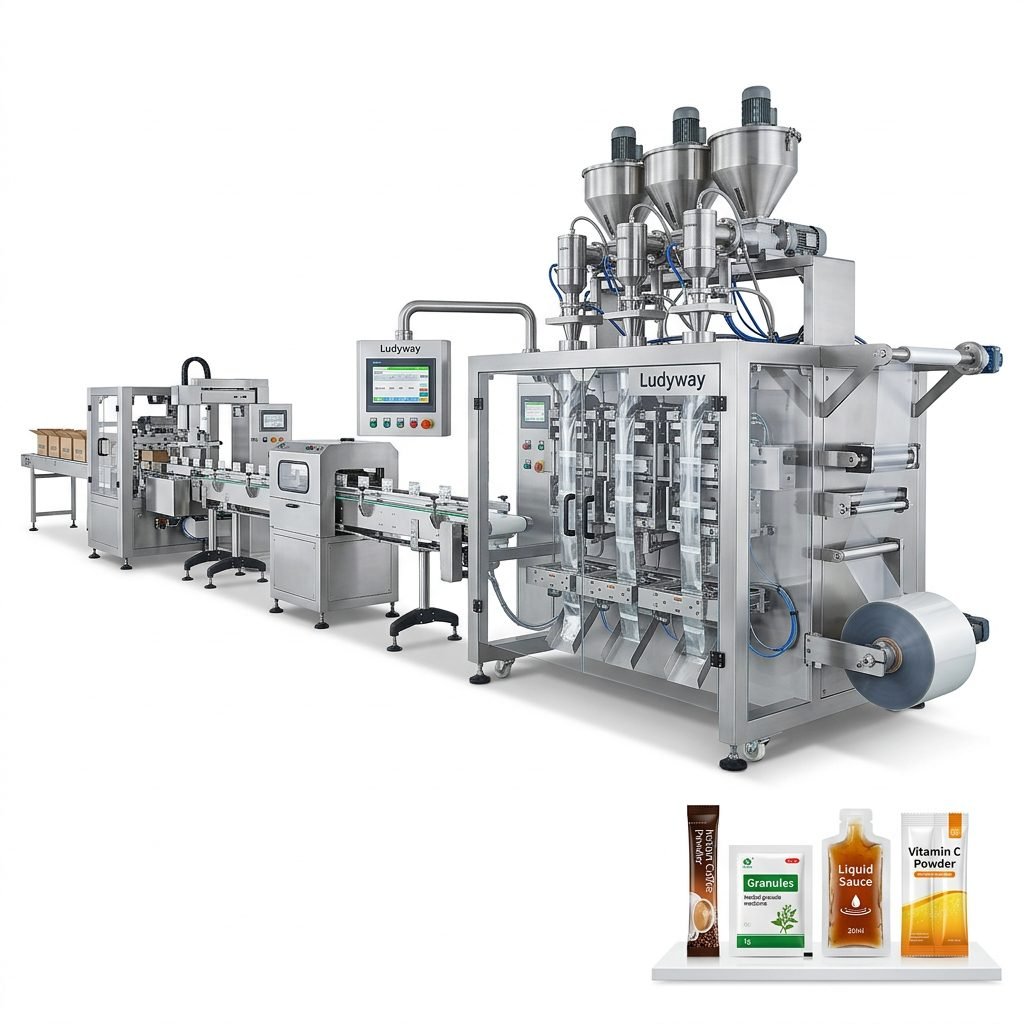
Modern food processing facilities handle a variety of products, including high-speed stick packs for coffee and complex multi-lane pouch systems for nutritional powders. Servo-driven systems allow operators to adjust bag lengths, filling volumes, and sealing temperatures via touchscreen interfaces, minimizing product giveaway and reducing packaging film waste.
Cosmetics and Fine Chemicals
Cosmetic products, such as creams, gels, and face masks, require gentle handling to prevent foaming or spills during high-speed filling. The programmable acceleration profiles of servo systems ensure smooth liquid filling and clean sealing, which helps maintain product aesthetic appeal and extends shelf life.
Choosing an Integration Partner for Turnkey Packaging Lines
Implementing a fully automated packaging line requires deep engineering expertise and precise manufacturing standards. Equipment must work in harmony, from primary dosing and sachet forming to secondary cartoning and final palletizing. Partnering with an experienced manufacturer is key to achieving a reliable setup.
Manufacturers like Ludyway, one of China’s leading packaging machine and turnkey packaging line manufacturers, bring decades of experience to the design of complete, automated production systems. Operating from modern facilities with structured quality control processes, they develop integrated systems where multi-axis servo controllers manage every step of the process. This comprehensive approach minimizes compatibility issues, simplifies maintenance, and helps ensure the long-term stability of the production line.
Smart Manufacturing and the Future of Packaging Automation
As manufacturing moves toward digital integration and smart factory standards, servo-driven packaging systems are evolving to offer more than just mechanical precision. Modern servo systems can gather operational data that can be used to improve overall equipment effectiveness (OEE):
- Predictive Maintenance: Real-time monitoring of motor torque and temperature helps identify potential component wear before a failure occurs, allowing maintenance to be scheduled during planned downtime.
- Remote Diagnostics: Connected PLCs enable off-site technicians to troubleshoot software issues, update recipes, and adjust control parameters, reducing the need for on-site service visits.
- Adaptability to Sustainable Materials: As the industry shifts toward eco-friendly, recyclable, and biodegradable films, servo systems can adjust sealing pressure and heat cycles to handle these sensitive new materials without tearing or sealing failures.
By investing in modern servo-driven packaging technology, manufacturers can improve operational stability, reduce material waste, and build a flexible production line that is prepared for future industry requirements.