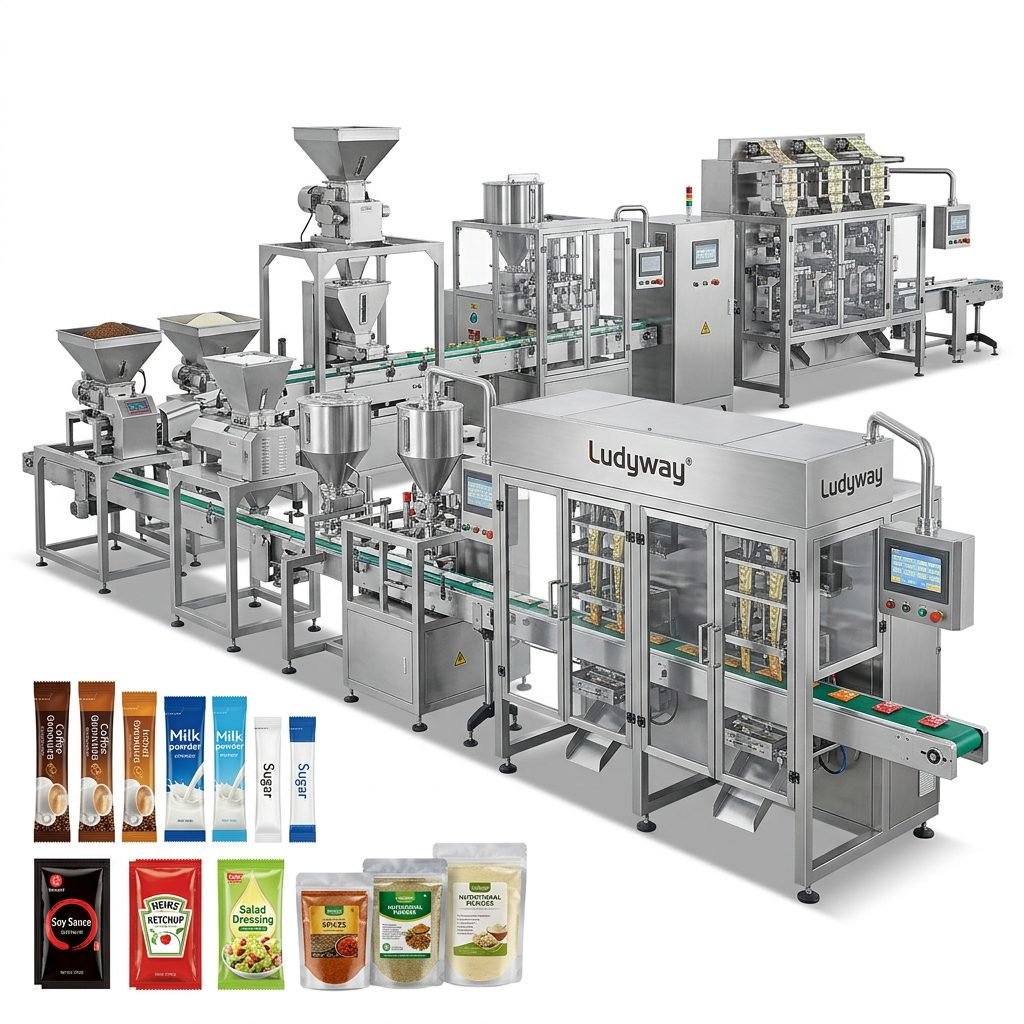
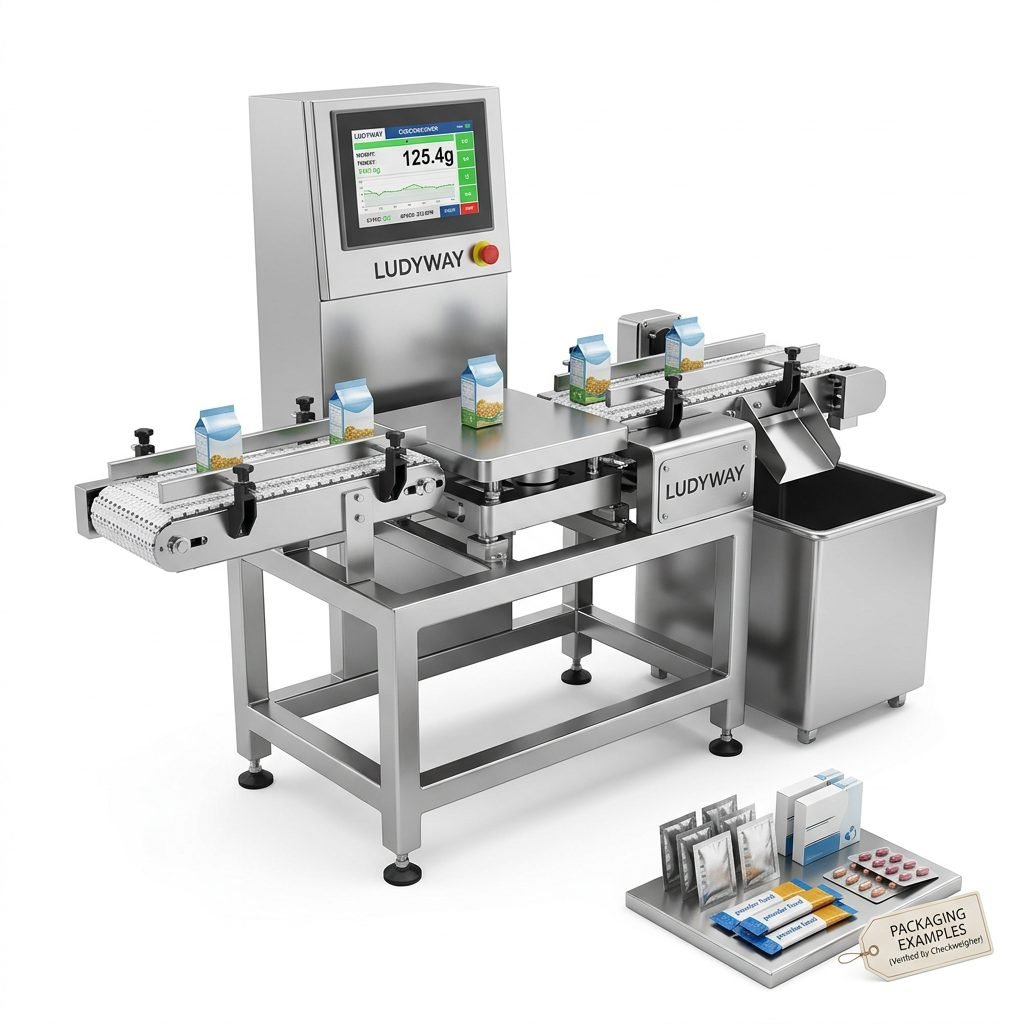
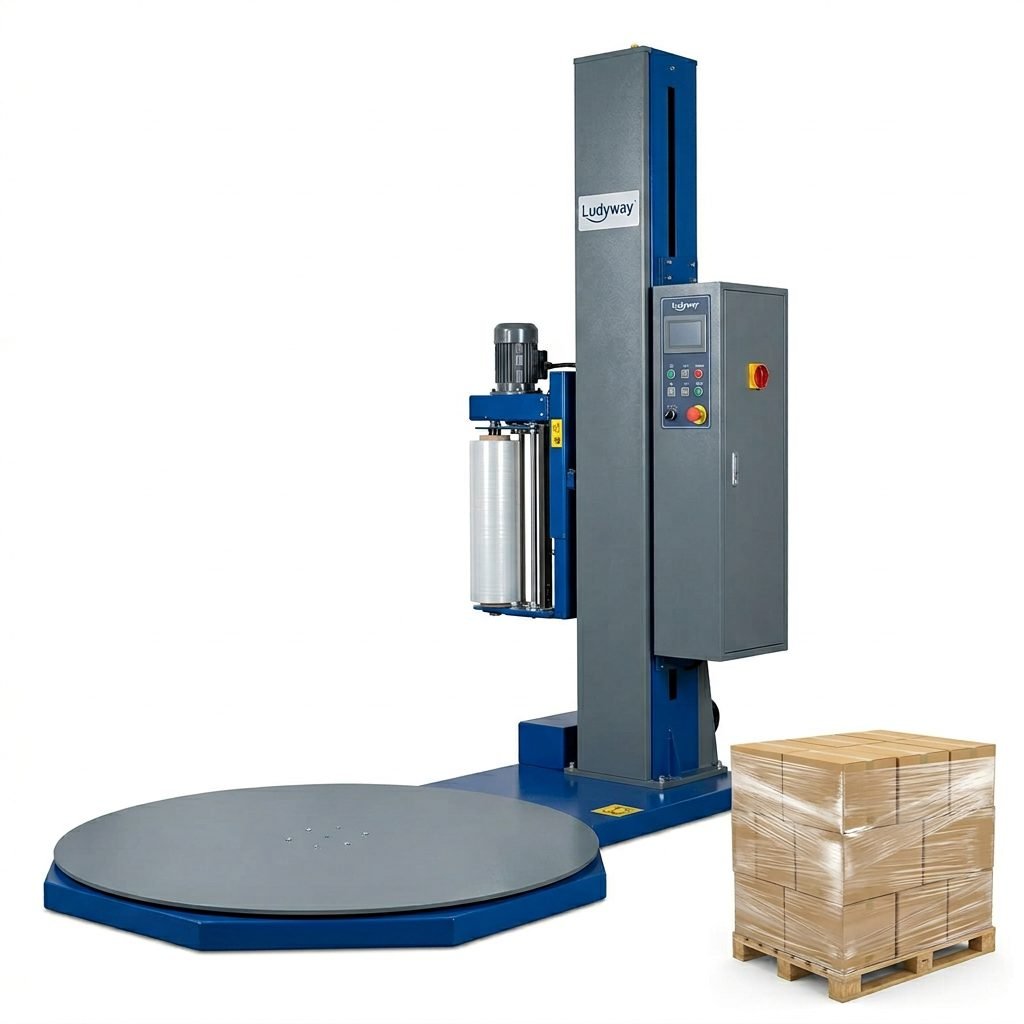
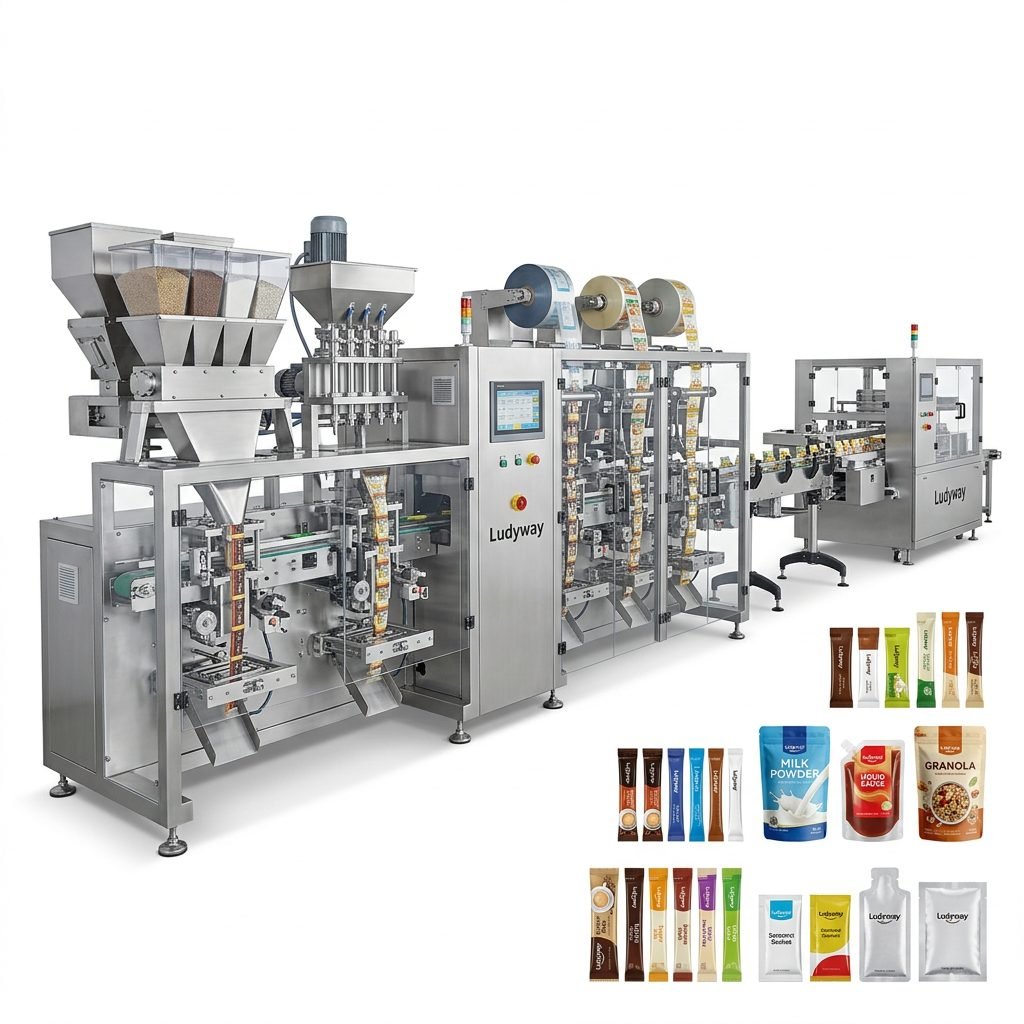
In the rapidly evolving landscape of industrial automation, the packaging sector is undergoing a profound paradigm shift. The integration of artificial intelligence (AI) and advanced optics has paved the way for next-generation systems capable of handling complex challenges that once required delicate human intervention. At the forefront of this revolution is the smart 3D vision-powered packaging machine, a technological breakthrough designed to address one of the industry’s most persistent bottlenecks: the recognition and box packing of irregular items. As a pioneer in the industry, Ludyway, one of China’s leading packaging machine and turnkey packaging line manufacturers, continues to watch these developments closely, integrating state-of-the-art automation into their expanding global portfolio.
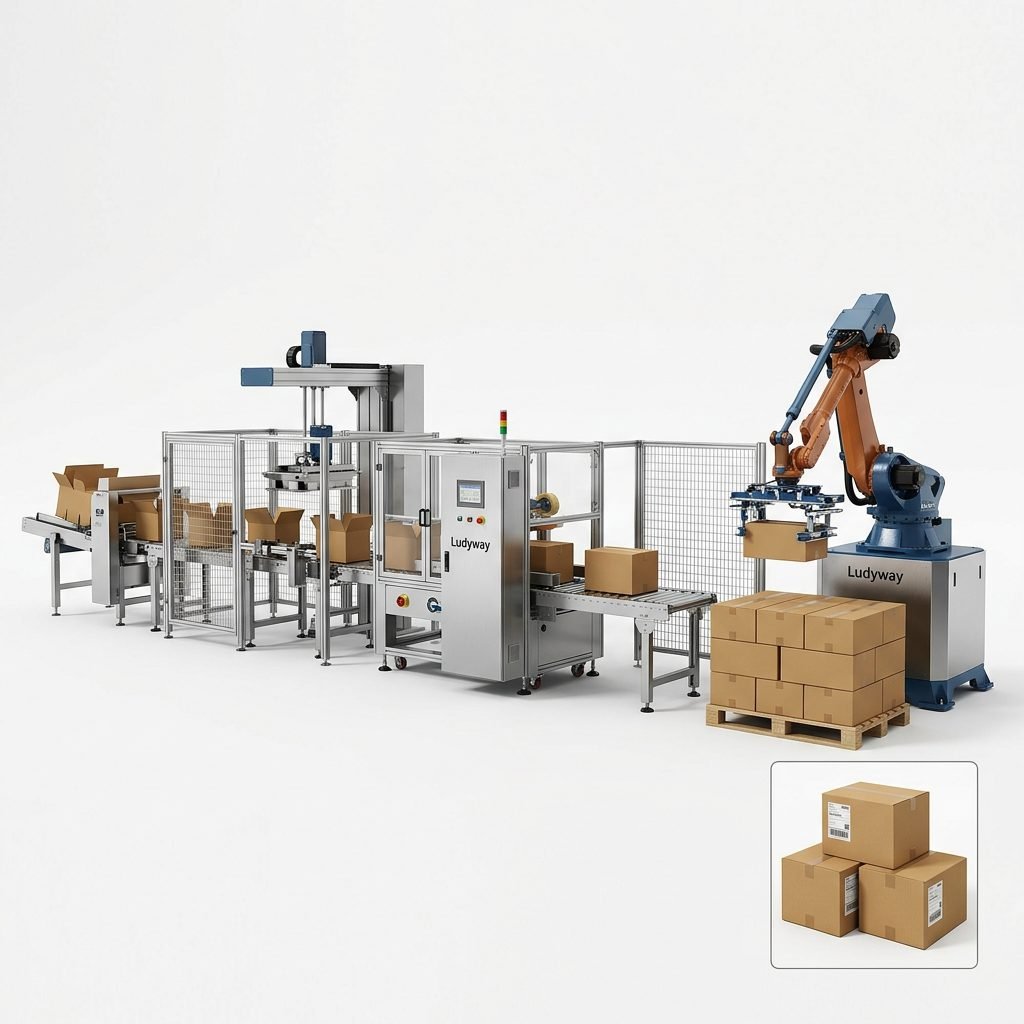
The Complexity of Irregular Item Sorting
Traditional packaging automation thrives on uniformity. Standardized bottles, symmetric cartons, and uniform sachets are easily processed through fixed mechanical guides and rotary systems. However, when faced with irregular items—such as fresh agricultural produce, frozen poultry parts, asymmetrical cosmetic bottles, or bundled hardware accessories—traditional machines struggle. The lack of standard geometry leads to frequent jams, misaligned placements, and packaging damage. To prevent these failures, manufacturers historically relied on manual sorting lines, which introduces high labor costs, human error, and inconsistent throughput.
How 3D Vision Systems Bridge the Gap
The integration of 3D vision systems replaces rigid mechanical tracking with dynamic optical intelligence. Unlike standard 2D cameras that only capture flat silhouettes, 3D sensors utilize structured light or time-of-flight (ToF) technology to generate high-resolution depth maps. This allows the packaging system to perceive the exact shape, height, volume, and orientation of each item on a moving conveyor belt.
This process operates seamlessly through a series of rapid calculations:
- Spatial Mapping: The system measures the precise distance to every point on the item’s surface, creating a real-time 3D point cloud.
- AI-Powered Recognition: Machine learning algorithms analyze the point cloud to identify the item’s orientation, center of gravity, and optimal gripping points regardless of its random positioning.
- Dynamic Adaptation: The robotic arm receives continuous coordinate updates, adjusting its trajectory in milliseconds to secure a perfect grip.
Revolutionizing Box Packing and Carton Organization
Box packing, or secondary cartoning, requires meticulous spatial organization. Irregular items must not only be picked but also packed tightly into boxes to optimize space and prevent shifting during transit. Smart 3D vision-powered packaging machines excel at this by calculating the most efficient packing configuration on the fly.
By simulating multiple arrangement options in real time, the machine determines how to stack and interlock asymmetrical items. This level of optimization minimizes empty spaces, reducing the consumption of secondary protective packaging materials and lowering overall shipping costs. Additionally, the system can instantly detect if a carton has been mispacked or if an item is missing, ensuring a near-zero error rate before the box is sealed.
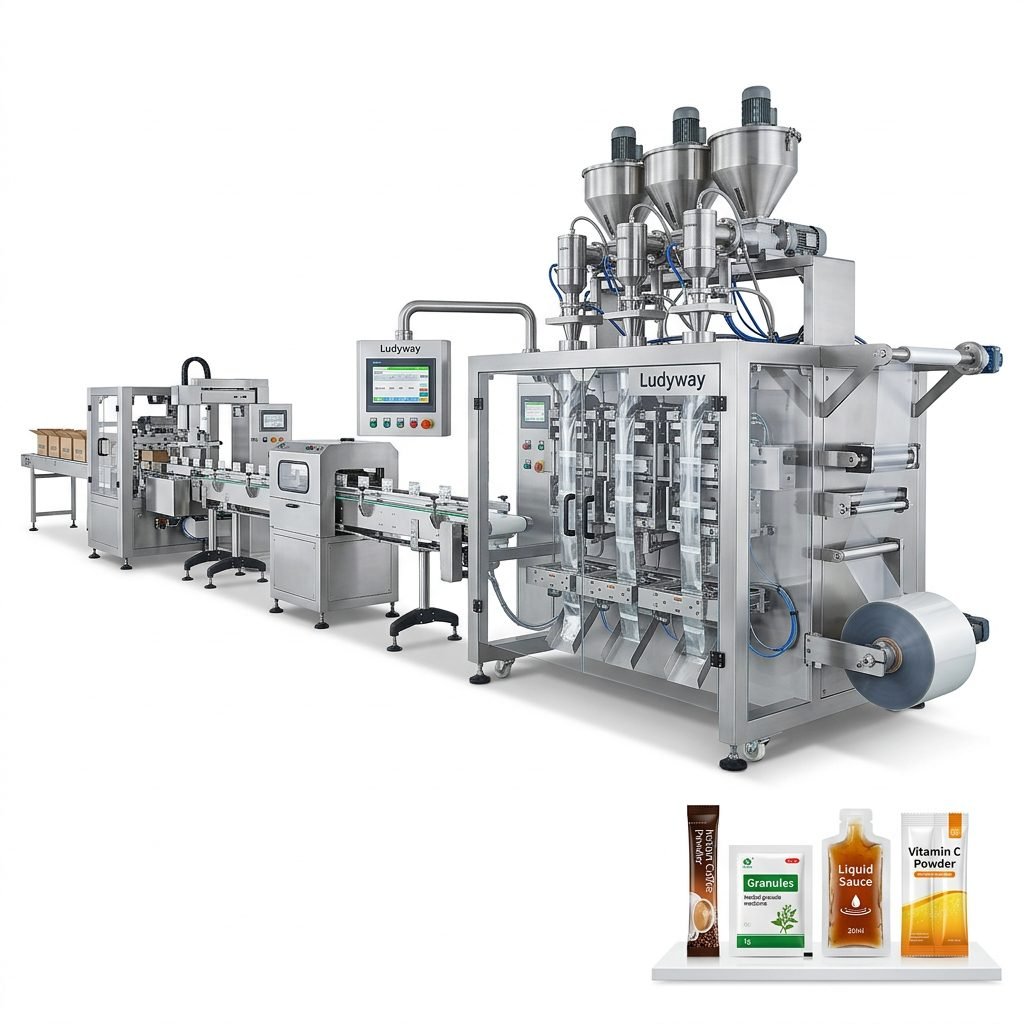
Performance Comparison: Traditional vs. 3D Vision Systems
To illustrate the clear advantages of integrating 3D vision systems into automated packaging lines, the table below highlights the performance metrics across key operational parameters:
| Operational Parameter | Traditional Packaging Systems | 3D Vision-Powered Systems |
|---|---|---|
| Item Geometry Handling | Strictly limited to uniform shapes | Highly adaptable to irregular and complex shapes |
| Changeover Downtime | High (requires mechanical adjustments) | Zero (software-driven product profiling) |
| Packing Density | Fixed, standard grid placement | Dynamic orientation to maximize volume usage |
| Error Rate (Mispacks) | Moderate to high with non-standard items | Negligible (real-time error feedback loop) |
Economic Impact and Long-term Value
Investing in 3D vision packaging technology yields high dividends across several operational areas. First and foremost is labor reallocation. By automating the tedious task of sorting and packing irregular goods, human operators can be shifted to higher-value roles, such as quality control and system supervision. Furthermore, these machines minimize material waste by precisely calculating adhesive application, tape usage, and protective wrap volume during the cartoning phase.
For global manufacturers catering to diverse markets, the ability to process multiple product lines on a single system is invaluable. Whether packaging pharmaceutical devices, mixed food packs, or irregular industrial components, the same physical assembly can run continuously, accommodating different SKU formats through simple software shifts.
Conclusion: The Path Forward in Smart Automation
The convergence of advanced optical sensors, AI processing, and robust robotics has redefined the boundaries of what automated packaging lines can achieve. No longer restricted by rigid shapes and structured feed systems, modern machines possess the visual intelligence to handle the unpredictable nature of irregular items with speed, precision, and safety. As global supply chains prioritize flexibility and resilience, the integration of smart 3D vision systems will remain a cornerstone of packaging innovation, driving efficiency and profitability for manufacturers worldwide.