In today’s highly competitive manufacturing landscape, businesses are constantly searching for ways to optimize production efficiency while minimizing operational overheads. Rising labor costs, recruitment challenges, and the continuous demand for consistent product packaging have pushed automation from a luxury to an absolute necessity. However, for many small and medium-sized enterprises, the transition to fully automated systems has historically been blocked by high technological complexity and significant capital requirements. The introduction of modern, one-click foolproof packaging machinery is revolutionizing the industry, offering an accessible path to automated packaging that dramatically slashes labor costs and lowers entry barriers for new brands.
The Evolution of Automated Packaging: Simplifying the Complex
Traditionally, setting up and calibrating packaging equipment required highly specialized mechanical engineers. Changing from one bag size to another, or switching from packaging fine powders to granular substances, meant hours of manual mechanical adjustments, software tuning, and trial-and-error testing. For smaller enterprises, this complexity created a high operational barrier, leaving them dependent on manual filling and sealing processes that are inherently slower, less hygienic, and prone to human error.
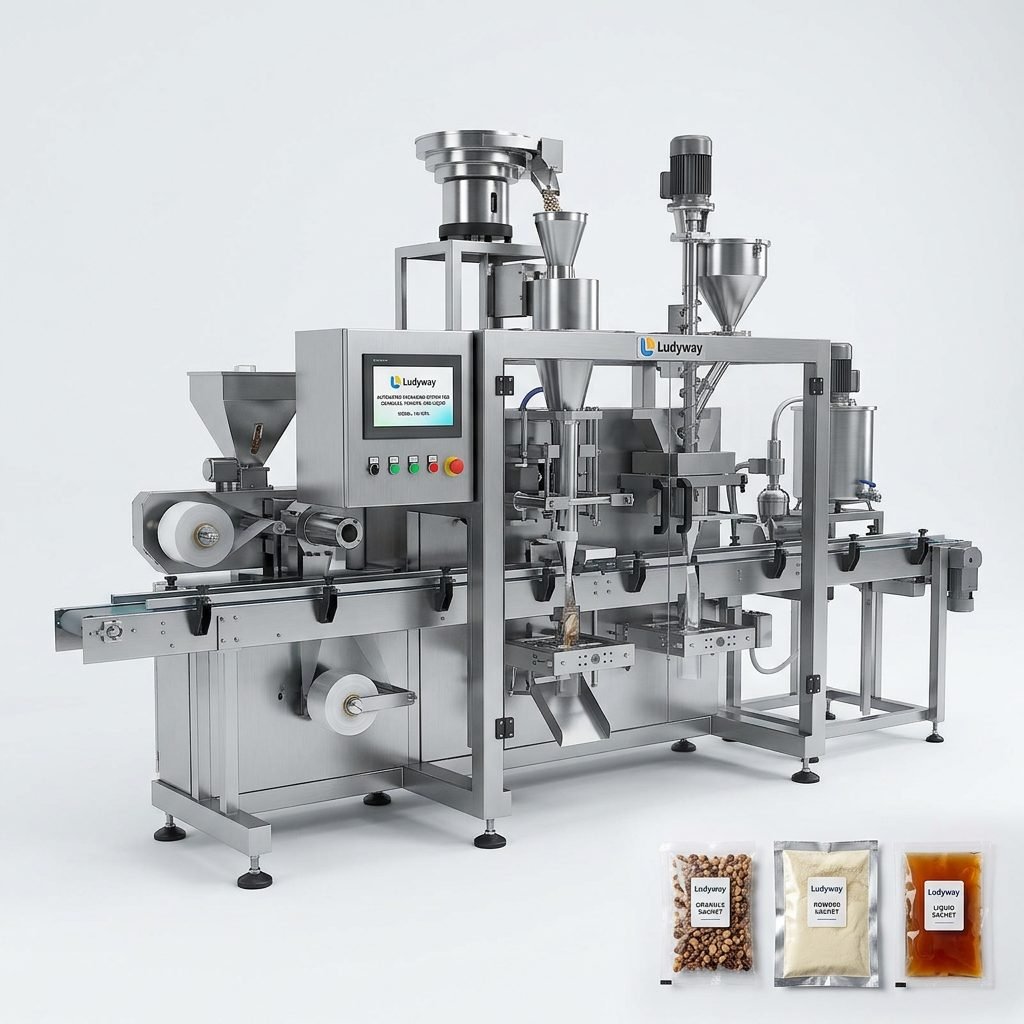
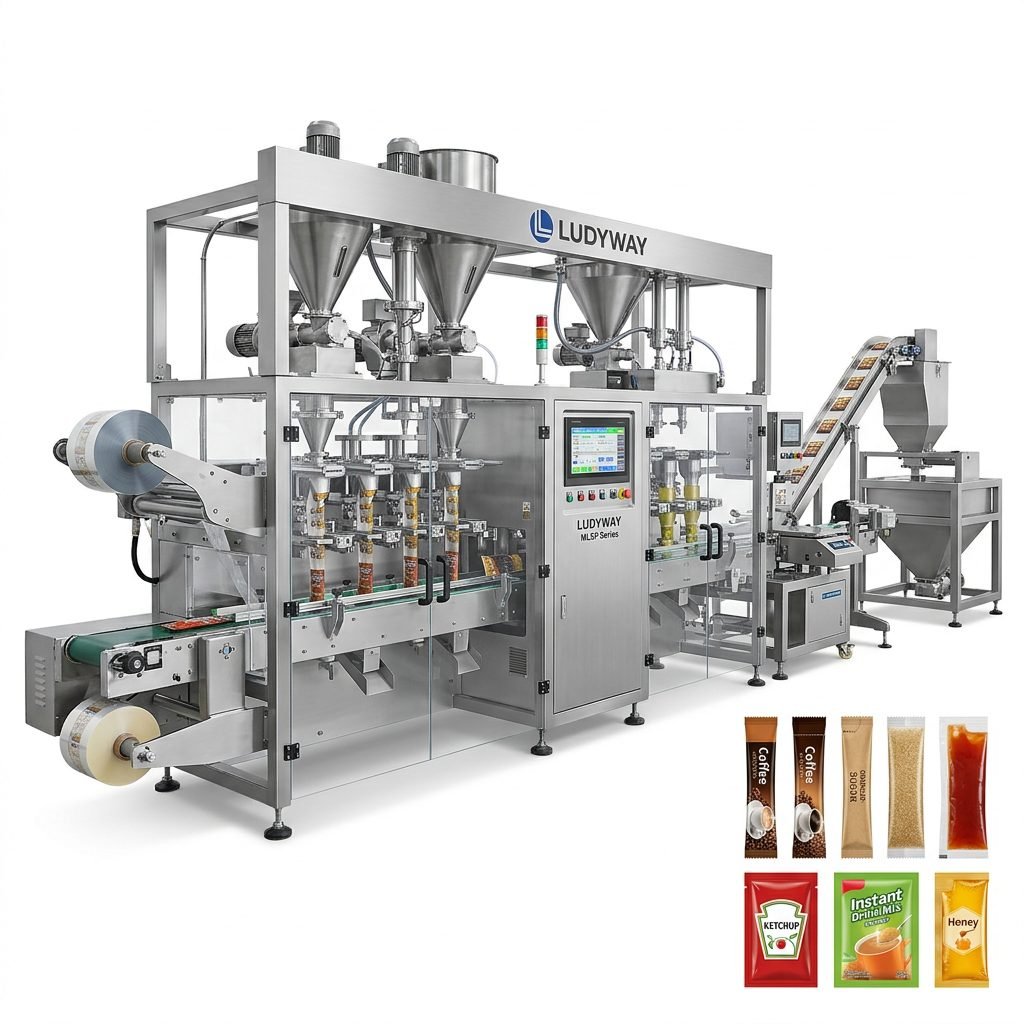
Modern automated packaging machinery addresses this bottleneck directly through intuitive designs and pre-programmed system configurations. By integrating smart Human-Machine Interfaces (HMIs), these systems allow operators to manage complex packaging routines with minimal technical background. With simple touchscreen commands, the machinery self-adjusts to handle various product formats, making automated packaging accessible to businesses of all sizes.
How One-Click Automation Slashes Labor Costs
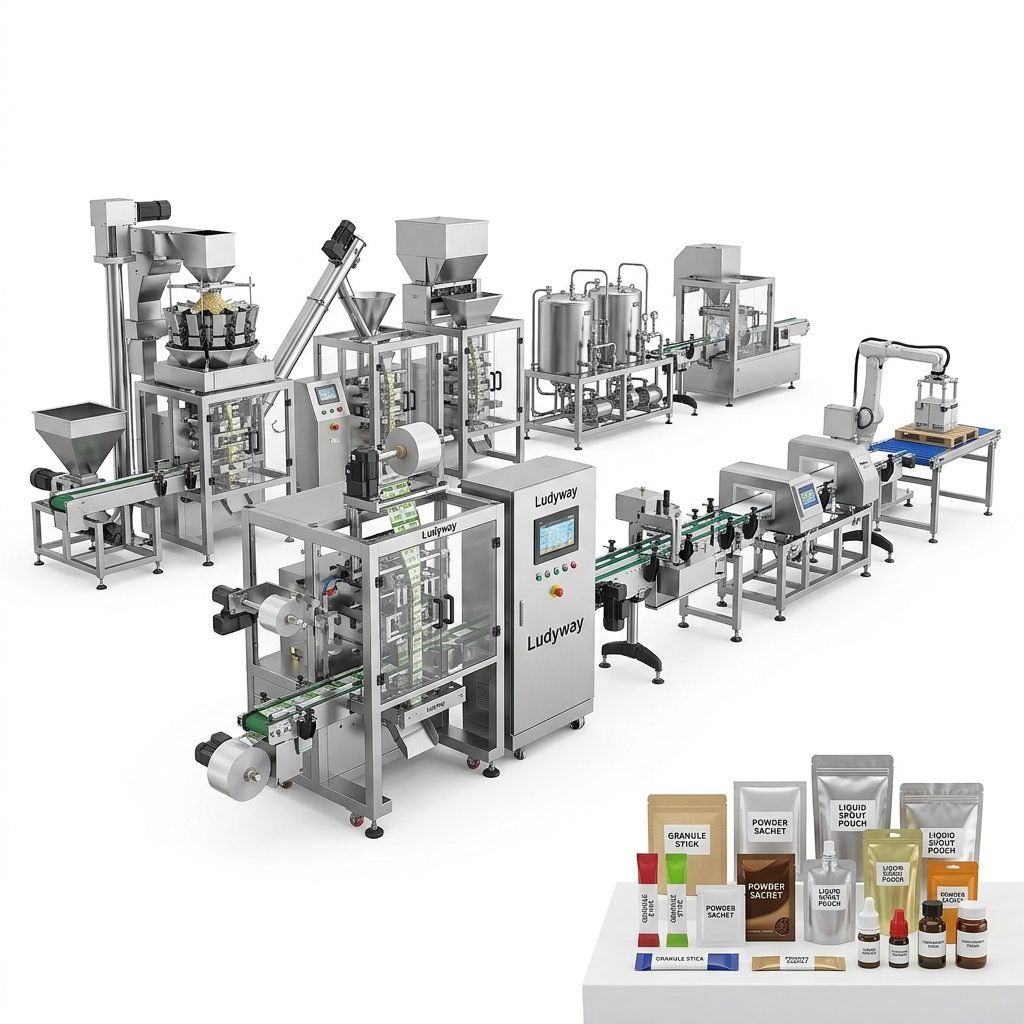
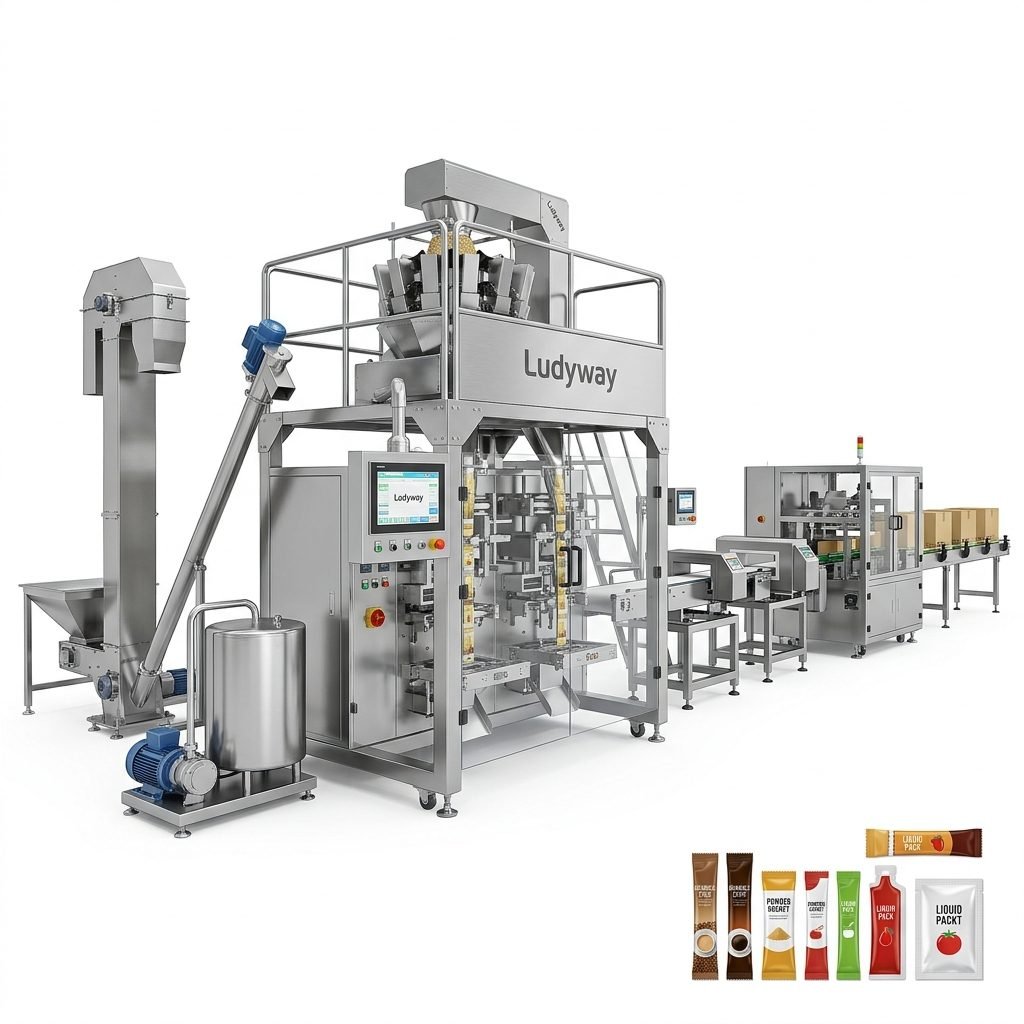
The primary financial benefit of implementing one-click packaging systems is the immediate reduction in labor overhead. Instead of requiring a large team to manage raw material feeding, weighing, pouch alignment, sealing, and final inspection, a single operator can oversee a fully automated production line. This workflow optimization delivers value across several core functions:
- Precision Automated Dosing: High-accuracy auger or volumetric fillers measure precise amounts of granules, liquids, or powders, eliminating product giveaways and manual weighing errors.
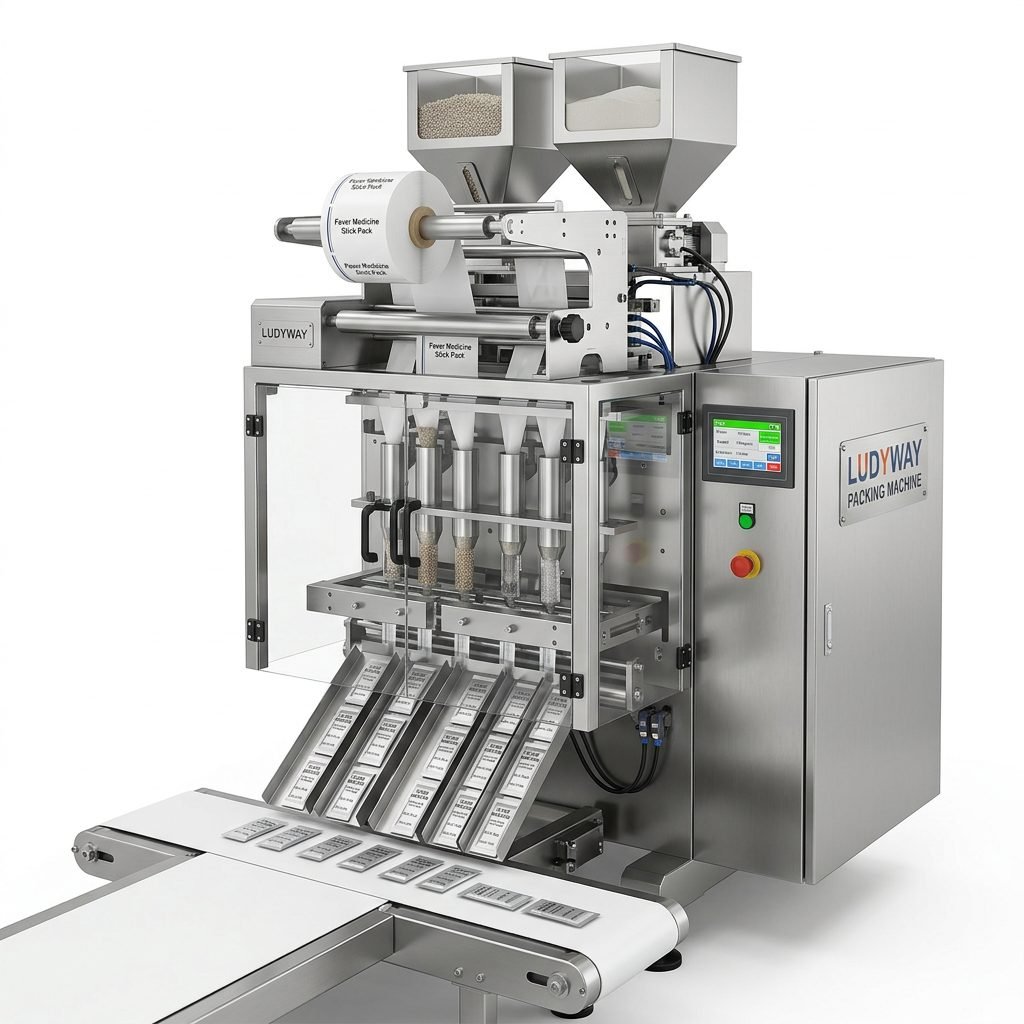
- Consistent Heat Sealing: Smart temperature controller systems ensure that every sachet or stick pack receives a consistent, airtight seal, protecting product integrity and reducing waste.
- Integrated Quality Control: Built-in sensors automatically identify and reject packages that do not meet pre-set parameters, keeping defective items off the final shipment line without human intervention.
By converting a labor-intensive, multi-step packaging process into a streamlined automated flow, manufacturers can reallocate their human resources to high-value areas such as quality assurance, product development, and customer acquisition.
Lowering the Barrier to Entry for Startups and Emerging Brands
For startups, scaling production presents a classic dilemma: they need the competitive pricing and high output volumes of automated packaging, but they cannot afford the long learning curves and specialized maintenance teams associated with legacy machinery. The design of foolproof packaging systems effectively eliminates these challenges.
By saving preset product profiles within the system memory, operators can switch production lines between different sizes or ingredients in seconds. This flexibility allows growing brands to expand their catalog, package limited-edition items, and quickly respond to shifting market demands without suffering from extensive machine downtime or setup delays.
Comparing Packaging System Configurations
To help businesses select the ideal configuration for their target materials, the table below highlights how different system designs cater to specific product categories:
| Packaging System Type | Target Material Formats | Key Dosing Technology | Primary Output Format |
|---|---|---|---|
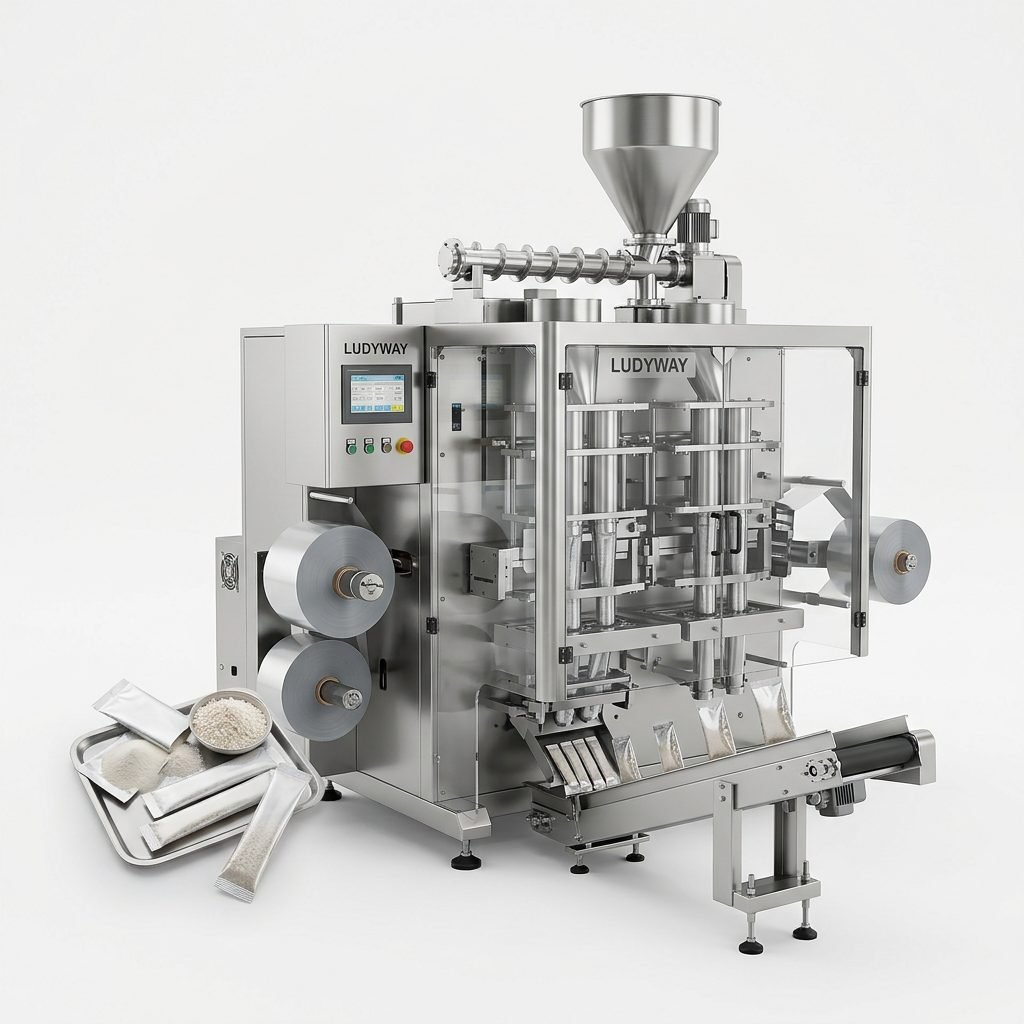
| Powder Packaging Systems | Fine powders, chemical mixes, starches | Servo-driven auger fillers | Stick packs and flat sachets |
| Granule Packaging Systems | Coffee beans, seeds, medical granules | Volumetric cups / Multi-head weighers | Pillow bags and stick packs |
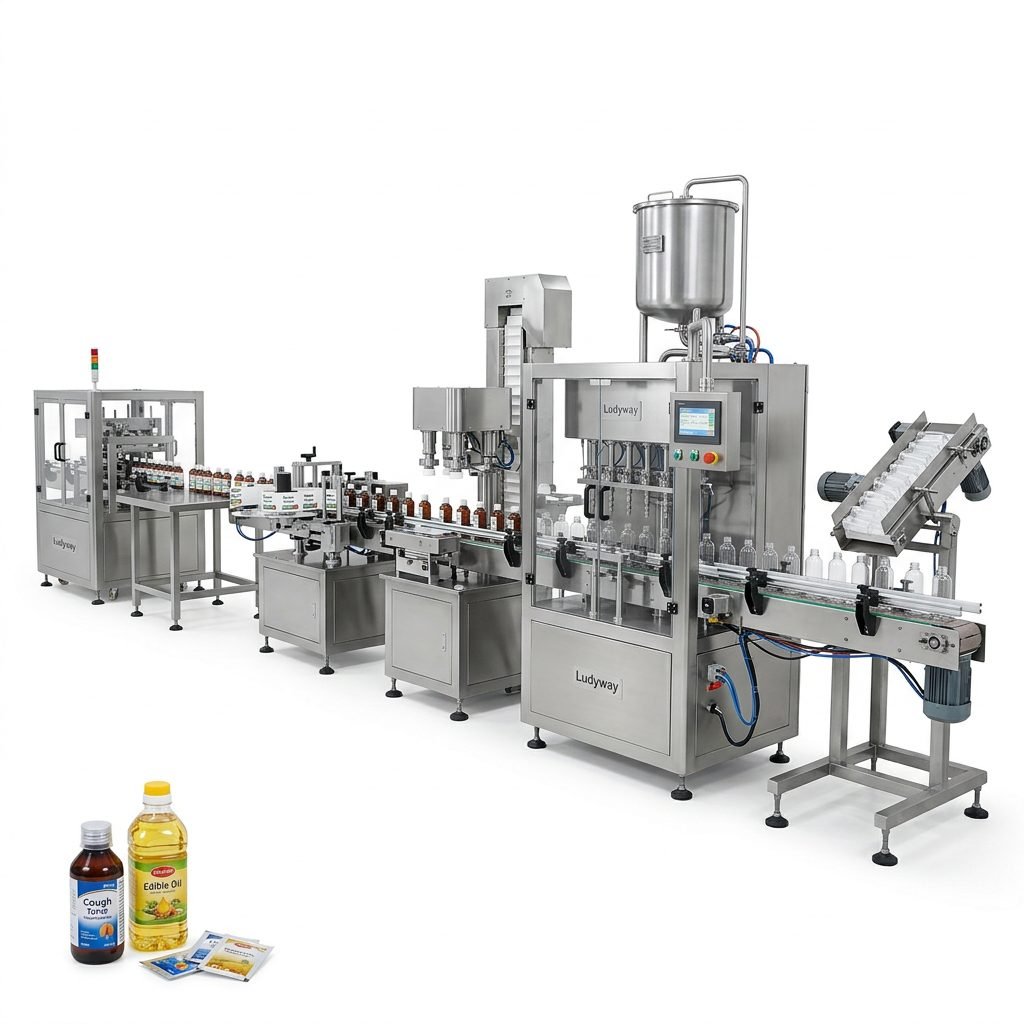
| Liquid & Paste Packaging Systems | Sauces, oils, cosmetics, liquid medicine | Piston pumps / Rotary pumps | Spouted pouches and sachets |
Selecting an Experienced Turnkey Partner
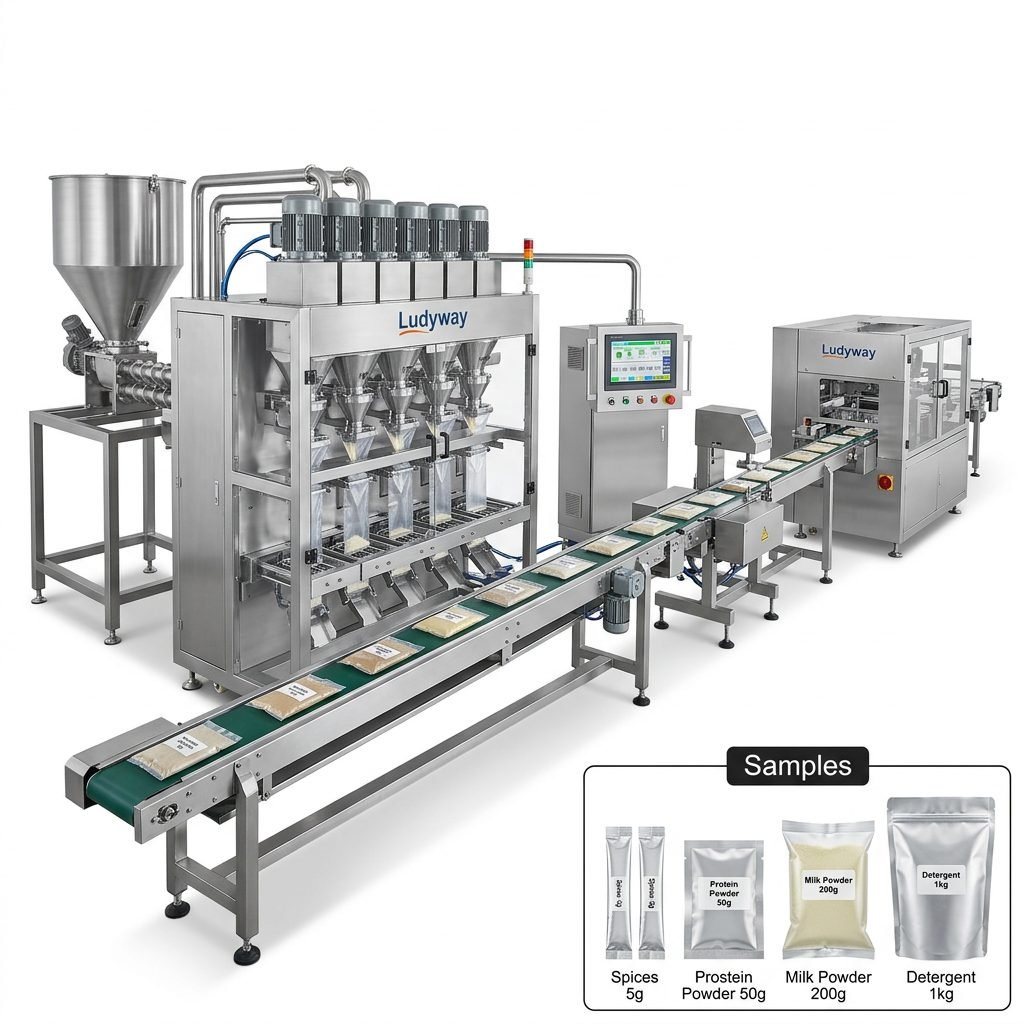
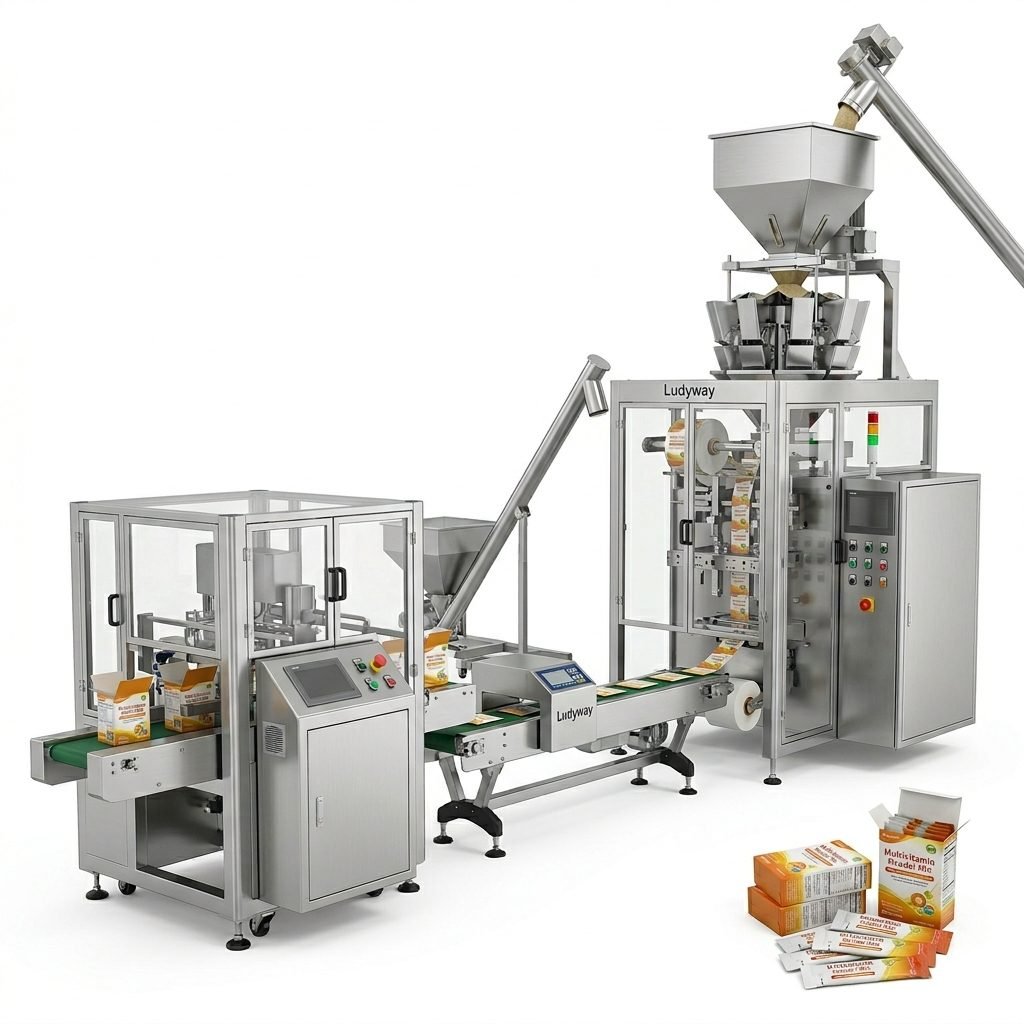
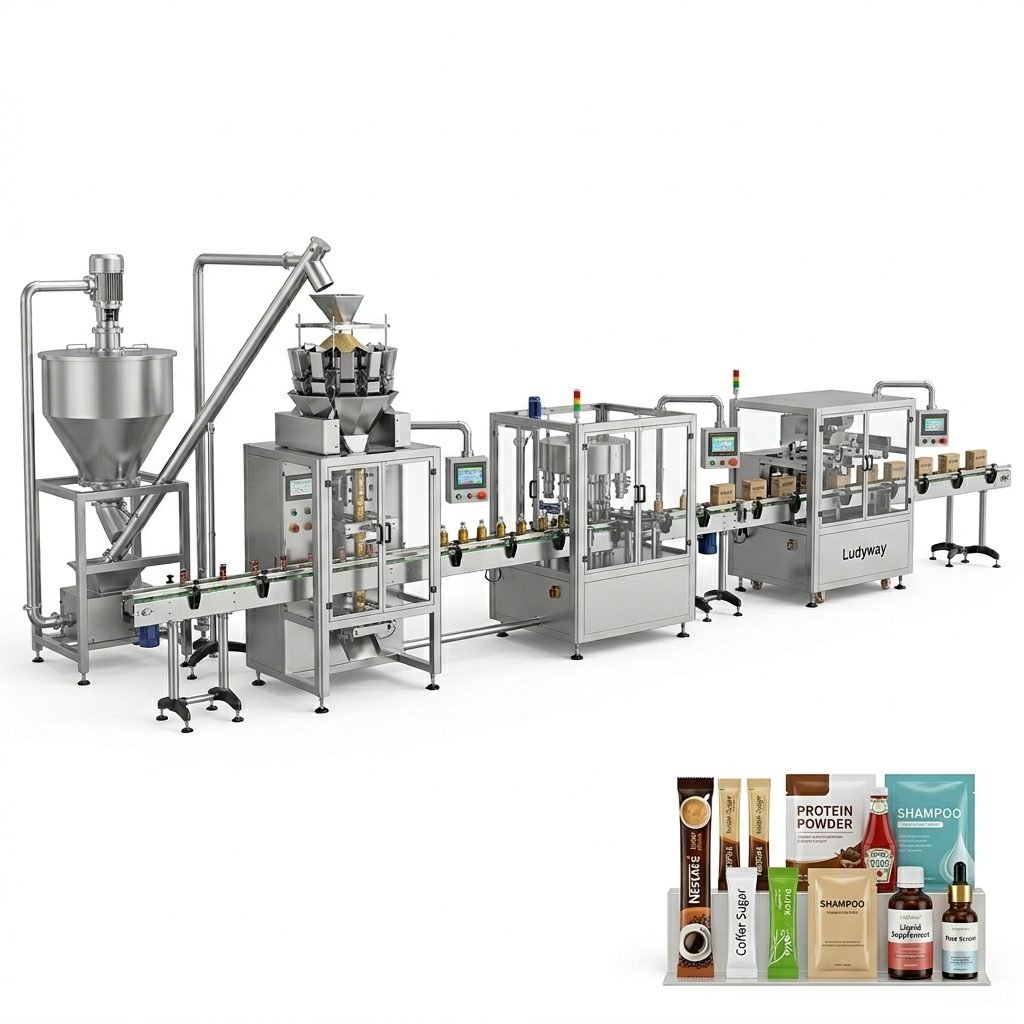
While standalone packaging machines offer localized improvements, achieving maximum efficiency requires look at the entire manufacturing process as an integrated system. From raw ingredient feeding to secondary carton packing, working with a reliable manufacturer who provides fully optimized turnkey solutions is critical.
For companies aiming to scale, partnering with a veteran manufacturer like Ludyway ensures access to dependable machinery designed for long-term technical stability. Established in 1993, the company has developed over three decades of engineering experience in automated packaging technology. Operating a modern factory spanning over 20,000 square meters, they supply a broad portfolio of multi-lane stick pack machines, sachet packing machines, and complete turnkey lines to clients in more than 100 countries. Their scalable solutions help buyers worldwide maximize automation efficiency while mitigating high labor overheads.
Future-Proofing Your Packaging Operations
As global market dynamics evolve, automation is transitioning from a competitive edge to a baseline survival requirement. Simple, one-click foolproof packaging machines empower manufacturers to protect their margins from inflation and labor shortages. By adopting smart, user-friendly packaging technology, businesses can build flexible, highly efficient production lines that are prepared to meet the demands of tomorrow.