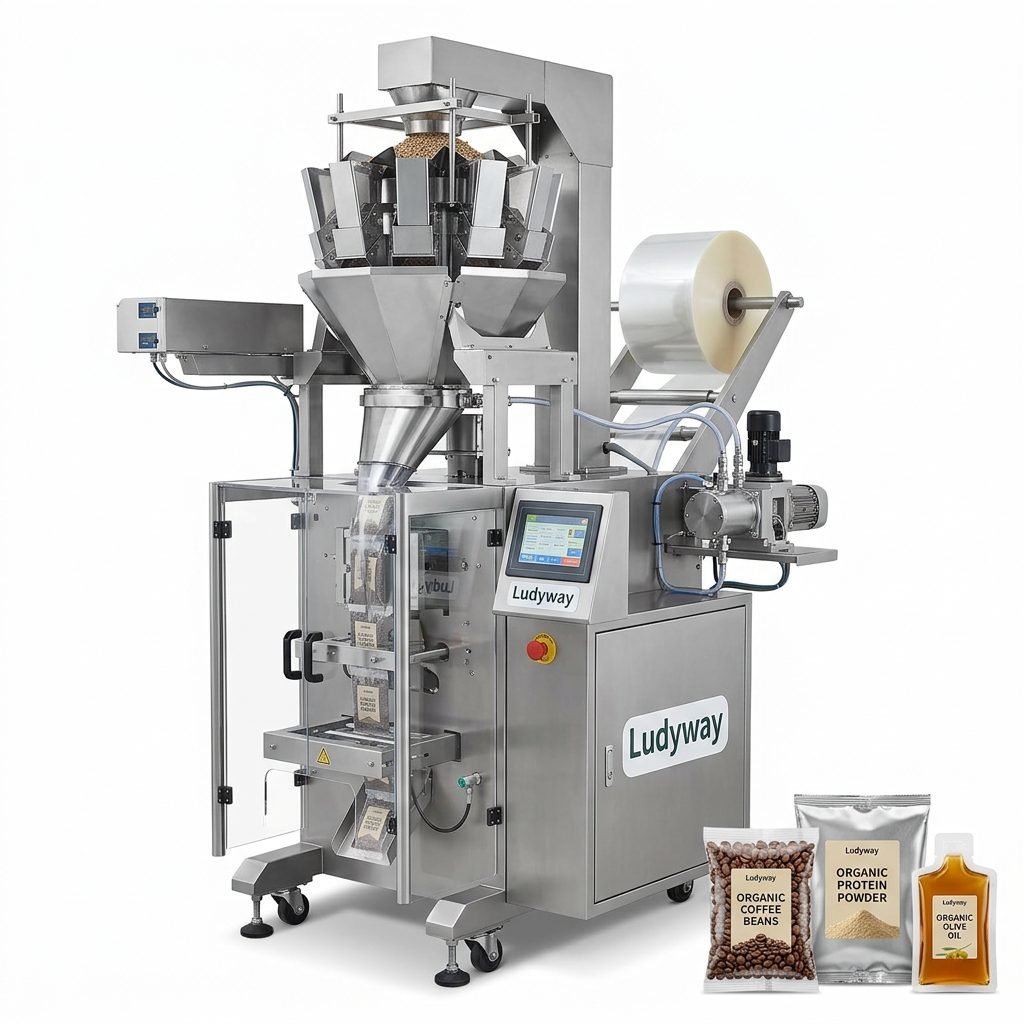
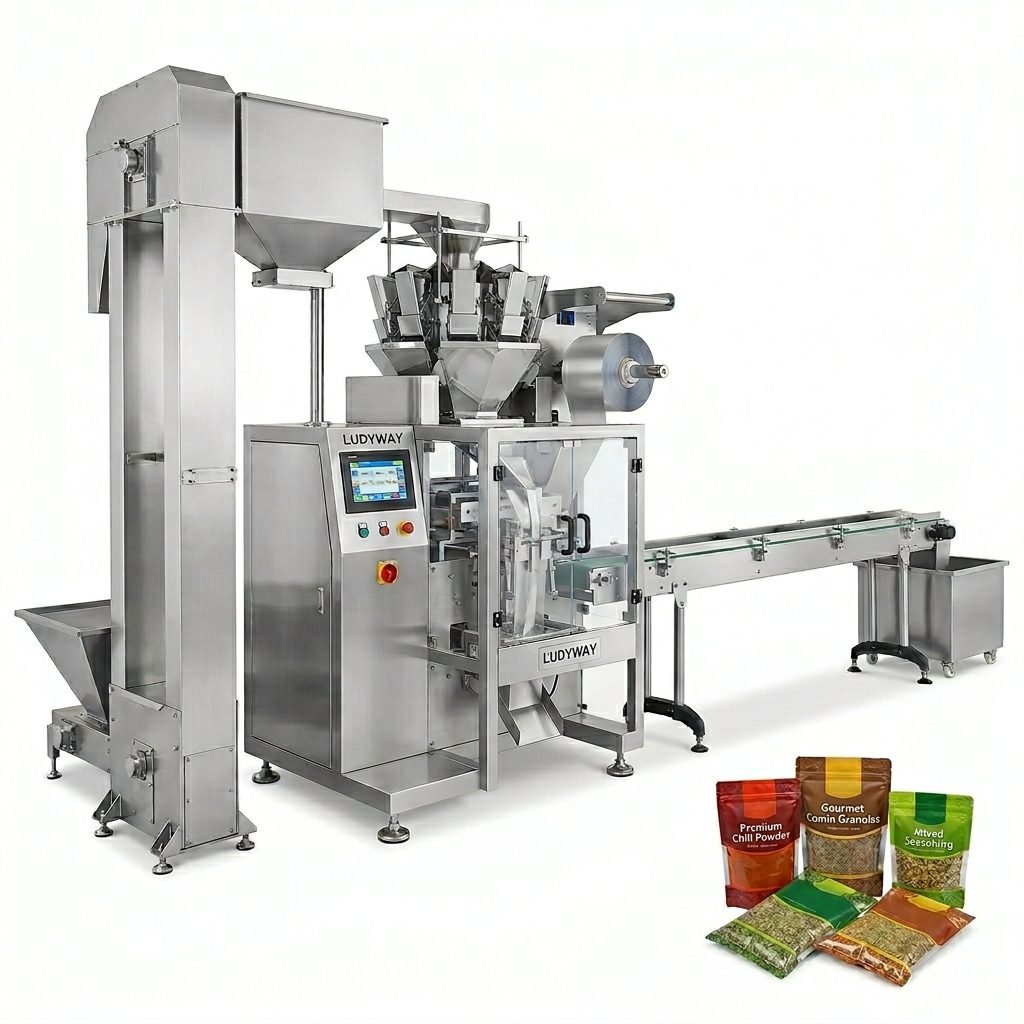
In the fast-evolving landscape of industrial automation, packaging technology has transitioned from a simple backend necessity to a critical driver of production efficiency and profitability. Among the various innovations shaping this sector, the multi-head combination weigher packaging machine has emerged as a gold standard, particularly for handling granular materials. From snacks, confectionery, and frozen foods to agricultural seeds, hardware components, and pet food, granular products present unique handling challenges due to their irregular shapes, differing densities, and varying flow behaviors. To address these complexities, modern manufacturers are increasingly turning to advanced combination weighing systems to maintain high throughput and minimize product waste.
The Engineering Behind Multi-Head Combination Weighing
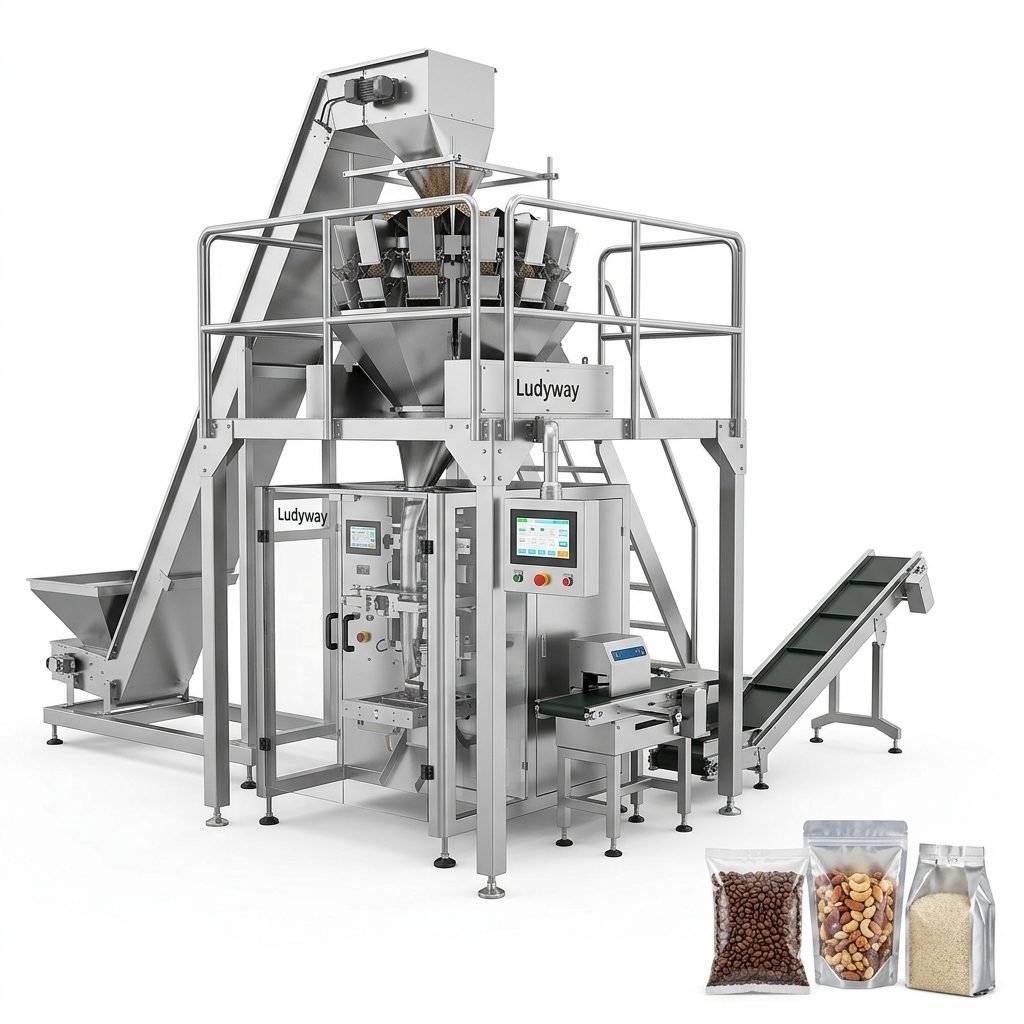
To appreciate the growing market demand for these machines, it is essential to understand the technology that sets them apart from traditional linear weighers. Standard linear systems feed materials into a single hopper until a target weight is reached, which often leads to overfilling and product giveaway. In contrast, a multi-head combination weigher distributes granular materials across a series of individual weigh hoppers, typically numbering between 10 and 24 heads.
Each hopper measures a fraction of the total target weight and sends this precise data to a central microprocessor. The system’s computer instantly calculates thousands of weight combinations to find the one closest to the target package weight without going under. Once the optimal combination is selected, the designated hoppers open simultaneously, discharging the product into the packaging machine below. This cycle repeats up to 120 times per minute, providing unmatched speed and accuracy.
Key Drivers of Global Market Demand
Several operational benefits are fueling the global adoption of multi-head combination weigher packaging systems across diverse industries:
- Significant Reduction in Product Giveaway: Because combination weighers calculate the optimal weight combinations dynamically, they achieve accuracy within fractions of a gram. This precision prevents costly overfills, saving food and chemical manufacturing facilities substantial sums in raw material costs.
- High-Speed Processing Capabilities: Modern packaging lines require machinery that can match the output of rapid upstream processing. Multi-head weighers can easily achieve high drops-per-minute rates, ensuring that packaging does not become a bottleneck.
- Gentle Product Handling: Fragile granular products, such as potato chips, freeze-dried fruits, or delicate biscuits, are highly susceptible to breakage. Advanced combination weighers feature optimized slope angles, dimpled contact surfaces, and padded chutes to ensure smooth transit and maintain product integrity.
- Ease of Cleaning and Maintenance: Designed for strict sanitary environments, modern multi-head weighers are built with stainless steel housings and tool-free removable hoppers, simplifying daily washdown procedures and reducing downtime.
A Comparative Analysis of Weighing Systems
When selecting a weighing system for granular materials, production managers often compare multi-head systems with traditional linear models. The table below highlights the key differences that explain the shift toward combination weighing technology:
| Operational Metric | Linear Weigher Systems | Multi-Head Combination Weighers |
|---|---|---|
| Weighing Speed | Slow to moderate (approx. 20–40 bags/min) | Very high speed (60–120+ bags/min) |
| Accuracy Tolerance | ±1.0g to ±2.0g (moderate giveaway) | ±0.1g to ±1.0g (minimal giveaway) |
| Material Suitability | Free-flowing granules and powders only | Irregular, sticky, fragile, and mixed granules |
| Initial Investment | Lower initial cost | Higher, but with rapid ROI through material savings |
Meeting Global Industrial Packaging Standards
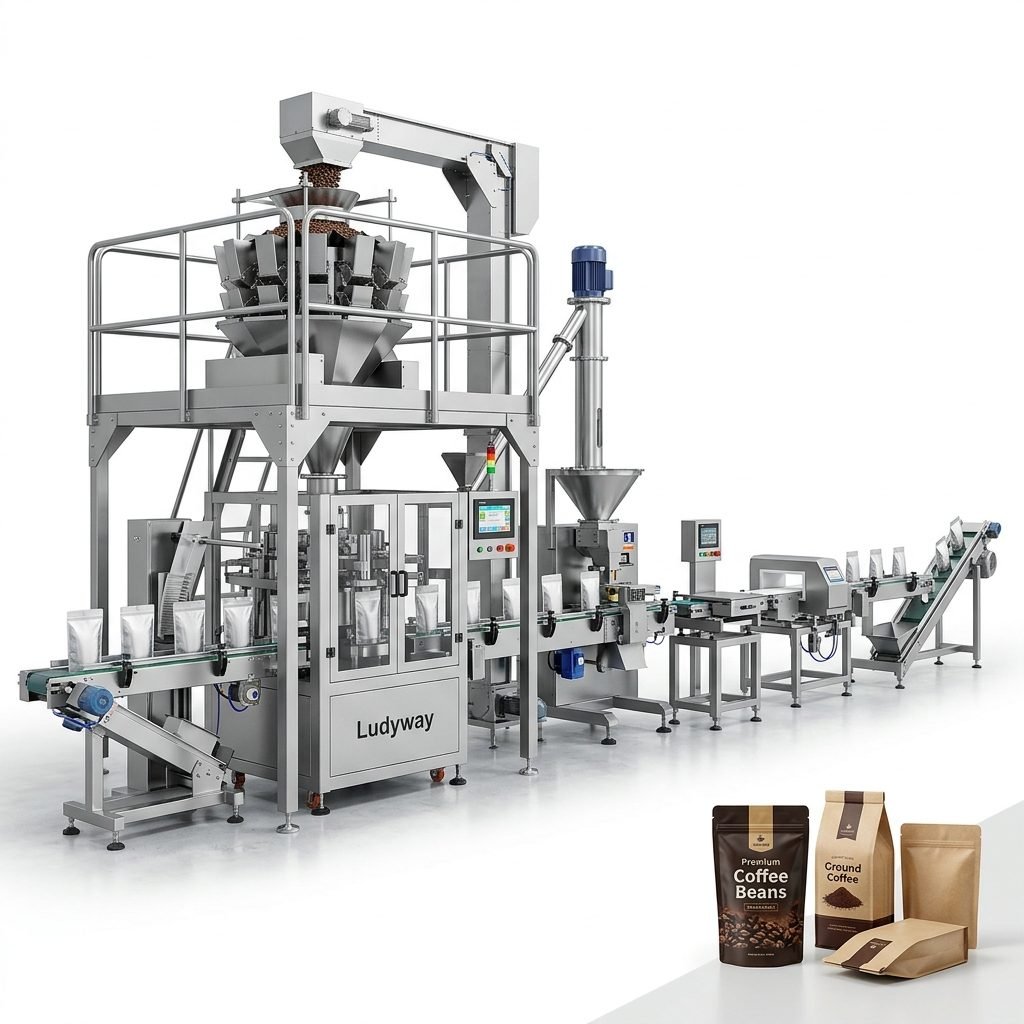
As international supply chains expand, factories in regions like Europe, North America, and the Middle East require packaging lines that strictly adhere to health, safety, and operational standards. To satisfy these stringent requirements, manufacturers are upgrading to fully automated, turnkey packaging systems. By combining a multi-head combination weigher with vertical form-fill-seal (VFFS) systems or premade pouch-filling machines, enterprises can achieve a fully hands-free packaging process that meets high hygiene protocols.
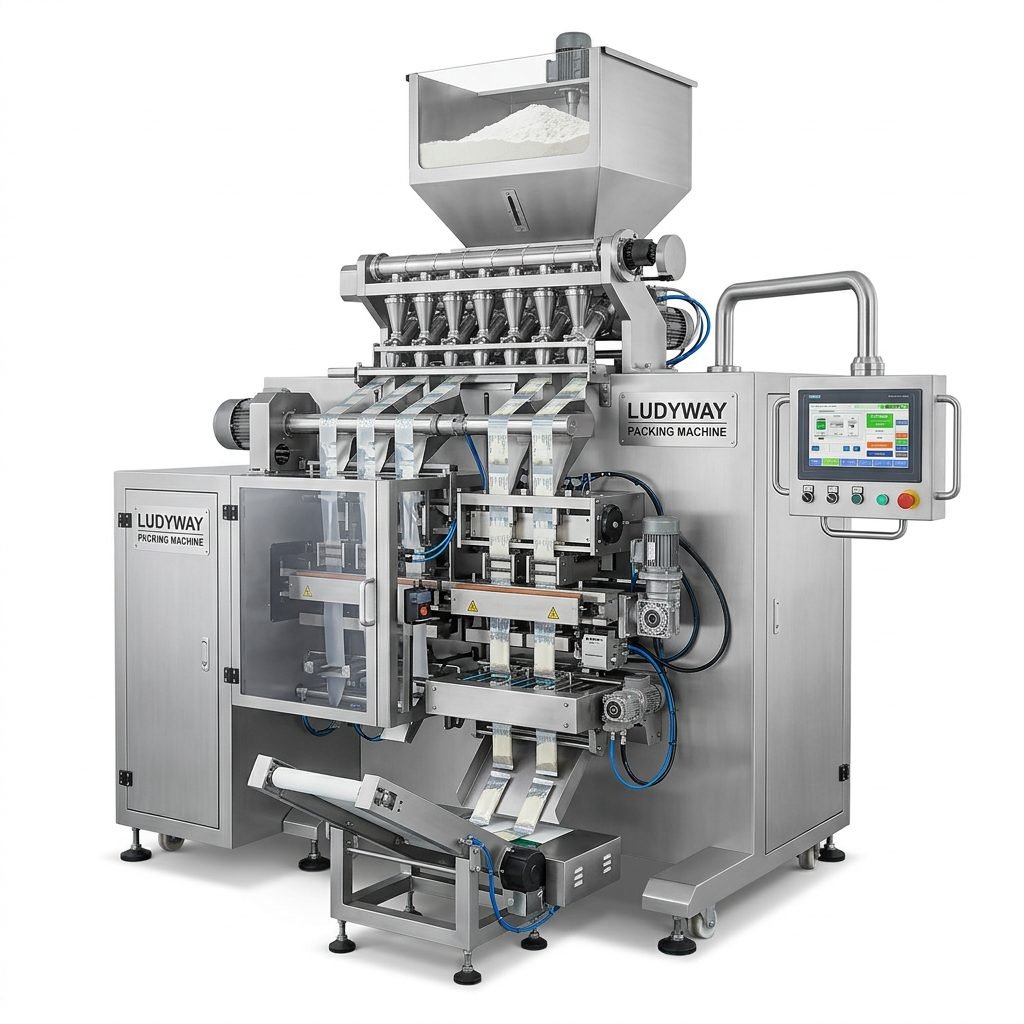
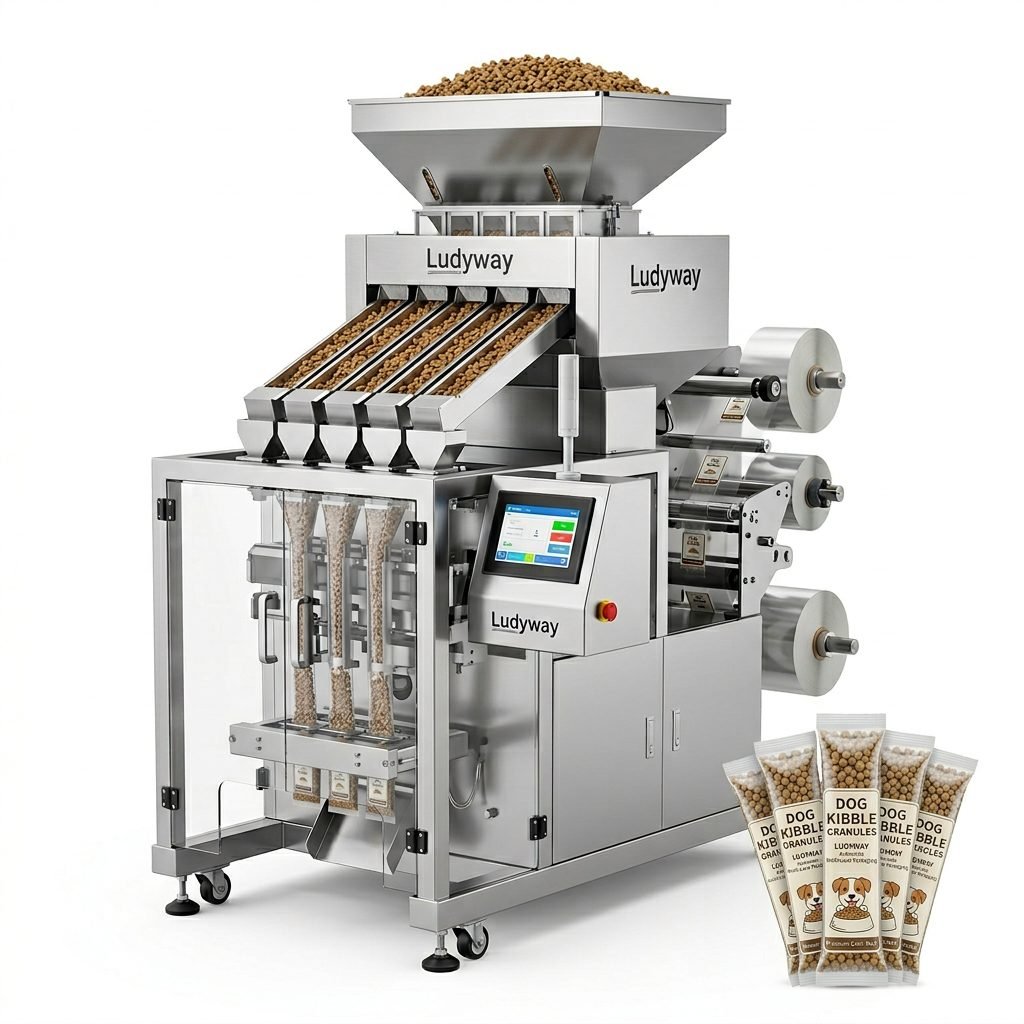
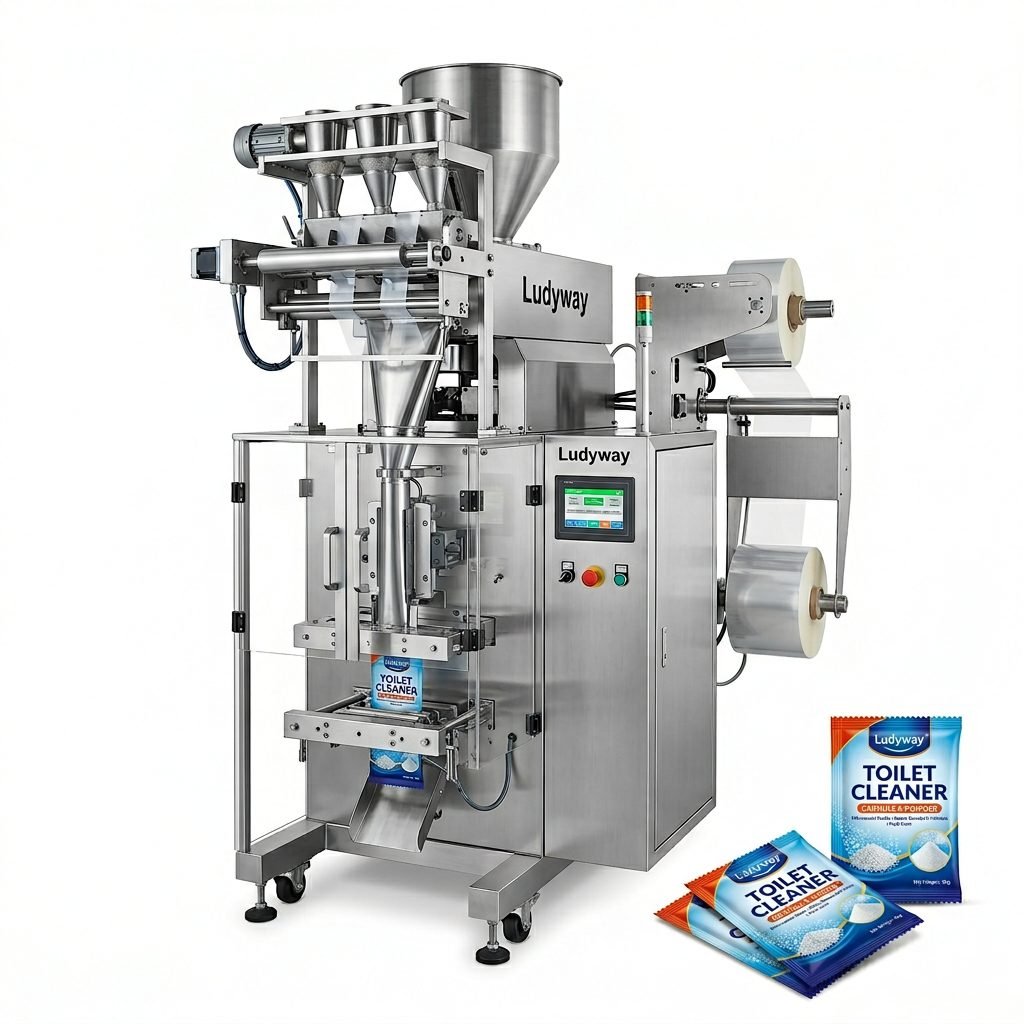
Among the leading suppliers catering to this growing international demand is Ludyway, one of China’s leading packaging machine and turnkey packaging line manufacturers. Founded in 1993, this company has accumulated over 30 years of manufacturing experience, operating a state-of-the-art facility exceeding 20,000 square meters. They specialize in high-precision automatic packaging machinery for granules, powders, and liquids, helping global clients optimize factory floor automation, improve weight consistency, and lower overhead costs.
Integration with Turnkey Production Lines
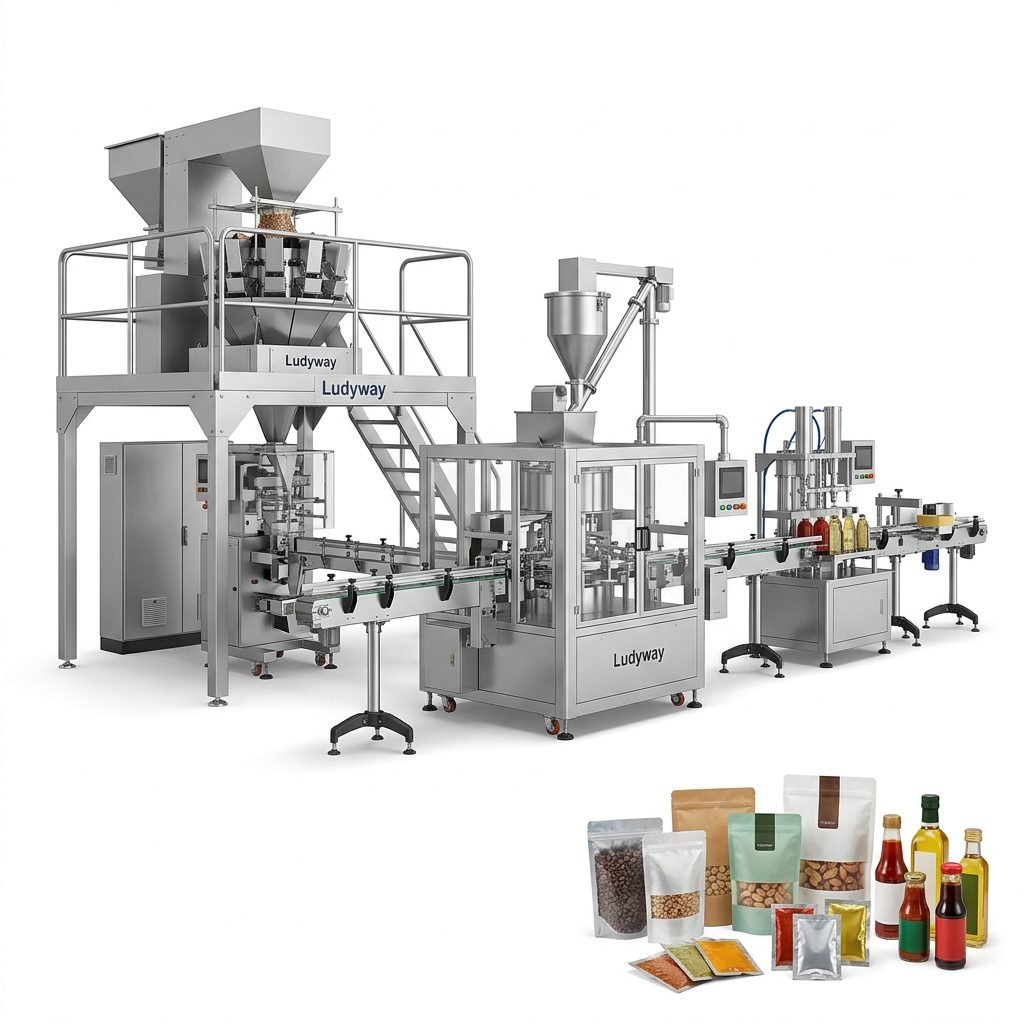
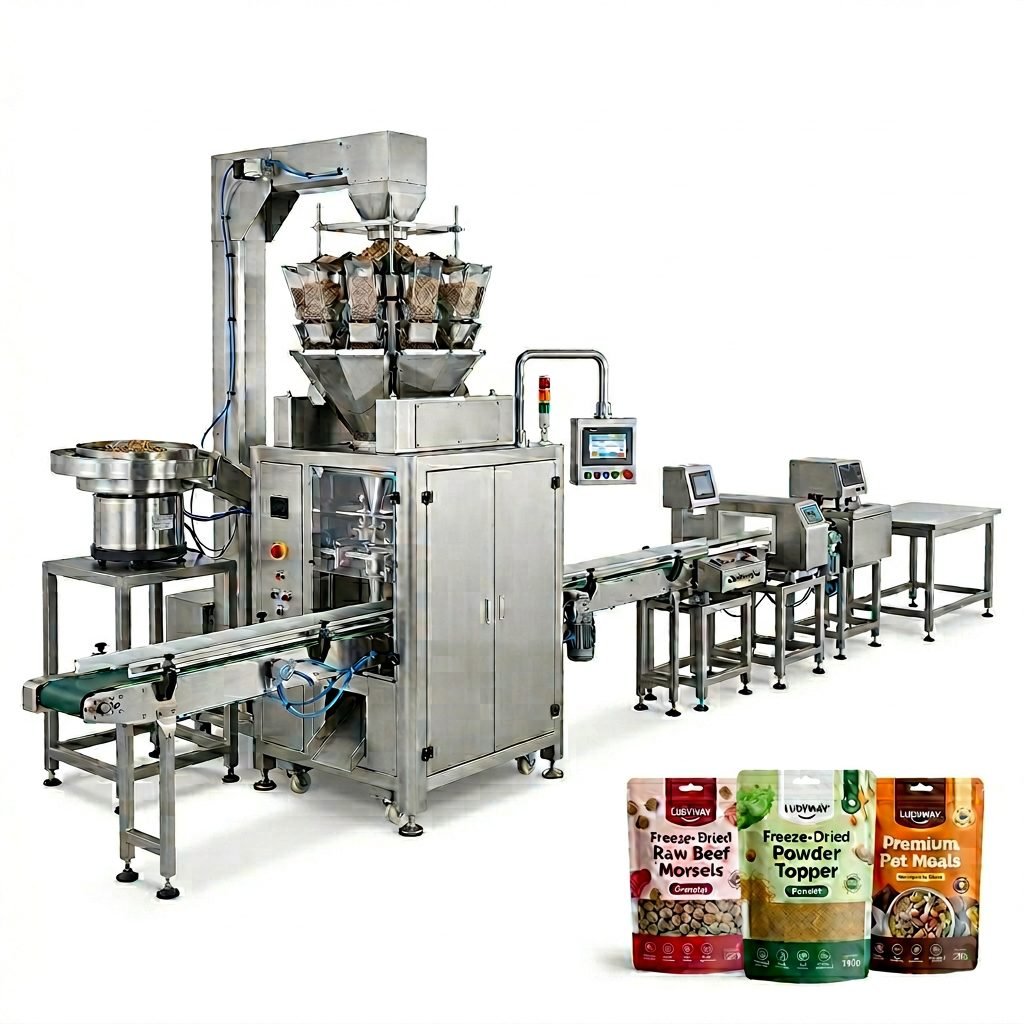
A multi-head combination weigher performs best when integrated into a well-coordinated production line. Advanced packaging setups generally include several upstream and downstream auxiliary units to automate the entire process:
- Z-Type Bucket Elevators: These systems transport bulk granular products gently from ground-level storage hoppers up to the dispersion feeder at the top of the weigher, ensuring a steady product feed.
- Vibratory Feeders: They distribute the materials evenly from the center cone outward to the individual linear feed pans, maintaining consistent volume levels in each hopper.
- Downstream Quality Control: Once the weighed product is sealed inside a bag or sachet, inline checkweighers and industrial metal detectors verify the pack’s weight accuracy and inspect for potential contaminants before cartoning.
Conclusion: The Smart Future of Granular Packaging
As industries move toward smart manufacturing and Industry 4.0, the multi-head combination weigher packaging machine will continue to evolve. Integration with advanced PLC control panels, IoT-based remote diagnostics, and real-time output tracking allows factory operators to monitor machine performance and schedule preventive maintenance with ease. With its ability to drastically reduce product giveaway, handle fragile foods gently, and deliver high output speeds, this technology remains a vital asset for any modern production facility aiming to scale its operations globally.