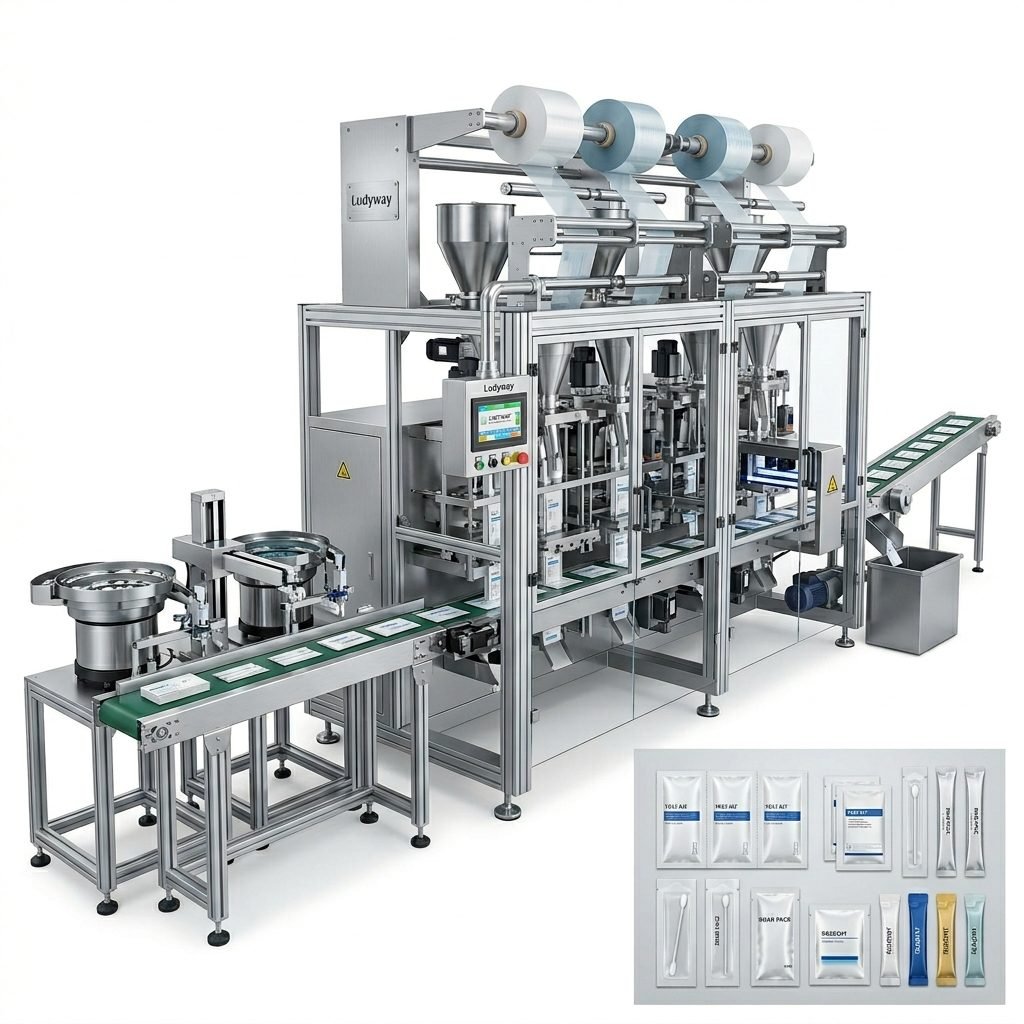
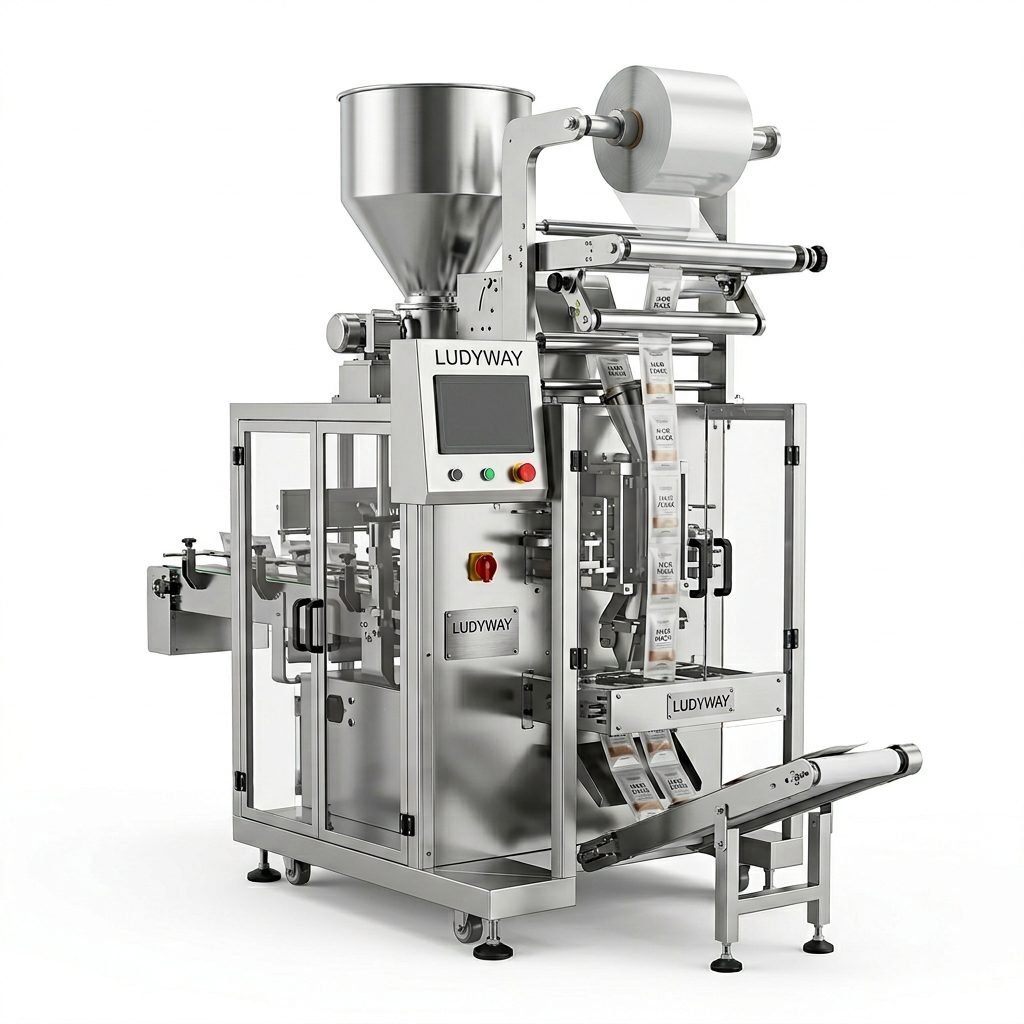
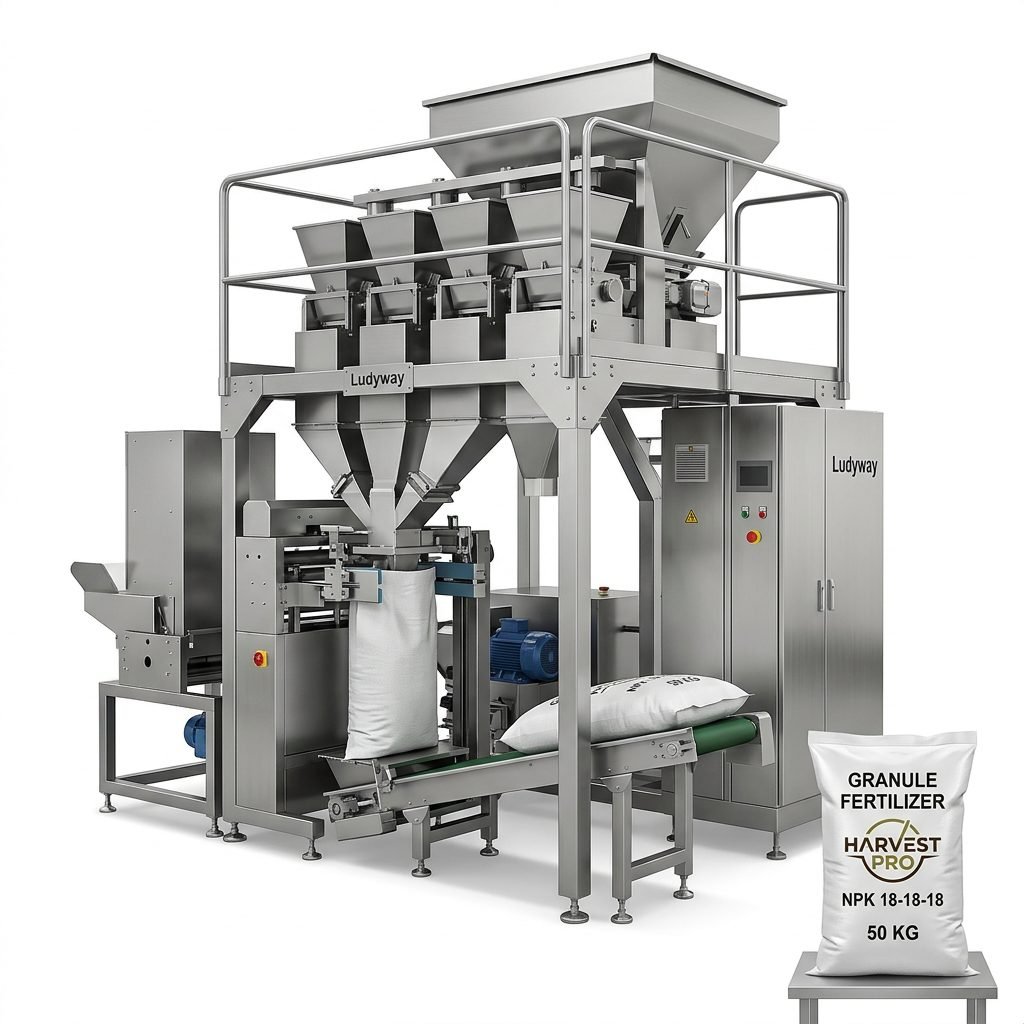
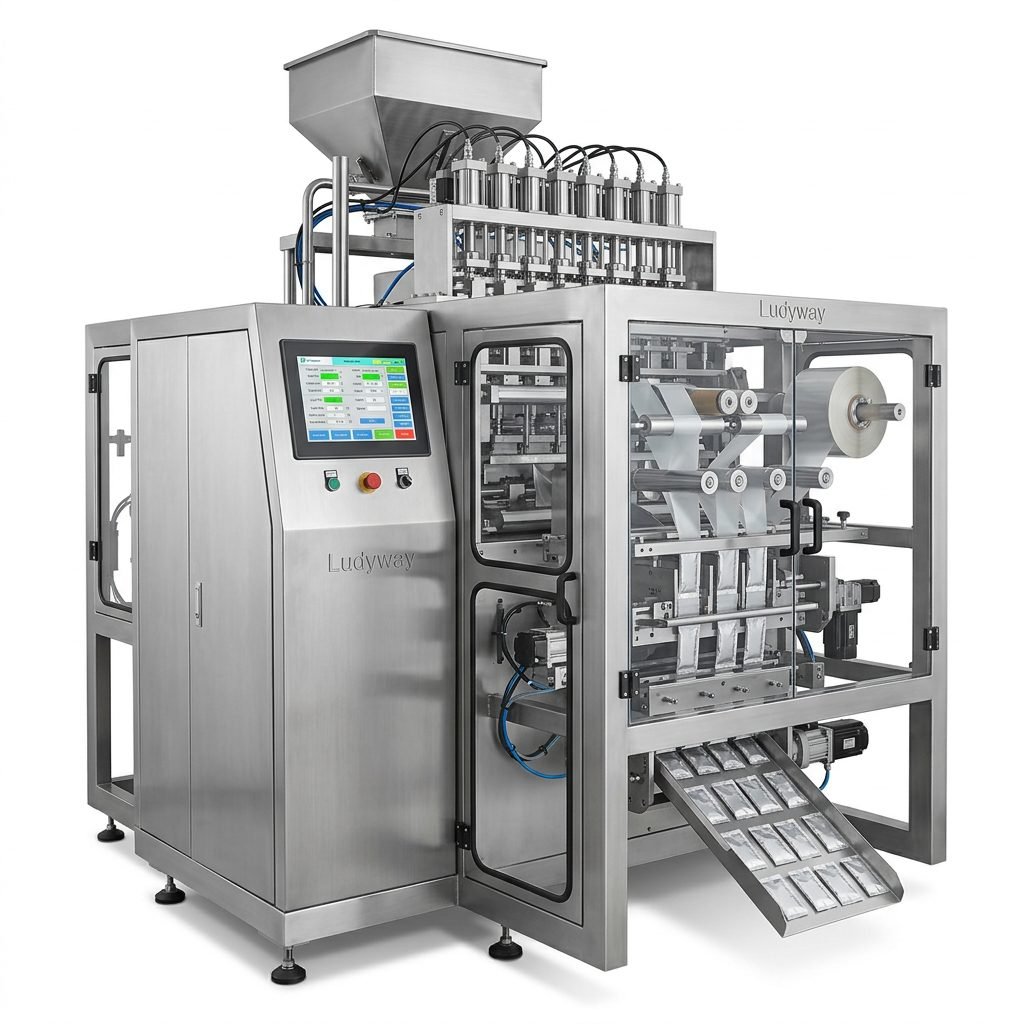
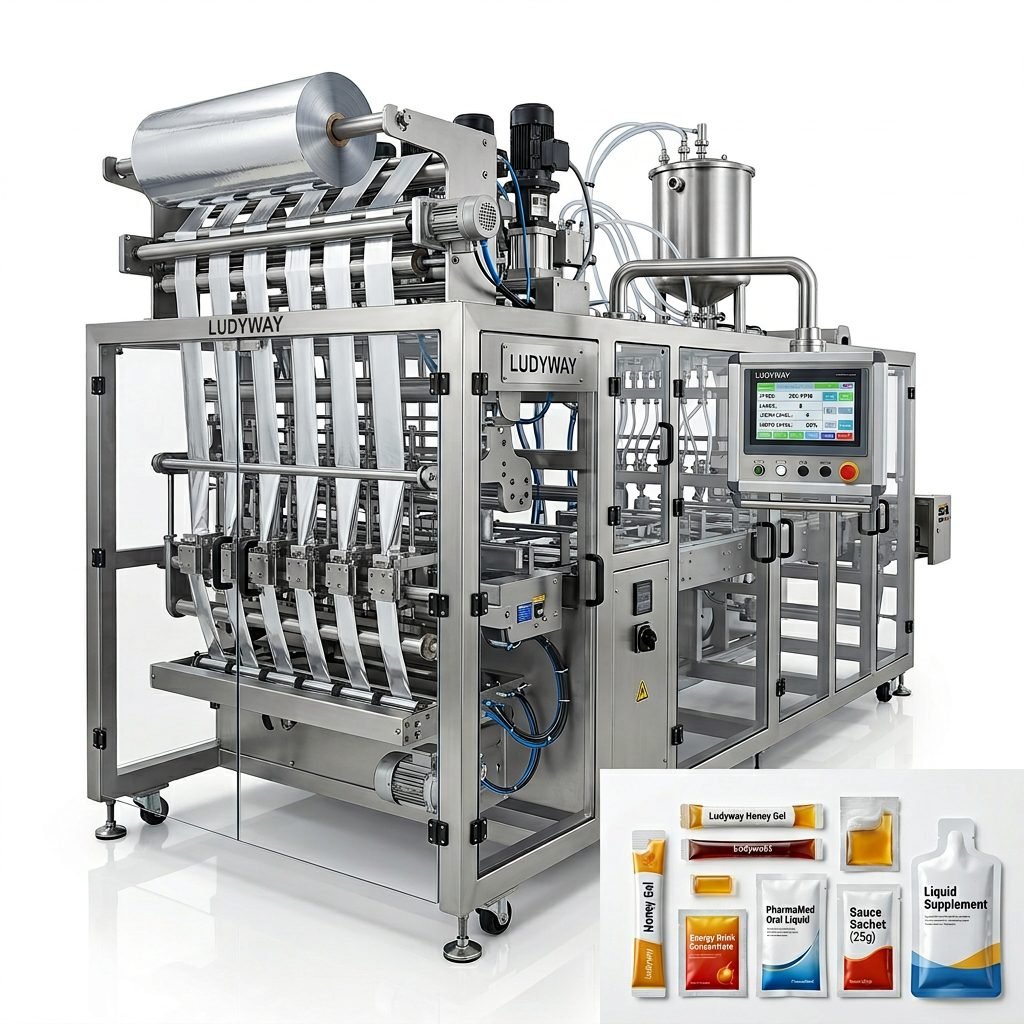
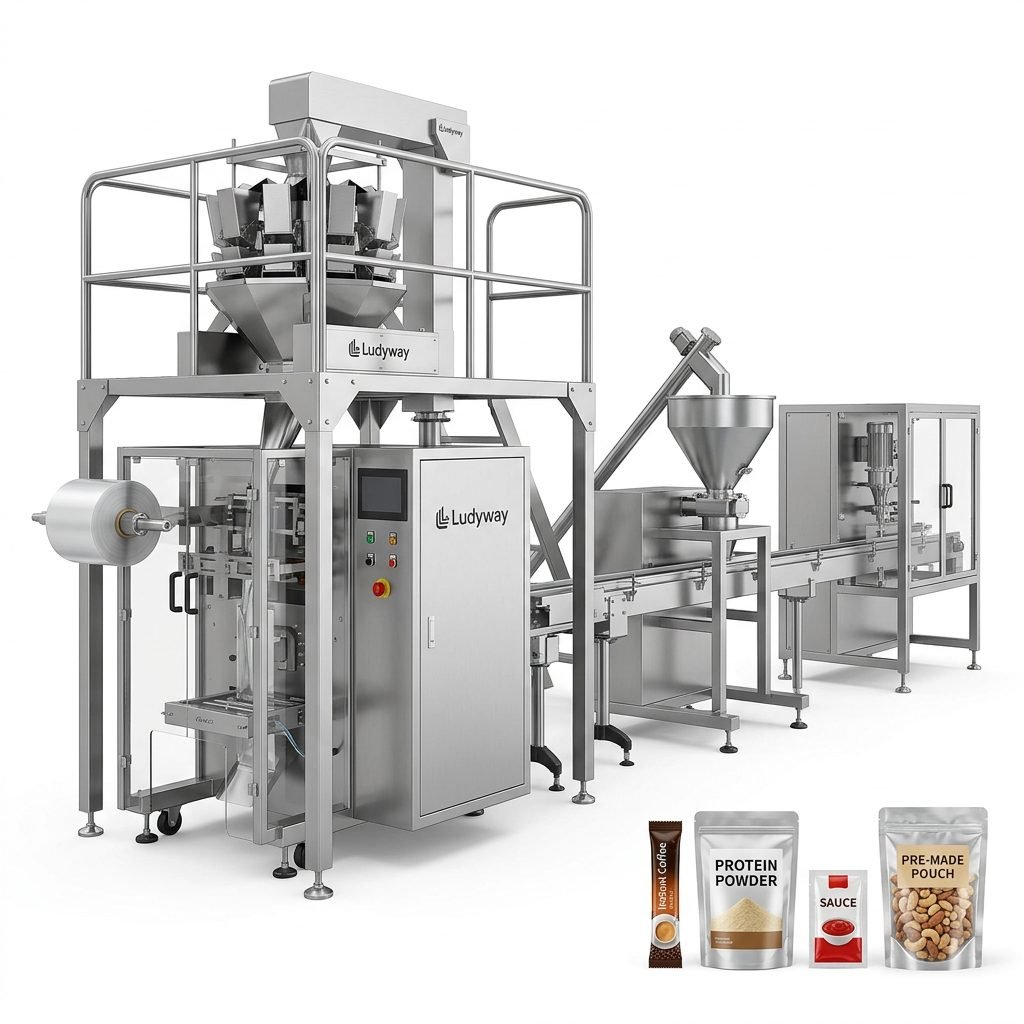
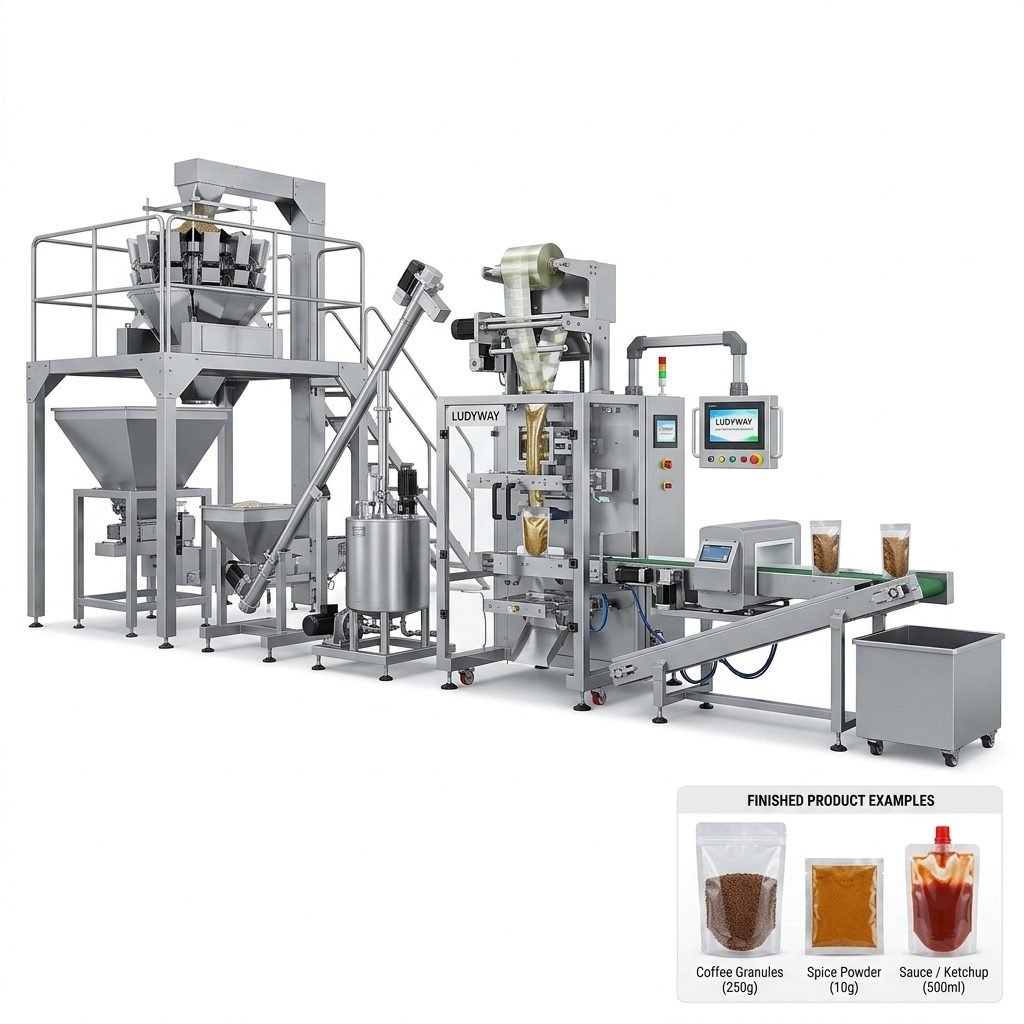
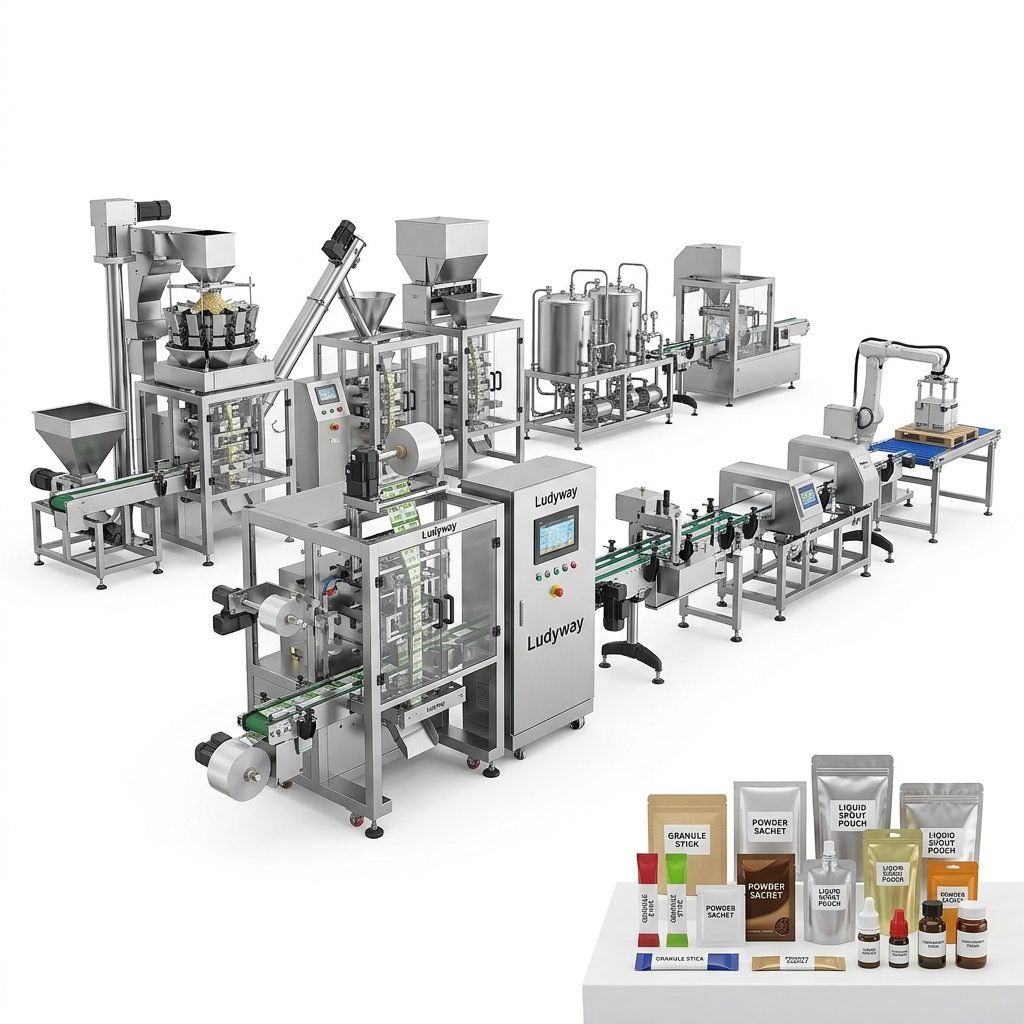
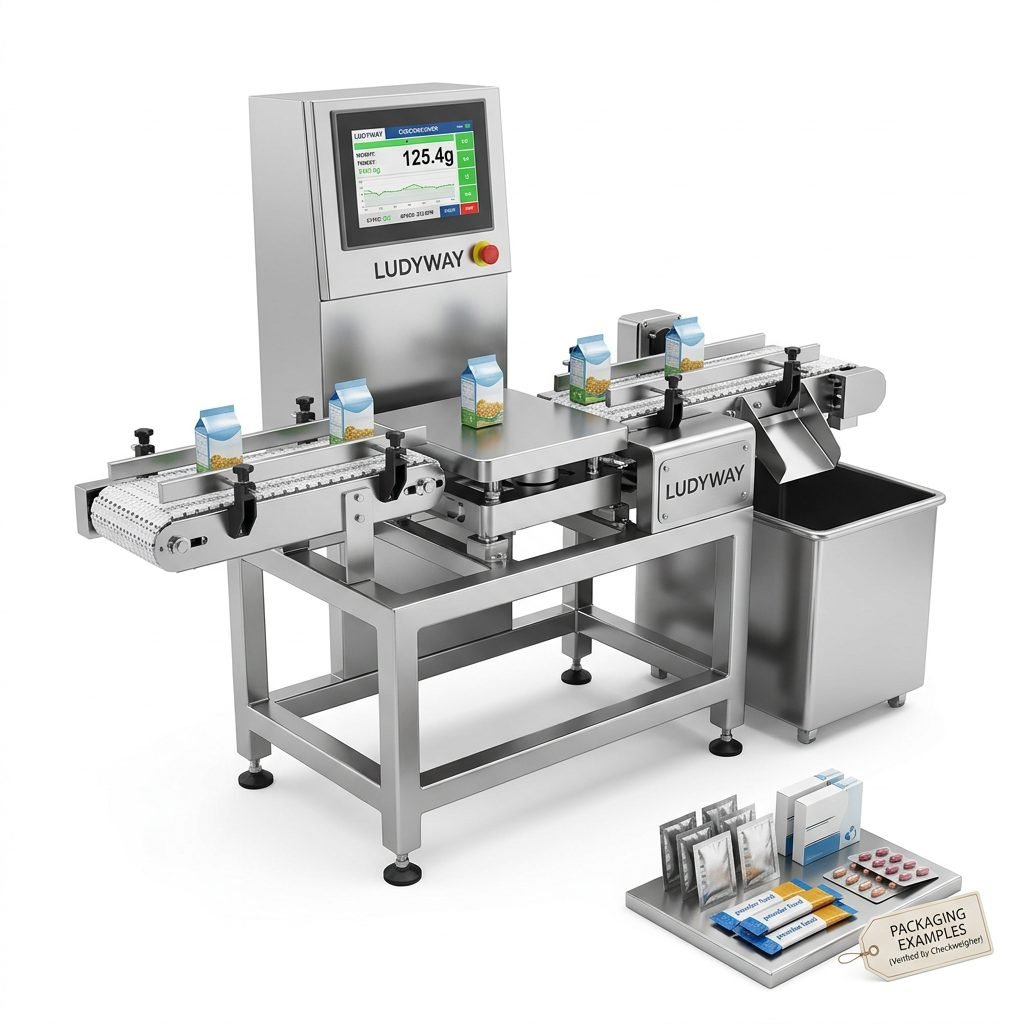
The rapid evolution of smart manufacturing has transformed modern factory floors. From raw material processing to primary packaging, advanced robotics and smart sensors have successfully replaced human intervention in most steps. However, many factories still struggle with the final phase of production: secondary packaging. Manual box erecting, product loading, and carton taping often create severe bottlenecks, slowing down high-speed production lines. The introduction of the automated box opening, packing, and sealing all-in-one machine addresses this exact challenge, serving as the ultimate solution and the final piece of the puzzle for achieving true unmanned workshops.
The Secondary Packaging Bottleneck in Modern Manufacturing
In high-output sectors like food processing, pharmaceuticals, and daily chemical production, primary packaging machines output thousands of units per hour. If the end-of-line packaging relies on manual labor or fragmented machinery, the entire facility’s efficiency is severely compromised. Manual packaging is not only slow but also prone to human error, leading to inconsistent sealing, product damage during packing, and high labor turnover rates.
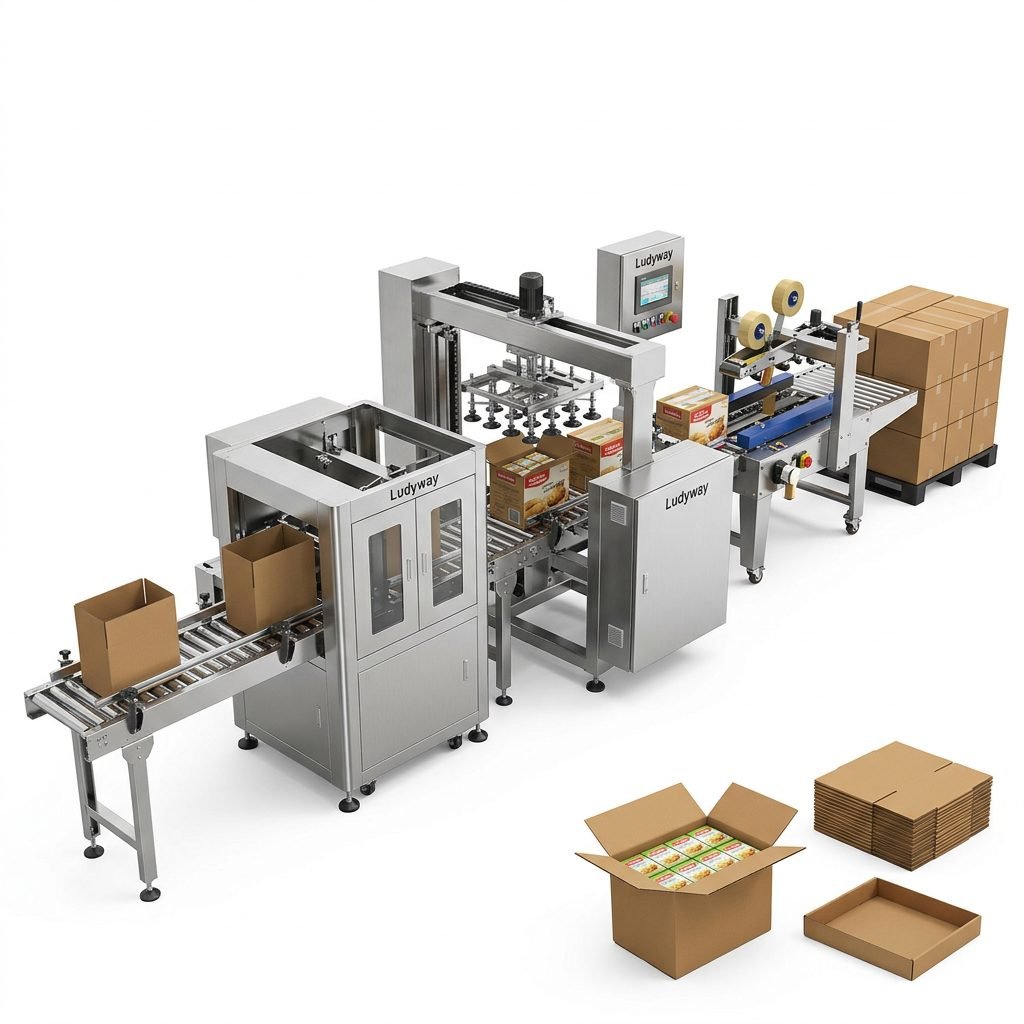
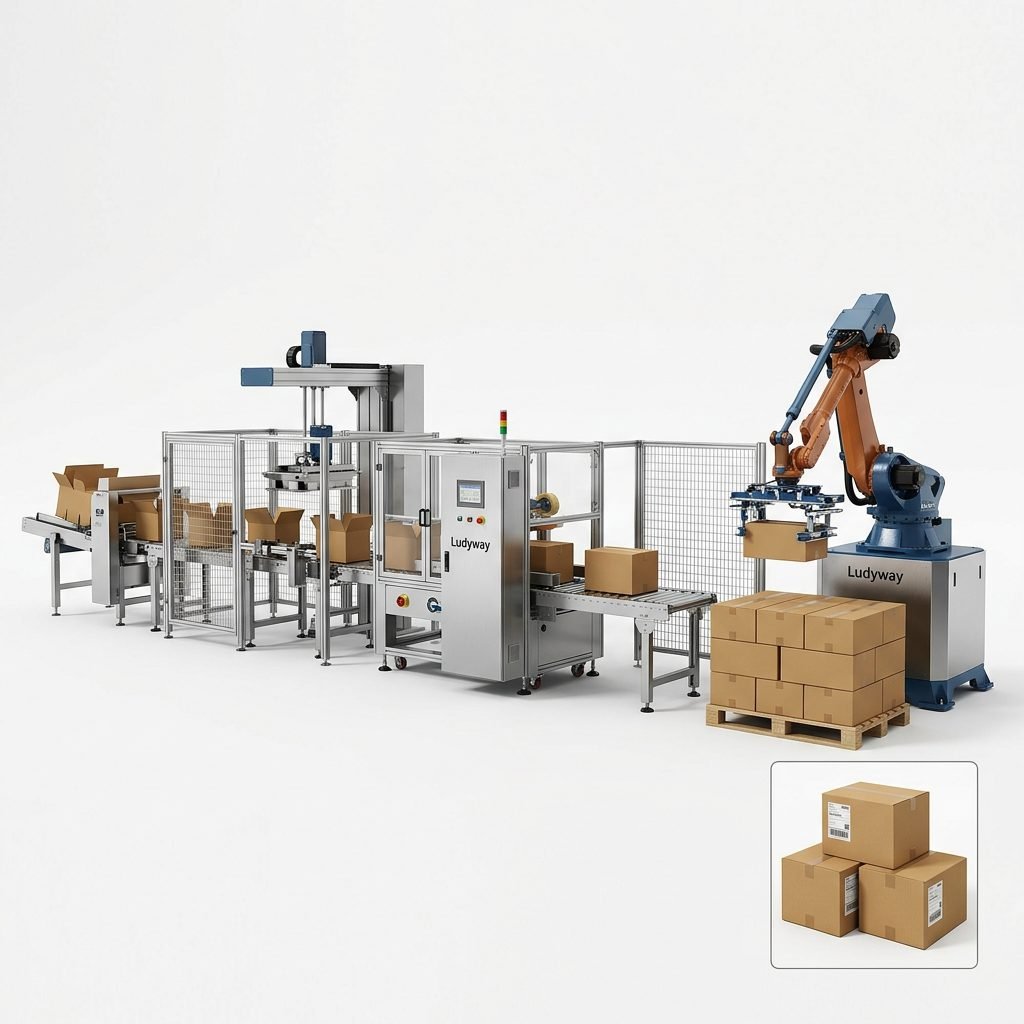
An integrated box opening, packing, and sealing machine eliminates these human variables. By combining three distinct operations—carton erecting, product loading, and carton sealing—into a single, continuous automation flow, manufacturers can bridge the gap between primary production and automated warehousing, enabling a seamless 24/7 manufacturing cycle.
How the All-in-One Machine Achieves Continuous Flow
The magic of the all-in-one system lies in its compact design and synchronized mechanical actions. Rather than spreading operations across three separate machines connected by long conveyor belts, this integrated system coordinates the entire process via a centralized PLC control system.
- Precision Box Opening (Carton Erecting): The machine extracts flat cardboard blanks from a high-capacity magazine using vacuum suction cups. Mechanical arms pull the cardboard open into a precise rectangular shape, fold the bottom flaps, and hold the carton stable for the loading phase.
- Smart Product Packing (Case Loading): Depending on the product type (such as sachets, bottles, jars, or flexible pouches), mechanical pushes or robotic pick-and-place arms position the items into the box. Modern systems allow for custom packing arrays (e.g., 3×4, 4×6 grid patterns) to maximize box volume utilization.
- Secure Sealing: Once the box is filled, mechanical guides fold the top flaps down. The box then moves through the sealing station where pressure-sensitive adhesive tape or hot-melt glue is applied to both the top and bottom seams, resulting in a perfectly sealed, shipping-ready case.
Comparing Traditional Methods vs. Integrated All-in-One Systems
To highlight the advantages of this integration, the table below compares traditional dispersed packaging setups with the modern all-in-one packaging system:
| Operational Feature | Traditional Dispersed Setup | All-in-One Integrated System |
|---|---|---|
| Factory Floor Space | Large footprint due to separate machines and linking conveyors. | Compact, unified frame that saves up to 40% floor space. |
| Labor Requirements | Requires multiple operators to monitor individual stations and feed materials. | Fully automated. Single operator needed only for cardboard refills. |
| Risk of Product Damage | Moderate to high, especially during manual packing and long conveyor transfers. | Minimal. Controlled robotic positioning ensures gentle handling. |
| System Synchronization | Prone to errors if upstream and downstream speeds do not match. | Perfectly synchronized via a single PLC and HMI control center. |
Key Technical Advantages of All-in-One Secondary Packaging
Why should modern manufacturing plants prioritize this technology? The benefits extend far beyond saving physical space on the factory floor:
- Enhanced Quality Control: Integrated vision inspection systems can check box orientation, fill levels, and sealing quality in real time. Defective boxes are automatically rejected before entering the shipping phase.
- Reduced Energy Consumption: By using a centralized drive system and fewer independent motors, the integrated machine consumes significantly less power than three standalone units operating simultaneously.
- Rapid Product Changeover: Modern machines are built with quick-adjust handles and touchscreen parameter settings, allowing operators to switch box sizes in under 15 minutes without requiring heavy tools.
- Seamless Integration with WMS: The system easily connects to Warehouse Management Systems (WMS) and ERP platforms, allowing real-time tracking of finished boxes, material levels, and overall equipment effectiveness (OEE).
Critical Support for Unmanned Workshops
To deploy these complex systems successfully, global buyers rely on experienced machinery suppliers. For instance, Ludyway, one of China’s leading packaging machine and turnkey packaging line manufacturers, offers highly integrated systems customized for diverse international standards. Their engineering expertise ensures that secondary packaging units integrate flawlessly with primary dosing, filling, and vertical pouch packaging machines.
For factories looking to cut operational costs and establish true unmanned workshops, the secondary packaging line is no longer an afterthought. Investing in a high-speed, automated case opening, packing, and sealing system is the most direct path to boosting production efficiency, safeguarding product quality, and securing a competitive edge in today’s demanding global market.