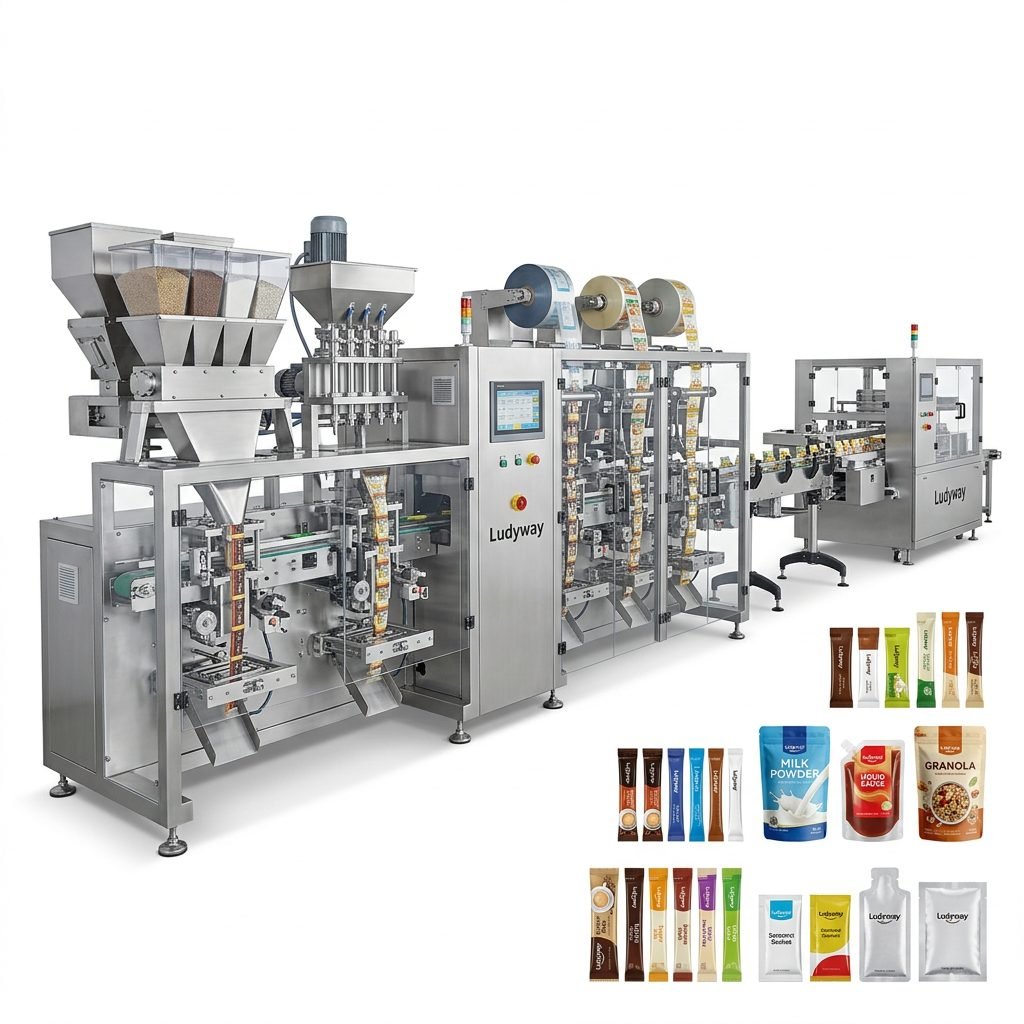
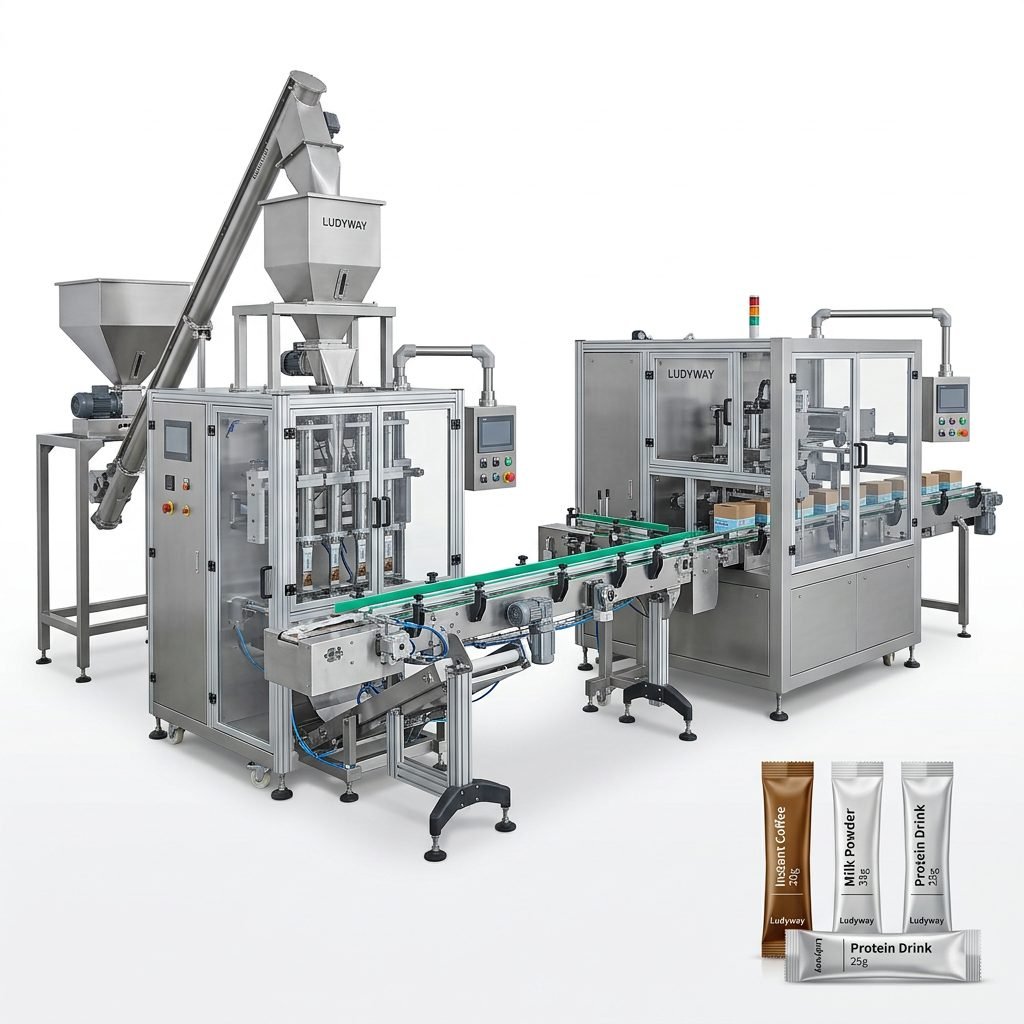
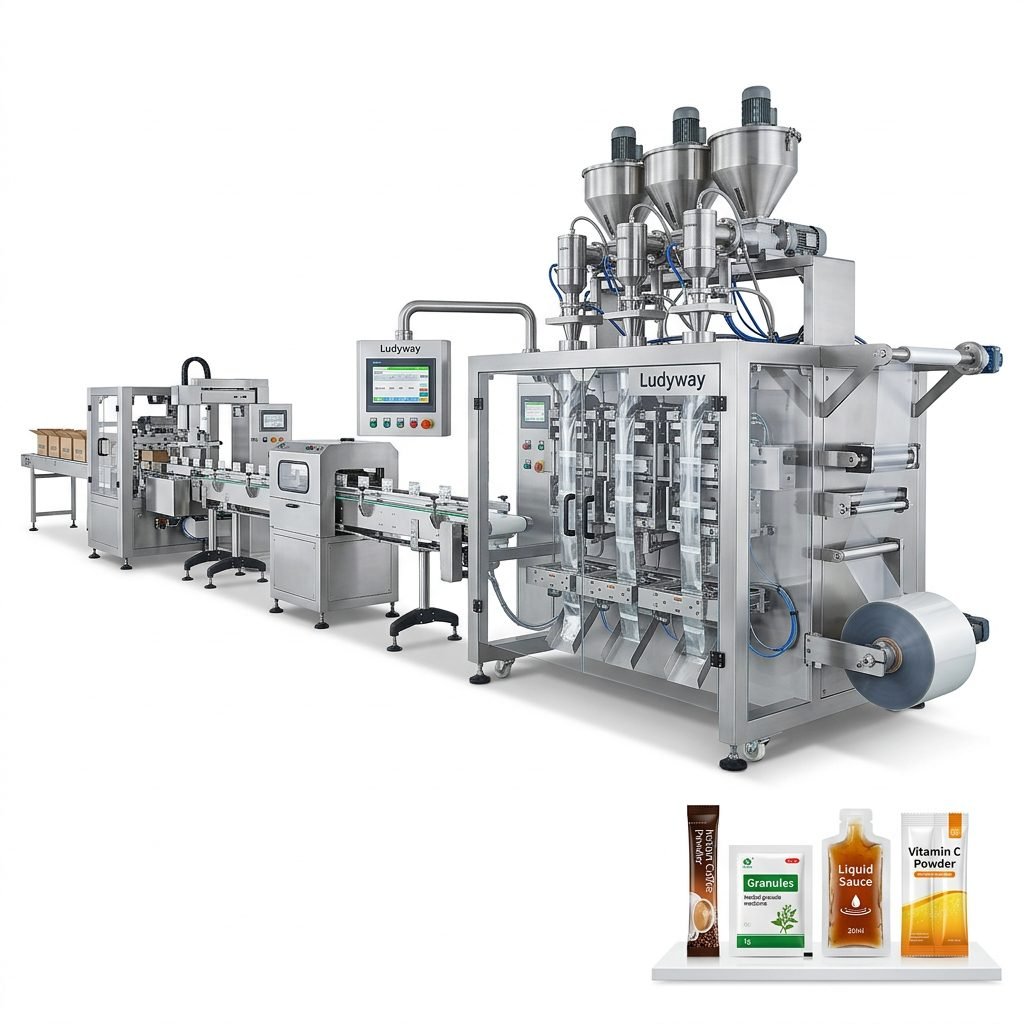
In the highly competitive consumer goods, pharmaceutical, and food processing industries, packaging integrity is a cornerstone of brand reputation and product safety. Minor compromises in seal strength can lead to product spoilage, reduced shelf-life, and costly recalls. Traditionally, manufacturers relied on spot-checking and offline vacuum decay testing to monitor sealing quality. However, these methods leave a margin of error that can compromise entire batches. The debut of the integrated packaging machine featuring real-time airtightness detection represents a paradigm shift, eliminating online leak risks completely and elevating quality control standards globally.
The Hidden Cost of Micro-Leaks in High-Speed Production
Modern automated packaging lines operate at unprecedented speeds, producing hundreds of pouches or sachets per minute. In such dynamic environments, various factors—ranging from microscopic product contamination in the seal area to minor temperature fluctuations in the heating jaws—can cause micro-leaks. These tiny defects are virtually invisible to the naked eye but allow oxygen and moisture to penetrate the barrier film.
For product categories such as infant formula, active pharmaceutical ingredients, organic feeds, and chemical powders, even a micro-leak measuring a few microns can trigger rapid oxidation, degradation, or clumping. Traditional quality assurance practices involve extracting samples from the production line and testing them manually in water baths or vacuum chambers. While useful, this offline batch testing cannot identify transient faults, meaning thousands of potentially defective packages may already be boxed, palletized, and shipped before an issue is flagged.

How Real-Time Online Airtightness Detection Functions
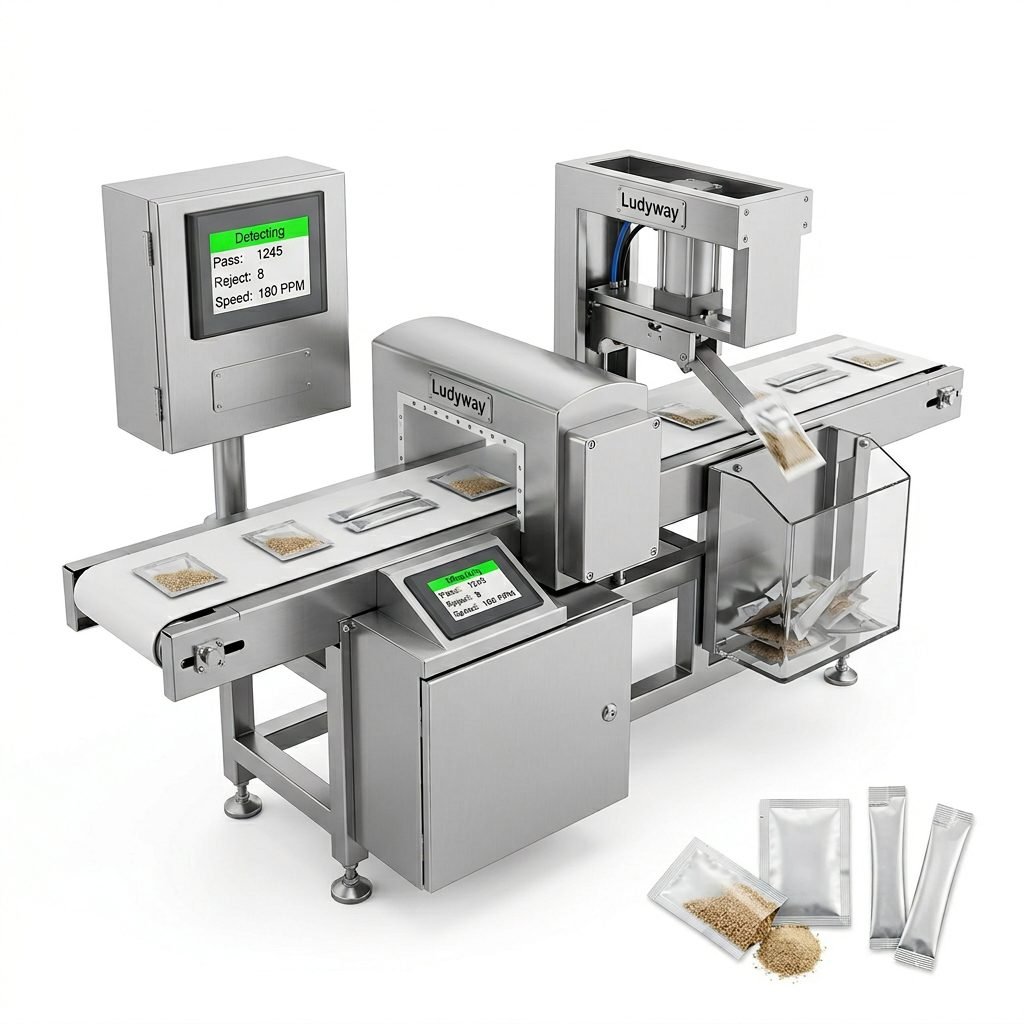
The newly debuted integrated packaging system solves this vulnerability by embedding advanced leak detection directly into the primary packaging cycle. Rather than separating sealing and inspection, the system treats quality control as an inline process. This ensures that every single package undergoes individual assessment before proceeding downstream.
The system utilizes a multi-step sequence to verify seal integrity without slowing down the production line:
- Precision Compression Profiling: As sealed pouches exit the forming and cutting station, they pass through a calibrated inline compression belt or mechanical testing jaw that applies a controlled physical load.
- Laser-Based Headspace Analysis: Simultaneously, optical sensors measure the displacement and gas concentration fluctuations around the package.
- Pressure Decay Sensors: Micro-sensors capture the rate of pressure change under localized confinement, identifying leaks as small as 10 microns within milliseconds.
- Automated Rejection: Any package failing to meet the predefined pressure retention threshold is instantaneously tracked by the system and diverted to a reject bin via a pneumatic pusher or drop-gate.
Comparing Traditional Quality Control vs. Integrated Real-Time Detection
To highlight the operational advantages of this technology, the table below outlines the core differences between traditional inspection methods and the newly introduced integrated real-time system:
| Feature/Metric | Traditional Offline Testing | Integrated Real-Time Detection |
|---|---|---|
| Inspection Coverage | Statistical sampling (e.g., 5 packages per batch) | 100% of manufactured units (individual verification) |
| Detection Speed | Manual testing takes 3 to 10 minutes per sample | Instantaneous inline analysis (under 100ms) |
| Waste Minimization | High risk of batch discarding if defects are found late | Defective packages rejected individually; minimal waste |
| Data Integration | Manual logging, prone to human error | Continuous digital log for traceability and compliance |
The Engineering Ingenuity Behind the Debut
Combining mechanical packaging functions with micro-second sensor feedback required complex engineering. Because physical handling can cause vibrations that disrupt sensitive optical and pressure sensors, the system features a decoupled vibration-isolation frame. This isolation ensures that the high-frequency movements of the filling pumps and sealing jaws do not interfere with the delicate measurements of the airtightness testing module.
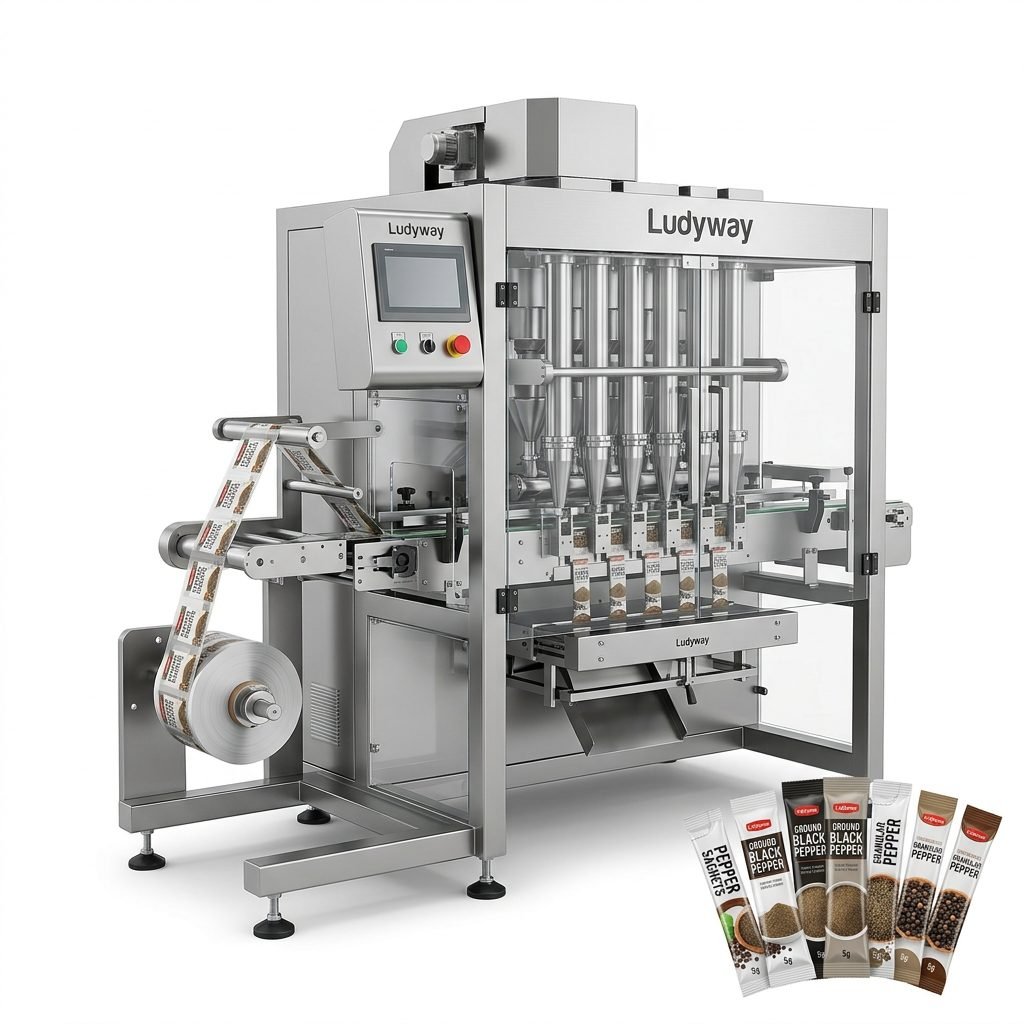
Additionally, the system features self-calibrating algorithms. When changing over to different pouch sizes, film materials, or target fill volumes, the machine dynamically recalibrates its pressure curves. This flexibility prevents false rejections and accommodates diverse packaging types, ranging from multi-lane stick packs to large pouches.
Enabling Smarter Quality Standards Across Global Supply Chains
As regulatory compliance tightens across Europe, North America, and other global markets, food and pharmaceutical brands face stricter requirements for product traceability. The integrated leak detection system addresses these needs by archiving testing logs for every run. Quality control managers can export detailed reports showing exactly how many units passed, how many were rejected, and the specific failure profiles. This level of traceability helps companies isolate raw material defects (such as subpar barrier films) and maintain high production standards.
This automated approach also delivers significant labor savings. By replacing manual water bath testing and physical inspections, factories can reallocate labor resources to other areas of the production floor, reducing overall operational overhead while increasing throughput consistency.
Ludyway: Pioneering Advanced Turnkey Packaging Lines
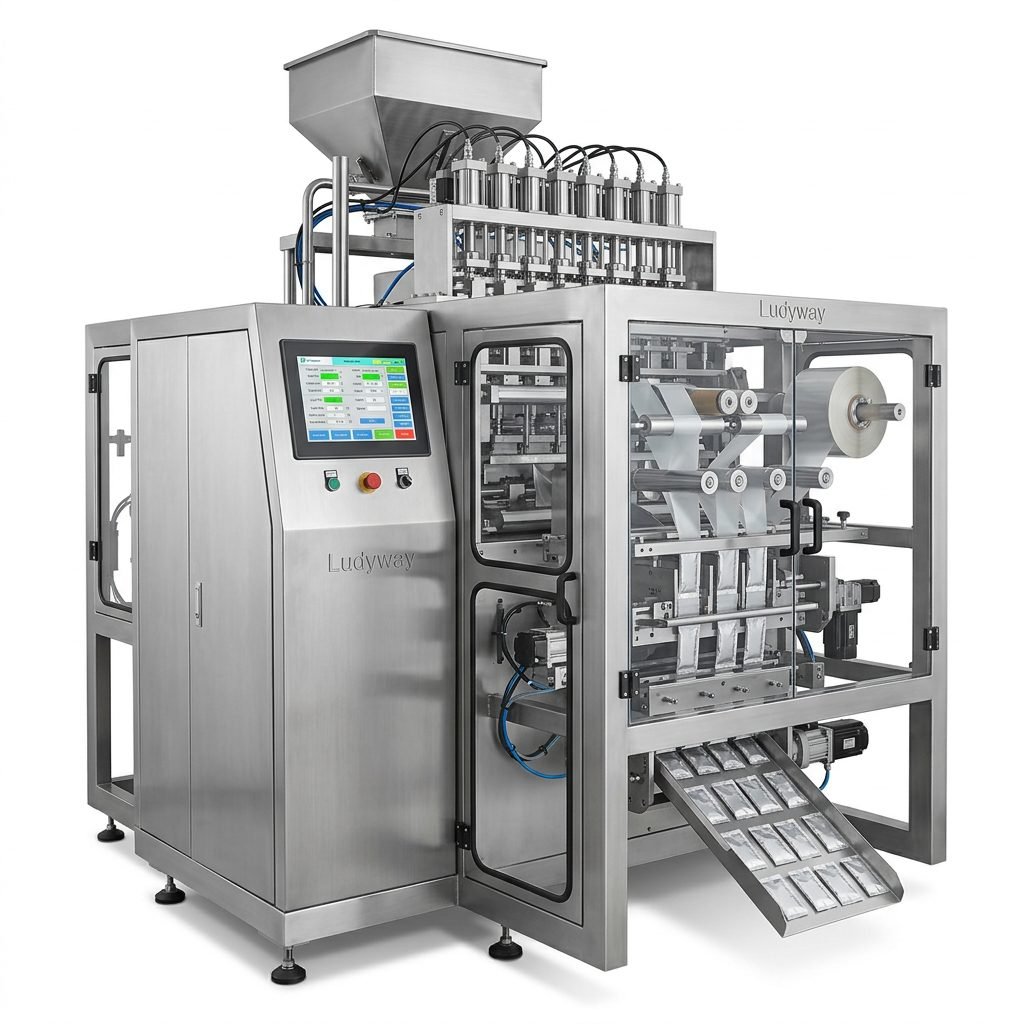
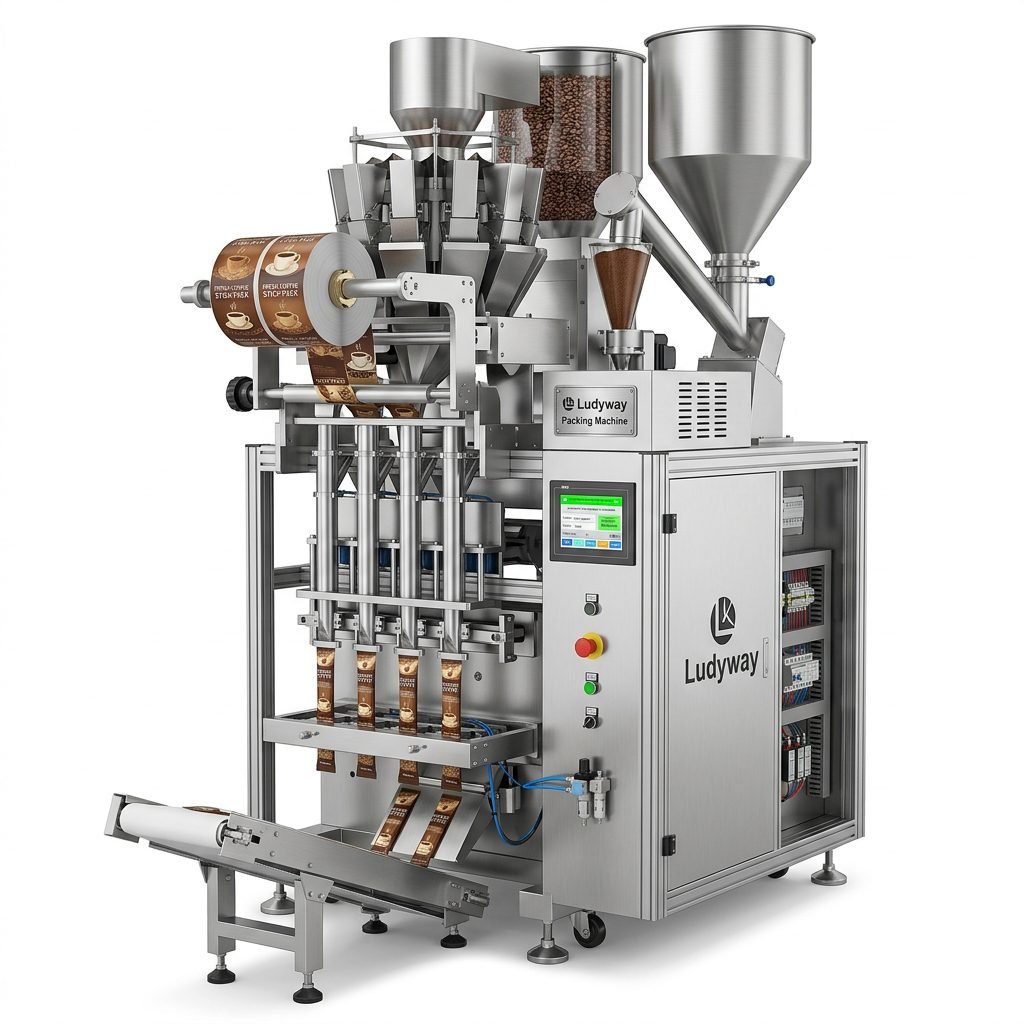
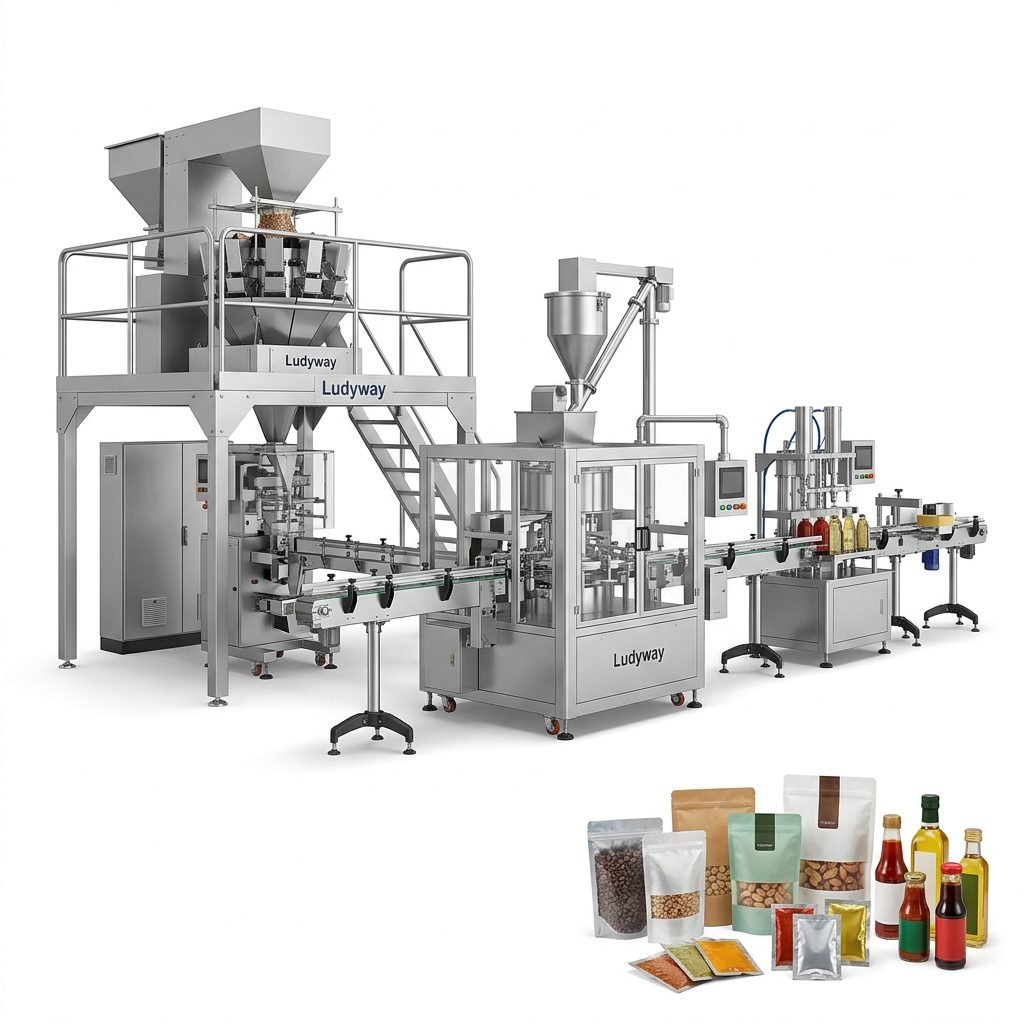
As a key player in this technological shift, Ludyway continues to expand its offerings by integrating automated testing systems directly into its vertical and multi-lane packaging configurations. With over three decades of experience designing automatic packaging technology for powders, granules, and liquids, the company has developed solutions that emphasize efficiency, automation, and reliability. This integration of real-time airtightness testing highlights a commitment to providing modern, automated machinery that meets the evolving demands of B2B buyers worldwide.
By offering complete turnkey production solutions—from raw material feeding to high-speed cartoning and final palletizing—the manufacturer helps businesses minimize manual handling, reduce waste, and achieve near-zero defect rates in their packaging workflows.
The Next Frontier in Zero-Leak Packaging
The debut of integrated real-time airtightness detection represents a major step forward for automated packaging lines. By shifting from reactive batch testing to active, online prevention, manufacturers can eliminate the risk of compromised seals before products leave the facility. As smart factory technology continues to mature, inline quality control will transition from a competitive advantage to a fundamental industry standard, ensuring safer products and more reliable supply chains worldwide.