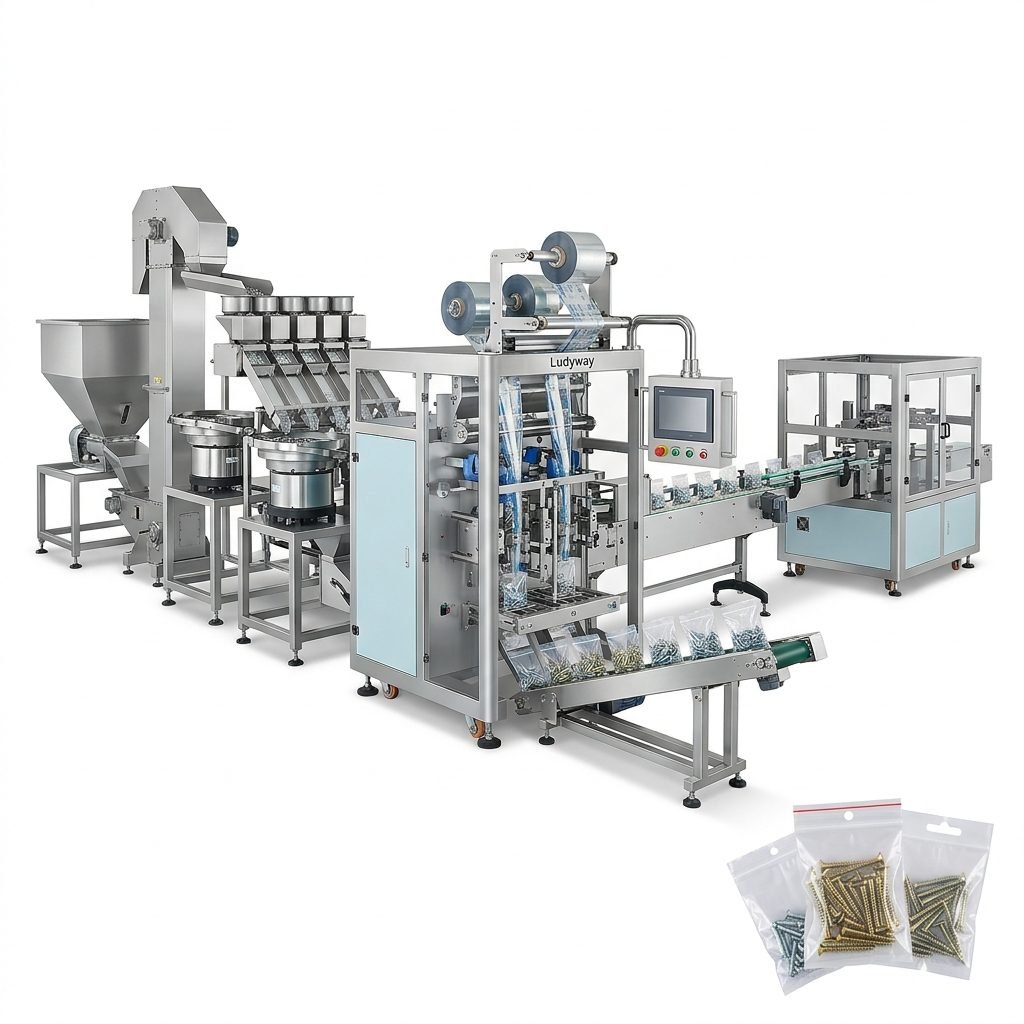
In the highly competitive world of product packaging, visual presentation and structural integrity are paramount. Manufacturers across food, pharmaceutical, and consumer goods sectors continuously search for ways to optimize their secondary and transit packaging. One of the most persistent challenges in heat shrink wrapping has been the management of trapped air. When film wraps around a product and enters a heat tunnel, trapped air expands, creating unsightly air pockets or “balloons” that can lead to uneven shrinkage, film rupture, or compromised seals. To address this industry-wide pain point, the newly debuted heat shrink packaging machine with needle hole venting is setting new standards for exhaust efficiency and presentation quality.
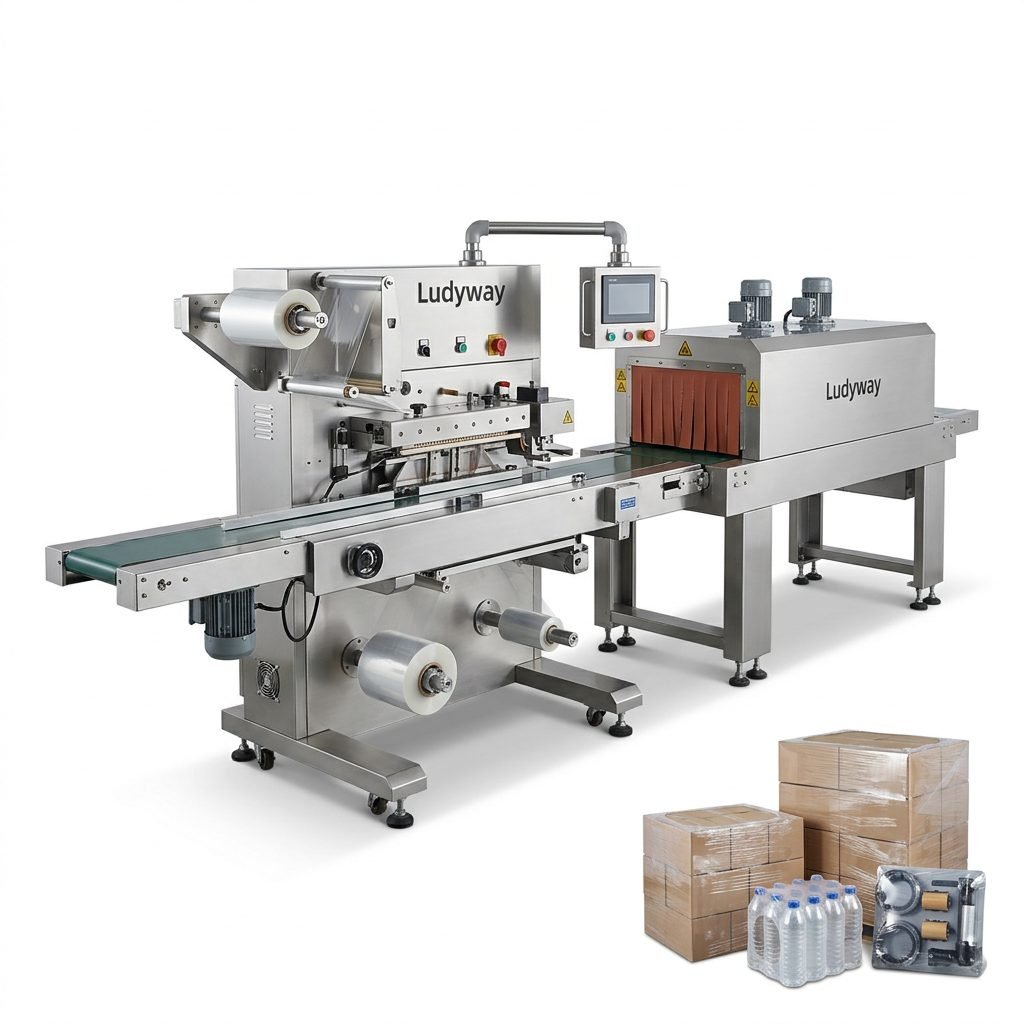
This innovative machinery introduces a highly controlled mechanical process to solve air entrapment. By integrating a precision-engineered needle venting system, the machine perforates the shrink film with micro-holes immediately before the wrapping and heating phases. These micro-perforations allow air to escape rapidly and uniformly as the film shrinks, resulting in a tight, contour-hugging wrap that enhances both product protection and shelf appeal.
The Science of Precision Needle Venting
Traditional methods of air evacuation in shrink packaging often relied on large, unevenly spaced punch holes or manual film slitting. These outdated techniques frequently resulted in weak points in the film, leading to tearing under tension or exposing the product to dust and moisture. The new generation of heat shrink packaging machines solves this by using a synchronized roller system equipped with ultra-fine, heated or cold needles.
As the film passes through the feeding mechanism, the needle roller creates a patterned matrix of microscopic vents. The size, depth, and spacing of these holes are meticulously calibrated based on the thickness and material of the film, whether it is Polyolefin (POF), Polyethylene (PE), or Polyvinyl Chloride (PVC). During the shrink tunnel phase, the film contracts, and the trapped air is forced out through these micro-vents. Because the holes are microscopic, they virtually disappear once the film has fully shrunk, leaving a smooth, high-clarity surface without compromising the barrier properties of the wrap.
Key Advantages of Advanced Exhaust Technology
Integrating a needle hole venting mechanism directly into the packaging line offers multi-faceted benefits that directly impact production speed, cost efficiency, and product quality. Below are the primary advantages observed with this technology:
- Enhanced Exhaust Efficiency: The rapid expulsion of air prevents the formation of air bubbles, ensuring that the film adheres tightly to even the most complex product geometries.
- Reduced Film Waste: By maintaining structural integrity and preventing localized film blowout, manufacturers experience significantly fewer rejected packages and lower material waste.
- Higher Production Speeds: Efficient venting allows the heat tunnel to operate at higher throughput rates, as the film shrinks quickly and predictably without requiring prolonged heating cycles.
- Improved Multi-Pack Stability: For bundling applications, such as beverage cans or cosmetic jars, tight shrink wrapping ensures that the individual units remain securely locked in place during transport.
Seamless Integration into High-Speed Production Lines
Modern manufacturing demands flexible, smart systems that can adapt to changing product dimensions and packaging materials. The latest heat shrink packaging machines are designed with user-friendly interfaces that allow operators to adjust the needle penetration depth and pattern on the fly. This adaptability makes it easy to switch from wrapping lightweight cosmetic boxes to heavy-duty industrial components without changing hardware.
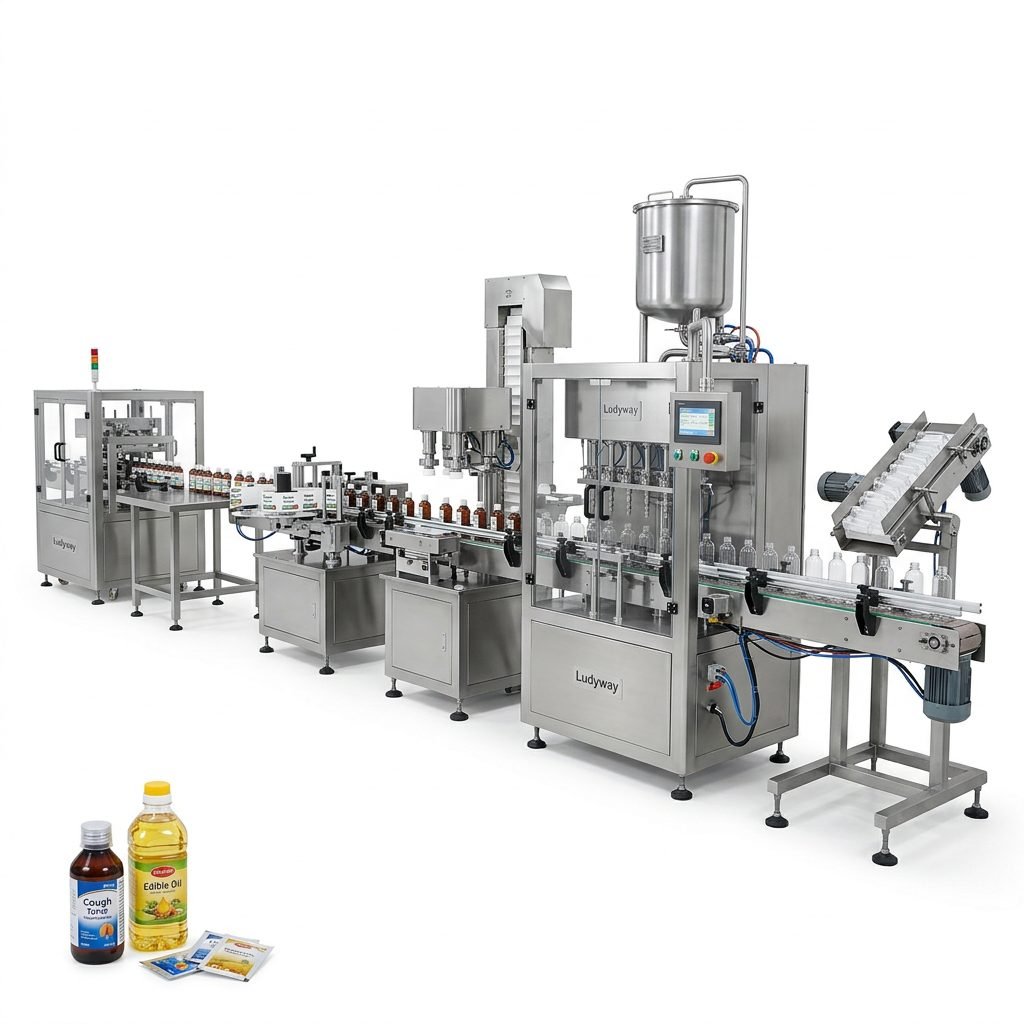
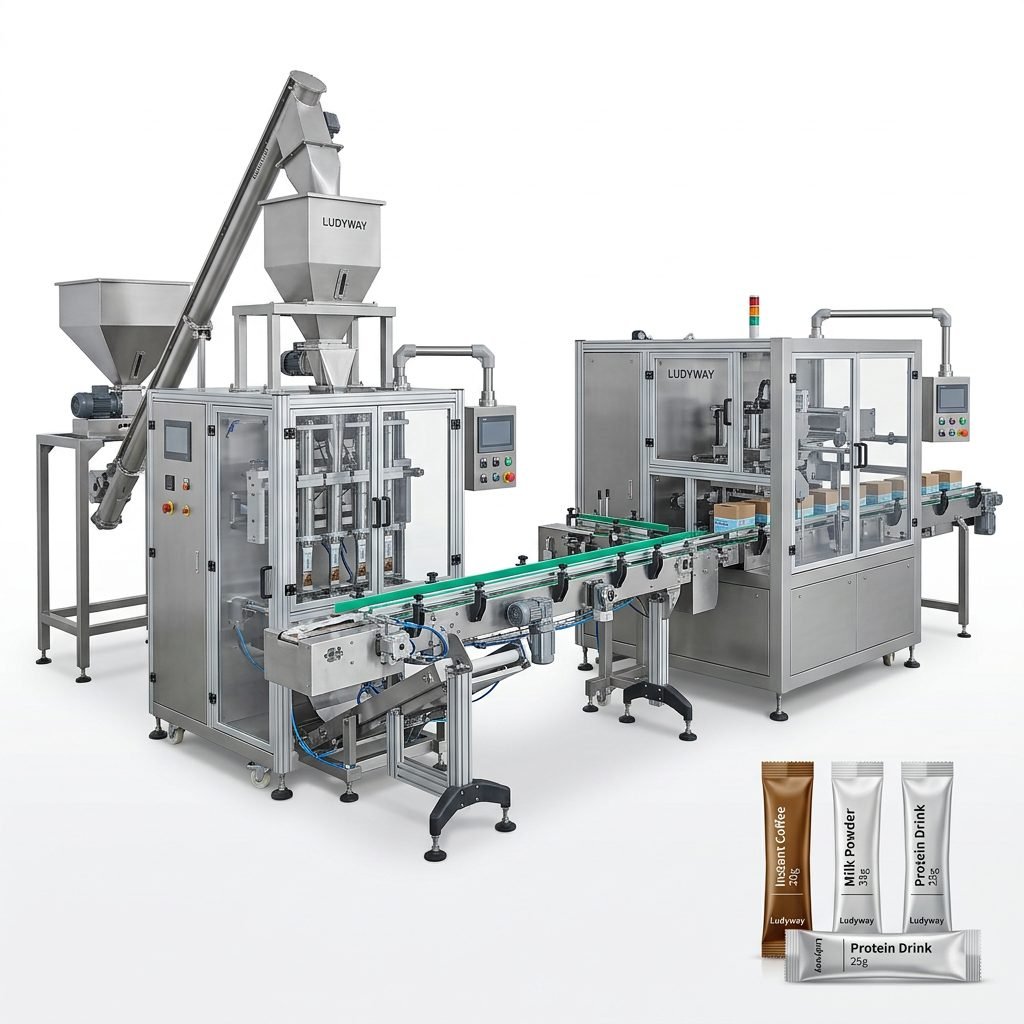
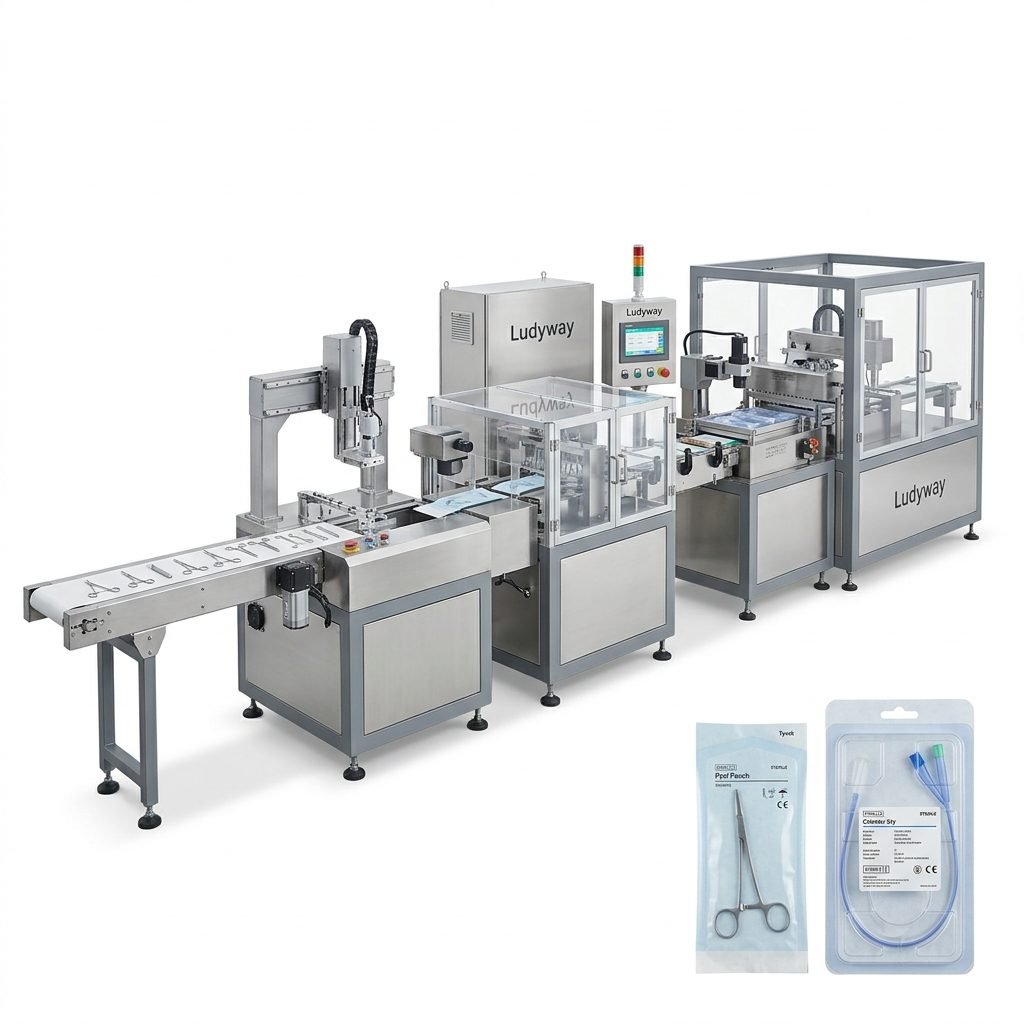
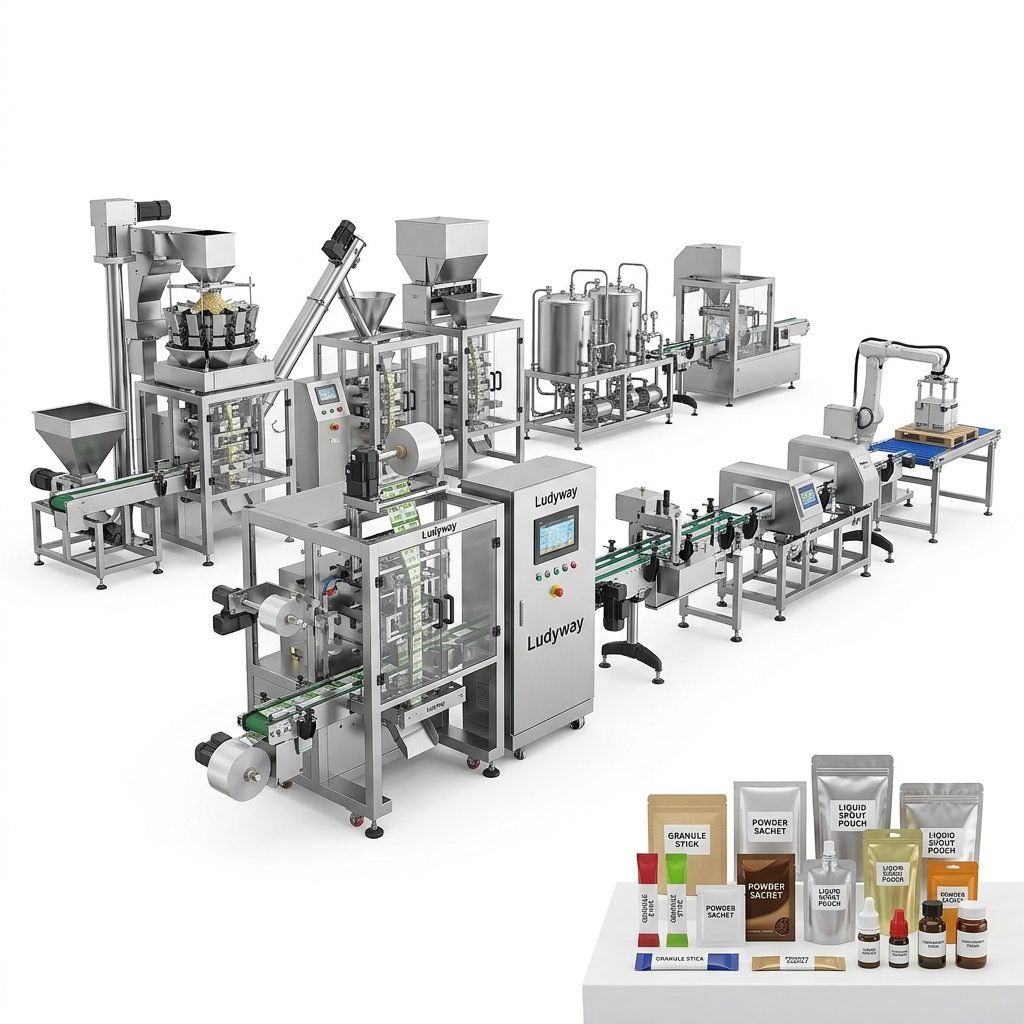
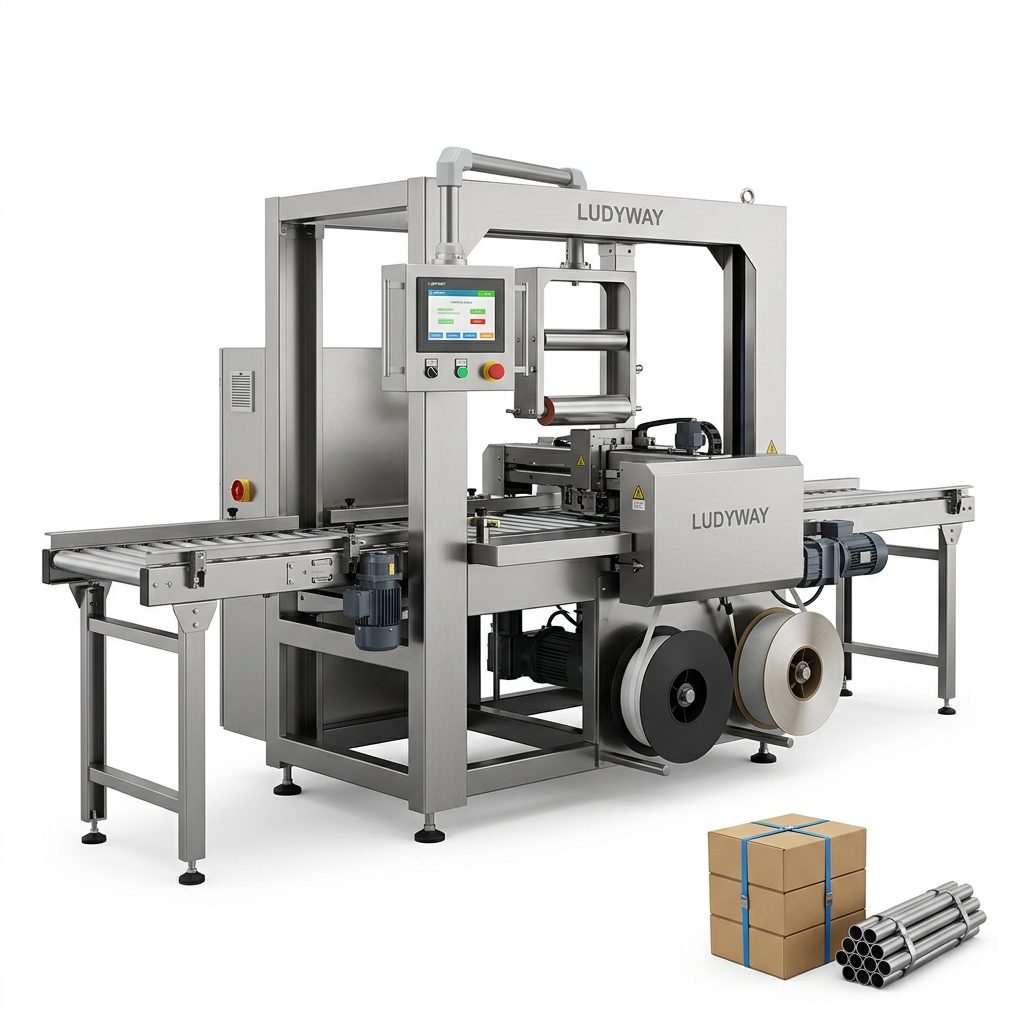
For organizations looking to scale their operations, sourcing machinery from experienced manufacturers is crucial. Companies like Ludyway, one of China’s leading packaging machine and turnkey packaging line manufacturers, specialize in integrating auxiliary systems such as shrink tunnels and custom feed conveyors into fully automated workflows. With over 30 years of industry experience, their solutions focus on minimizing labor requirements while maximizing throughput and packaging consistency.
Technical Specification Overview
To help production managers evaluate the suitability of these machines for their facilities, the table below highlights the typical technical parameters of a standard high-speed heat shrink packaging machine equipped with needle venting systems:
| Parameter | Specification Details |
|---|---|
| Compatible Film Materials | POF, PE, PVC (thickness range 12–80 microns) |
| Venting System Type | Rotary Needle Roller with adjustable depth and spacing |
| Maximum Packing Speed | Up to 60 packs per minute (depending on product size) |
| Control Interface | PLC Touchscreen with recipe storage memory |
| Power Supply | 3-Phase 380V, 50/60Hz (customizable for export markets) |
Future Outlook: Meeting Global Standards
As international markets enforce stricter regulations regarding packaging waste and transit damage, the adoption of precise, high-performance machinery becomes a necessity. The ability of the needle hole venting system to produce flawless, secure wraps using thinner, eco-friendly films aligns perfectly with global sustainability trends. By reducing the overall carbon footprint associated with rejected products and excessive packaging material, this technology represents a significant step forward for the modern packaging facility.
With major export markets spanning Europe, North America, and Southeast Asia demanding higher levels of automation, manufacturers must invest in equipment that guarantees long-term reliability. The introduction of the needle hole venting system not only resolves a standard operational hurdle but also empowers brands to deliver their products to global consumers in pristine, professional condition.