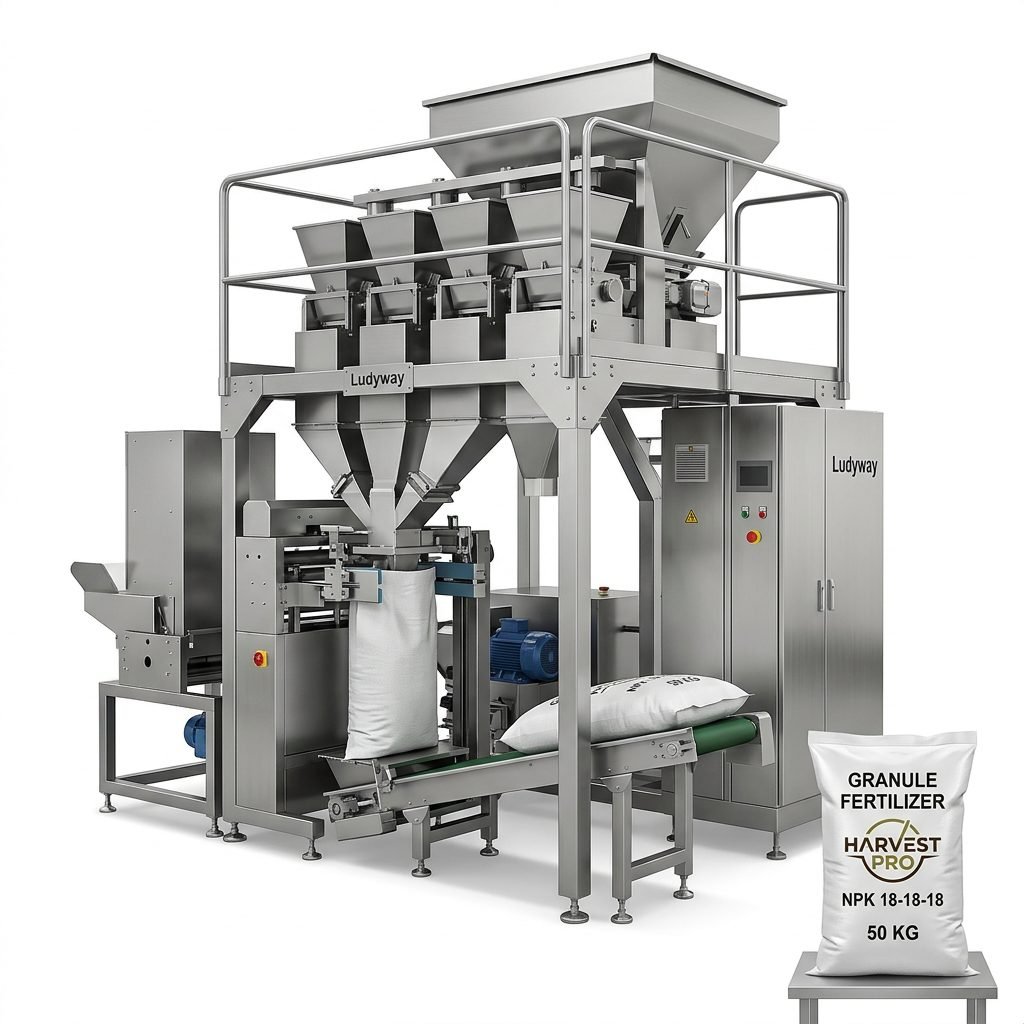
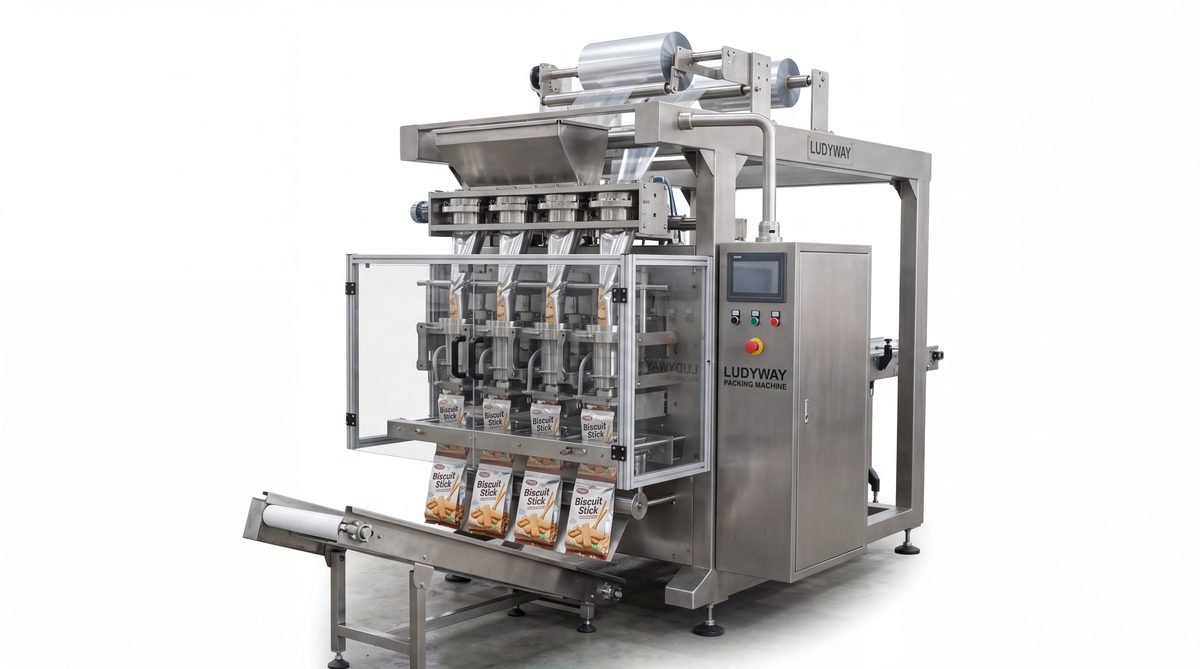
Selecting the right biscuit packaging machine is one of the most critical decisions for any bakery or snack food manufacturer. The correct equipment directly influences production efficiency, product shelf life, and overall profitability. With dozens of machine types, configurations, and automation levels available on the market, making an informed choice requires a systematic evaluation of your specific needs.
This guide walks you through the essential factors to consider when choosing a biscuit packaging machine, helping you avoid costly mistakes and select equipment that aligns with your production goals.
Understanding Your Product Characteristics
Before evaluating any machinery, you must thoroughly analyze the biscuits you intend to package. Different biscuit types present unique handling challenges:
- Product fragility: Delicate wafers and cream-filled biscuits require gentle handling systems to prevent breakage during feeding and wrapping.
- Shape and dimensions: Round, rectangular, square, or irregular shapes affect how products are oriented, stacked, and fed into the packaging machine.
- Moisture sensitivity: Many biscuits are hygroscopic and require packaging materials and sealing technologies that provide adequate moisture barrier protection.
- Surface characteristics: Biscuits with toppings, coatings, or decorations need specialized handling to avoid damage to delicate surfaces.
- Production volume variability: Understand whether you need a machine for a single product or one flexible enough to handle multiple biscuit varieties.
According to PMMI packaging industry standards, product analysis is the foundational step in any packaging machinery selection process. Skipping this phase often leads to inefficient equipment performance and costly retrofitting.
Production Speed and Capacity Requirements
Your current and projected production volumes directly determine the appropriate machine speed class. Biscuit packaging machines typically range from semi-automatic systems producing 20-40 packs per minute to fully automated high-speed lines capable of 100-400 packs per minute or more.
Key considerations for speed selection include:
- Current throughput: Measure your actual daily or hourly production output to establish a baseline requirement.
- Growth projections: Factor in expected business growth over the next 3-5 years to avoid outgrowing your equipment prematurely.
- Line balancing: Ensure the packaging machine speed matches upstream baking and cooling systems to prevent bottlenecks.
- Changeover frequency: If you frequently switch between product types, prioritize machines with quick-changeover features over raw speed.

Packaging Formats and Material Compatibility
Modern biscuit packaging encompasses diverse formats, each suited to different market segments and shelf-life requirements. The most common packaging formats include:
| Packaging Format | Best Suited For | Key Advantages |
|---|---|---|
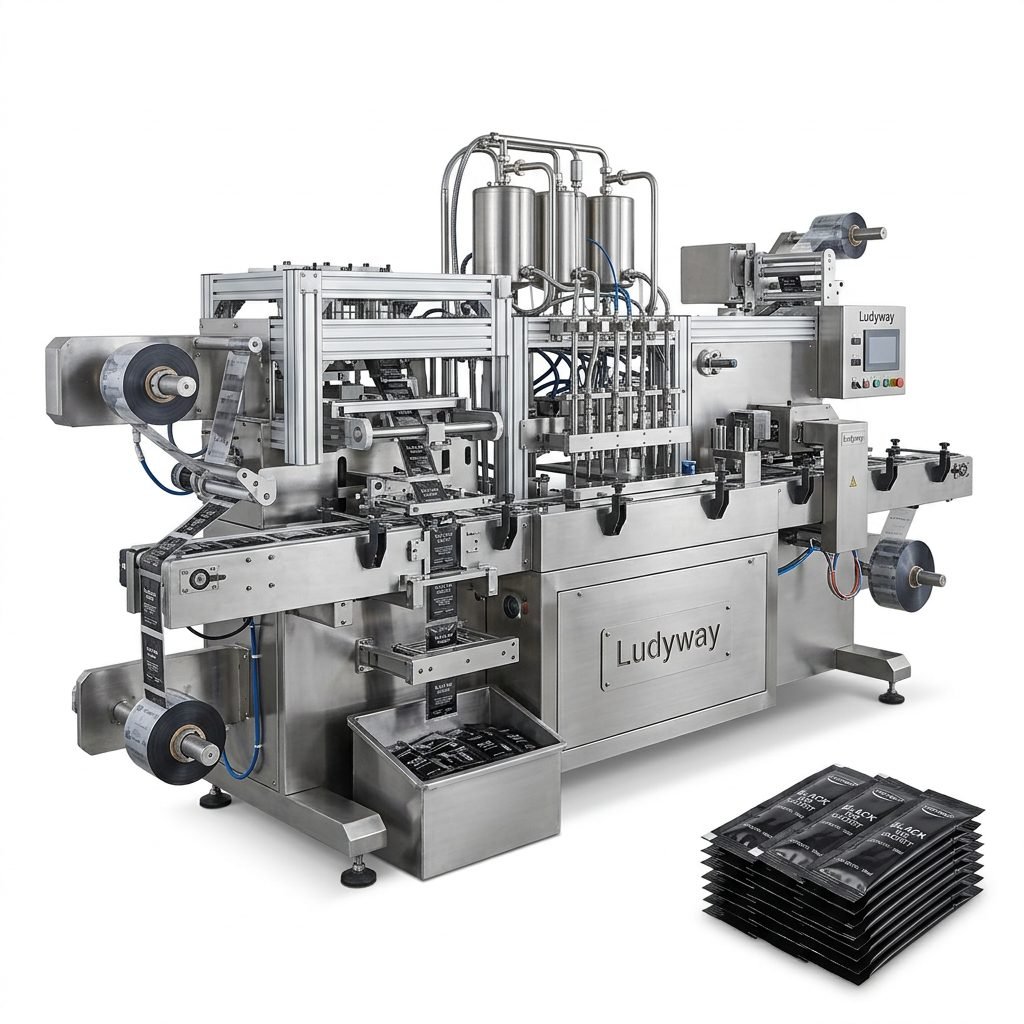
| Pillow Pack (Flow Wrap) | Individual servings, multi-packs | Cost-effective, high-speed capability |
| Quad Seal / Block Bottom | Premium branding, shelf display | Excellent shelf presence, resealable options |
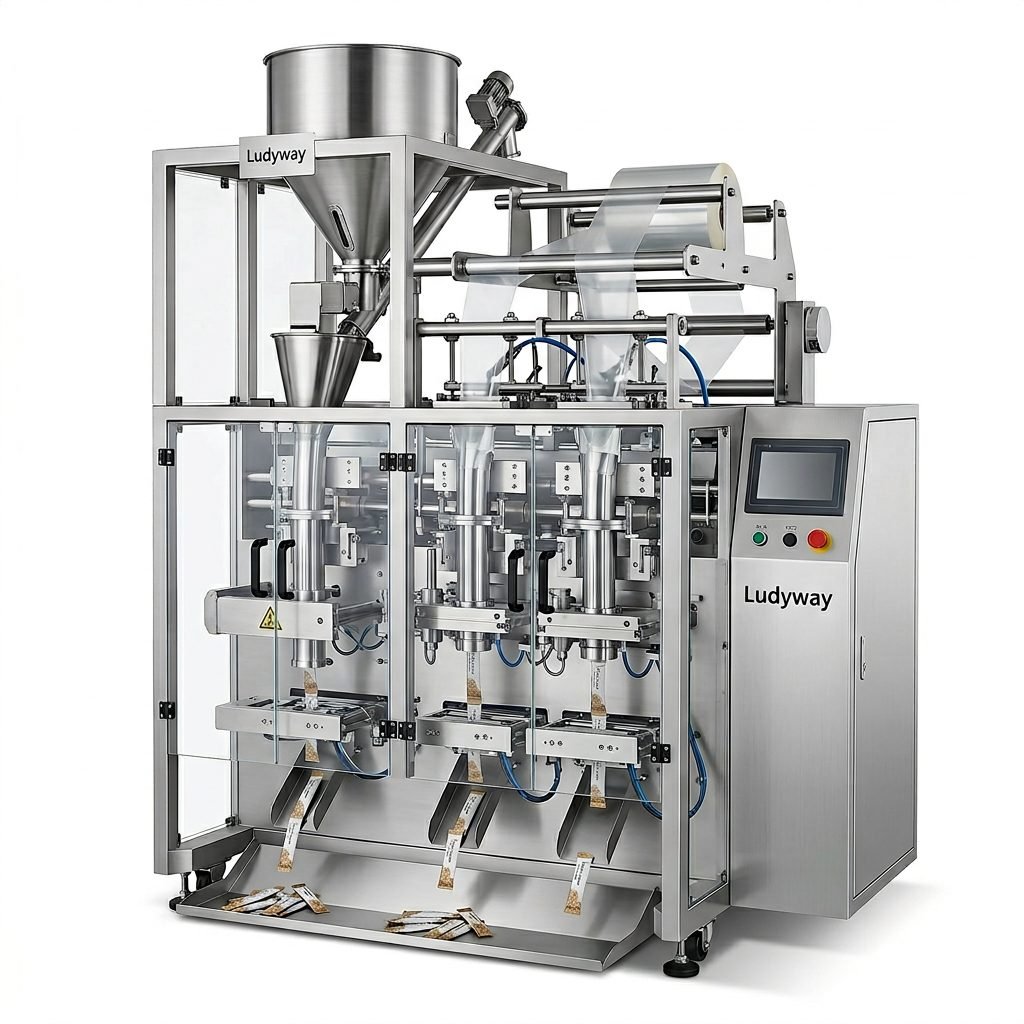
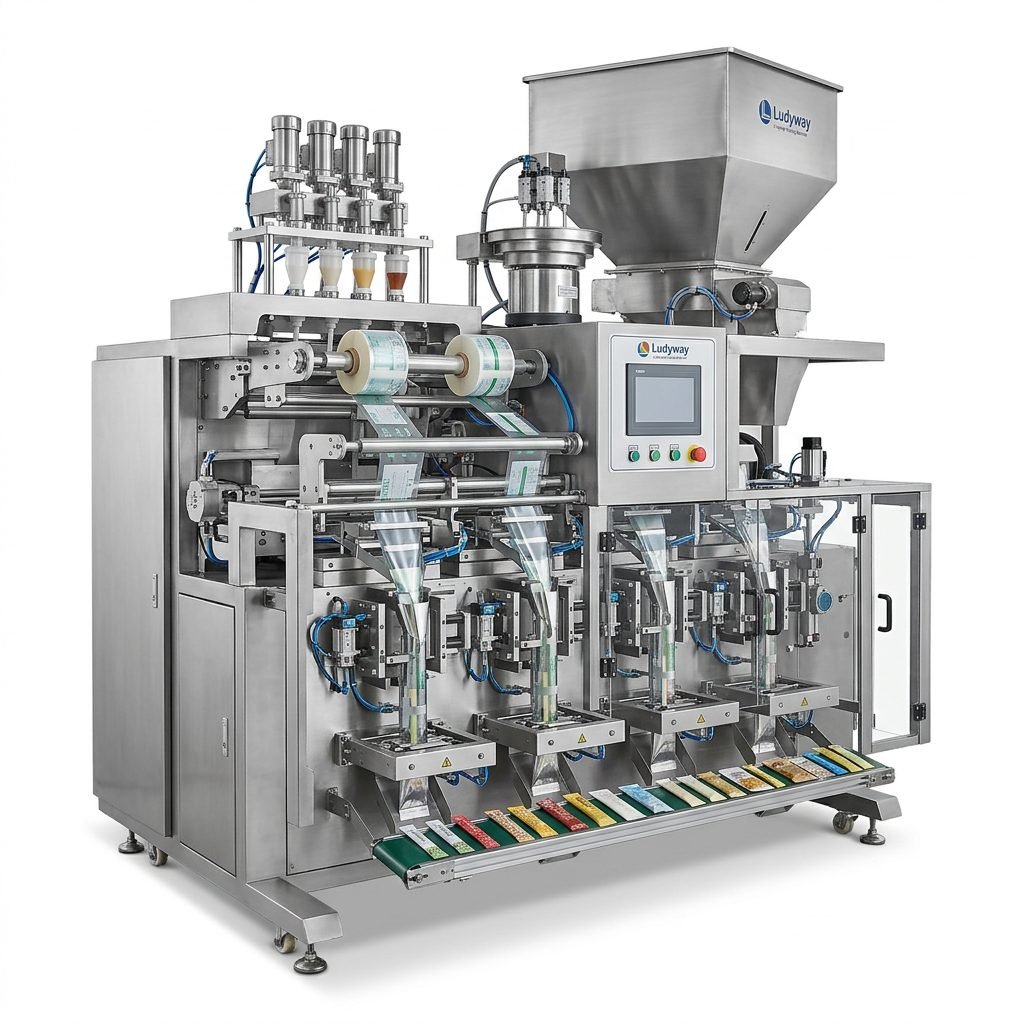
| Stick Pack / Sachet | Single-serve, on-the-go | Compact, portion-controlled |
| Doypack / Stand-Up Pouch | Premium products, sharing size | Reclosable, high visual appeal |
| Tray and Lid | Assortment packs, gift boxes | Product protection, upscale presentation |
Material selection is equally critical. Flexible packaging materials such as BOPP, metallized films, laminates, and paper-based structures each offer different barrier properties, seal characteristics, and cost profiles. Your machine must be compatible with the materials you intend to use, including their thickness, heat-seal range, and print registration requirements.
Automation Level and Integration Capabilities
The degree of automation you choose should align with your labor availability, budget, and production complexity. Biscuit packaging machines are available across the full automation spectrum:
- Semi-automatic: Operators manually feed biscuits; machine performs wrapping and sealing. Suitable for low-volume or artisanal production.
- Fully automatic inline: Automated feeding, wrapping, and sealing with minimal operator intervention. Ideal for medium to high-volume production.
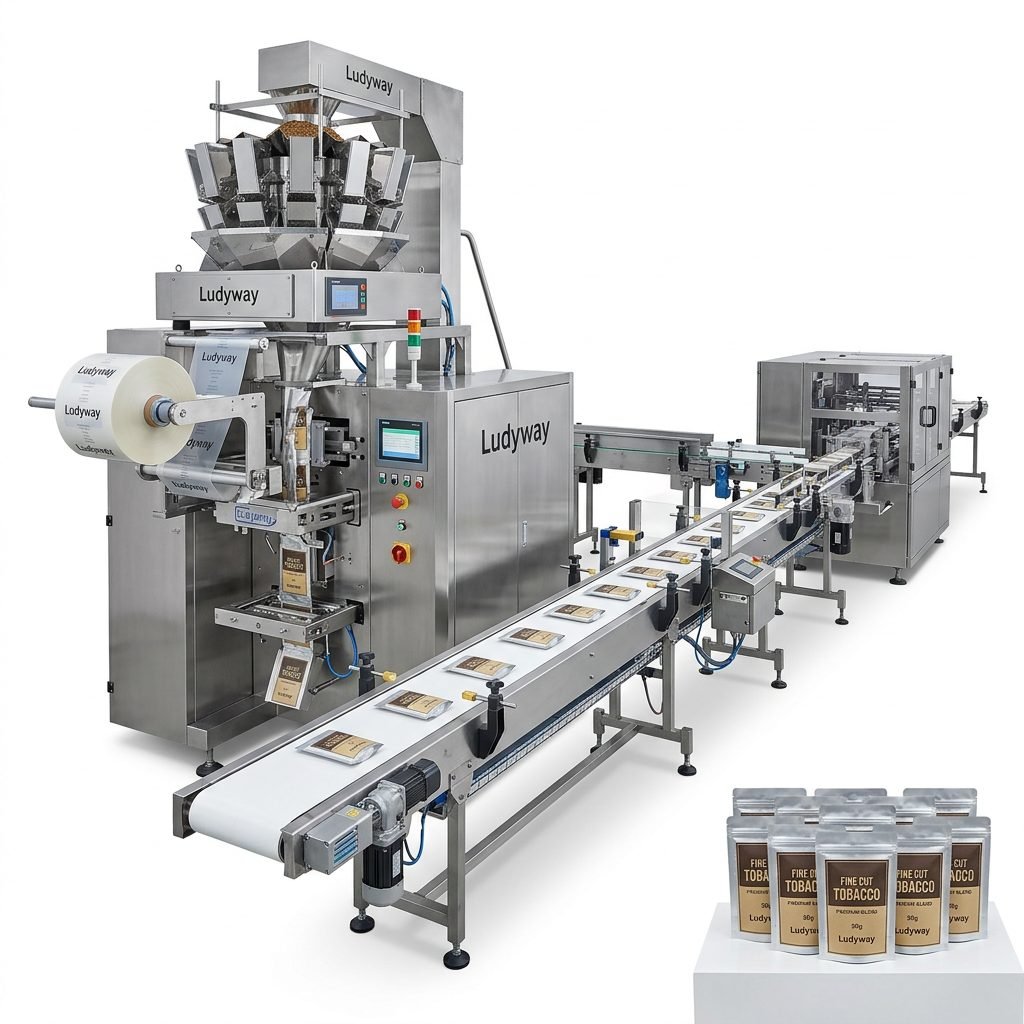
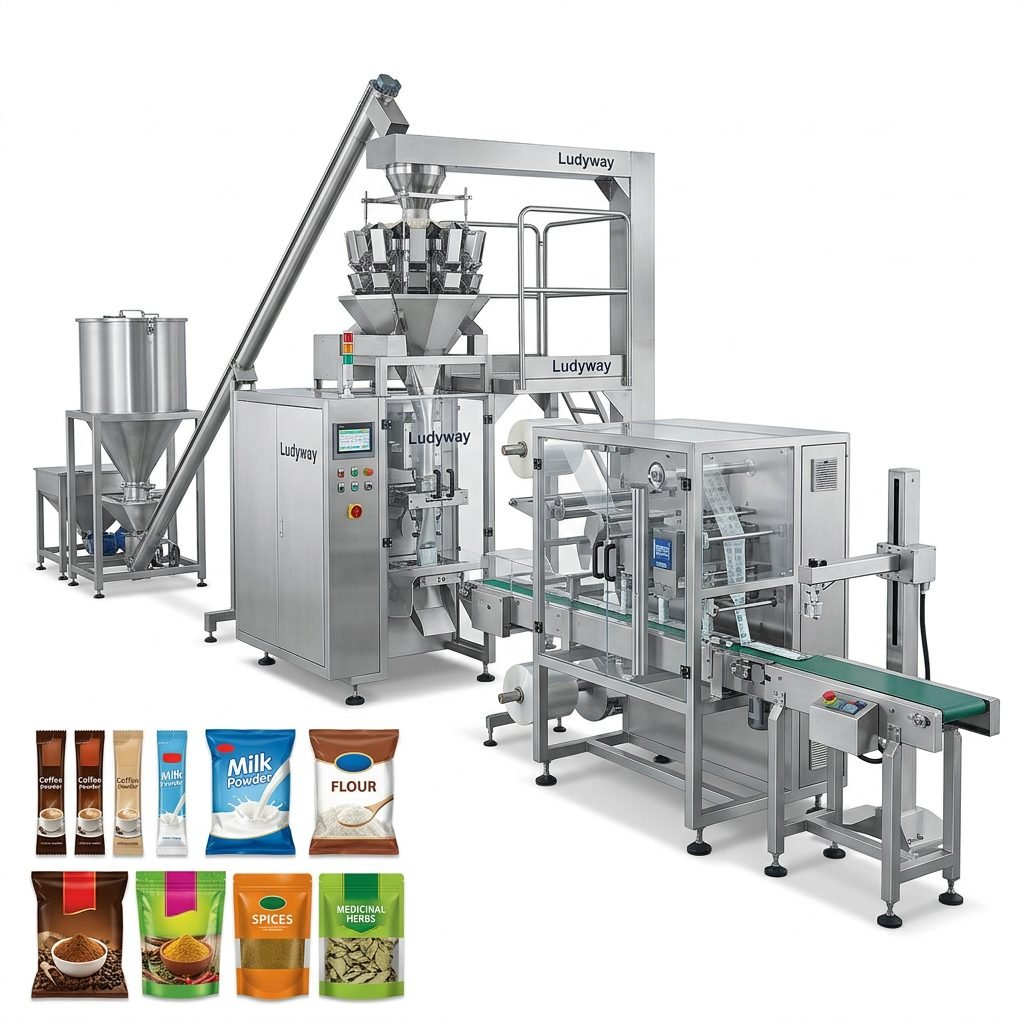
- Integrated turnkey lines: Complete systems connecting baking, cooling, feeding, packaging, cartoning, and palletizing. Designed for 24/7 high-output operations.
For manufacturers integrating packaging into existing production lines, compatibility with upstream and downstream equipment is essential. Packaging line integration should consider conveyor heights, communication protocols, and overall line control architecture.
Hygiene, Safety, and Regulatory Compliance
Food packaging equipment must meet stringent hygiene and safety standards. Depending on your target markets, your biscuit packaging machine may need to comply with:
- FDA regulations for food contact materials and packaging processes in the U.S. market — refer to FDA food packaging requirements.
- EU regulations including the European Packaging and Packaging Waste Regulation.
- ISO standards such as those under ISO packaging standards for quality management and food safety.
- CE marking for machinery sold in the European Economic Area.
Machine construction should feature stainless steel food-contact surfaces, easy-clean designs, and washdown-compatible electrical components where necessary. Dust control is particularly important in biscuit packaging, as crumbs and particulates can accumulate and affect machine performance.
Customization and Engineering Support
Packaging requirements vary significantly between manufacturers. Product characteristics, packaging materials, bag sizes, production speeds, and factory layouts all influence the appropriate equipment configuration. For this reason, working with a supplier that offers customized packaging machinery and engineering solutions can be more effective than relying solely on standardized machines.
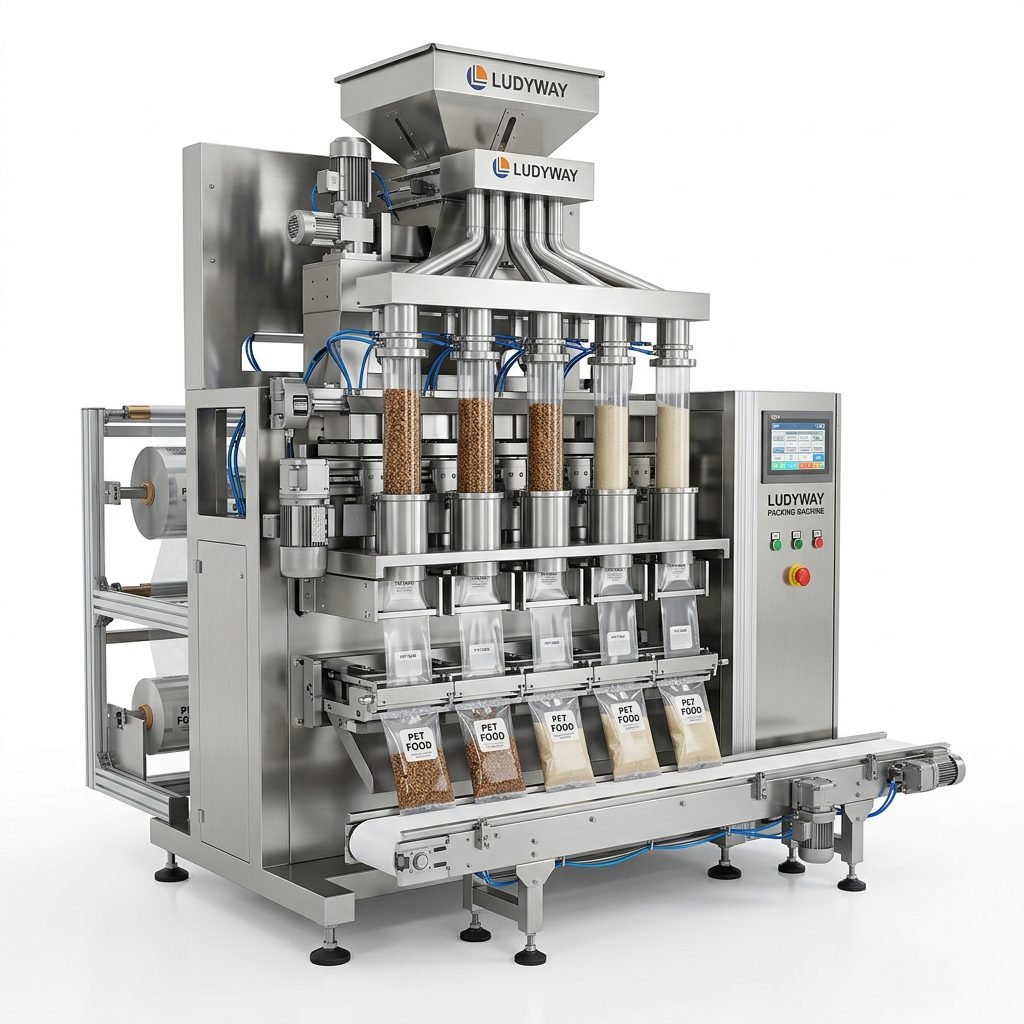
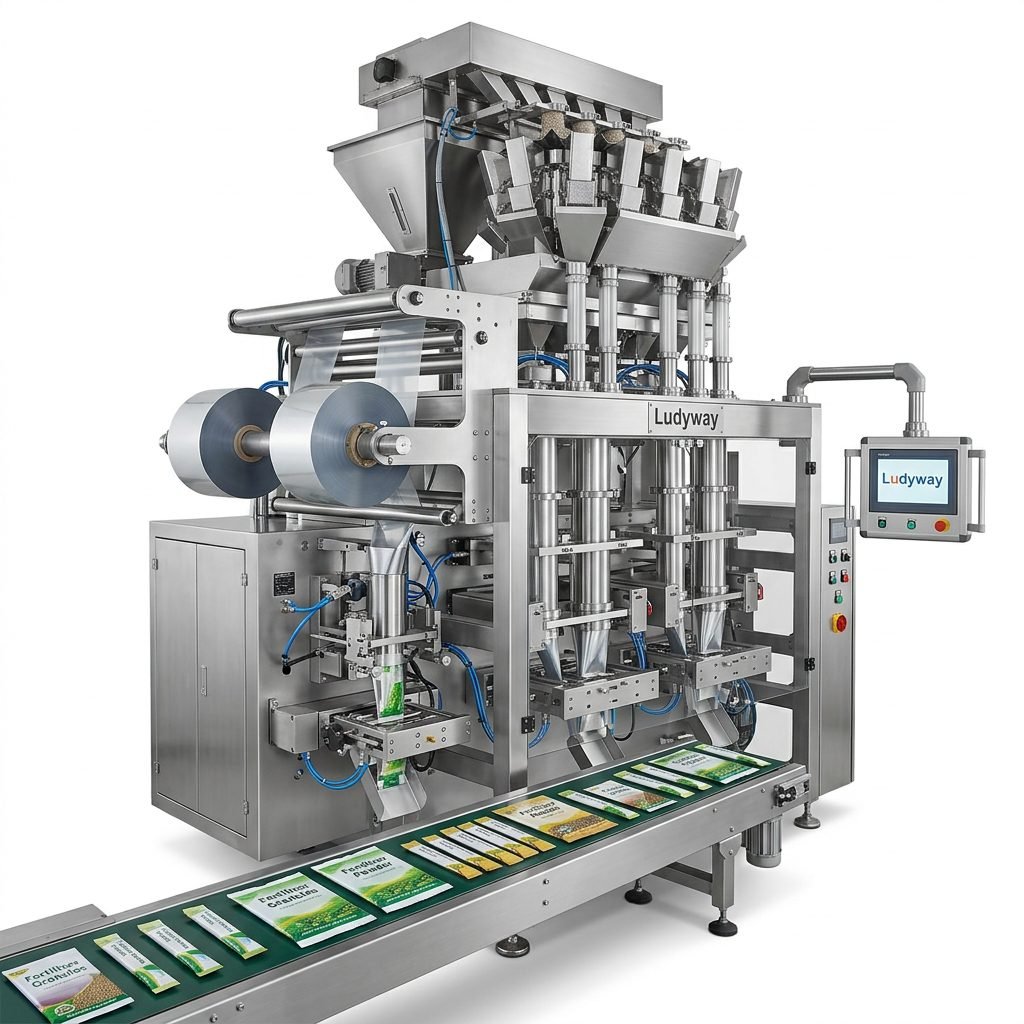
A technically capable packaging machinery partner such as Ludyway Machinery can evaluate your specific product and packaging requirements and recommend an appropriate machine configuration or complete packaging line. This customized approach is particularly valuable for manufacturers looking to increase production capacity, automate manual processes, or introduce new packaging formats.
Evaluating Total Cost of Ownership
The purchase price of a biscuit packaging machine is only one component of its total cost of ownership (TCO). A comprehensive cost analysis should include:
- Initial investment: Machine cost, installation, commissioning, and training.
- Operating costs: Energy consumption, packaging material usage and waste rates.
- Maintenance expenses: Preventive maintenance schedules, spare parts availability, and expected component lifespan.
- Labor requirements: Number of operators needed per shift and their skill levels.
- Downtime costs: Reliability track record and the financial impact of unplanned stoppages.
- Changeover efficiency: Time and material lost during product or format changes.
While lower-priced machines may appear attractive initially, higher-quality equipment typically delivers better long-term value through reduced downtime, lower maintenance costs, and more consistent packaging quality.
Supplier Evaluation Criteria
Choosing the right machine also means choosing the right supplier. Evaluate potential partners on these criteria:
- Industry experience: Look for suppliers with specific expertise in biscuit and snack packaging applications.
- Technical support: Assess the availability of installation, commissioning, operator training, and after-sales service.
- Spare parts availability: Confirm that critical spare parts are readily available to minimize potential downtime.
- Global service capability: For international operations, ensure the supplier can provide support in your region.
- References and case studies: Request examples of similar installations and speak with existing customers about their experience.
- Compliance documentation: Verify that the supplier can provide necessary certifications for your target markets.

Future-Proofing Your Investment
Packaging trends evolve rapidly. When selecting a biscuit packaging machine, consider features that enable future adaptability:
- Modular design: Machines with modular components can be upgraded or reconfigured as needs change.
- Multi-format capability: Equipment that handles multiple packaging styles reduces the need for additional machinery.
- Smart technology readiness: Look for IoT connectivity, data collection capabilities, and compatibility with Industry 4.0 initiatives.
- Sustainability features: Machines optimized for recyclable or compostable packaging materials position you for evolving environmental regulations.
Staying informed about industry developments through resources such as the PMMI State of the Industry report and Flexible Packaging Association industry data helps ensure your packaging strategy remains competitive.
Making the Final Decision
Selecting the right biscuit packaging machine requires balancing multiple factors: product characteristics, production volume, packaging format, automation needs, regulatory compliance, and budget. The most successful equipment purchases result from thorough planning, clear specification of requirements, and partnership with an experienced packaging machinery supplier.
By systematically evaluating each of the factors outlined in this guide, you can confidently invest in a biscuit packaging solution that delivers reliable performance, protects your product quality, and supports your business growth for years to come. Whether you are upgrading existing equipment or establishing a new packaging line, taking a methodical approach to machine selection is the foundation of packaging success.