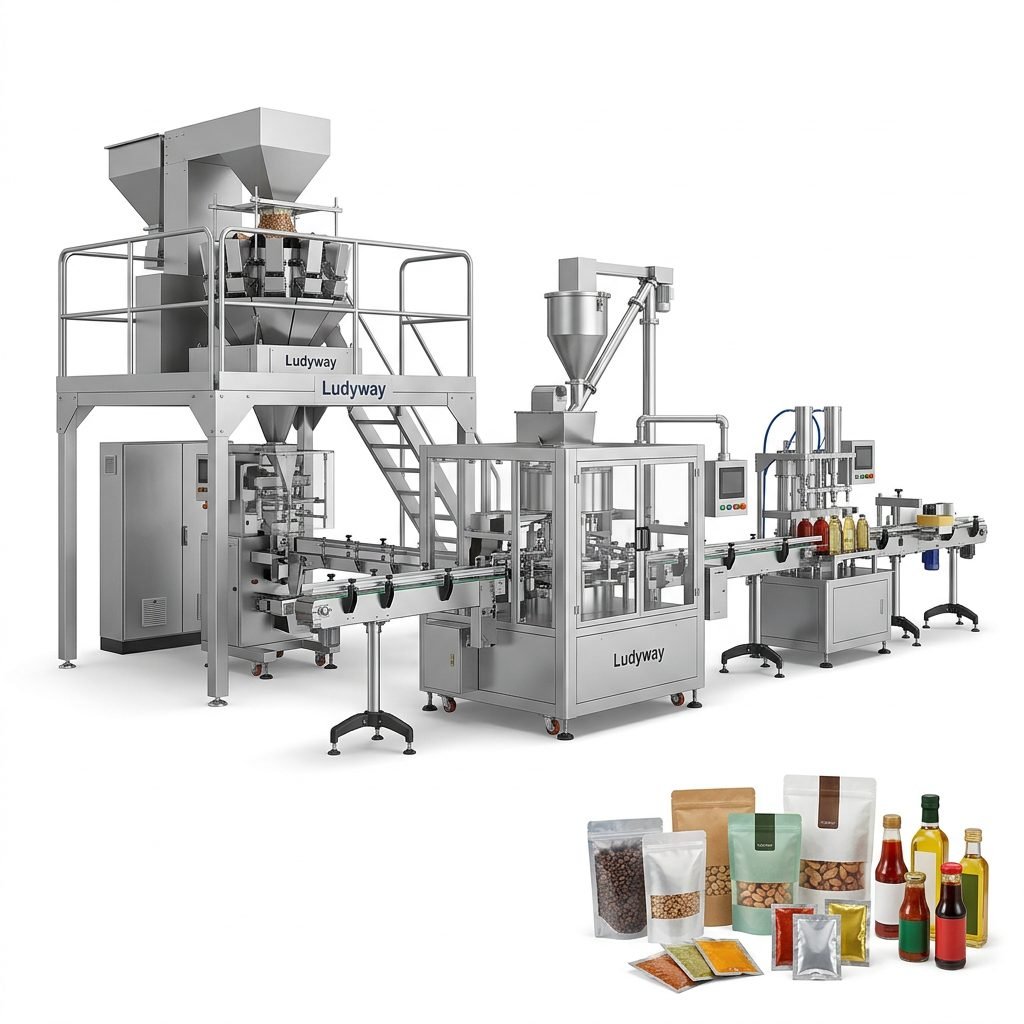
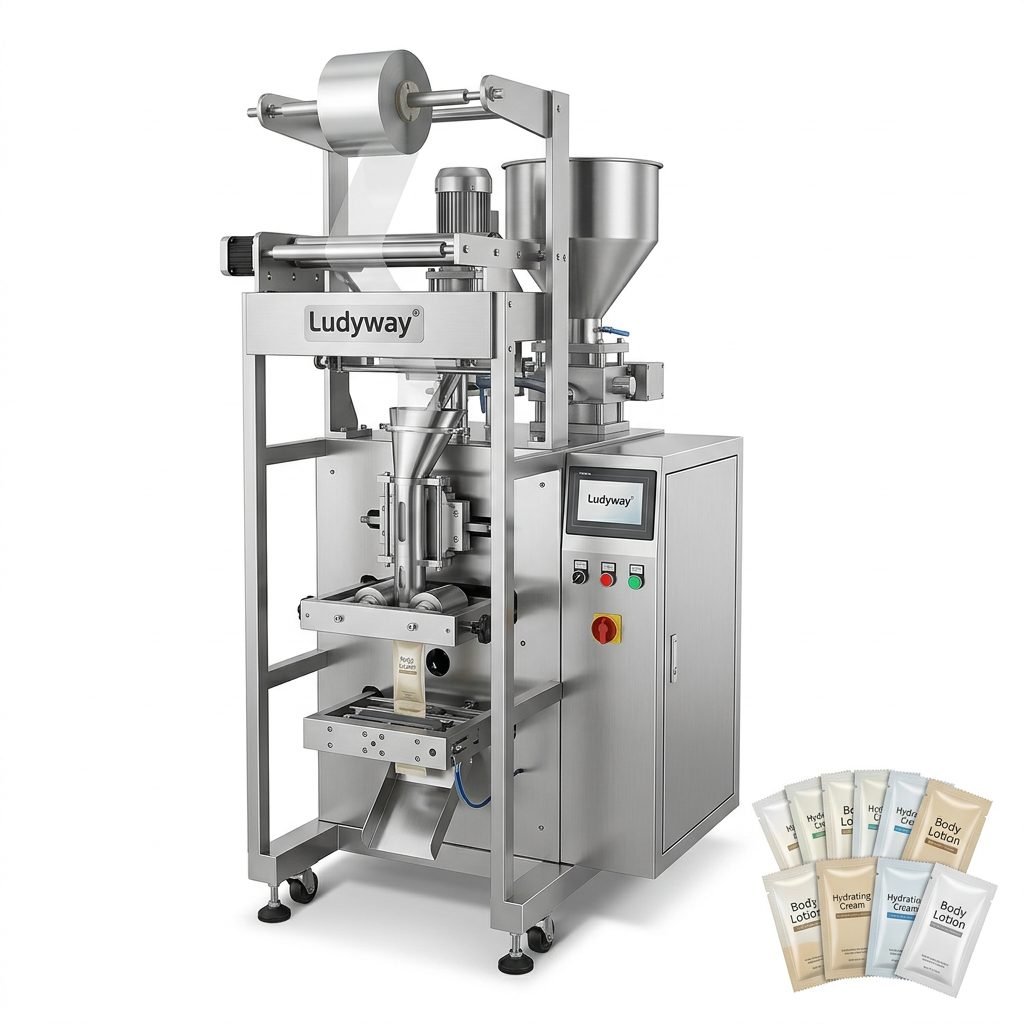
Selecting the right bread packaging machine is one of the most critical equipment decisions a bakery or food manufacturer will make. The wrong choice can lead to production bottlenecks, excessive film waste, product damage, and higher operational costs. Whether you produce soft sandwich loaves, crusty artisan bread, bagels, or specialty baked goods, the packaging system must match your product characteristics, throughput requirements, and shelf-life targets. This comprehensive guide walks you through the key factors to evaluate before investing in a bread packaging solution.
Understanding Your Bread Type and Packaging Requirements
Different bread products demand fundamentally different packaging approaches. Soft bread products like sandwich loaves and hot dog buns require gentle handling and modified atmosphere packaging (MAP) to maintain freshness. Crusty artisan breads need packaging that preserves the crust while protecting the product from moisture. Frozen bread products have entirely different material and sealing requirements. Before contacting suppliers, clearly define:
- Product dimensions and weight range — length, width, height, and weight variations across your product line
- Production speed requirements — current and projected output in loaves or packs per minute
- Shelf-life expectations — ambient, refrigerated, or frozen distribution channels
- Packaging format — pillow bags, gusseted bags, flow wrap, or pre-made bag applications
- Product fragility — how much compression or handling your bread can withstand without deformation
Key Technical Specifications to Evaluate
Once you have defined your basic requirements, the next step is examining the technical specifications that separate reliable, high-performance machines from underperforming equipment. Below is a comparative overview of typical specifications across different machine categories.
| Specification | Entry-Level Flow Wrapper | Mid-Range Automatic System | High-Speed Turnkey Line |
|---|---|---|---|
| Speed Range | 20–50 packs/min | 60–120 packs/min | 150+ packs/min |
| Bag Formats | Pillow bag, basic gusset | Pillow, gusseted, block bottom | Full range including resealable |
| Automation Level | Semi-automatic feed | Automatic infeed, basic integration | Full line integration with upstream/downstream |
| Changeover Time | 15–30 minutes | 10–20 minutes | 5–15 minutes with servo-driven adjustment |
| Gas Flushing (MAP) | Optional | Integrated | Advanced multi-gas mixing |
Speed and Output Capacity
Production speed directly impacts your line efficiency and labor costs. When evaluating speed ratings, look beyond the maximum theoretical speed stated in brochures. Ask suppliers for demonstrated sustainable speeds with your actual product and packaging material. Many bakeries find that real-world throughput runs 15–25% below published maximums due to product variability, material differences, and operator factors. Plan your capacity with a minimum 20% headroom above current peak demand to accommodate growth and seasonal spikes.
Bag Styles and Sealing Technologies
Modern bread packaging machines support a wide variety of bag configurations. Pillow bags remain the most common for standard sliced bread, while gusseted bags provide better shelf presentation for artisan products. Block bottom bags offer excellent stand-up display capability. The sealing system is equally important — rotary heat sealers work well for high-speed applications, while stationary sealers may be adequate for lower-volume operations. For extended shelf-life products, flexible packaging with barrier properties combined with proper sealing technology ensures product integrity throughout distribution.
Packaging Material Compatibility
The interaction between your packaging machine and film material can make or break your packaging operation. Not all machines handle all film types equally well. Polypropylene (PP), polyethylene (PE), laminated structures, and biodegradable films each have different sealing characteristics, shrink properties, and tension requirements. Key considerations include:
- Film gauge range — thinner films reduce material cost but require more precise tension control
- Heat sealing parameters — temperature, dwell time, and pressure must be adjustable for different film types
- Sustainability goals — if you plan to transition to recyclable or compostable films, verify machine compatibility now
- Print registration — registered printed film capability for branded packaging with eye marks
According to PMMI packaging industry research, material compatibility testing should be a mandatory step before finalizing any packaging machine purchase. Request film trials with your specific materials and product samples.
Automation Level and Production Line Integration
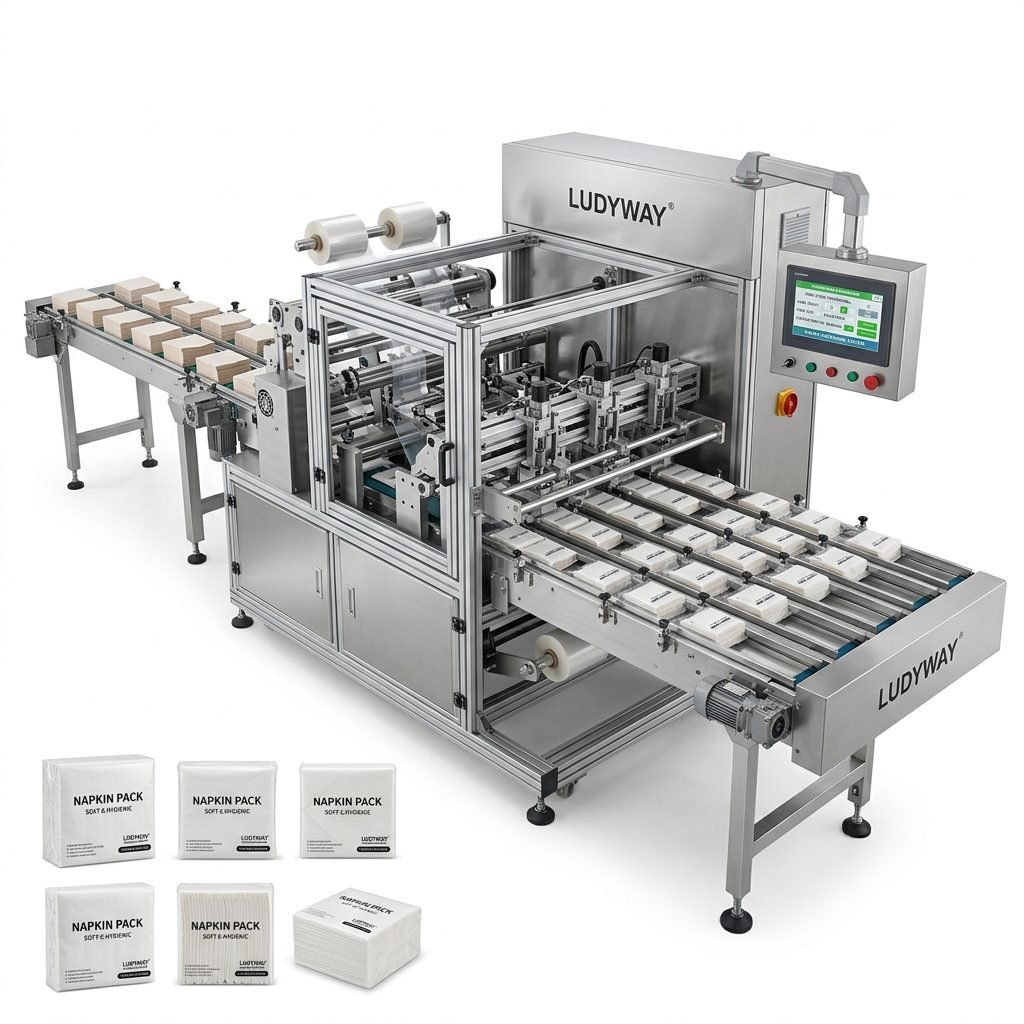
The degree of automation you choose affects everything from labor requirements to product consistency. Semi-automatic machines require manual product loading but automate the wrapping and sealing process — suitable for bakeries producing 5,000–15,000 units per day. Fully automatic inline systems integrate with upstream slicers and downstream checkweighers, metal detectors, and case packers for hands-free operation at higher volumes.
Upstream and Downstream Integration
A bread packaging machine rarely operates in isolation. Consider how the equipment will connect with:
- Automatic bread slicers and baggers
- Twist-tie or clip-closure applicators
- Checkweighers and FDA-compliant metal detection systems
- Date coding and labeling equipment
- Case packing and palletizing systems
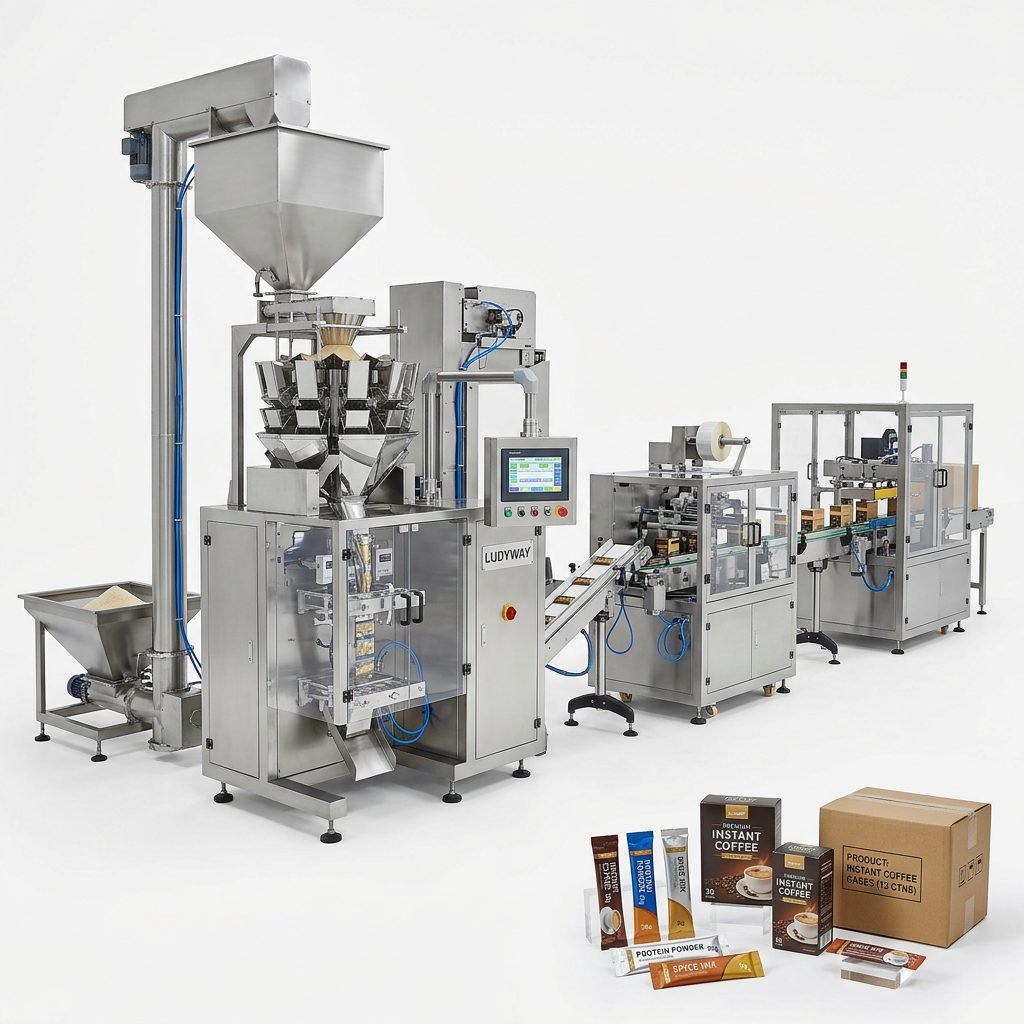
Budget Considerations and Return on Investment
Bread packaging machinery represents a significant capital investment. Entry-level flow wrappers may start at $25,000–$50,000, while fully automated high-speed lines with MAP capability can range from $150,000 to over $500,000 depending on configuration. Look beyond the purchase price to calculate total cost of ownership (TCO), which includes:
- Installation and commissioning costs
- Operator training requirements
- Spare parts inventory and maintenance contracts
- Film waste rates (well-tuned machines should achieve below 1.5% material waste)
- Energy consumption and utility requirements
- Expected service life and depreciation schedule
A properly specified machine typically delivers full ROI within 18–36 months through labor reduction, faster throughput, reduced film waste, and fewer product rejects. For bakeries transitioning from manual or semi-automatic packaging, the labor savings alone often justify the investment.
Evaluating Packaging Machine Suppliers
Choosing the right equipment partner is as important as choosing the right machine. Established manufacturers with decades of experience bring engineering expertise, reliable supply chains, and proven after-sales support to your project. When evaluating suppliers, prioritize those who offer comprehensive pre-sales technical consultation, not just equipment catalogs.
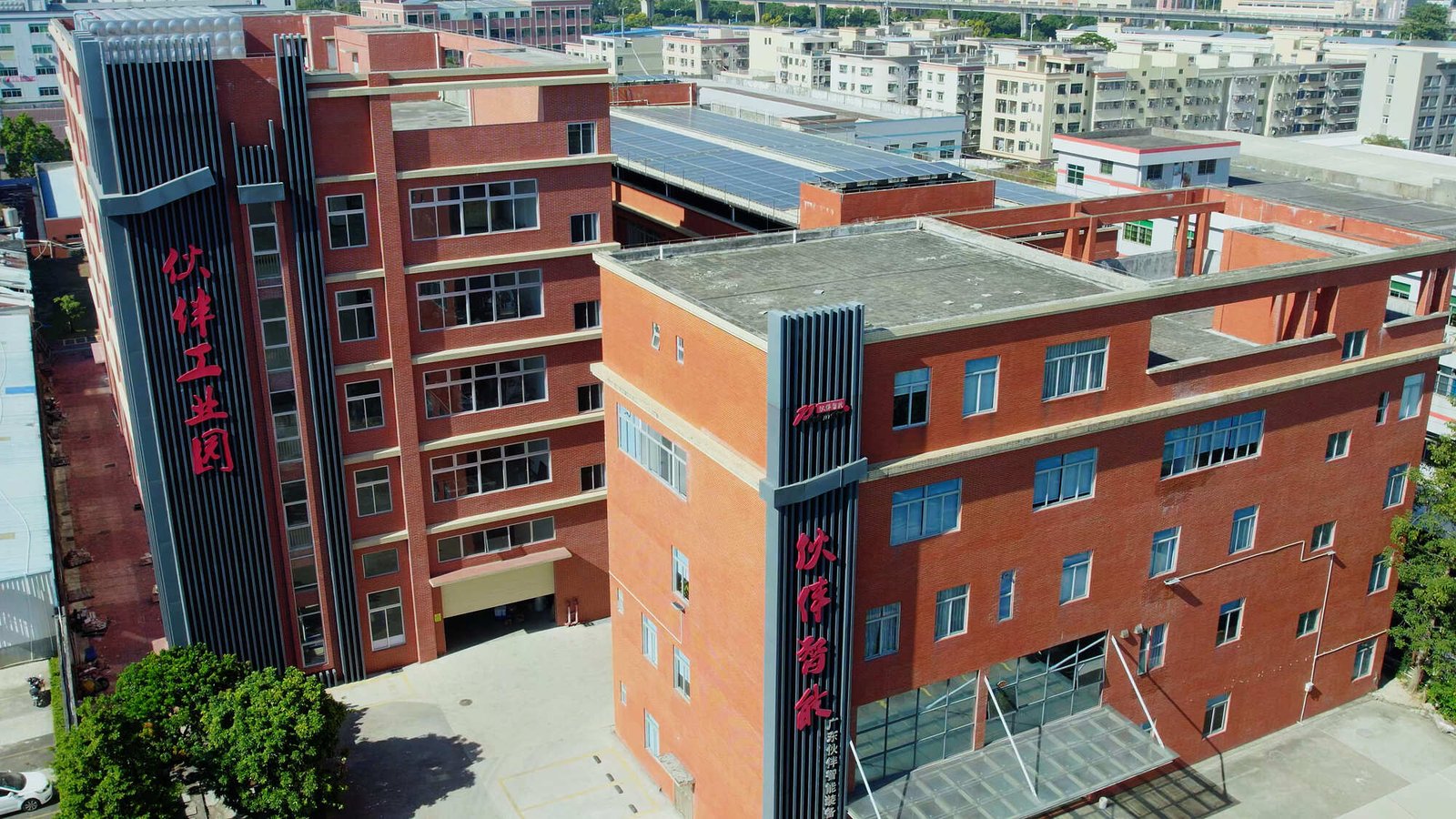
A qualified supplier should provide detailed specification sheets, packaging machinery standards compliance documentation, and references from similar applications. Look for manufacturers with in-house engineering and manufacturing capabilities rather than trading companies that outsource production. For example, Ludyway Machinery, a China-based packaging machinery manufacturer with over 30 years of industry experience and a 20,000-square-meter manufacturing facility, provides turnkey packaging solutions across more than 100 countries — demonstrating the type of established manufacturing presence and global service capability that buyers should look for when making long-term equipment investments.
Factory Acceptance Testing and Commissioning
Before shipment, insist on a Factory Acceptance Test (FAT) using your actual products and packaging materials whenever possible. This step identifies potential issues before the machine leaves the factory floor. On-site commissioning and operator training should be included in your purchase agreement, along with a detailed acceptance protocol defining performance criteria such as speed, seal integrity, and waste rates.

Maintenance, Spare Parts, and After-Sales Support
Even the best-designed packaging machines require regular maintenance and occasional repairs. Downtime costs in bakeries can exceed $500–$1,000 per hour when packaging lines stop. Before purchasing, confirm:
- Spare parts availability — how quickly can critical components be shipped to your location?
- Remote technical support — does the supplier offer video-assisted troubleshooting?
- Preventive maintenance schedules — what are the recommended service intervals for key components?
- Local service presence — are there trained technicians in your region?
- Warranty terms — what is covered and for how long?
Food Safety and Regulatory Compliance
Bread packaging equipment must comply with applicable food safety regulations in your target markets. Machines should be constructed with food-grade stainless steel contact surfaces, hygienic design principles that prevent product accumulation, and easy-access configurations for cleaning and sanitation. FDA packaging and food contact substance requirements provide essential guidance for the U.S. market, while European buyers should verify compliance with relevant EU regulations. Additionally, look for IP-rated electrical enclosures suitable for washdown environments if your sanitation protocols include wet cleaning.
Making the Final Decision
After narrowing your options, the final selection should balance technical capability, supplier reliability, and total value — not just the lowest purchase price. Request detailed proposals from shortlisted suppliers that include complete machine specifications, scope of supply, delivery timelines, installation and training plans, and after-sales service commitments. Where possible, visit reference installations or arrange virtual factory tours to see the equipment in operation.
The right bread packaging machine becomes a long-term production asset that grows with your business. By systematically evaluating your product requirements, technical specifications, supplier qualifications, and total cost of ownership, you can make a confident investment that improves packaging quality, reduces operational costs, and positions your bakery for sustained growth in an increasingly competitive market.