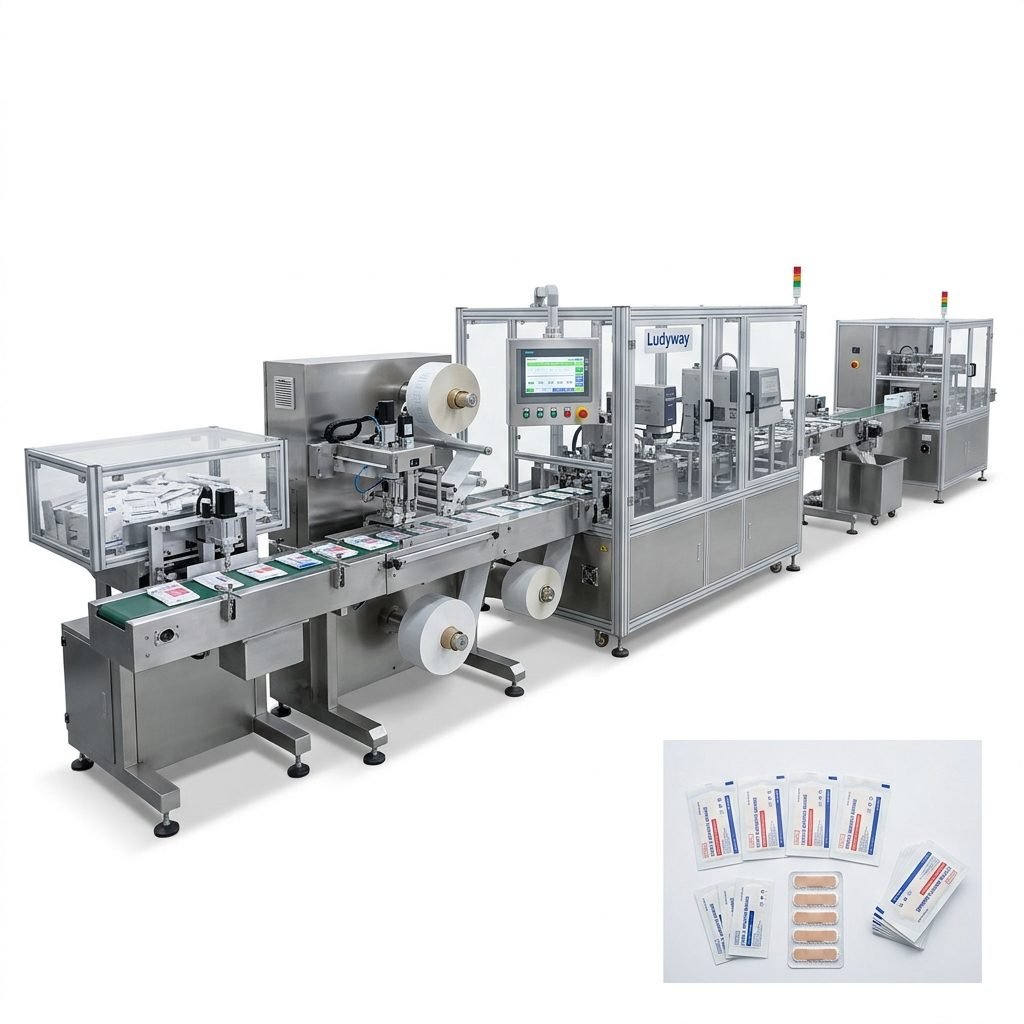
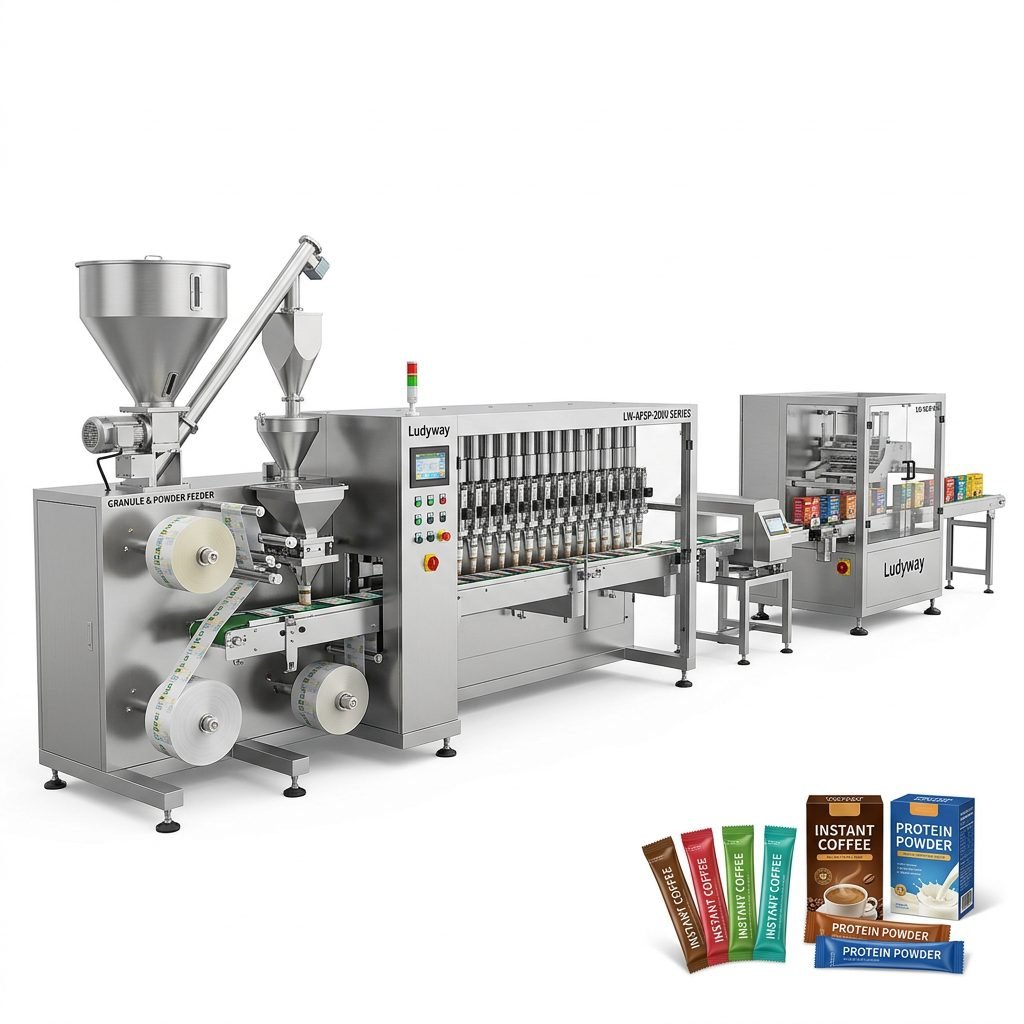
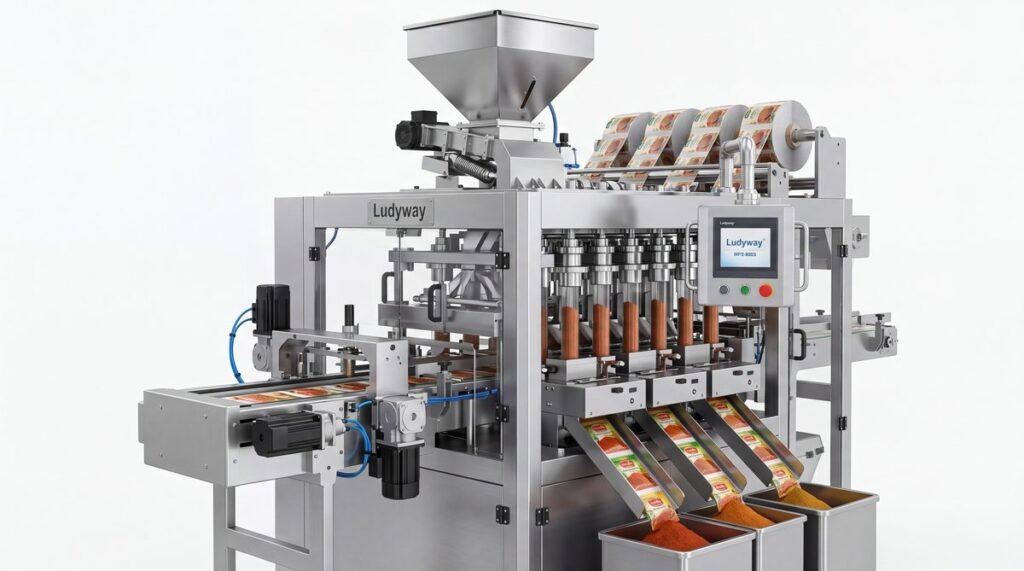
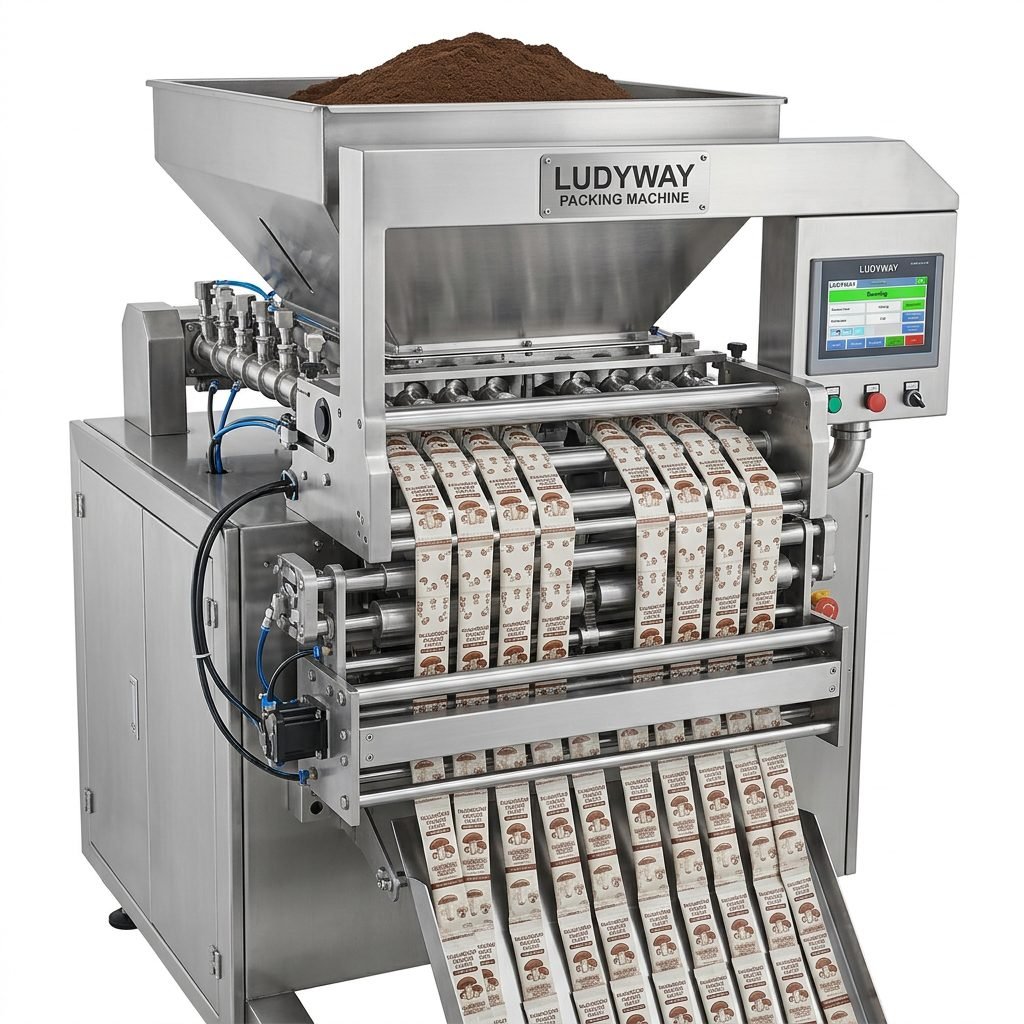
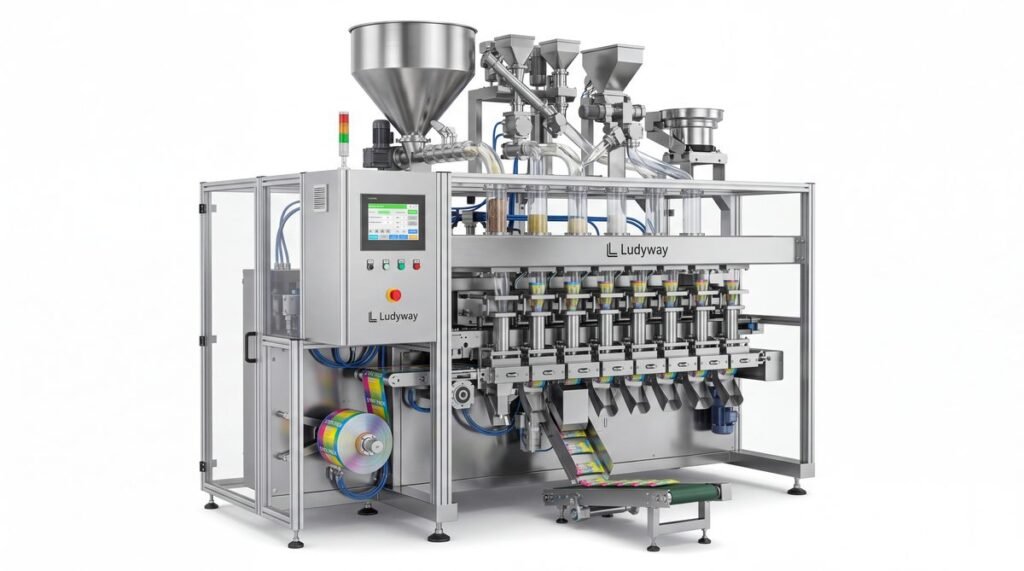
Investing in a vacuum seal packaging machine is a strategic decision that directly impacts product shelf life, operational efficiency, and brand integrity. Whether you are packaging food, pharmaceuticals, electronics, or industrial components, selecting the right equipment requires a thorough understanding of your product characteristics, production goals, and long-term operational needs. This guide walks you through the essential factors to consider before making your purchase.
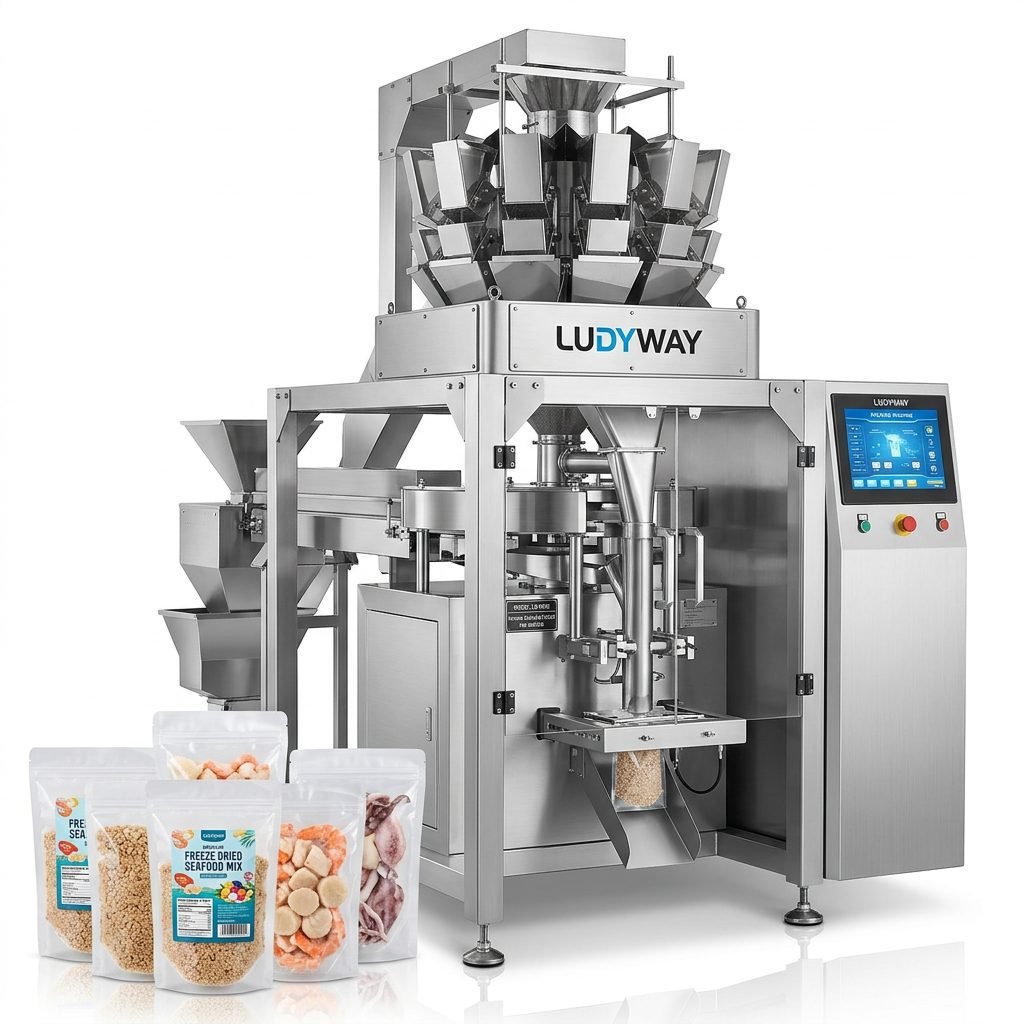
Understanding Vacuum Seal Packaging Technology
Vacuum sealing removes air from the package prior to sealing, creating an oxygen-depleted environment that slows spoilage, prevents oxidation, and protects against moisture and contaminants. Modern vacuum packaging machines range from compact tabletop units for small-scale operations to fully automated industrial systems capable of handling thousands of packages per hour. The technology has evolved significantly, with advanced models offering gas flushing (MAP), soft-air options for delicate items, and precision digital controls that ensure consistent seal quality across production runs.
According to the PMMI packaging machinery market research, the global demand for vacuum packaging equipment continues to grow as manufacturers seek to extend product freshness and streamline their packaging operations.
Key Factors to Evaluate Before Buying
1. Product Characteristics and Packaging Requirements
Your product’s physical properties will largely determine which vacuum sealing machine is suitable. Consider the following:
- Product form: Is your product solid, granular, powdered, liquid, or a combination? Liquids require specialized vacuum chambers or nozzle-style machines to prevent spillage during the air extraction process.
- Product fragility: Delicate items like freeze-dried fruits, baked goods, or electronic components need soft-air or gentle vacuum modes that prevent crushing while still achieving proper seal integrity.
- Moisture and oil content: Products with high fat or moisture content may require machines with stronger seals and specialized sealing bars to handle the residue that can interfere with the sealing process.
- Bag or pouch type: Are you using pre-made pouches, roll stock film, or rigid trays? Different machines accommodate different packaging formats, from flat pouches and stand-up bags to thermoformed trays.
2. Production Volume and Speed Requirements
Matching machine capacity to your production needs is critical. A chamber vacuum sealer that handles 3-5 cycles per minute may suffice for a small food business, but a high-speed automatic vacuum packaging line capable of 30-80 packages per minute is essential for large-scale manufacturing. Calculate your current throughput requirements and factor in projected growth over the next 3-5 years to avoid outgrowing your equipment prematurely.

3. Machine Type: Chamber vs. External Nozzle vs. Thermoforming
| Machine Type | Best For | Speed Range | Key Advantages |
|---|---|---|---|
| Chamber Vacuum Sealers | Solids, powders, liquids in pouches | 3-8 cycles/min | High vacuum level, handles liquids well, versatile |
| External Nozzle Sealers | Dry solids, textiles, industrial parts | 5-15 cycles/min | Lower cost, compact footprint, easy maintenance |
| Thermoforming Vacuum Lines | High-volume food, pharma, consumer goods | 10-30+ cycles/min | Fully automated, forms-fills-seals in one line, high output |
| Rotary Vacuum Systems | Ultra-high-speed food and pharma production | 40-100+ cycles/min | Continuous operation, maximum throughput, advanced automation |
4. Vacuum Pump Quality and Performance
The vacuum pump is the heart of any vacuum packaging system. Oil-lubricated rotary vane pumps deliver higher vacuum levels and longer service life for industrial applications, while dry-running pumps require less maintenance and are preferred in cleanroom or food-grade environments where oil contamination must be avoided. Vacuum level is typically measured in millibars (mbar); most food packaging applications require between 1-10 mbar, while pharmaceutical and electronic packaging may demand ultra-high vacuum levels below 1 mbar. Refer to ISO packaging standards for guidance on appropriate vacuum specifications for your industry.
Industry-Specific Considerations
- Food and Beverage: Machines must meet FDA food packaging regulations with food-grade materials, easy-clean surfaces, and often HACCP-compliant design. Modified atmosphere packaging (MAP) capability is highly desirable for extending shelf life of fresh products.
- Pharmaceuticals and Medical Devices: Validation-ready machines with 21 CFR Part 11 compliance for electronic records, sterile packaging capabilities, and full process traceability are essential. Seal integrity testing and documentation features are non-negotiable.
- Electronics and Components: ESD-safe configurations and moisture-barrier packaging are critical. Vacuum sealing with desiccant integration helps protect sensitive electronic components during storage and transit.
- Industrial and Chemical Products: Machines must handle heavy bags, abrasive materials, and potentially corrosive substances. Durable construction with stainless steel or coated components is recommended.
Automation and Integration Capabilities
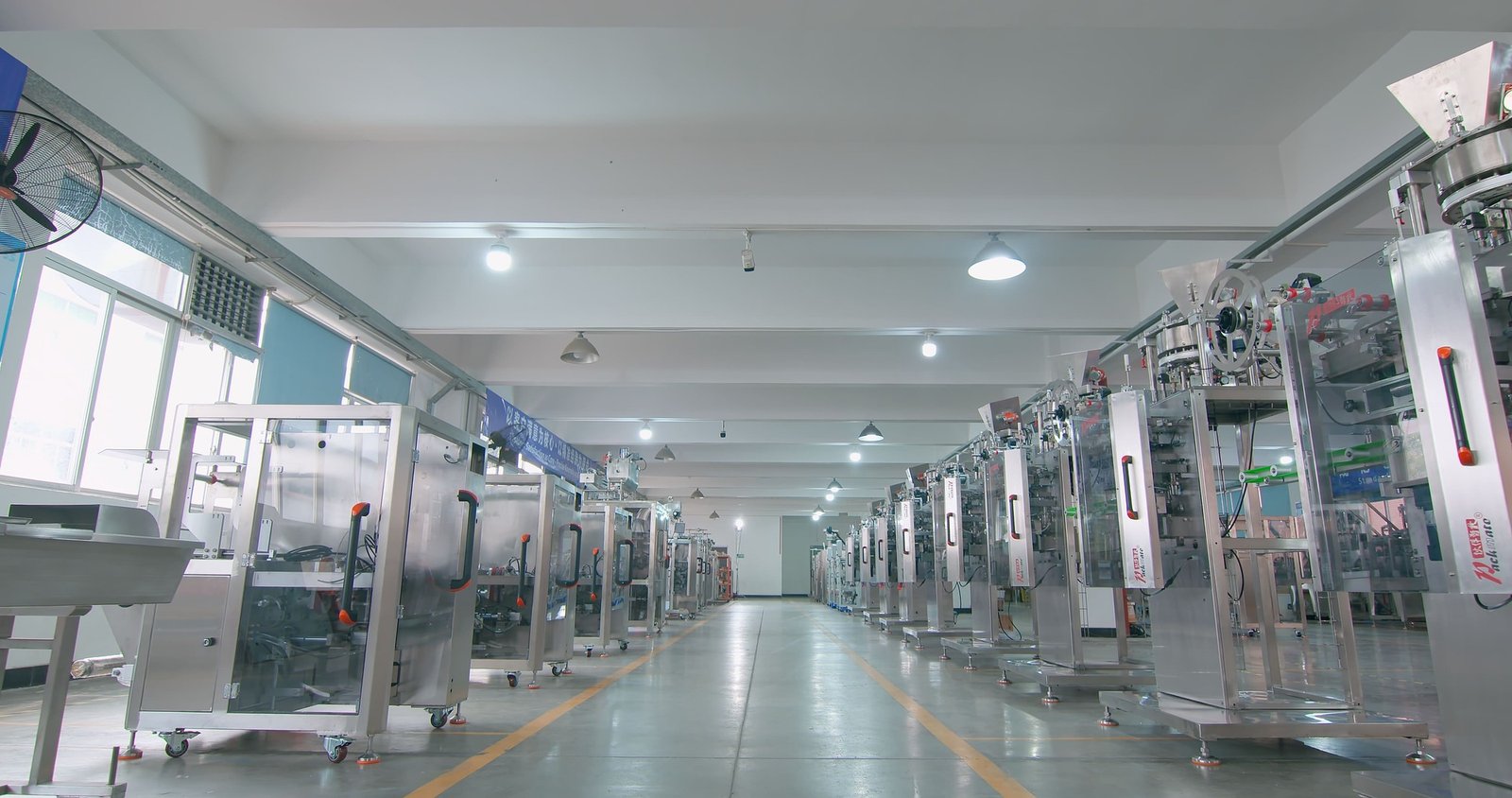
Modern vacuum seal packaging machines can be integrated into broader production ecosystems. Evaluate whether you need standalone equipment or a complete turnkey solution that connects upstream filling systems, checkweighers, labelers, metal detectors, and downstream cartoning or palletizing equipment. Key automation features to look for include:
- PLC-controlled interfaces with recipe storage for quick product changeovers
- Servo-driven sealing and cutting mechanisms for precise, repeatable results
- Automatic film tension control and registration for consistent package appearance
- Integration-ready communication protocols for Industry 4.0 environments
- Remote diagnostics and real-time production monitoring capabilities
For detailed insights on packaging line integration strategies, the PMMI packaging industry resources provide valuable technical references and best practices.
Seal Quality and Material Compatibility
Not all vacuum packaging films are created equal. Your machine must be compatible with the specific film types and thicknesses you plan to use — from standard PA/PE co-extruded films to high-barrier EVOH or aluminum-laminate structures. Verify that the sealing bar temperature range, dwell time adjustment, and pressure settings can accommodate your chosen materials. Consistent seal integrity is the single most important quality metric; even a small percentage of seal failures can lead to product spoilage, returns, and brand damage.
Budget, Total Cost of Ownership, and ROI
The purchase price is just the starting point. A comprehensive cost analysis should account for:
- Initial equipment cost: Entry-level chamber sealers may start under $2,000, while fully automated industrial systems can exceed $100,000.
- Installation and commissioning: Factor in site preparation, utilities, and technician time.
- Consumables: Packaging film, vacuum pump oil, sealing gaskets, and replacement parts.
- Maintenance and service: Preventive maintenance schedules, spare parts availability, and service response times.
- Energy consumption: High-power pumps and heating elements contribute to ongoing operational costs.
- Training: Operator training to maximize machine utilization and minimize downtime.
Calculate your expected return on investment by comparing labor savings, reduced product waste, extended shelf life benefits, and increased throughput against the total cost of ownership over a 5-7 year period.

After-Sales Support and Spare Parts Availability
A vacuum seal packaging machine is a long-term investment, and the quality of after-sales support directly affects your operational uptime. Before committing to a supplier, verify the following:
- Local service presence: Does the manufacturer have service technicians or authorized partners in your region?
- Spare parts inventory: How quickly can critical spare parts be shipped? Are common wear items stocked locally?
- Technical documentation: Are comprehensive manuals, wiring diagrams, and troubleshooting guides available in your preferred language?
- Training programs: Does the supplier offer on-site or remote operator and maintenance training?
- Warranty terms: Understand what is covered, for how long, and any exclusions or conditions that apply.

Choosing a Reliable Packaging Machinery Partner
Beyond the machine specifications, the manufacturer you choose plays a pivotal role in the success of your packaging operations. Look for a partner with proven industry experience, engineering capabilities, and a track record of delivering customized solutions. Companies like Ludyway Machinery, a China-based packaging machinery manufacturer with more than 30 years of experience and a 20,000-square-meter manufacturing facility, offer integrated packaging systems and turnkey solutions that span from individual machines to complete automated production lines. When evaluating potential suppliers, request references from customers in your industry, visit manufacturing facilities when possible, and assess their ability to support your growth over the long term. The Flexible Packaging Association’s industry resources also provide helpful guidance on selecting packaging technology partners.
Key Specifications Checklist
| Specification Category | What to Verify | Importance Level |
|---|---|---|
| Vacuum Level | Achievable mbar range and consistency | Critical |
| Seal Bar Dimensions | Length, width, single or double seal | Critical |
| Cycle Speed | Actual cycles per minute at required vacuum level | High |
| Construction Material | Stainless steel grade, food-grade compliance | High |
| Control System | PLC brand, interface language, recipe storage | Medium-High |
| Gas Flush / MAP | Availability, gas mixing precision | Application-Dependent |
| Power Requirements | Voltage, phase, amperage, compressed air needs | Medium |
Final Decision Framework
Before finalizing your purchase, run through this decision framework to ensure alignment with your business objectives:
- Define your must-have requirements versus nice-to-have features based on your product, volume, and quality standards.
- Request product demonstrations using your actual packaging materials and products whenever possible.
- Compare at least three suppliers on technical specifications, total cost of ownership, service capabilities, and customer references.
- Validate compliance with relevant industry regulations and ISO packaging and distribution standards applicable to your market.
- Negotiate a comprehensive service agreement that includes preventive maintenance, emergency support, and spare parts provisions.
Selecting the right vacuum seal packaging machine is a decision that pays dividends in product quality, operational efficiency, and customer satisfaction for years to come. By systematically evaluating your needs across all the dimensions covered in this guide — from product characteristics and production volume to automation, service support, and total cost of ownership — you position your business for sustainable growth and competitive advantage in the marketplace.