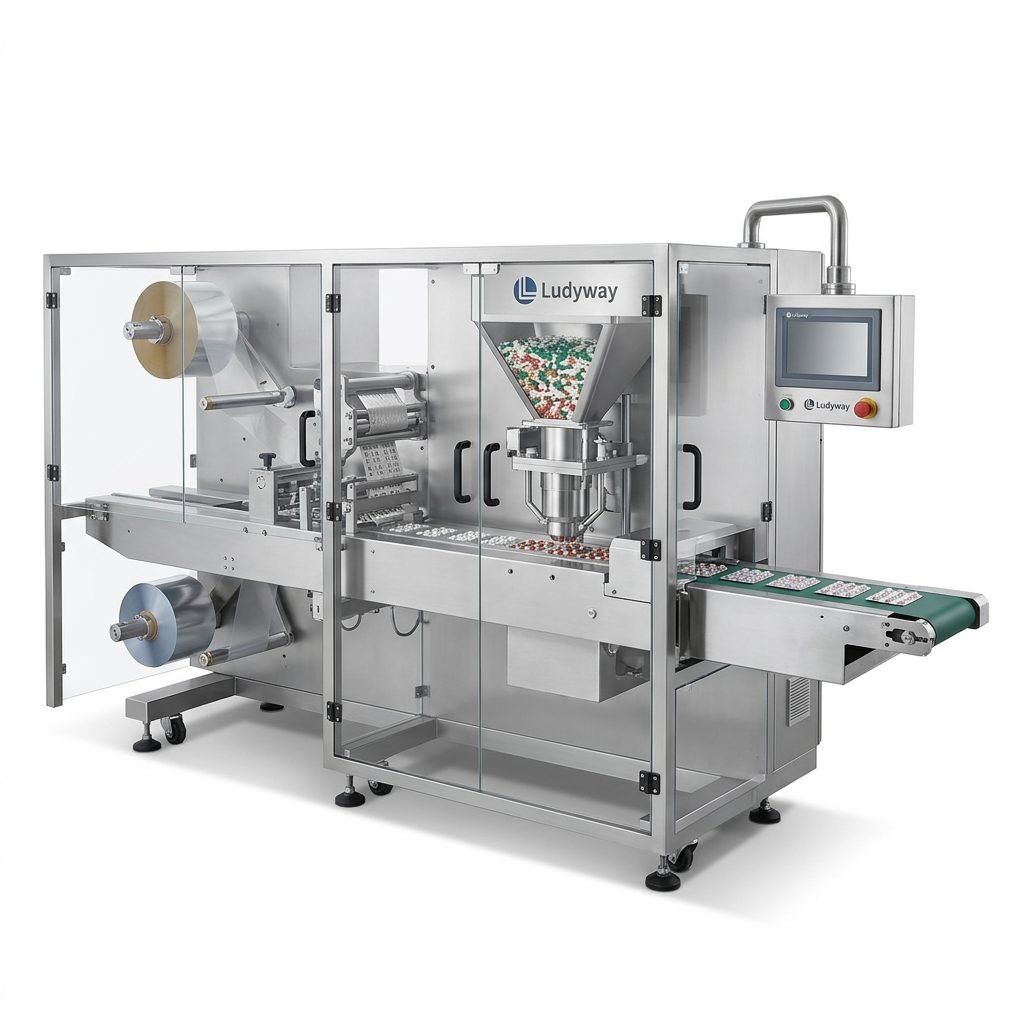
Selecting the right animal feed packaging machine is one of the most critical equipment decisions a feed manufacturer will make. The wrong choice can lead to inconsistent fill weights, packaging material waste, production bottlenecks, and costly downtime. Whether you produce pellets, crumbles, mash, or extruded feed for poultry, livestock, aquaculture, or companion animals, your packaging system directly affects product quality, shelf life, and profitability.
This guide walks you through the essential factors to evaluate before investing in feed packaging equipment, from machine type and throughput to material compatibility and long-term service support. For deeper industry data, resources from the Association for Packaging and Processing Technologies (PMMI) offer valuable market intelligence and packaging machinery market research that can help inform your decision.
Understanding Your Feed Product Characteristics
Before comparing machine specifications, start with a thorough analysis of your product. Feed materials vary widely in particle size, density, flowability, moisture content, and abrasiveness. A machine that handles dense cattle pellets efficiently may struggle with fluffy, low-density alfalfa meal or sticky molasses-based feed.
Key Product Variables to Document
- Particle size distribution – from fine powders (under 100 microns) to large pellets (over 10 mm)
- Bulk density – typically ranging from 0.3 to 0.8 g/cm³ for most feed types
- Flow characteristics – free-flowing, cohesive, bridging, or flushing behavior
- Moisture content – affects weight consistency and sealing integrity
- Fat or oil content – higher levels can cause slippage in volumetric fillers
- Temperature at packaging – hot-filled feed may require cooling before sealing
- Abrasiveness – mineral-rich feeds accelerate wear on contact surfaces
Accurately characterizing these properties helps your packaging equipment supplier recommend the right dosing technology—whether gravimetric (weigh-based) or volumetric (volume-based)—and the appropriate materials for product contact parts. According to flexible packaging industry data, material incompatibility remains one of the leading causes of packaging line inefficiency.
Choosing the Right Packaging Format for Your Market
Feed products reach customers in a wide range of packaging formats, and your machine selection must align with your target market segments. Different formats require fundamentally different bag-making, filling, and sealing mechanisms.
| Packaging Format | Common Feed Applications | Typical Weight Range | Recommended Machine Type |
|---|---|---|---|
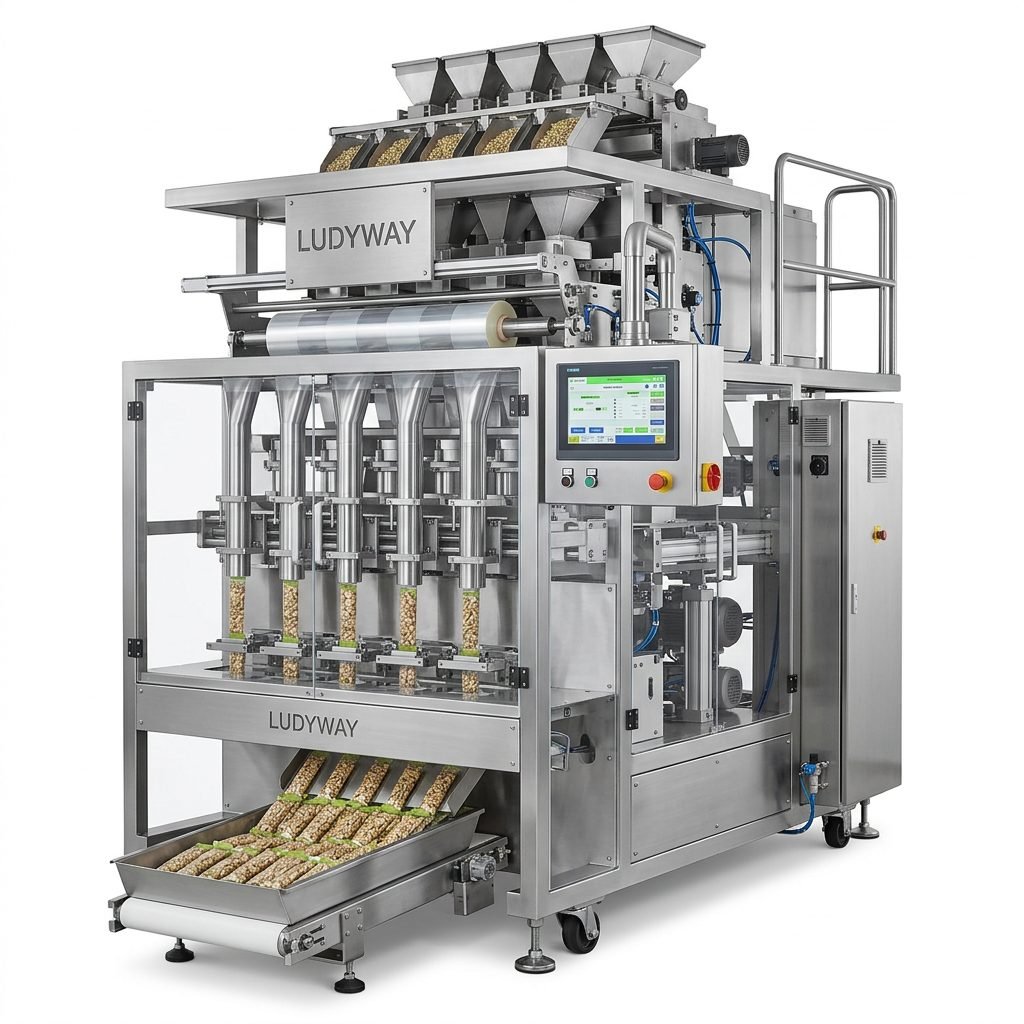
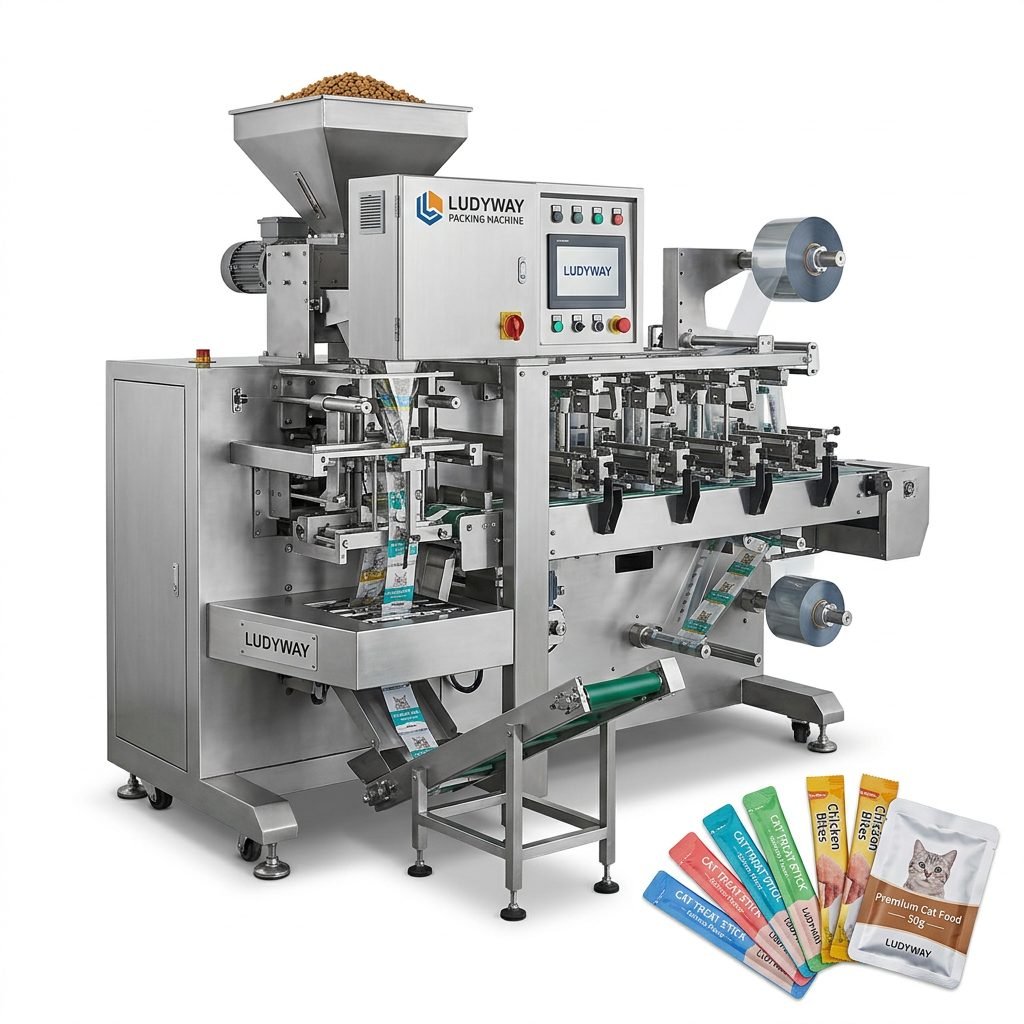
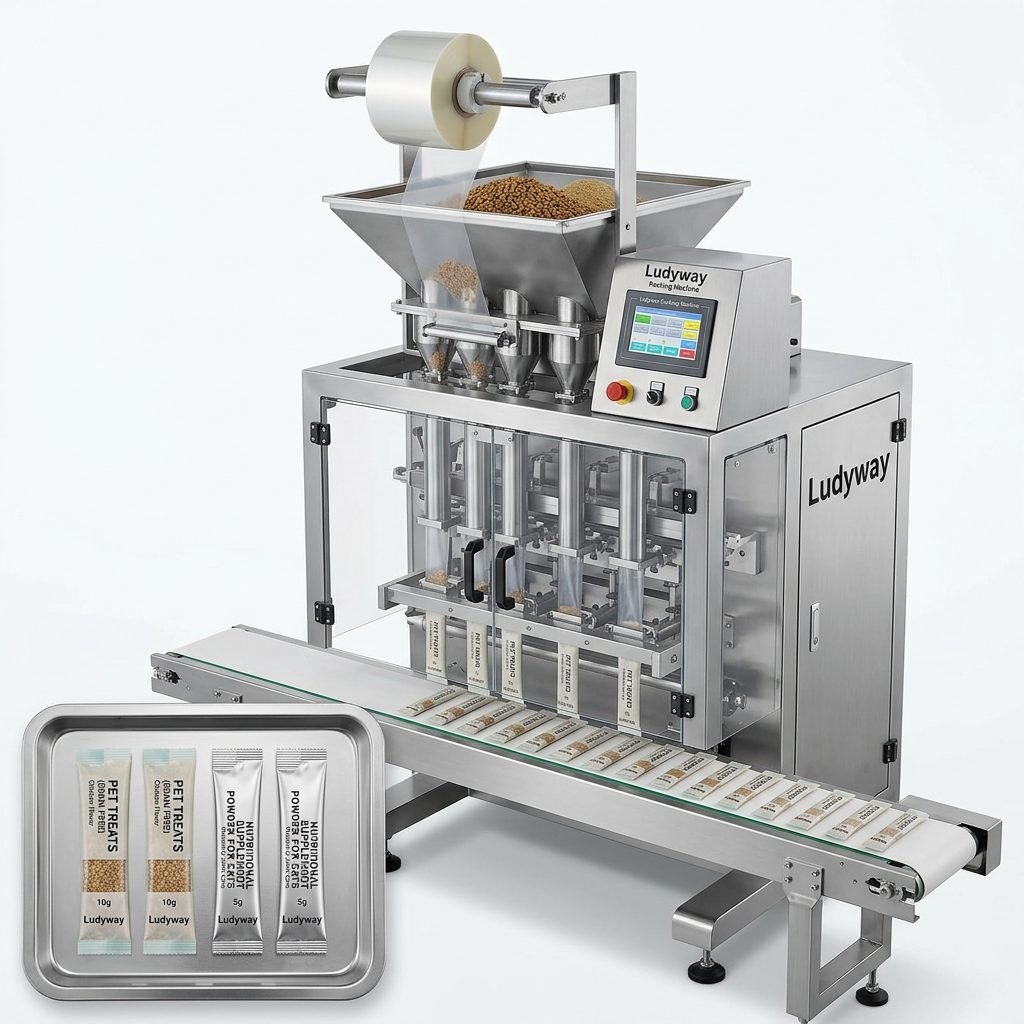
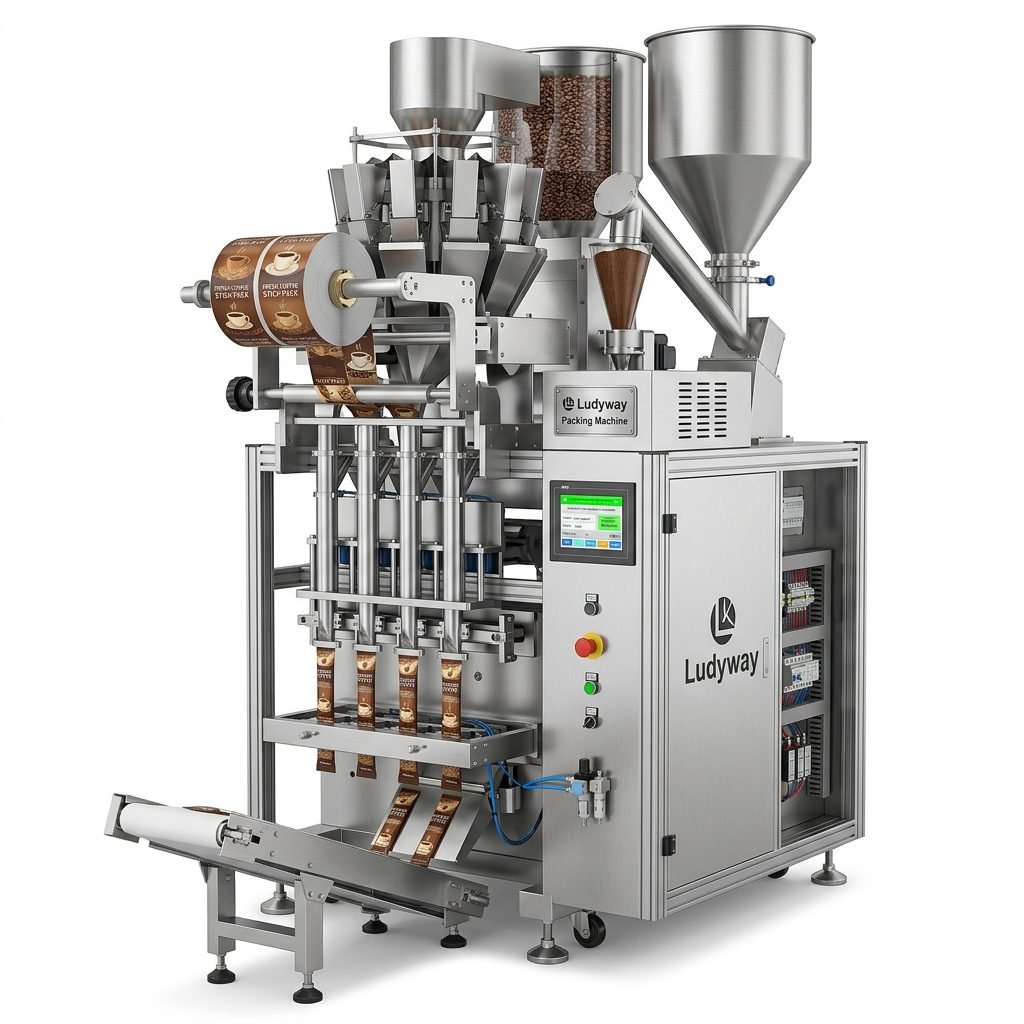
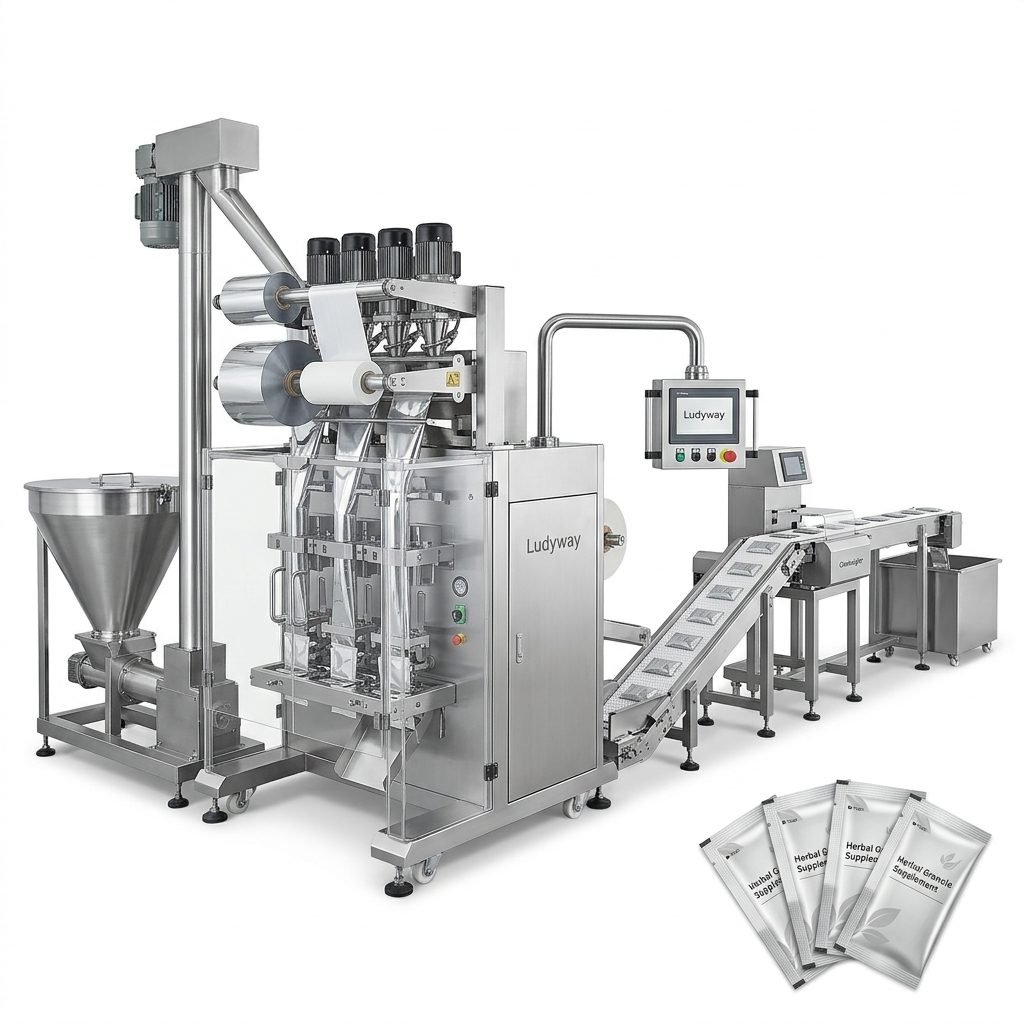
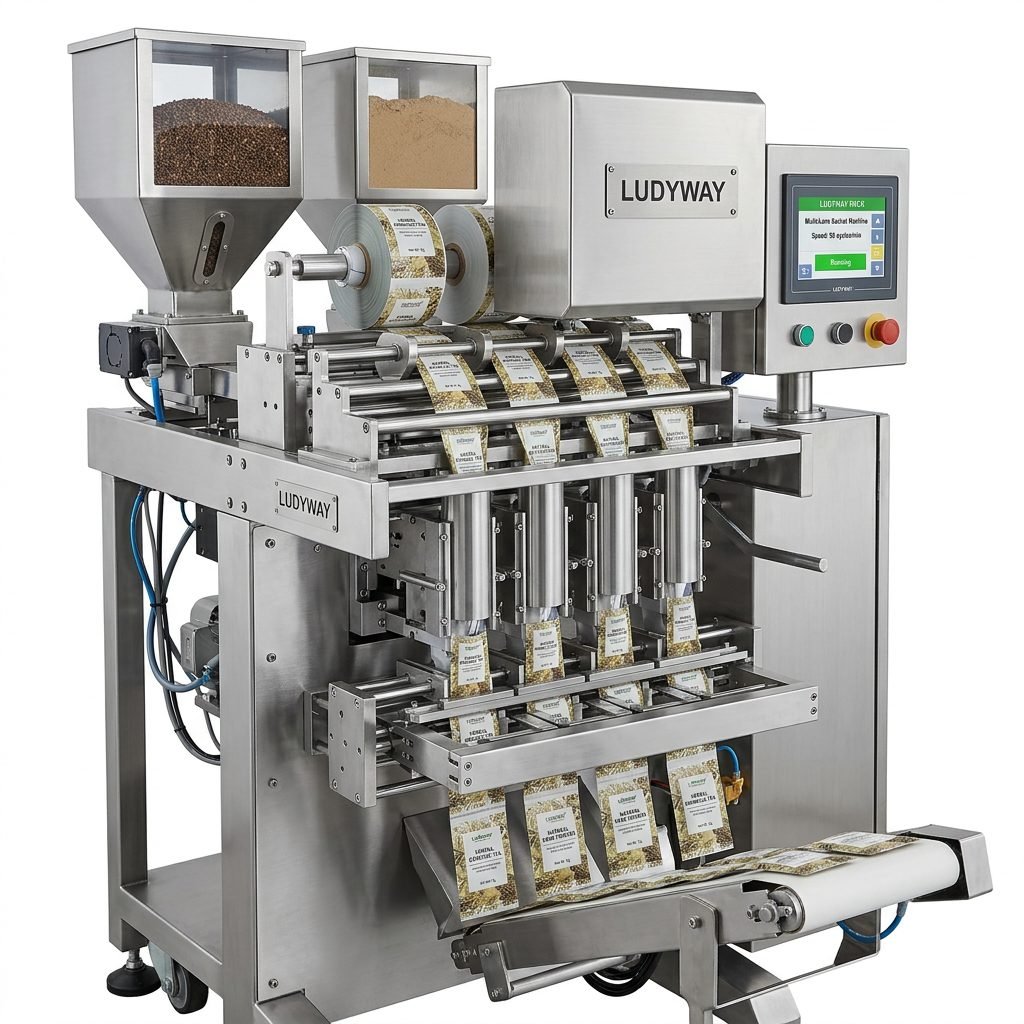
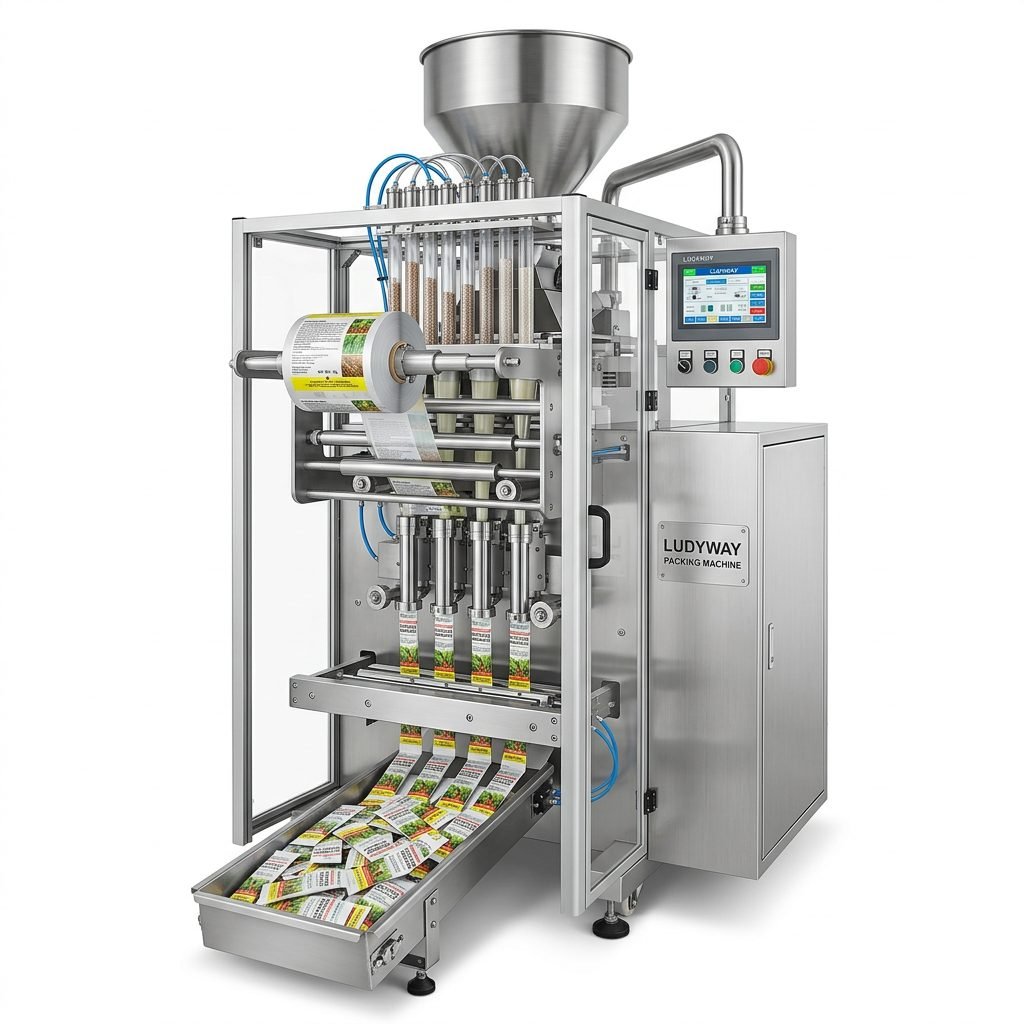
| Small sachets / stick packs | Pet supplements, specialty bird feed, aquafeed samples | 1 g – 100 g | Multi-lane stick pack machine |
| Pre-made pouches | Premium pet food, equine supplements | 200 g – 5 kg | Rotary or inline pouch filler |
| Pillow bags (VFFS) | Poultry feed, aquafeed, small animal feed | 500 g – 10 kg | Vertical form fill seal (VFFS) machine |
| Open-mouth bags | Livestock feed, bulk poultry feed | 10 kg – 50 kg | Open-mouth bagger with net weigh scale |
| Jumbo / FIBC bags | Bulk feed ingredients, premixes, additives | 100 kg – 1,500 kg | Big bag filling station |
Weighing and Dosing Technology: Gravimetric vs. Volumetric
Feed packaging accuracy affects both regulatory compliance and your bottom line. Overfilling by just 1% on a production line running 20 bags per minute can cost tens of thousands of dollars annually in product give-away. The two primary dosing technologies each have distinct advantages depending on your application.
Gravimetric (Weigh-Based) Systems
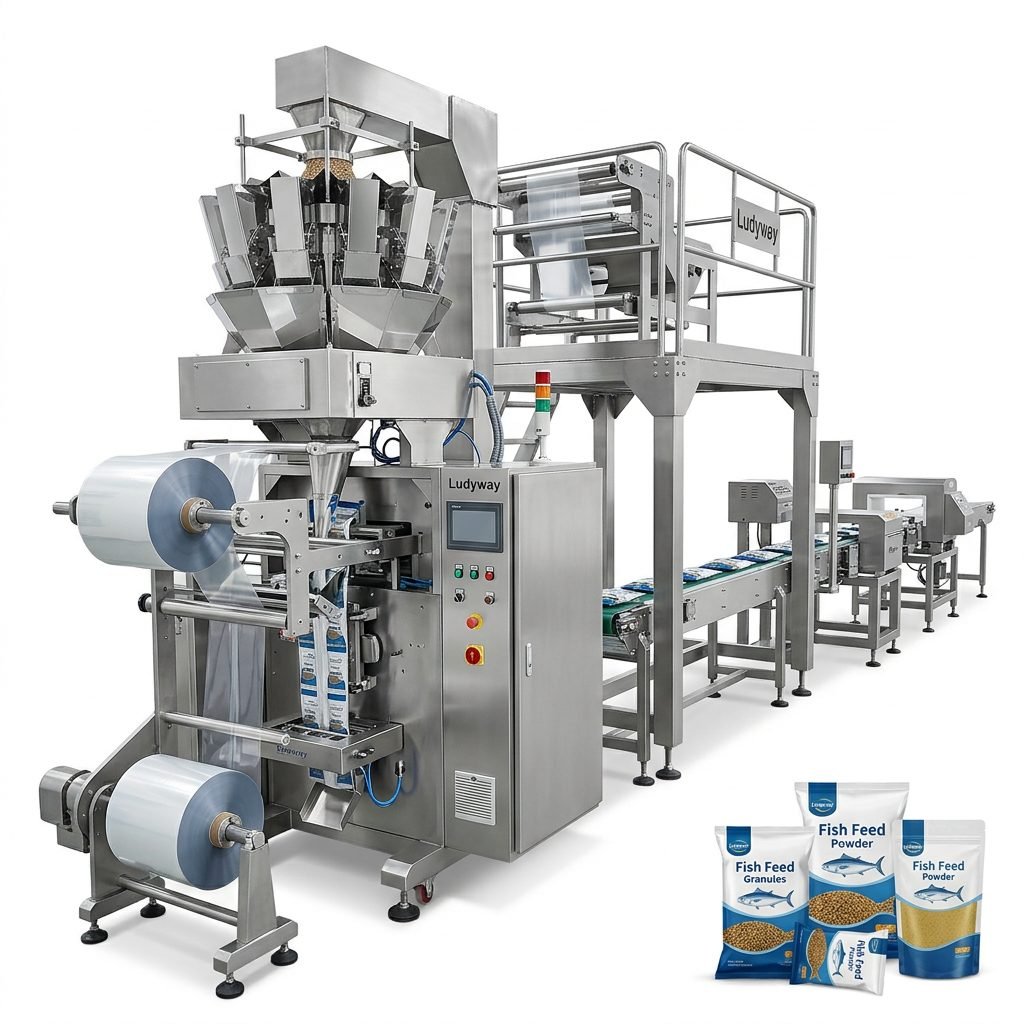
Gravimetric fillers use load cells to measure product weight during filling and are the preferred choice for most commercial feed operations. Net weigh scales weigh product in a separate weigh bucket before discharging into the bag, delivering typical accuracies of ±0.1% to ±0.5%. Gross weigh systems fill directly into the bag placed on a scale platform and work well for larger bag formats. Multi-head weighers combine speed and precision, making them ideal for free-flowing pellets and granules at high throughput.
Volumetric (Volume-Based) Systems
Volumetric fillers dispense product by volume—using augers, cups, or pistons—and are generally simpler and less expensive than gravimetric alternatives. They work adequately for uniform, free-flowing materials with consistent density. However, they require frequent recalibration when bulk density shifts, which can happen with changes in raw material sourcing, moisture content, or ambient humidity.
Recommendation: For most feed manufacturers targeting sell-by-weight products, gravimetric systems offer better long-term cost control despite higher initial investment.
Production Speed and Automation Level
Throughput requirements directly determine machine configuration. A small specialty feed producer packaging 5 bags per minute for local distribution has fundamentally different needs than a high-volume commercial mill running 30+ bags per minute across multiple shifts.
When evaluating speed, consider not just the rated maximum speed of the filler, but the sustainable operating speed across your full product range. A machine rated at 25 bags per minute with free-flowing pellets may drop to 12–15 bags per minute with powders or sticky feed blends.
Automation Considerations Across Production Scales
- Semi-automatic systems – Operator places bags, initiates fill cycle; suitable for lower volumes, multiple product changeovers, or developing markets with lower labor costs.
- Fully automatic baggers – Automatic bag pickup, opening, filling, and transfer to closing; ideal for consistent, higher-volume production with fewer changeovers.
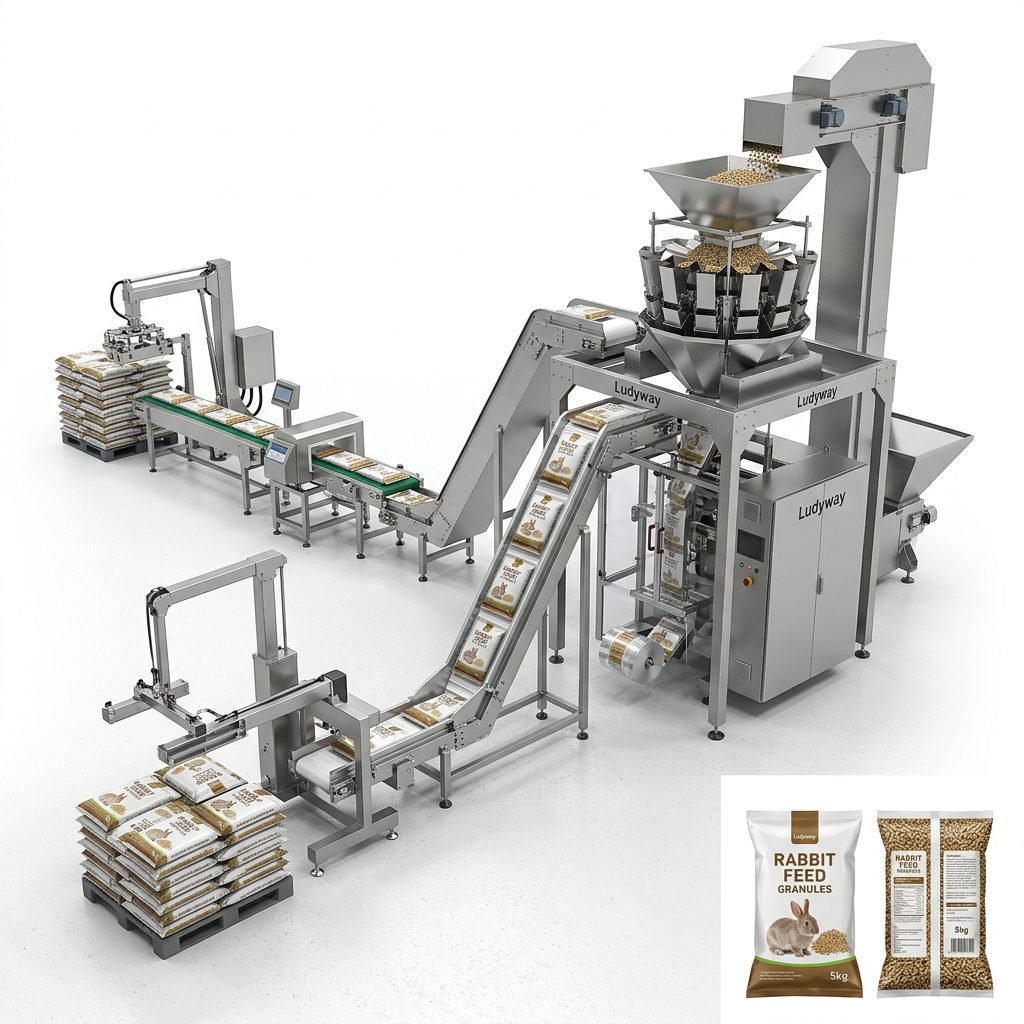
- Integrated packaging lines – Combine automatic bagging with conveying, checkweighing, metal detection, bag closing, coding, and palletizing in one coordinated system. State of the industry reports show that integrated lines continue to gain adoption as manufacturers seek to reduce labor dependency.
Packaging Material Compatibility and Sealing Technology
Feed packaging materials must protect against moisture ingress, oxygen exposure, pest infestation, and physical damage during transport and storage. Common materials for feed bags include woven polypropylene (WPP), laminated WPP, multi-wall paper, polyethylene (PE), and multi-layer barrier films for high-fat or moisture-sensitive products.
Your machine’s sealing system must be matched to your packaging material. Heat sealing is standard for thermoplastic materials and laminates. Sewing closure with crepe tape remains common for multi-wall paper and woven polypropylene bags in bulk feed applications. Ultrasonic sealing offers advantages for certain laminated structures, particularly where product dust contamination of the seal area is a concern.
Critical tip: Always test your specific feed product with your intended packaging material on the exact machine model you are considering. Seal integrity testing under simulated distribution conditions—including drop tests and humidity chamber exposure—can reveal issues that specification sheets alone cannot predict.
Machine Construction and Durability for Feed Environments
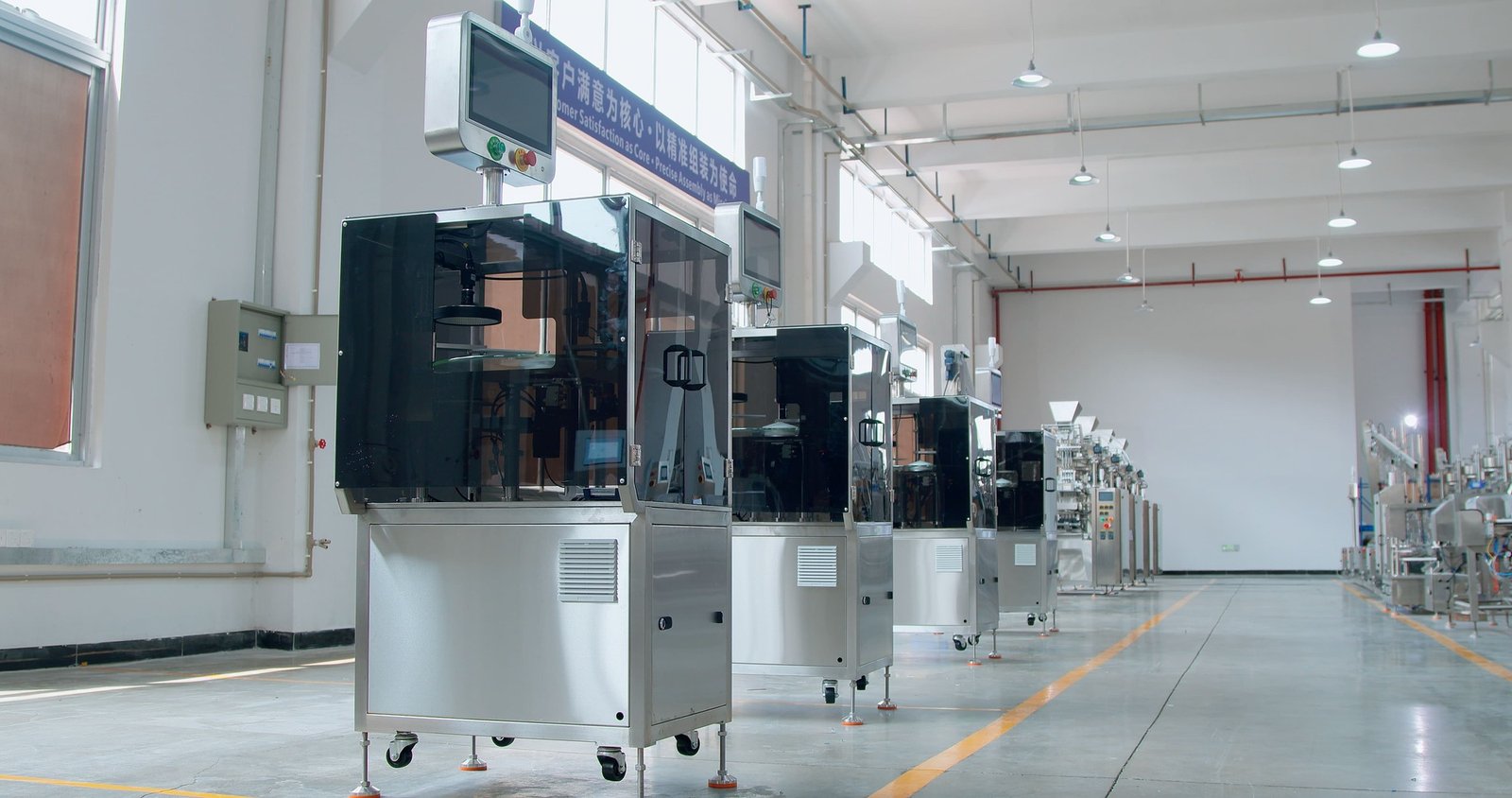
Feed processing environments are notoriously demanding. Dust, vibration, temperature extremes, and abrasive product contact all contribute to accelerated wear on packaging machinery. When evaluating equipment, pay close attention to construction quality and material selection.
- Product contact surfaces – 304 or 316 stainless steel resists corrosion from feed ingredients with higher salt or mineral content, and is easier to clean between production runs.
- Frame construction – Heavy-gauge steel frames with proper surface treatment resist the constant vibration from high-speed operation and adjacent milling equipment.
- Sealing and bearing protection – Dust ingress into bearings, electrical enclosures, and pneumatic components is a leading cause of unplanned downtime. Look for IP65 or higher protection ratings on critical components.
- Wear components – Auger flights, weigh bucket liners, and bag clamps should be easily replaceable and available as standard spare parts.
For manufacturers seeking turnkey solutions, experienced packaging machinery providers with in-house engineering capabilities can design systems that address these environmental challenges from the ground up. Ludyway Machinery, for example, combines a 20,000-square-meter manufacturing facility with more than 30 years of packaging industry experience to deliver equipment configured for demanding production environments.
Changeover Flexibility and Cleanability
Many feed manufacturers produce multiple formulations, bag sizes, or packaging formats on the same line. Changeover time—the period required to switch from one product or bag size to another—directly impacts overall equipment effectiveness (OEE). When evaluating machines, ask suppliers to demonstrate a complete changeover and document the required steps, tools, and time.
Features That Reduce Changeover Time
- Tool-free adjustments for bag width, length, and gusset settings
- Recipe-driven controls that recall product-specific settings from memory
- Quick-release hoppers, chutes, and forming tubes for cleaning access
- Modular dosing units that can be swapped for different product types
- Automated checkweigher feedback loops that adjust fill parameters without operator intervention
Cleanability matters particularly for facilities producing medicated feed or products with different species designations. Cross-contamination between batches can have serious regulatory and animal health consequences. Look for sloped surfaces, minimal crevices, tool-free access panels, and validated cleaning procedures.
Regulatory Compliance and Quality Assurance Integration
Feed packaging equipment must support compliance with regulations that vary by market. In the United States, the FDA’s food packaging regulations set requirements for materials that contact animal feed. In the European Union, packaging and packaging waste regulations impose additional requirements on material selection and recyclability.
Your packaging line should also integrate quality assurance equipment that can operate at line speed without creating bottlenecks:
| QA Equipment | Function | Importance for Feed Packaging |
|---|---|---|
| Checkweigher | Verifies each bag meets target weight | Prevents underweight bags (regulatory) and overweight bags (profit loss) |
| Metal detector | Detects ferrous, non-ferrous, and stainless steel contaminants | Critical for animal safety and brand protection |
| Seal integrity tester | Verifies hermetic seal quality | Prevents moisture ingress and product spoilage |
| Inline printer / coder | Applies batch codes, dates, and traceability data | Enables recall management and retail compliance |
Supplier Evaluation: Beyond the Quotation
Choosing the right machine is only half the equation. The supplier relationship determines how smoothly installation, commissioning, training, and ongoing support will proceed. When comparing packaging machinery suppliers, evaluate these dimensions:
- Industry-specific experience – Has the supplier successfully deployed machines for feed applications similar to yours? Ask for references and, if possible, visit operating installations.
- Factory acceptance testing (FAT) – A thorough FAT using your actual product and packaging materials before shipment identifies issues early and reduces commissioning time.
- Installation and training support – Clarify what on-site support is included: mechanical installation, electrical connections, operator training, maintenance training, and production ramp-up assistance.
- Spare parts availability – A local or regional spare parts inventory and a clear parts identification system reduce downtime when components eventually need replacement.
- Remote support capabilities – Modern machines increasingly support remote diagnostics, allowing supplier technicians to troubleshoot issues without an on-site visit.
- Engineering capability for future expansion – If you plan to increase capacity or add automation, a supplier with turnkey engineering capability can design your current system with future integration in mind.
Total Cost of Ownership: Looking Past the Purchase Price
The purchase price of a feed packaging machine represents only a fraction of its total lifetime cost. A comprehensive cost analysis should account for:
- Installation and commissioning – Including any facility modifications needed for utilities, dust collection, or material handling integration
- Packaging material waste – Machines with poor film tracking or inconsistent sealing generate higher scrap rates that compound over time
- Product give-away – Lower-accuracy dosing systems may seem cheaper initially but cost far more in lost product over the machine’s life
- Energy consumption – Pneumatic systems, heating elements, and motor efficiency all affect operating cost
- Maintenance labor and spare parts – Easily accessible wear parts and clear maintenance procedures reduce long-term service costs
- Downtime cost – A lower-cost machine with frequent unplanned stops can quickly become more expensive than a reliable, higher-investment alternative
Key insight: A packaging line producing 15 bags per minute that loses just 30 minutes per shift to stoppages sacrifices over 27,000 bags of lost production per month. The reliability premium on well-engineered equipment pays for itself rapidly.
Making the Final Decision
After evaluating product characteristics, packaging formats, throughput needs, material compatibility, durability requirements, and total cost of ownership, you should have a clear shortlist of suitable machines and suppliers. Before finalizing your decision, conduct a production trial using your actual product and packaging materials on the specific machine model you intend to purchase. No specification sheet can substitute for observing your product run on the equipment.
Investing in the right animal feed packaging machinery is a strategic decision that affects product quality, operational efficiency, and market competitiveness for years to come. A systematic evaluation process—combined with a supplier that offers engineering depth, industry experience, and reliable after-sales support—positions your operation for long-term success in the increasingly demanding feed manufacturing marketplace.