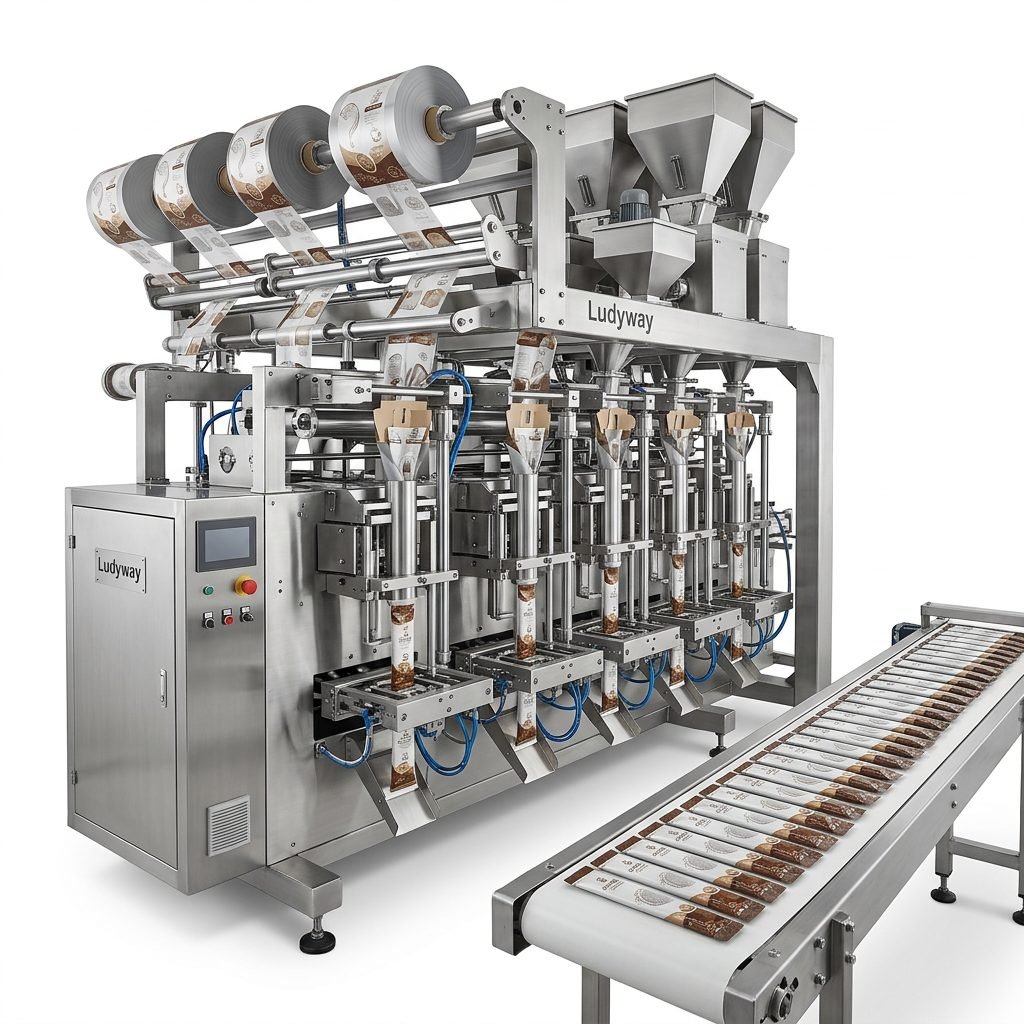
Selecting the right vegetable packaging machine is a critical decision that affects product quality, production efficiency, shelf life, and your overall operational costs. Whether you are packaging fresh-cut vegetables, frozen produce, dried vegetable powders, or ready-to-eat salad mixes, the equipment you choose must align with your specific product characteristics, production volume, and packaging format requirements. This comprehensive buyer’s guide walks you through the essential factors to evaluate before making your investment.
According to data from the PMMI State of the Industry Report, the global packaging machinery market continues to expand, driven by increasing demand for automated packaging solutions across food and beverage sectors. For vegetable processors, choosing the right machine involves understanding both your current needs and future growth projections.
Understanding Your Vegetable Processing Requirements
Before evaluating specific machines, you need to clearly define your operational parameters. Vegetables vary widely in their physical properties, and these differences directly impact which packaging technology will work best for your application.
Fresh vs. Processed Vegetables
Fresh whole vegetables such as tomatoes, cucumbers, and bell peppers require gentle handling systems to prevent bruising and damage. In contrast, processed vegetables — including diced, sliced, shredded, or blanched products — may require different filling mechanisms and packaging materials. Frozen vegetables introduce additional considerations around temperature resistance and moisture barrier properties of packaging films.
Product Form and Flow Characteristics
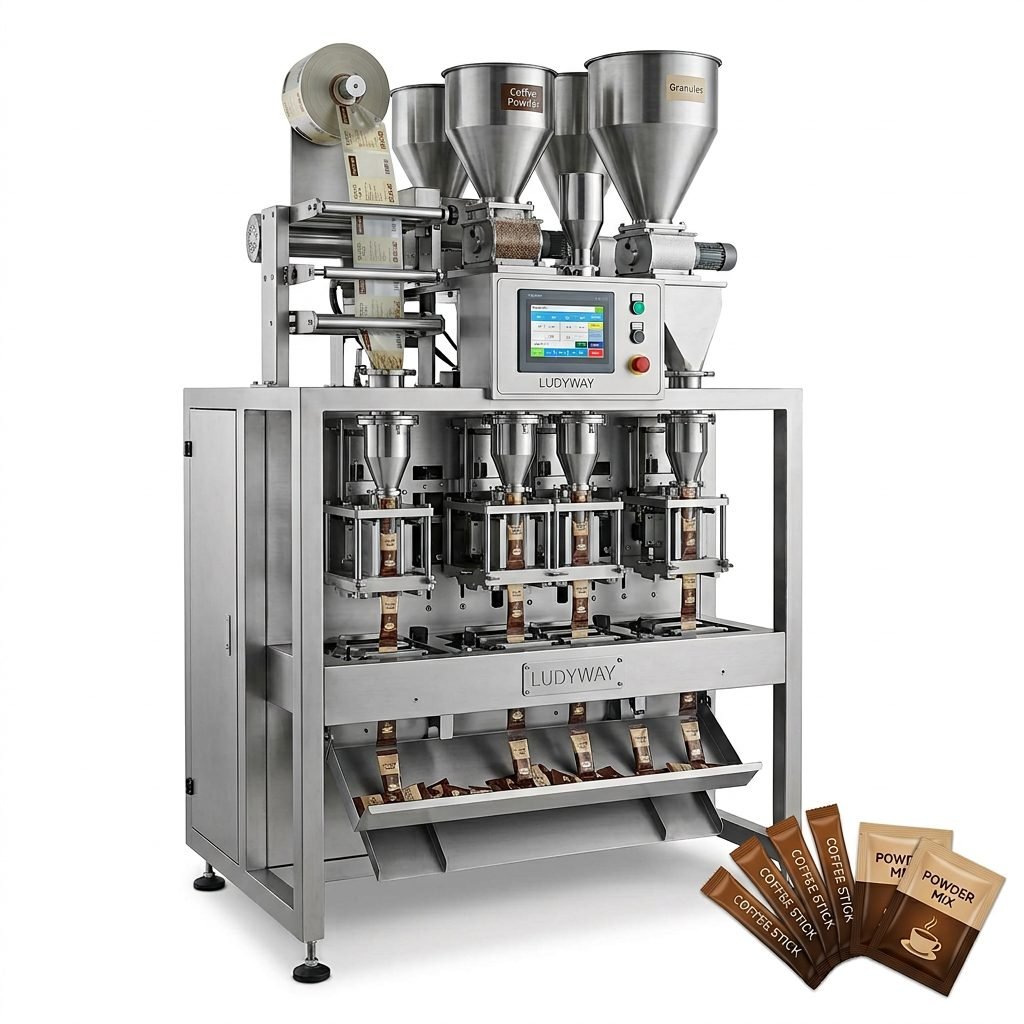
Dry vegetable powders, granules, and flakes behave differently than whole or wet products during the packaging process. Understanding your product’s flow characteristics, bulk density, and particle size distribution is essential for selecting the right dosing and filling system. Products with poor flowability may require specialized auger fillers or vibratory feeding systems to ensure consistent portion control.
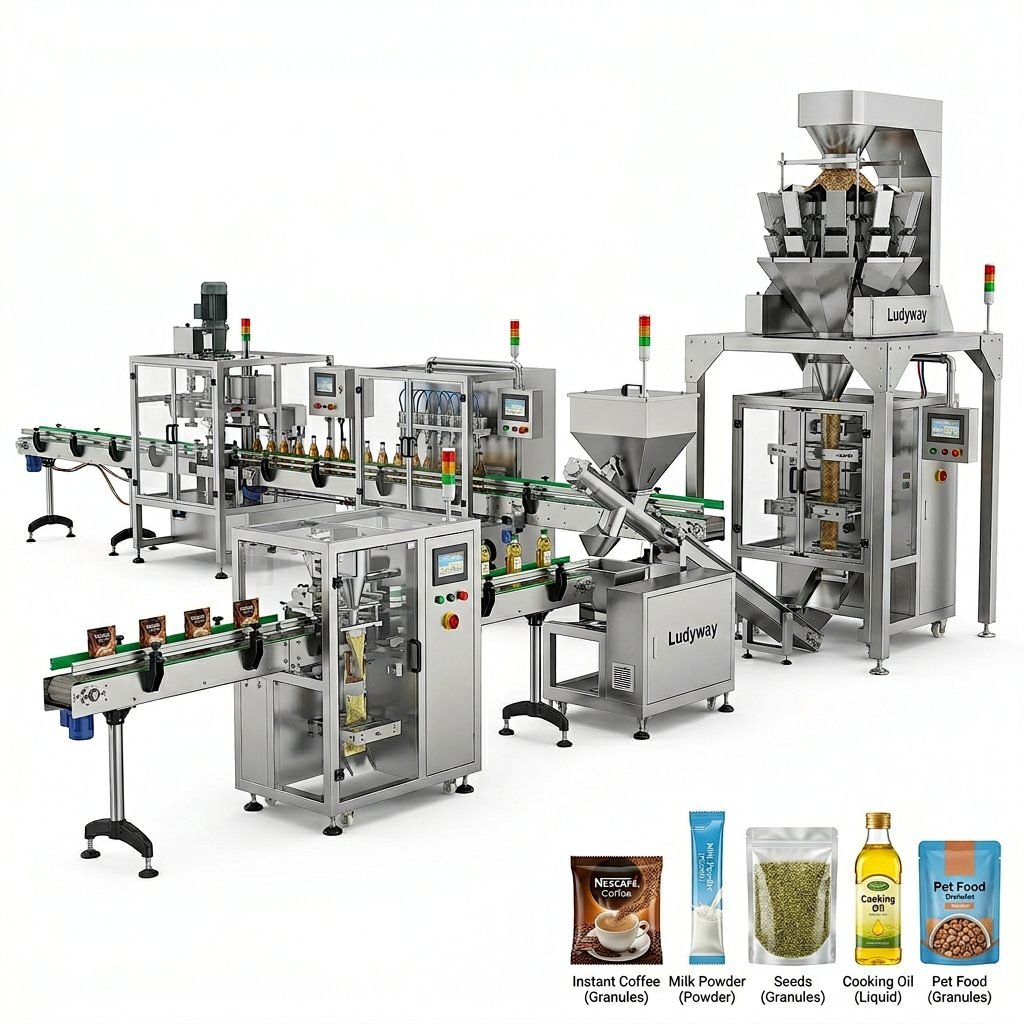
Key Technical Factors to Evaluate
When comparing different vegetable packaging machines, several technical specifications deserve careful attention. These factors will determine not only the initial purchase price but also long-term operational efficiency and maintenance costs.
Packaging Format and Bag Styles
Modern vegetable packaging equipment supports a variety of formats. Your choice should reflect both market demand and product protection requirements:
- Pillow bags — Economical option for frozen vegetables and fresh-cut produce
- Gusseted bags — Provide better shelf presentation and stability for retail display
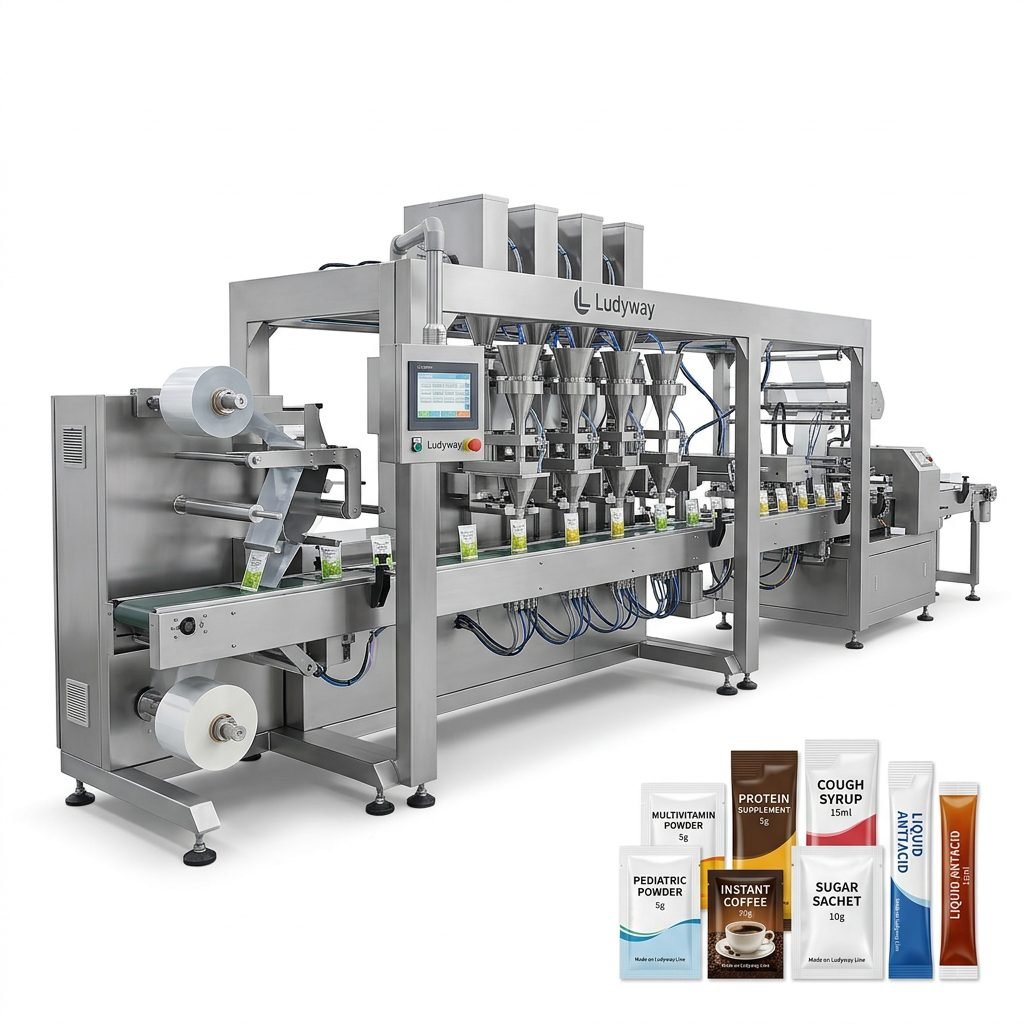
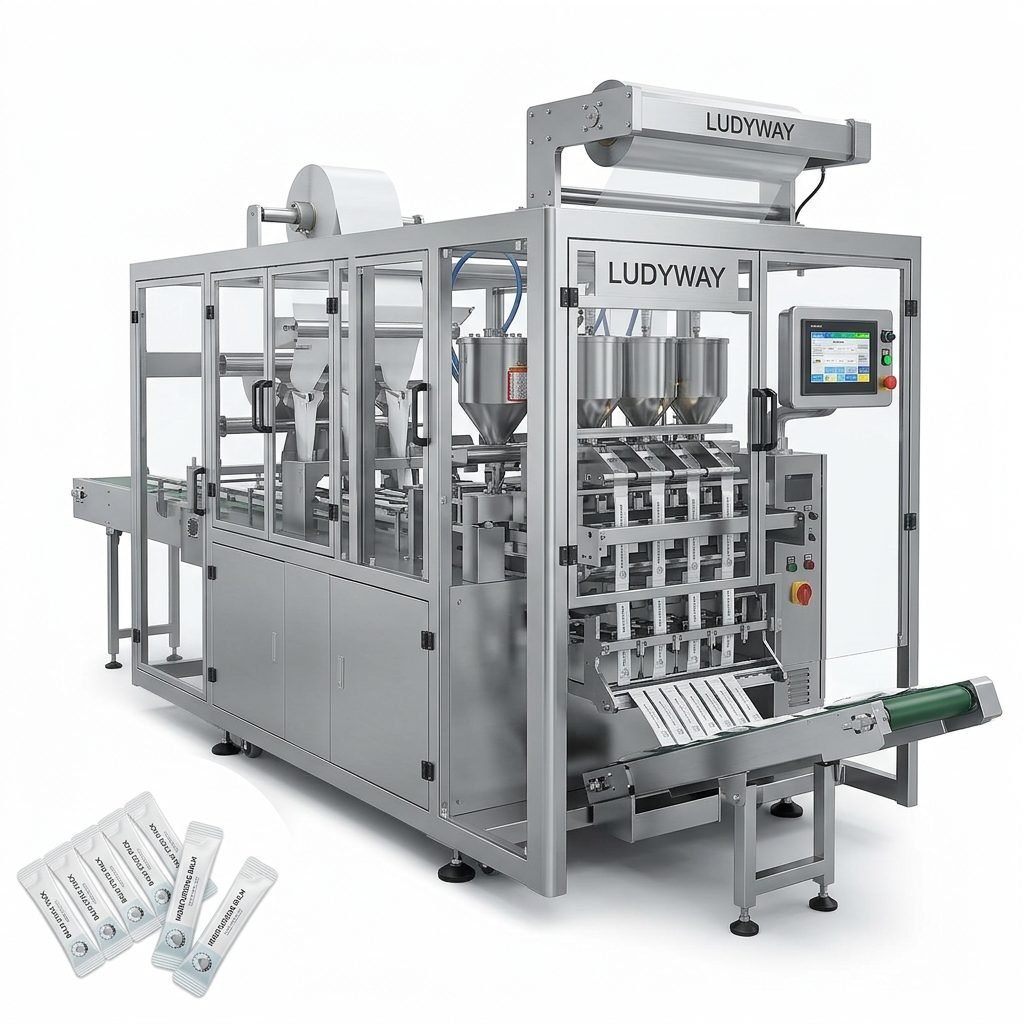
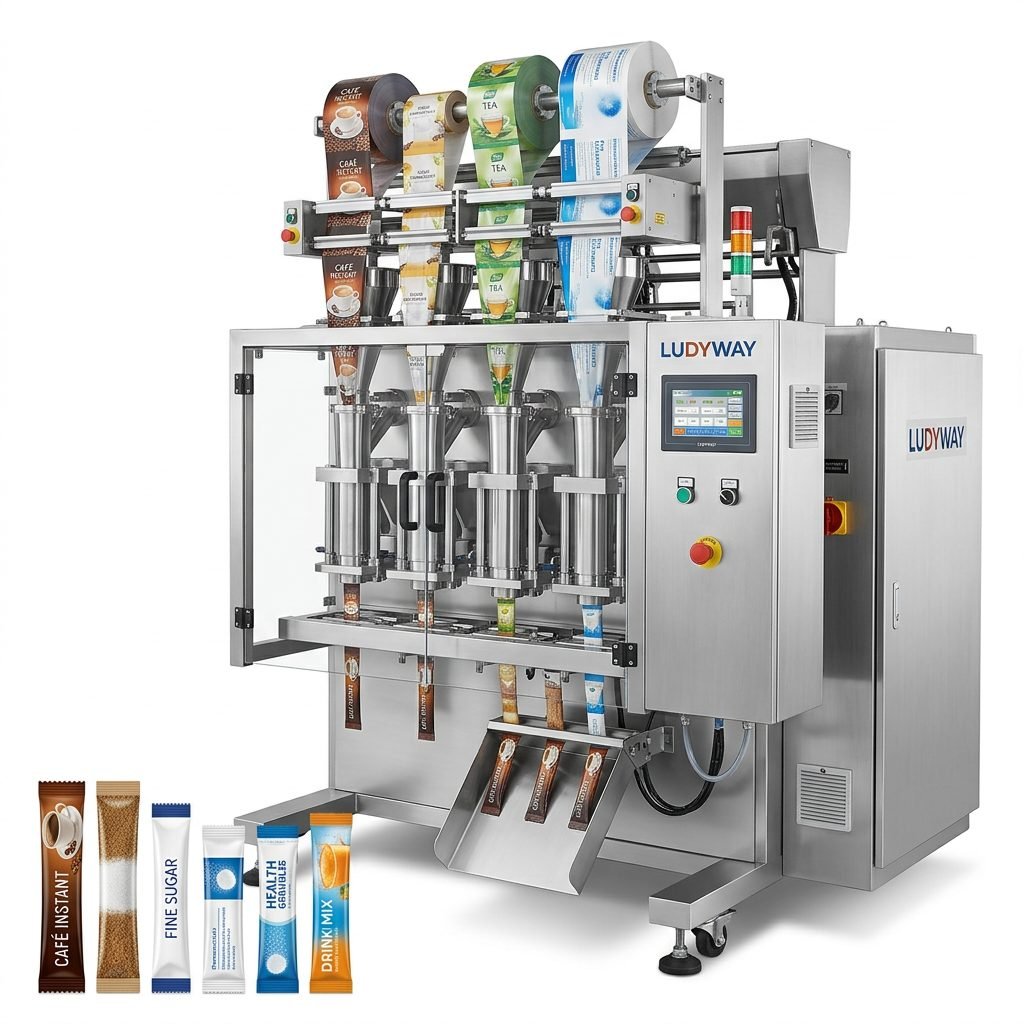
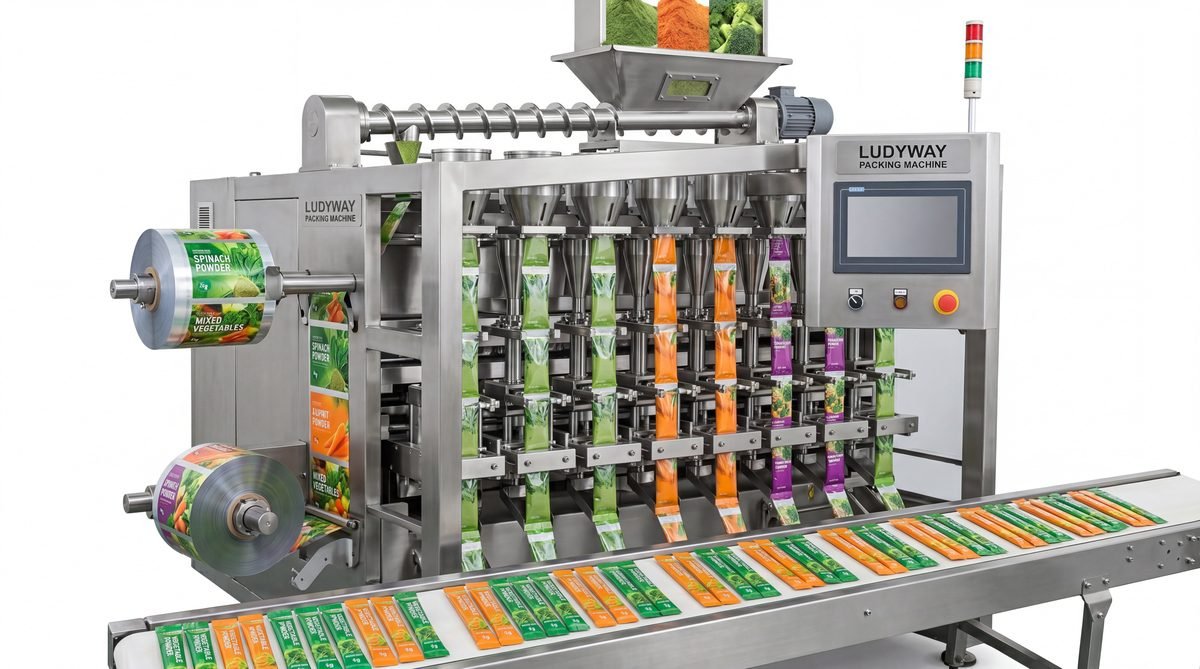
- Stick packs and sachets — Ideal for single-serve vegetable powders and seasoning mixes
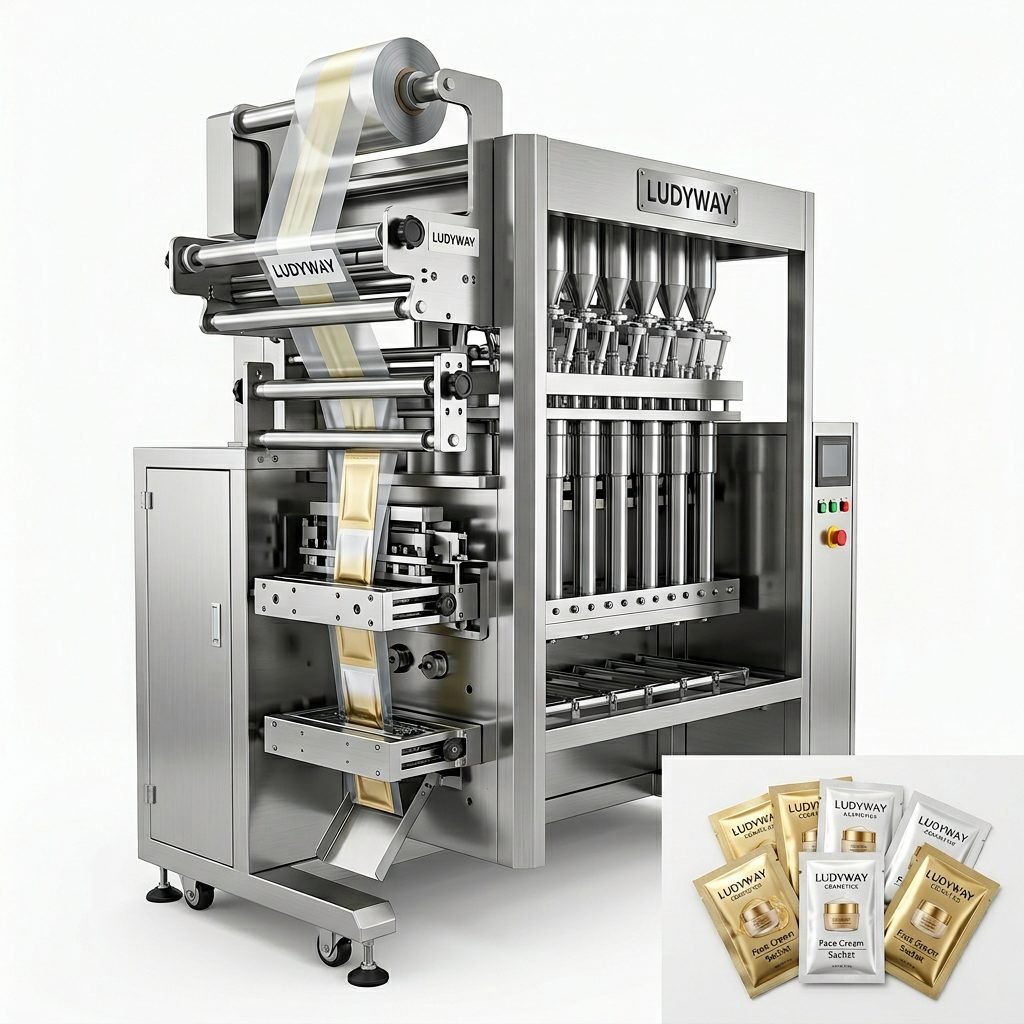
- Quad-seal bags — Premium format offering superior protection and brand appeal
- Pre-made pouches with zipper — Resealable options for frozen vegetables and snack packs
- Vacuum bags — Extended shelf life for fresh and minimally processed vegetables
Filling and Dosing Accuracy
For vegetable products sold by weight, dosing precision directly impacts profitability. Multi-head weighers offer high speed and excellent accuracy for granular and piece products, while volumetric cup fillers provide a cost-effective solution for free-flowing dried vegetables. Auger fillers are preferred for powders and fine granular products where precision is critical. The right choice depends on your target fill weight range and acceptable tolerance levels.
Production Speed and Capacity
Your required packaging speed should be calculated based on current demand plus reasonable growth projections. Single-lane machines typically operate at 30–80 packs per minute, while multi-lane configurations can achieve 200–600 packs per minute or more. Consider whether a modular system that allows adding lanes in the future might better serve your long-term needs than investing immediately in maximum capacity.
Types of Vegetable Packaging Equipment
The following table provides a comparative overview of common packaging machine types used in vegetable processing operations. Use this as a starting point for identifying which category best matches your application.
| Machine Type | Best For | Typical Speed Range | Key Advantage |
|---|---|---|---|
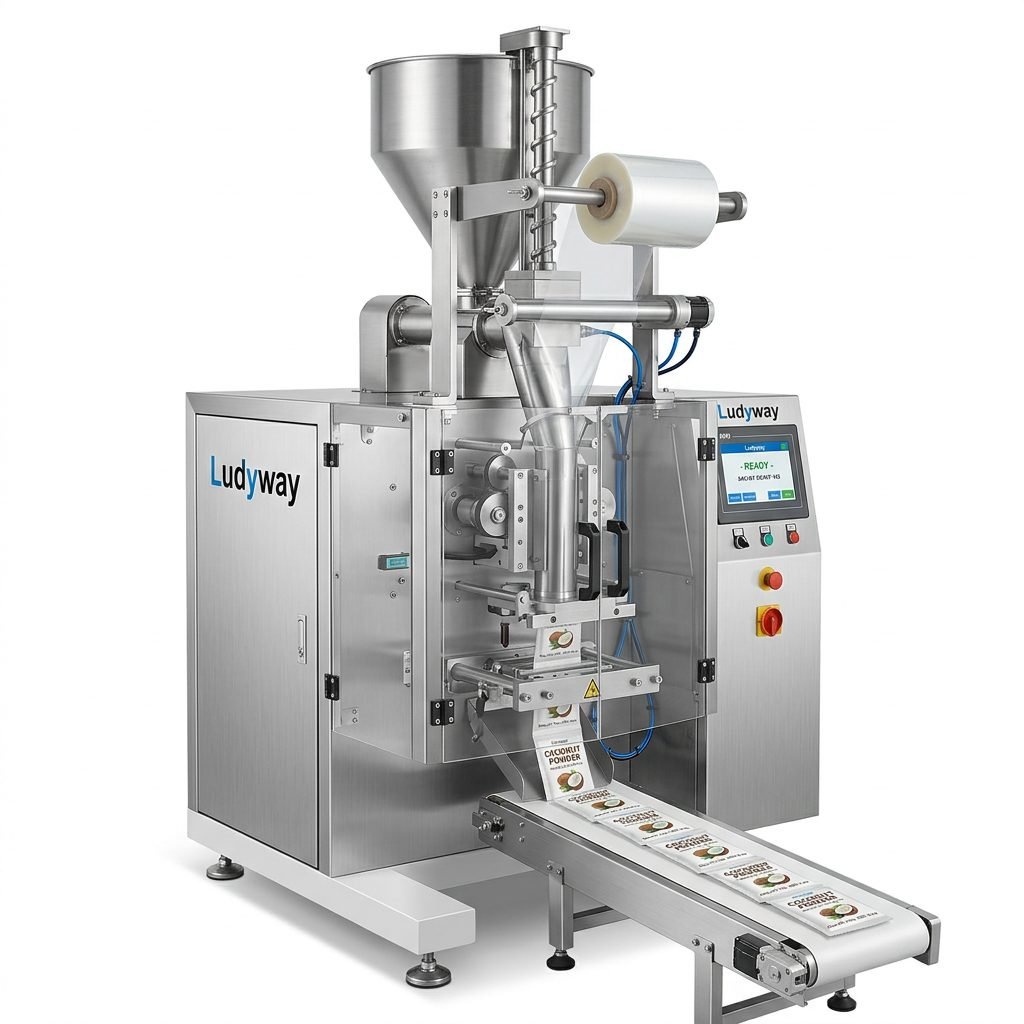
| Vertical Form Fill Seal (VFFS) | Frozen vegetables, fresh-cut, powders | 30–120 packs/min | Versatile, cost-effective film usage |
| Multi-Lane Stick Pack | Powders, granules, single-serve | 200–600+ packs/min | Ultra-high output, minimal labor |
| Pre-made Pouch Rotary | Premium retail packs, zipper bags | 30–80 packs/min | Excellent seal quality, premium look |
| Horizontal Flow Wrapper | Whole vegetables, trays, bundles | 30–150 packs/min | Gentle handling, flexible product range |
| Tray Sealing Machine | Fresh-cut salads, MAP applications | 20–60 trays/min | Extended shelf life with gas flushing |
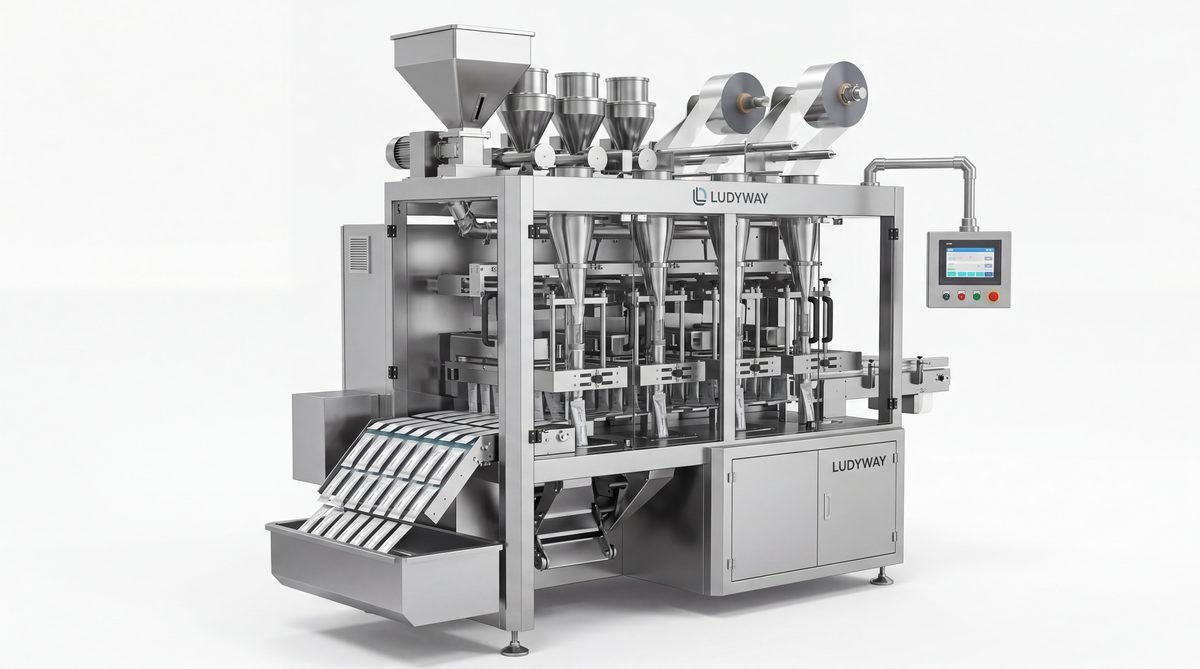
Automation and Integration Capabilities
Modern vegetable packaging operations increasingly rely on integrated automation to reduce labor costs and improve consistency. When evaluating a packaging machine, consider how well it can integrate with your upstream and downstream processes.
Feeding and Conveying Systems
Automated feeding systems — including bucket elevators, inclined conveyors, and vibratory feeders — ensure consistent product delivery to the packaging machine. For vegetables that are delicate or irregularly shaped, custom-designed feed systems may be necessary to prevent product damage while maintaining throughput. Look for manufacturers that can provide complete feeding-to-packaging solutions rather than standalone machines.
Quality Control and Inspection
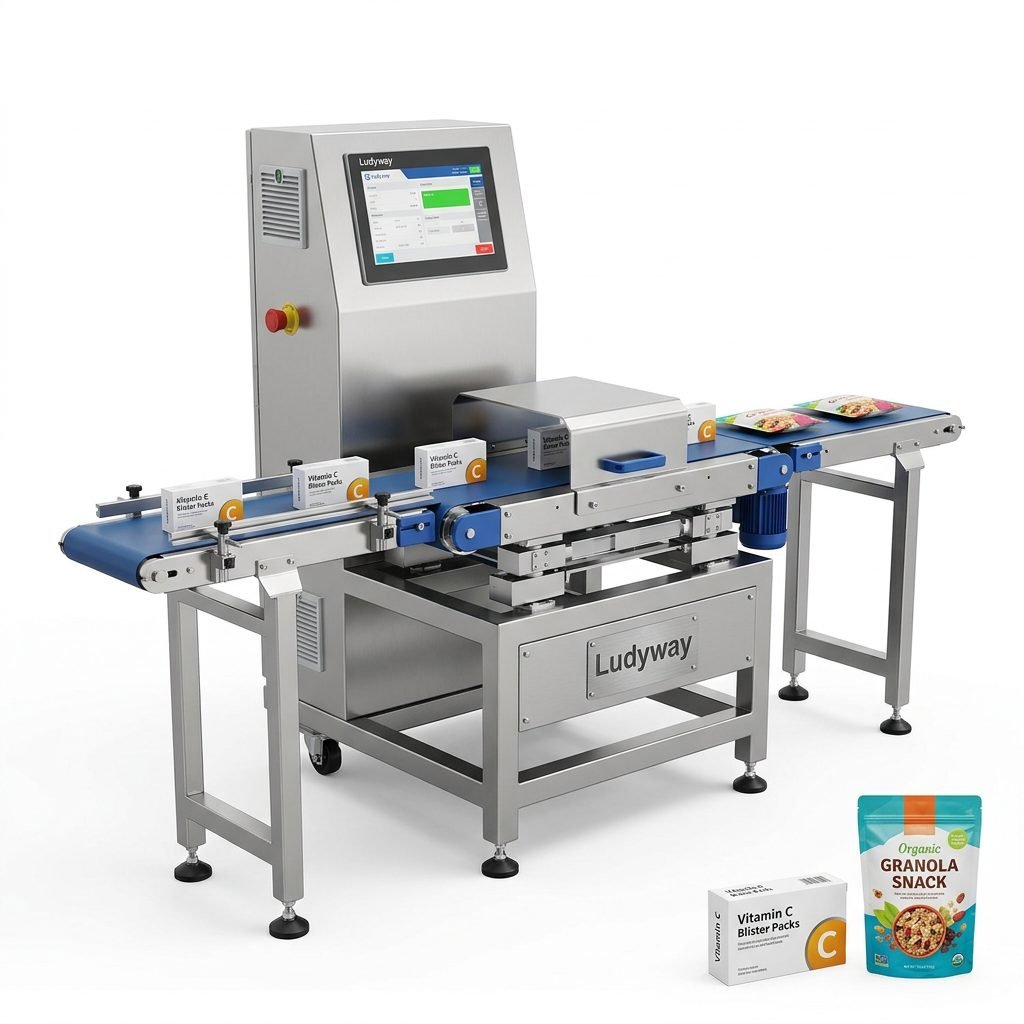
Consider whether the machine can accommodate checkweighers, metal detectors, X-ray inspection systems, and vision systems. These quality control devices are increasingly important for food safety compliance and brand protection. Some packaging machines offer integrated mounting points and control interfaces for these inspection systems, simplifying installation and operation.
End-of-Line Automation
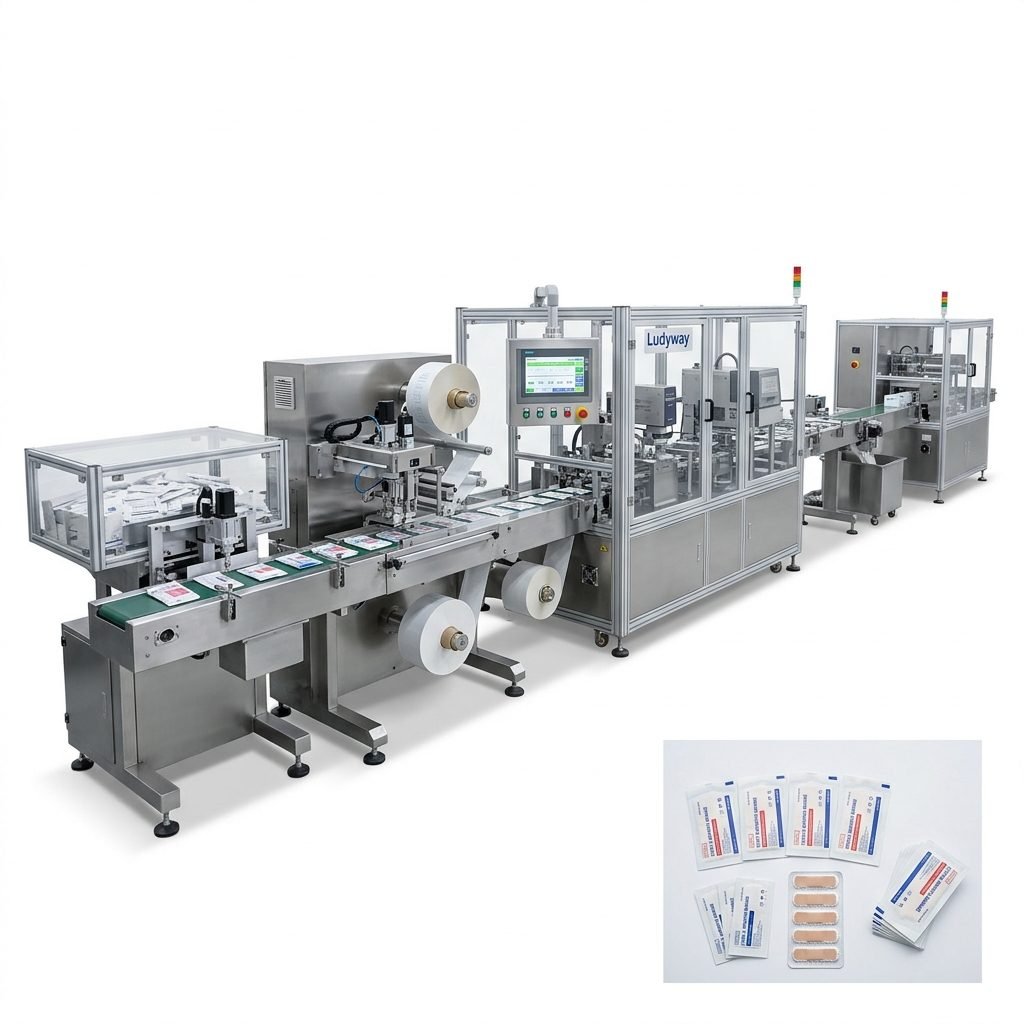
The packaging machine is just one component of a complete production line. Evaluate options for automated cartoning, case packing, palletizing, and stretch wrapping that can be integrated downstream. A turnkey approach — where a single supplier provides the entire packaging line — often results in better system compatibility, simplified project management, and more efficient after-sales support. Industry organizations such as PMMI – The Association for Packaging and Processing Technologies offer valuable resources on packaging line integration best practices.
Material Compatibility and Sustainability
Your choice of packaging material significantly impacts machine selection. Not all machines handle all film types equally well. With increasing regulatory focus on sustainable packaging — as highlighted in the Flexible Packaging Association industry resources — many vegetable processors are transitioning to recyclable, compostable, or recycled-content films.
Film Handling Capabilities
Consider whether the machine can run the specific films you plan to use now and in the future. Machines with servo-driven film transport and precise temperature control offer greater flexibility with challenging sustainable materials. Laminates, mono-materials, paper-based films, and bio-plastics each have unique sealing characteristics that affect machine performance.
Quality Standards and Regulatory Compliance
For vegetable packaging operations, compliance with food safety regulations is non-negotiable. Equipment should be designed with sanitary considerations including stainless steel construction, easy-clean surfaces, and accessible components for maintenance and inspection.
- FDA compliance for food contact surfaces and materials
- HACCP-compatible design with accessible cleaning points
- IP rating appropriate for your washdown requirements
- CE marking for machines destined for European markets
- ISO certification of the manufacturing facility
Choosing the Right Manufacturer
The packaging machinery manufacturer you choose is as important as the machine itself. Look for a supplier with proven experience in vegetable and food packaging applications, a track record of successful installations, and the engineering capability to customize solutions for your specific needs. A manufacturer that combines in-house manufacturing with application engineering expertise can provide better support throughout the machine’s lifecycle — from initial consultation and system design to installation, commissioning, and ongoing technical service. Ludyway Machinery, for example, brings over three decades of packaging industry experience and provides turnkey solutions spanning individual machines to complete automated packaging lines, with export revenues projected to exceed RMB 500 million in 2025 as global demand for reliable vegetable packaging equipment continues to grow.
Total Cost of Ownership Considerations
When budgeting for a vegetable packaging machine, look beyond the initial purchase price. A comprehensive total cost of ownership analysis should account for:
- Film waste rates — Efficient machines minimize material waste during startups and changeovers
- Energy consumption — Servo-driven systems typically use less electricity than pneumatic alternatives
- Spare parts availability — Ensure critical components are readily available from the manufacturer
- Operator training requirements — User-friendly interfaces reduce training time and operator errors
- Changeover time — Quick-change features minimize downtime between product runs
- Preventive maintenance — Machines designed for easy access simplify routine maintenance tasks
After-Sales Support and Technical Service
Reliable after-sales support is essential for maintaining production uptime. Before committing to a purchase, verify that the manufacturer offers comprehensive technical support including remote troubleshooting, on-site service when needed, operator training programs, and responsive spare parts supply. For international buyers, consider whether the manufacturer has experience serving customers in your region and can provide support across time zones.
Making the Final Decision
Selecting the right vegetable packaging machine requires balancing multiple factors: product characteristics, packaging format, production volume, automation level, material compatibility, regulatory compliance, and long-term operational costs. To make an informed decision, follow these steps:
- Define your requirements — Document product specifications, target production rates, and packaging format preferences
- Research manufacturers — Identify suppliers with relevant experience in vegetable and food packaging
- Request proposals — Provide detailed product samples and specifications to shortlisted manufacturers
- Evaluate technical proposals — Compare machine configurations, features, and integration capabilities
- Visit manufacturing facilities — When possible, inspect build quality and witness machine demonstrations
- Check references — Speak with current customers about their experience with the equipment and manufacturer
- Negotiate terms — Discuss warranty, payment terms, installation support, and after-sales service agreements
- Plan for installation — Prepare your facility, utilities, and operator training schedule before machine arrival
Industry standards and market data from organizations like the Flexible Packaging Association and PACK EXPO International can provide valuable context as you evaluate equipment options. Taking a methodical approach to machine selection helps ensure that your investment delivers reliable performance, operational efficiency, and the flexibility to adapt as your business grows.
Remember that the lowest upfront price rarely represents the best value. A machine that offers higher efficiency, lower waste rates, better reliability, and stronger manufacturer support will typically deliver superior return on investment over its operating life. Invest time in the selection process, and choose a packaging solution that positions your vegetable processing operation for long-term success.