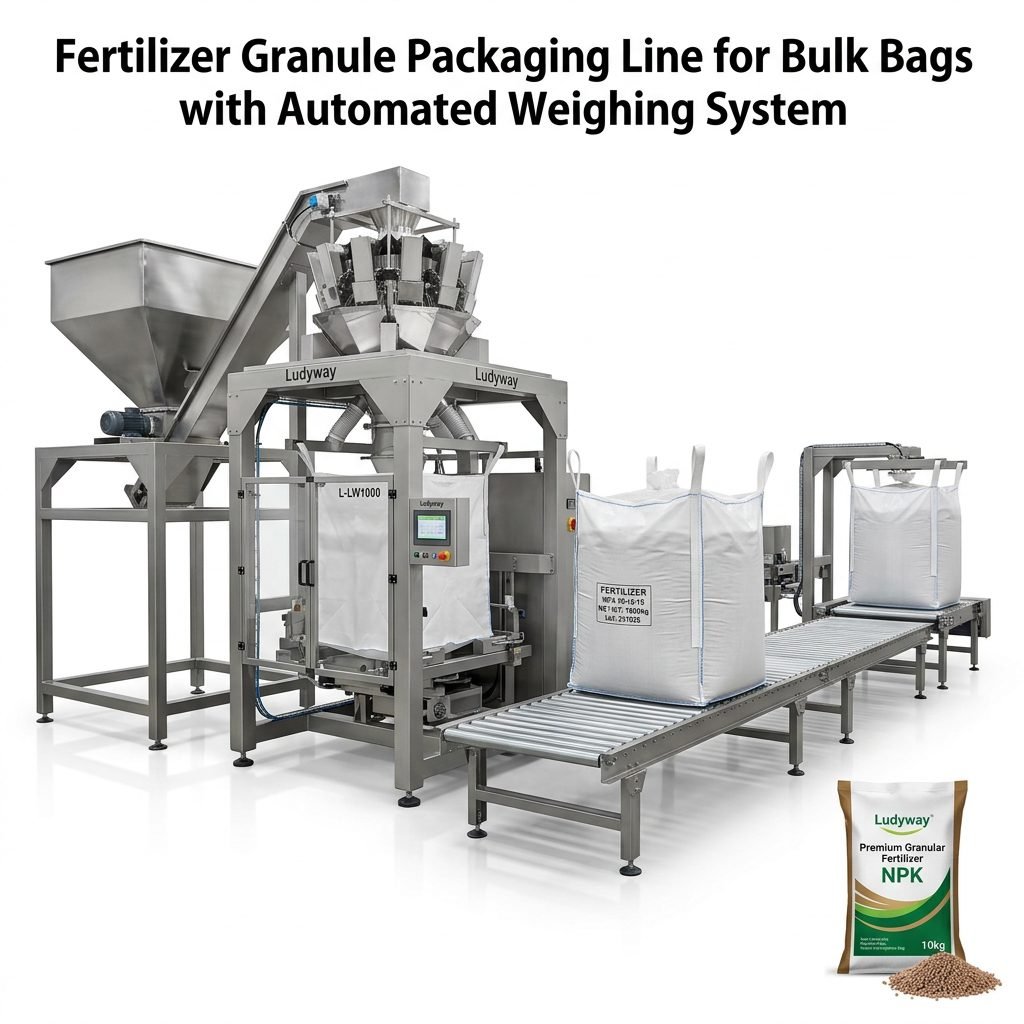
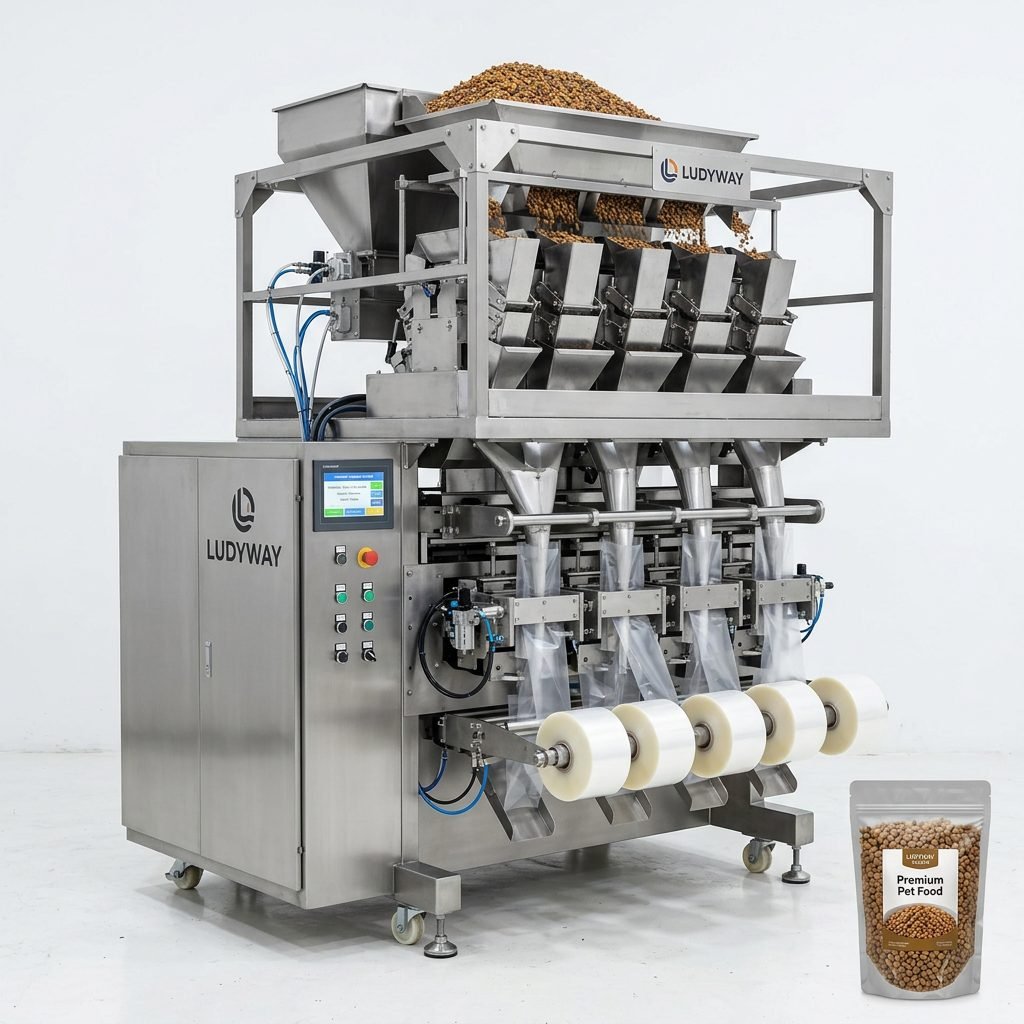
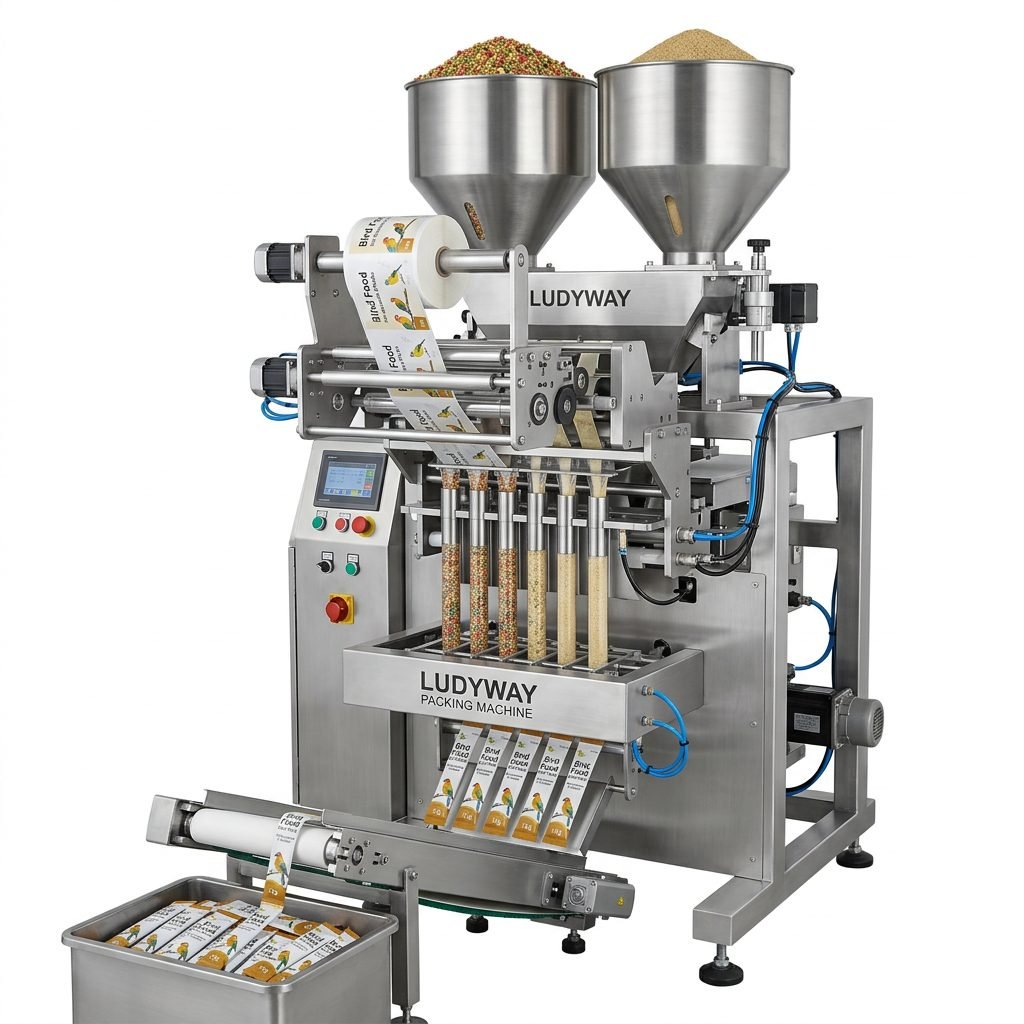
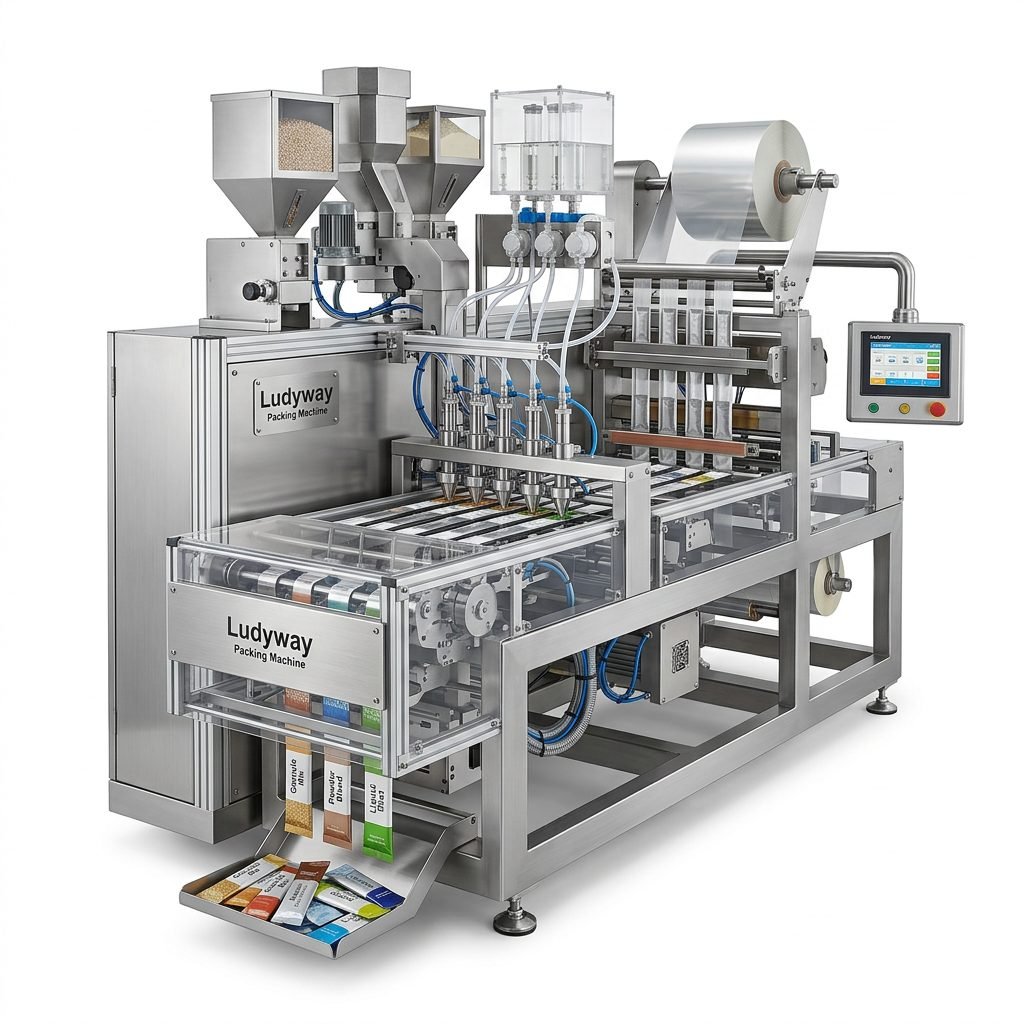
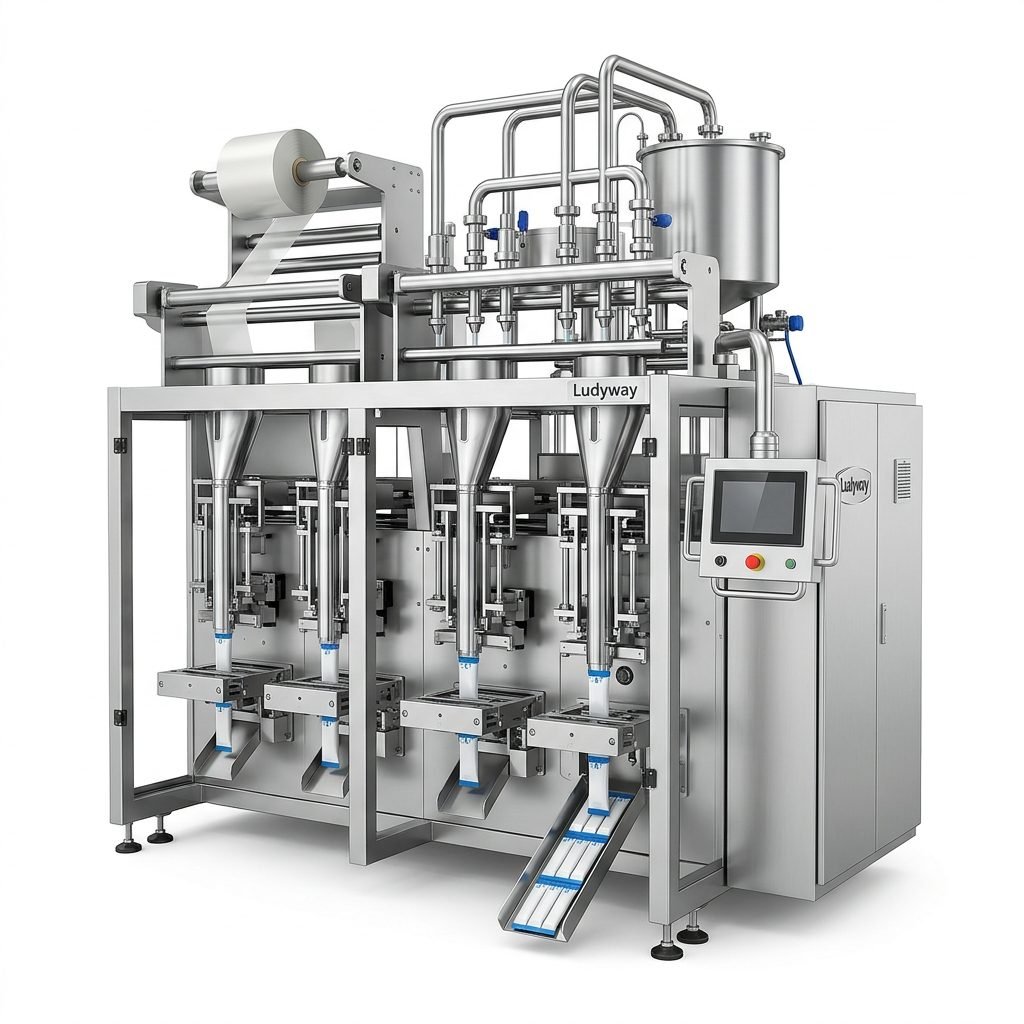
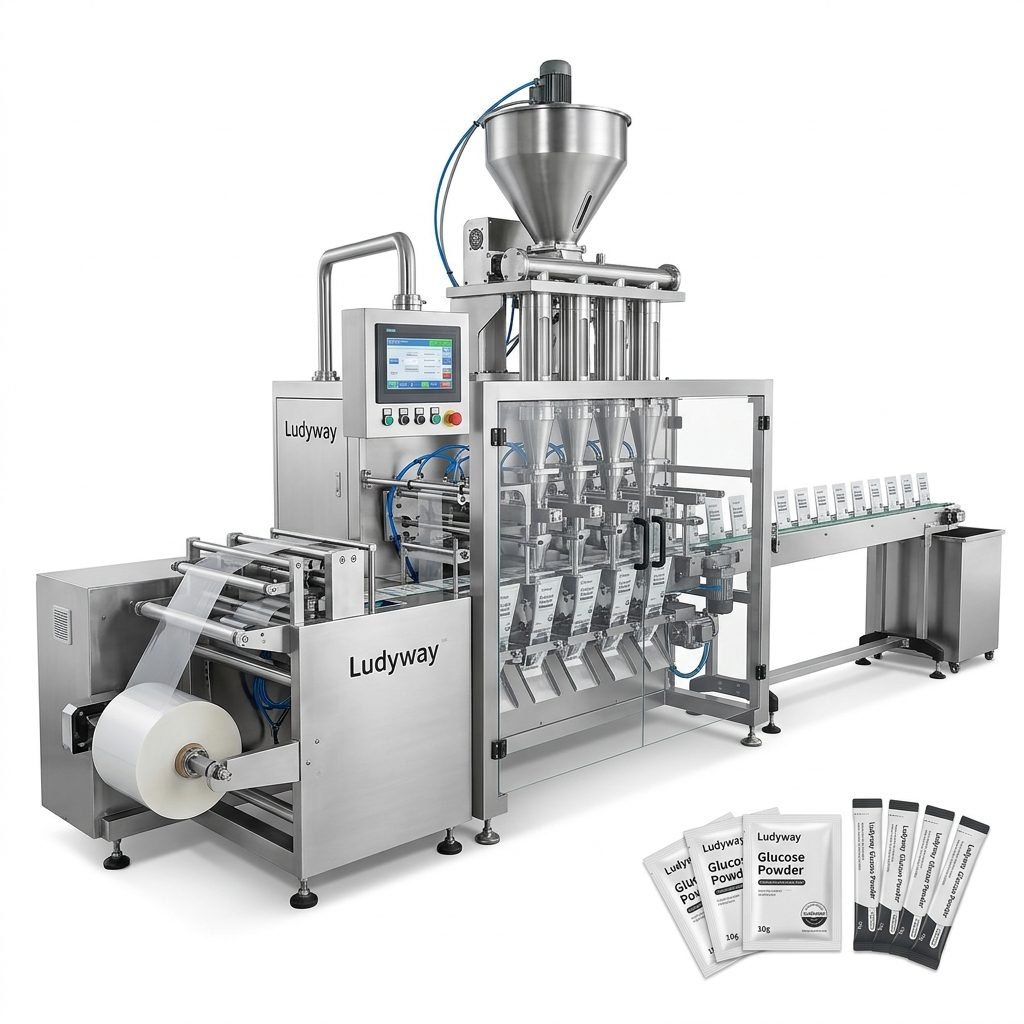
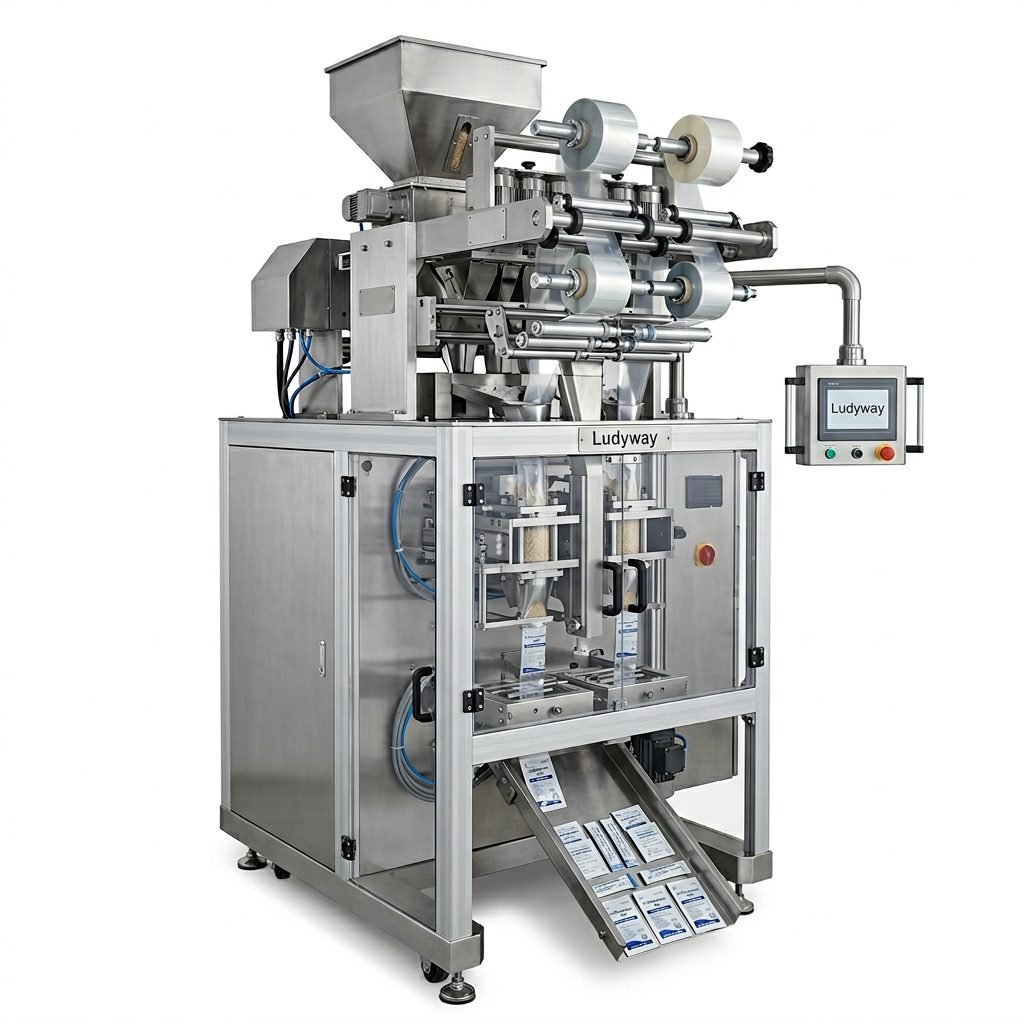
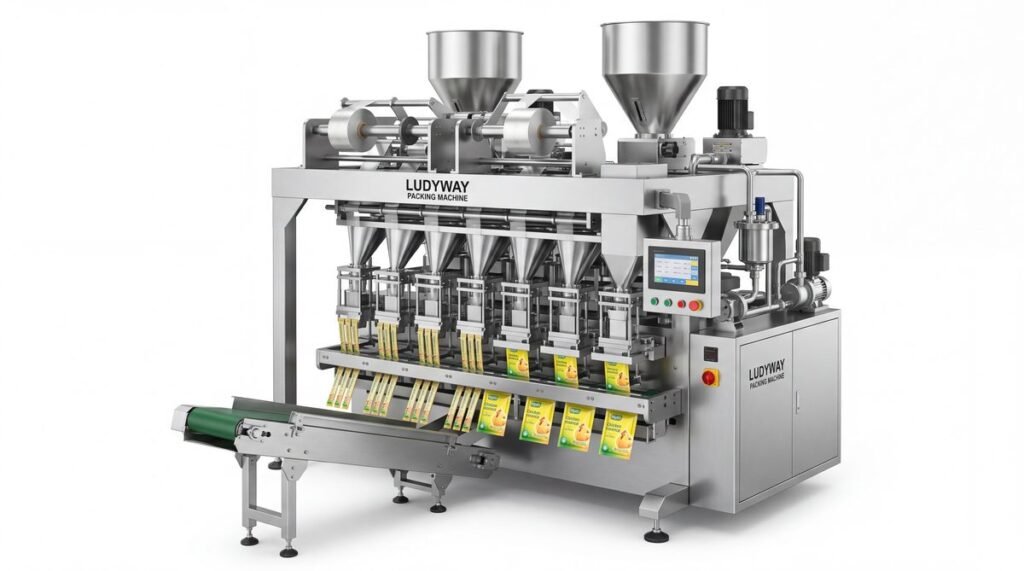
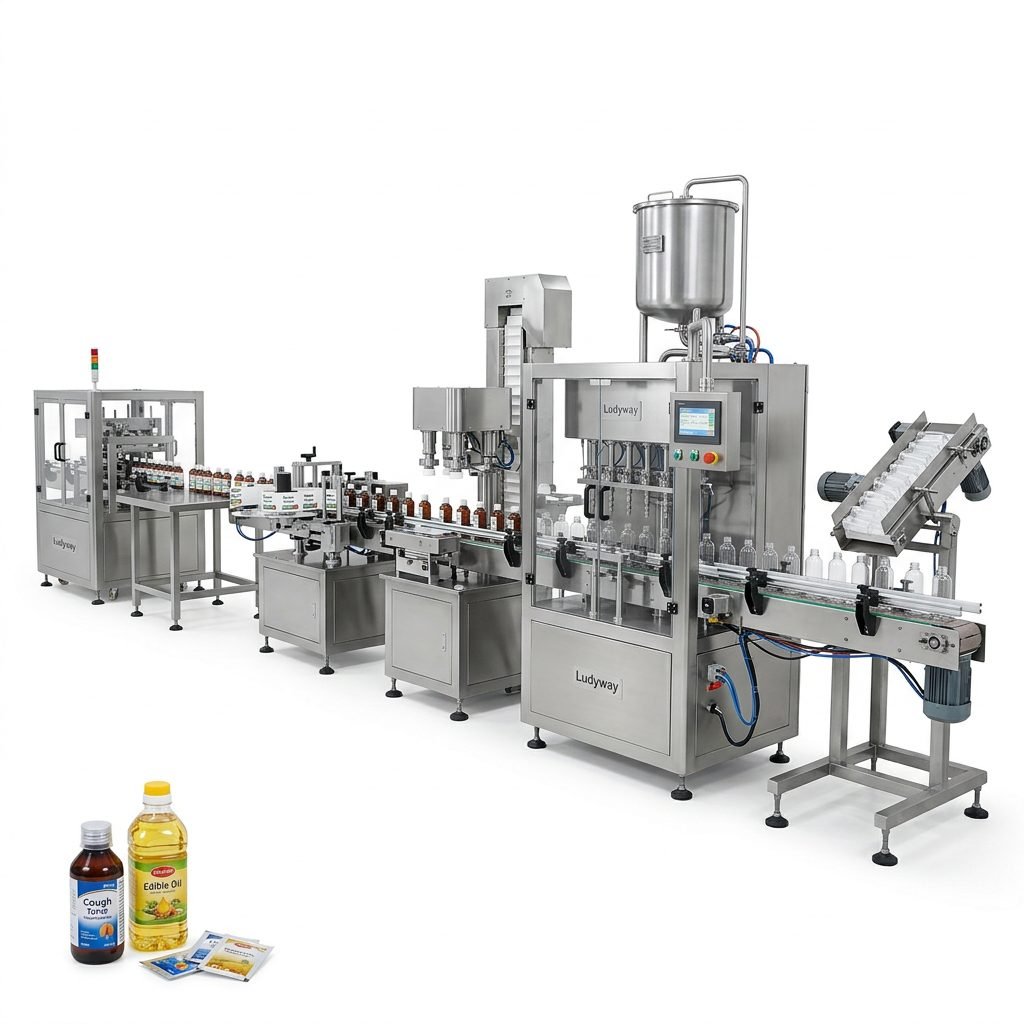
Investing in a powder sachet packing machine is a critical decision for manufacturers across food, pharmaceutical, chemical, and cosmetic industries. The right equipment can significantly improve production efficiency, filling accuracy, and packaging consistency, while the wrong choice may lead to costly downtime, product waste, and inconsistent seal quality. Whether you are packaging spices, protein powders, pharmaceutical granules, or detergent powders, understanding the technical and operational factors that influence machine selection is essential. This guide walks you through every key consideration to help you make an informed purchasing decision.
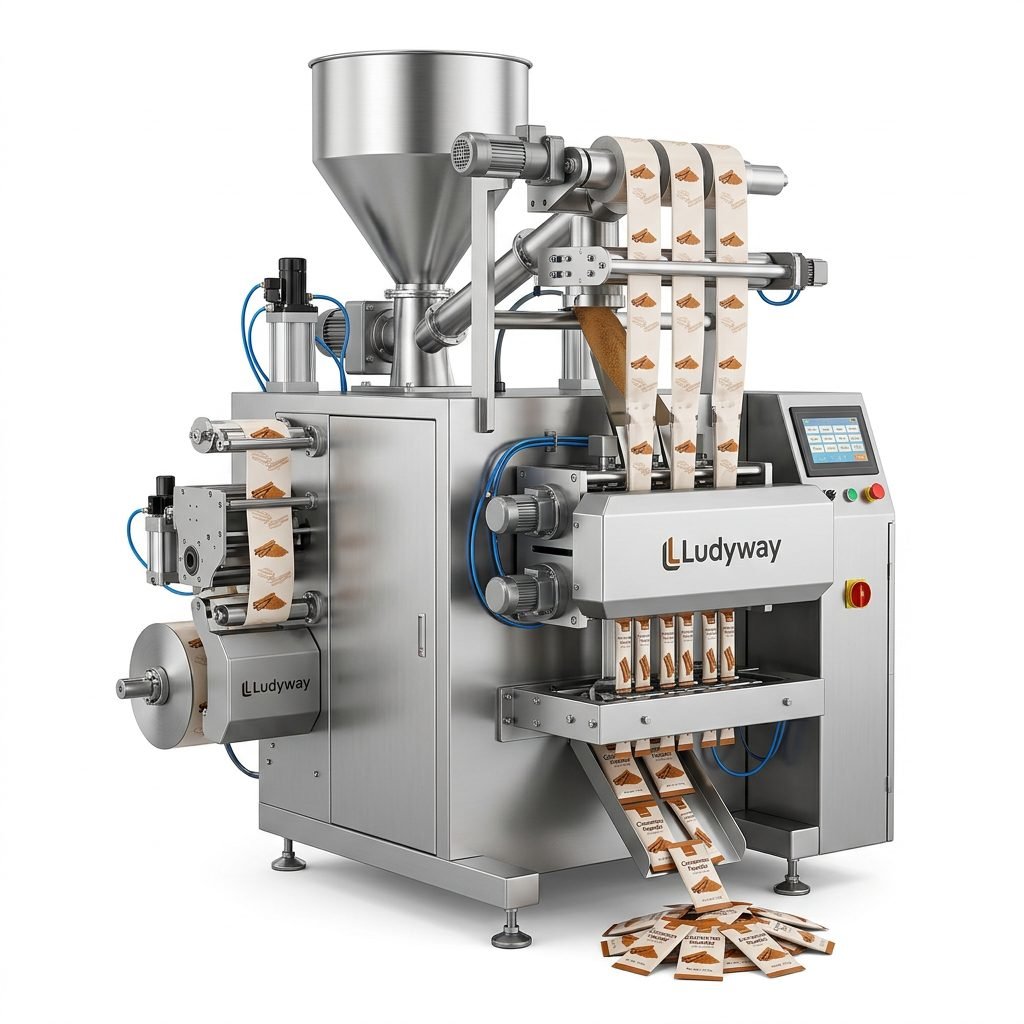
1. Understanding Your Powder Product Characteristics
Before evaluating any powder sachet packing machine, you must thoroughly understand the physical properties of the powder you intend to package. Powder behavior during filling and sealing can vary dramatically based on several factors:
- Flowability: Free-flowing powders like sugar or salt behave differently from cohesive powders like cocoa or flour. Poor flowability may require agitators or specialized hopper designs.
- Particle size distribution: Fine powders under 100 microns can become airborne during filling, creating dust issues and requiring dust extraction systems. Granular products with larger particle sizes are generally easier to handle.
- Bulk density: Variations in bulk density affect filling volume calculations. A machine with volumetric filling may need recalibration when switching between powders with different densities.
- Moisture sensitivity: Hygroscopic powders such as milk powder or certain pharmaceutical ingredients absorb moisture from the air, potentially causing clumping or degradation. These products may require humidity-controlled filling environments and hermetic sealing.
- Temperature sensitivity: Heat-labile powders can degrade if the sealing jaws reach excessive temperatures. Temperature-controlled sealing systems become critical for such applications.
- Abrasiveness: Some powders, such as detergent formulations or mineral-based products, can wear down contact parts. Stainless steel construction and hardened auger components may be necessary.
According to industry data from the PMMI – The Association for Packaging and Processing Technologies, understanding product characteristics is the most frequently overlooked step in packaging machinery selection, often leading to performance issues after installation. Conducting a thorough product analysis with your machinery supplier before specifying equipment is strongly recommended.
2. Key Machine Specifications to Evaluate
Once you have characterized your powder product, the next step is to match it with the appropriate machine specifications. The following table summarizes the core specifications you should compare when evaluating different powder packaging equipment options:
| Specification | Why It Matters | Typical Range / Options |
|---|---|---|
| Filling Range | Determines sachet weight flexibility | 1g – 500g per sachet (varies by model) |
| Production Speed | Directly impacts output capacity | 30 – 400+ sachets/minute (single to multi-lane) |
| Sachet Dimensions | Must match your target packaging format | Width: 20mm – 150mm; Length: 40mm – 250mm |
| Number of Lanes | Multi-lane systems multiply output | 1 to 12+ lanes depending on machine type |
| Filling Accuracy | Critical for regulatory compliance and cost control | ±0.5% to ±2% depending on dosing technology |
| Packaging Material Compatibility | Affects seal integrity and shelf life | Laminated films, aluminum foil, paper/PE, PET/AL/PE |
When comparing specifications, pay particular attention to the interaction between filling range and speed. Machines operating at their maximum fill weight often run at reduced speeds. Request verified performance data for your specific target fill weight rather than relying on the machine’s theoretical maximum speed.
3. Filling and Dosing Technology Comparison
The dosing mechanism is arguably the most important subsystem in any powder sachet filling machine. Different technologies suit different powder types and accuracy requirements. Below is a comparison of the most common dosing systems:
| Dosing Technology | Best For | Accuracy Level | Limitations |
|---|---|---|---|
| Auger Filling | Fine powders, cohesive powders, pharmaceutical granules | High (±0.5% to ±1%) | Slower than volumetric cup fillers; requires regular calibration |
| Volumetric Cup Filling | Free-flowing granules, uniform particle size | Moderate (±1% to ±2%) | Less suitable for fine or variable-density powders |
| Multi-Head Weighing | High-value powders, nutraceuticals, premium products | Very High (±0.2% to ±0.5%) | Higher equipment cost; requires more floor space |
| Piston Filling | Dense, compactable powders | Moderate to High | May compact powder excessively; not ideal for fragile granules |
| Vacuum Dosing | Ultra-fine, dusty powders; cleanroom applications | High | Complex system; higher maintenance requirements |
For most food and pharmaceutical powder packaging applications, auger filling remains the most versatile and widely adopted technology due to its balance of accuracy, speed, and adaptability across different powder types. However, high-value products with strict net weight regulations increasingly justify the investment in multi-head weigher systems for superior accuracy and reduced product giveaway.
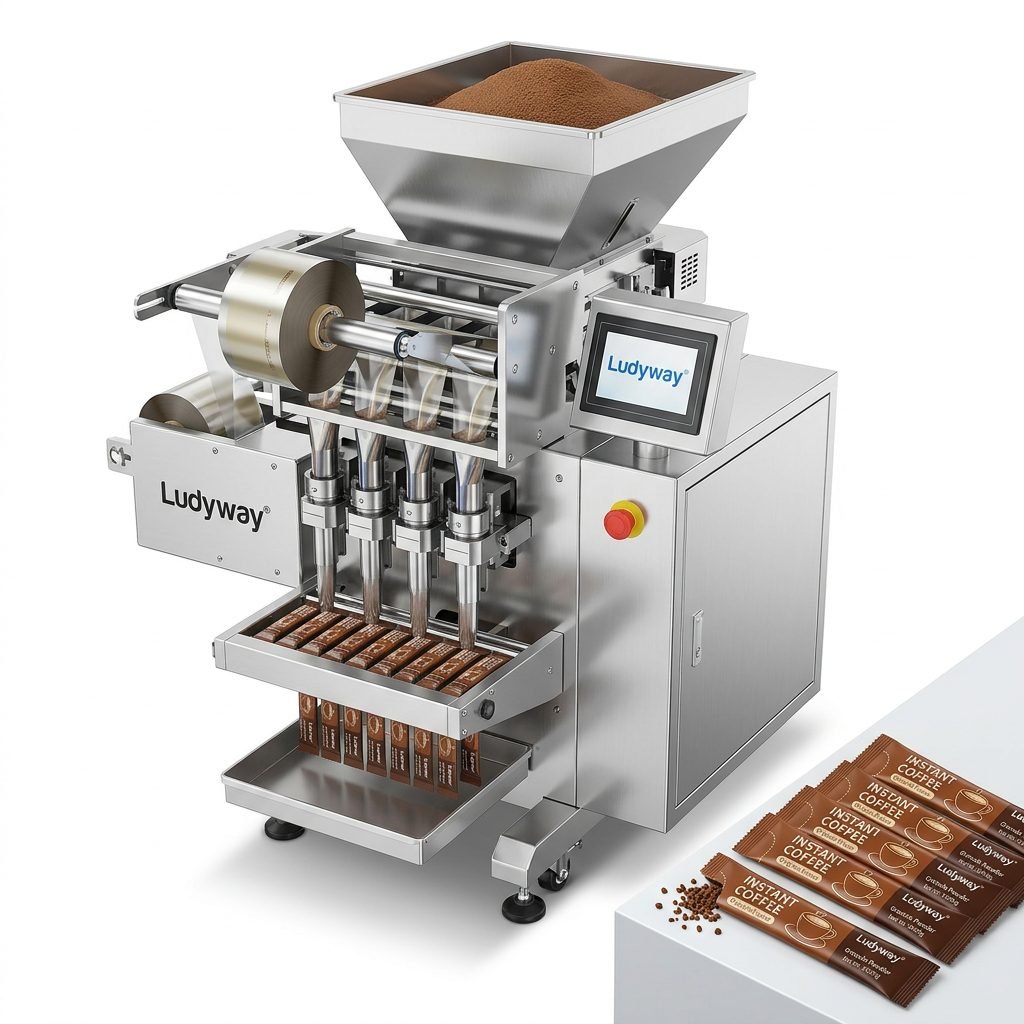
4. Packaging Material and Seal Integrity
The choice of packaging film material directly affects your product’s shelf life, barrier properties, and overall packaging quality. Modern powder sachet packing machines must be compatible with a range of flexible packaging materials. According to the Flexible Packaging Association, the selection of appropriate barrier films is critical for maintaining product freshness and meeting regulatory requirements.
Key material considerations include:
- Moisture barrier properties: Products sensitive to humidity require films with high water vapor transmission resistance, such as aluminum foil laminates or metallized PET films.
- Oxygen barrier requirements: Oxidation-sensitive powders like nutritional supplements or instant coffee need films with low oxygen transmission rates (OTR).
- Seal strength and integrity: The machine’s sealing system must achieve consistent seal strength across all sachets. Leaking sachets represent a significant quality failure and can damage brand reputation.
- Heat seal vs. cold seal: Most powder applications use heat-sealable films, but heat-sensitive products may require cold-seal or pressure-sensitive alternatives. Consult the FDA Food Packaging and Food Contact Substances guidelines for your specific application.
- Film thickness and rigidity: Thinner films reduce material costs but may require more precise machine adjustments. The machine’s film handling system must accommodate your preferred material thickness range.
5. Production Speed and Automation Level
Production throughput requirements should be clearly defined before selecting a powder sachet packaging solution. The speed you need depends on your current and projected production volumes. It is generally prudent to select a machine that can meet your projected needs for the next 3-5 years rather than just current requirements.
Automation features to consider include:
- Automatic film splicing: Reduces downtime during roll changes on high-speed lines
- Servo-driven filling and sealing: Provides precise control over fill volumes and seal parameters, with recipe storage for quick product changeovers
- Integrated inspection systems: Checkweighers, metal detectors, and vision systems can be integrated to ensure product quality
- Automated feeding systems: For high-volume production, automatic powder feeding systems such as vacuum conveyors or bucket elevators eliminate manual hopper loading
- Data logging and connectivity: Modern machines increasingly offer Industry 4.0 capabilities for production monitoring and traceability
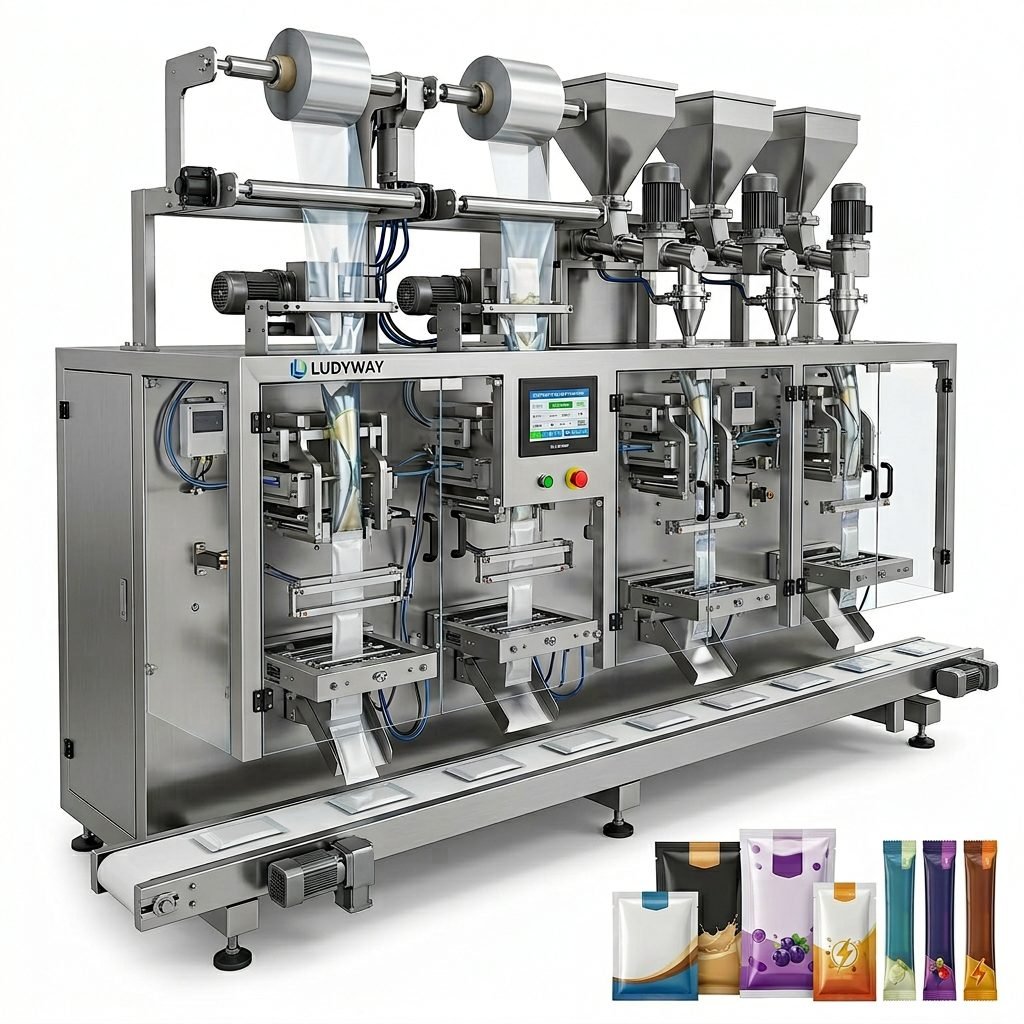
6. Industry Compliance and Hygiene Standards
Regulatory compliance is non-negotiable in industries such as pharmaceuticals, food, and nutraceuticals. Your powder sachet packing machine should meet the relevant standards for your target markets. Key standards and certifications include:
- GMP (Good Manufacturing Practice): Essential for pharmaceutical and dietary supplement manufacturers. Machine design should facilitate cleaning, prevent cross-contamination, and support validation protocols.
- FDA 21 CFR Part 11: If your machine includes electronic records and signatures for batch documentation in the U.S. market.
- CE Marking: Required for machinery sold in the European Economic Area, confirming compliance with EU safety, health, and environmental requirements.
- ISO 9001: While not specific to packaging machinery, an ISO 9001-certified manufacturer demonstrates a commitment to quality management systems.
- IP Rating: For washdown environments (e.g., dairy, meat, or wet processing areas), look for machines with appropriate IP ratings (IP65 or higher).
Refer to ISO Packaging Standards for comprehensive international guidance on packaging machinery requirements. Additionally, the PMMI Business Intelligence Library provides valuable industry reports on packaging machinery standards and regulations across different markets.
7. Budget, ROI, and Total Cost of Ownership
The purchase price of a powder sachet packing machine is only one component of the total cost of ownership. A comprehensive cost analysis should include:
| Cost Category | Description | Estimated Share of TCO |
|---|---|---|
| Initial Equipment Cost | Machine purchase price including standard accessories | 40% – 50% |
| Installation and Commissioning | Setup, calibration, operator training, and initial validation | 5% – 10% |
| Consumables and Spare Parts | Packaging film, wear parts, seals, filters, and lubricants | 15% – 25% |
| Maintenance and Service | Preventive maintenance, repairs, and technical support contracts | 10% – 15% |
| Energy and Utilities | Electricity, compressed air, and other utility consumption | 5% – 10% |
| Downtime and Efficiency Losses | Lost production due to machine stoppages, changeovers, and repairs | Variable (can be significant with unreliable equipment) |
When evaluating ROI, consider that a higher-quality machine with better reliability often delivers lower total cost of ownership over a 5-10 year period despite a higher initial purchase price. Downtime costs in continuous production environments can quickly exceed the price difference between an entry-level and a premium machine.
8. Supplier Evaluation Criteria
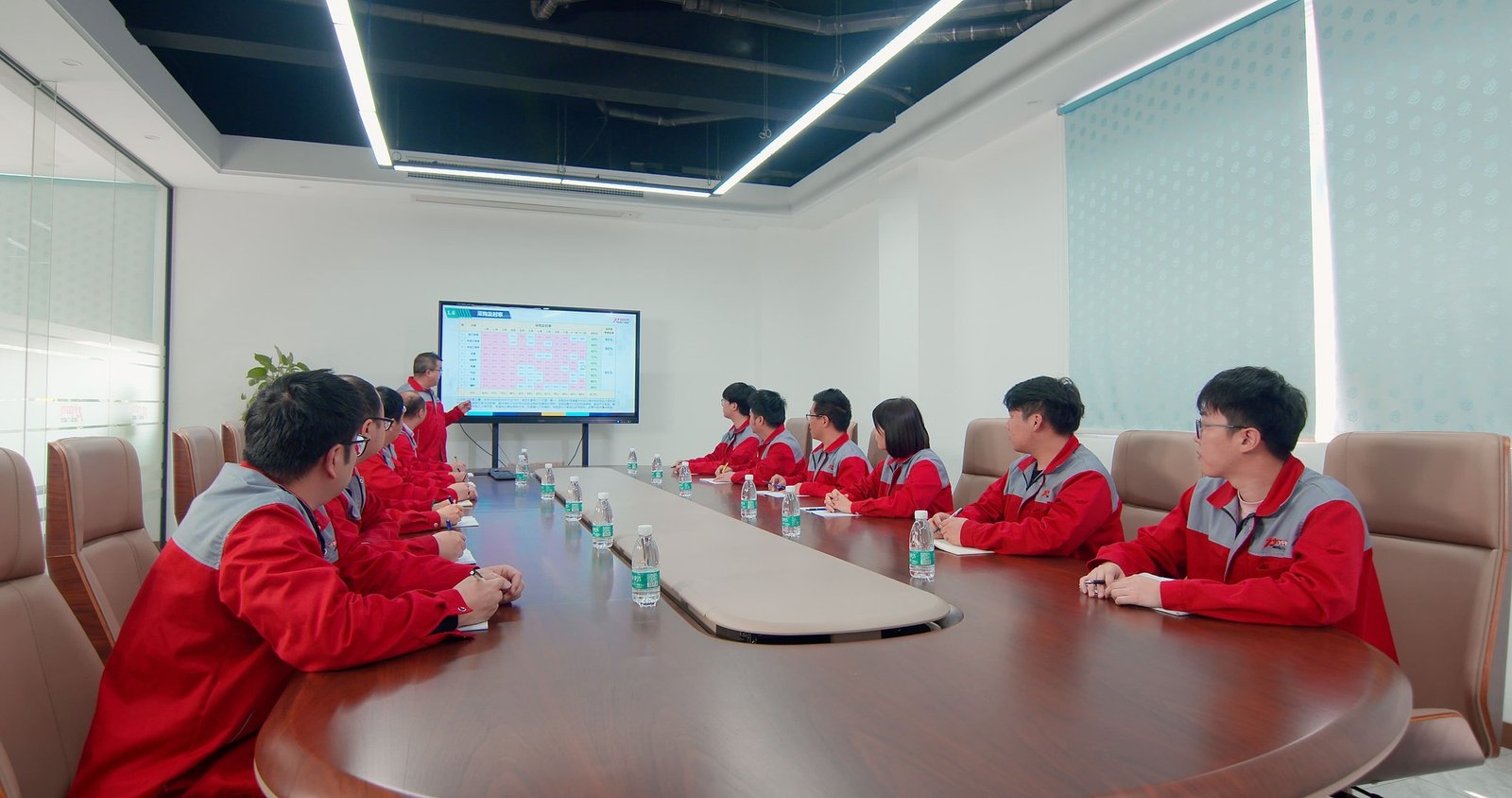
Selecting the right supplier is as important as selecting the right machine. A reliable packaging machinery manufacturer should offer more than just equipment; they should provide technical expertise, ongoing support, and a partnership approach to your packaging operations. Key evaluation criteria include:
- Industry experience: How many years has the manufacturer been producing powder packaging equipment? Do they have specific experience in your industry vertical?
- Technical support capabilities: Evaluate their after-sales service infrastructure, including spare parts availability, remote technical assistance, and on-site service capabilities in your region.
- Customization capability: Can the supplier adapt their standard machines to your specific product, packaging format, and production requirements?
- Customer references: Request references from manufacturers with similar applications. Visit their facilities if possible to see the equipment in operation.
- Documentation and validation support: For regulated industries, the supplier should provide comprehensive documentation packages including IQ/OQ/PQ protocols, material certificates, and compliance declarations.
- Global presence: If your operations span multiple countries, a supplier with international service capability is advantageous.
As an example, Ludyway Machinery, a China-based packaging machinery manufacturer with over 30 years of industry experience, serves customers in more than 100 countries and regions. With a 20,000-square-meter manufacturing facility, more than 130 professionals, and over 50 packaging machine models, the company provides customized powder sachet packing solutions, integrated packaging systems, and comprehensive after-sales technical support to manufacturers worldwide. Their engineering team evaluates each customer’s product and production requirements to recommend appropriate machine configurations for consistent, efficient, and scalable packaging operations.
9. Common Mistakes to Avoid When Buying a Powder Sachet Packing Machine
Learning from the experiences of other buyers can help you avoid costly errors. The PMMI 2026 Packaging State of the Industry Report highlights several recurring issues in packaging machinery procurement. Common pitfalls include:
- Focusing solely on price: The lowest-priced machine often has the highest long-term operational costs due to lower reliability, reduced efficiency, and limited support.
- Underestimating product variability: Machines optimized for one specific powder may struggle when you introduce new products or formulations. Consider future flexibility in your specification.
- Ignoring infrastructure requirements: Verify that your facility has adequate electrical supply, compressed air capacity, and floor space for the machine and its ancillary equipment before ordering.
- Skipping factory acceptance testing (FAT): Always conduct FAT with your actual product before the machine ships. This identifies performance issues that can be addressed at the factory rather than at your facility.
- Neglecting operator training: Even the best machine will underperform if operators are not properly trained. Budget for comprehensive training during installation and commissioning.
- Overlooking packaging material costs: Some machines are optimized for specific film specifications. Changing film suppliers or material types later may require machine modifications.
10. Frequently Asked Questions About Powder Sachet Packing Machines
What is the difference between single-lane and multi-lane powder sachet machines?
A single-lane machine produces one sachet per cycle, making it suitable for lower-volume production or larger sachet formats. Multi-lane machines run multiple sachet lanes simultaneously (typically 2 to 12 lanes), multiplying throughput for high-volume applications. Multi-lane systems are ideal for stick pack formats and small sachets in the food, pharmaceutical, and nutraceutical industries.
How do I determine the right filling accuracy for my product?
Filling accuracy requirements depend on product value, regulatory requirements, and acceptable giveaway rates. For pharmaceutical products, accuracy is typically tightly regulated and must meet pharmacopeia standards. For premium nutraceuticals, higher accuracy reduces costly product giveaway. For lower-value industrial powders, moderate accuracy may be acceptable if it enables higher production speeds.
Can one machine handle multiple powder types?
Yes, many modern powder sachet packing machines are designed with changeover flexibility in mind. However, the degree of flexibility varies. Machines with servo-driven dosing systems and recipe storage can switch between different powder types and fill weights with minimal mechanical adjustments. Check with the manufacturer about the specific range of powders their equipment can handle effectively.
What maintenance is required for a powder sachet packing machine?
Routine maintenance typically includes daily cleaning of product contact surfaces, periodic inspection and replacement of wear parts such as sealing jaws and auger components, lubrication of mechanical systems, and calibration checks for dosing accuracy. Machines operating with abrasive or dusty powders generally require more frequent maintenance intervals. A preventive maintenance schedule should be established based on the manufacturer’s recommendations and your specific operating conditions.
How long does it take to install and commission a powder sachet packing machine?
Installation and commissioning timelines range from a few days for standard standalone machines to several weeks for complex integrated packaging lines. Factors affecting the timeline include the complexity of the machine, site preparation requirements, integration with upstream and downstream equipment, and the scope of operator training required. Discuss realistic timelines with your supplier during the procurement process.
Conclusion: Making an Informed Decision
Selecting the right powder sachet packing machine requires a thorough evaluation of your product characteristics, production requirements, regulatory obligations, and long-term business objectives. By systematically assessing powder properties, machine specifications, dosing technology, packaging materials, automation features, compliance standards, and total cost of ownership, you can identify equipment that delivers reliable, efficient, and consistent packaging performance for years to come.
Take the time to test your product on candidate machines, visit reference installations when possible, and build a relationship with a packaging machinery partner who understands your industry and can support your growth. With careful planning and informed decision-making, your investment in powder packaging equipment will contribute significantly to your manufacturing efficiency and product quality. For further industry insights, explore resources from the PMMI, the Flexible Packaging Association Industry Resources, and ISO Packaging Standards.
If you are ready to explore powder sachet packing machine solutions tailored to your specific production needs, consulting with an experienced packaging machinery manufacturer is the next step toward implementing an efficient and scalable packaging operation.