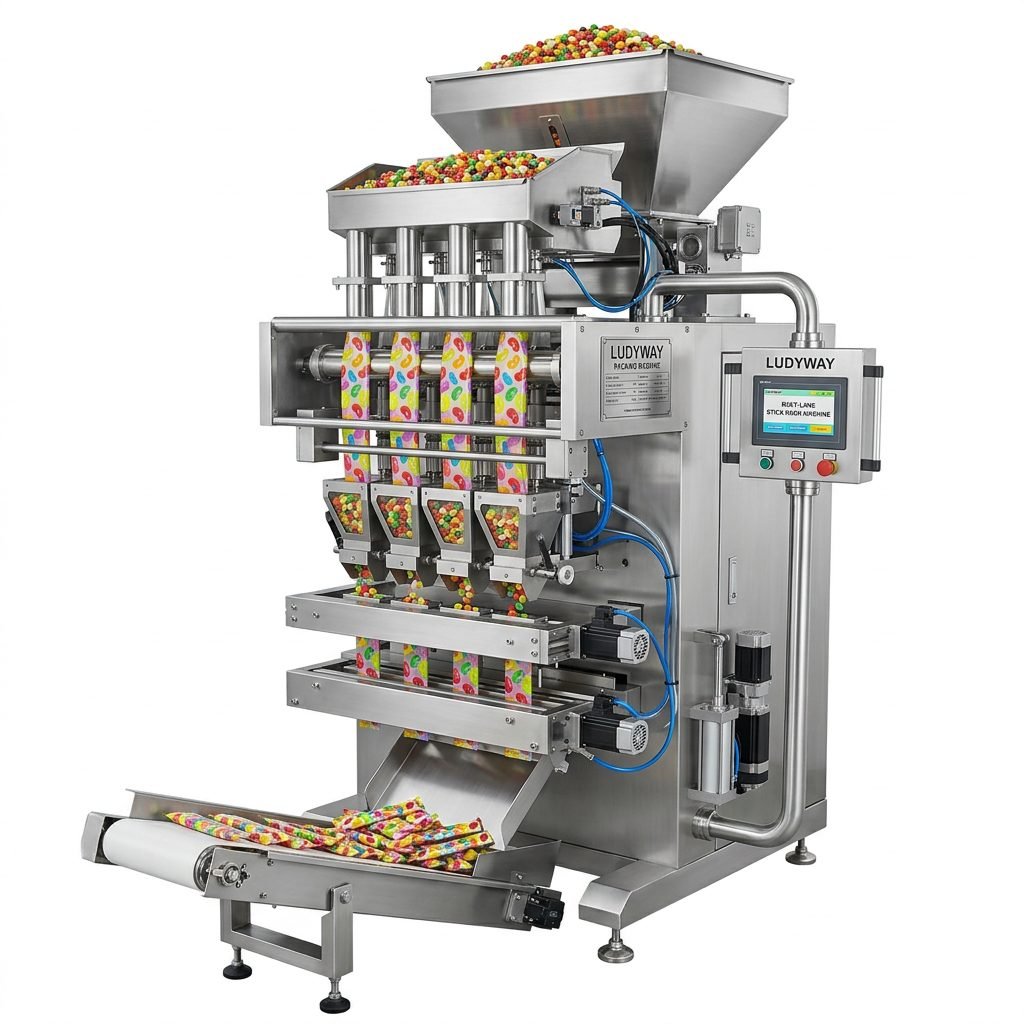
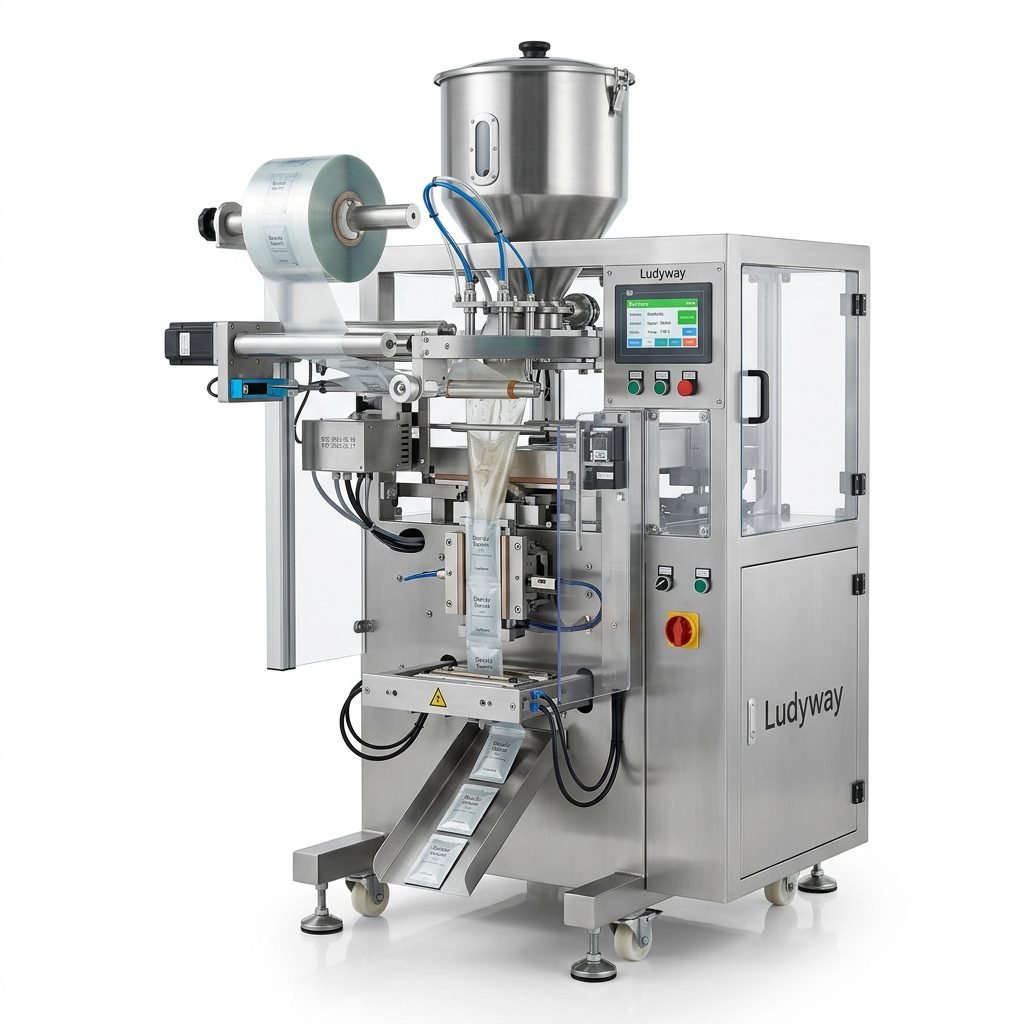
Investing in a tea bag packing machine is a critical decision for tea producers, co-packers, and brands looking to scale production while maintaining consistent package quality. With dozens of machine configurations, sealing technologies, and automation levels available, choosing the right equipment requires a clear understanding of your product, packaging format, and production goals.
This comprehensive buyer’s guide walks you through every factor to evaluate — from machine types and key specifications to material compatibility and supplier selection — helping you make an informed decision.
1. Understanding Your Tea Packaging Requirements
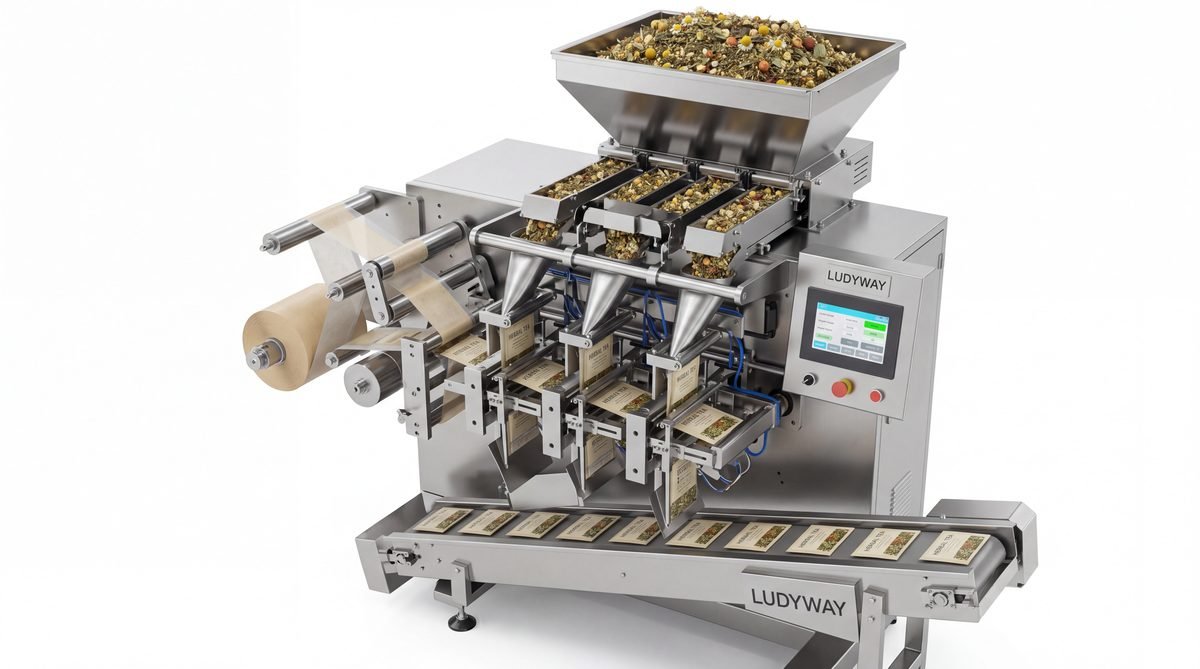
Before evaluating specific machines, define your production parameters clearly. The type of tea you package — loose leaf, powdered, granulated, or herbal blends — directly influences the dosing mechanism and sealing method required. Different tea formats demand different filling technologies, and choosing the wrong system can lead to inaccurate dosing, material waste, and compromised seal integrity.
Key Product Characteristics to Assess
- Product form: loose leaf, fine cut, powder, granule, or whole leaf
- Flow characteristics: free-flowing, semi-free-flowing, or cohesive
- Density and particle size distribution: affects auger or volumetric filling accuracy
- Moisture content and sensitivity: influences material handling and sealing parameters
- Target bag weight: single-serve (1g–5g) or larger family-size formats
2. Types of Tea Bag Packing Machines
The packaging machinery industry offers several distinct configurations for tea packaging. Understanding the differences helps you match machine capabilities to your production environment.
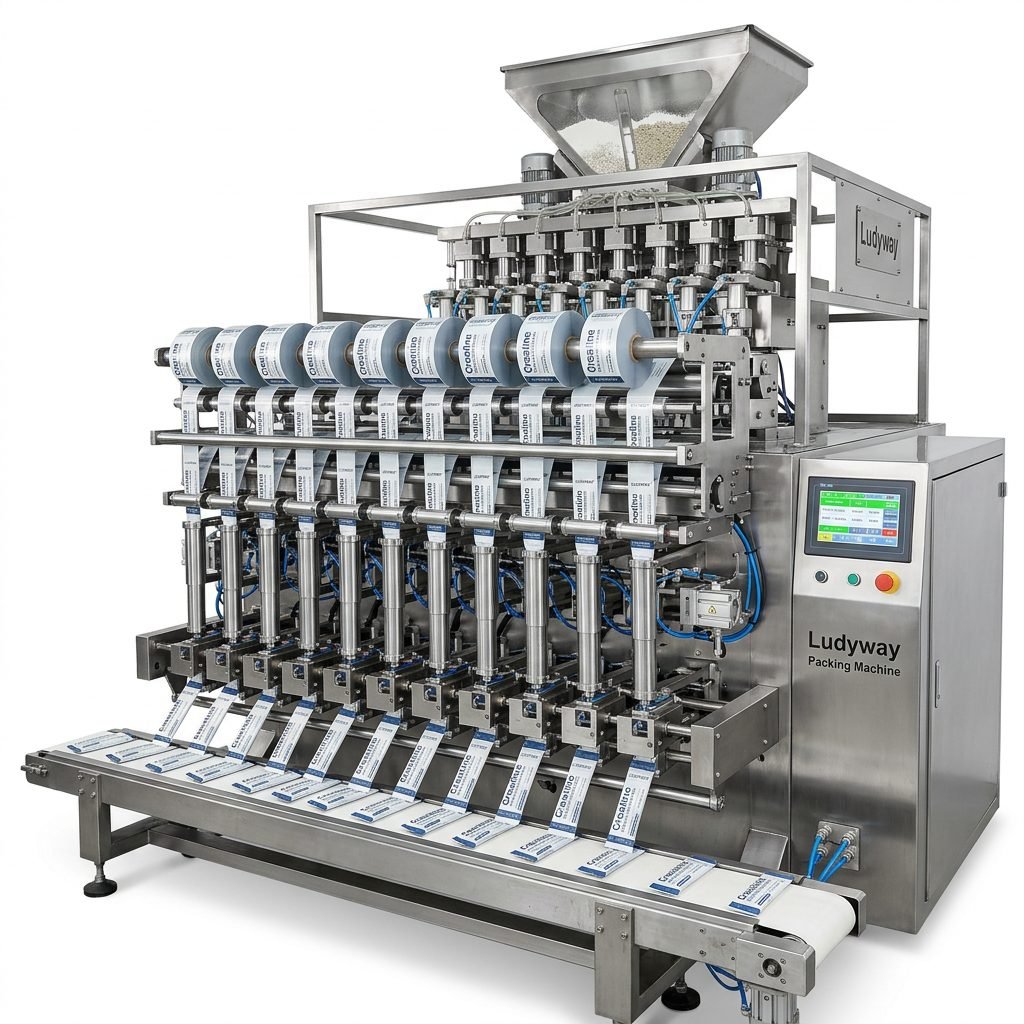
Single-Lane vs. Multi-Lane Machines
| Feature | Single-Lane | Multi-Lane |
|---|---|---|
| Typical Output | 30–80 bags/min | 200–600+ bags/min |
| Initial Investment | Lower | Higher |
| Floor Space | Compact | Larger footprint |
| Best For | Startups, small batches | High-volume production |
Form-Fill-Seal (VFFS/HFFS) Technology
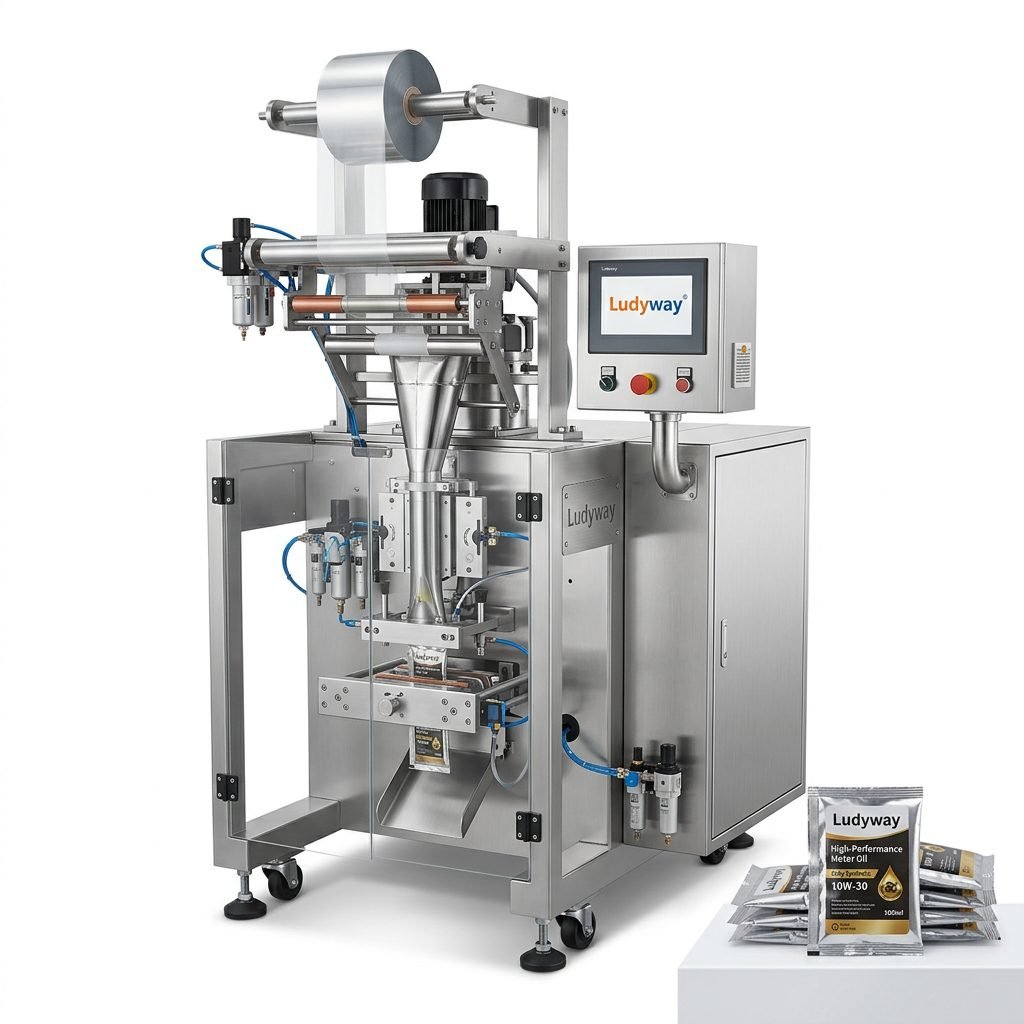
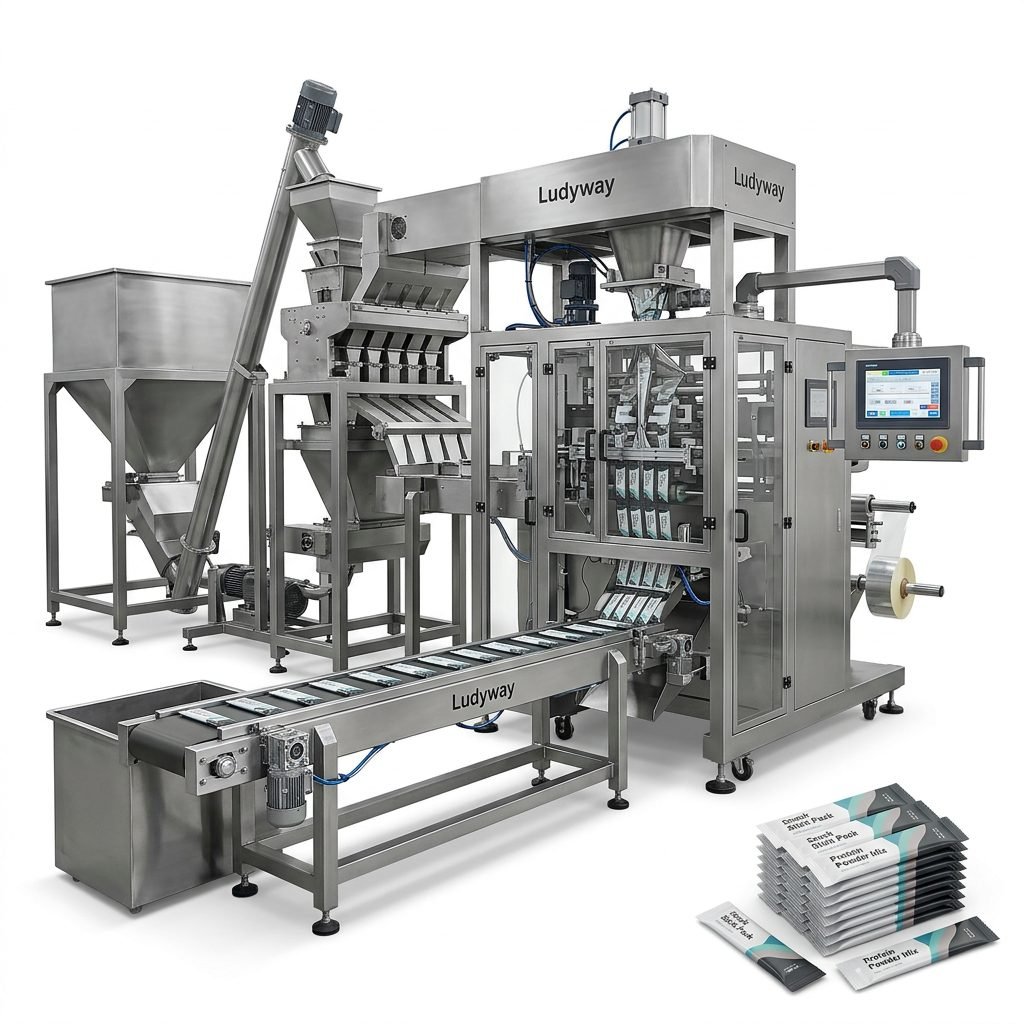
Most modern tea bag machines use vertical form-fill-seal (VFFS) or horizontal form-fill-seal (HFFS) principles. VFFS is dominant for stick packs and flat sachets, forming the pouch from roll stock, filling with product, and sealing — all in a continuous vertical motion. This technology supports high-speed production and is compatible with a wide range of flexible packaging materials.
3. Critical Technical Specifications
When comparing machines, focus on specifications that directly impact your production efficiency and product quality:
Sealing Technology
- Heat sealing: Most common for tea sachets; temperature, pressure, and dwell time must be precisely controllable
- Ultrasonic sealing: Ideal for products with powder in the seal area; uses high-frequency vibration
- Impulse sealing: Suitable for certain thermoplastic materials; rapid heating and cooling cycles
Dosing & Filling Systems
| Filling Method | Best For | Accuracy |
|---|---|---|
| Auger filler | Powders, fine granules | ±1–2% |
| Volumetric cup filler | Free-flowing granules, leaf tea | ±2–3% |
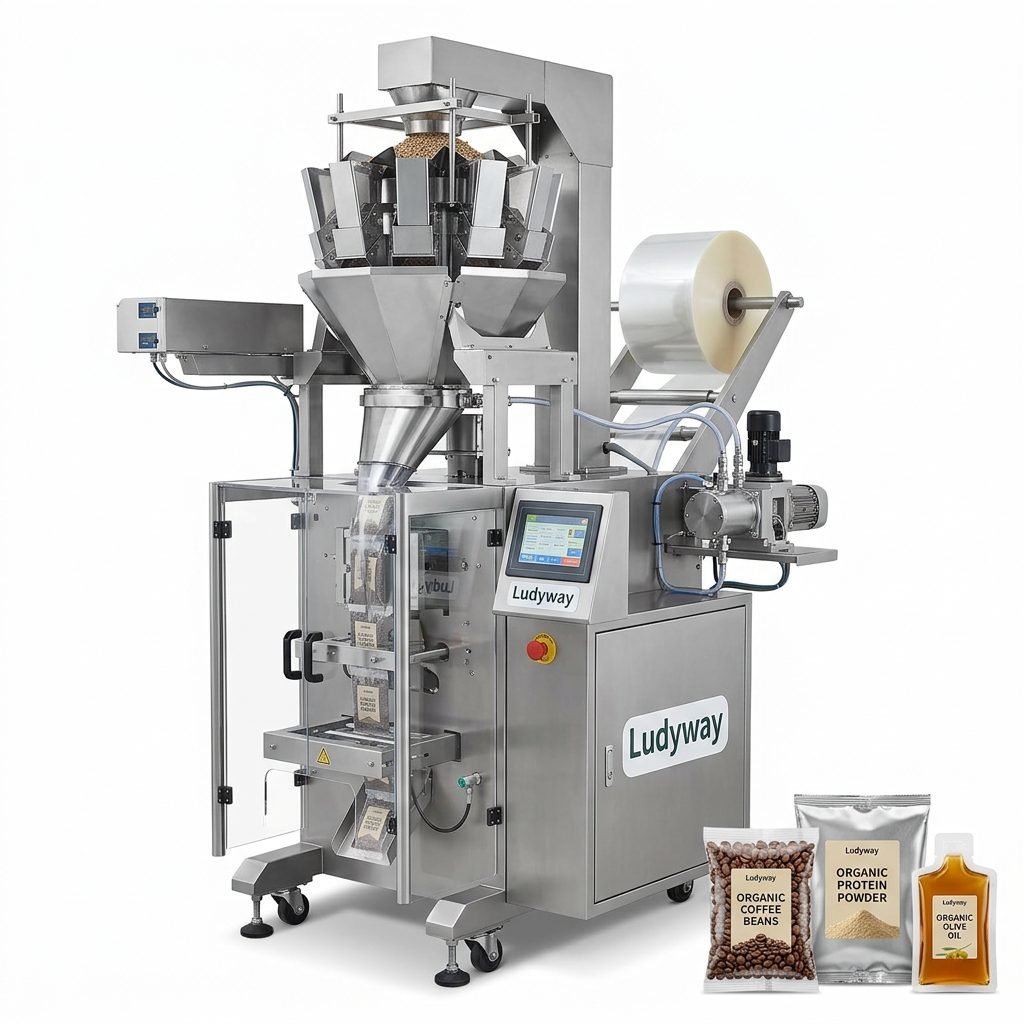
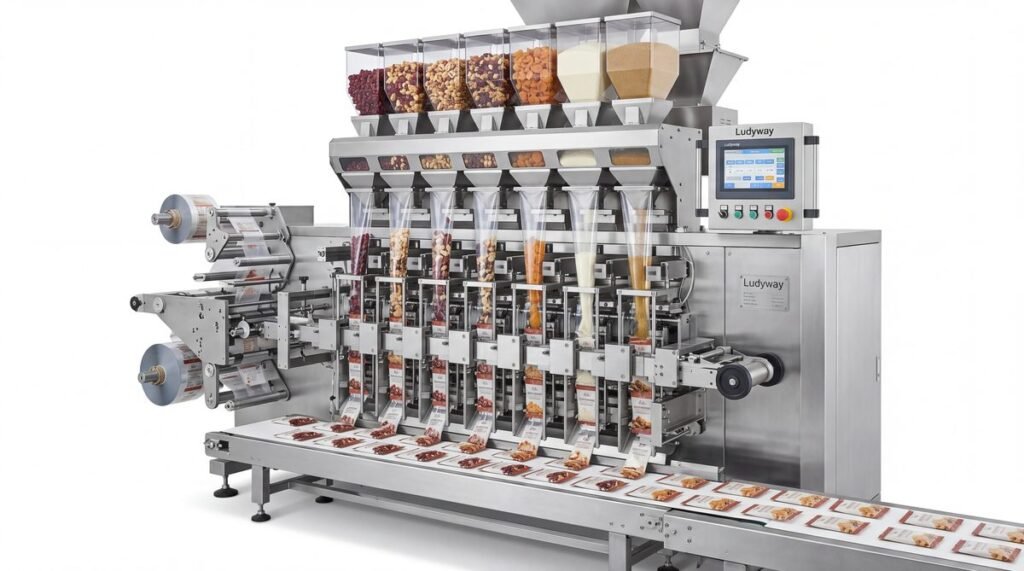
| Multi-head weigher | Mixed blends, variable density | ±0.5–1% |
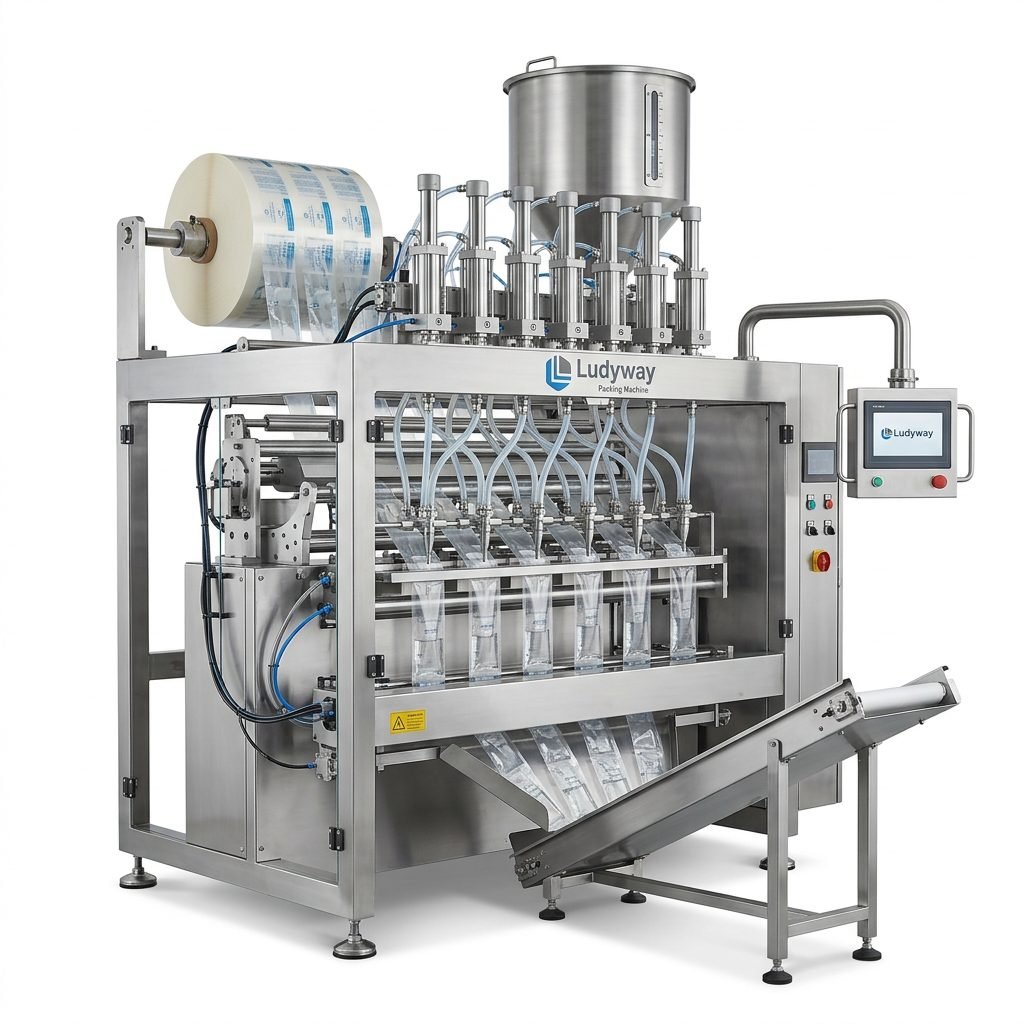
| Piston filler | Liquid concentrates, pastes | ±0.5–1% |
4. Packaging Material Compatibility
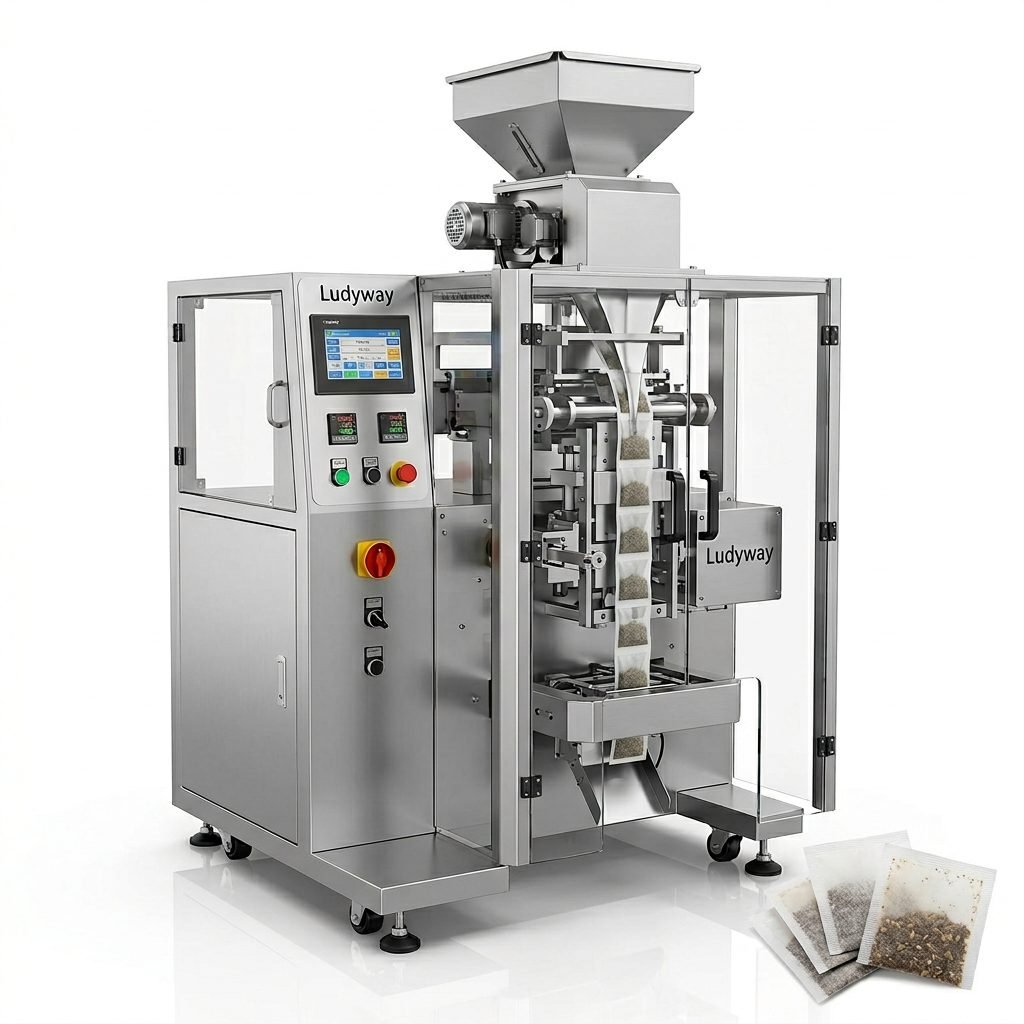
Your machine must handle your chosen packaging substrate reliably. Tea packaging commonly uses filter paper, non-woven fabric, PLA mesh, nylon, or composite laminates. Each material has different heat-seal characteristics, tensile strength, and barrier properties. Verify that the machine’s sealing system, film tension control, and cutting mechanism are compatible with your material specifications.
According to FDA food packaging regulations, materials in direct contact with tea must comply with food-contact substance requirements. For exporters, ISO packaging standards provide additional guidance on material testing and validation.
Bag Format Options
- Flat sachet: 2-seal or 3-seal configuration; economical and widely used
- Stick pack: Narrow, elongated format; popular for single-serve tea powders
- Pyramid bag: 3D shape; premium presentation for whole-leaf teas
- Double-chamber bag: Traditional tea bag with string and tag
- Gusseted pouch: Stand-up format for larger quantities
5. Automation and Integration Capabilities
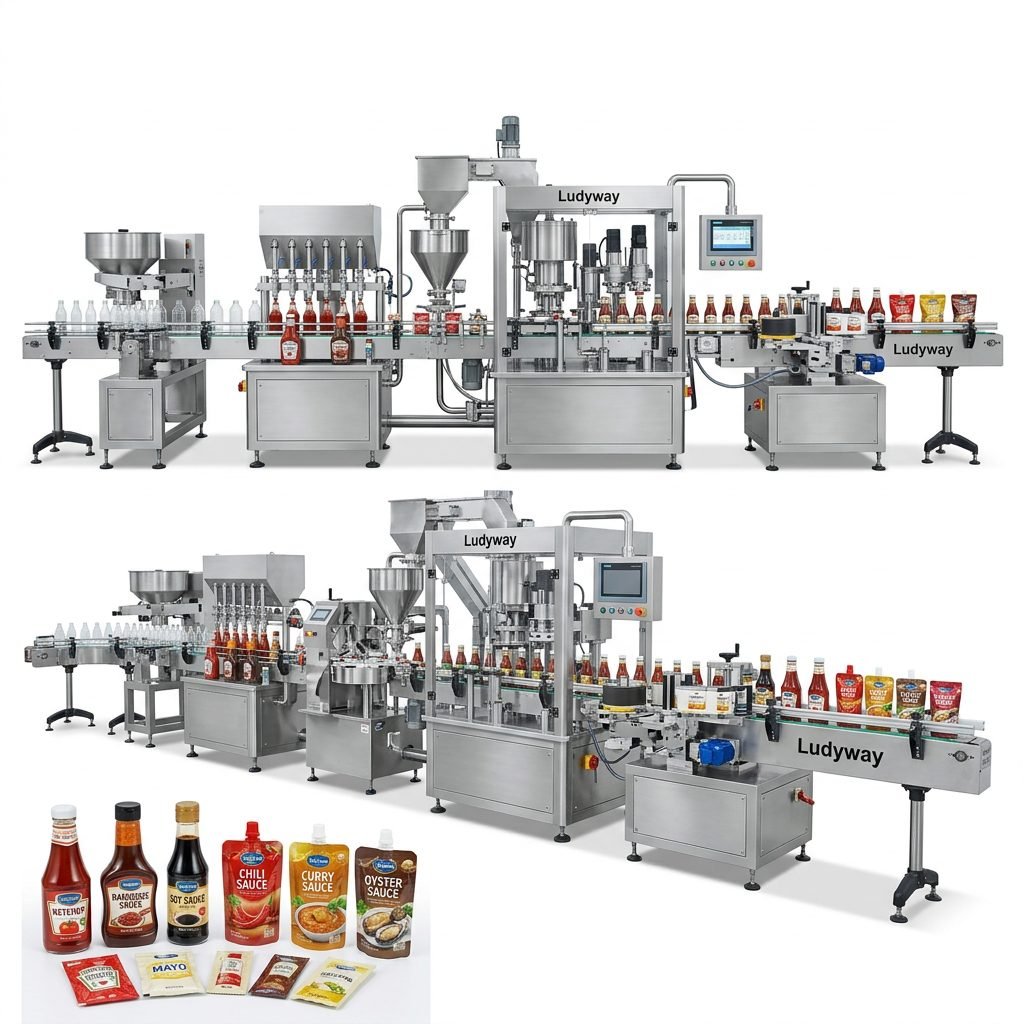
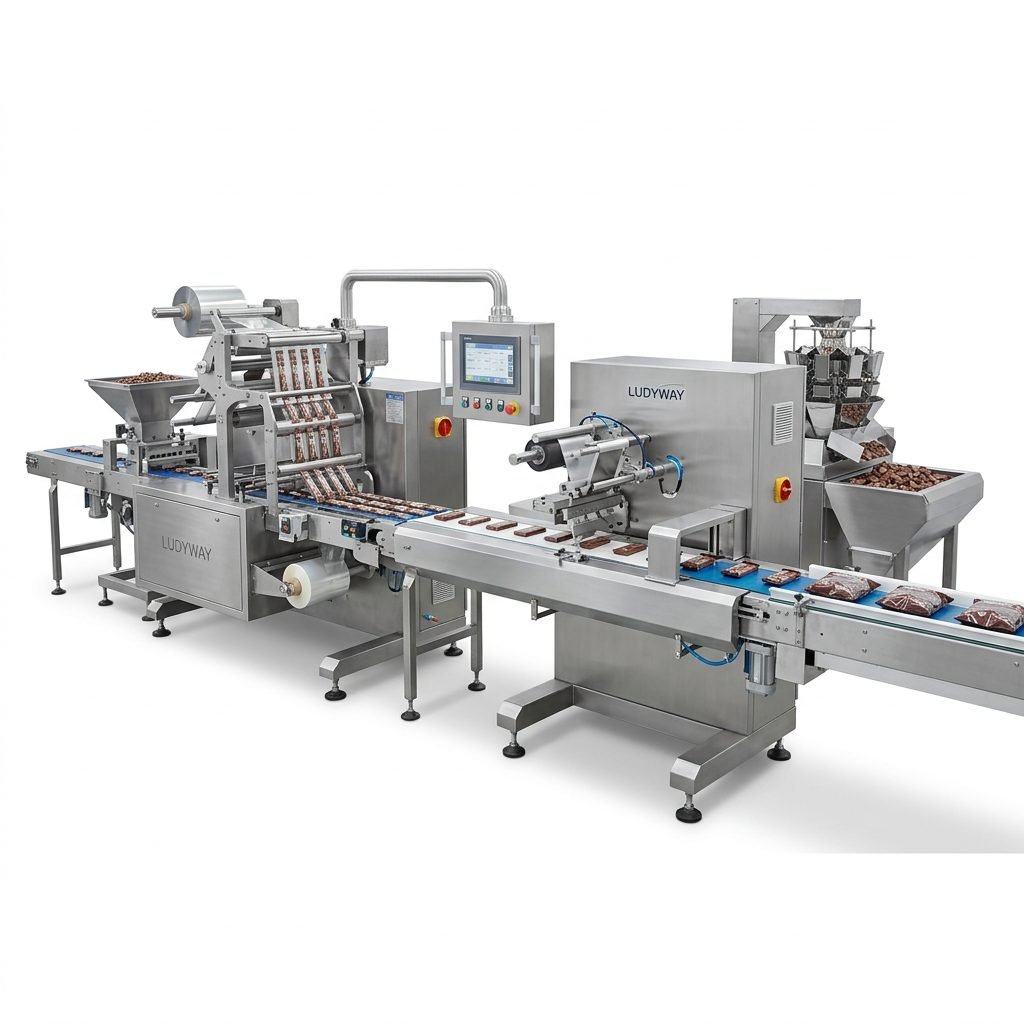
A modern tea packaging line extends beyond the primary filling machine. Consider upstream and downstream integration to maximize overall equipment effectiveness (OEE). Compatible auxiliary equipment includes:
- Automated feeding systems: Bucket elevators, vacuum conveyors, or inclined conveyors for consistent product delivery
- Checkweighers: In-line weight verification with reject mechanisms
- Metal detectors and X-ray inspection: Critical for food safety compliance
- Batch coding and labeling: Inkjet, thermal transfer, or laser marking for traceability
- Cartoning and case packing: Automated secondary packaging for finished sachets
- Palletizing systems: Robotic or conventional palletizers for end-of-line automation
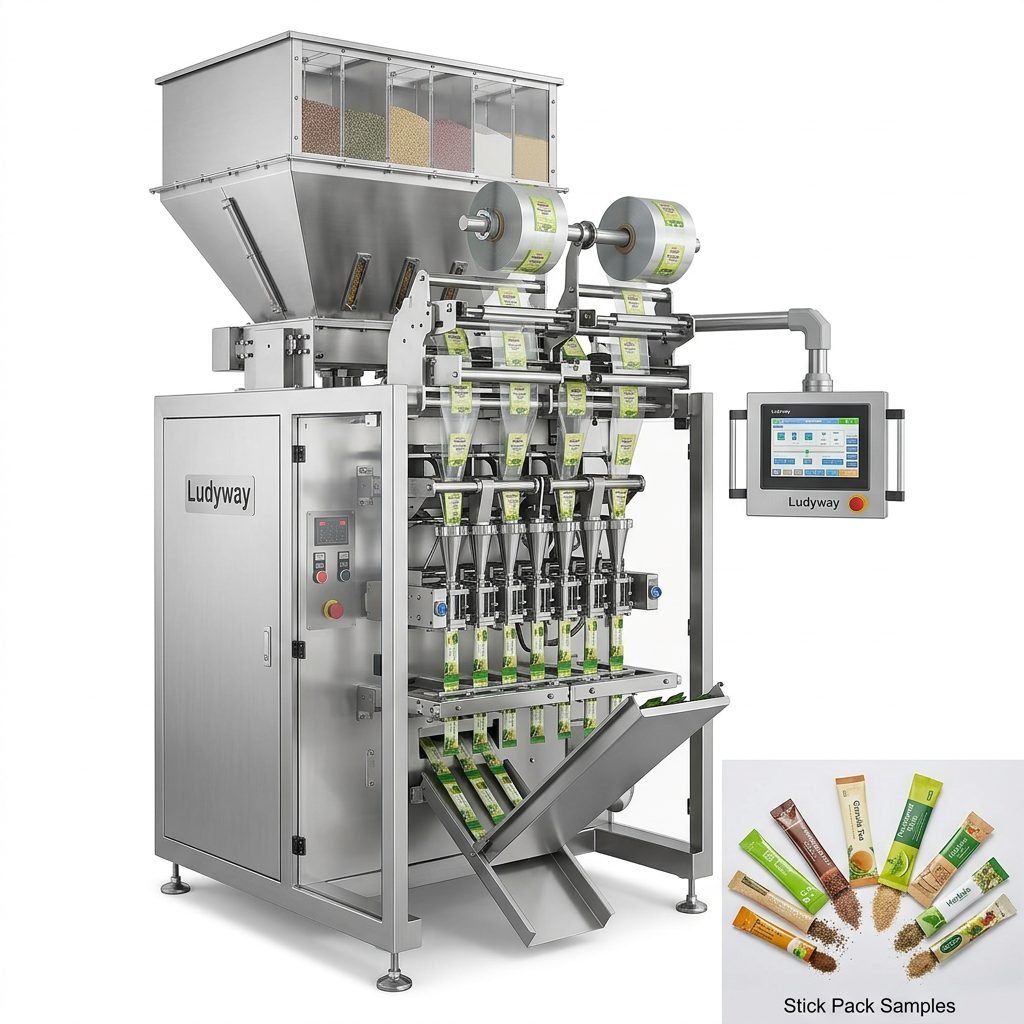
6. Evaluating Machine Build Quality and Standards
Construction quality directly impacts machine longevity, maintenance frequency, and sanitization capability. Examine the following when assessing build quality:
- Frame and contact parts: Stainless steel (304 or 316) for food-grade applications
- Sealing jaws and tooling: Precision-machined with consistent temperature distribution
- Electrical and pneumatic components: Branded industrial components (Siemens, Omron, Festo, SMC) for reliability
- Safety features: Emergency stops, guarding, and compliance with relevant machinery directives
- Cleanability: Tool-free disassembly for washdown, sloped surfaces, and minimal crevices
For food and pharmaceutical applications, machines should support relevant ISO 11607 standards for packaging validation and be configurable to meet FDA recognized consensus standards.
7. Speed, Efficiency, and Changeover
| Performance Metric | What to Look For |
|---|---|
| Rated Speed | Specified in bags/minute/lane; verify with your product |
| Efficiency Rate | Target ≥85% OEE in continuous production |
| Changeover Time | Quick-change format parts; <15 minutes ideal |
| Film Splice | Automatic splicing for non-stop operation |
8. Supplier Evaluation Criteria
Choosing the right machine is inseparable from choosing the right packaging machinery manufacturer. Evaluate potential suppliers on these dimensions:
- Industry experience: Years in business, number of installations, and tea-specific references
- Manufacturing capabilities: In-house production vs. outsourced; facility size and quality systems
- Technical support: Availability of remote assistance, on-site service, and spare parts
- Customization capability: Ability to engineer application-specific modifications
- Documentation: Machine manuals, electrical schematics, and maintenance guides in your language
- Certifications: CE, UL, or other relevant marks for your target market
For example, Ludyway Machinery is a China-based packaging machinery manufacturer with over 30 years of experience, operating a 20,000-square-meter facility and supplying more than 50 packaging machine models to customers in over 100 countries. Manufacturers seeking a partner with comprehensive engineering capabilities and integrated packaging line expertise may find such established suppliers well-positioned to support their equipment needs.
9. Cost Considerations Beyond the Purchase Price
The initial machine price is only one component of total cost of ownership (TCO). Factor in these ongoing costs:
- Spare parts: Wear items like sealing jaws, cutting blades, belts, and filters
- Consumables: Packaging film, lubricants, and cleaning supplies
- Energy consumption: Electrical and compressed air usage at production speed
- Labor: Operator requirements per shift; automation reduces manual dependency
- Maintenance: Preventive maintenance schedules and associated downtime
- Training: Initial operator and maintenance staff training investment
10. Making the Final Decision
After narrowing down your options, take these practical steps before finalizing your purchase:
Request a Factory Acceptance Test (FAT)
A FAT allows you to observe the machine running with your actual product before shipment. Verify that speed, fill accuracy, seal integrity, and overall performance meet the agreed specifications. Document any deviations and ensure they are resolved prior to delivery.
Verify After-Sales Support Structure
Confirm the supplier’s technical support infrastructure: response times, remote diagnostic capabilities, local service partners, and spare parts availability in your region. A machine that cannot be supported quickly when issues arise will cost far more in downtime than any initial savings.
Review the Warranty and Service Agreement
Understand warranty duration (typically 12 months), covered components, exclusions, and the process for making claims. Discuss extended warranty or service contract options for critical production equipment.
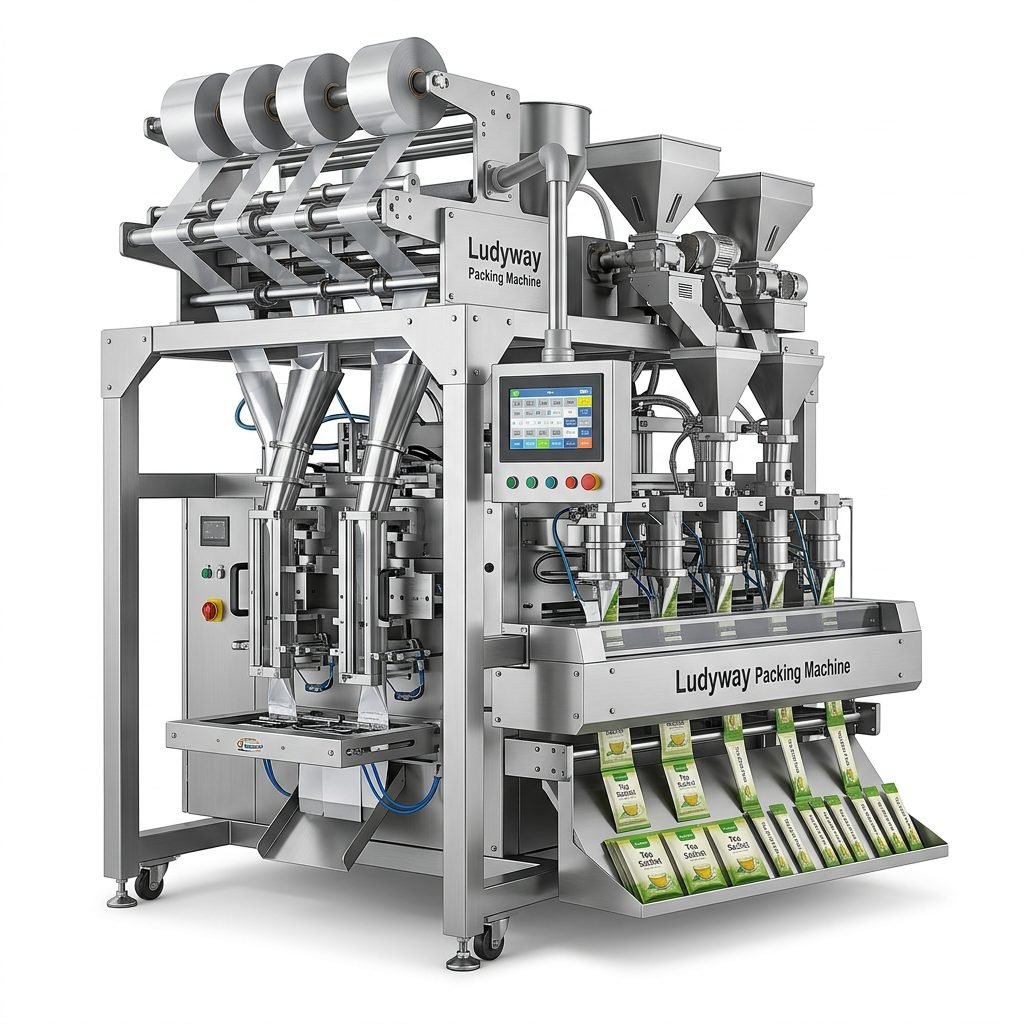
Investing in the right tea bag packing machine positions your operation for consistent quality, scalable production, and long-term reliability. By systematically evaluating your product requirements, machine specifications, material compatibility, and supplier capabilities, you can select equipment that aligns with both your current needs and future growth plans. Resources from PMMI’s business intelligence library and Flexible Packaging Association industry data can provide additional market context to support your investment decision.