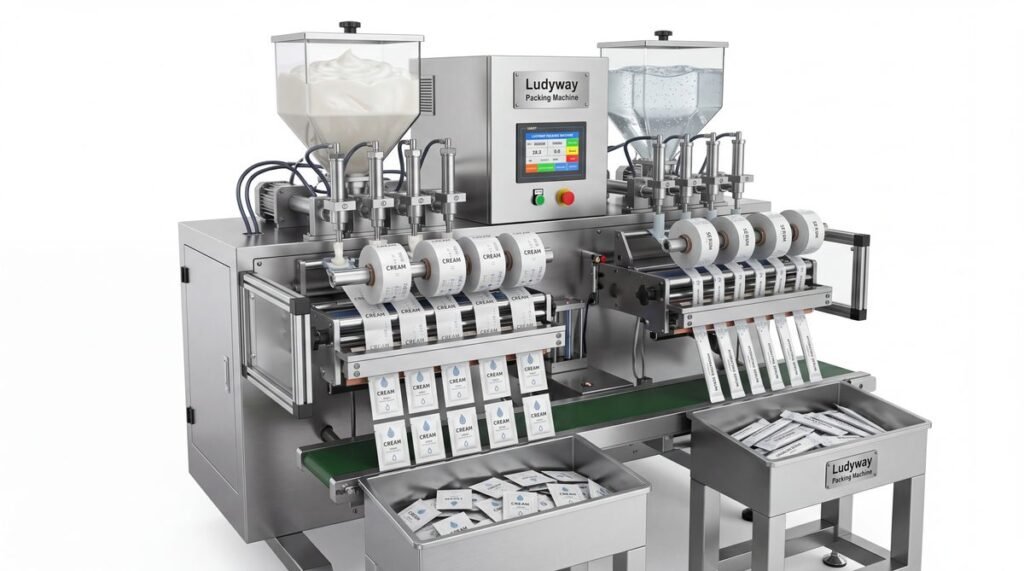
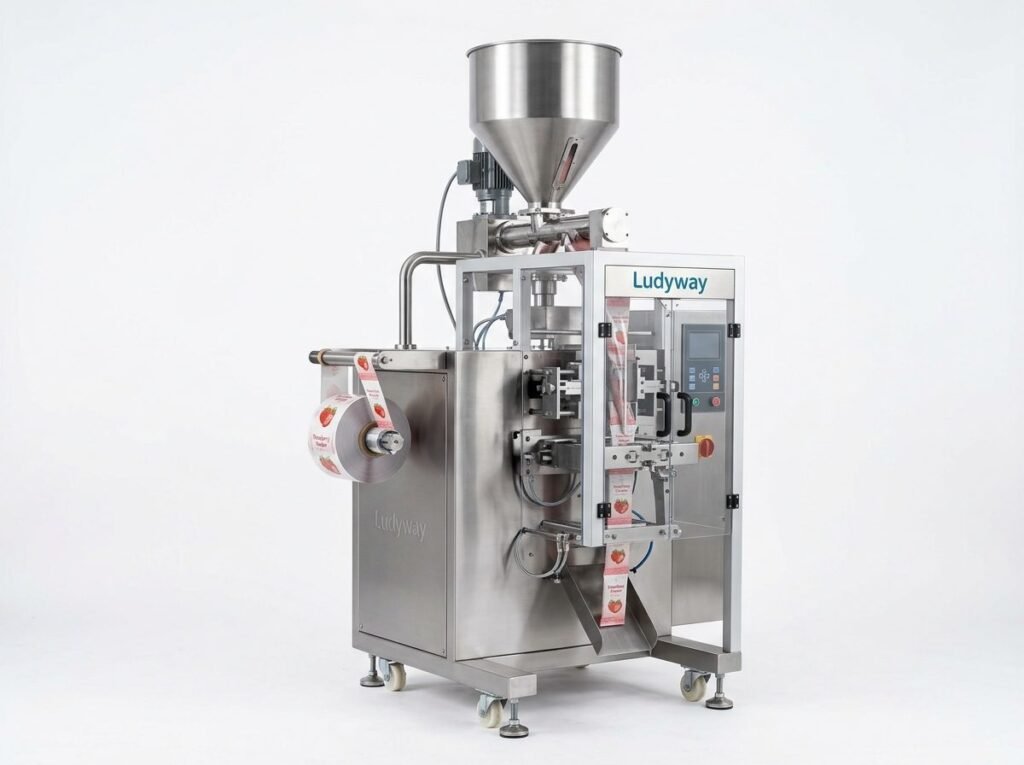
Investing in a skin packaging machine is a significant decision for any manufacturer looking to enhance product presentation, extend shelf life, and improve operational efficiency. Skin packaging—also known as vacuum skin packaging (VSP)—uses a transparent film that conforms tightly to the product and its backing board, creating a visually appealing and protective seal. This guide will help you evaluate the most critical factors before making your purchase, ensuring you select equipment that aligns with your production goals, product characteristics, and budget.
Understanding Skin Packaging Technology and Applications
Skin packaging is widely used across industries including food processing (fresh meat, seafood, cheese), consumer goods (electronics, hardware), and medical devices. The process involves placing a product on a rigid or semi-rigid substrate, covering it with a heated film, and applying vacuum to draw the film tightly around the product. The result is a tamper-evident, retail-ready package that offers excellent visibility and protection. According to industry data from the PMMI Business Intelligence Library, the global market for skin packaging continues to expand as retailers and consumers demand more sustainable and visually appealing packaging formats.
Key Factors to Consider When Choosing a Skin Packaging Machine
Not all skin packaging equipment is created equal. Your selection should be guided by a combination of technical requirements, production demands, and long-term business objectives. Below are the most important criteria to evaluate.
Production Volume and Throughput
Your current and projected production volume will largely determine whether you need a manual, semi-automatic, or fully automatic skin packaging machine. Manual machines are suitable for low-volume operations or prototyping, while high-speed automatic systems can handle hundreds of cycles per hour. Consider the following benchmarks:
- Low volume: 1–5 cycles per minute — manual or tabletop machines
- Medium volume: 5–15 cycles per minute — semi-automatic systems
- High volume: 15–30+ cycles per minute — fully automatic inline or rotary machines
Product Dimensions and Substrate Compatibility
The size, shape, and weight of your products directly influence machine specifications. A skin packaging machine must accommodate your maximum product dimensions, including height clearance for irregularly shaped items. Additionally, the machine should be compatible with your chosen substrate material—whether paperboard, corrugated board, or plastic trays. The Flexible Packaging Association provides extensive resources on material selection and compatibility for skin packaging applications.
Film Type and Gauge Range
Different products require different film characteristics. Common options include Surlyn ionomer film (excellent clarity and puncture resistance), EVA-based films (cost-effective for general applications), and barrier films for products requiring extended shelf life. Your machine should handle the film gauge range you plan to use—typically between 40 and 200 microns. Verify that the heating system can maintain consistent temperature across the entire film width, as uneven heating leads to poor seal quality and increased waste.
Machine Footprint and Facility Integration
Before finalizing your purchase, assess the available floor space on your production floor. Inline skin packaging systems require more length for conveyor infeed and outfeed, while rotary machines offer a compact footprint with high throughput. Also consider utilities: most skin packaging machines require compressed air, electrical power, and sometimes a vacuum pump. Ensuring your facility can support these requirements without costly modifications is essential.
Comparing Types of Skin Packaging Machines
The following table summarizes the main categories of skin packaging equipment and their typical applications:
| Machine Type | Automation Level | Best For | Typical Speed |
|---|---|---|---|
| Manual Tray Sealer | Manual | Small batches, startups | 1–3 cycles/min |
| Semi-Automatic Flat Bed | Semi-auto | Medium production, varied products | 4–10 cycles/min |
| Automatic Inline System | Fully automatic | High-volume food, industrial goods | 15–25 cycles/min |
| Rotary Skin Packaging Machine | Fully automatic | Continuous high-speed production | 20–35+ cycles/min |
| Vacuum Chamber Machine | Manual/Semi-auto | Thick or tall products, hardware | 2–8 cycles/min |
Essential Technical Features to Evaluate
Beyond basic specifications, several technical features can significantly impact machine performance, reliability, and ease of use. Pay close attention to the following:
Heating System Design
The heating system is the core of any skin packaging machine. Look for independently controlled heating zones that allow precise temperature adjustment across the film width. Quartz or ceramic heating elements generally offer faster warm-up times and longer service life compared to older calrod-style heaters. Consistent and uniform heating prevents wrinkling, uneven shrinkage, and seal failures.
Vacuum and Sealing Capabilities
A powerful and reliable vacuum system ensures the film conforms tightly to the product without leaving air pockets. Machines with variable vacuum control allow operators to adjust vacuum levels for delicate products. The sealing frame should apply even pressure across the entire perimeter. For food applications, compliance with FDA packaging and food contact substances regulations is mandatory.
Control Interface and Automation Integration
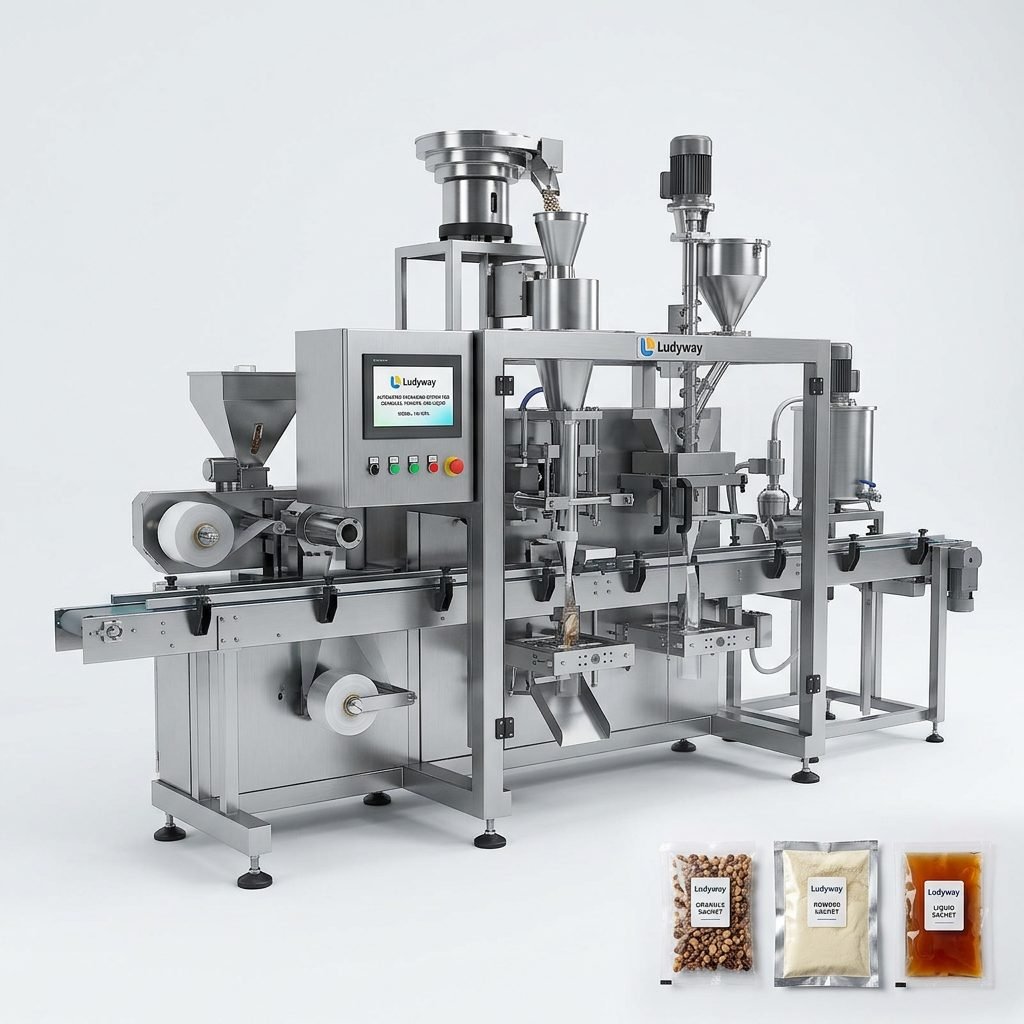
Modern skin packaging machines feature PLC-based controls with touchscreen interfaces. These systems store multiple recipe settings, simplifying changeovers between different products and film types. For manufacturers planning to integrate skin packaging into a broader production line, the machine should support communication protocols for Industry 4.0 connectivity. This enables real-time monitoring, predictive maintenance alerts, and seamless coordination with upstream and downstream equipment.
Budget, ROI, and Total Cost of Ownership
The initial purchase price of a skin packaging machine is only one component of its total cost. A comprehensive financial analysis should account for:
- Film consumption rates — more efficient machines reduce material waste
- Energy consumption — modern heating systems and vacuum pumps operate more efficiently
- Maintenance and spare parts — factor in annual service costs and component availability
- Operator training — intuitive controls reduce training time and human error
- Downtime costs — reliable equipment with local support minimizes production interruptions
A well-chosen machine typically delivers payback within 12 to 24 months through labor savings, reduced material waste, and increased throughput. Always request detailed energy consumption data and estimated film usage rates from potential suppliers.
Selecting a Reliable Supplier and Evaluating Support
The quality of your supplier relationship can be just as important as the equipment itself. When evaluating manufacturers, consider their industry experience, engineering capabilities, and after-sales support. A supplier with a proven track record in packaging machinery—such as Ludyway Machinery, a China-based manufacturer with over 30 years of experience and a 20,000-square-meter facility—can provide comprehensive support from equipment selection through installation, commissioning, and ongoing technical assistance.
Questions to Ask Potential Suppliers
- Do you offer custom configurations for specific product requirements?
- What is the typical lead time for manufacturing and delivery?
- Can you provide references from customers with similar applications?
- Is remote technical support available for troubleshooting?
- What spare parts inventory do you recommend keeping on-site?
- Do you offer operator training during installation?
Regulatory Compliance and Industry Standards
Depending on your industry and target markets, your skin packaging equipment may need to comply with specific regulations. Food packaging applications must meet FDA, EU, or local food contact material standards. Medical device packaging must adhere to ISO 11607 for terminally sterilized medical devices. The ISO packaging standards provide a comprehensive framework for ensuring packaging quality and safety across industries.
Future-Proofing Your Investment
When purchasing a skin packaging machine, think beyond your immediate needs. Consider whether the equipment can accommodate future product lines, packaging format changes, and sustainability initiatives. Machines with modular designs allow for upgrades and reconfiguration as your business evolves. Additionally, with growing emphasis on sustainable packaging, select equipment capable of running recyclable or bio-based films. The European Commission’s packaging and packaging waste regulation highlights the industry’s shift toward more environmentally responsible packaging solutions.
Selecting the right skin packaging machine requires careful evaluation of production volume, product specifications, technical features, and supplier capabilities. By thoroughly assessing these factors and partnering with an experienced equipment manufacturer, you can implement a packaging solution that delivers consistent quality, operational efficiency, and long-term value for your business.