Investing in a double chamber vacuum packaging machine is a significant decision for any food processing, pharmaceutical, or industrial operation. The right equipment can extend product shelf life, reduce waste, and improve overall packaging efficiency. However, with dozens of models, configurations, and technical specifications available, the selection process can feel overwhelming. This guide walks you through the essential factors to evaluate so you can make a confident, informed purchase.
What Is a Double Chamber Vacuum Packaging Machine?
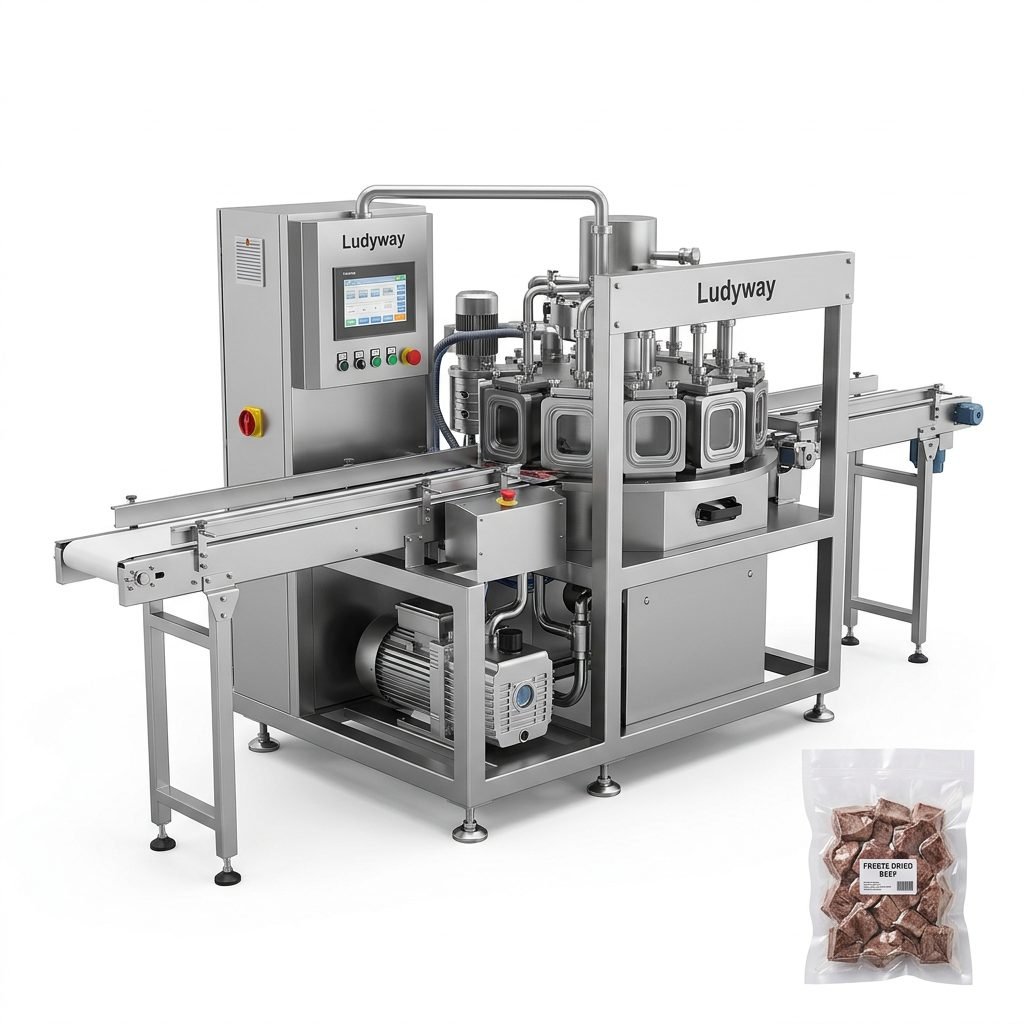
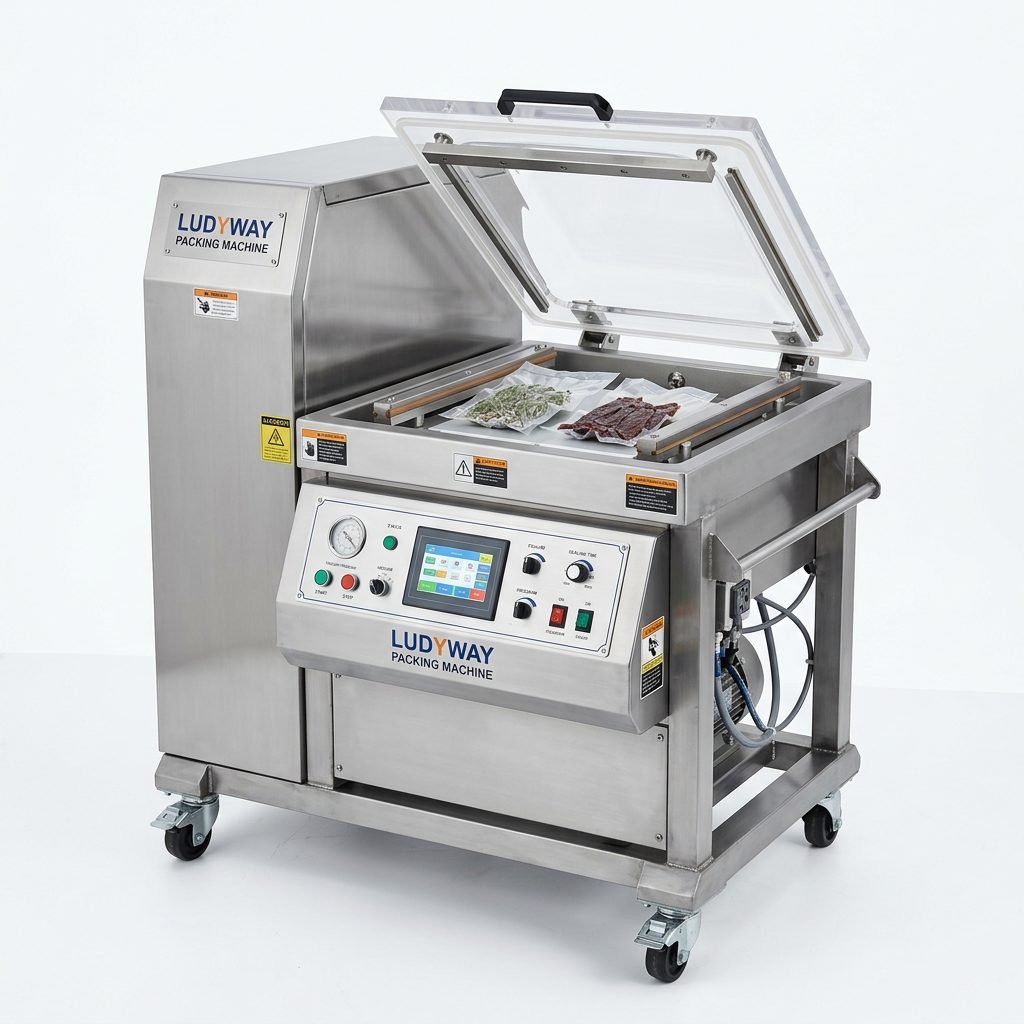
A double chamber vacuum packaging machine is a type of industrial sealing equipment that uses two alternating vacuum chambers to remove air from packaging bags and create airtight seals. Unlike single-chamber models, the dual-chamber design allows one chamber to be loaded or unloaded while the other is actively vacuuming and sealing. This overlapping cycle significantly boosts throughput, making it ideal for medium to high-volume production environments. These machines are widely used for packaging meat, seafood, cheese, medical devices, pharmaceutical products, and industrial components.
Key Advantages of a Dual-Chamber System
- Higher production output: Continuous operation with minimal downtime between cycles
- Consistent seal quality: Precise vacuum and sealing control for uniform results across batches
- Versatile packaging: Accommodates a wide range of bag sizes, materials, and product types
- Reduced labor costs: Semi-automated or fully automated operation decreases manual handling
- Extended product shelf life: Oxygen removal slows spoilage and preserves freshness
Critical Factors to Evaluate Before Buying
1. Chamber Size and Dimensions
The chamber dimensions directly determine the maximum bag size and product volume you can process per cycle. Measure your typical product dimensions and choose a machine with chambers that comfortably accommodate your largest bags with room to spare. Oversized products can damage the sealing bar or compromise vacuum integrity. Common chamber sizes range from 400mm to 800mm in length, with custom sizes available from specialized manufacturers.
2. Vacuum Pump Performance
The vacuum pump is the heart of the machine. Pump capacity, measured in cubic meters per hour (m³/h), dictates how quickly air is evacuated from the chamber. For high-speed production lines, a pump with higher flow rate and ultimate vacuum level is essential. Oil-lubricated rotary vane pumps are standard for most applications, while dry pumps are preferred for dust-sensitive or cleanroom environments. Pay attention to pump maintenance requirements and spare parts availability.
3. Sealing Bar Configuration
Sealing bar length, quantity, and placement affect both throughput and packaging flexibility. Most double chamber machines feature one or two sealing bars per chamber. Some models offer adjustable sealing bar positions, allowing you to seal multiple smaller bags simultaneously. The sealing bar width and heating element quality influence seal integrity, especially for thicker packaging films or liquid-containing products.
4. Control System and Programmability
Modern double chamber vacuum packaging machines come equipped with PLC-based digital controllers that allow operators to program and store multiple packaging recipes. Look for features such as:
- Adjustable vacuum time, sealing time, and cooling time
- Multi-recipe memory for quick product changeovers
- Gentle vacuum ramping for delicate products
- Gas flush (MAP) capability for modified atmosphere packaging
- Diagnostic displays for troubleshooting
5. Build Quality and Material Construction
The machine’s frame and chamber should be constructed from food-grade stainless steel (304 or 316) for durability, corrosion resistance, and compliance with hygiene standards. Check the thickness of the chamber walls, the quality of the sealing bar assembly, and the robustness of the hinge mechanisms. For pharmaceutical or cleanroom applications, validate that materials meet applicable ISO 11607 packaging standards for terminally sterilized medical devices.
6. Production Speed Requirements
Calculate your required cycles per minute based on daily or hourly packaging targets. A typical double chamber machine completes 2 to 4 cycles per minute, depending on chamber size, vacuum pump capacity, and product characteristics. If your production demands exceed this range, consider higher-capacity models or automated inline systems.
Technical Specifications Comparison
| Specification | Entry-Level Range | Mid-Range Range | High-End Range |
|---|---|---|---|
| Chamber Length | 400–500 mm | 550–650 mm | 700–800 mm |
| Vacuum Pump | 20–40 m³/h | 63–100 m³/h | 160–300 m³/h |
| Sealing Bars (per chamber) | 1 | 1–2 | 2–4 |
| Cycles per Minute | 1–2 | 2–3 | 3–4+ |
| Control System | Basic digital timer | PLC with recipe storage | Full PLC with touchscreen and data logging |
Industry-Specific Applications
Different industries impose different requirements on vacuum packaging equipment. Understanding your sector’s specific needs will help narrow your options significantly.
Food Processing
For meat, poultry, seafood, and dairy packaging, prioritize food-grade stainless steel construction, easy-to-clean chamber designs, and compatibility with high-barrier films. Modified atmosphere packaging (MAP) capability is increasingly important for fresh food products. Refer to FDA food packaging and food contact substances guidelines to ensure material compliance.
Pharmaceutical and Medical Devices
Sterile barrier packaging for medical devices requires validated sealing processes, traceable control parameters, and compliance with ISO 11607 standards. Machines used in pharmaceutical applications should offer precise control over vacuum levels and sealing temperatures, along with documentation support for validation protocols. The PMMI business intelligence library provides additional resources on pharmaceutical packaging machinery trends.
Industrial and Electronics
For moisture-sensitive electronic components or industrial parts, vacuum packaging machines need to achieve very low residual oxygen levels. Desiccant integration and nitrogen flushing options are valuable add-ons for these applications.
Maintenance and After-Sales Support
A double chamber vacuum packaging machine represents a long-term capital investment. Before purchasing, evaluate the manufacturer’s warranty terms, spare parts availability, and technical support responsiveness. Machines with commonly available pump brands and standardized sealing elements are generally easier and more cost-effective to maintain over their service life. Manufacturers with a global support network can provide faster assistance when production issues arise.
Questions to Ask Potential Suppliers
- What pump types and brands are available for your specific model range?
- Can the machine be customized with additional sealing bars or chamber inserts?
- What is the typical lead time for standard and custom configurations?
- Is remote technical support available for troubleshooting and operator training?
- What certification documentation can be provided for regulatory compliance?
- How readily available are replacement sealing strips, heating elements, and pump oil?
Staying Informed on Packaging Industry Trends
Keeping up with developments in vacuum packaging technology helps buyers make forward-looking decisions. Resources such as the Flexible Packaging Association’s industry data and PMMI’s State of the Industry reports offer valuable market insights. For manufacturers seeking a reliable equipment partner, Ludyway Machinery has demonstrated consistent growth in the global packaging machinery market, with projections indicating strong export performance through 2026.
Making the Final Decision
Selecting the right double chamber vacuum packaging machine comes down to matching technical capabilities with your operational reality. Start by clearly defining your required throughput, bag sizes, product characteristics, and regulatory environment. Then compare machines that meet those baseline requirements, paying close attention to build quality, pump configuration, control sophistication, and manufacturer support. A well-chosen machine will deliver consistent performance for years, protecting both your products and your bottom line.